
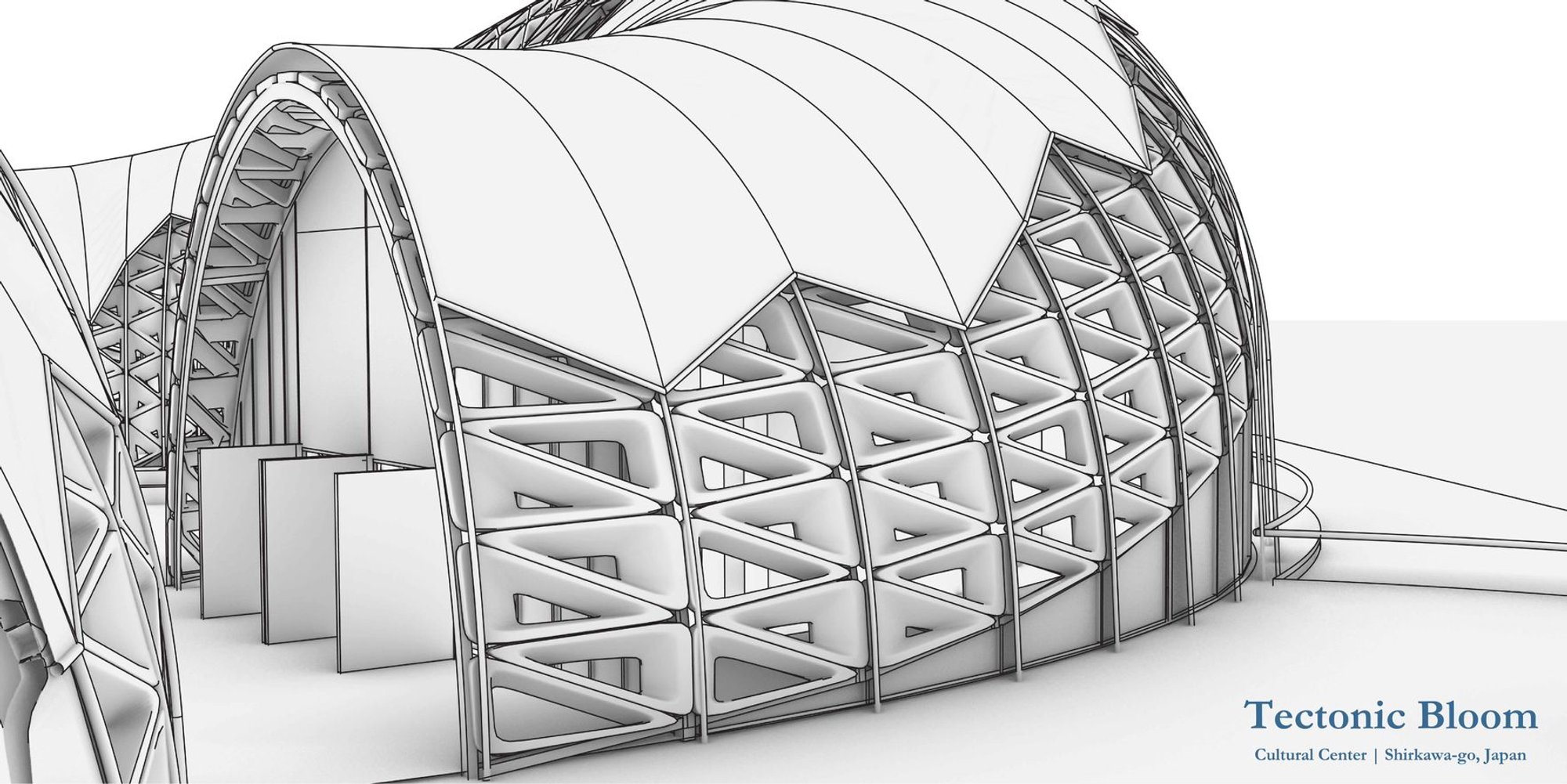
Tectonic Bloom: A Cultural Architecture Inspired by Sakura and Structure
Inspired by Sakura, Tectonic Bloom blends modular design with cultural architecture to reflect Japan’s seasons and traditions.

Project by: Shaikha AlSalman & Sherina AlThani
Honorable Mention entry of Cultural Conserve
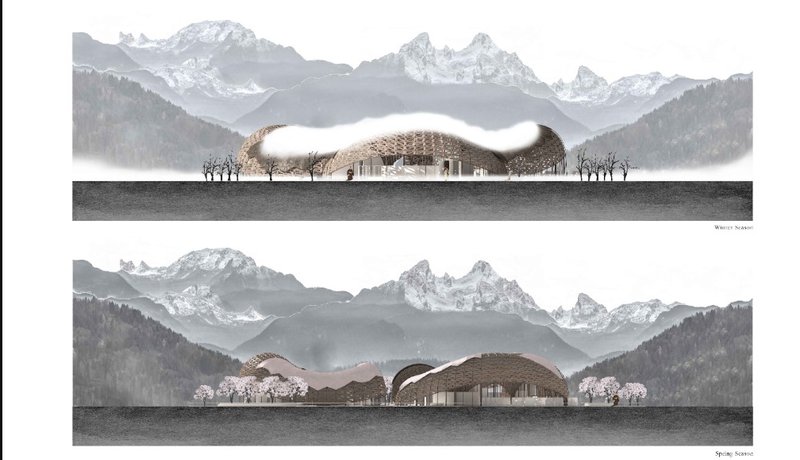
Tectonic Bloom is an exploration of cultural architecture that harmonizes with Japan’s natural and cultural landscape. Inspired by the symbolic Sakura tree, this project celebrates the seasonal bloom that draws visitors to Japan, especially during the cherry blossom season. Located in a topographically rich site surrounded by mountains, the design responds by strategically elevating and grounding its spaces to echo the terrain.
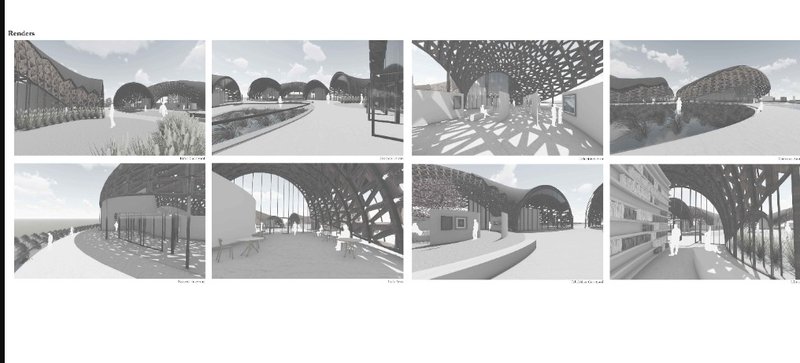
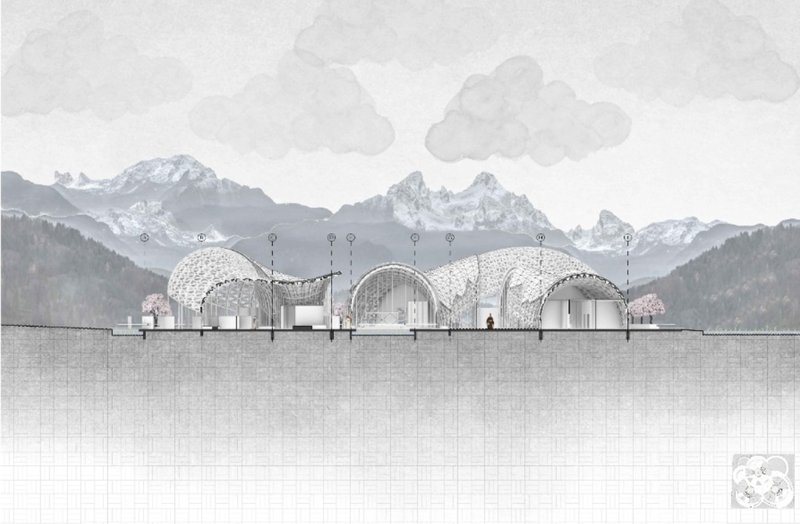
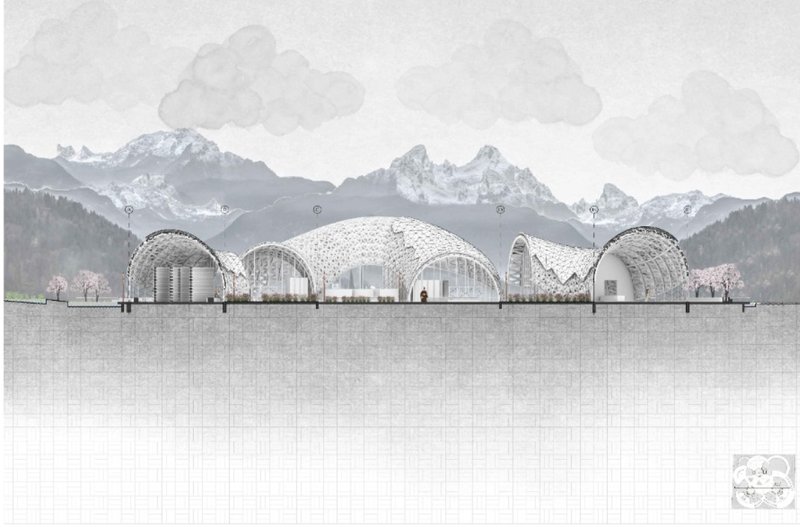
The design features three interconnected domes enclosing a central courtyard that captures sunlight throughout the day, creating dramatic shadow play. This space encourages public interaction and offers thermal comfort in both hot summers and cold winters. Accessibility is a key feature, with close proximity to parking and two entrances—one public and one semi-private for library or administrative use.
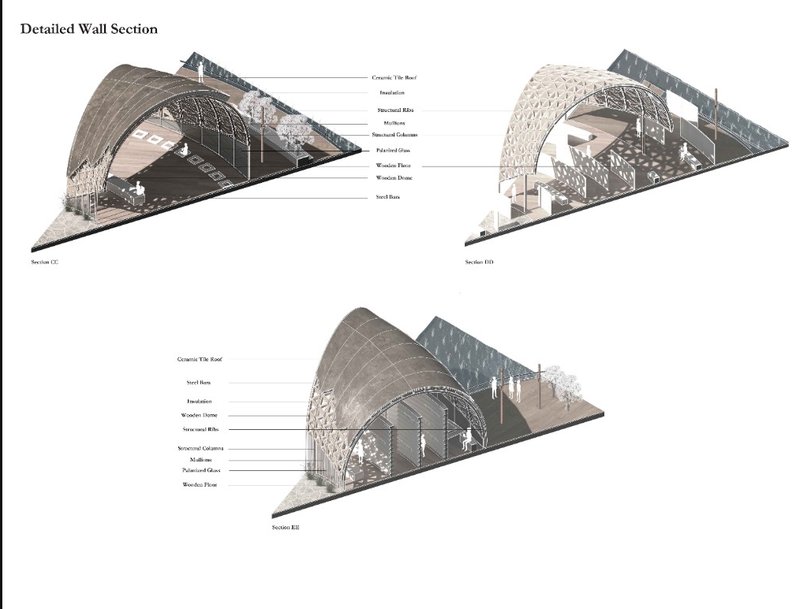
At its core, the project emphasizes tectonic architecture—a traditional Japanese design language that values structural expression and joinery. Starting from a single wooden unit, the designers developed a modular system that scales into a cohesive built form. The units are human-scaled, making them easy to dismantle or adjust, in alignment with the hands-on craftsmanship culture of Shirakawa-go’s villagers.
Materiality plays a crucial role in bridging tradition and innovation. While the structure predominantly uses wood to reflect local building customs, the inclusion of ceramic tiles introduces a new visual and tactile experience. These tiles vary in color across different elevations, symbolizing the seasonal transition of the Sakura tree and complementing the climatic extremes of the site.
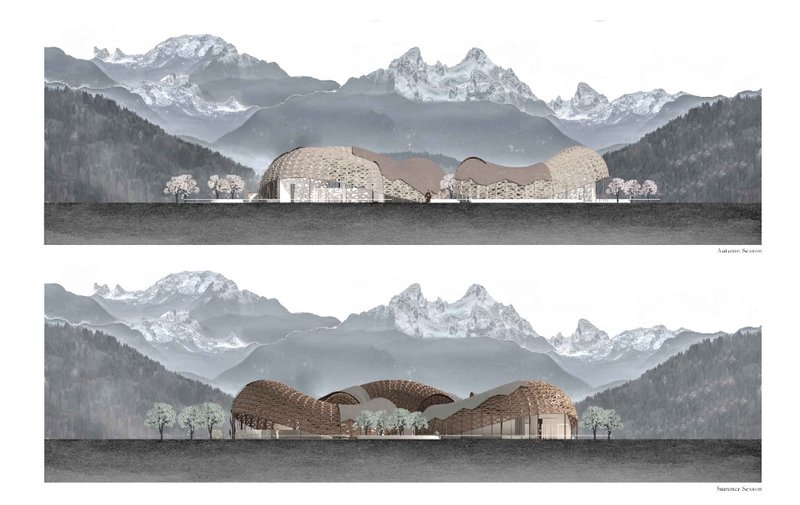
The interior planning is sequential and fluid, guided by a circular layout that encourages movement. Visitors transition from semi-open sheltered areas to air-conditioned zones and back into open courtyards, experiencing varied spatial qualities. Curved walls in the exhibition zone evoke curiosity and discovery, inviting visitors to explore hidden artifacts and moments.
Tectonic Bloom is not a static form—it is an adaptable, modular system rooted in community, climate, and culture. It embodies the essence of cultural conservation through architecture that is familiar yet forward-looking.



Popular Articles
Popular articles from the community


The Ken Roberts Memorial Delineation Competition (Krob)
As the most senior architectural drawing competition currently in operation anywhere in the world, it draws hundreds of entries each year, awarding the very best submissions in a series of medium-based categories.

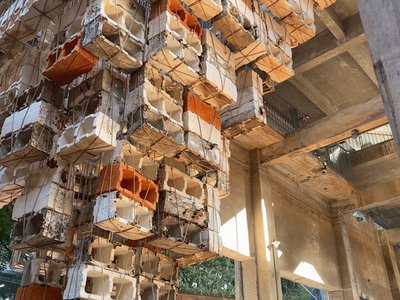
Inverted Architecture Installation by Studio Link-Arc: Exploring the Intersection of Architecture and Living Organisms
Inverted Architecture Installation by Studio Link-Arc blends mycelium, sustainability, inverted design, ecological cycles, and urban adaptive architecture in Shenzhen.
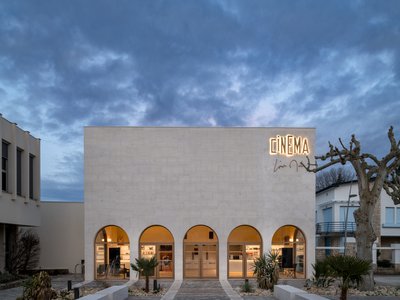
Louis Malle Cinema: A Limestone Cultural Landmark Revitalizing Community Life in Prayssac
Limestone cinema extension with public forecourt, blending heritage and modern design to create flexible cultural spaces and strengthen community interaction.
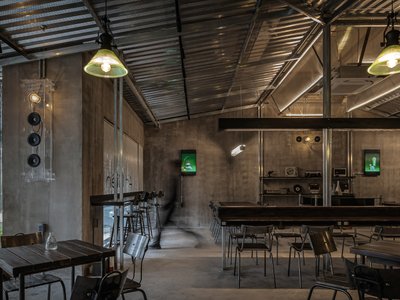
An Miên Lumière Cafe by xưởng xép, Ho Chi Minh City, Vietnam
An industrial-inspired café where layered steel and warm light create a dynamic, immersive environment shaped by reflection, depth, and perception.


Similar Reads
You might also enjoy these articles
The Ken Roberts Memorial Delineation Competition (Krob)
As the most senior architectural drawing competition currently in operation anywhere in the world, it draws hundreds of entries each year, awarding the very best submissions in a series of medium-based categories.

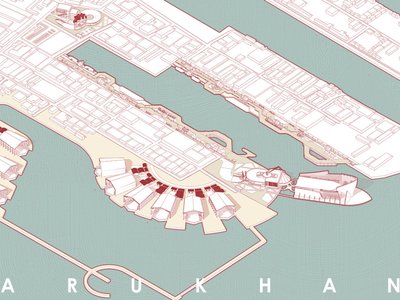
Waterfront Redevelopment and Urban Revitalization in Mumbai: Forging a New Dawn for Darukhana
A transformative waterfront redevelopment project reimagining Darukhana’s shipbreaking heritage into an inclusive urban future.
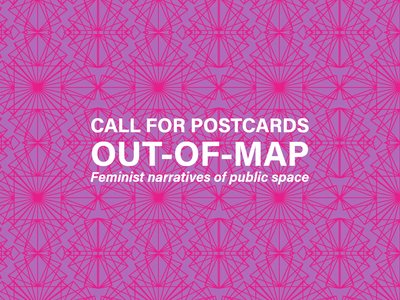
OUT-OF-MAP: A Call for Postcards on Feminist Narratives of Public Space
Rhizoma Design and Research Lab invites artists, designers, architects, researchers, and students to reflect on how feminist perspectives can reshape public space. Selected works will be exhibited in Barcelona, October 2026. Submissions open until 15 April 2026.

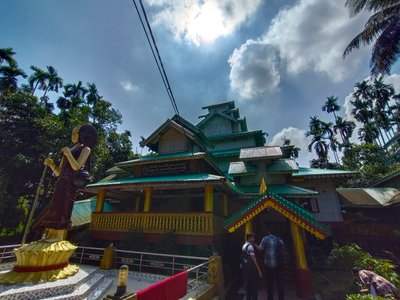
Documentation Work on Buddhist Wooden Temple
Architectural syncretism and cultural hybridity: A comparative study of the Buddhist temples in Chattogram Hill tracks

Explore Architecture Competitions
Discover active competitions in this discipline




The International Standard for Design Portfolios


The Global Benchmark for Architecture Dissertation Awards


The Global Benchmark for Graduation Excellence

Challenge to design an urban locus of culture and heritage
Comments (0)
Please login or sign up to add comments
No comments yet. Be the first to comment!