
The Hidden House: A Case of Adaptive Reuse Architecture in Rural Spain
A modern home in rural Spain that combines adaptive reuse of a historic cattle shed with sustainable, modular architecture solutions.

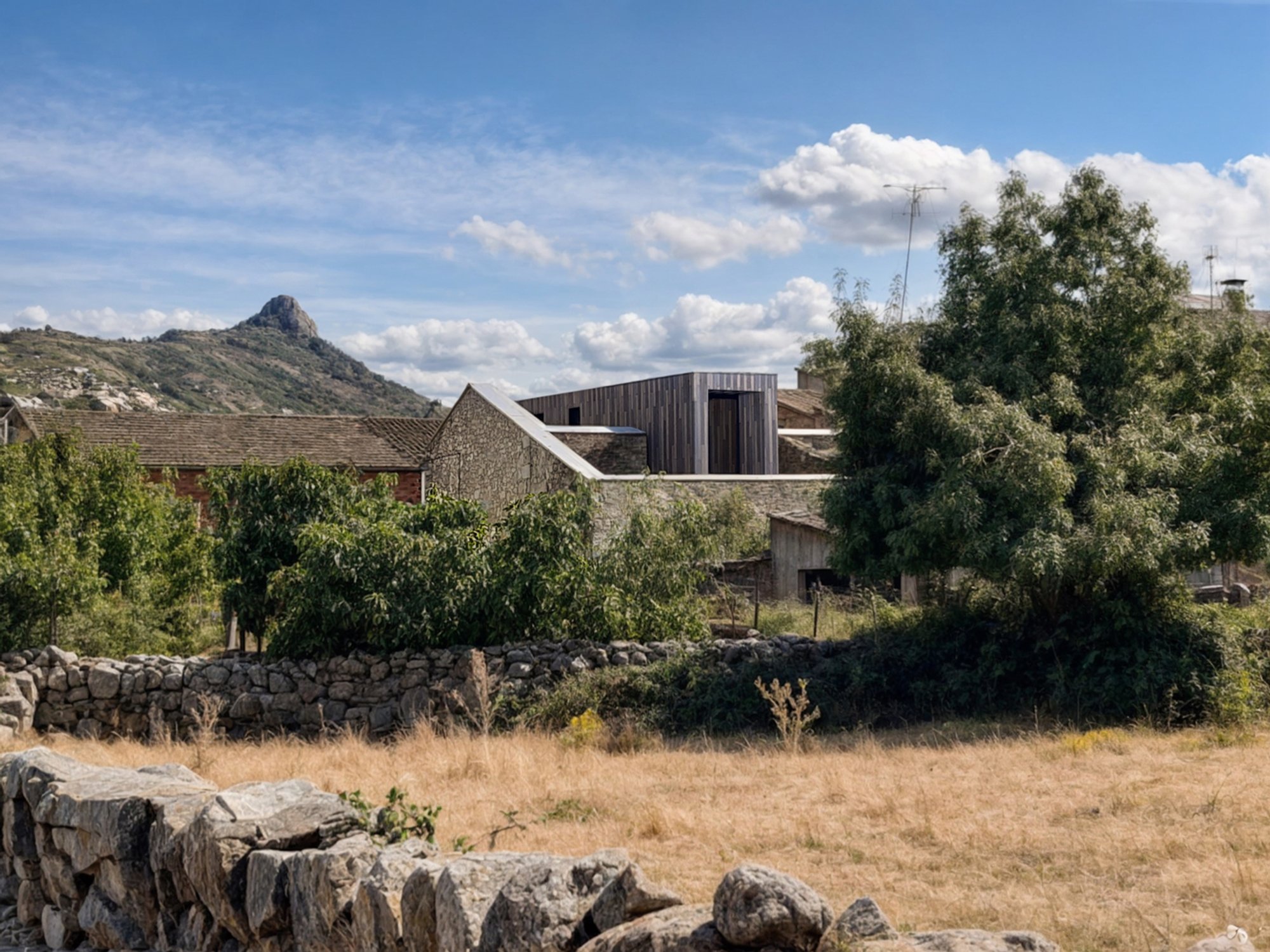
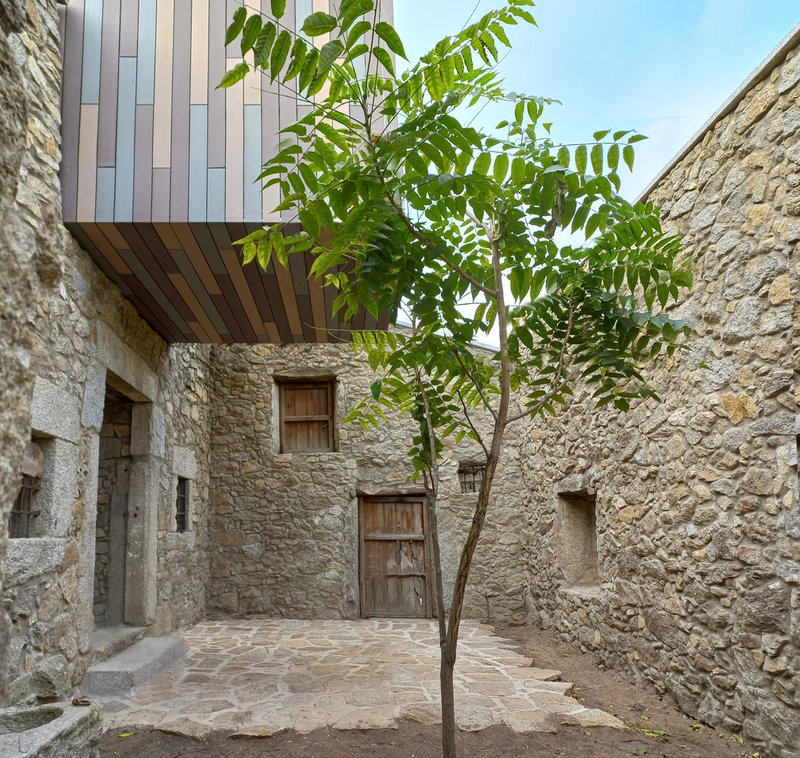
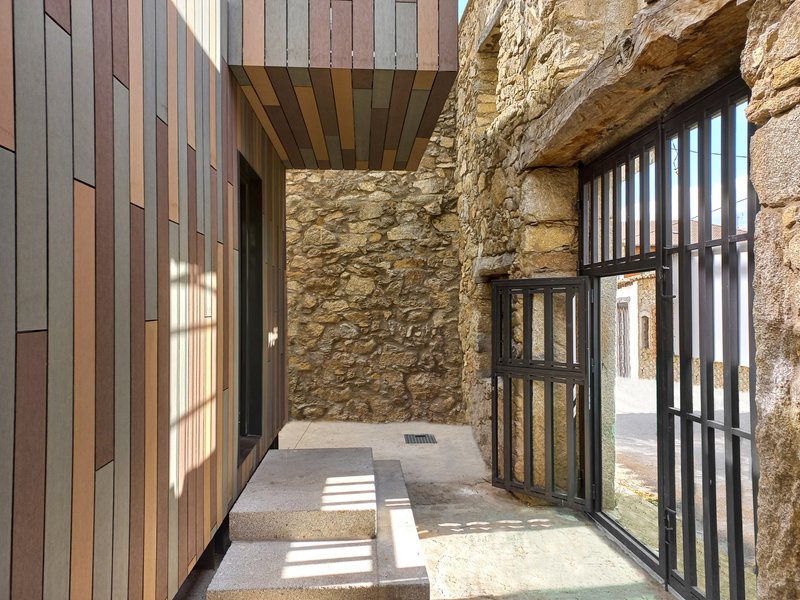
In the rural landscape of Medinilla de Ávila, Spain, Hombre de Piedra Arquitectos and Juan Ignacio Vilda Marín have reimagined a centuries-old Castilian cattle shed into a modern, sustainable home. This project, titled The Hidden House, demonstrates the potential of adaptive reuse architecture in rural Spain, transforming an outdated structure into a cutting-edge, energy-efficient residence. Through innovative design, the architects bridged the gap between traditional agricultural architecture and modern living standards.
Revitalizing a Historic Structure
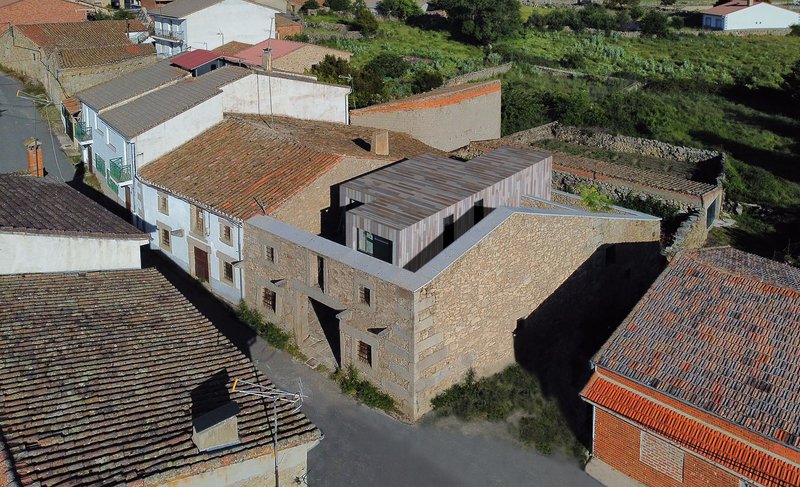
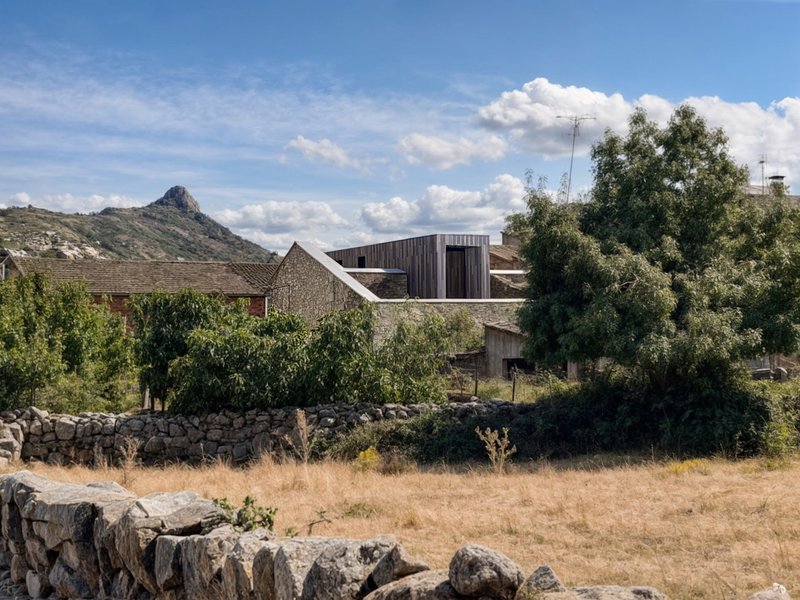
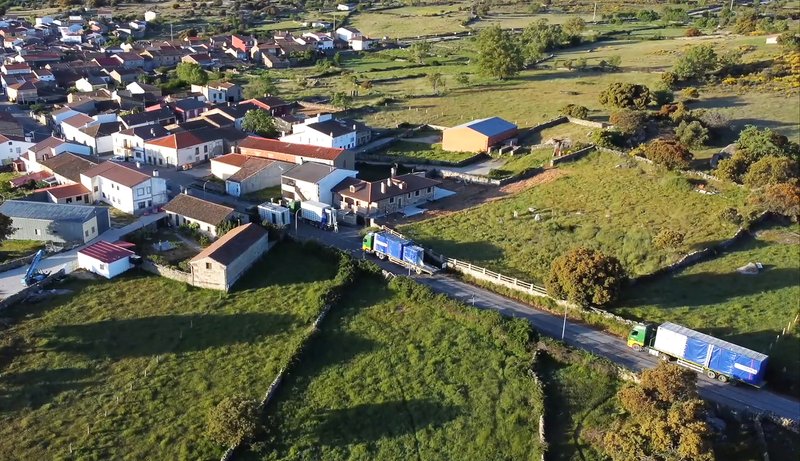
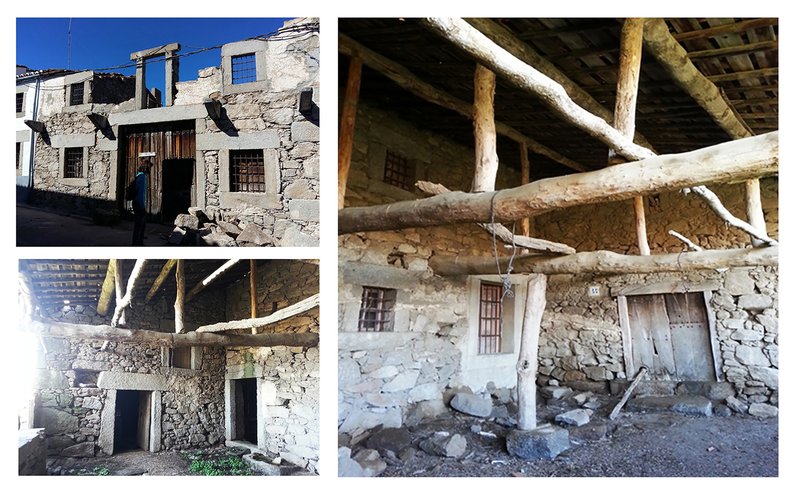
The original building, dating back 200 years, was never intended to be a house. It stood as a cattle shed, abandoned over the years due to the area’s depopulation and labor shortages. With only 78 inhabitants remaining in Medinilla, a village that once had over 3,000 people, the architects sought to preserve the building’s historical value while meeting the contemporary needs of the family. By carefully integrating modern materials and technologies, the architects have turned the structure into a 21st-century home, offering both comfort and energy efficiency.
The Role of Industrialized Architecture in Rural Revitalization
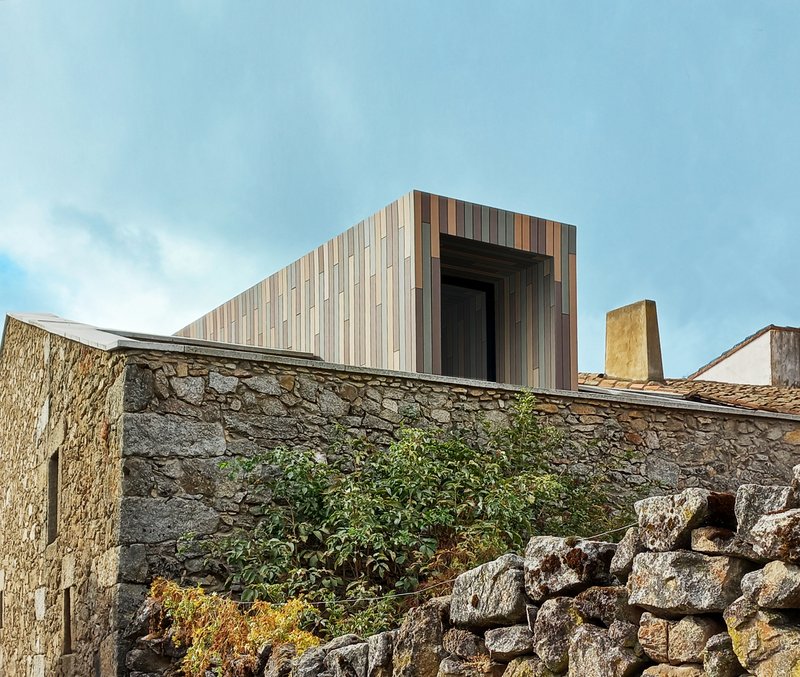
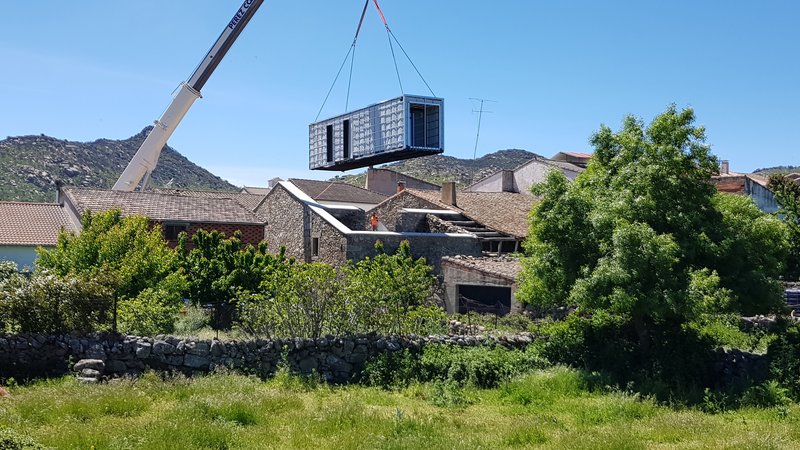
The project highlights how industrialized architecture can play a key role in addressing housing shortages in rural areas of Spain. Using a design module based on maritime containers, the architects created a modular construction system that is easily transportable and adaptable. This approach not only ensured the house could be built efficiently in a remote location but also reduced transportation costs and environmental impact, making the project feasible within the constraints of the region’s limited infrastructure.
Design Concept and Layout
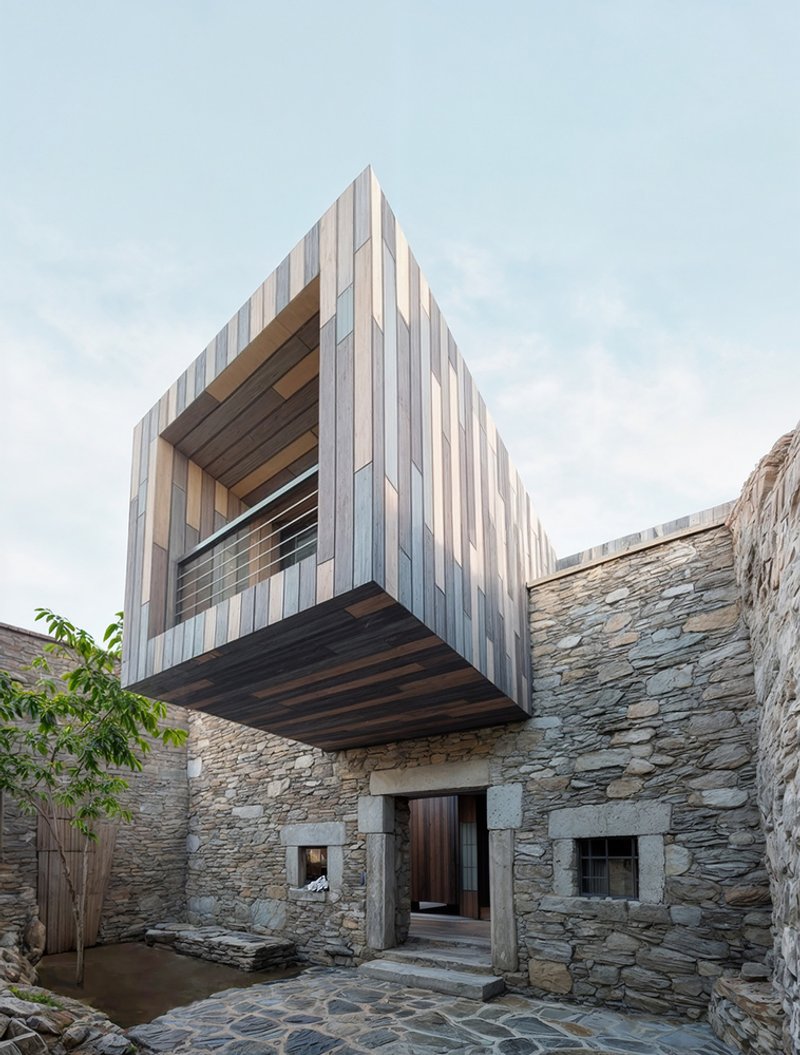
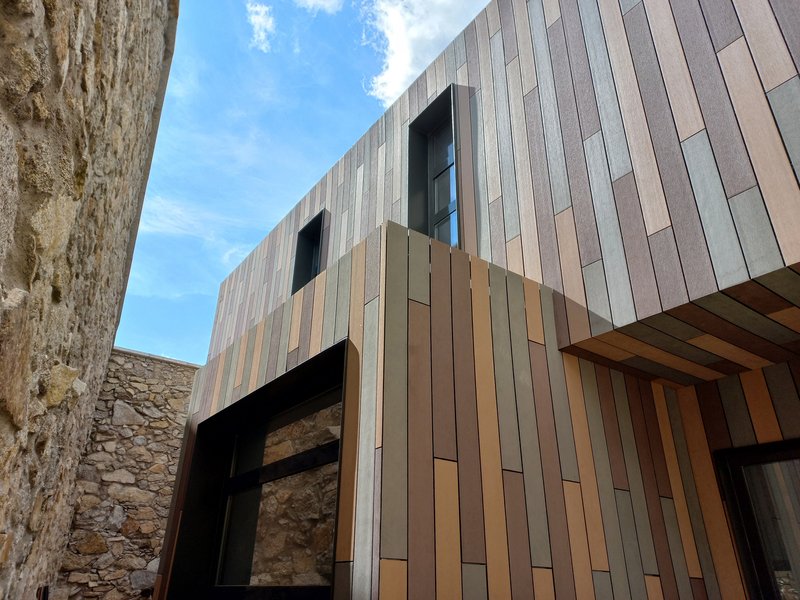
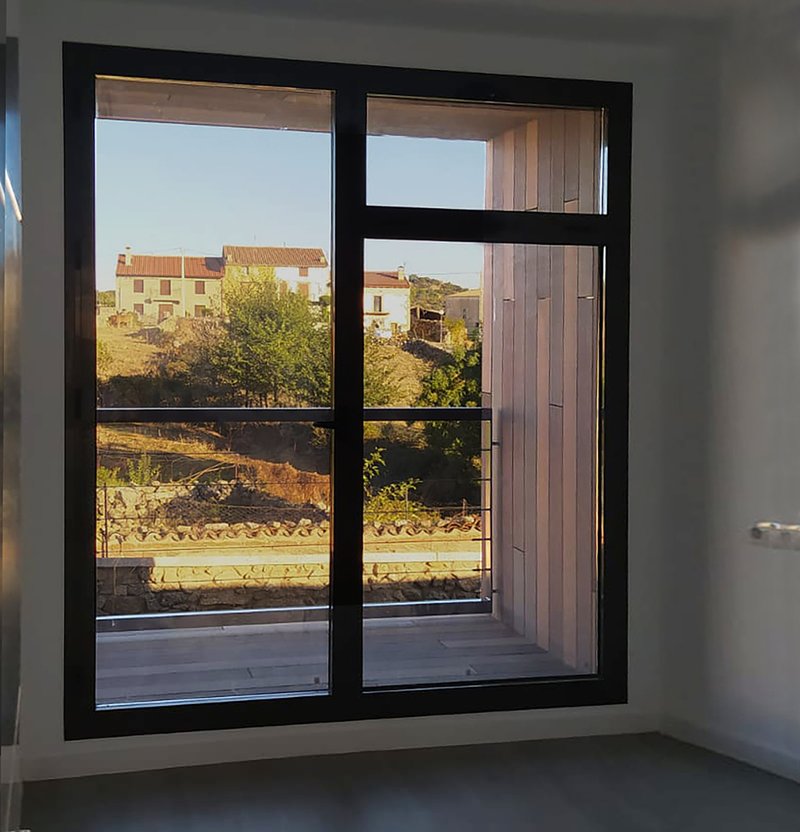
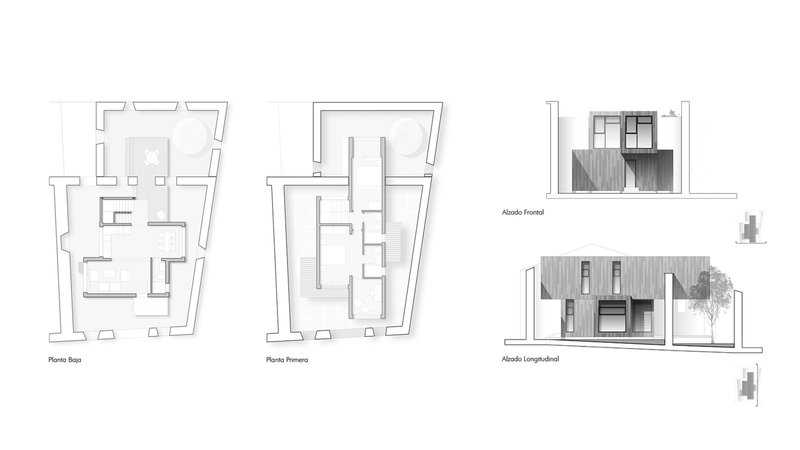
The final design cleverly combines the historic stone structure with contemporary modules, creating a harmonious balance between the old and the new. The house is structured around a series of transition spaces, such as courtyards, which serve as mediators between the traditional stone building and the modern, manufactured additions. These courtyards provide natural light, ventilation, and a connection to the surrounding landscape while maintaining the integrity of the original structure. This thoughtful layout ensures that the beauty of the old construction remains intact.
Sustainability and Energy Efficiency
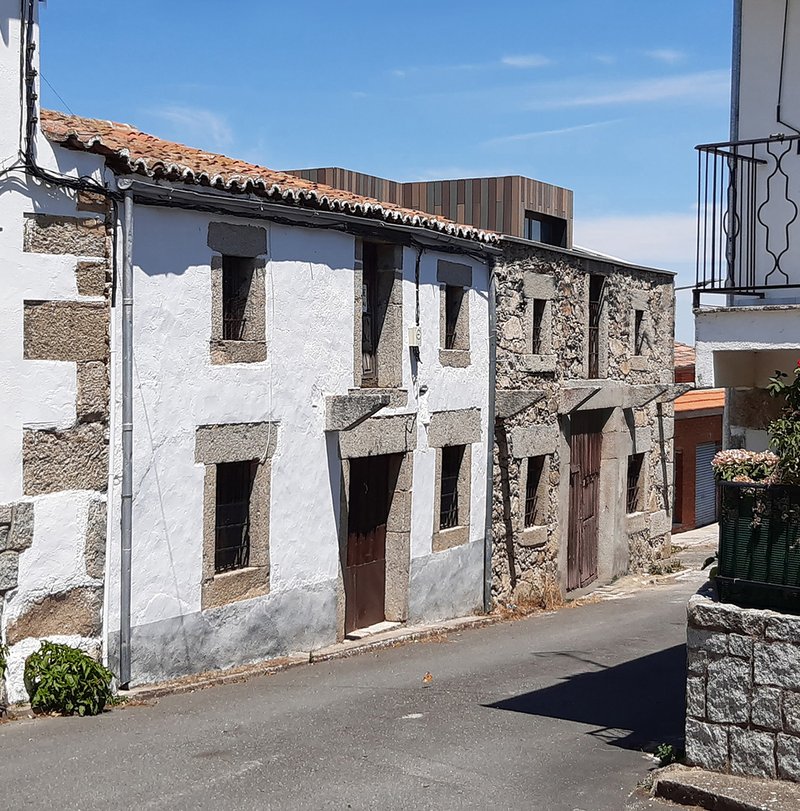
Incorporating modern technology, The Hidden House is designed to meet A energy rating standards—a vital step in ensuring the home’s sustainability. The use of high-performance insulation, energy-efficient windows, and modern materials ensures that the home offers optimal comfort while minimizing its environmental footprint. The architects were also mindful of local building traditions, blending the contemporary materials with the original stone to create an energy-efficient yet aesthetically pleasing structure.
The Benefits of Modular Construction
The decision to utilize maritime containers as the core building module was based on the need for cost-effective construction in an area with limited access to modern building materials. Containers are a readily available and modular solution that provides a high degree of customizability while keeping construction time and costs low. The modules were transported to the site, where they were integrated into the existing stone structure, preserving the historic value while introducing a modern, functional living space.
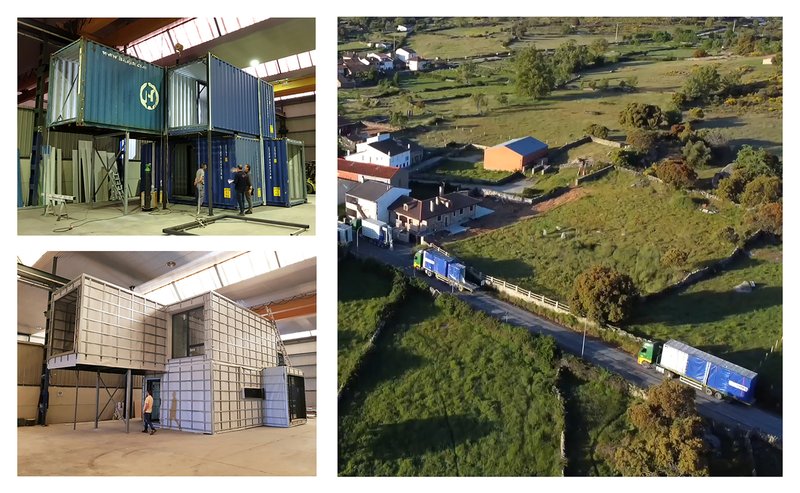
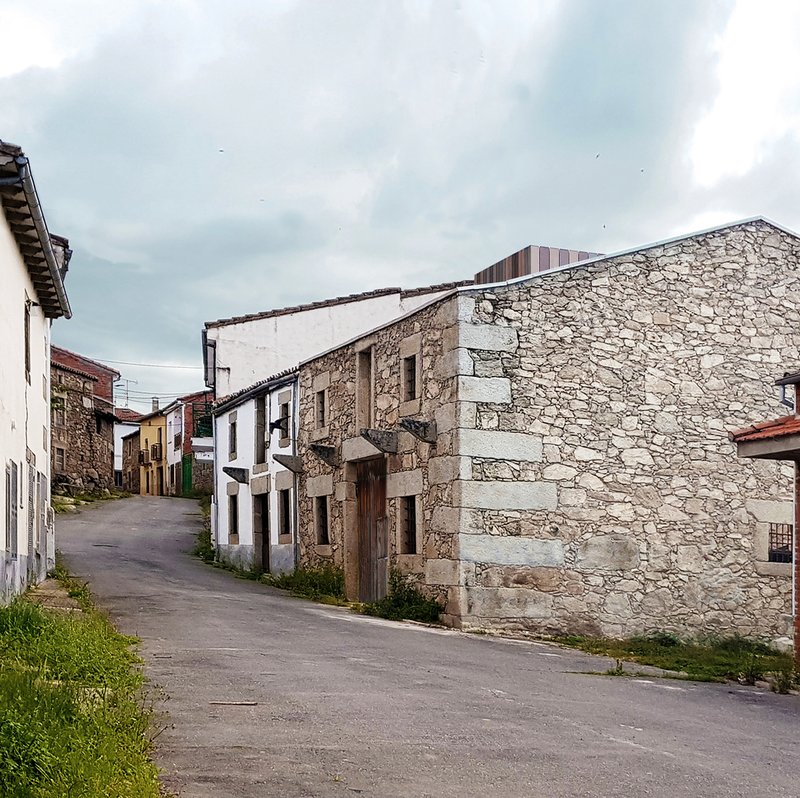
The Hidden House is a perfect example of how adaptive reuse architecture can breathe new life into historical buildings, merging the old and the new in a way that respects both. By incorporating industrialized building techniques with a deep respect for the history of the place, this renovation provides a sustainable solution to housing challenges in rural Spain while maintaining a connection to the past. The Hidden House demonstrates the potential of modular design and adaptive reuse in solving contemporary architectural problems in rural settings.



Popular Articles
Popular articles from the community

Fifth NRE Jazz Club – De Bever Architecten: Eindhoven’s Revitalized Cultural Hub
Historic gas factory transformed into Fifth NRE Jazz Club blending modern sustainability, jazz culture, dining, and heritage architecture seamlessly.
A Contemporary Take on Iranian Residential Architecture
A modern interior design in Mashhad that reinterprets brick, light, and spatial flow to create a warm, contemporary residential architecture.
Inverted Architecture Installation by Studio Link-Arc: Exploring the Intersection of Architecture and Living Organisms
Inverted Architecture Installation by Studio Link-Arc blends mycelium, sustainability, inverted design, ecological cycles, and urban adaptive architecture in Shenzhen.
Louis Malle Cinema: A Limestone Cultural Landmark Revitalizing Community Life in Prayssac
Limestone cinema extension with public forecourt, blending heritage and modern design to create flexible cultural spaces and strengthen community interaction.


Similar Reads
You might also enjoy these articles


The Ken Roberts Memorial Delineation Competition (Krob)
As the most senior architectural drawing competition currently in operation anywhere in the world, it draws hundreds of entries each year, awarding the very best submissions in a series of medium-based categories.

Waterfront Redevelopment and Urban Revitalization in Mumbai: Forging a New Dawn for Darukhana
A transformative waterfront redevelopment project reimagining Darukhana’s shipbreaking heritage into an inclusive urban future.

OUT-OF-MAP: A Call for Postcards on Feminist Narratives of Public Space
Rhizoma Design and Research Lab invites artists, designers, architects, researchers, and students to reflect on how feminist perspectives can reshape public space. Selected works will be exhibited in Barcelona, October 2026. Submissions open until 15 April 2026.


Documentation Work on Buddhist Wooden Temple
Architectural syncretism and cultural hybridity: A comparative study of the Buddhist temples in Chattogram Hill tracks

Explore Architecture Competitions
Discover active competitions in this discipline




The International Standard for Design Portfolios


The Global Benchmark for Architecture Dissertation Awards


The Global Benchmark for Graduation Excellence


Challenge to reimagine the Iron Throne
Comments (0)
Please login or sign up to add comments
No comments yet. Be the first to comment!