
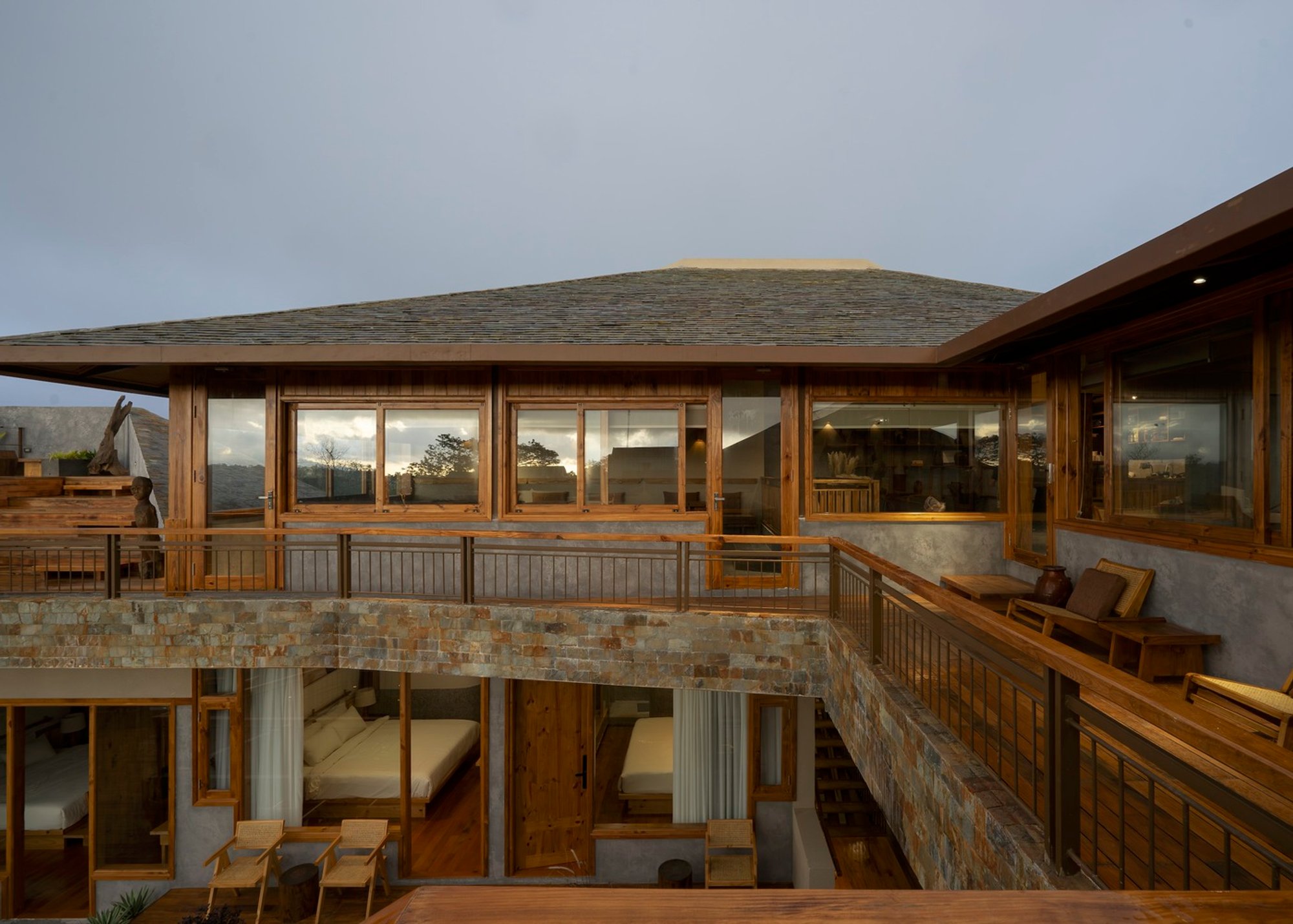
The Măng Diang Hotel: A Case Study in Ecotourism Architecture
The article explores the Măng Diang Hotel by Tad.atelier, showcasing its integration with nature as a model of ecotourism architecture.

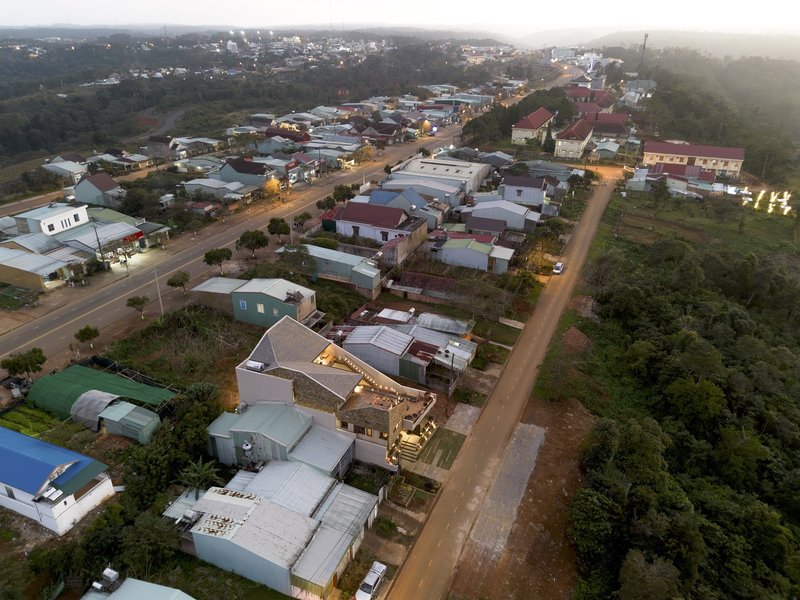
The Măng Diang Hotel, designed by Tad.atelier, represents a paradigm of ecotourism architecture nestled within Vietnam's picturesque Truong Son mountain range. This hotel not only stands as a beacon of sustainable design but also showcases the harmonious integration of modern construction within the delicate ecosystem of Mang Den town, Kon Tum.
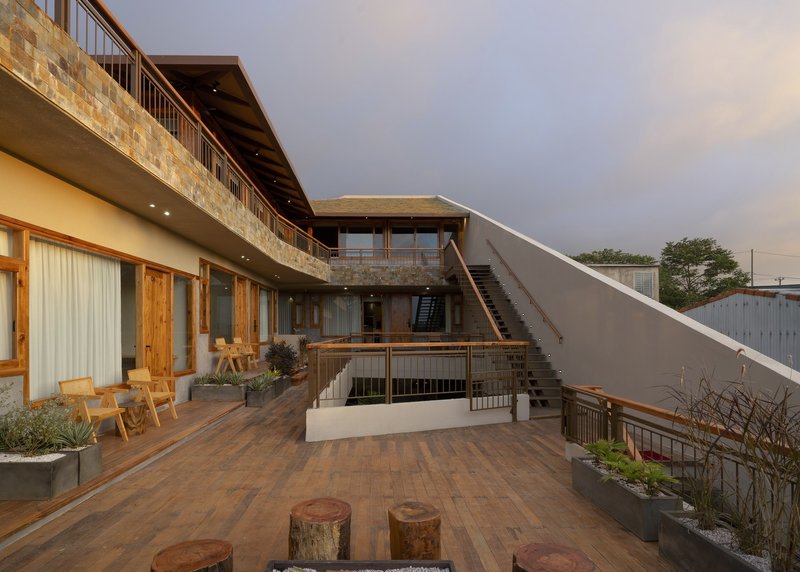
Embracing Natural Harmony
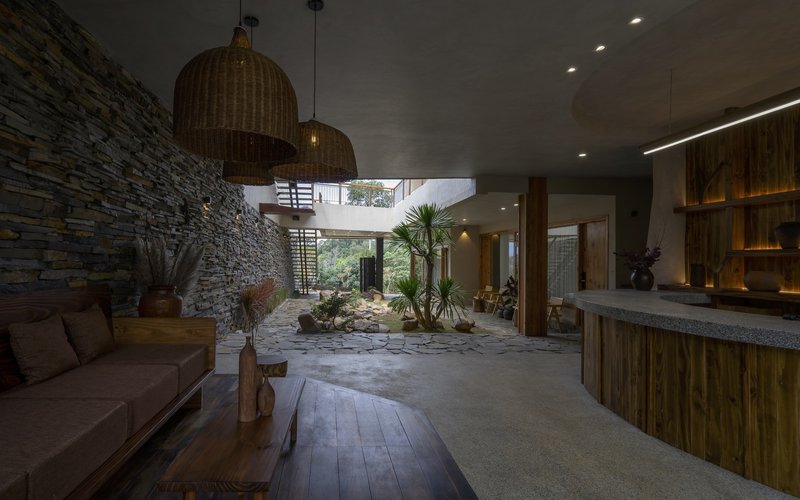
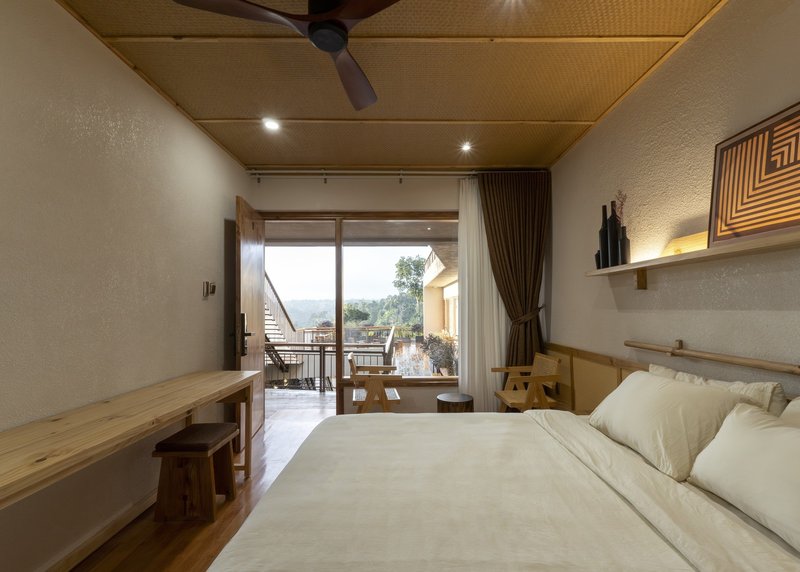
In an era where ecotourism is increasingly vital for sustainable development, the Măng Diang Hotel emerges as a testament to eco-friendly architectural practices. The choice of easily accessible natural materials and the strategic incorporation of the hotel within the landscape epitomize the principles of ecotourism architecture. By emphasizing the preservation of the wild and majestic essence of nature, Tad.atelier sets a benchmark for future projects in sensitive ecological zones.
Design Philosophy and Integration
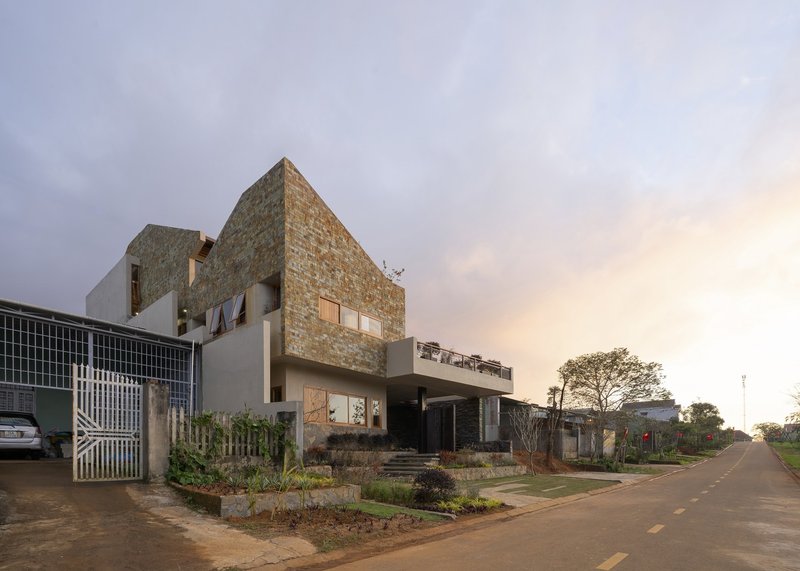
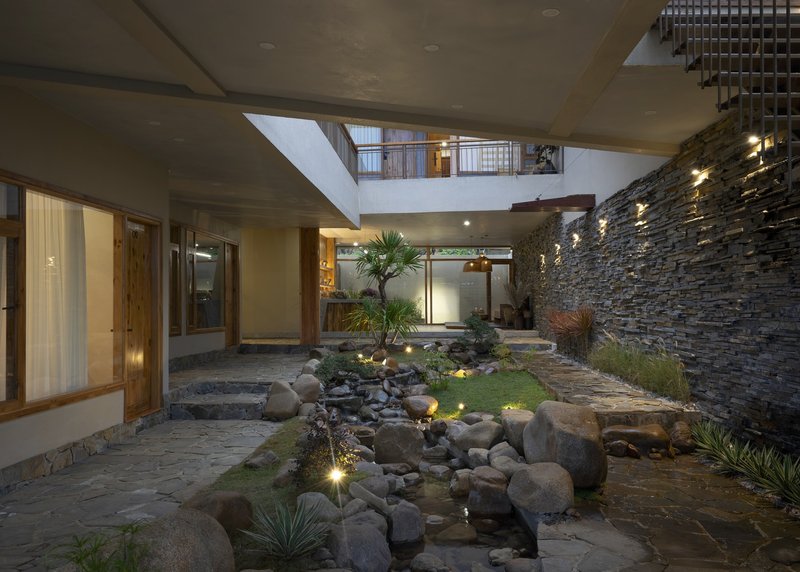
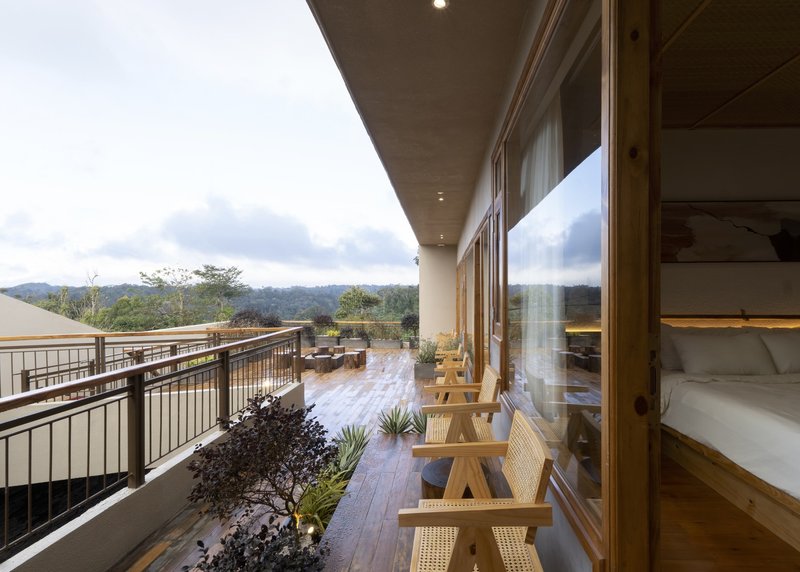
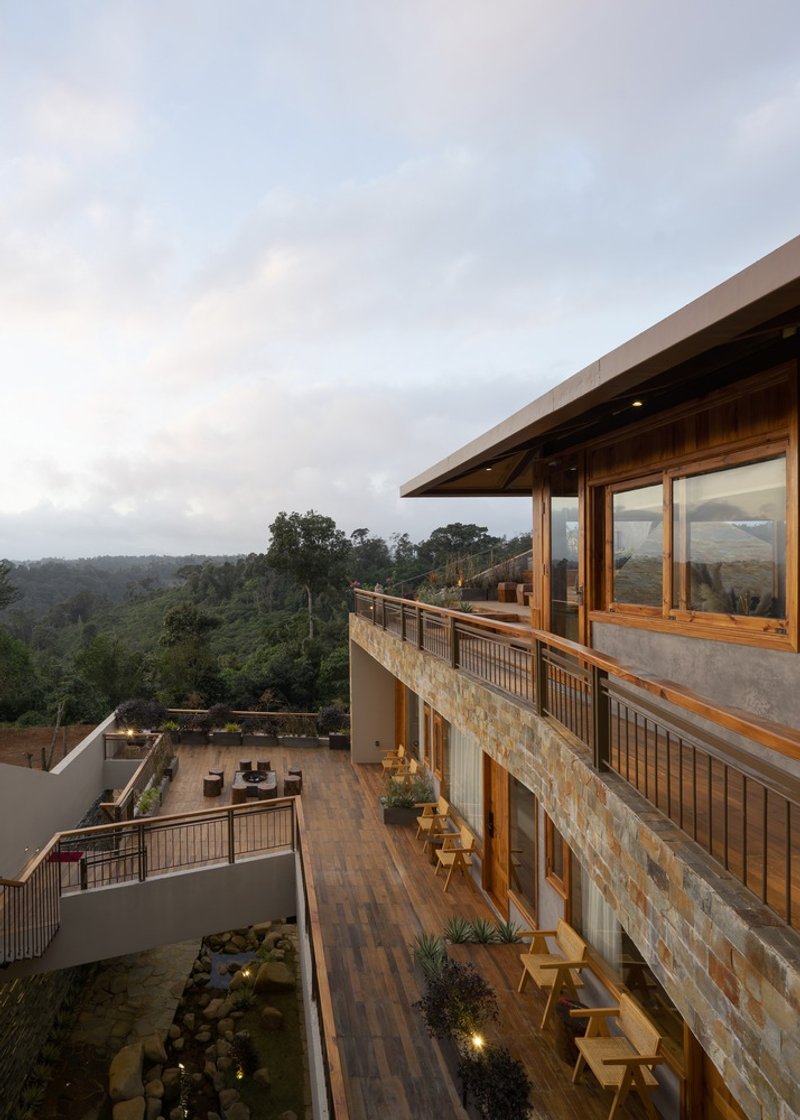
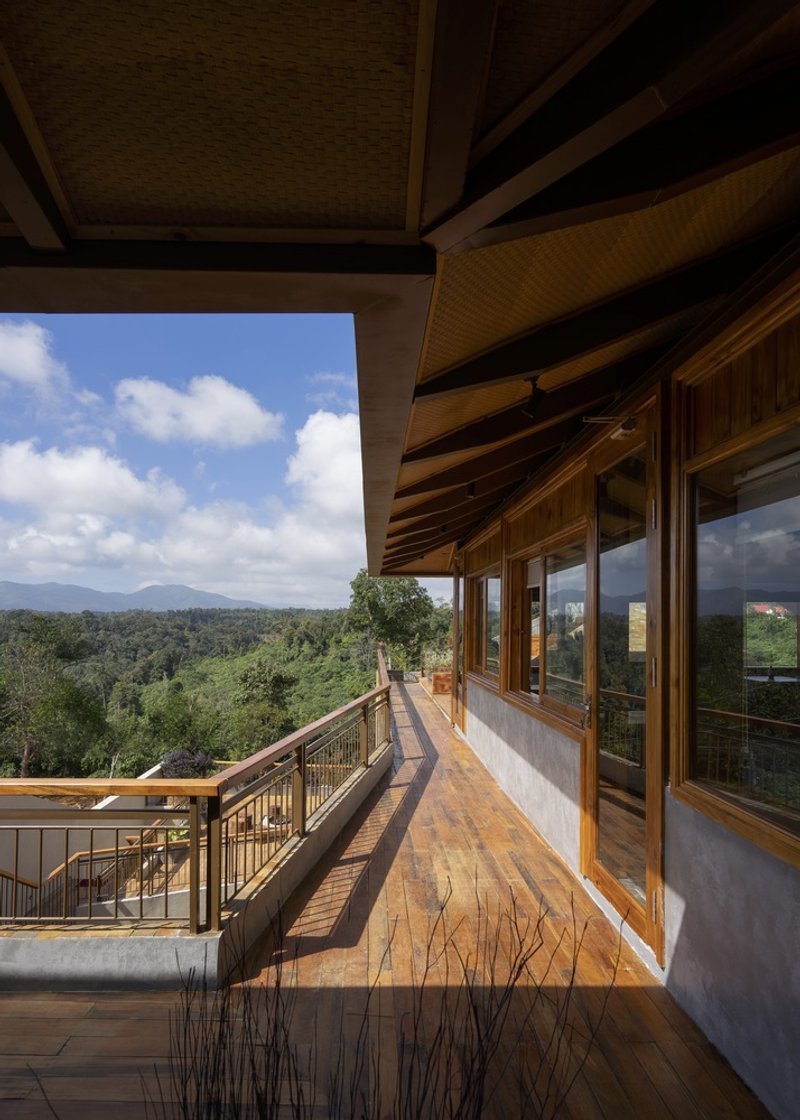
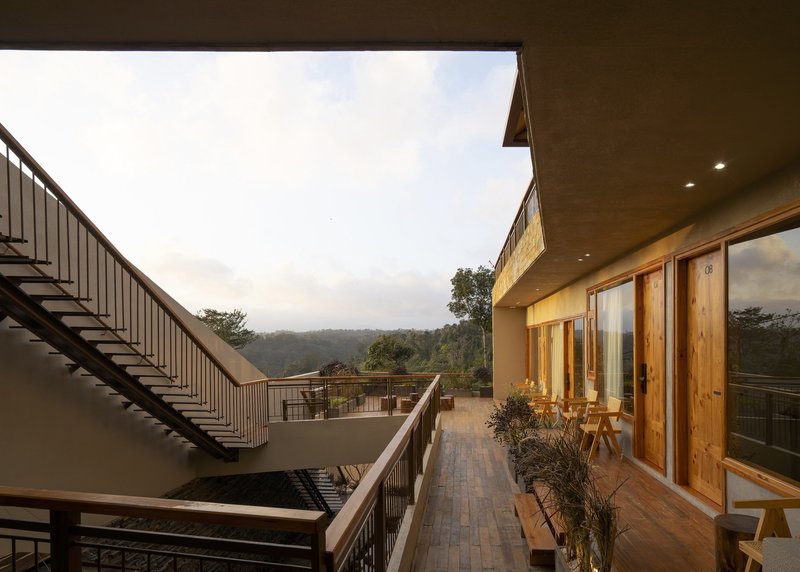
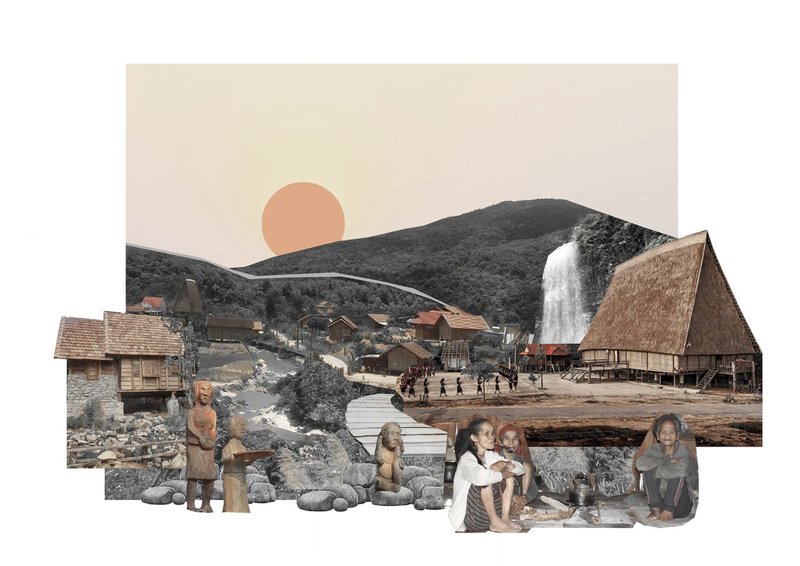
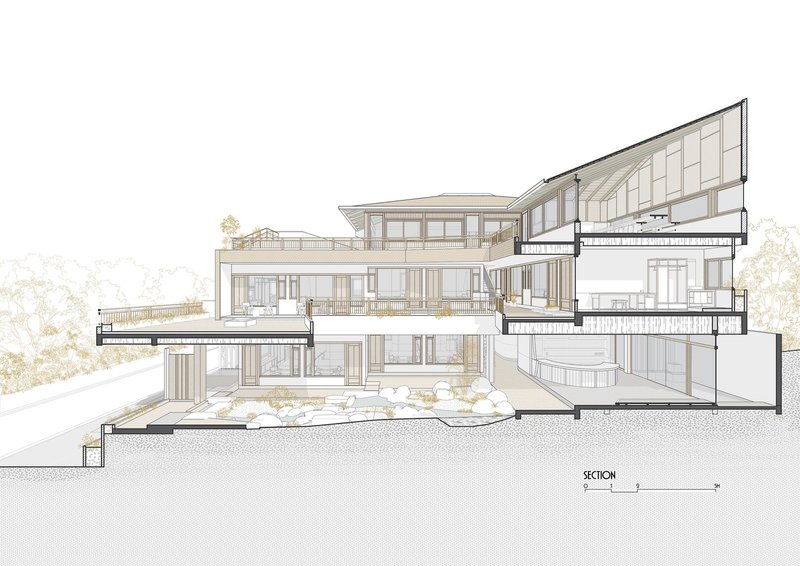
The design of the Măng Diang Hotel is a homage to the spirit of the Central Highlands' communal life, aiming to blend seamlessly with the rustic charm of the surrounding traditional villages. The L-shaped layout of the lodging units, focused around a central open space, fosters a strong connection between indoor and outdoor environments, enhancing guests' experience of the pristine forest.
Maximizing Natural Views
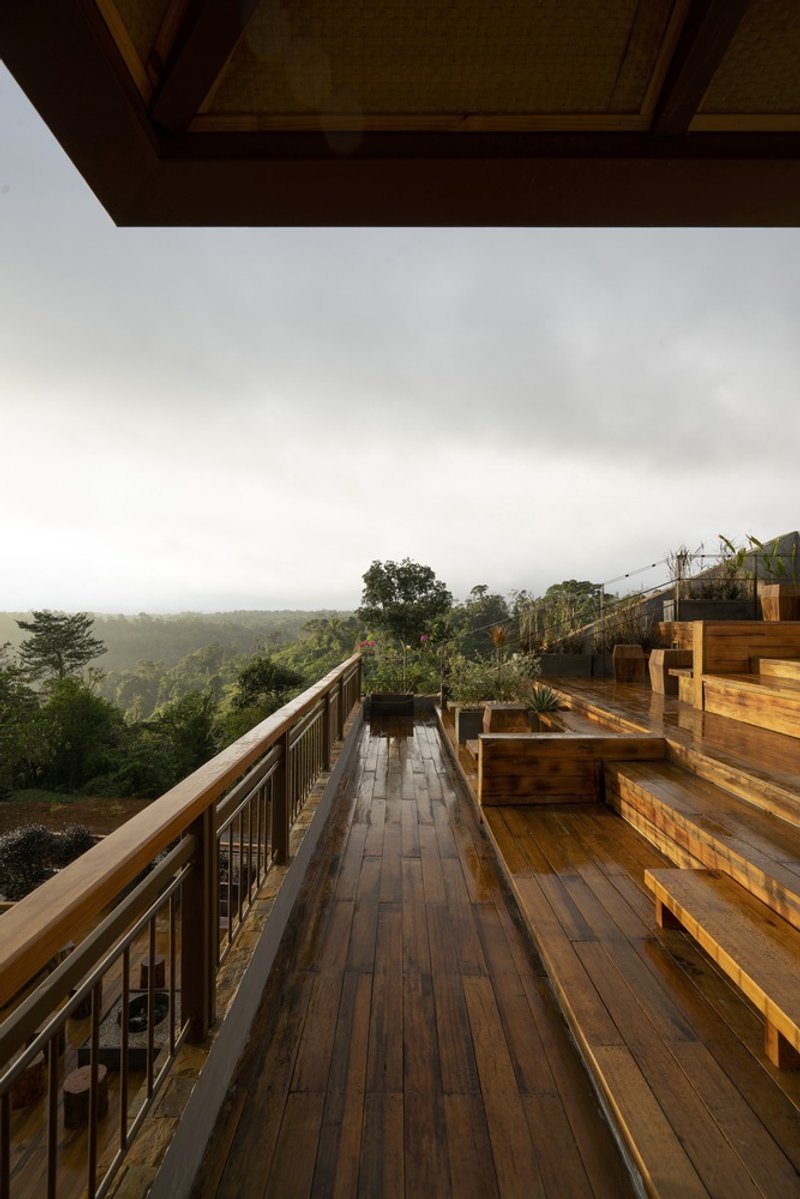
The innovative positioning of the café on the highest floor utilizes the natural elevation to offer stunning views of the landscape, especially during sunset. This design decision not only capitalizes on the scenic beauty but also reinforces the hotel's commitment to integrating with its environment, allowing guests to experience the beauty of the Central Highlands without intrusion.
Sustainable Practices and Community Integration
The Măng Diang Hotel exemplifies how modern architecture can support ecotourism's goals. By using local materials and labor, the project contributes to the local economy while minimizing its environmental footprint. The subdivision of sloping roofs and the introduction of elevated structures demonstrate a thoughtful approach to building in harmony with nature, creating spaces that are both liberating and welcoming.
A Model for Future Developments
The Măng Diang Hotel by Tad.atelier is more than just a lodging; it is a model of ecotourism architecture that respects and enhances its natural surroundings. As ecotourism continues to grow, projects like the Măng Diang Hotel serve as critical blueprints for sustainable development, showing that it is possible to welcome tourists without compromising the environment they come to enjoy. This project stands as a beacon of hope and a guide for future developments in ecotourism around the globe.



Popular Articles
Popular articles from the community

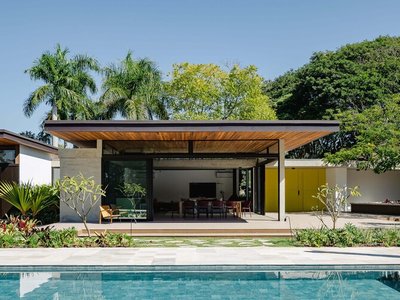
Flamboyant House by Juliana Camargo + Prumo Projetos
Modern Brazilian house integrating existing tree, pool, and volumes with glass, wood, and transitional spaces blending interior, exterior, and landscape seamlessly.
On the Brooks House by Monsoon Collective – A Contemporary Kerala Home Rooted in Tradition
Kerala home blending tradition and modernity with water-inspired design, brick architecture, courtyard planning, and sustainable rainwater harvesting strategies.


The Ken Roberts Memorial Delineation Competition (Krob)
As the most senior architectural drawing competition currently in operation anywhere in the world, it draws hundreds of entries each year, awarding the very best submissions in a series of medium-based categories.
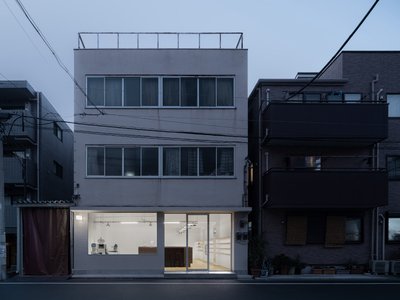
Atelier Macri Concept Store Interior Design by CASE-REAL
Atelier Macri store features a "ko" counter, walnut wood details, cork displays, blending retail, gallery, and seamless customer experiences.


Similar Reads
You might also enjoy these articles
The Ken Roberts Memorial Delineation Competition (Krob)
As the most senior architectural drawing competition currently in operation anywhere in the world, it draws hundreds of entries each year, awarding the very best submissions in a series of medium-based categories.


Waterfront Redevelopment and Urban Revitalization in Mumbai: Forging a New Dawn for Darukhana
A transformative waterfront redevelopment project reimagining Darukhana’s shipbreaking heritage into an inclusive urban future.

OUT-OF-MAP: A Call for Postcards on Feminist Narratives of Public Space
Rhizoma Design and Research Lab invites artists, designers, architects, researchers, and students to reflect on how feminist perspectives can reshape public space. Selected works will be exhibited in Barcelona, October 2026. Submissions open until 15 April 2026.


Documentation Work on Buddhist Wooden Temple
Architectural syncretism and cultural hybridity: A comparative study of the Buddhist temples in Chattogram Hill tracks

Explore Architecture Competitions
Discover active competitions in this discipline




The International Standard for Design Portfolios


The Global Benchmark for Architecture Dissertation Awards


The Global Benchmark for Graduation Excellence


Challenge to reimagine the Iron Throne
Comments (0)
Please login or sign up to add comments
No comments yet. Be the first to comment!