
The ROCKBUND Building Renovation by David Chipperfield Architects: A Harmonious Blend of History and Modernity
The ROCKBUND renovation by David Chipperfield Architects blends historic preservation with modern design, revitalizing Shanghai's iconic landmark for mixed-use purposes.

the ROCKBUND Renovation
The ROCKBUND building renovation stands as a bold testament to how architectural preservation and modern innovation can coexist to transform a historic site into a thriving, dynamic space. Located in the heart of Shanghai’s former European concession, just north of the world-renowned Bund, ROCKBUND is an assembly of historical buildings that narrate the story of Shanghai's colonial past. This unique collection, originally developed in the early 20th century, merges European architectural styles with Asian elements, reflecting the cultural exchange and architectural experimentation of the era.
In 2023, after years of meticulous planning and restoration work, David Chipperfield Architects completed the transformation of the ROCKBUND site into a multi-functional urban space that embraces its rich history while catering to the modern needs of a bustling city. Today, ROCKBUND is a vibrant mixed-use development that includes offices, apartments, cafes, restaurants, retail spaces, and a significant cultural component in the form of the Rockbund Art Museum.
A Vision for the Past and the Future
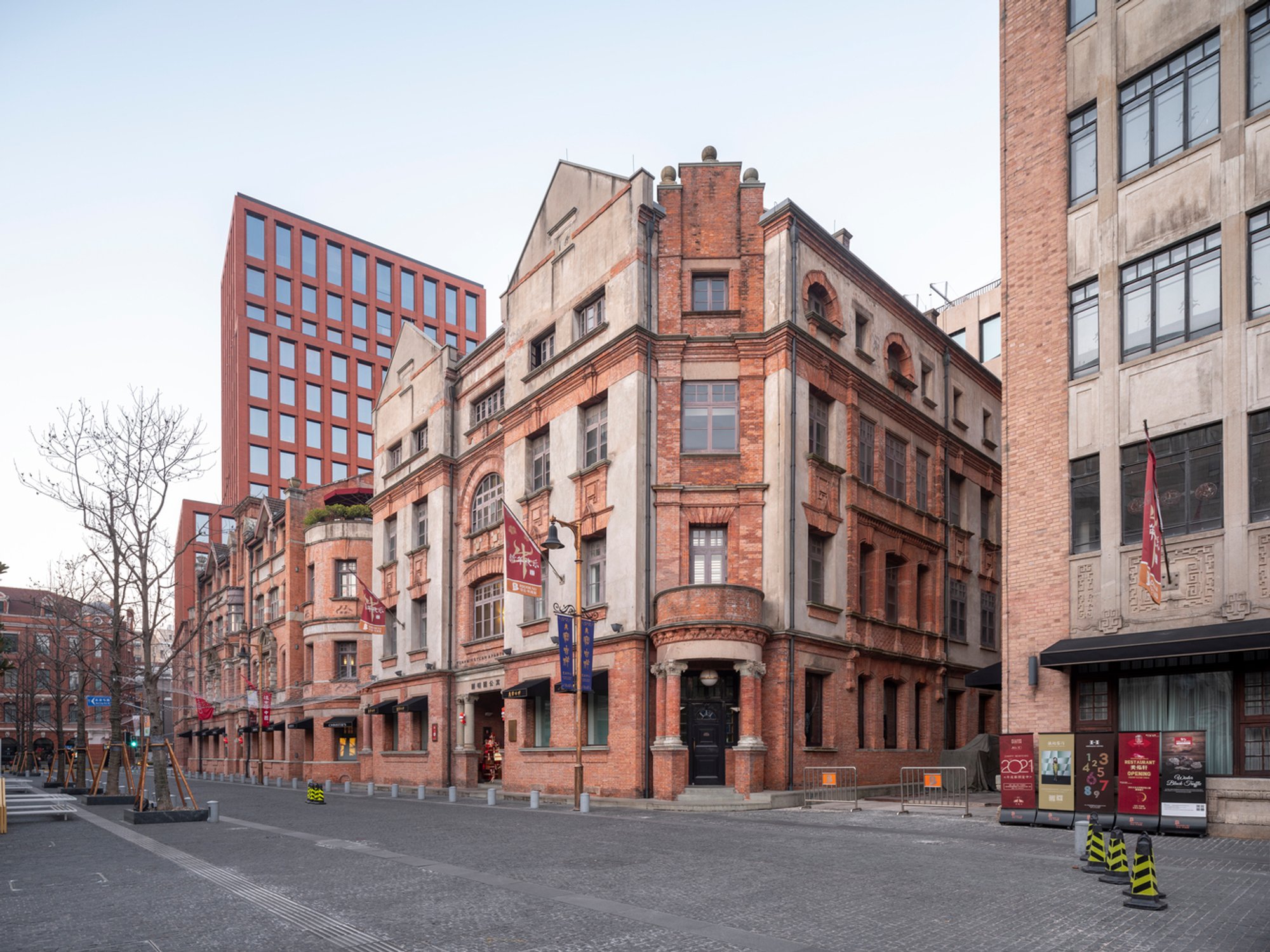
David Chipperfield Architects was tasked with the challenge of preserving the essence of the original buildings while adapting them for contemporary use. The firm’s vision for the renovation was to create a respectful dialogue between the past and the future—restoring the historic elements of the buildings while introducing new interventions that reflect the evolving nature of the city. The restoration process involved stripping away decades of modifications and alterations that had been added to the buildings over time. This careful removal of non-original additions allowed the buildings to return to their former state, revealing the true character of the architecture beneath.
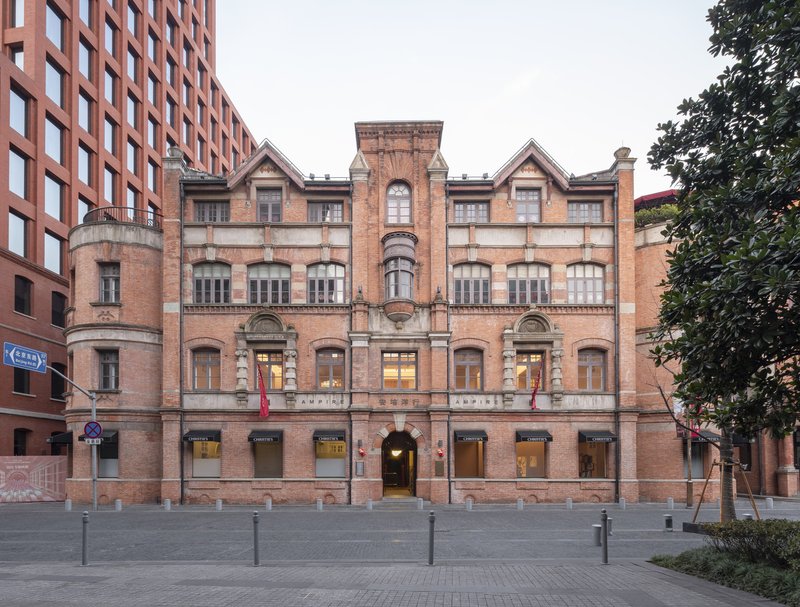
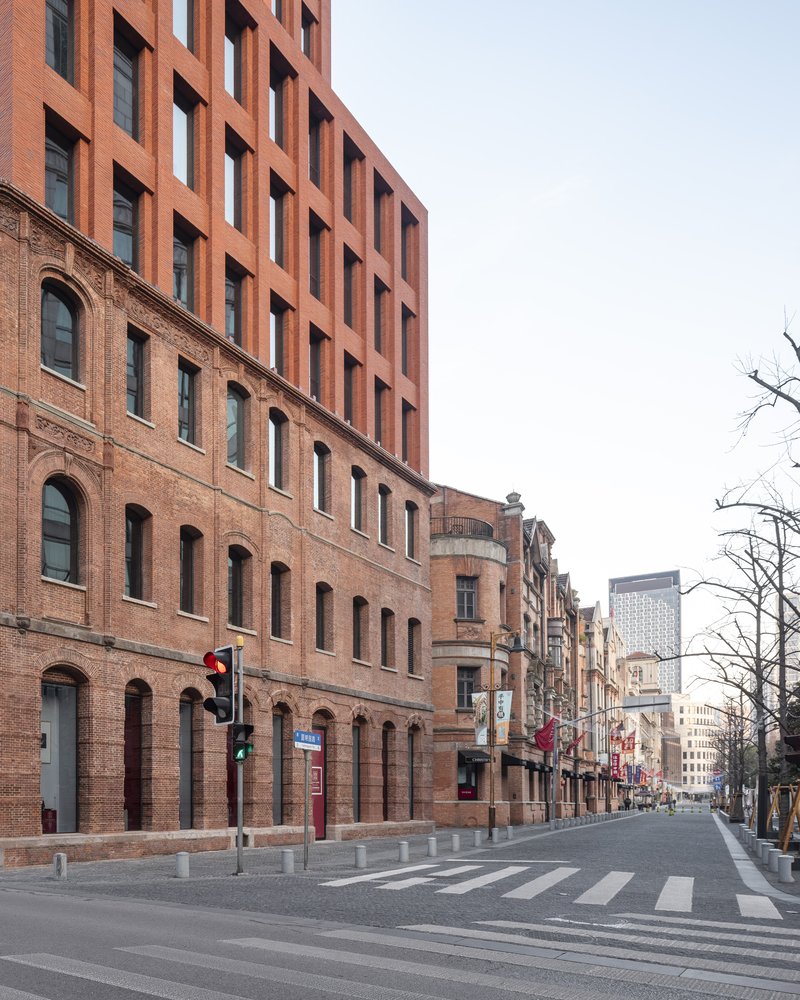
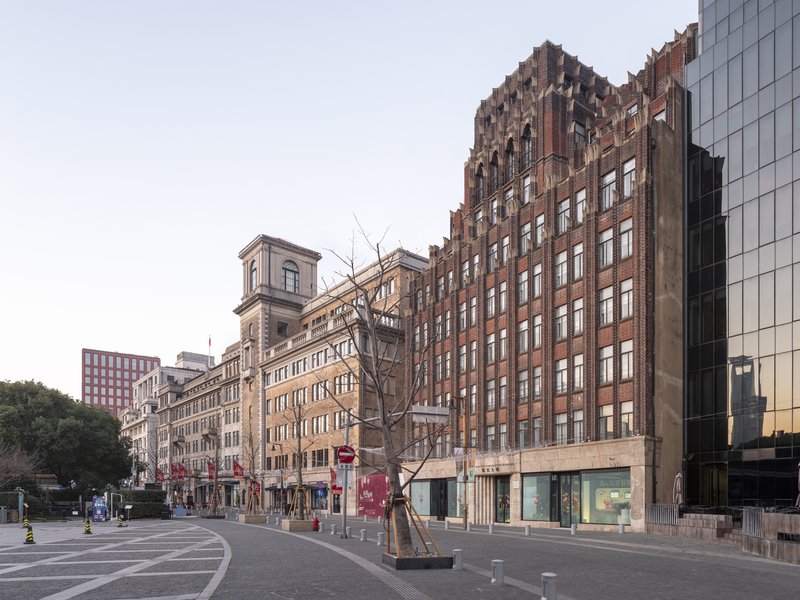
One of the most significant aspects of the renovation was the preservation of the facades. Each facade was meticulously cleaned and repaired, preserving the original materials and craftsmanship. The restoration was carried out without compromising the integrity of the structures, allowing the buildings to age gracefully while remaining functional for modern use. The facades, now more vibrant and striking, serve as a visual link to Shanghai's past while providing a timeless aesthetic that continues to contribute to the city’s architectural identity.
The Rockbund Art Museum: A Cultural Hub
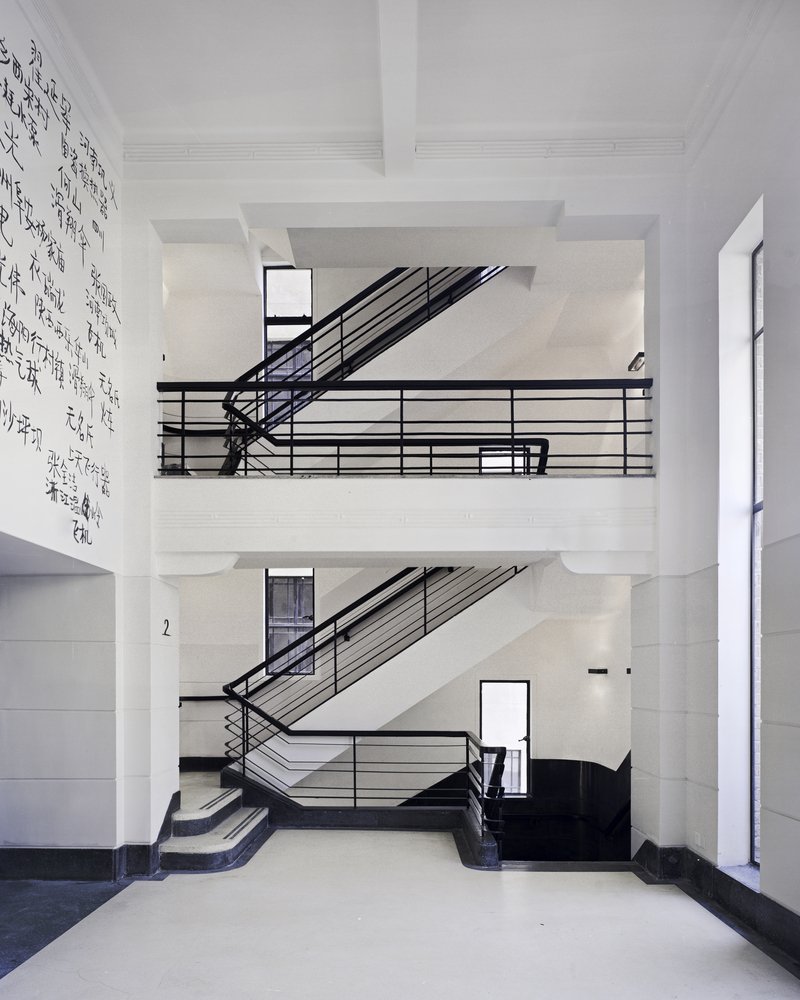
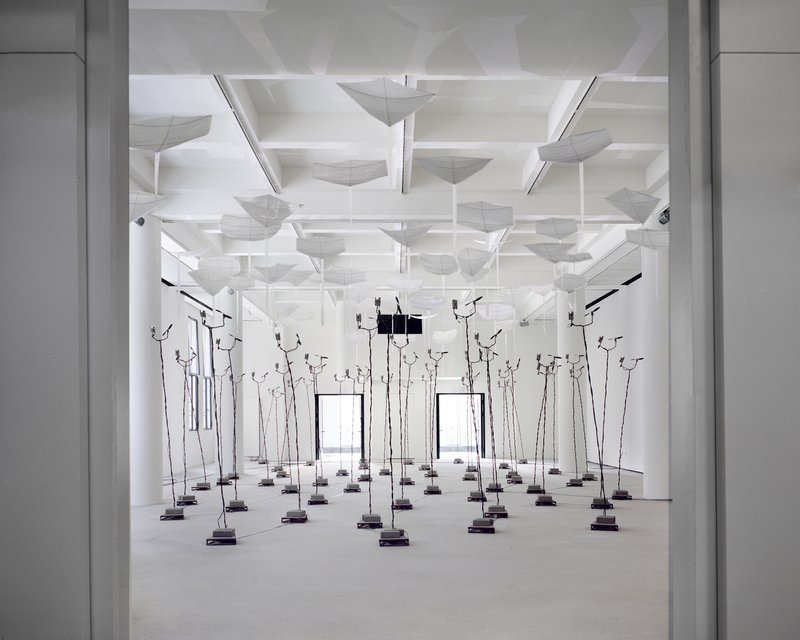
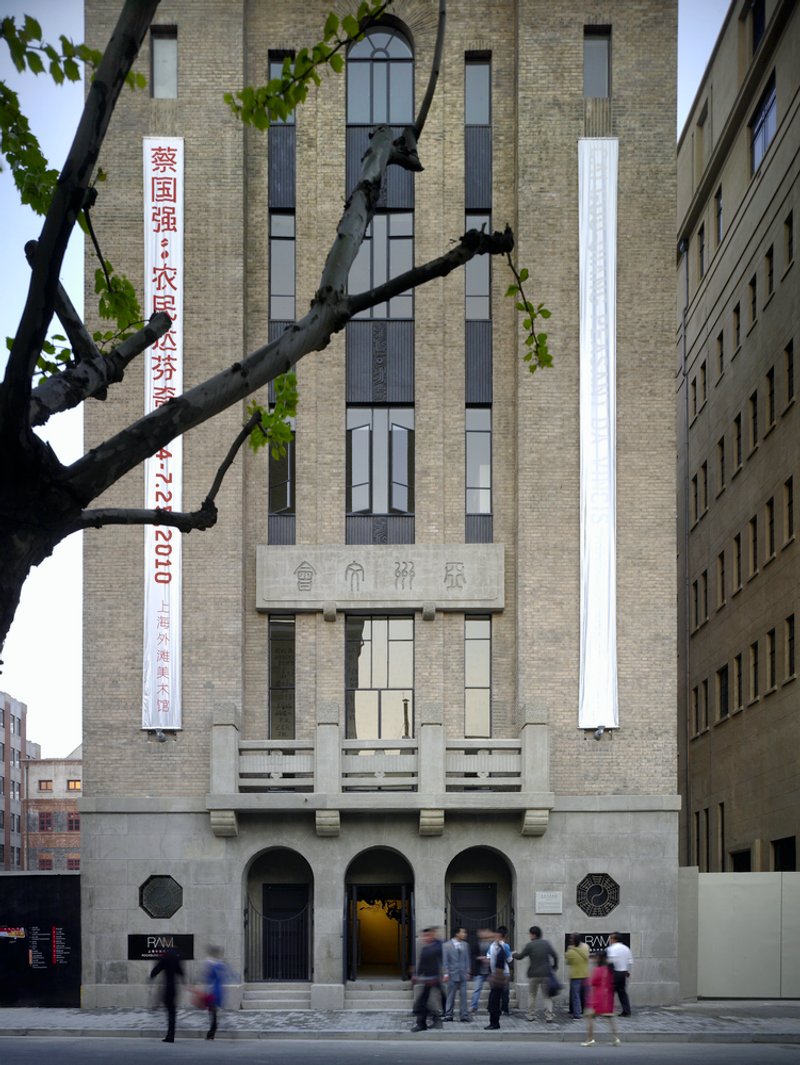
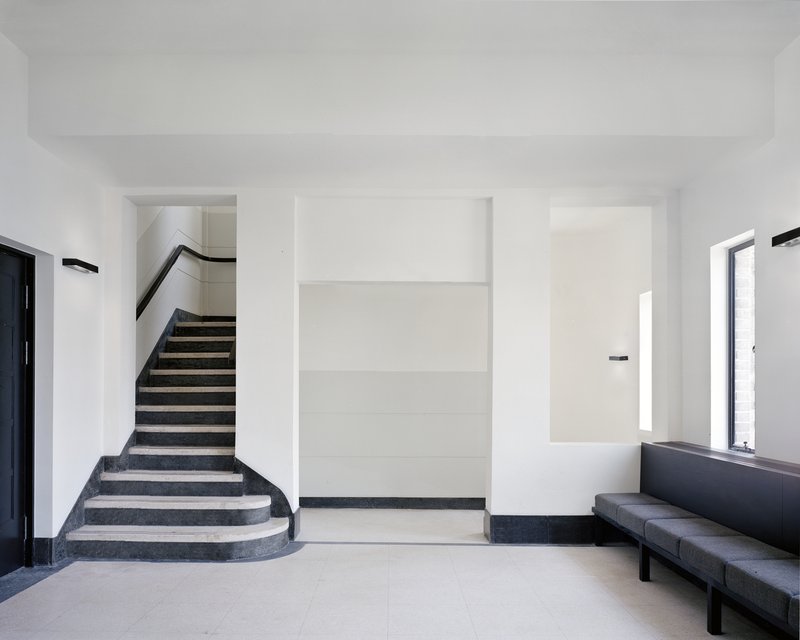
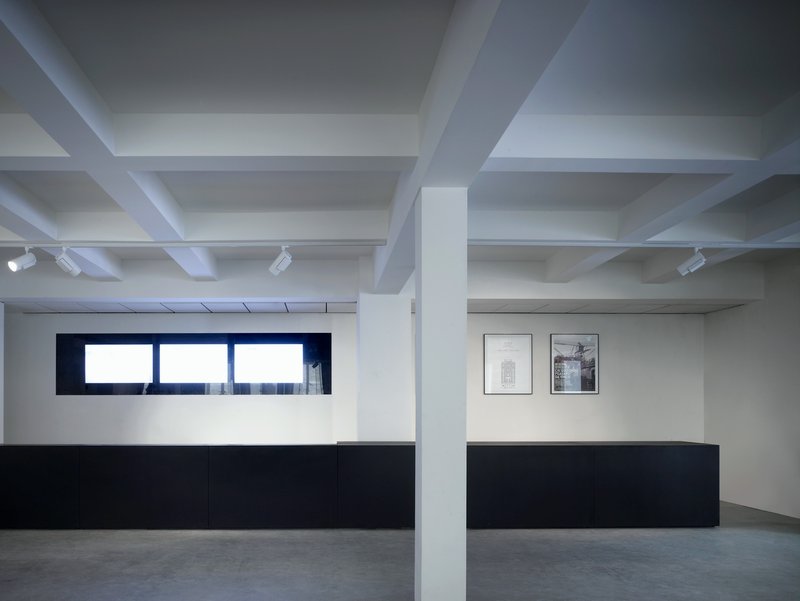
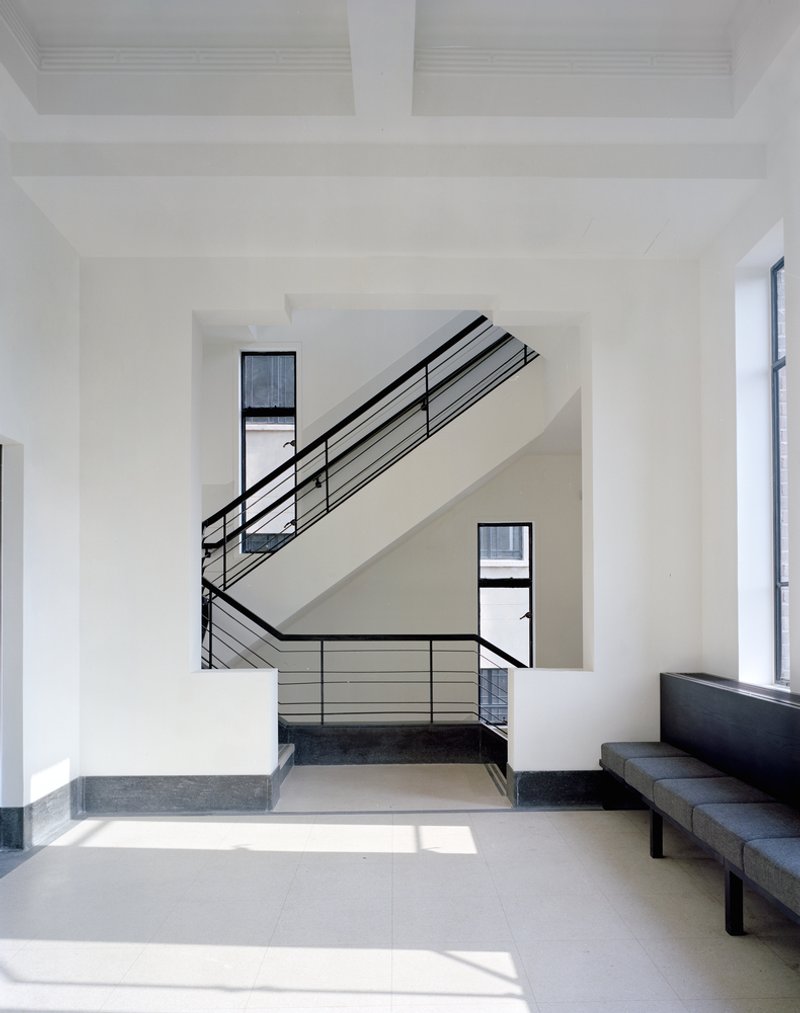
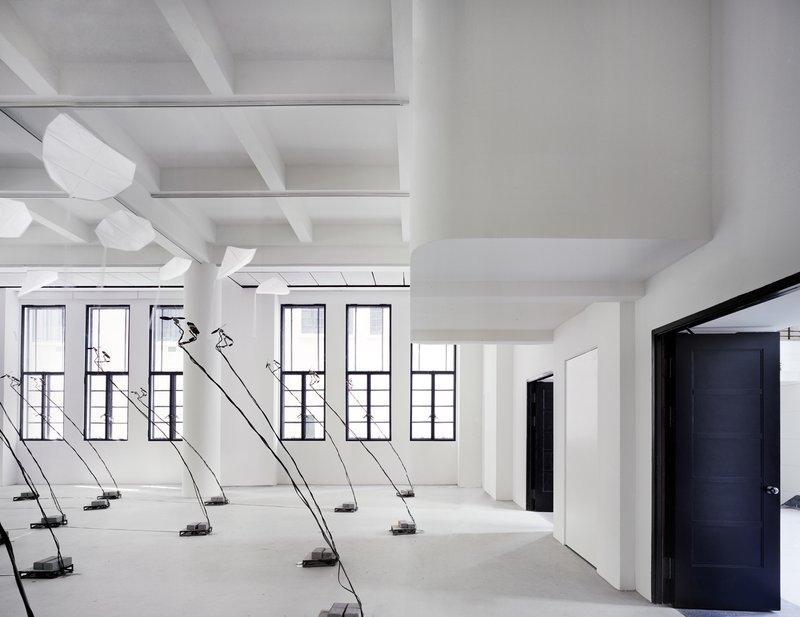
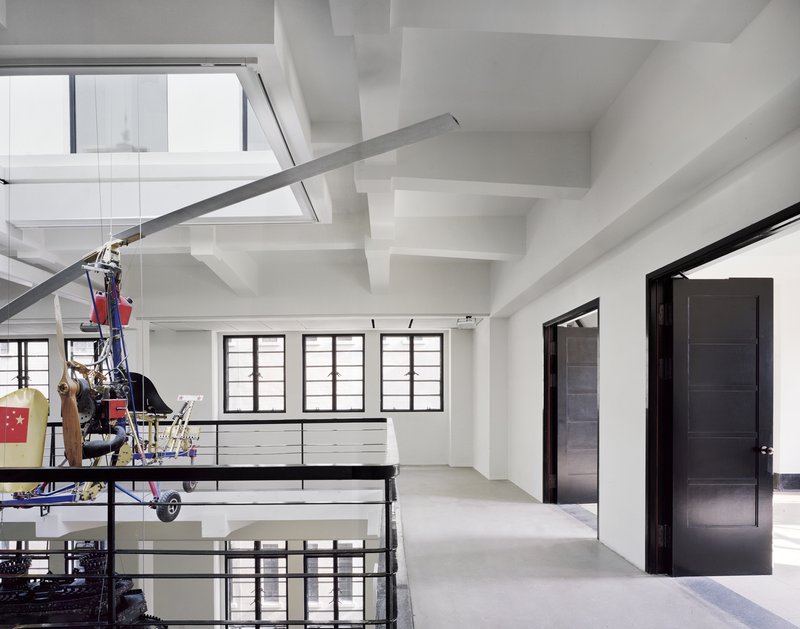
At the core of the ROCKBUND renovation is the Rockbund Art Museum, housed within the former Royal Asiatic Society Building. This historic Art Deco structure, once home to China’s first public museum, has been thoughtfully repurposed into a contemporary art museum that hosts exhibitions and events from both Chinese and international artists. The renovation of the museum focused on creating flexible spaces that can accommodate various art installations and exhibitions, while the creation of a new atrium within the building links the upper floors, enhancing the experience for visitors.
The museum’s restoration and reimagining reflect the architects' commitment to preserving the cultural significance of the building while adapting it for contemporary purposes. The museum is now one of Shanghai’s premier cultural destinations, offering a glimpse into both the city’s past and its vibrant present-day art scene.
Expanding the Historic Fabric: New Additions and Modern Interventions
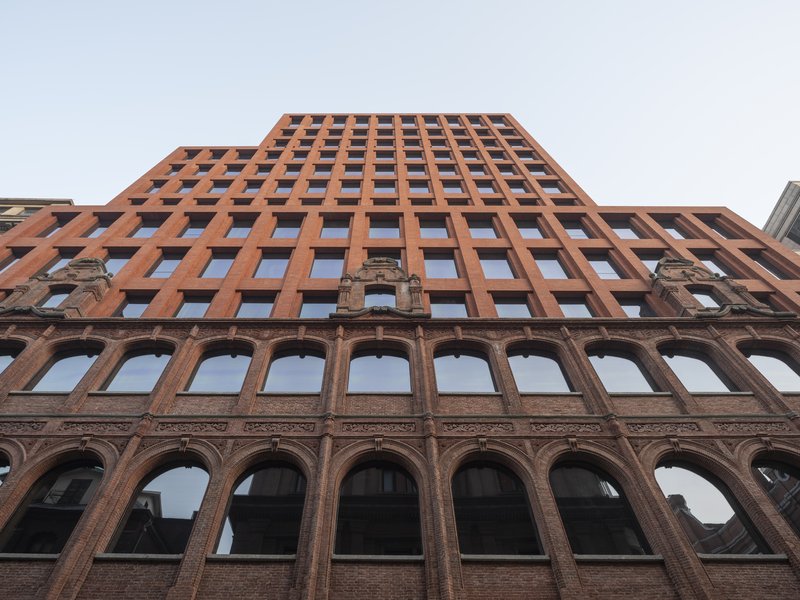
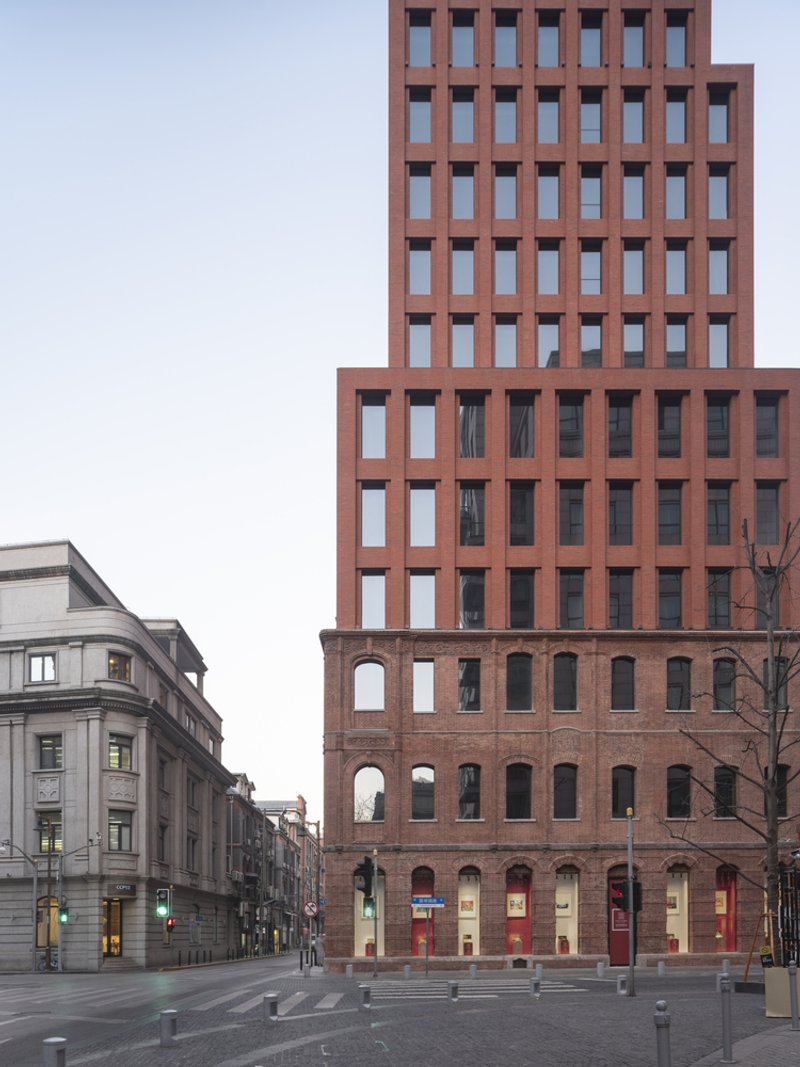
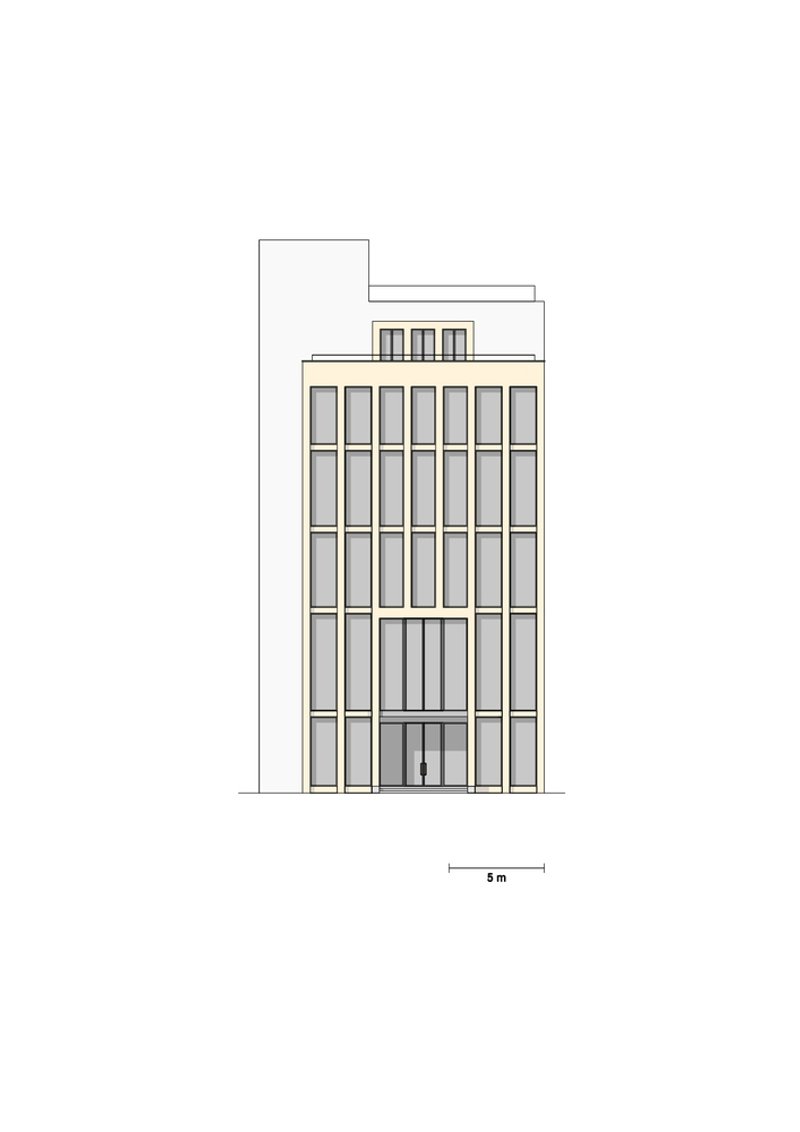
As part of the renovation, David Chipperfield Architects also introduced new additions to the site that complement the historic structures without overshadowing them. The ZA·Andrews & George Building, for example, has retained its original three-storey facade, which has been carefully preserved and renovated. Above this, an eleven-storey red brick tower has been added, extending the building’s height and creating a visual marker at the edge of the development. This new structure blends seamlessly with the surrounding historic fabric while establishing a connection to the modern high-rise city that has emerged in Shanghai’s skyline.
The tower serves as a bold statement of the city’s evolving architectural identity, combining the old and the new in a harmonious juxtaposition. The thoughtful design of this addition highlights the architects’ ability to balance historical preservation with the needs of a rapidly modernizing urban environment.
The Phased Development: A Long-Term Commitment to Urban Revitalization
The restoration of ROCKBUND was a long-term endeavor, unfolding over several years in a phased approach. The first significant milestone was the opening of the Rockbund Art Museum in 2010, marking the beginning of the transformation of the historic site into a vibrant cultural and commercial hub. In 2011, the facades of the historic buildings were completed, preserving their charm and character.
The construction of the Andrews & George Tower began in 2021, with the shell and core of the building being completed at that time. David Chipperfield Architects was further commissioned to design the interior spaces of the tower, including the lobby and the transformation of the alleyways between the buildings. These previously underutilized areas have been reimagined as public spaces, connecting the inner courtyards and squares with new residential buildings located along the western side of the site.
The final phase of the ROCKBUND project was completed in 2023, marking the culmination of 17 years of work. The renovated site now offers a seamless blend of public and private spaces, creating a vibrant urban environment where history and modernity coexist in harmony.
A Lasting Legacy
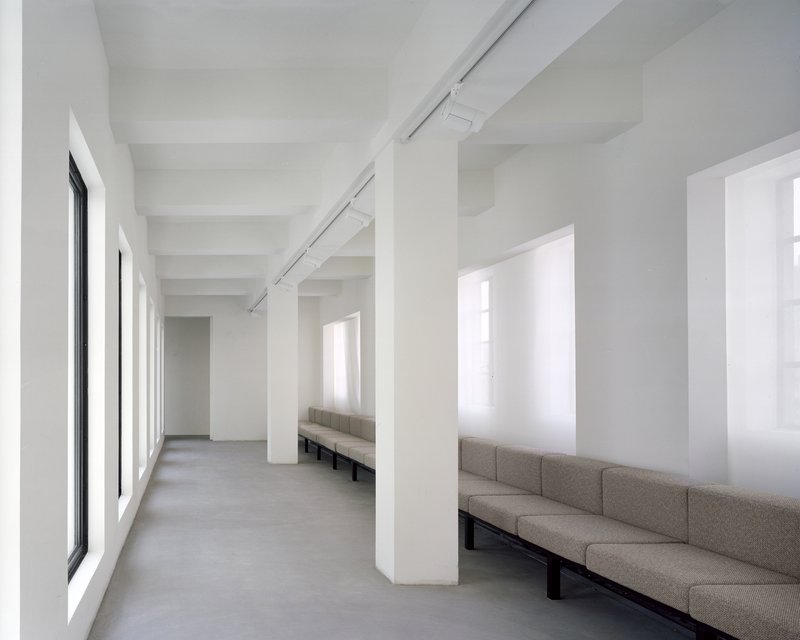
The ROCKBUND renovation project stands as a model for how historical buildings can be preserved and adapted to meet the needs of a modern city. David Chipperfield Architects has created a space that honors Shanghai’s architectural heritage while introducing new interventions that serve the city's evolving demands. By preserving the facades, introducing modern additions, and integrating public spaces into the site’s design, the architects have successfully created a vibrant urban hub that is both historically significant and future-oriented.
The completion of ROCKBUND in 2023 not only marks the end of a significant restoration effort but also the beginning of a new chapter in the life of one of Shanghai’s most iconic architectural landmarks. With its blend of historical preservation and modern innovation, the ROCKBUND development continues to shape the urban fabric of Shanghai, serving as a symbol of the city’s ongoing transformation.
All Photographs are works of Fangfang Tian, Simon Menges, Christian Richters




Popular Articles
Popular articles from the community

Treehouse Apartment: A Warm Timber Interior Blending Craft, Play, and Contemporary Living
Warm timber apartment with integrated treehouse, combining natural materials, craftsmanship, and playful design to create a flexible, family-oriented living environment.


The Ken Roberts Memorial Delineation Competition (Krob)
As the most senior architectural drawing competition currently in operation anywhere in the world, it draws hundreds of entries each year, awarding the very best submissions in a series of medium-based categories.
Louis Malle Cinema: A Limestone Cultural Landmark Revitalizing Community Life in Prayssac
Limestone cinema extension with public forecourt, blending heritage and modern design to create flexible cultural spaces and strengthen community interaction.

Solar Steam: A Climate-Responsive Architecture That Redefines the Monument
A climate-responsive memorial architecture that transforms heat, decay, and time into a living system reflecting humanity’s ecological impact.


Similar Reads
You might also enjoy these articles
The Ken Roberts Memorial Delineation Competition (Krob)
As the most senior architectural drawing competition currently in operation anywhere in the world, it draws hundreds of entries each year, awarding the very best submissions in a series of medium-based categories.


Waterfront Redevelopment and Urban Revitalization in Mumbai: Forging a New Dawn for Darukhana
A transformative waterfront redevelopment project reimagining Darukhana’s shipbreaking heritage into an inclusive urban future.

OUT-OF-MAP: A Call for Postcards on Feminist Narratives of Public Space
Rhizoma Design and Research Lab invites artists, designers, architects, researchers, and students to reflect on how feminist perspectives can reshape public space. Selected works will be exhibited in Barcelona, October 2026. Submissions open until 15 April 2026.


Documentation Work on Buddhist Wooden Temple
Architectural syncretism and cultural hybridity: A comparative study of the Buddhist temples in Chattogram Hill tracks


Explore Architecture Competitions
Discover active competitions in this discipline




The International Standard for Design Portfolios


The Global Benchmark for Architecture Dissertation Awards


The Global Benchmark for Graduation Excellence


Challenge to design an urban locus of culture and heritage
Comments (0)
Please login or sign up to add comments
No comments yet. Be the first to comment!