
The Royal Hotel: A Masterpiece of Heritage Hotel Restoration Architecture
This article explores the restoration of The Royal Hotel, showcasing its blend of historical preservation and contemporary design in hospitality architecture.

Reviving a Victorian Landmark
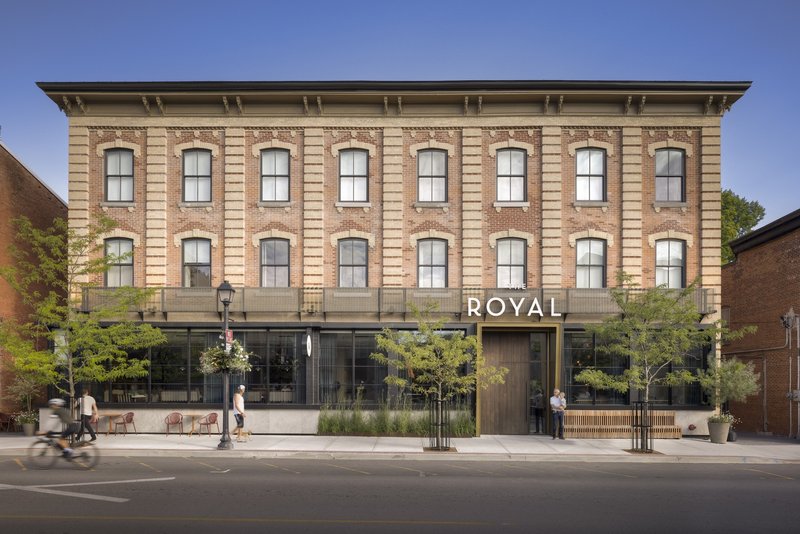
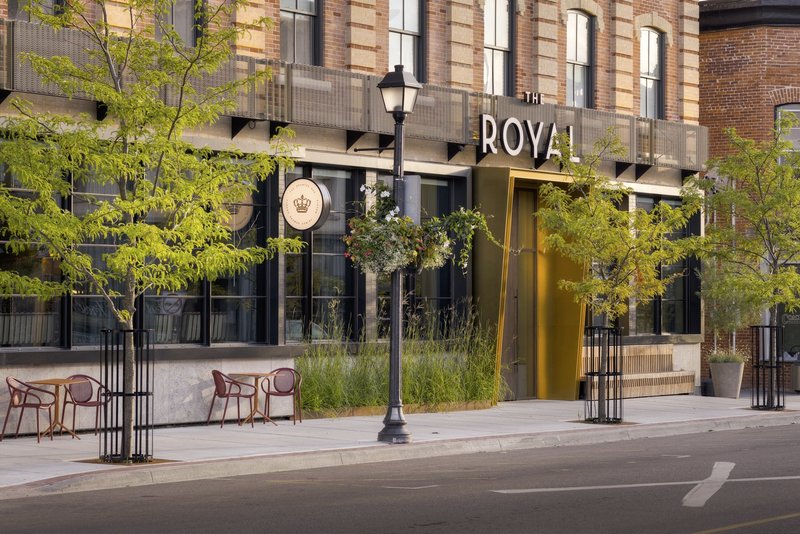
The Royal Hotel in Picton, Prince Edward County, Ontario, is a striking example of heritage hotel restoration architecture. Originally a Victorian railway hotel, it had fallen into disrepair before Giannone Petricone Associates took on the ambitious task of reimagining the space. The project, commissioned by the Sorbara family, transformed a deteriorated structure into a luxurious yet locally rooted retreat, blending historical charm with contemporary elegance.
A Decade-Long Restoration Journey
The journey to restore The Royal Hotel began in 2013 when the Sorbara family acquired the property. At that time, the building had suffered severe neglect, with a moss-covered central staircase and a collapsed roof. Despite these challenges, the family remained committed to preserving its legacy. Over the course of a decade, Giannone Petricone Associates meticulously revived the structure, ensuring it retained its historic essence while introducing modern elements that resonate with the evolving character of Prince Edward County.
Architectural Concept: Bridging History and Modernity
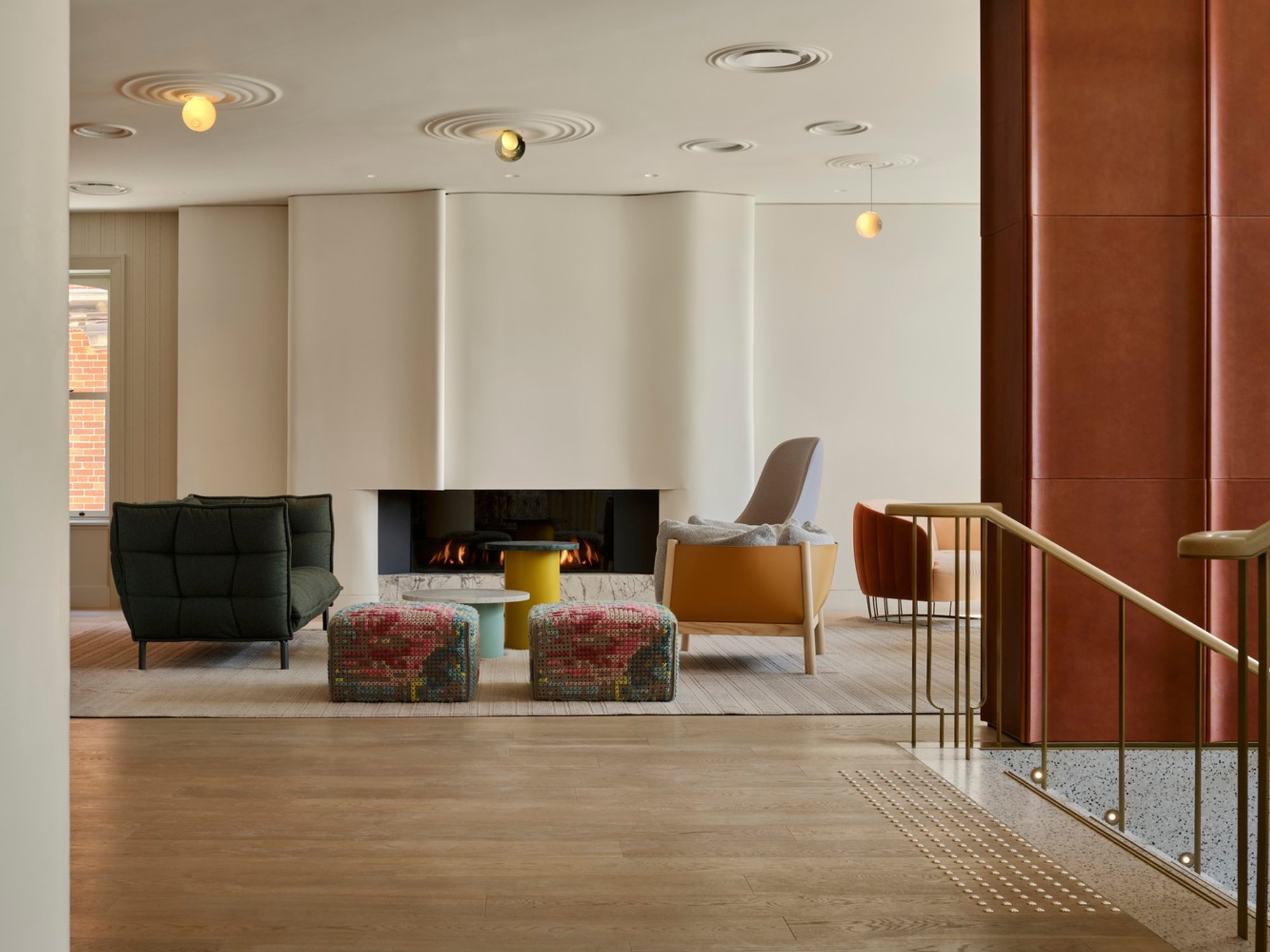
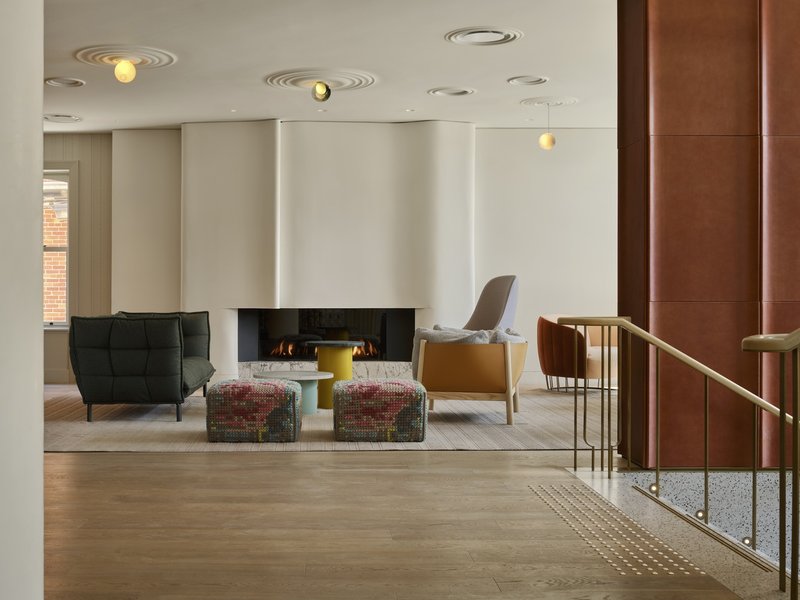
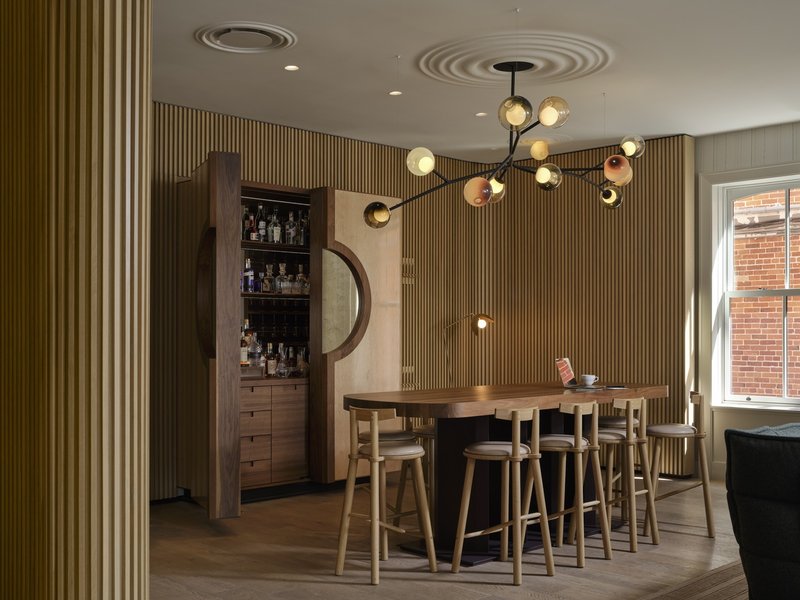
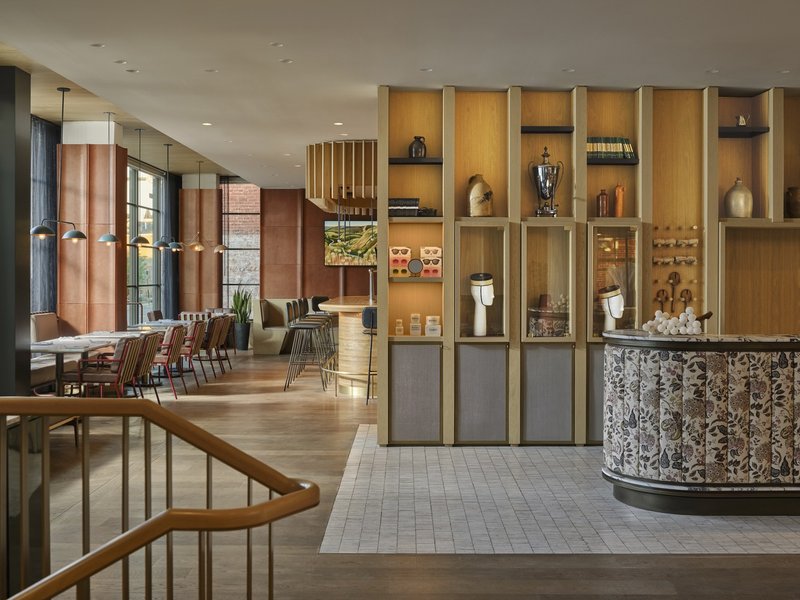
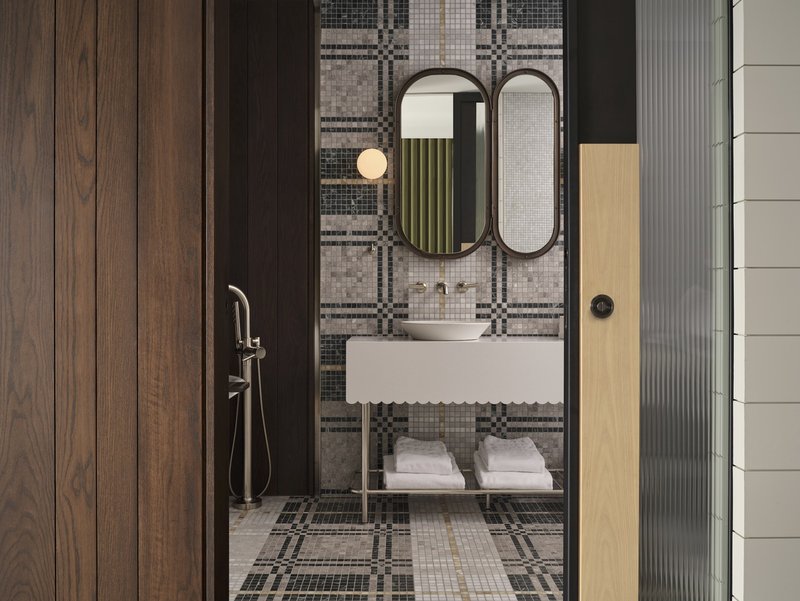
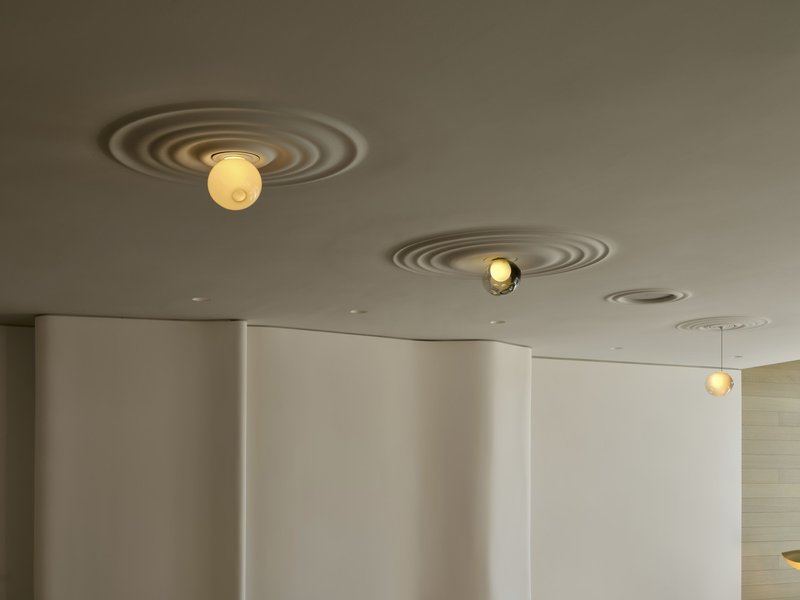
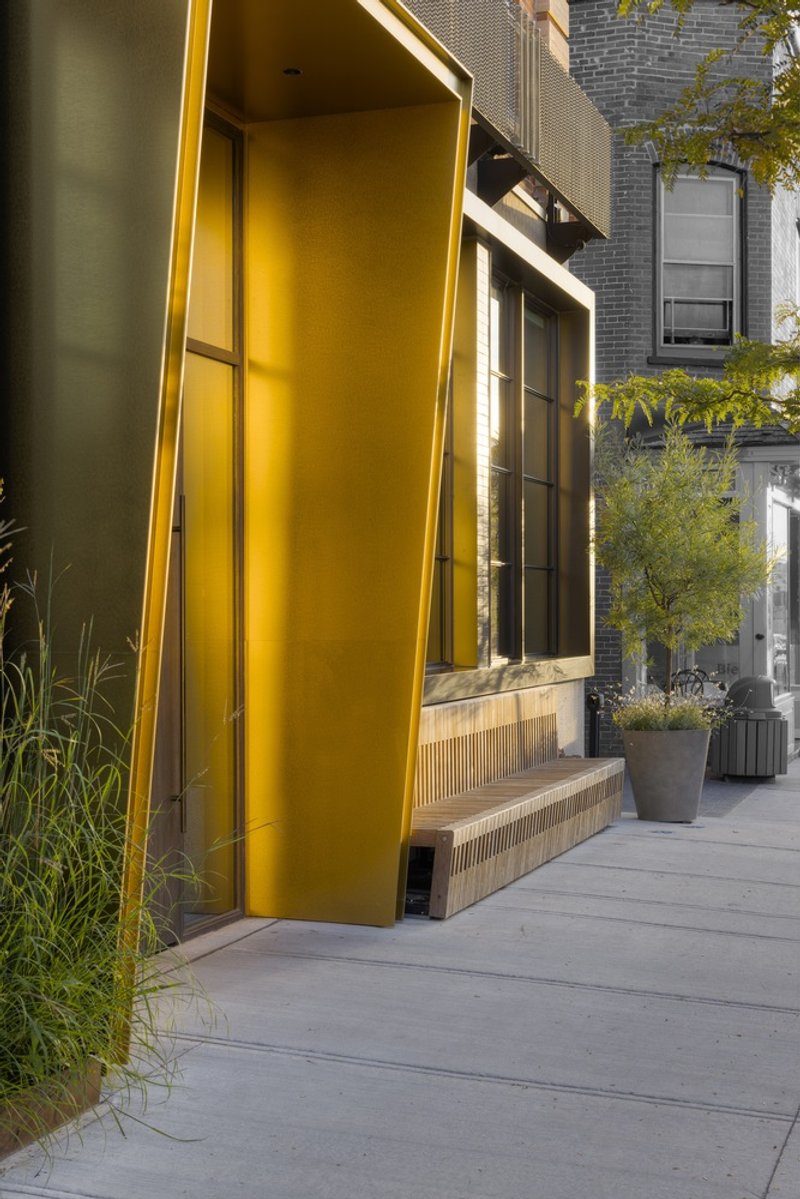
The design of The Royal Hotel draws inspiration from the aesthetics of Victorian railway hotels, infusing them with contemporary architectural expressions. The architects embraced contrasts between formal British traditions and the relaxed authenticity of rural Ontario. The exterior balustrade and elevator cage, for example, are crafted from construction-grade metal, juxtaposing industrial materiality with classical embellishment. Ceiling rosettes morph into organic shapes reminiscent of water ripples and mushrooms, while Victorian textile motifs are reinterpreted in materials such as plaster, stone, wood, and metal.
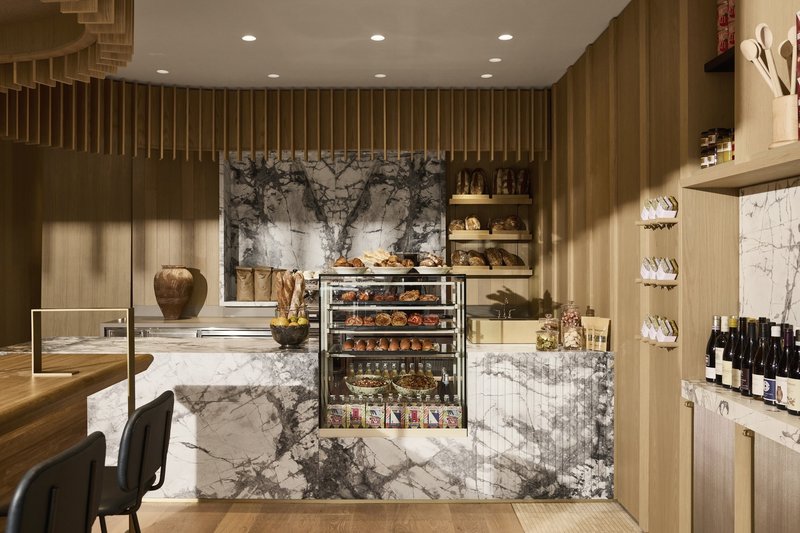
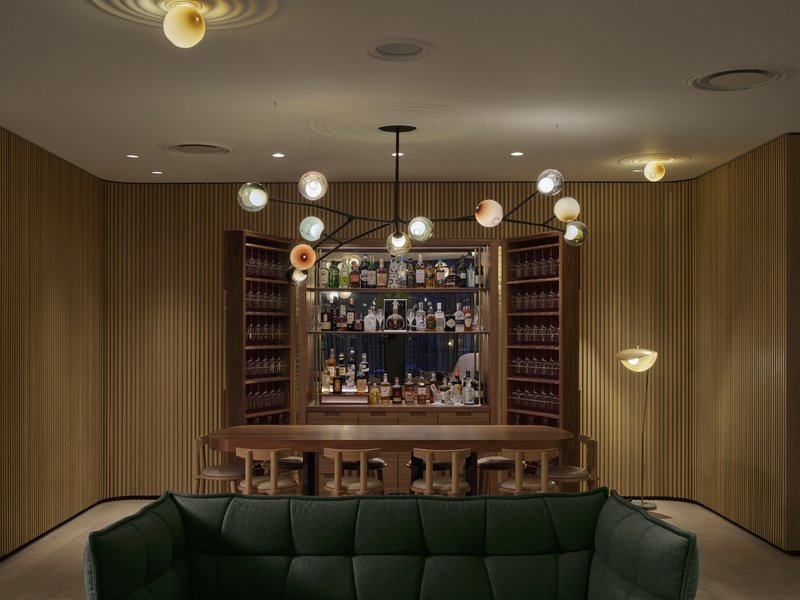
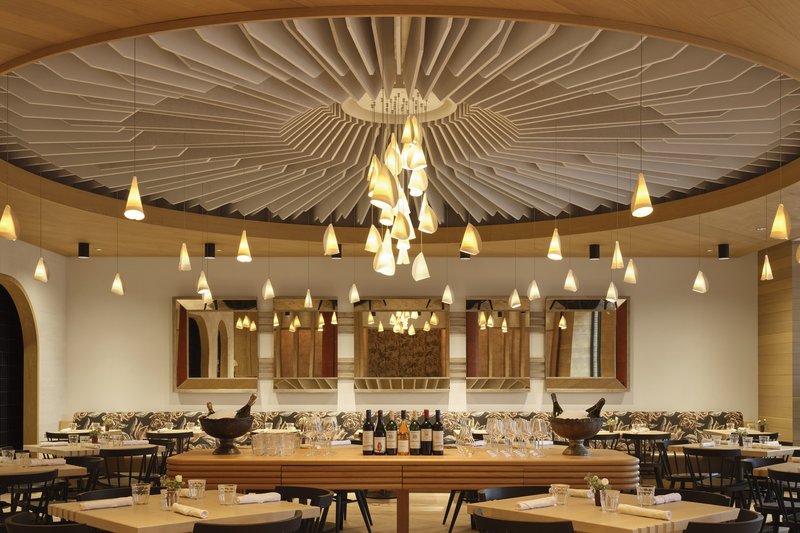
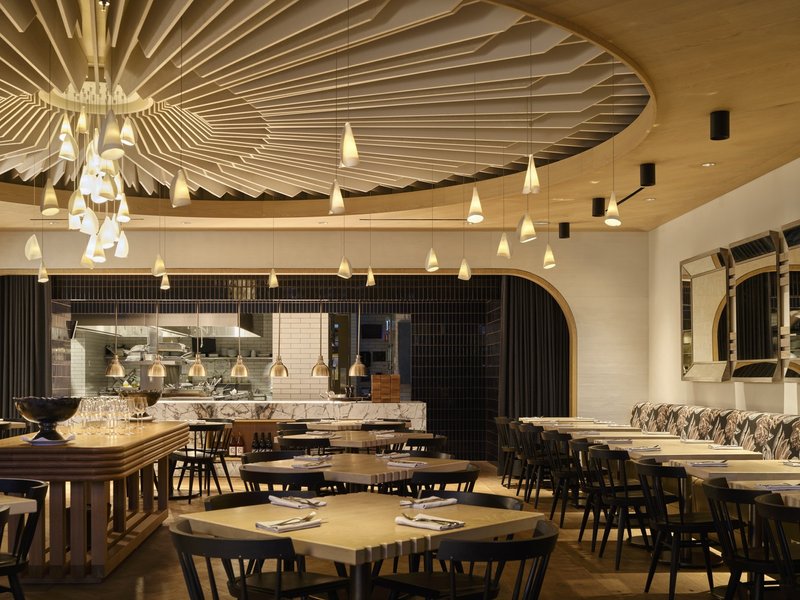
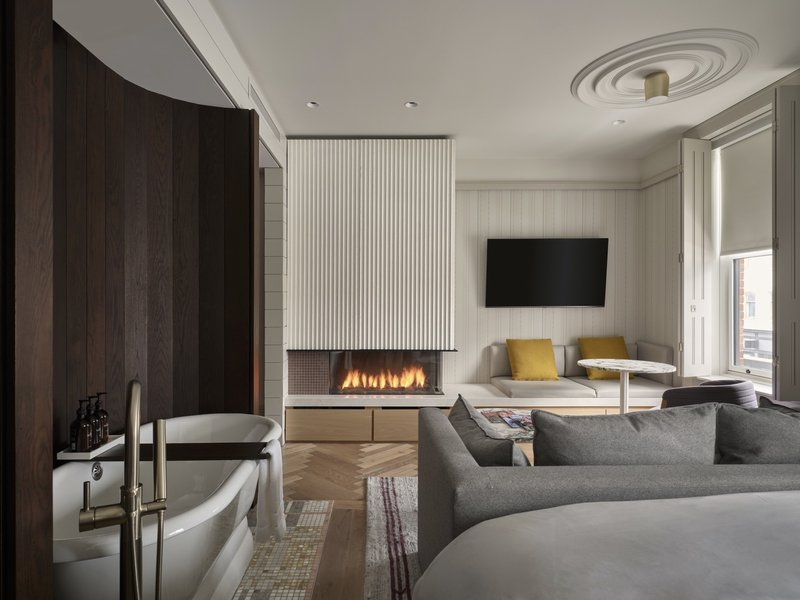
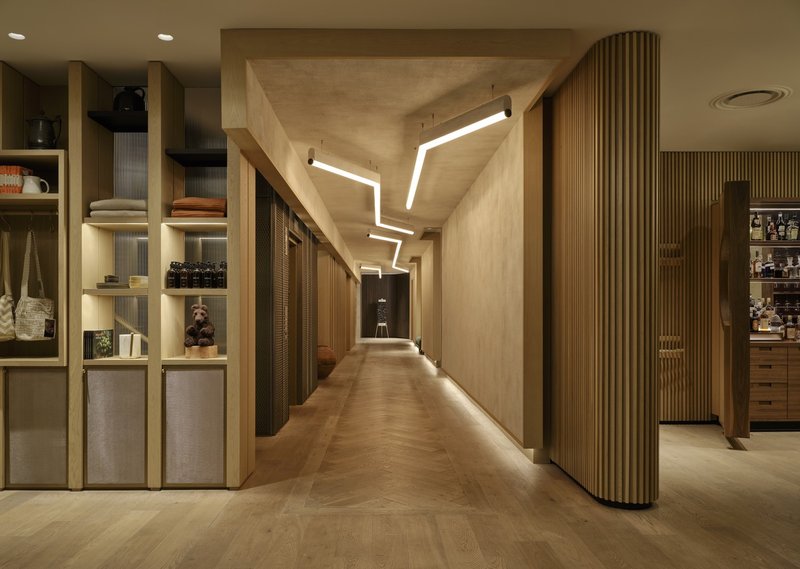
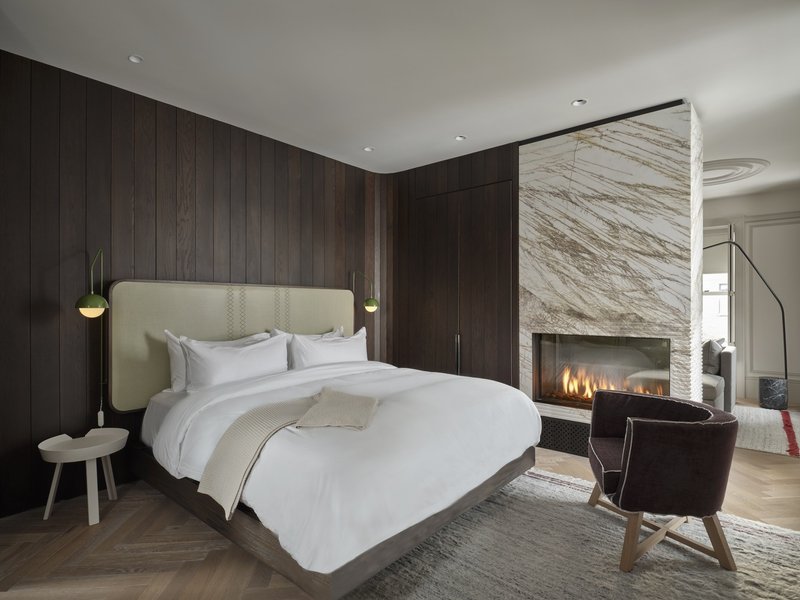
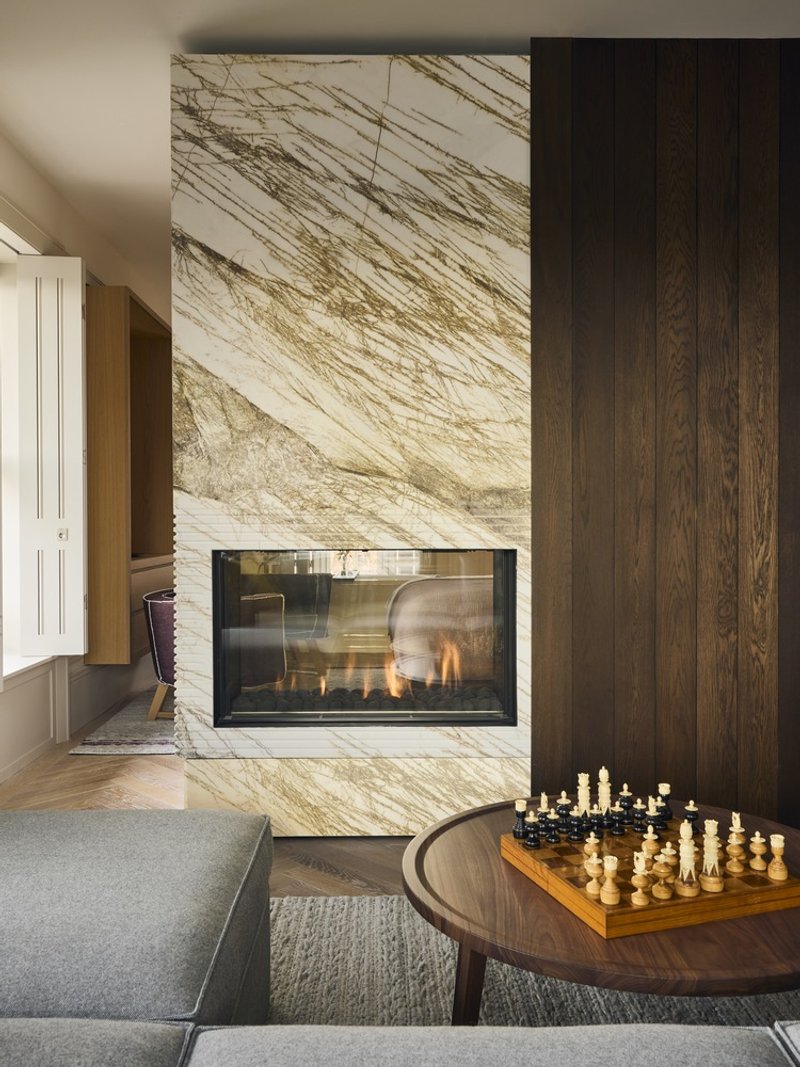
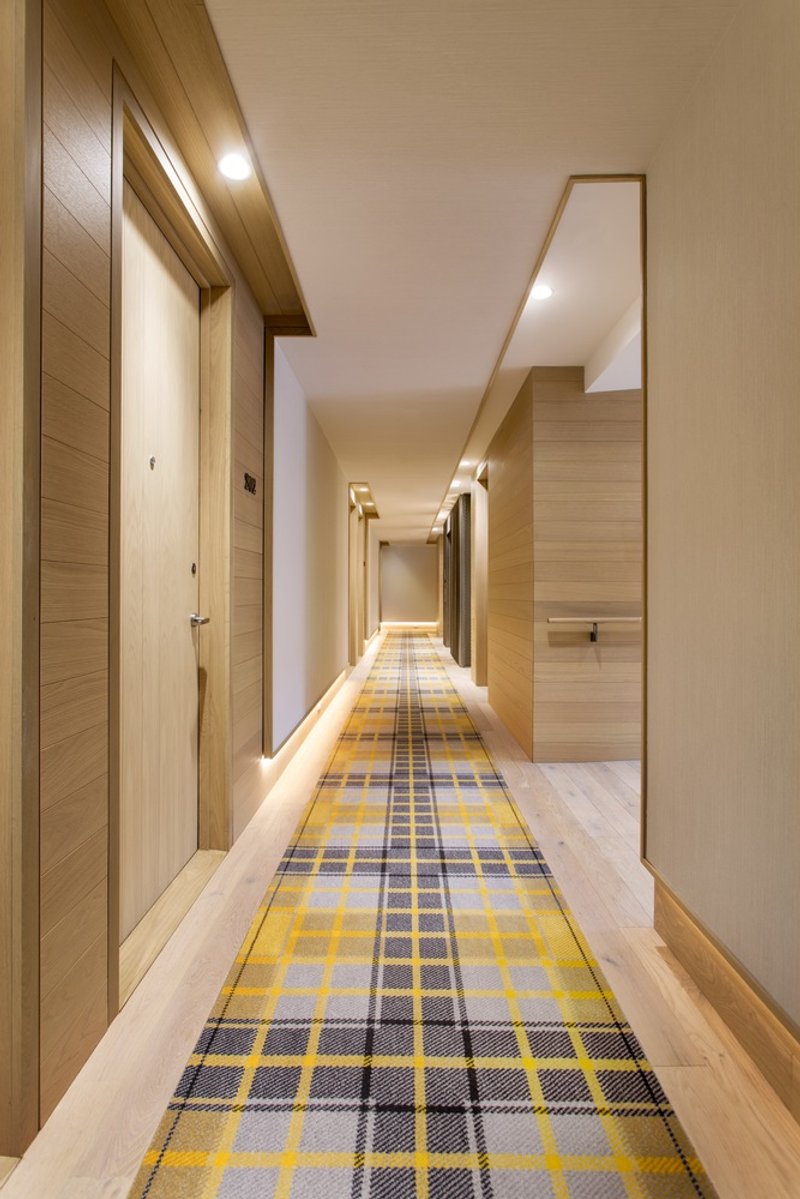
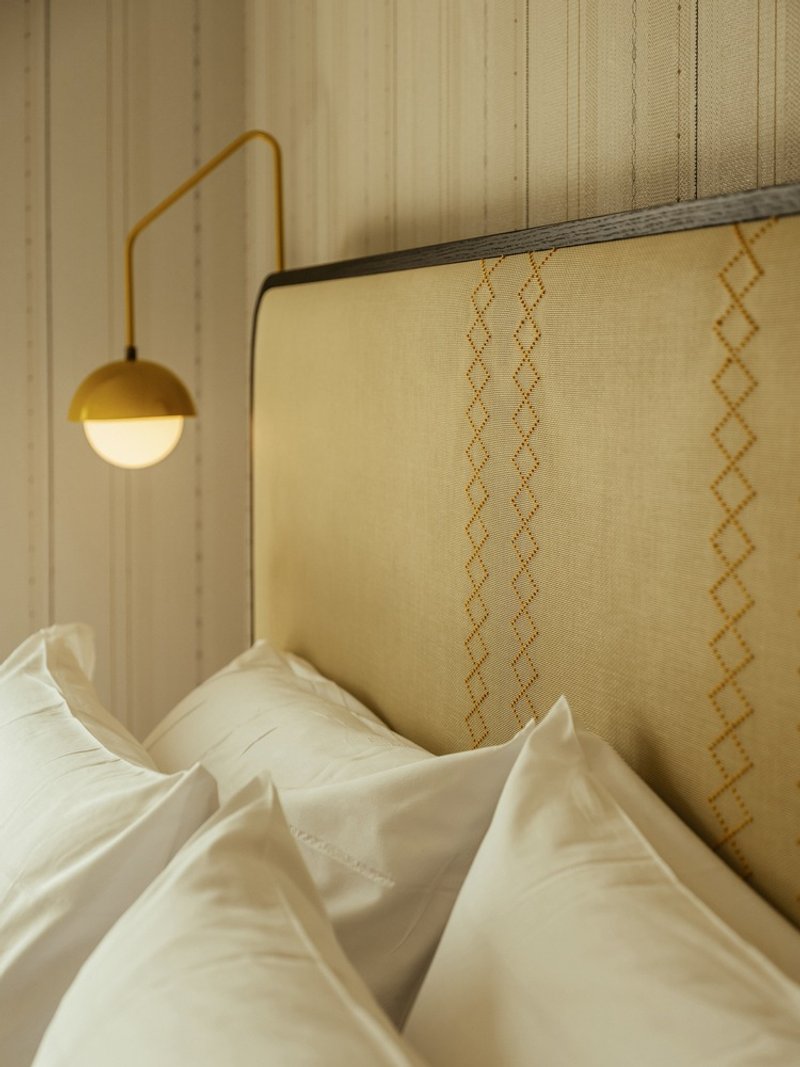
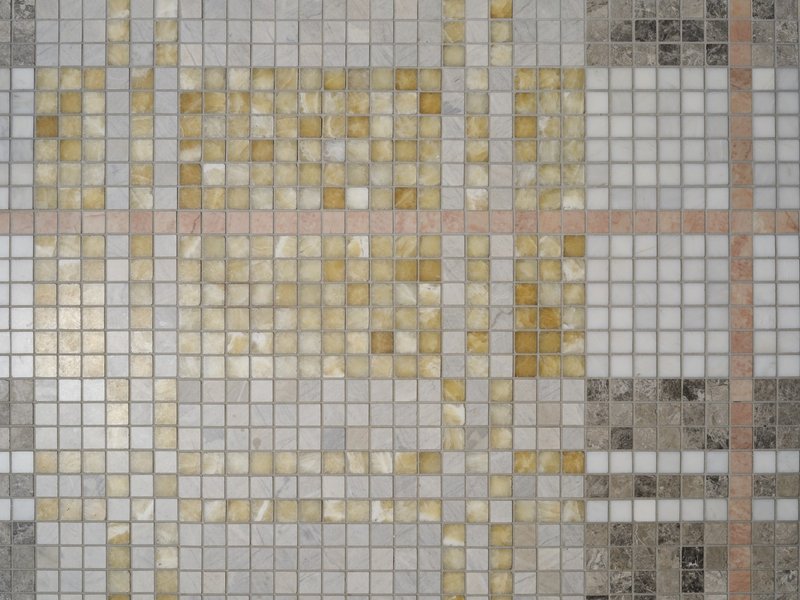
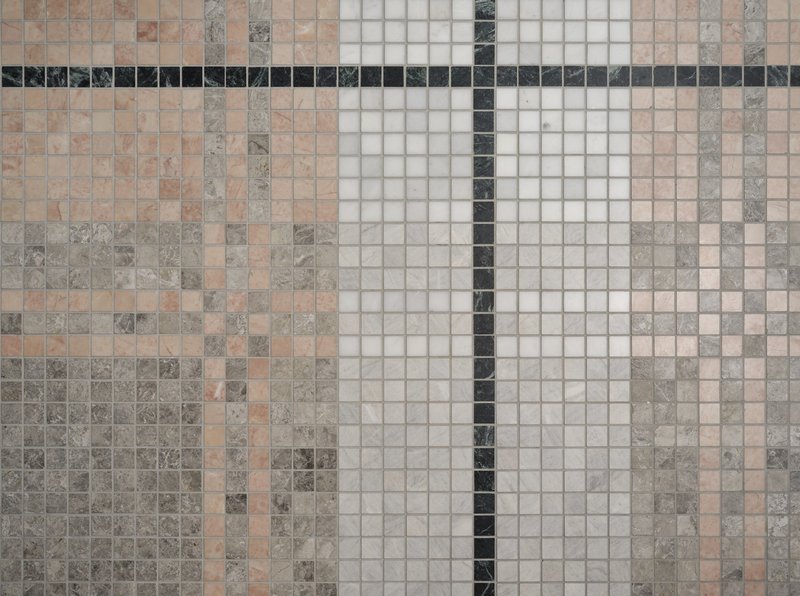
Throughout the hotel, historic references are playfully subverted. Cross-stitch headboards, starched linen fireplace mantles, and tartan tile floors reflect an artistic reinterpretation of Victorian patterns. The color palette draws from the hotel's original façade, incorporating buff brick, clay brick, and green slate to create a cohesive visual identity.
A Multi-Faceted Hospitality Experience
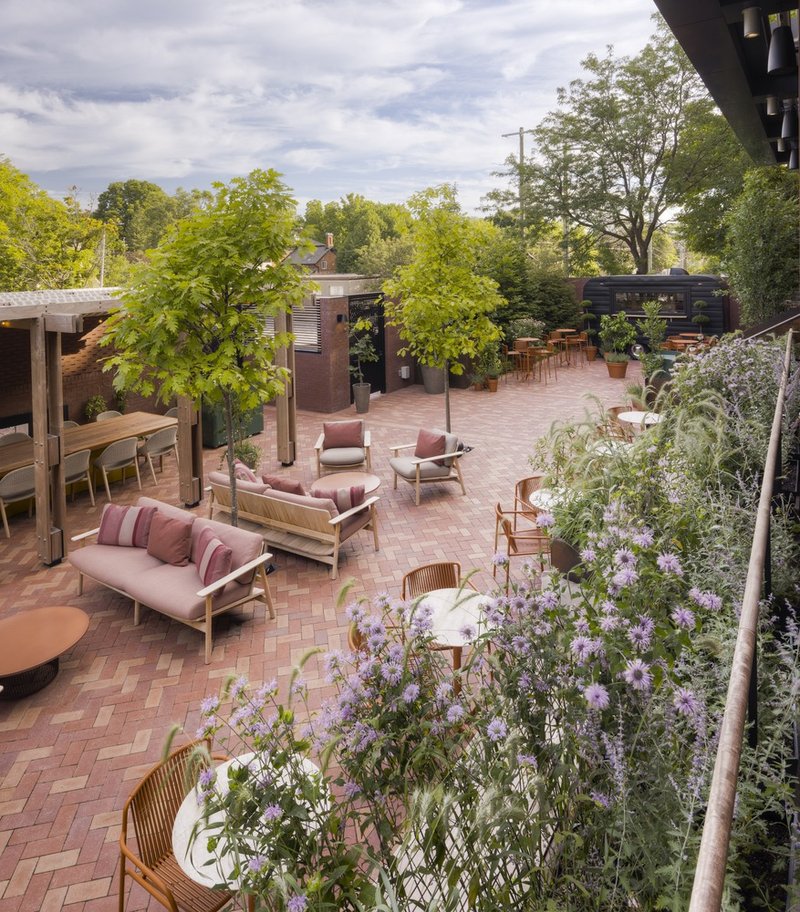
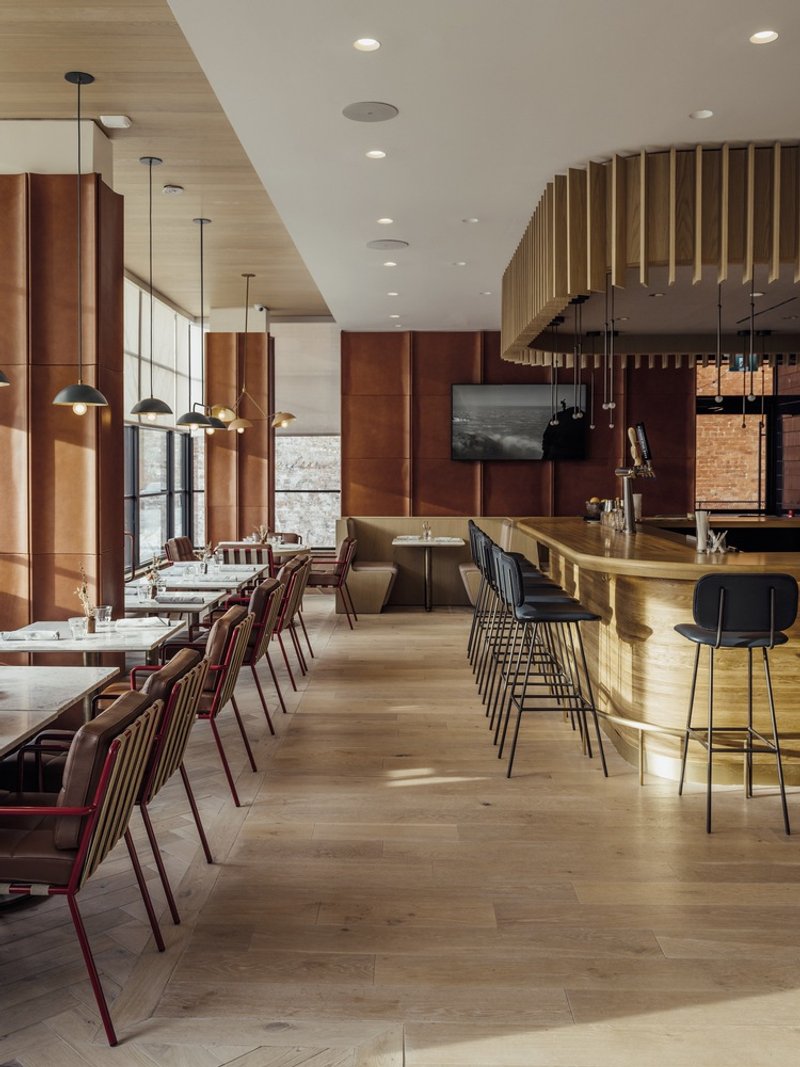
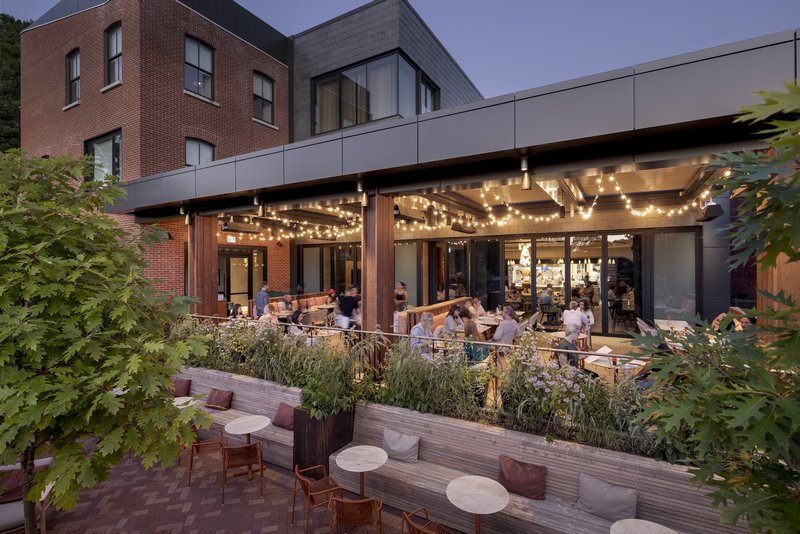
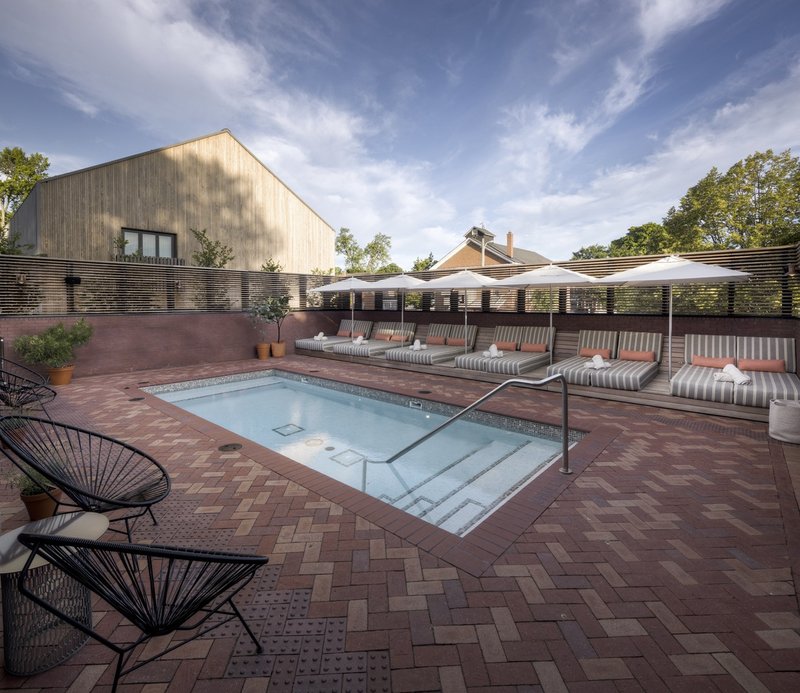
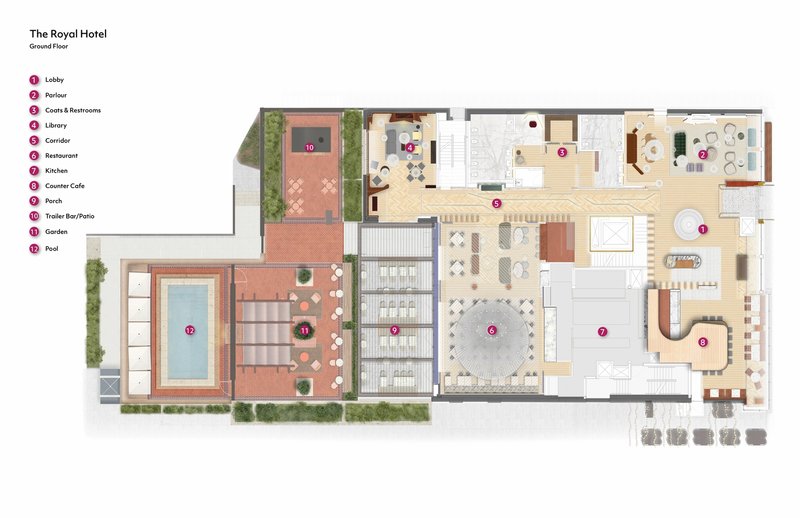
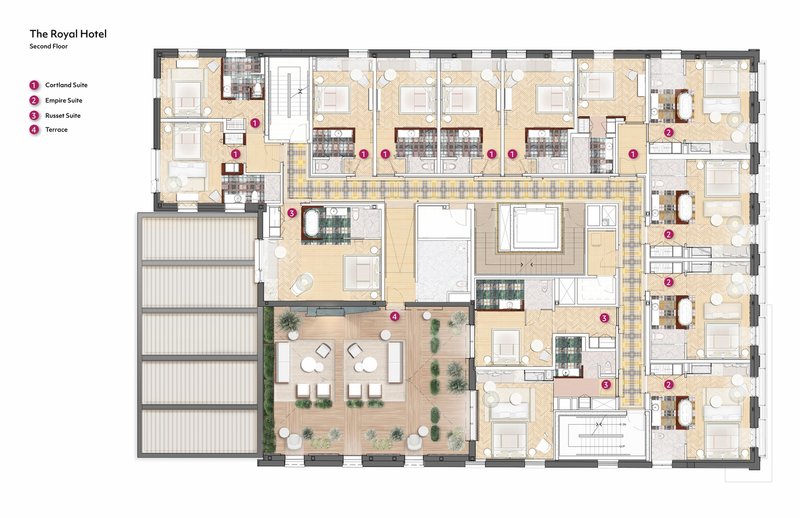
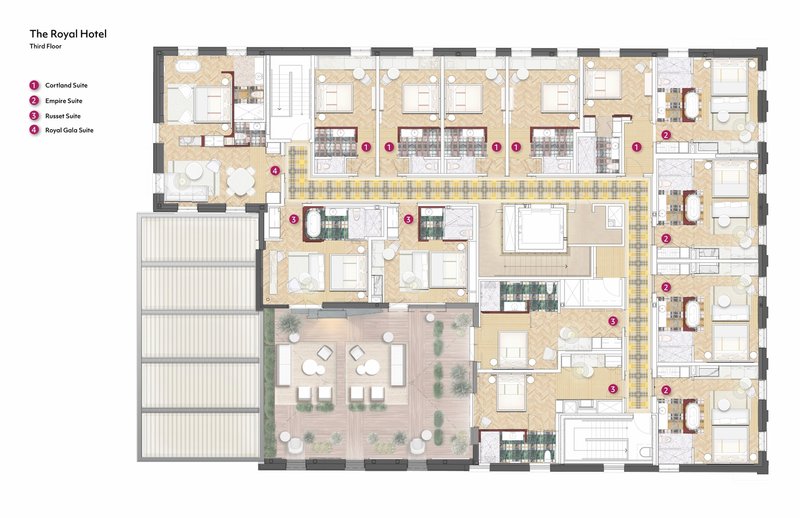
The restored Royal Hotel is more than just a hotel—it is a destination. Within its three original brick walls, the architects have integrated a range of amenities, including 28 elegantly designed guest rooms, a café, three bars, a fine-dining restaurant, a spa, a gym, and a sauna. The outdoor spaces further enrich the guest experience, featuring a landscaped garden terrace, a fourth bar with a fireplace patio, and a swimming pool.
Beyond the main structure, the former stables have been repurposed as The Royal Annex, housing five additional guest suites. This thoughtful expansion maintains the historical integrity of the site while enhancing its capacity to accommodate visitors.
The Essence of Heritage Hotel Restoration Architecture
The Royal Hotel stands as a benchmark for heritage hotel restoration architecture, demonstrating how historic structures can be revitalized without losing their essence. The project carefully balances preservation and innovation, honoring the past while embracing the needs of contemporary travelers.
According to Pina Petricone, principal at Giannone Petricone Associates, the design was meant to create a sense of escapism, mirroring the hotel’s eclectic and sometimes whimsical past. Every detail, from the materials used to the curated interior elements, reinforces the narrative of transformation and renewal.

A Timeless Transformation
The rebirth of The Royal Hotel is a testament to the enduring value of heritage architecture. By preserving its historical character while incorporating thoughtful modern interventions, Giannone Petricone Associates has created an experience that is both nostalgic and innovative. The Royal Hotel not only restores a landmark but also redefines what a heritage hotel can be in the 21st century.
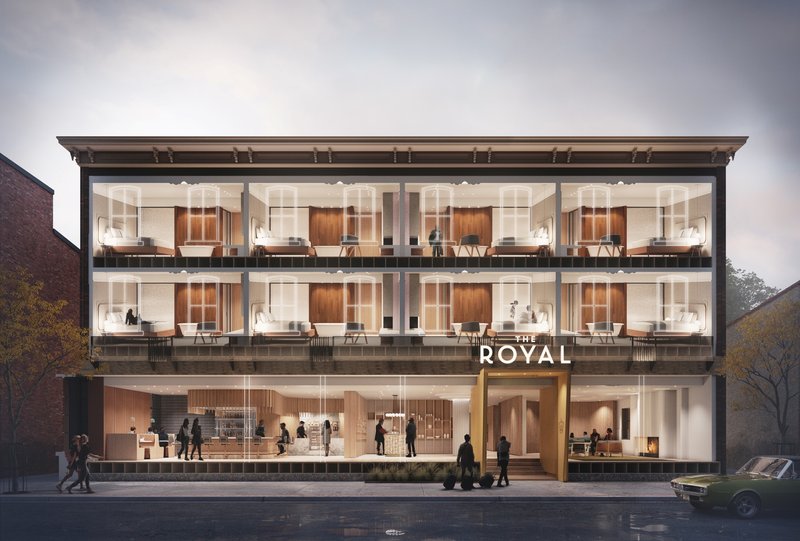
All Photographs are works of Jeff McNeill, Doublespace Photography, Johnny Lam, Graydon Herriott, Greg Pacek




Popular Articles
Popular articles from the community


Solar Steam: A Climate-Responsive Architecture That Redefines the Monument
A climate-responsive memorial architecture that transforms heat, decay, and time into a living system reflecting humanity’s ecological impact.
A Contemporary Take on Iranian Residential Architecture
A modern interior design in Mashhad that reinterprets brick, light, and spatial flow to create a warm, contemporary residential architecture.
An Miên Lumière Cafe by xưởng xép, Ho Chi Minh City, Vietnam
An industrial-inspired café where layered steel and warm light create a dynamic, immersive environment shaped by reflection, depth, and perception.
Inverted Architecture Installation by Studio Link-Arc: Exploring the Intersection of Architecture and Living Organisms
Inverted Architecture Installation by Studio Link-Arc blends mycelium, sustainability, inverted design, ecological cycles, and urban adaptive architecture in Shenzhen.


Similar Reads
You might also enjoy these articles


The Ken Roberts Memorial Delineation Competition (Krob)
As the most senior architectural drawing competition currently in operation anywhere in the world, it draws hundreds of entries each year, awarding the very best submissions in a series of medium-based categories.

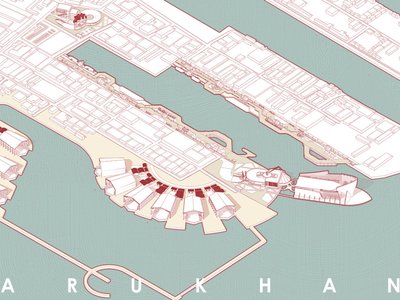
Waterfront Redevelopment and Urban Revitalization in Mumbai: Forging a New Dawn for Darukhana
A transformative waterfront redevelopment project reimagining Darukhana’s shipbreaking heritage into an inclusive urban future.

OUT-OF-MAP: A Call for Postcards on Feminist Narratives of Public Space
Rhizoma Design and Research Lab invites artists, designers, architects, researchers, and students to reflect on how feminist perspectives can reshape public space. Selected works will be exhibited in Barcelona, October 2026. Submissions open until 15 April 2026.

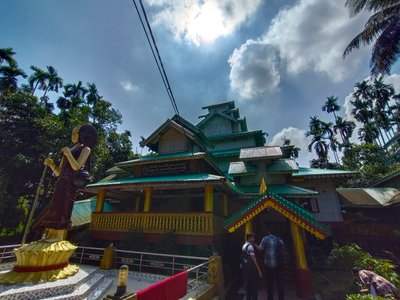
Documentation Work on Buddhist Wooden Temple
Architectural syncretism and cultural hybridity: A comparative study of the Buddhist temples in Chattogram Hill tracks


Explore Architecture Competitions
Discover active competitions in this discipline




The International Standard for Design Portfolios


The Global Benchmark for Architecture Dissertation Awards


The Global Benchmark for Graduation Excellence


Challenge to reimagine the Iron Throne
Comments (0)
Please login or sign up to add comments
No comments yet. Be the first to comment!