
The Transformative Power of Sustainable University Architecture: A Deep Dive into the Marga Klompé Building
The article explores the Marga Klompé Building's sustainable design and educational function at Tilburg University by Powerhouse Company.

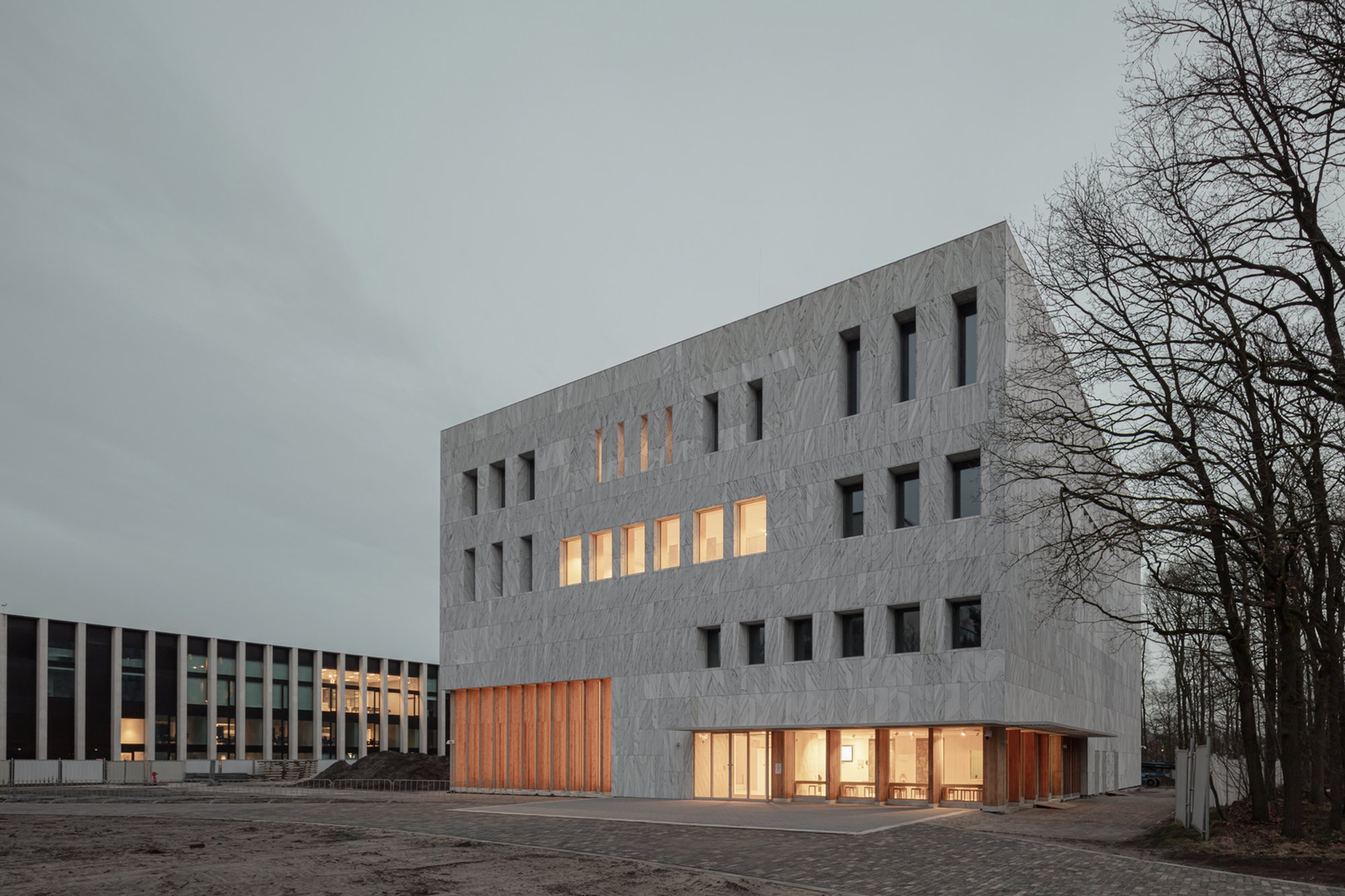
The Marga Klompé Building at Tilburg University stands as a testament to the evolving nature of educational spaces, intertwining sustainability with modern educational needs. Designed by Powerhouse Company, this building redefines what sustainable architecture in the university sector can look like, serving as an inspiring model for future projects.
Understanding Sustainable University Architecture
Sustainable university architecture refers to environmentally responsible and resource-efficient buildings within educational campuses. These structures are designed with consideration for their environmental impact, energy consumption, and the wellbeing of their occupants.
The Marga Klompé Building: A Benchmark in Sustainability
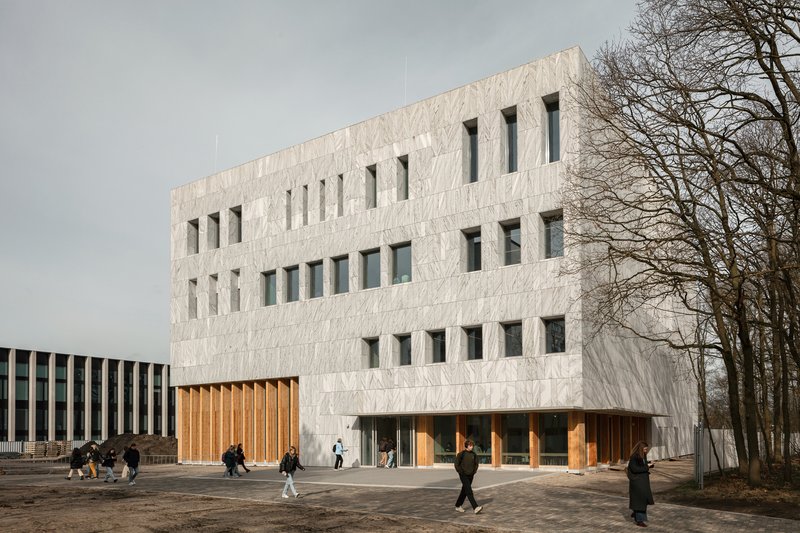
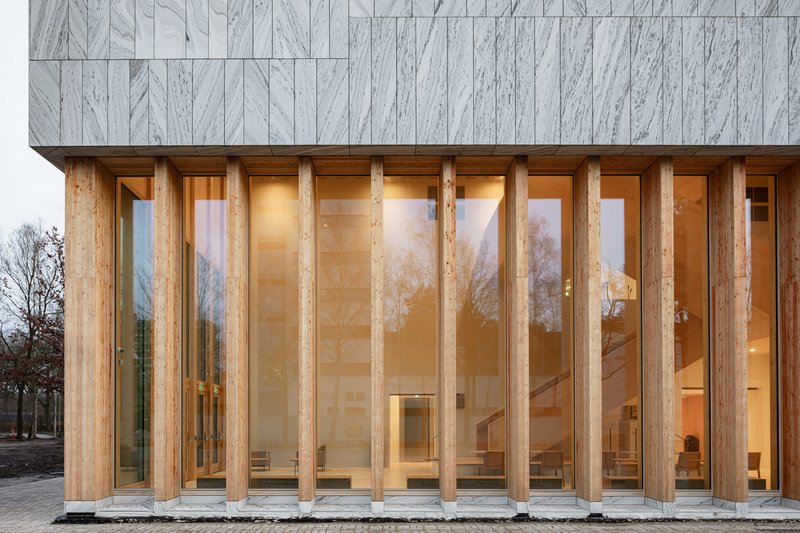
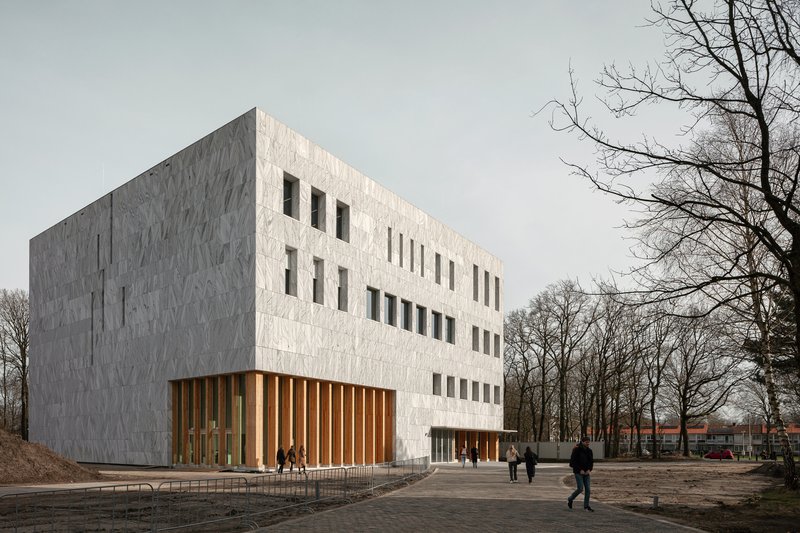
The Marga Klompé Building, Powerhouse Company’s latest project, is a prime example of sustainable university architecture. Located in the heart of Tilburg University's campus in the Netherlands, this building is not only a significant educational facility but also a striking model of sustainability and architectural brilliance.
Architectural Design and Sustainability
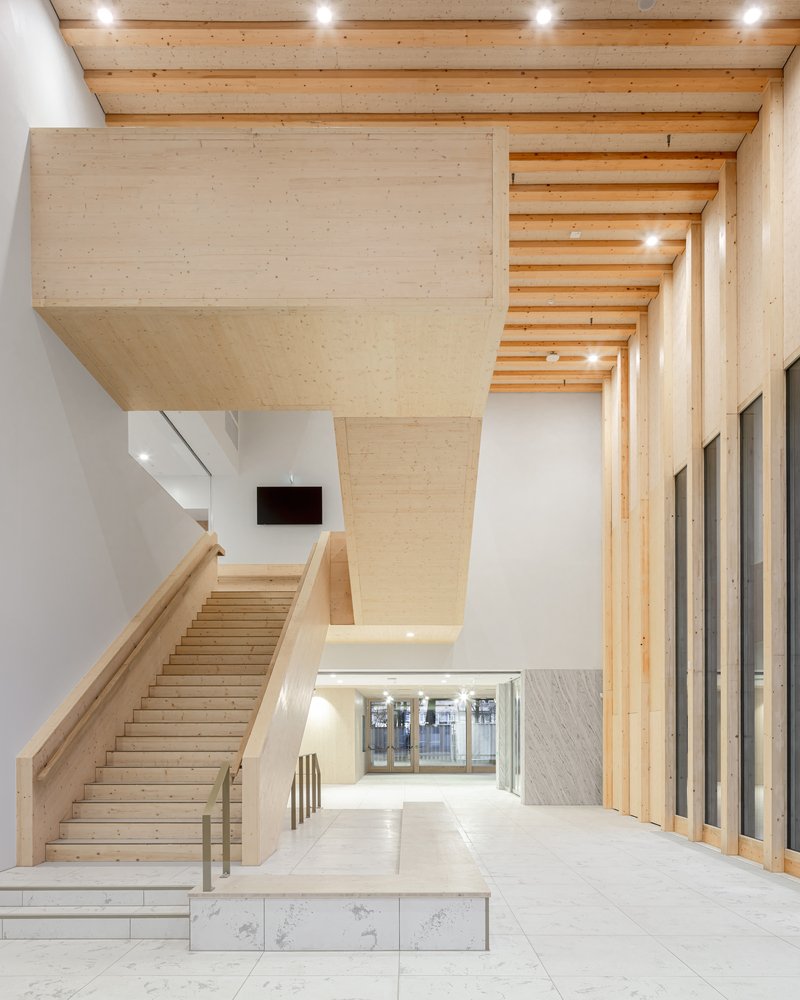
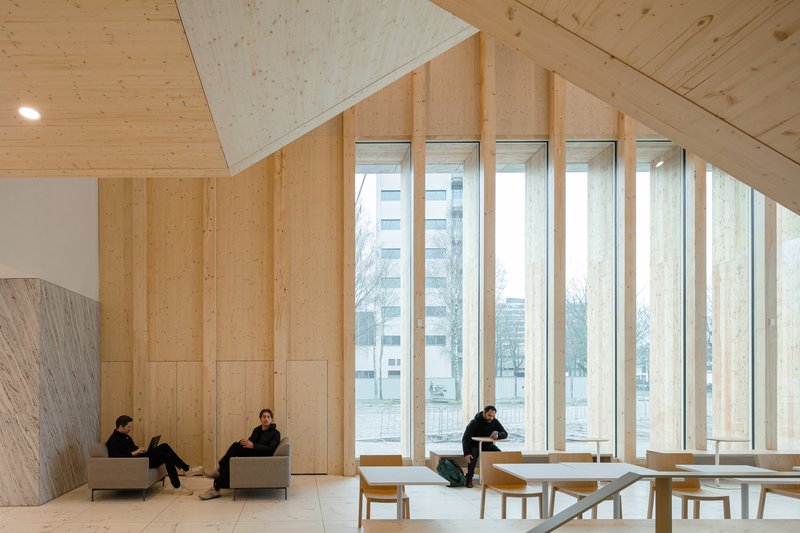
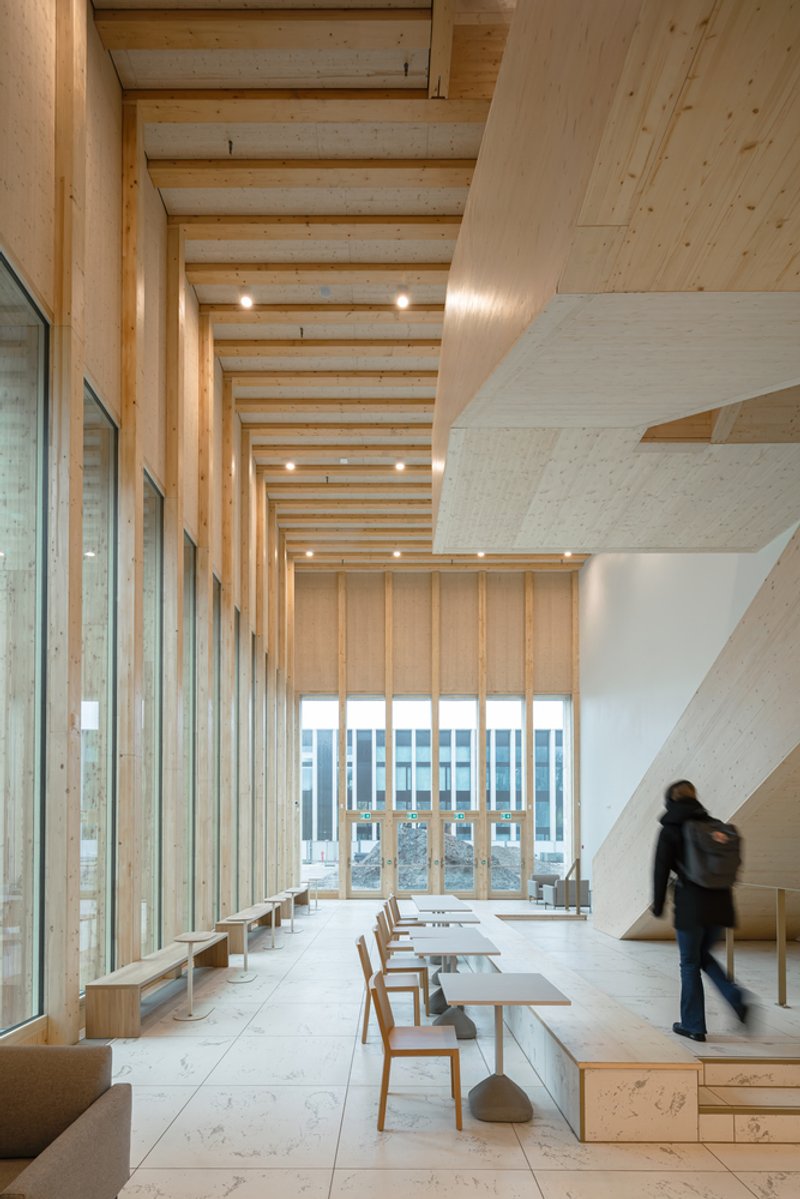
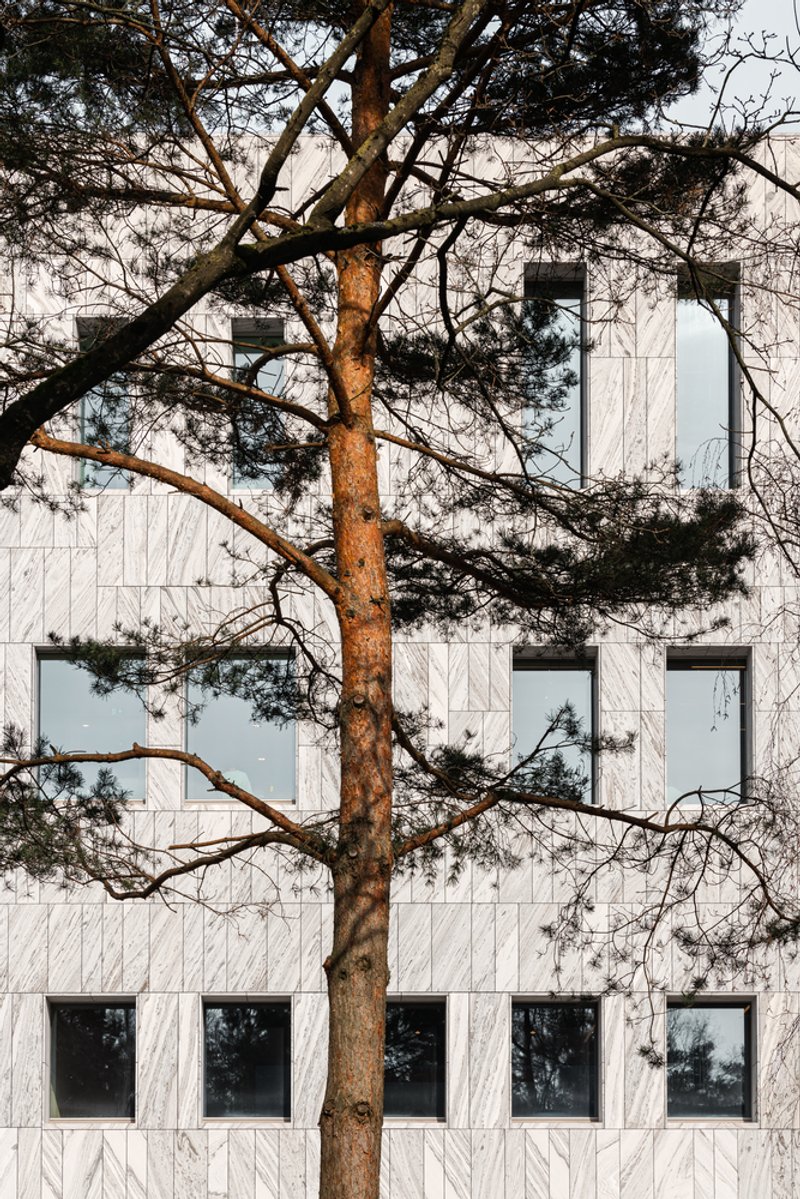
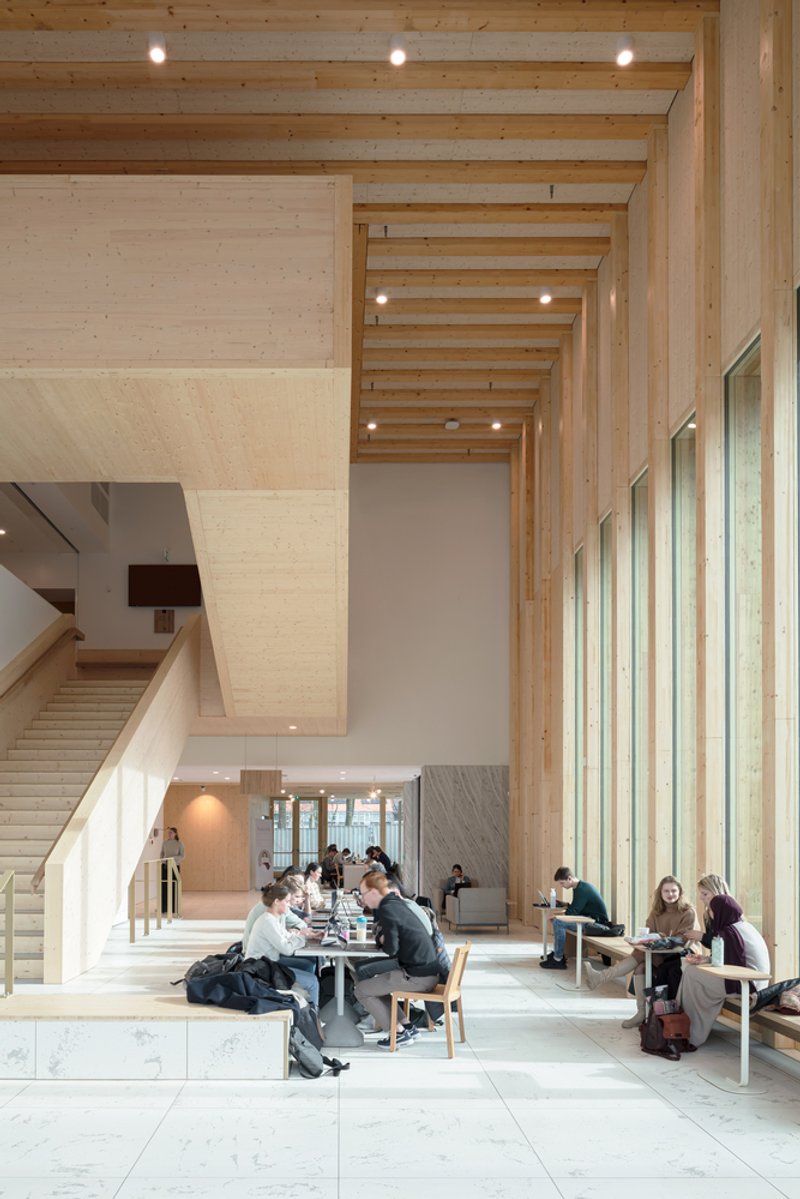
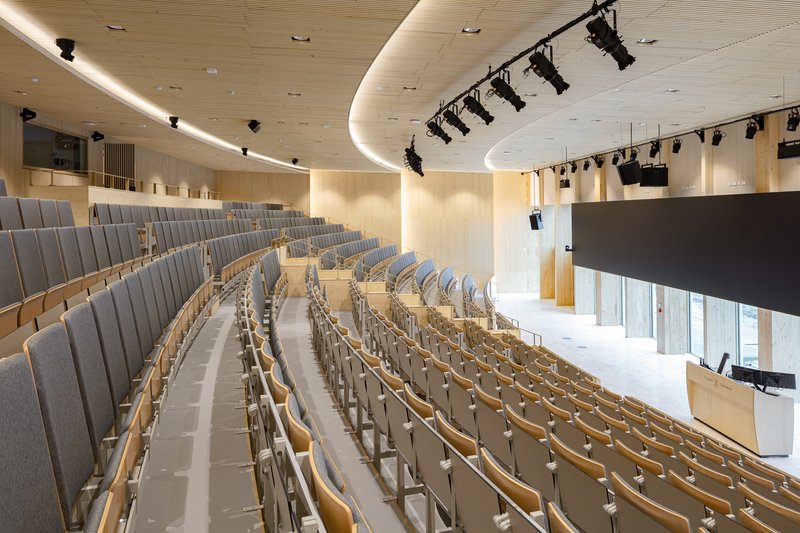
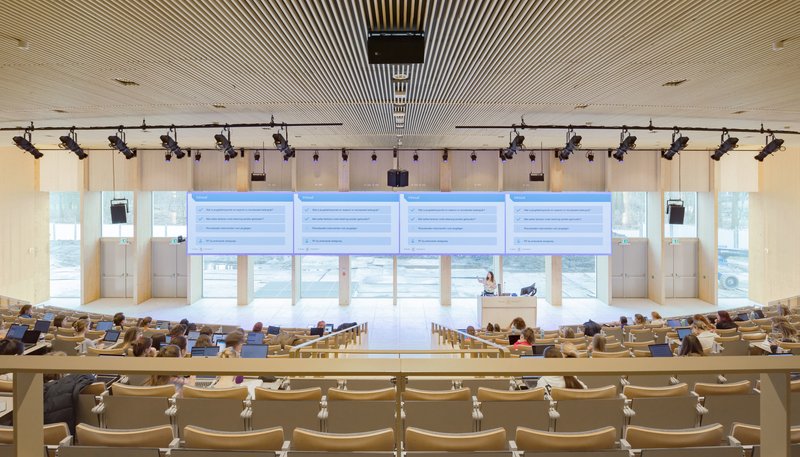
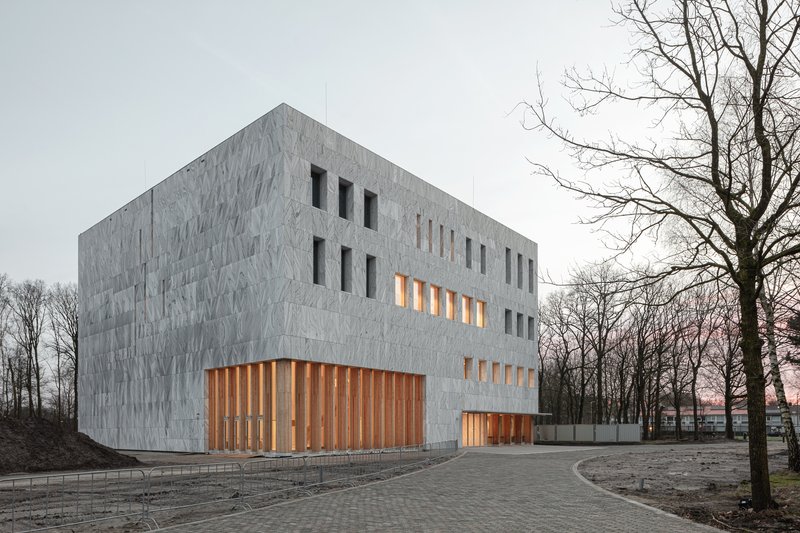
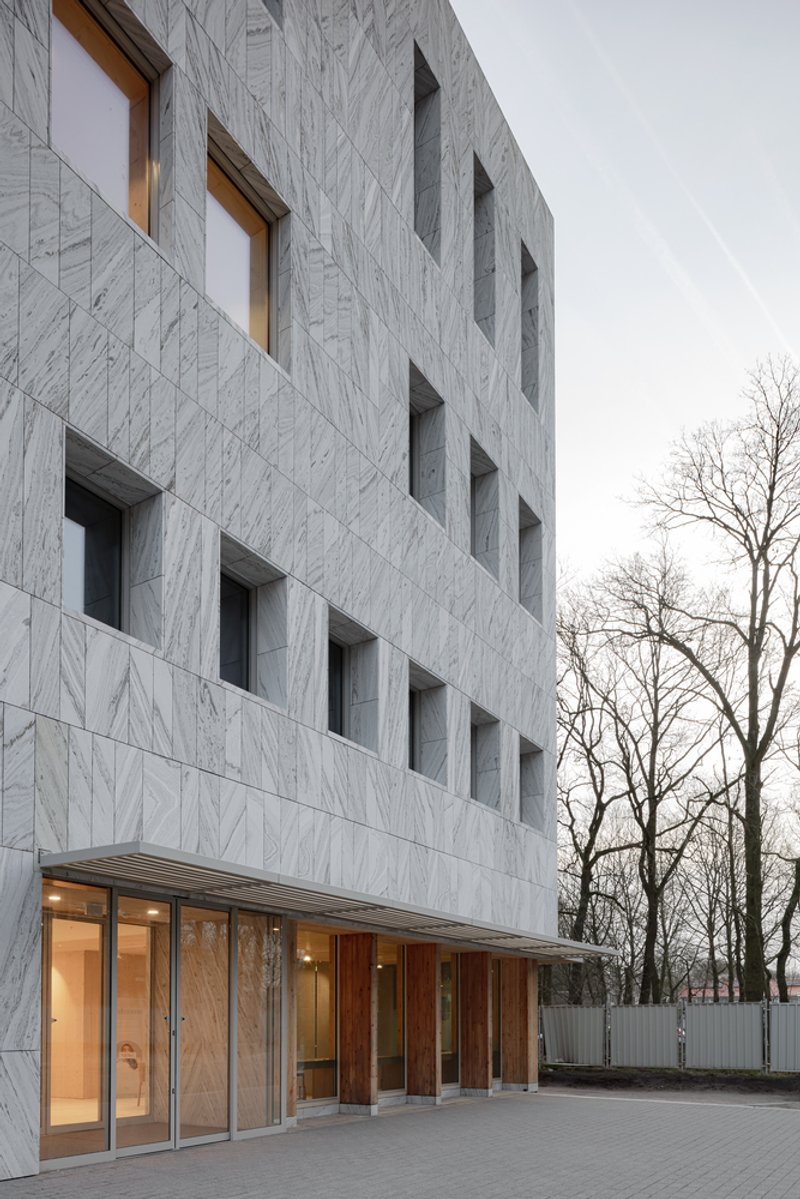
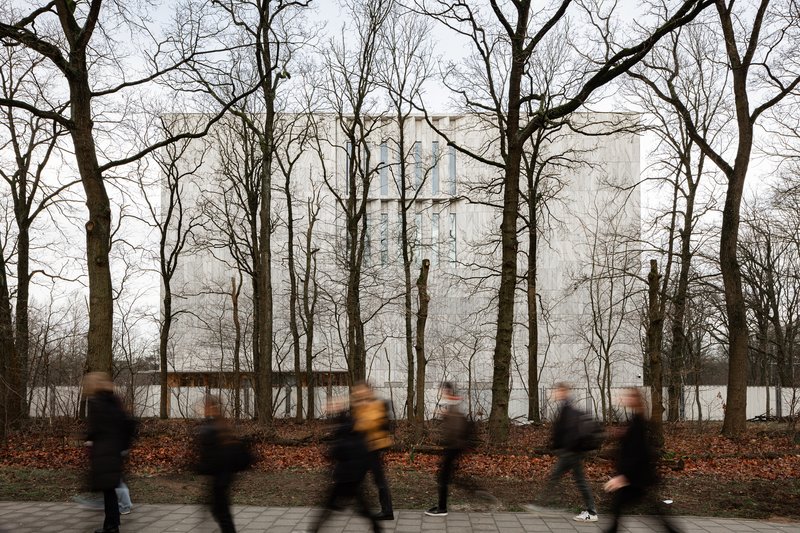
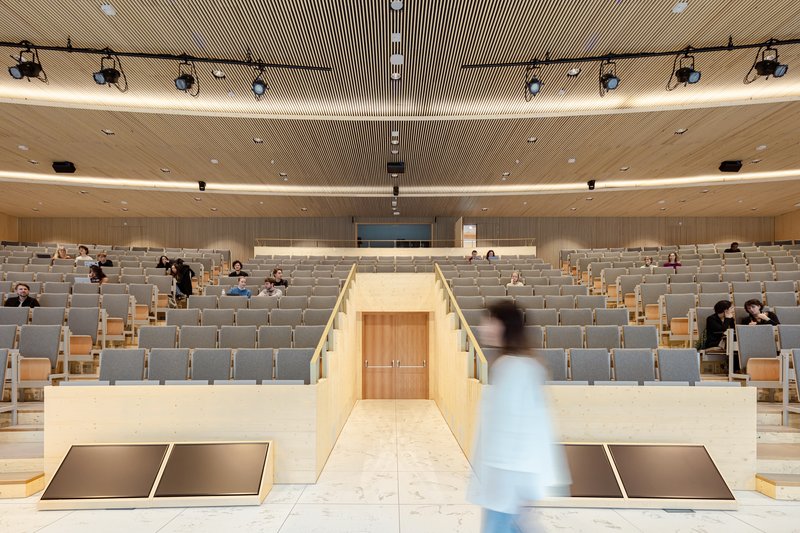
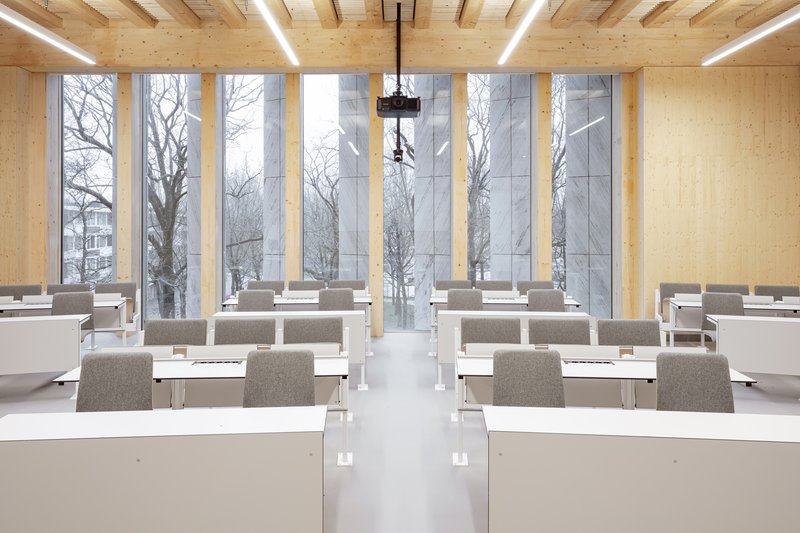
The building’s design is a homage to the modernist architecture of the campus, particularly reflecting the style of the iconic Cobbenhagen Building. However, it takes a step forward by incorporating sustainable materials and construction methods. The use of solid wood construction, a first for European college buildings, underscores the university's commitment to reducing its carbon footprint and promoting renewable resources.
Sustainable Features and Energy Efficiency
The design of the Marga Klompé Building is guided by the principles of the Trias Energetica, focusing on reducing energy consumption and utilizing sustainable materials. Features include:
- Low Energy Consumption: The cube-shaped building with a central atrium minimizes energy loss, while its well-insulated envelope reduces the need for heating and cooling.
- Natural Materials: The use of natural stone and recycled denim for insulation highlights the building's circular ambitions, emphasizing durability and recyclability.
- PV Panels and Smart Systems: Integration of photovoltaic panels and smart control systems for ventilation and lighting ensure that the building operates efficiently, adapting to actual demand.
Circular Ambitions and Nature Inclusivity
The Marga Klompé Building’s design incorporates circularity at every level, from its materials and construction methods to its energy systems. The inclusion of a wadi system for rainwater drainage and infiltration illustrates the building’s commitment to being climate-adaptive and nature-inclusive.
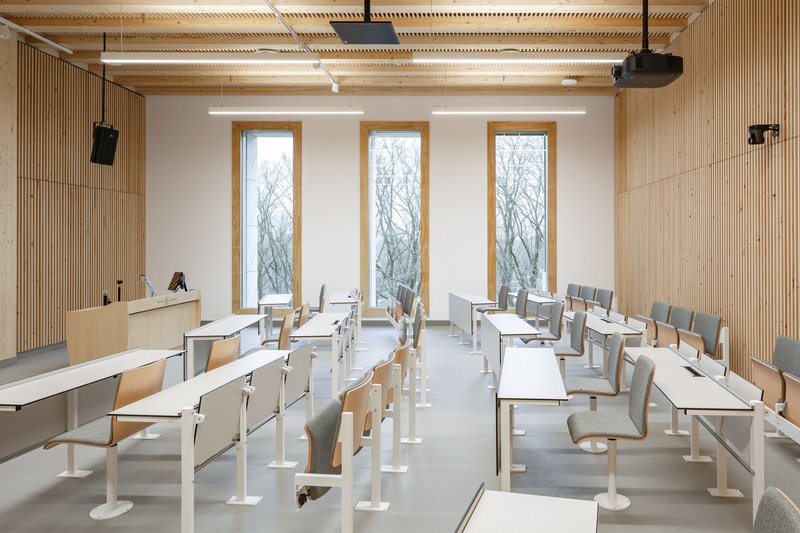
Shaping the Future of University Campuses
The Marga Klompé Building by Powerhouse Company is a landmark in sustainable university architecture, offering valuable lessons in integrating sustainability with educational environments. Its innovative design and sustainability features not only make it a model for future university buildings but also reflect Tilburg University's dedication to societal engagement and environmental responsibility. This building stands as a beacon of how architecture can contribute to a more sustainable and enlightened future for education.
All photographs are work of Sebastian van Damme




Popular Articles
Popular articles from the community

Atelier Macri Concept Store Interior Design by CASE-REAL
Atelier Macri store features a "ko" counter, walnut wood details, cork displays, blending retail, gallery, and seamless customer experiences.
Inverted Architecture Installation by Studio Link-Arc: Exploring the Intersection of Architecture and Living Organisms
Inverted Architecture Installation by Studio Link-Arc blends mycelium, sustainability, inverted design, ecological cycles, and urban adaptive architecture in Shenzhen.
Louis Malle Cinema: A Limestone Cultural Landmark Revitalizing Community Life in Prayssac
Limestone cinema extension with public forecourt, blending heritage and modern design to create flexible cultural spaces and strengthen community interaction.
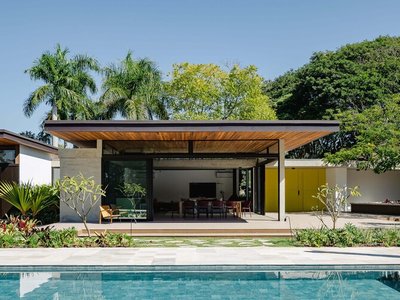
Flamboyant House by Juliana Camargo + Prumo Projetos
Modern Brazilian house integrating existing tree, pool, and volumes with glass, wood, and transitional spaces blending interior, exterior, and landscape seamlessly.

Similar Reads
You might also enjoy these articles


The Ken Roberts Memorial Delineation Competition (Krob)
As the most senior architectural drawing competition currently in operation anywhere in the world, it draws hundreds of entries each year, awarding the very best submissions in a series of medium-based categories.


Waterfront Redevelopment and Urban Revitalization in Mumbai: Forging a New Dawn for Darukhana
A transformative waterfront redevelopment project reimagining Darukhana’s shipbreaking heritage into an inclusive urban future.

OUT-OF-MAP: A Call for Postcards on Feminist Narratives of Public Space
Rhizoma Design and Research Lab invites artists, designers, architects, researchers, and students to reflect on how feminist perspectives can reshape public space. Selected works will be exhibited in Barcelona, October 2026. Submissions open until 15 April 2026.


Documentation Work on Buddhist Wooden Temple
Architectural syncretism and cultural hybridity: A comparative study of the Buddhist temples in Chattogram Hill tracks


Explore Architecture Competitions
Discover active competitions in this discipline




The International Standard for Design Portfolios


The Global Benchmark for Architecture Dissertation Awards


The Global Benchmark for Graduation Excellence


Challenge to design public laboratory
Comments (0)
Please login or sign up to add comments
No comments yet. Be the first to comment!