
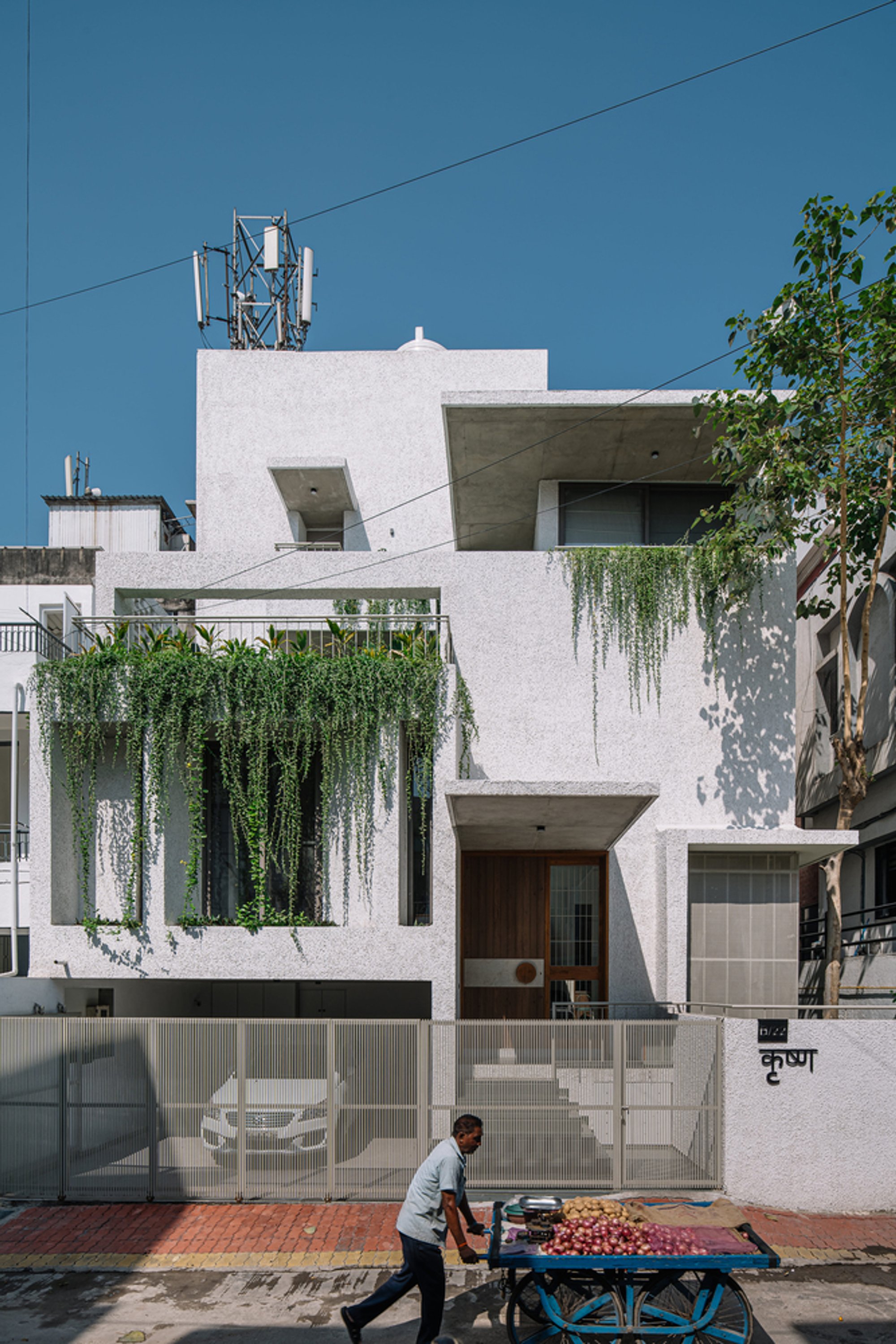
The White Bleached House by Neogenesis+Studi0261: A Luminous Sanctuary in Surat
The White Bleached House by Neogenesis+Studi0261 is a light-filled, minimalist residence in Surat, blending space, geometry, and serenity.

Nestled in the dense and rugged landscape of Surat’s Parvat Patiya area, The White Bleached House by Neogenesis+Studi0261 offers a striking vision of tranquility and light. Completed in 2022, this 1880-square-foot residence redefines compact living for a family of five, using space, light, and materiality in masterful balance. Designed by architects Chinmay Laiwala, Jigar Asarawala, and Tarika Asarawala, the project shines as a thoughtful exploration of contemporary residential architecture in India.
A Residence Defined by Light and Space
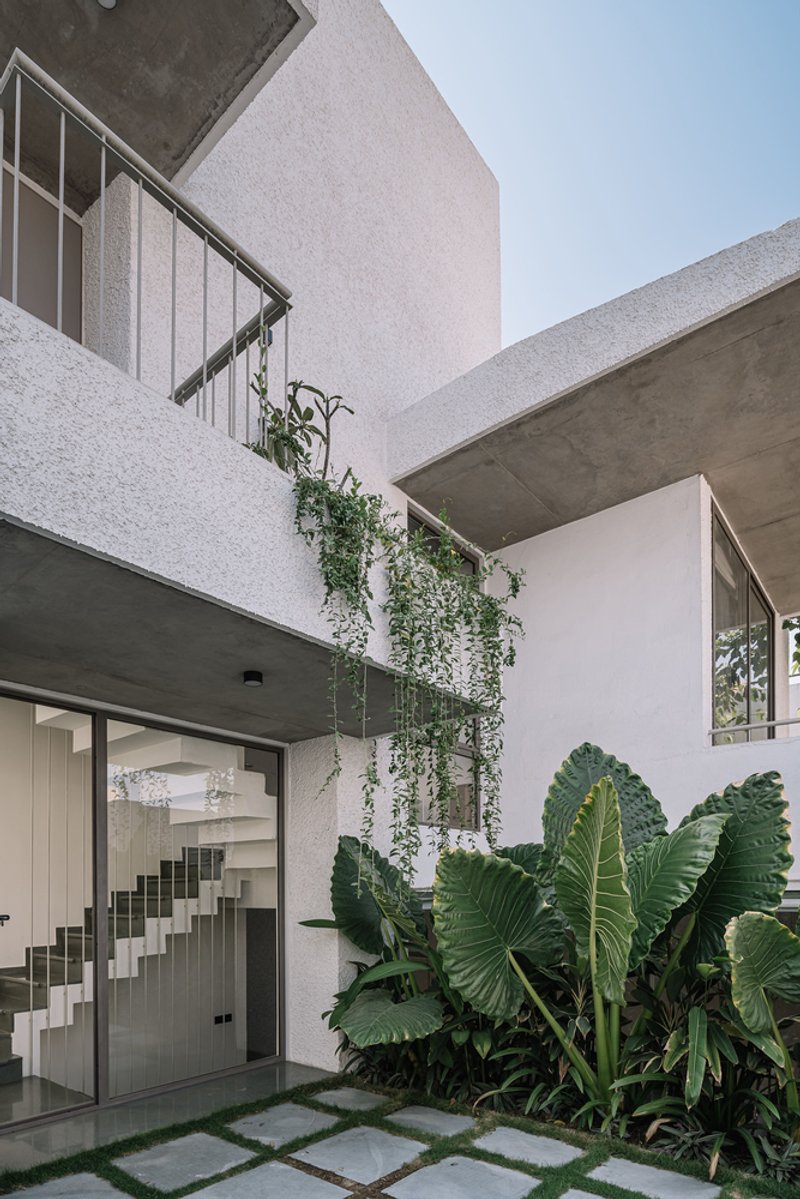
From the first glimpse, the house’s bright white facade immediately stands out against its rugged surroundings. The architects coined the name “The White Bleached House” to reflect the overwhelming sense of brightness that permeates both the exterior and interior spaces. Light floods into every corner, creating a seamless sense of openness and warmth throughout the compact layout.
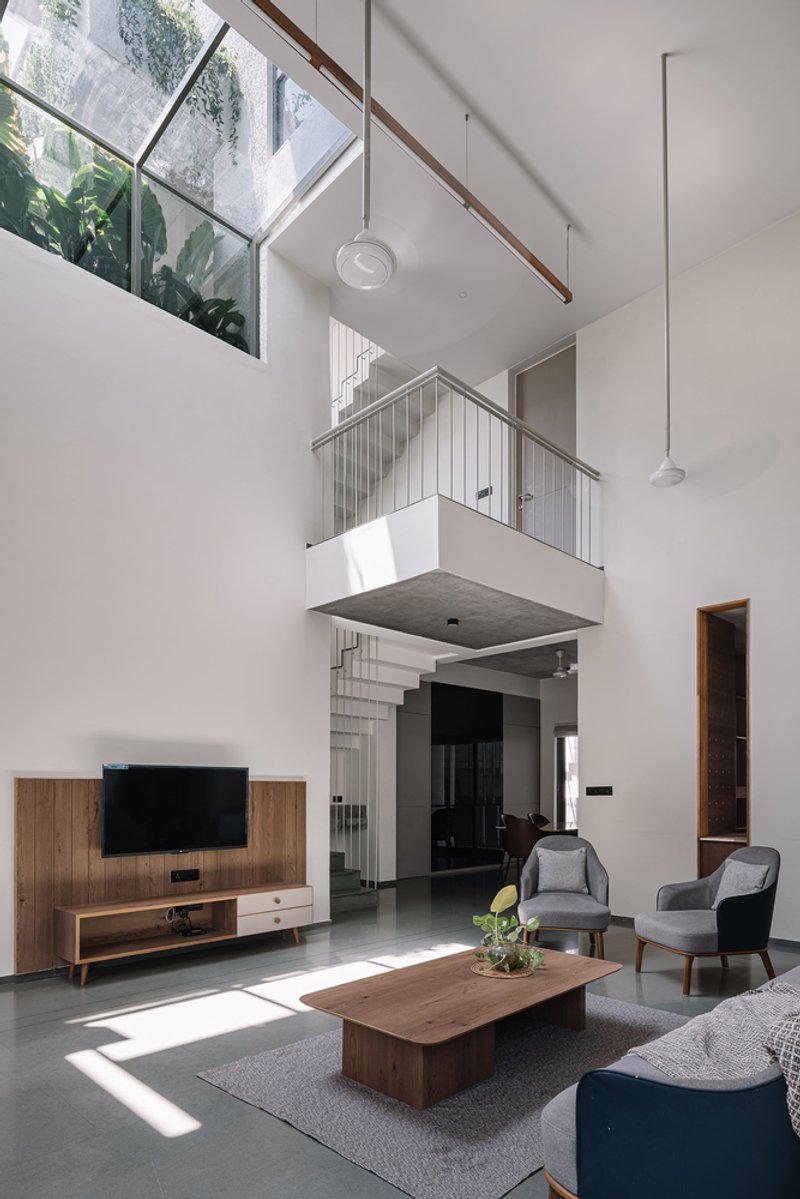
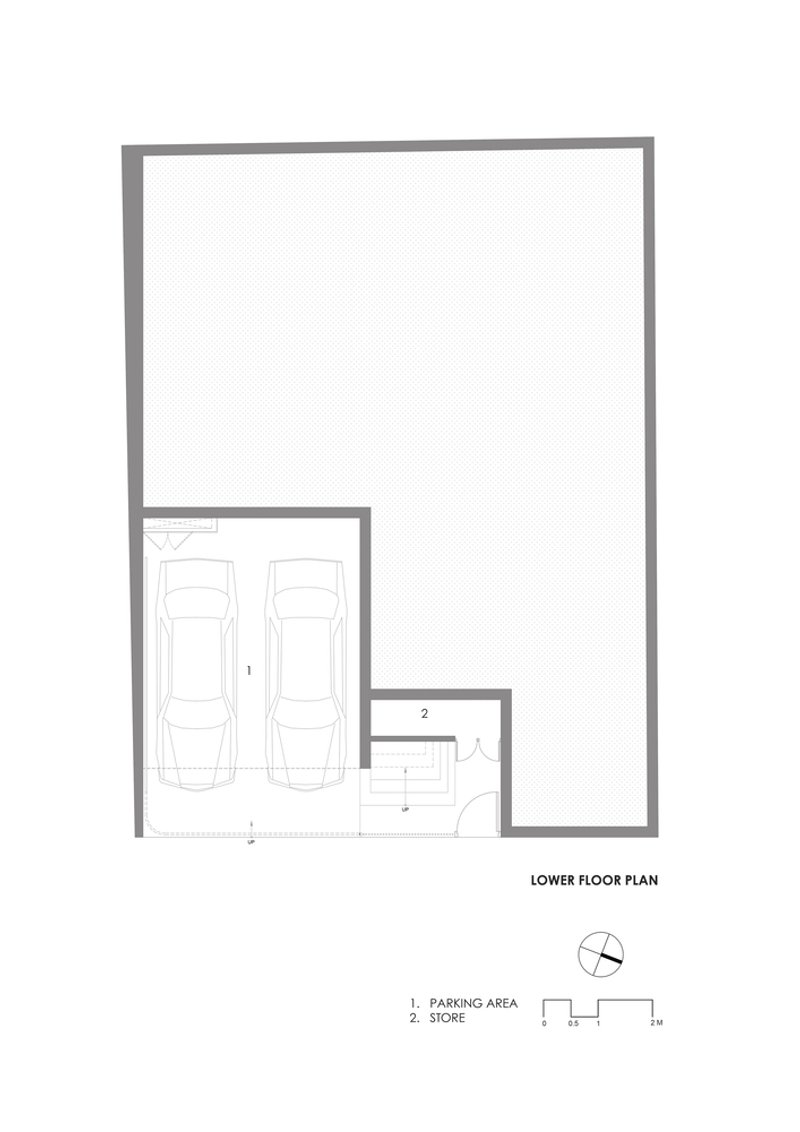
To optimize the spatial experience within a constrained footprint, the design adopts a split-level layout. This strategy maximizes vertical volume and enhances visual connectivity across the home, while still ensuring privacy for each family member. The result is a home that feels remarkably expansive despite its condensed size — a particularly valuable achievement in the context of Indian family living.
Fluid Interior Organization
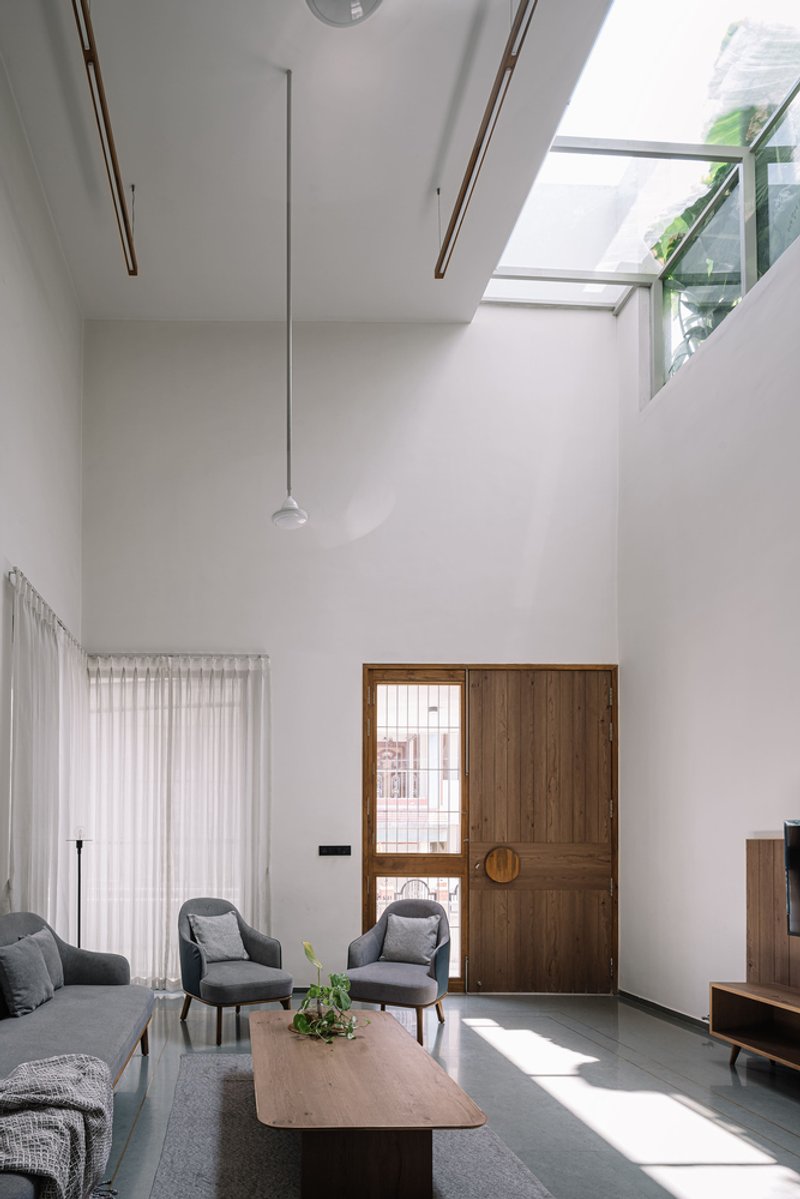
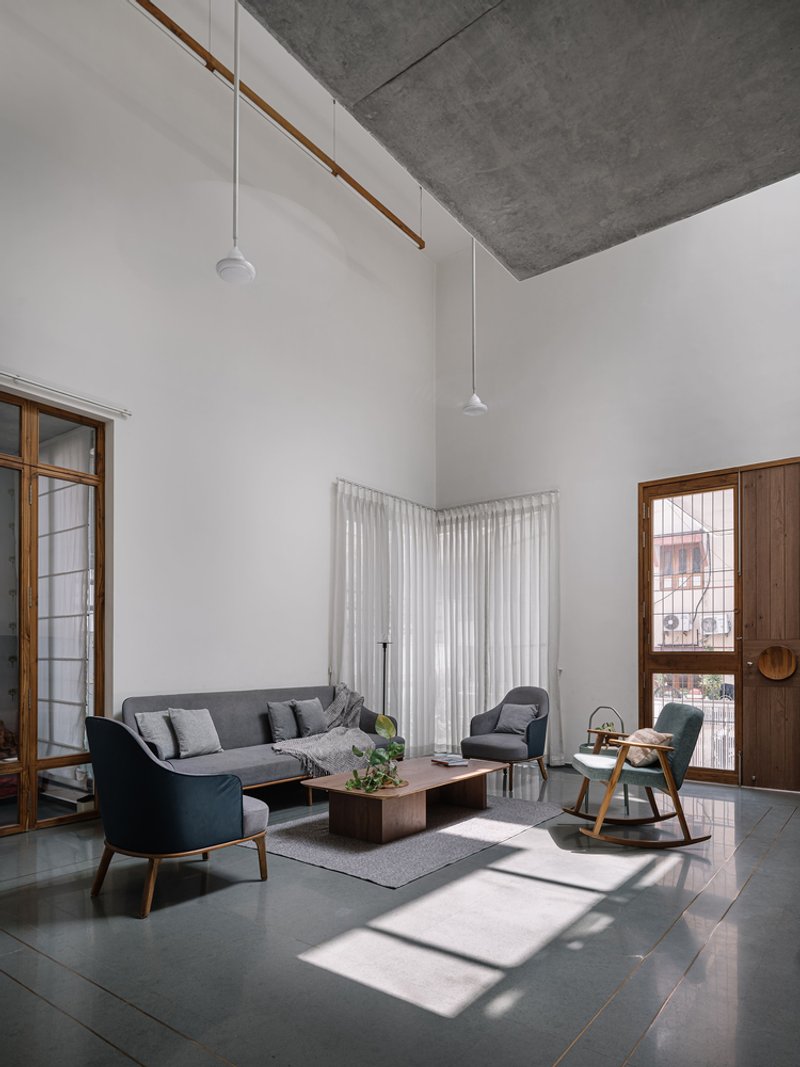
The main entrance opens into a dramatic double-height living room, immediately setting a tone of openness. From here, the space flows effortlessly into the dining area and other private zones. A clever peekaboo cutout between the living room and the kitchen adds a playful sense of unity while allowing each space to retain its individual identity.
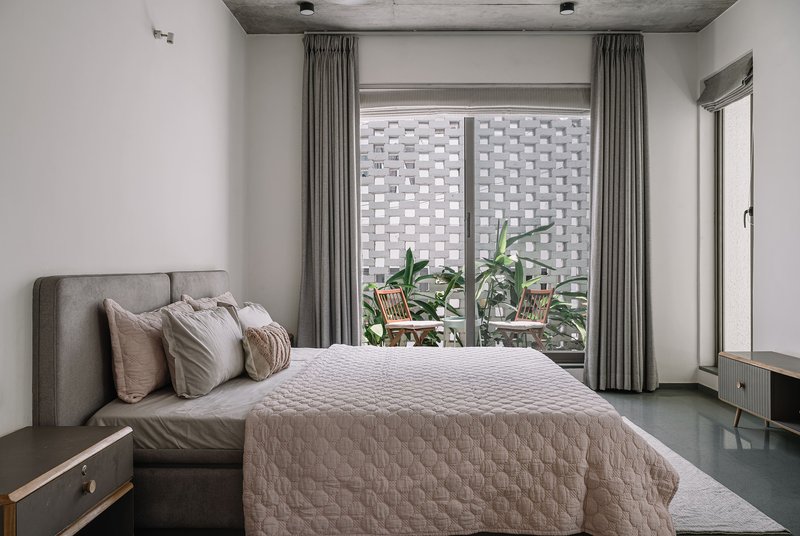
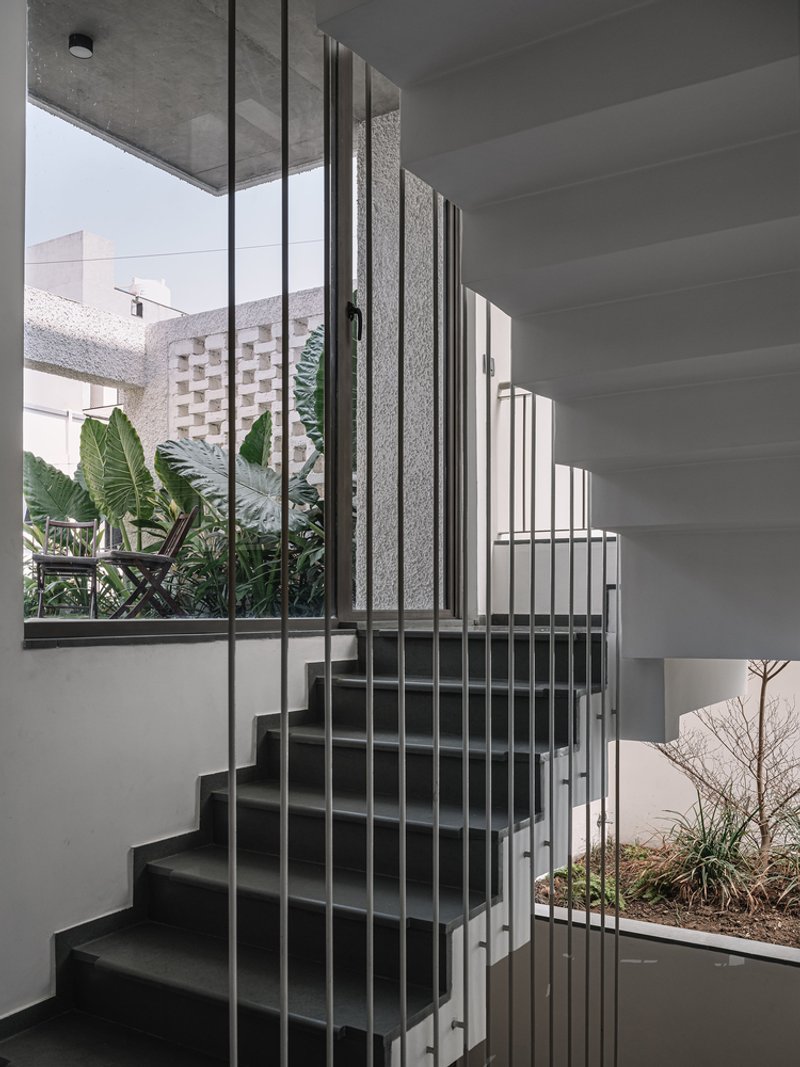
The staircase, a central architectural feature, splits at the mid-landing level to access the mother’s bedroom — a subtle gesture that reinforces privacy while maintaining spatial coherence. Ascending further, the staircase leads to the master bedroom, complete with its own personal terrace garden that enhances indoor-outdoor connectivity. Overlooking the living room, the staircase landing fosters continuous dialogue between different levels of the home.
On the second floor, two additional bedrooms are placed with thoughtful consideration: the daughter’s room enjoys a private balcony at the front, while the son’s room benefits from a window that overlooks the master bedroom’s balcony, creating layered views and connections across the house.
Material Palette and Minimalist Expression
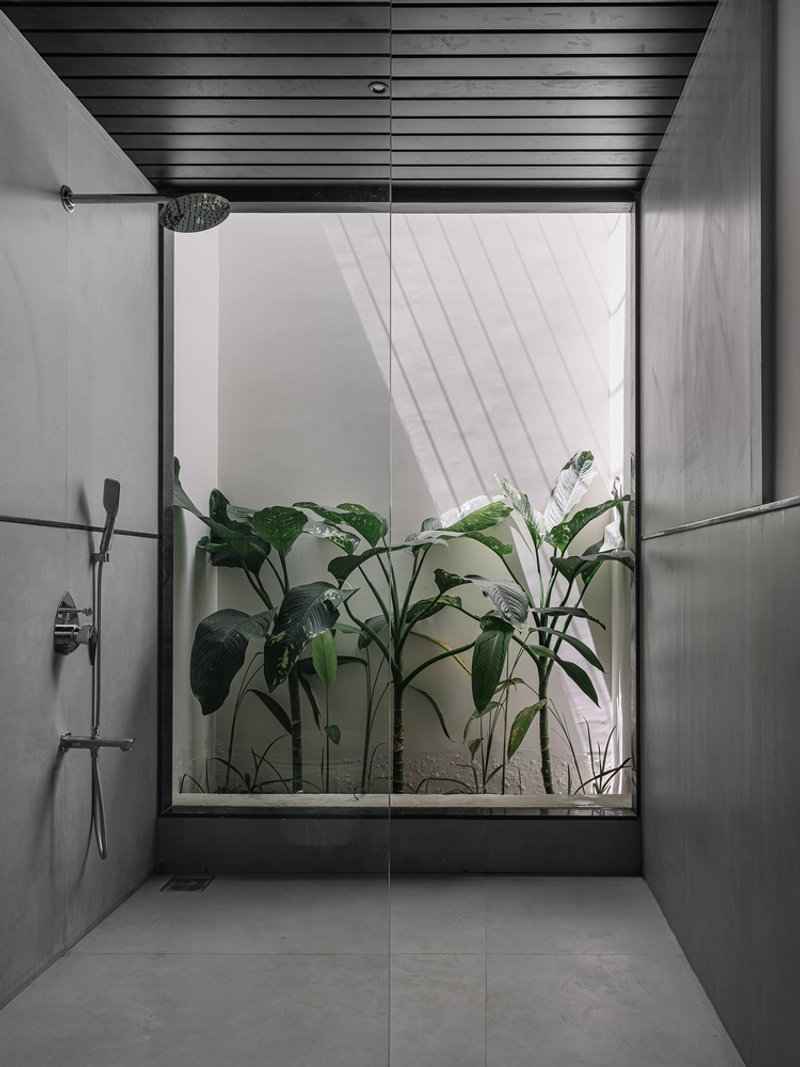
The interiors embrace a minimalist design language, dominated by a pure white color scheme that serves as a canvas for subtle accents. Soft, cool-toned furnishings and hints of warm wood inject depth and texture without overpowering the serene atmosphere. Bespoke design elements, such as a hanging wooden rod that spans across rooms to host lighting fixtures, contribute to the home’s understated elegance.
Sustainability and community engagement are integral to the project. The architects prioritized the use of locally sourced materials and local craftsmanship, intertwining traditional techniques with modern construction technologies. This approach not only reduces the building’s environmental footprint but also strengthens connections to the local community and contemporary Indian culture.
A Façade of Geometry and Greenery
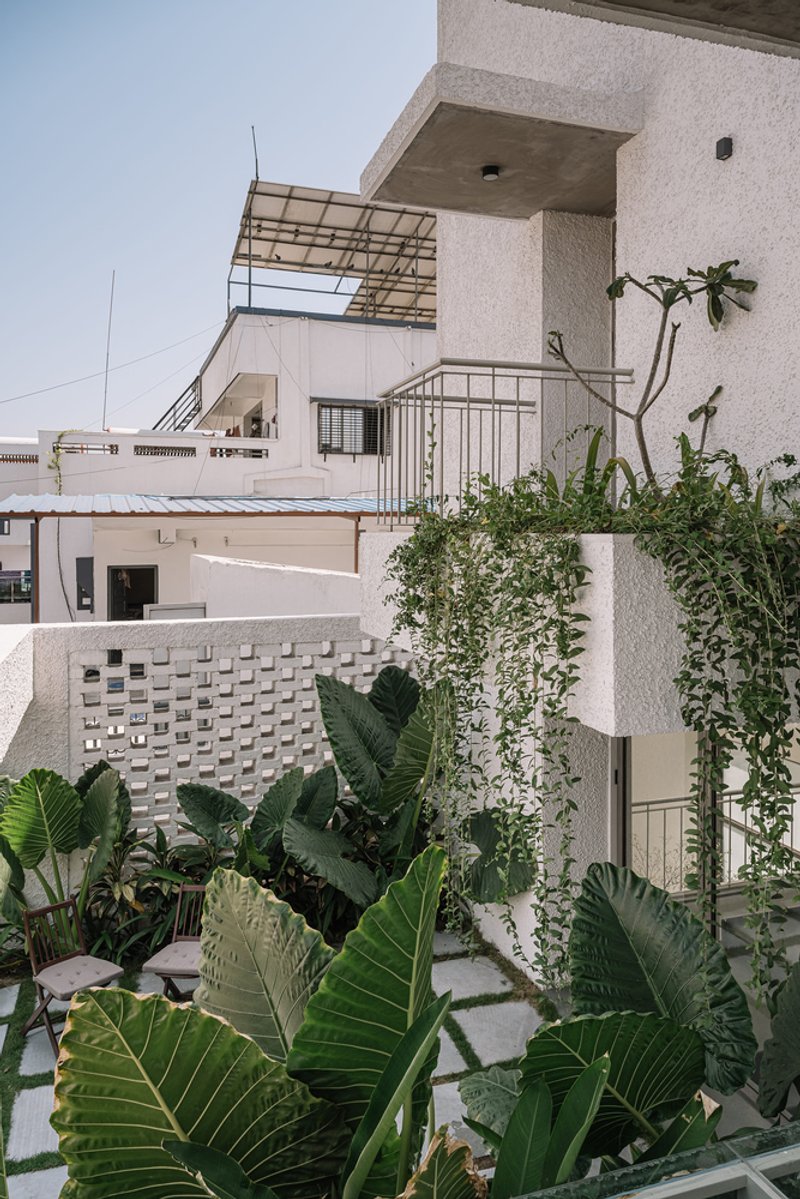
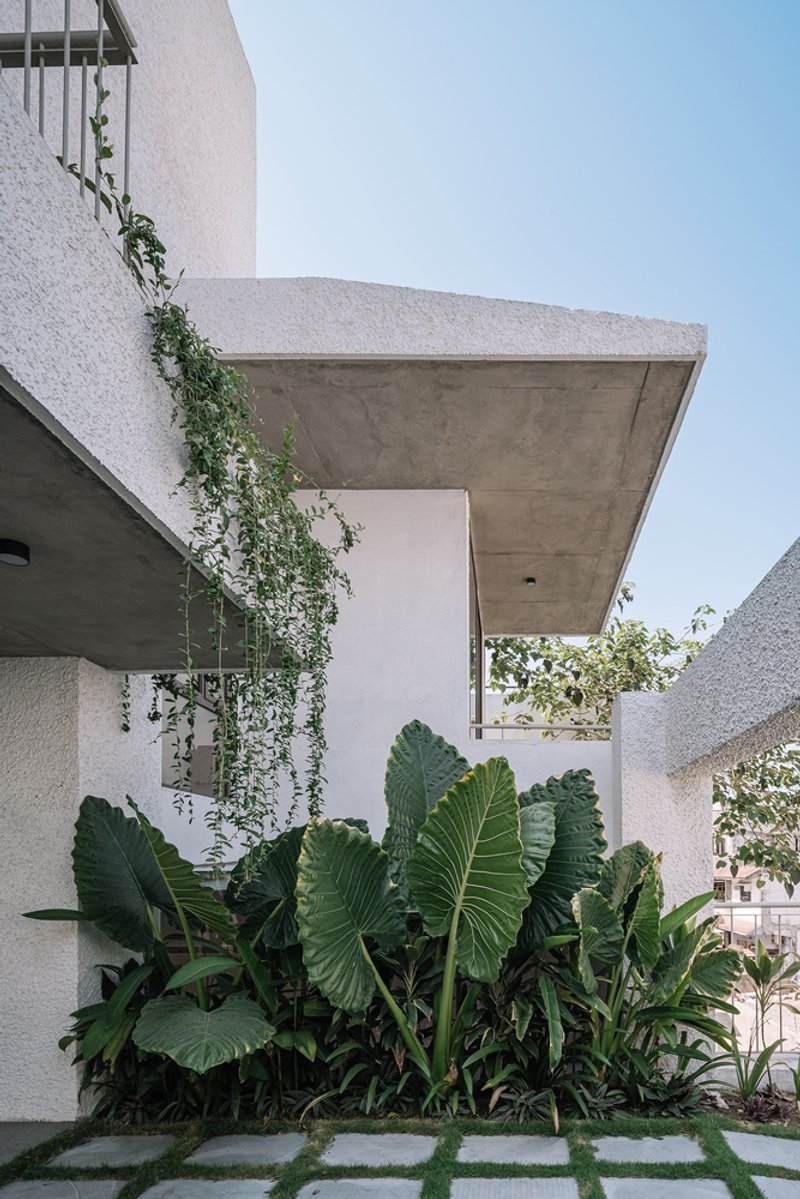
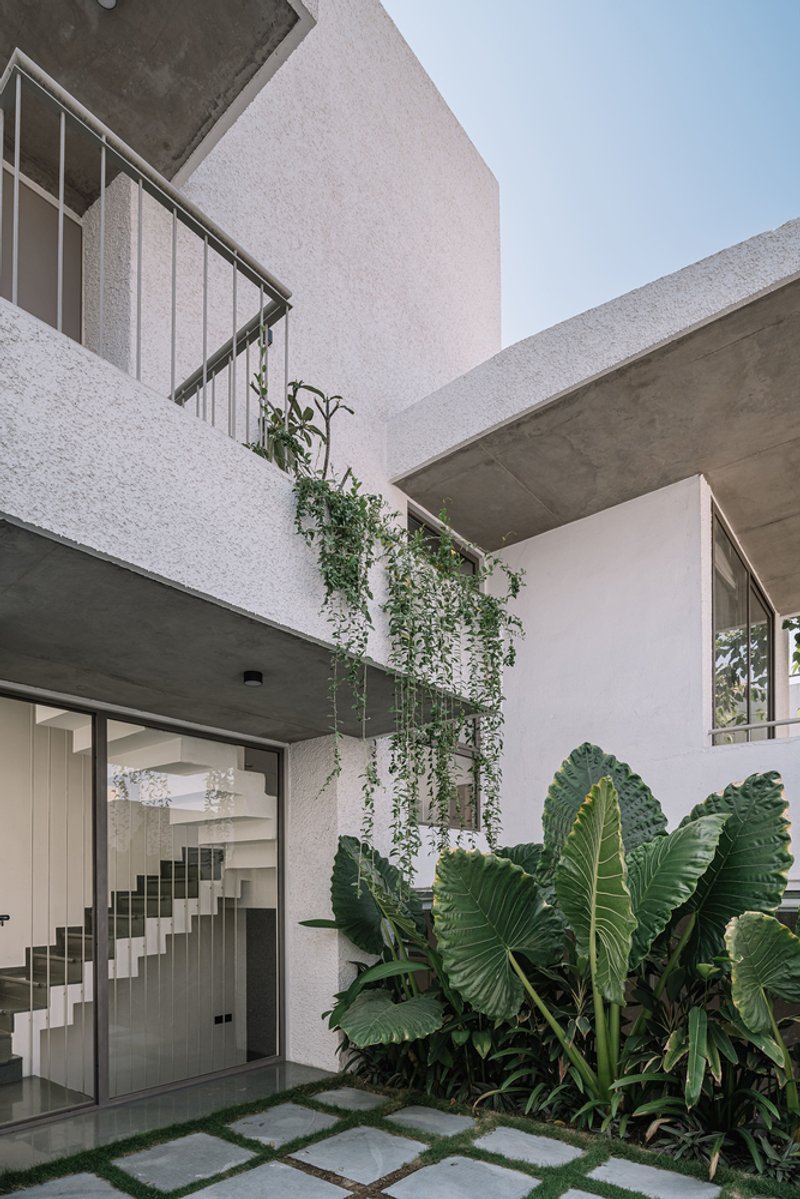
Externally, the house presents an intriguing play of staggered geometric volumes. The clean white surfaces are punctuated by pockets of greenery that soften the built form and enhance its interaction with nature. The facade’s rhythmic composition and strategic setbacks create dynamic shadows throughout the day, enriching the visual experience and giving the family a distinctive architectural identity.
Ultimately, The White Bleached House is a quiet triumph of design — an oasis of calm, clarity, and creativity in the heart of Surat. Its restrained palette, intelligent planning, and commitment to community values make it a standout example of contemporary Indian residential architecture.
All Photographs are works of The Fishy Project




Popular Articles
Popular articles from the community

Free Architecture Competitions You Can Enter Right Now
No entry fees, real prizes. Here are the best free architecture competitions open for submissions in 2026.


Gads Hill Early Learning Center by JGMA: Adaptive Reuse Shaping Community-Focused Educational Architecture
Adaptive reuse transforms fragmented structure into vibrant early learning center with playful façade, natural light, and community-focused sustainable design.
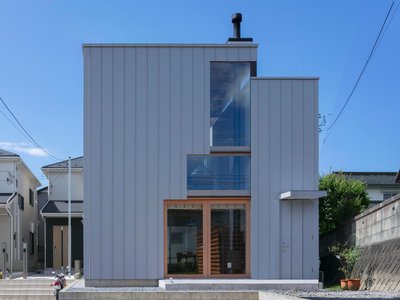
Split House: A Compact Urban Home Blending Privacy, Light, and Flexible Living in Japan
Compact Japanese home featuring DOMA space, flexible café potential, passive lighting, privacy zoning, and sustainable urban living design.
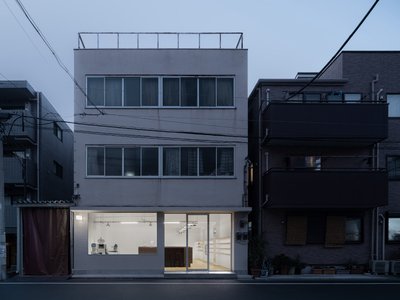
Atelier Macri Concept Store Interior Design by CASE-REAL
Atelier Macri store features a "ko" counter, walnut wood details, cork displays, blending retail, gallery, and seamless customer experiences.


Similar Reads
You might also enjoy these articles


The Ken Roberts Memorial Delineation Competition (Krob)
As the most senior architectural drawing competition currently in operation anywhere in the world, it draws hundreds of entries each year, awarding the very best submissions in a series of medium-based categories.

Waterfront Redevelopment and Urban Revitalization in Mumbai: Forging a New Dawn for Darukhana
A transformative waterfront redevelopment project reimagining Darukhana’s shipbreaking heritage into an inclusive urban future.

OUT-OF-MAP: A Call for Postcards on Feminist Narratives of Public Space
Rhizoma Design and Research Lab invites artists, designers, architects, researchers, and students to reflect on how feminist perspectives can reshape public space. Selected works will be exhibited in Barcelona, October 2026. Submissions open until 15 April 2026.


Documentation Work on Buddhist Wooden Temple
Architectural syncretism and cultural hybridity: A comparative study of the Buddhist temples in Chattogram Hill tracks


Explore Architecture Competitions
Discover active competitions in this discipline




The International Standard for Design Portfolios


The Global Benchmark for Architecture Dissertation Awards


The Global Benchmark for Graduation Excellence


Challenge to reimagine the Iron Throne
Comments (0)
Please login or sign up to add comments
No comments yet. Be the first to comment!