
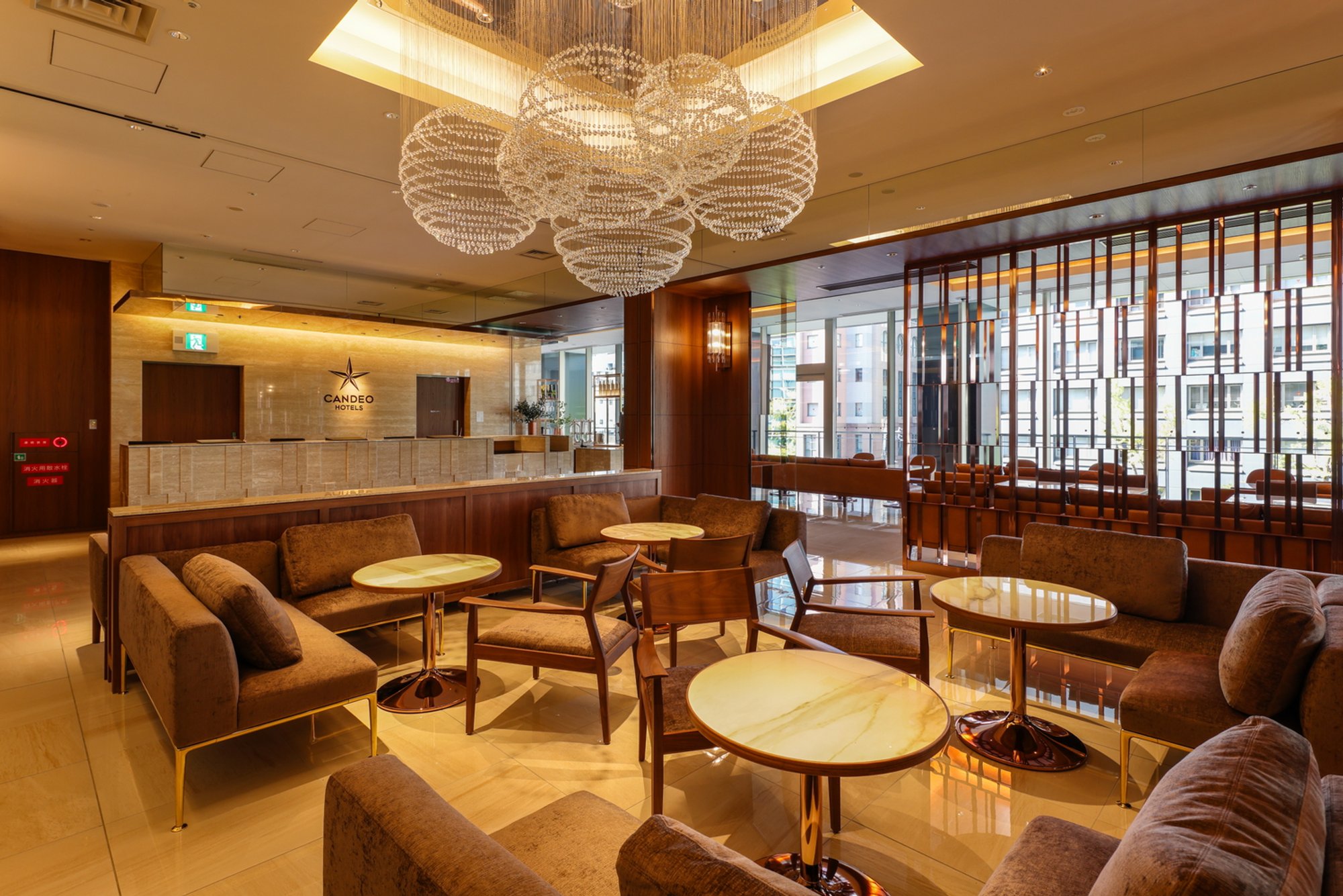
Tokyo Tatemono Mitsutera Building: A Model of Urban Temple Architecture Renovation
Tokyo Tatemono Mitsutera Building blends historic temple preservation with modern hotel design, pioneering urban temple architecture renovation in Osaka.

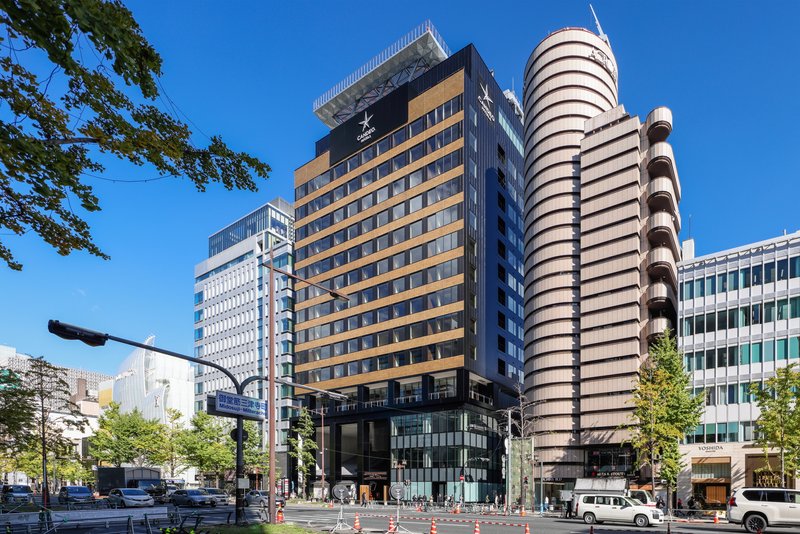
The Tokyo Tatemono Mitsutera Building in Osaka, designed by TAISEI DESIGN Planners Architects & Engineers, stands as a remarkable example of urban temple architecture renovation. Completed in 2023, this innovative project merges a historic Buddhist temple with a modern hotel and commercial complex, creating a harmonious coexistence between tradition and contemporary urban life. Covering an area of 9,530 square meters, the building redefines how sacred spaces can adapt to the demands of a bustling city while preserving cultural heritage.
Preserving Heritage Through Innovative Design
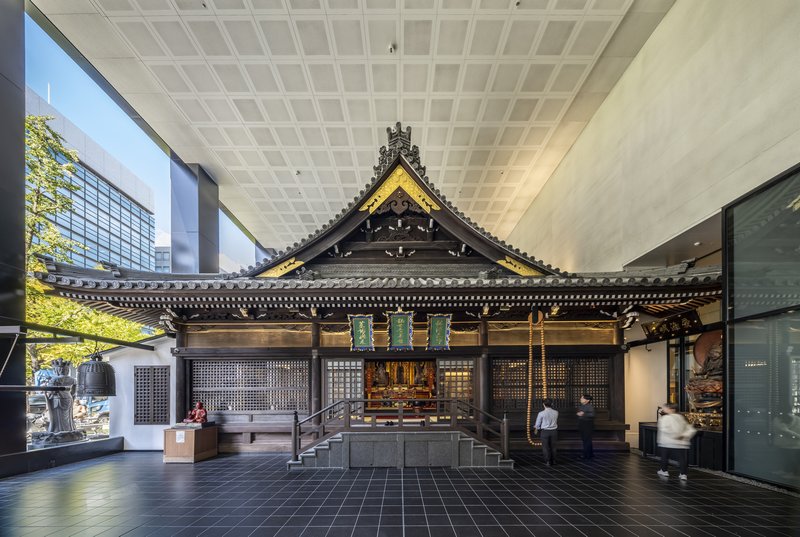
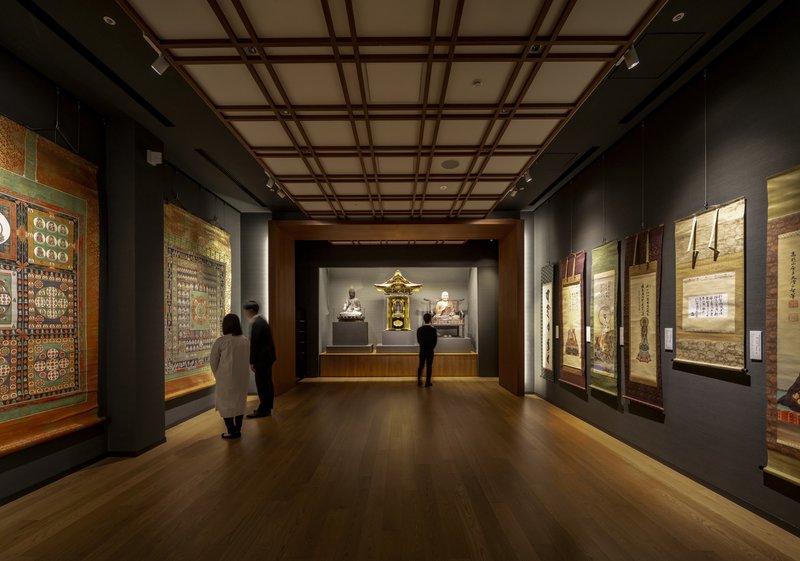
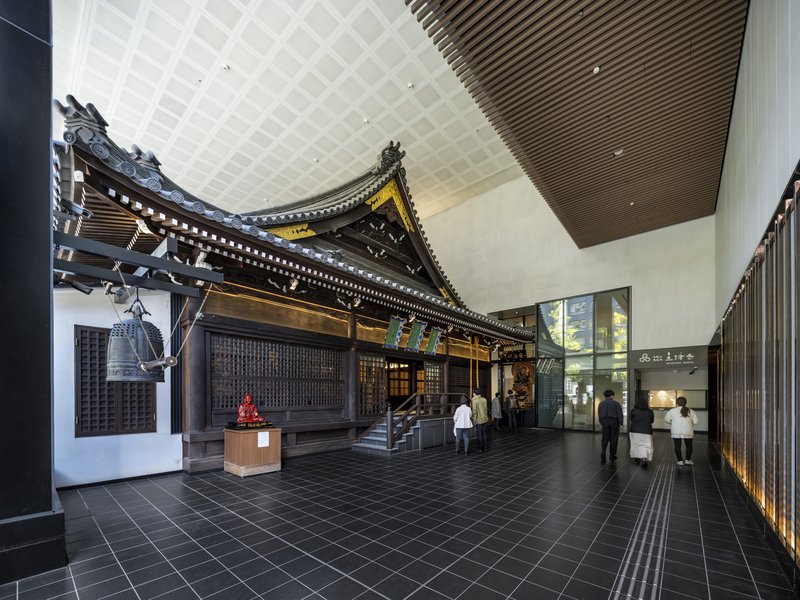
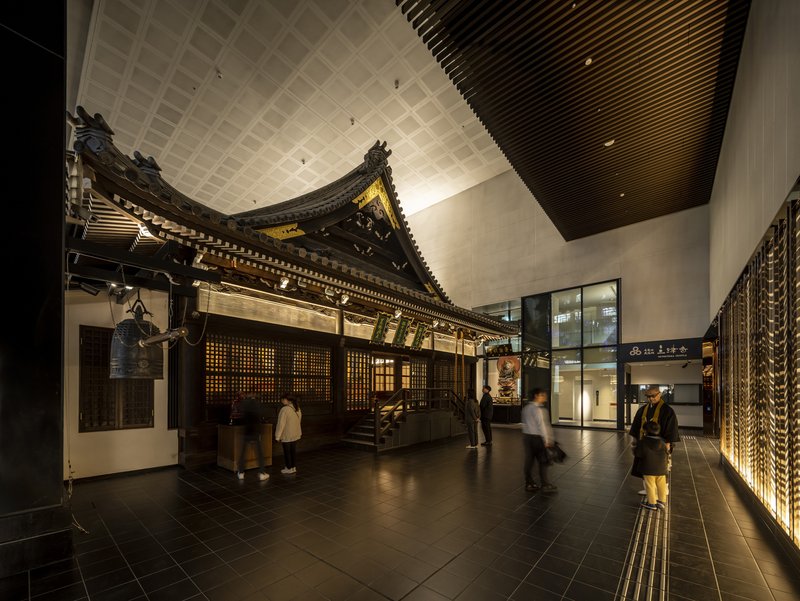
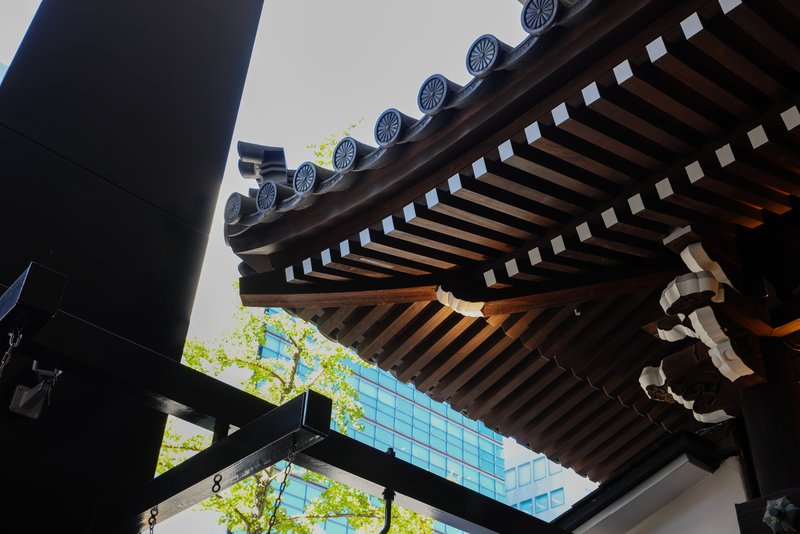
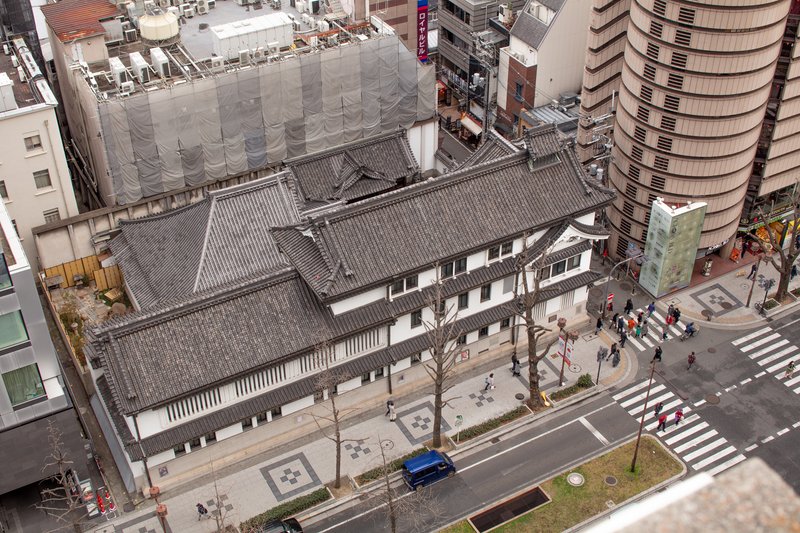
The Mitsutera temple, affectionately known as "Mittera-san," is deeply rooted in Osaka's Minami district. Its wooden main hall, rebuilt in 1808 during the Edo period, remarkably survived the 1945 bombing that devastated much of the city’s wooden architecture. This has preserved exquisite Edo-era artistry including colorful floral paintings, lacquered columns, and statues adorned with gold leaf and enamel. The challenge for the renovation was to protect this priceless heritage for future generations while integrating it into a new urban context.
Enclosing the Main Hall Within a Modern Structure
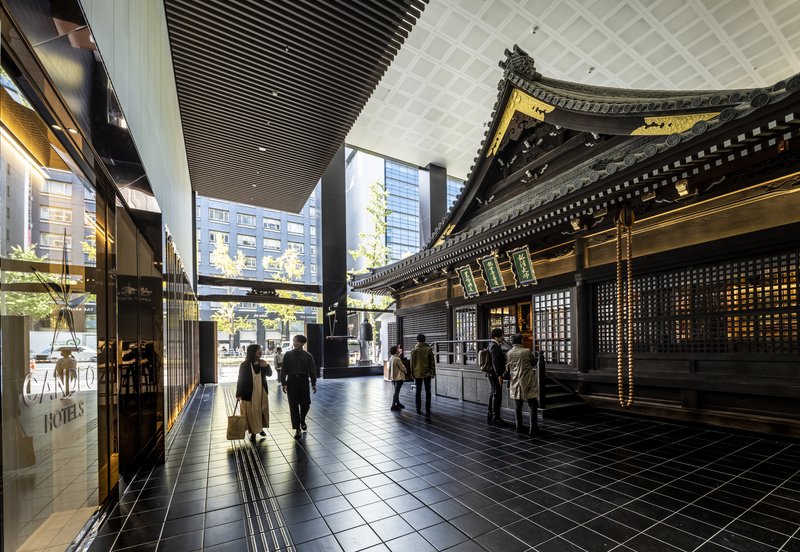
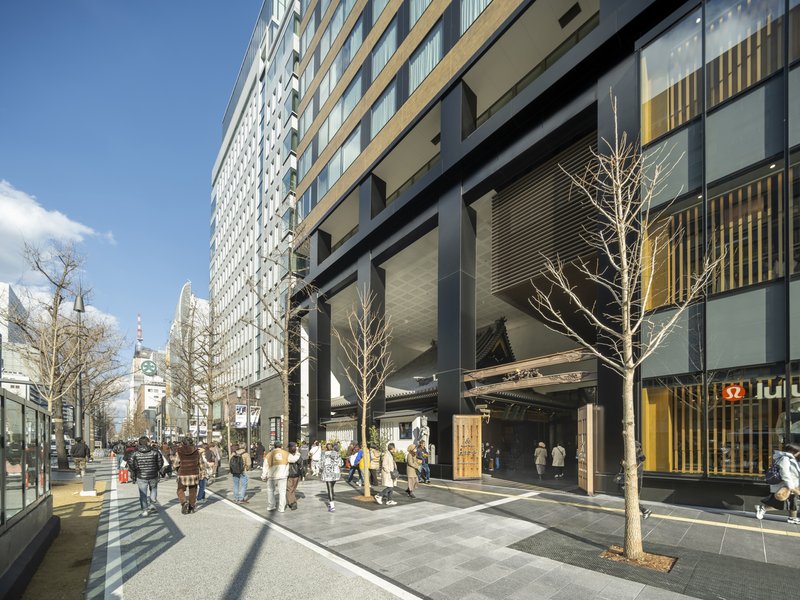
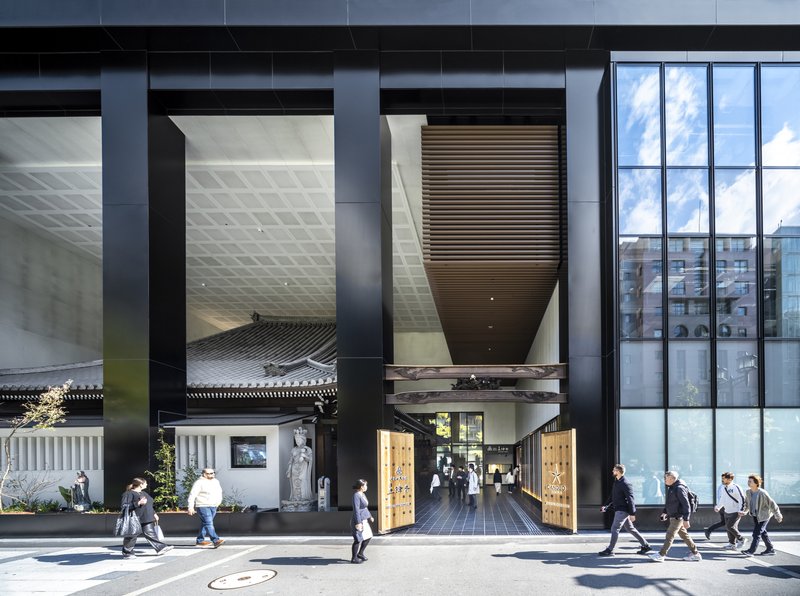
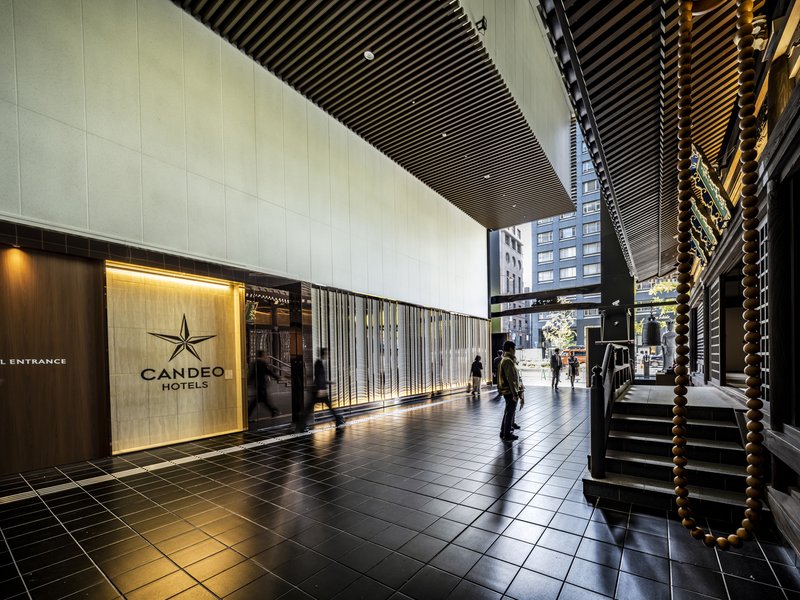
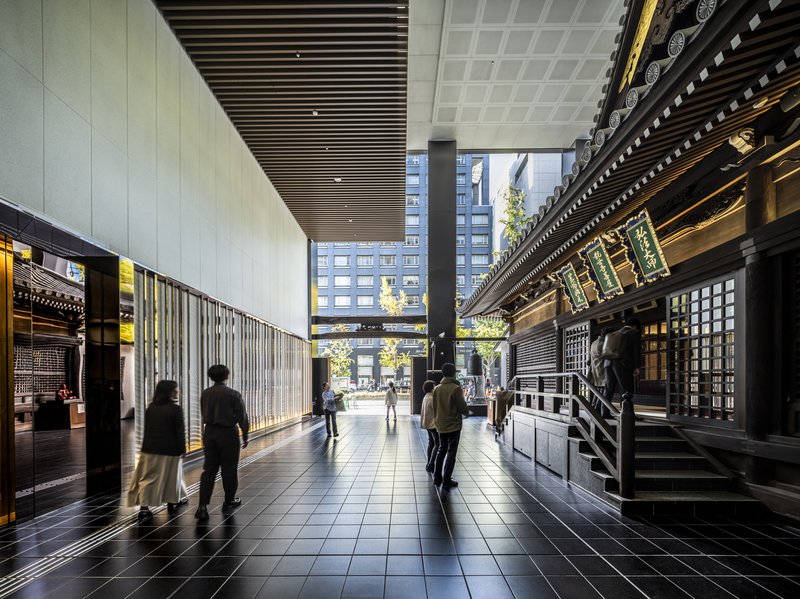
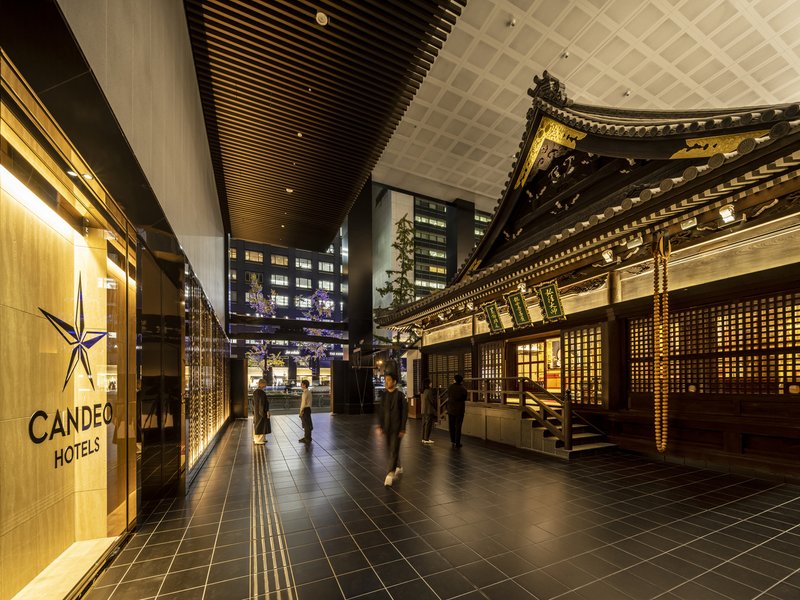
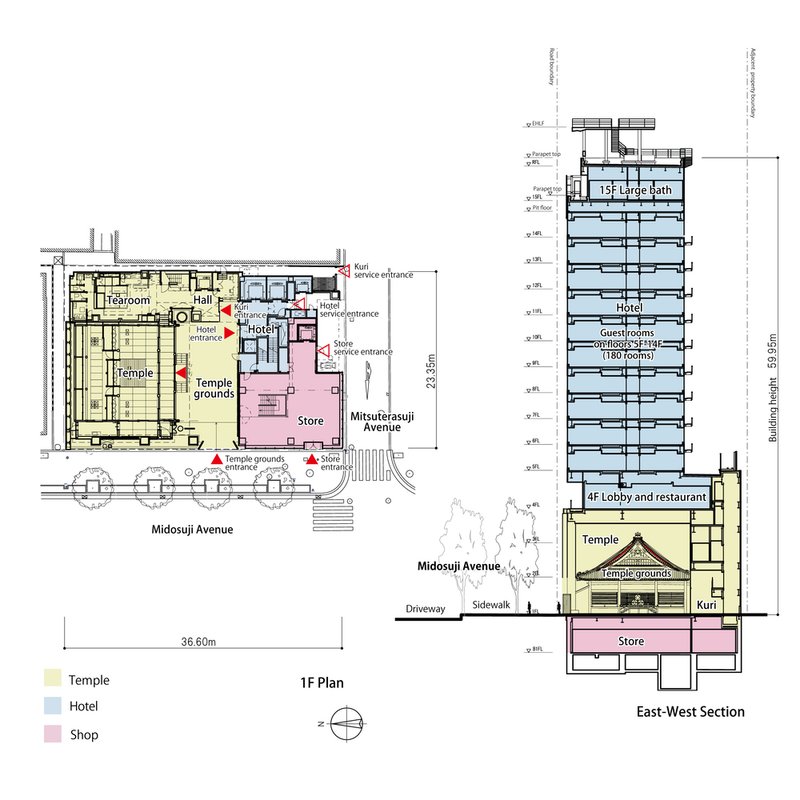
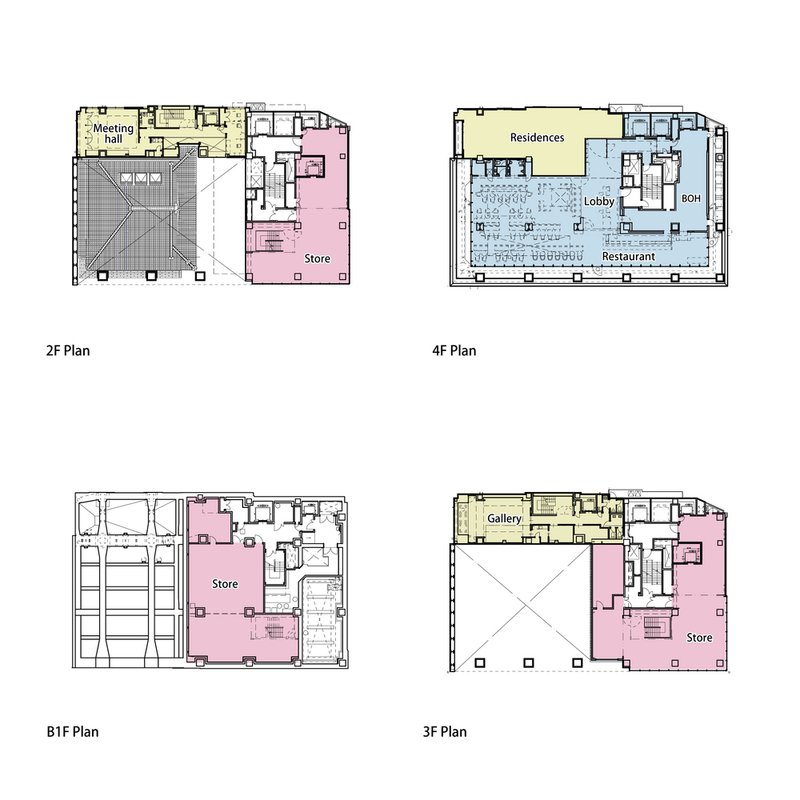
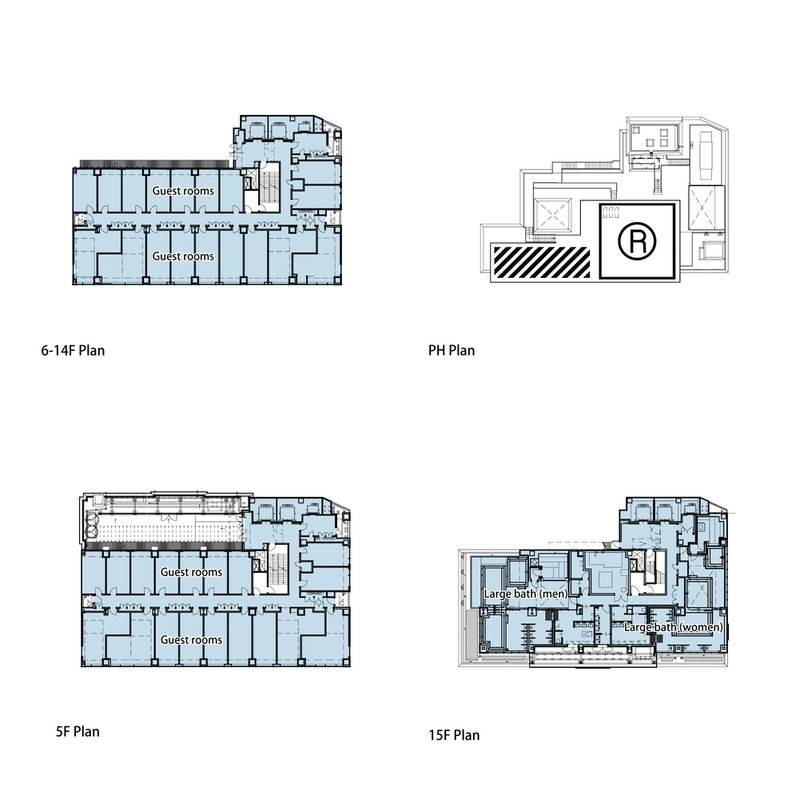
To ensure the temple's longevity over the next 50 to 100 years, the design team undertook the delicate process of relocating the entire main hall intact in three stages. It is now enclosed within a striking three-story atrium piloti structure inside the new building. This architectural strategy physically protects the temple while showcasing it as a central feature visible to the public. The building above effectively uses vertical space, allowing for a multi-functional development that includes hotel accommodations and retail spaces.
A Prototype for Urban Coexistence
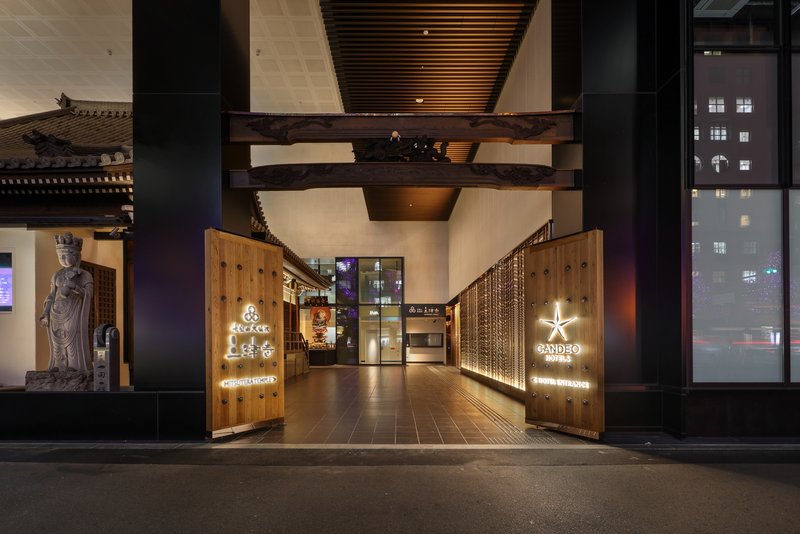
By integrating the temple with a hotel and shops, the Mitsutera Building offers a sustainable model for temple administration, reducing dependency on traditional donations. The prime location on Midosuji Avenue—one of Osaka’s busiest thoroughfares—creates direct access for both worshippers and visitors, fostering an open and inclusive relationship with the community. The concept of "Open Mitsutera" is embodied by the transparent, welcoming atrium and publicly accessible temple grounds, where Buddhism becomes a familiar presence rather than a secluded institution.
Blending Tradition and Modern Hospitality
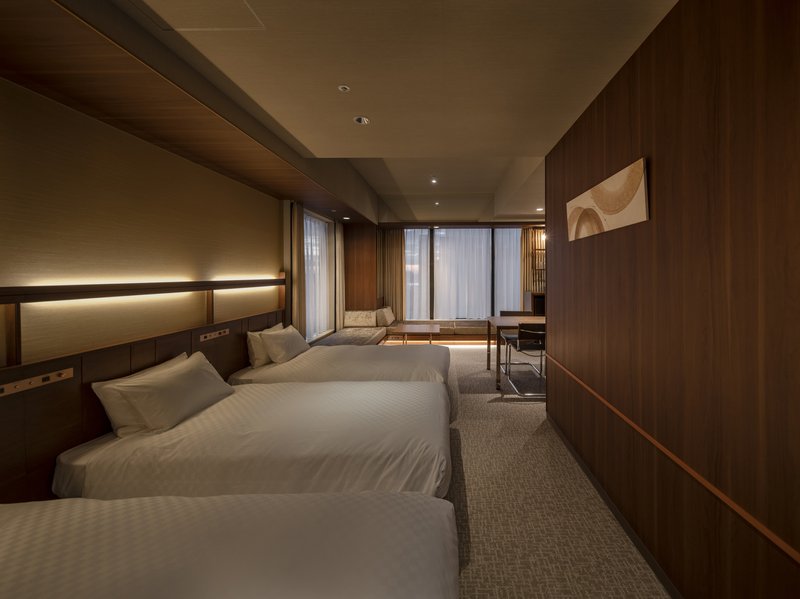
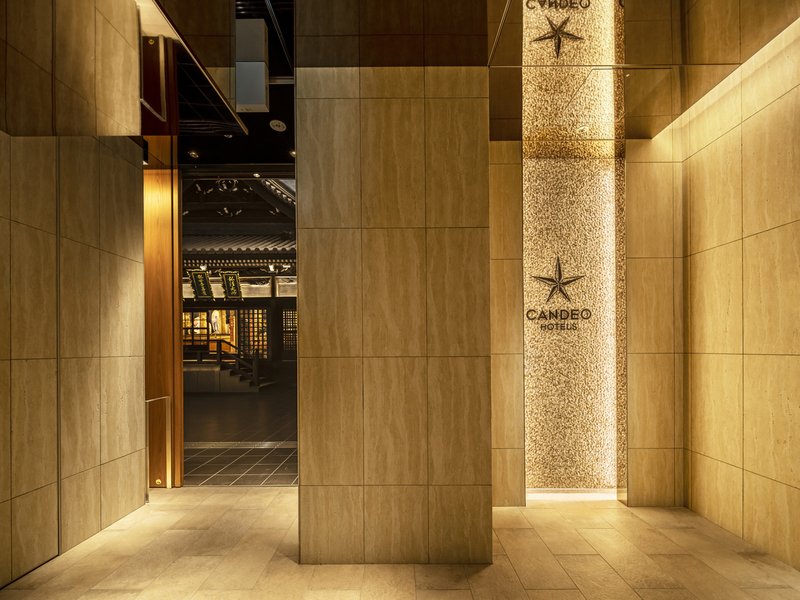
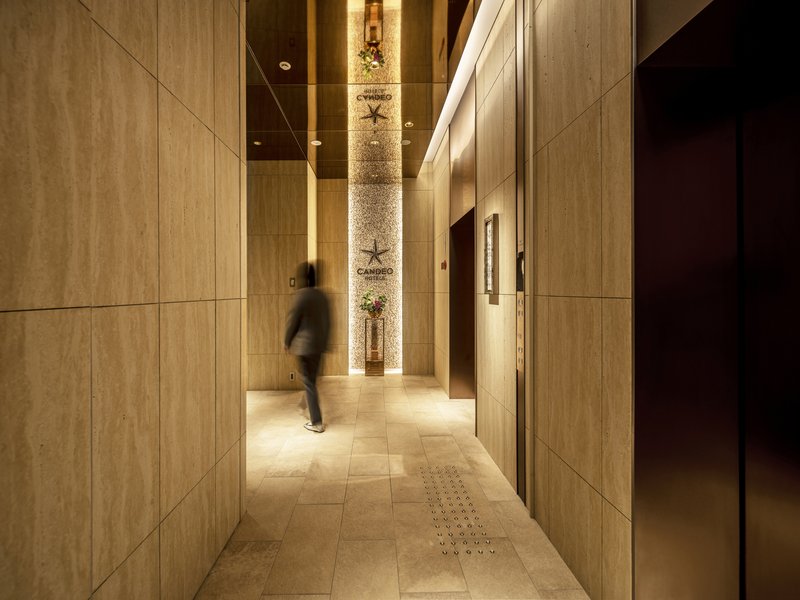
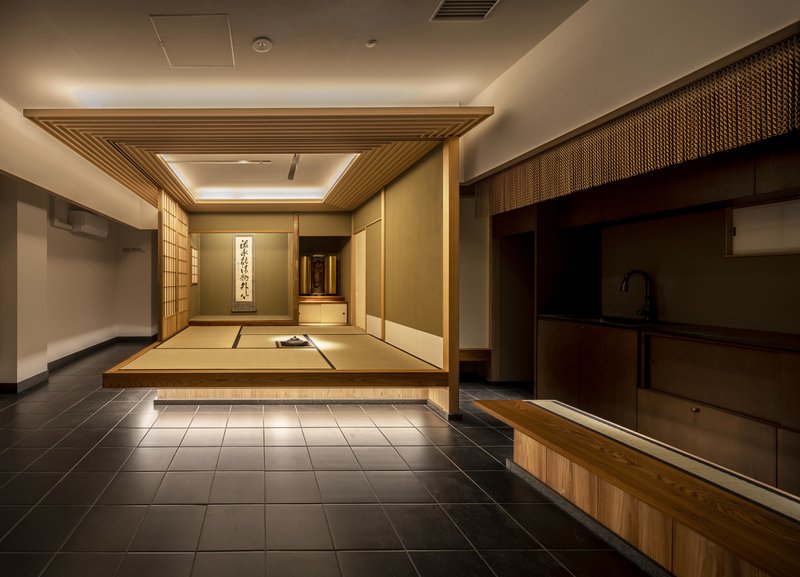
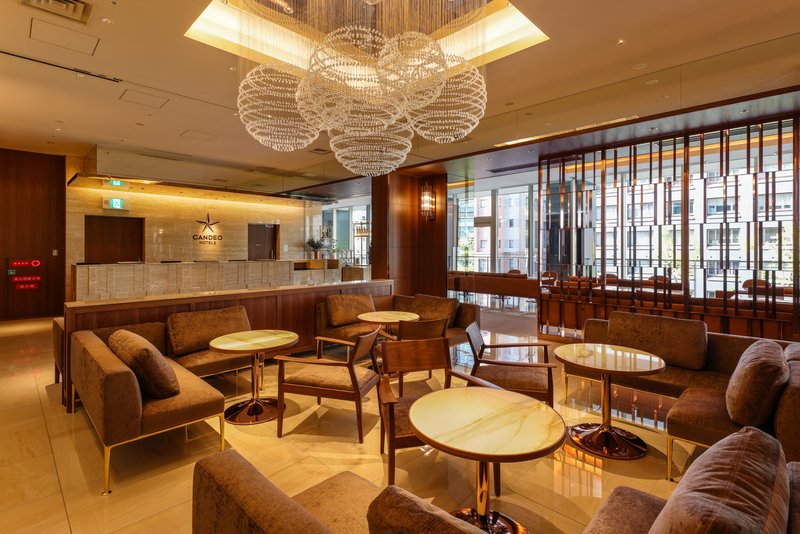
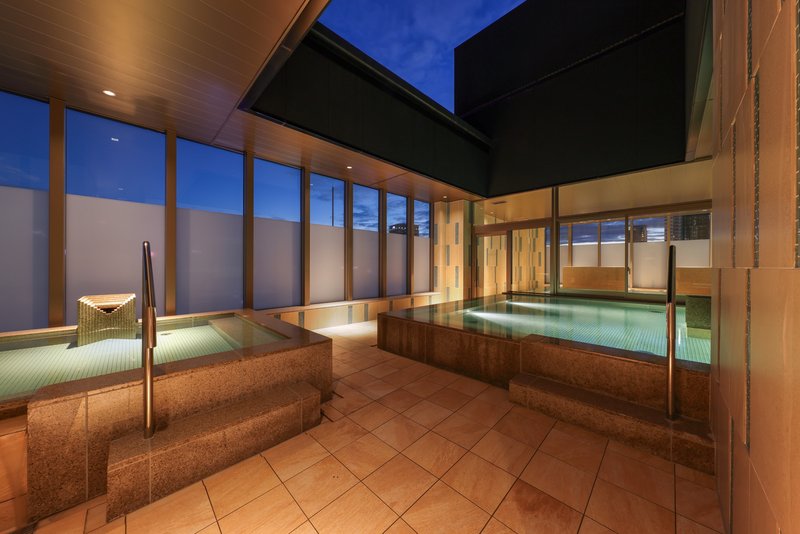
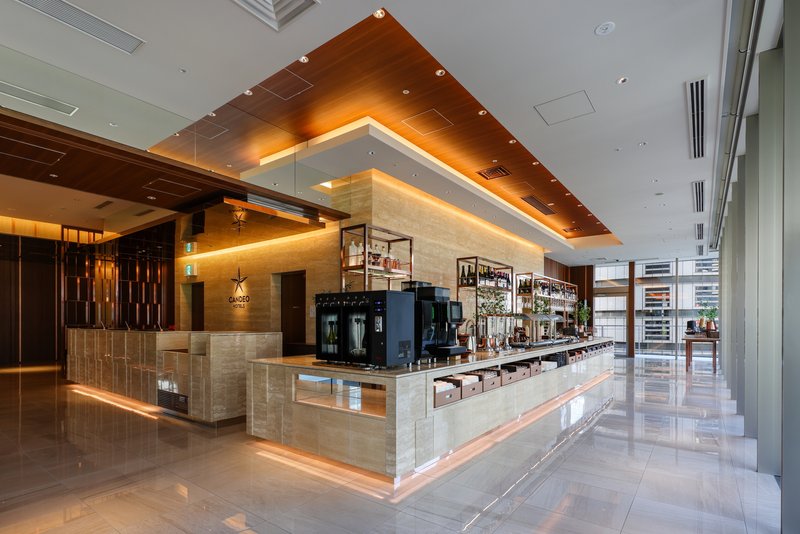
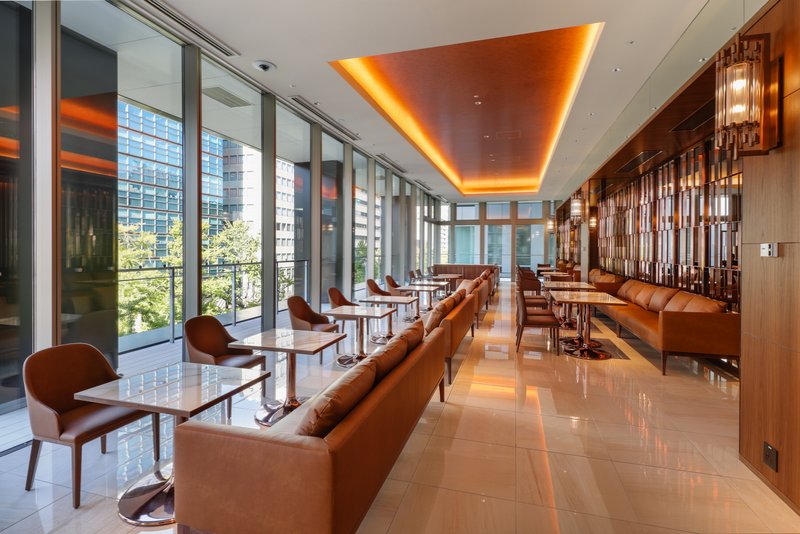
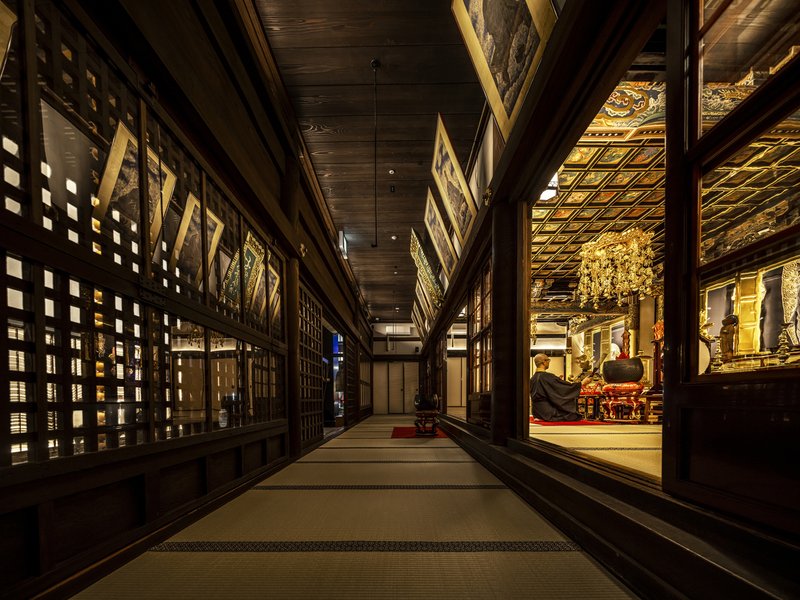
The hotel’s design concept, "Gleaming Brightly," draws inspiration from the temple’s sacred interior, highlighted by lacquer and gold leaf finishes. Lighting throughout the premises evokes the dignity and spiritual power of the main hall, creating a seamless fusion between the ancient temple and contemporary hospitality spaces. This thoughtful approach nurtures an atmosphere where the old and new coexist in balance, offering guests a unique cultural and spiritual experience.
A Space for Community and Cultural Engagement
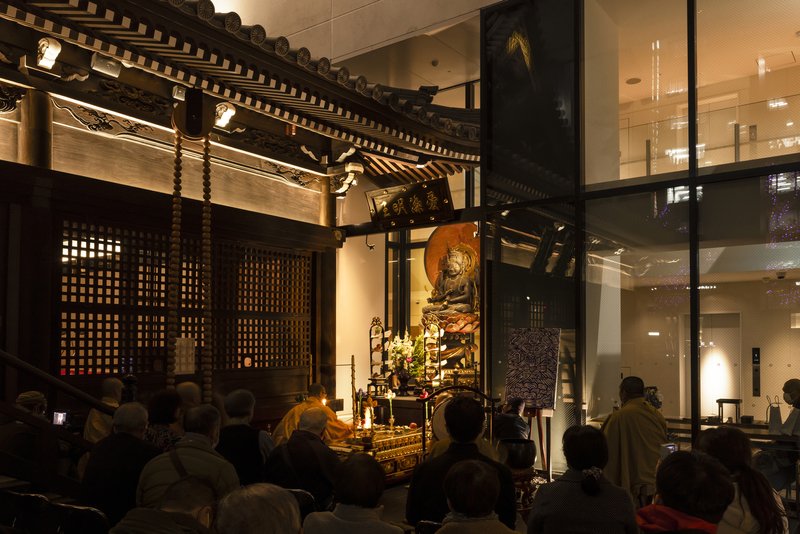
The Mitsutera temple grounds serve as more than a place for worship. They host a variety of community events, including traditional Buddhist ceremonies like Gomataki, lectures, live music performances, and other cultural activities. Hotel guests are invited to participate in morning temple services, deepening their connection to local traditions. This dynamic use of space reflects the project’s vision of an urban temple that actively engages with its community.

A New Paradigm in Urban Temple Architecture Renovation
The Tokyo Tatemono Mitsutera Building is a groundbreaking example of how historic religious architecture can be preserved and revitalized within a modern urban fabric. Through sensitive design, careful preservation, and innovative mixed-use programming, it establishes a new paradigm for urban temple architecture renovation—one that respects heritage while embracing contemporary urban life and sustainability.
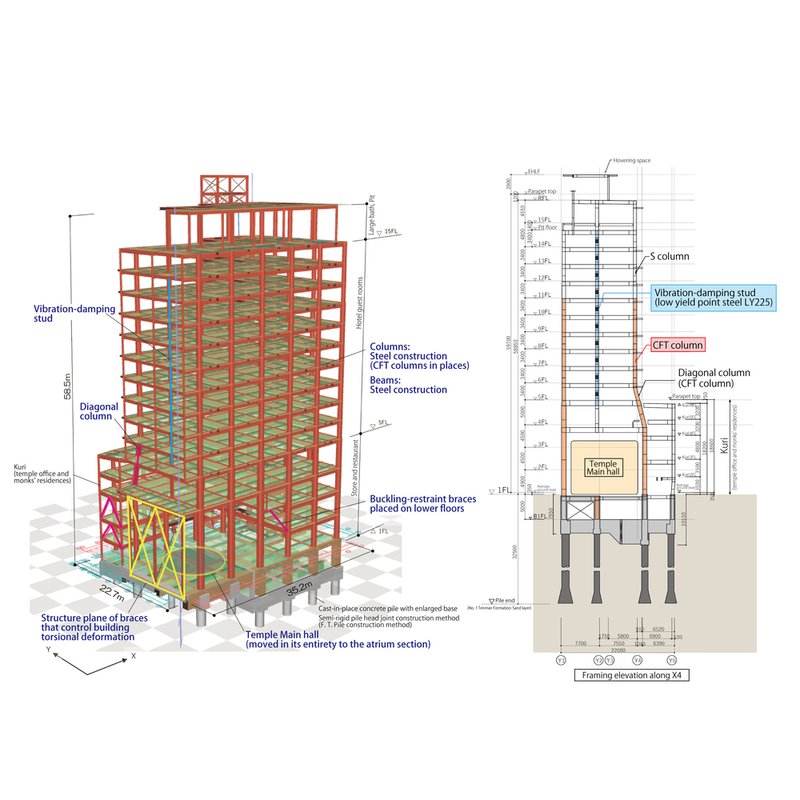
All Photographs are works of aifoto, SS Co.,Ltd., digicri




Popular Articles
Popular articles from the community

Treehouse Apartment: A Warm Timber Interior Blending Craft, Play, and Contemporary Living
Warm timber apartment with integrated treehouse, combining natural materials, craftsmanship, and playful design to create a flexible, family-oriented living environment.

Solar Steam: A Climate-Responsive Architecture That Redefines the Monument
A climate-responsive memorial architecture that transforms heat, decay, and time into a living system reflecting humanity’s ecological impact.
Flamboyant House by Juliana Camargo + Prumo Projetos
Modern Brazilian house integrating existing tree, pool, and volumes with glass, wood, and transitional spaces blending interior, exterior, and landscape seamlessly.


The Ken Roberts Memorial Delineation Competition (Krob)
As the most senior architectural drawing competition currently in operation anywhere in the world, it draws hundreds of entries each year, awarding the very best submissions in a series of medium-based categories.
Similar Reads
You might also enjoy these articles


Top 15 Architecture Competitions to Enter in 2026
From student-friendly idea competitions to prestigious international awards, here are the best architecture competitions open for entries in 2026. Updated regularly.

DIY & Engineering in Computational Design : Enter the BeeGraphy Design Awards
Showcase Your Creativity with Computational Design and Open Source Projects
Innovative Design Solutions: Award-Winning Projects from Recent Architecture Competitions
Exploring award-winning architectural projects shaping the future of design, sustainability, and community.



Explore Architecture Competitions
Discover active competitions in this discipline




The International Standard for Design Portfolios


The Global Benchmark for Architecture Dissertation Awards


The Global Benchmark for Graduation Excellence


Challenge to reimagine the Iron Throne
Comments (0)
Please login or sign up to add comments
No comments yet. Be the first to comment!