
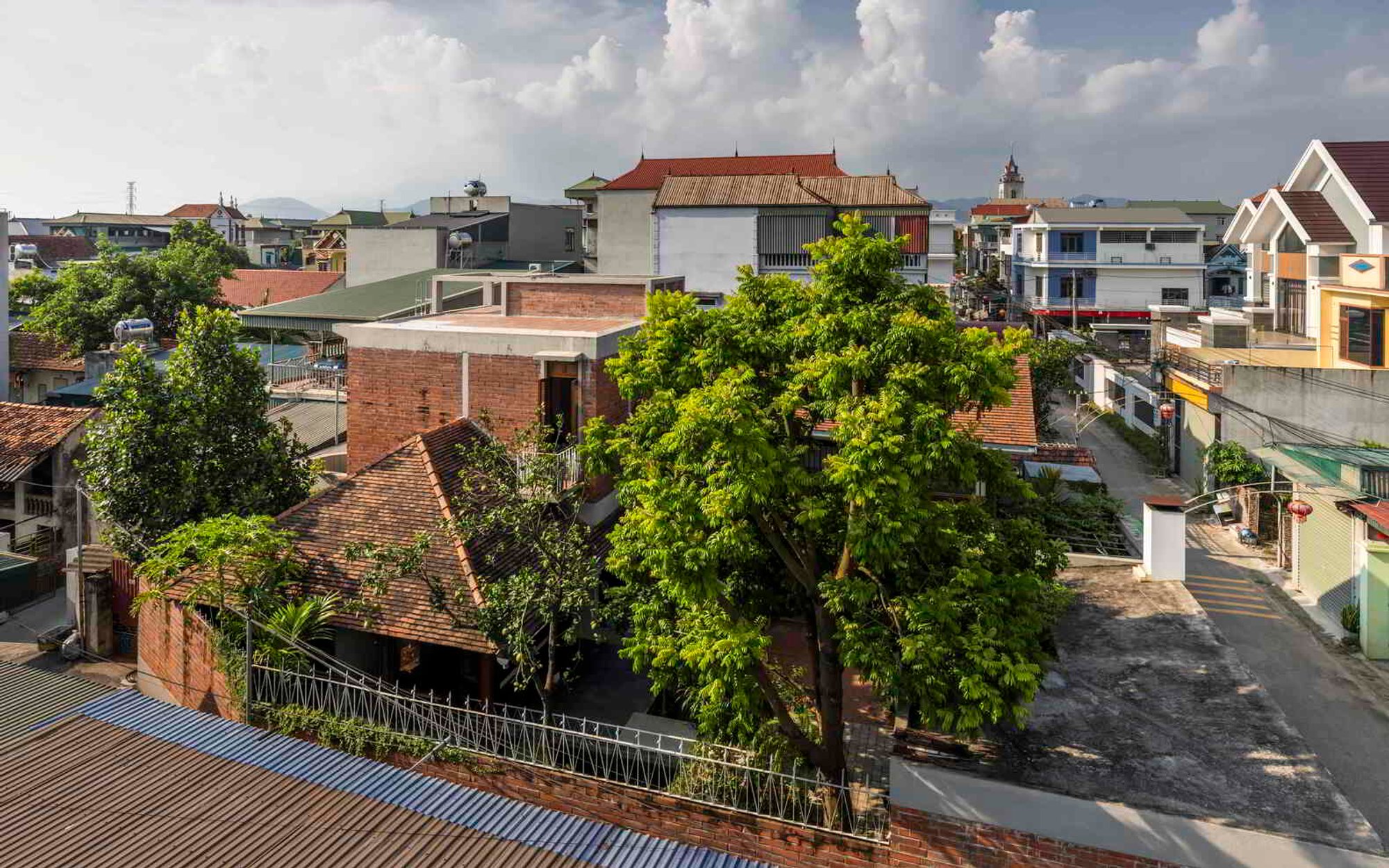
TuPhuong Second House by atelier huu: A Contemporary Homage to Vietnam’s Rural Roots
A warm brick-and-terracotta rural retreat by atelier huu, blending traditional Vietnamese architecture, nature, and intergenerational living in Phu Tho.

Located in the tranquil Binh Tuyen Commune of Phu Tho Province, TuPhuong Second House by atelier huu is a heartfelt architectural retreat that celebrates the nostalgia and authenticity of Vietnam’s rural countryside. Designed after the COVID-19 pandemic, the home symbolizes a return to one’s roots — a place for family gatherings, intergenerational connection, and the rediscovery of traditional living amid nature.
A Homecoming to Simplicity and Nature
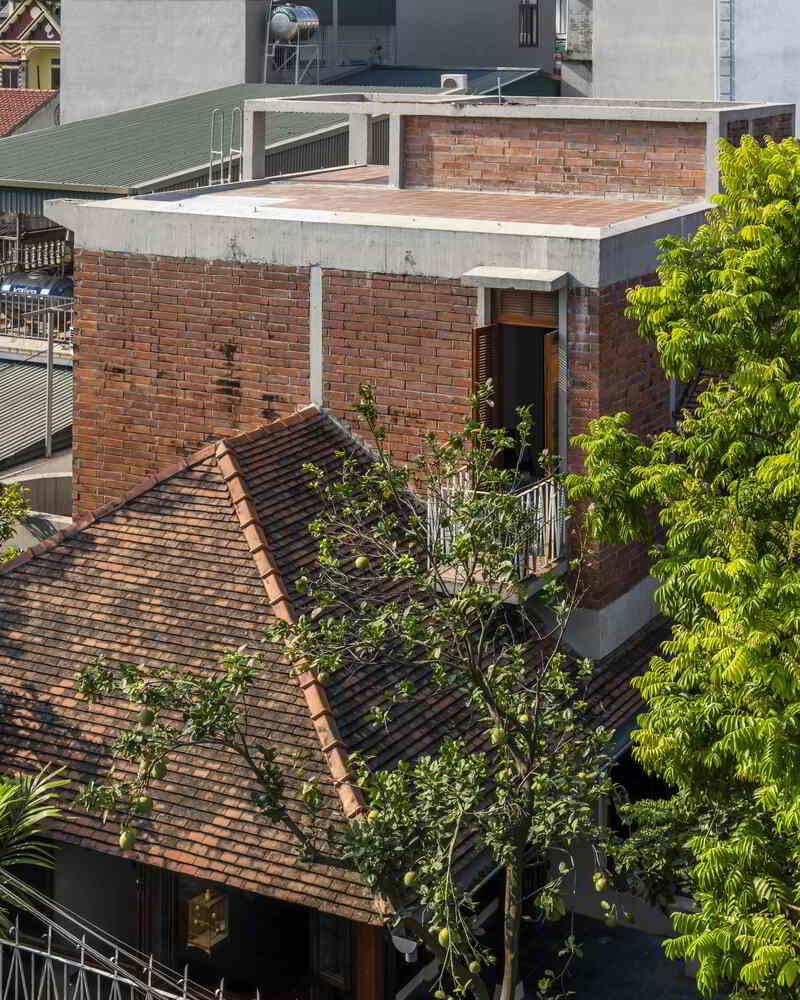
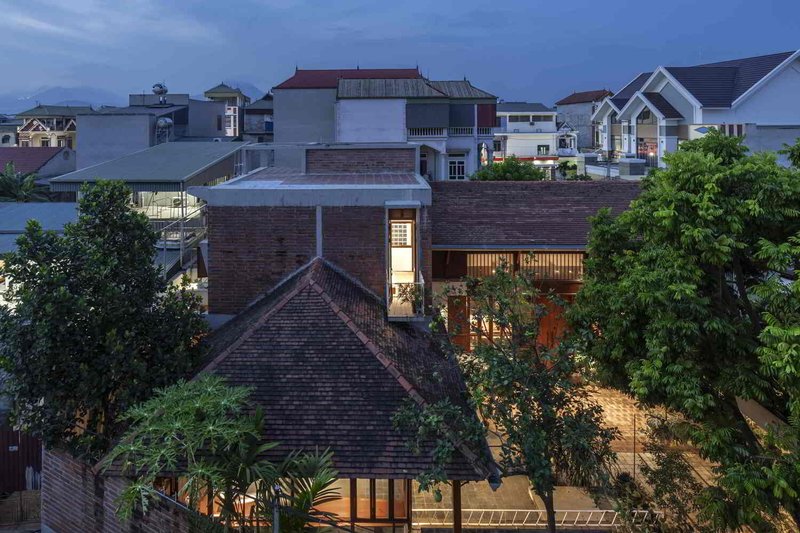
After more than two decades of urban life in Ho Chi Minh City, the homeowner decided to return to their birthplace, longing for a home surrounded by nature and reminiscent of childhood memories. The result is a 110-square-meter residence that embodies the essence of rural Vietnam, where simplicity, material honesty, and community define the architectural language.
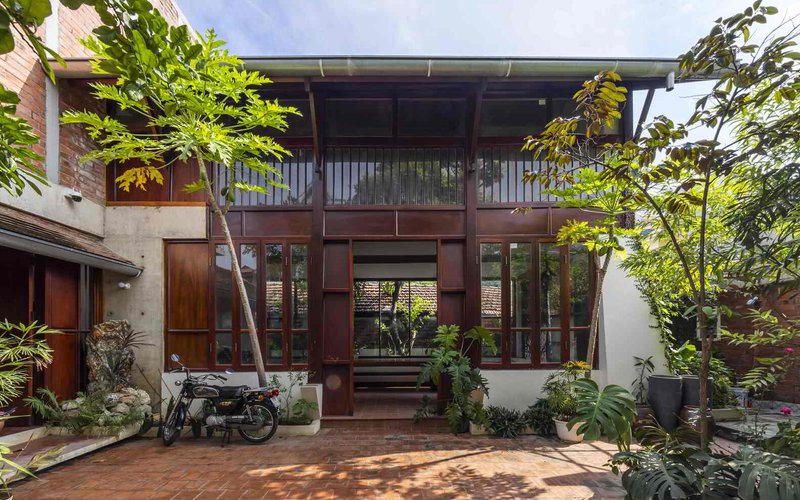
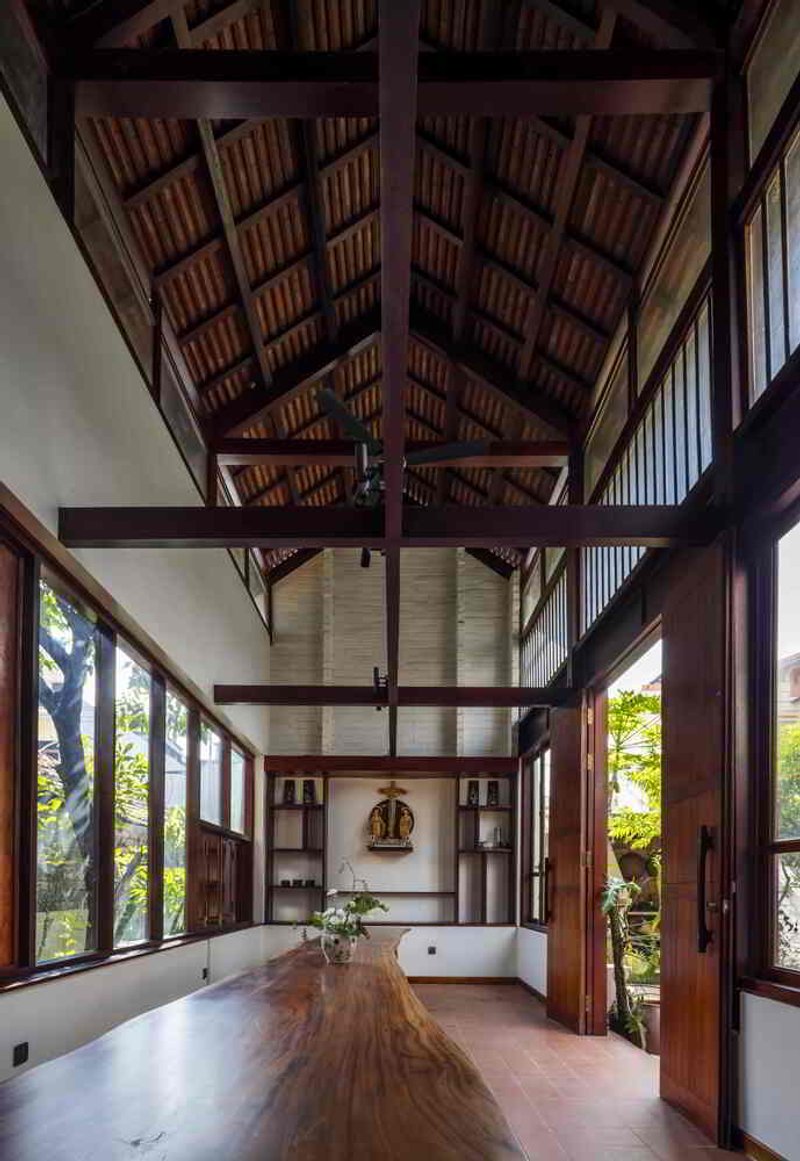
Nestled within an agricultural landscape, the house sits near an old brick kiln — a subtle reminder of the region’s artisanal heritage. Drawing inspiration from its surroundings, atelier huu chose terracotta tiles and red bricks as the primary materials, both for their cultural symbolism and their ability to age gracefully over time. The textures of these materials blend seamlessly into the natural setting, allowing the house to feel both timeless and grounded.
Architecture Rooted in Tradition and Memory
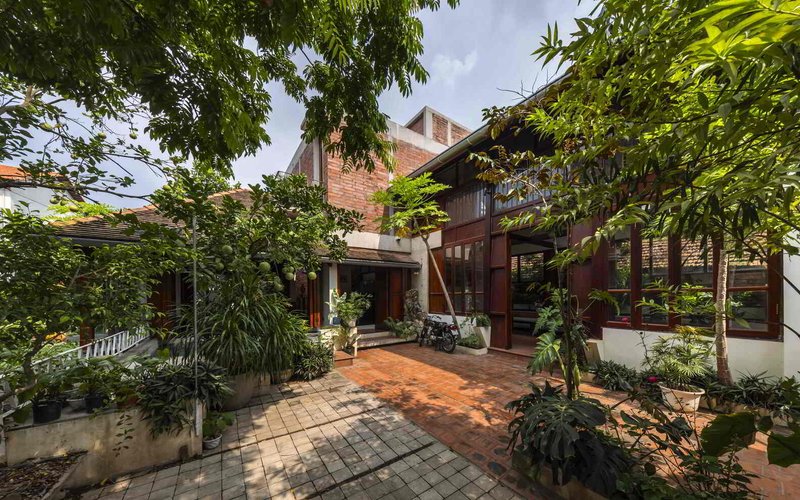
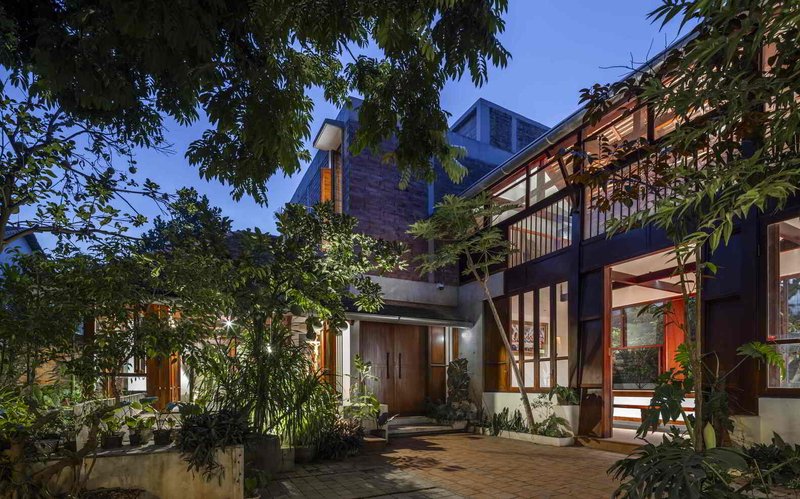
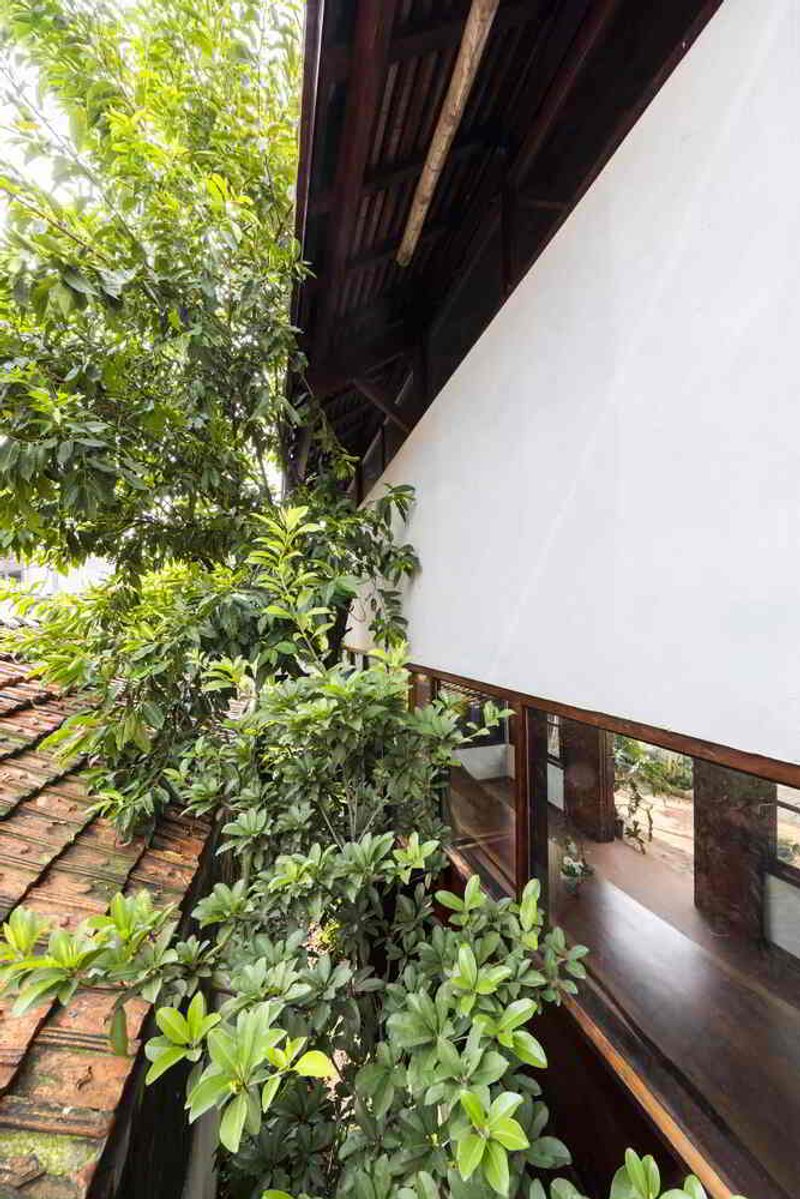
The design of TuPhuong Second House reflects a deep respect for local traditions and environmental context. Mature trees, planted by the owner over twenty years ago, were preserved and thoughtfully integrated into the design, shaping both the spatial layout and the emotional atmosphere of the house.
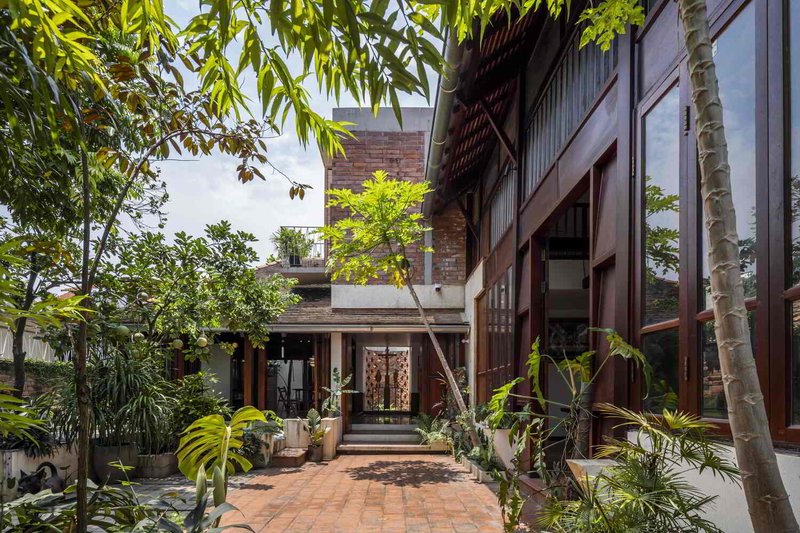
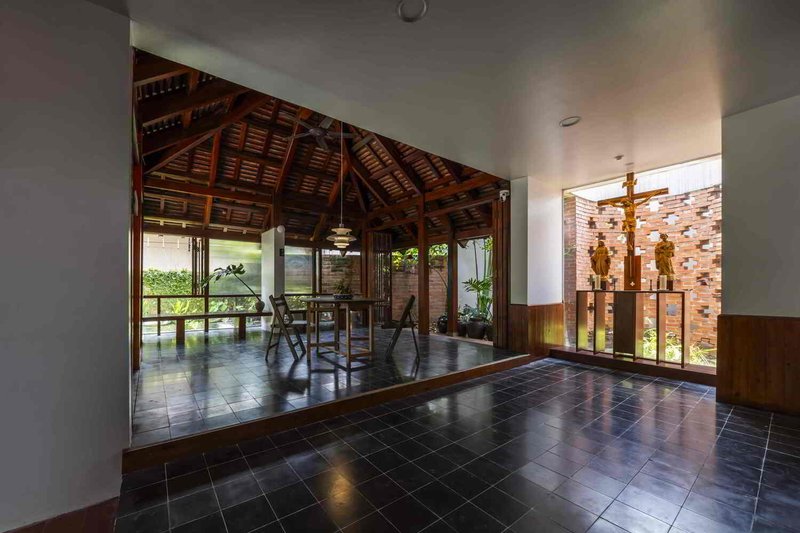
The courtyard and veranda act as transitional spaces — open yet protected — where daily life unfolds through conversation, rest, and shared meals. The presence of trees, water, and garden spaces evokes the sensory richness of rural life, while the smell of wood-fired cooking recalls the intimate warmth of traditional Vietnamese homes. These sensory layers not only anchor the house in place but also counter the effects of rapid urbanization that threaten to erase such cultural memories.
Designing for Intergenerational Living
Understanding the importance of family and continuity, the architects created a communal ground floor that brings together multiple generations under one roof. The layout includes a living room, workspace, bedroom, indoor and outdoor kitchens, and a fish pond and garden — all connected visually and spatially through open courtyards and natural light.
This configuration encourages a balanced lifestyle that values shared experiences without compromising privacy. The spaces are compact yet intentional, avoiding the common tendency in rural Vietnam toward oversized, underused homes. Instead, every square meter is meaningful and human-scaled, reflecting the architect’s philosophy that good design is not about size but about quality of space and connection.
Local Materials and Craftsmanship
By using locally sourced red bricks, terracotta tiles, and wood, atelier huu not only supports traditional craftsmanship but also reduces the project’s environmental footprint. These materials are naturally insulating, durable, and suited to the tropical climate of northern Vietnam.
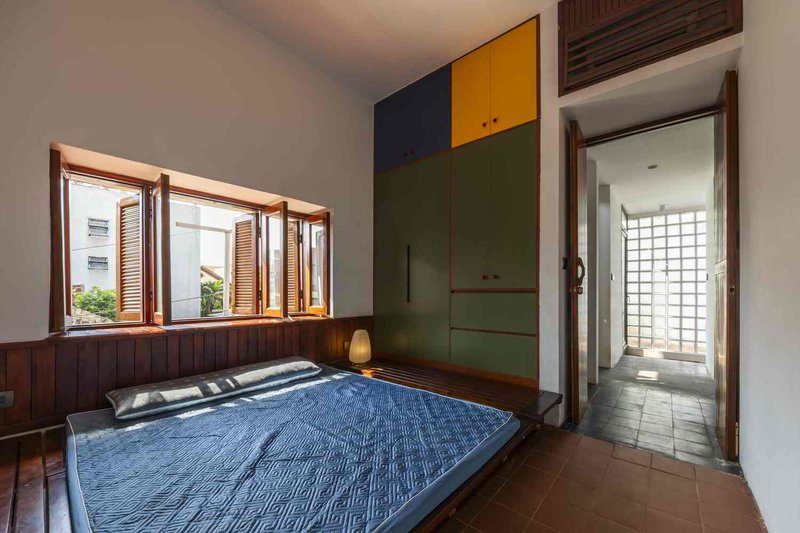
The subtle contrast between solid brick walls and light-filled interiors creates a warm yet contemporary ambiance. Wooden beams and glass partitions introduce transparency and rhythm, balancing the house’s rustic appearance with modern comfort.
Preserving the Soul of Vietnamese Rural Architecture
TuPhuong Second House stands as a quiet yet powerful statement on the value of cultural preservation in contemporary architecture. At a time when rural houses across Vietnam are being replaced with tiled courtyards and metal roofs, this project offers a gentle reminder of the beauty of slow living and the importance of retaining identity through design.
All photographs are works ofHiroyuki Oki



Popular Articles
Popular articles from the community

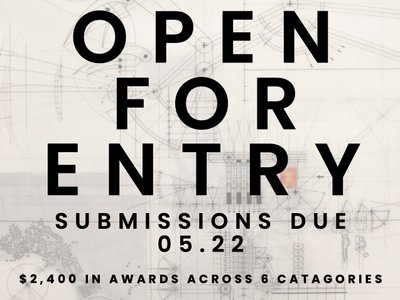
The Ken Roberts Memorial Delineation Competition (Krob)
As the most senior architectural drawing competition currently in operation anywhere in the world, it draws hundreds of entries each year, awarding the very best submissions in a series of medium-based categories.

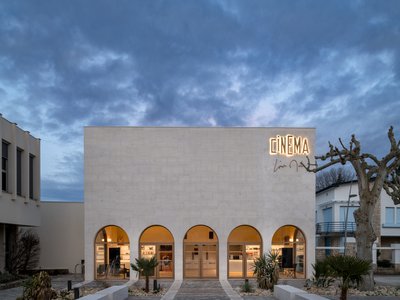
Louis Malle Cinema: A Limestone Cultural Landmark Revitalizing Community Life in Prayssac
Limestone cinema extension with public forecourt, blending heritage and modern design to create flexible cultural spaces and strengthen community interaction.
Solar Steam: A Climate-Responsive Architecture That Redefines the Monument
A climate-responsive memorial architecture that transforms heat, decay, and time into a living system reflecting humanity’s ecological impact.
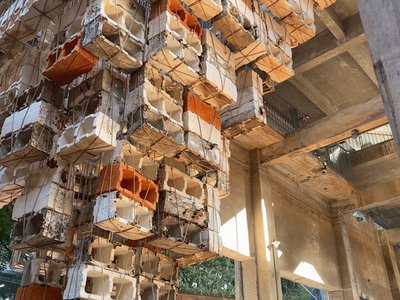
Inverted Architecture Installation by Studio Link-Arc: Exploring the Intersection of Architecture and Living Organisms
Inverted Architecture Installation by Studio Link-Arc blends mycelium, sustainability, inverted design, ecological cycles, and urban adaptive architecture in Shenzhen.

Similar Reads
You might also enjoy these articles
The Ken Roberts Memorial Delineation Competition (Krob)
As the most senior architectural drawing competition currently in operation anywhere in the world, it draws hundreds of entries each year, awarding the very best submissions in a series of medium-based categories.

Waterfront Redevelopment and Urban Revitalization in Mumbai: Forging a New Dawn for Darukhana
A transformative waterfront redevelopment project reimagining Darukhana’s shipbreaking heritage into an inclusive urban future.
OUT-OF-MAP: A Call for Postcards on Feminist Narratives of Public Space
Rhizoma Design and Research Lab invites artists, designers, architects, researchers, and students to reflect on how feminist perspectives can reshape public space. Selected works will be exhibited in Barcelona, October 2026. Submissions open until 15 April 2026.

Documentation Work on Buddhist Wooden Temple
Architectural syncretism and cultural hybridity: A comparative study of the Buddhist temples in Chattogram Hill tracks


Explore Architecture Competitions
Discover active competitions in this discipline




The International Standard for Design Portfolios


The Global Benchmark for Architecture Dissertation Awards


The Global Benchmark for Graduation Excellence

Challenge to design mud housing for contemporary communities
Comments (0)
Please login or sign up to add comments
No comments yet. Be the first to comment!