

#10 Apartment by Padiav Parth Architects | Modern Residential Design in Tehran
#10 Apartment in Tehran by Padiav Parth Architects features modern brick facade, functional layouts, modular design, and middle-class residential comfort.


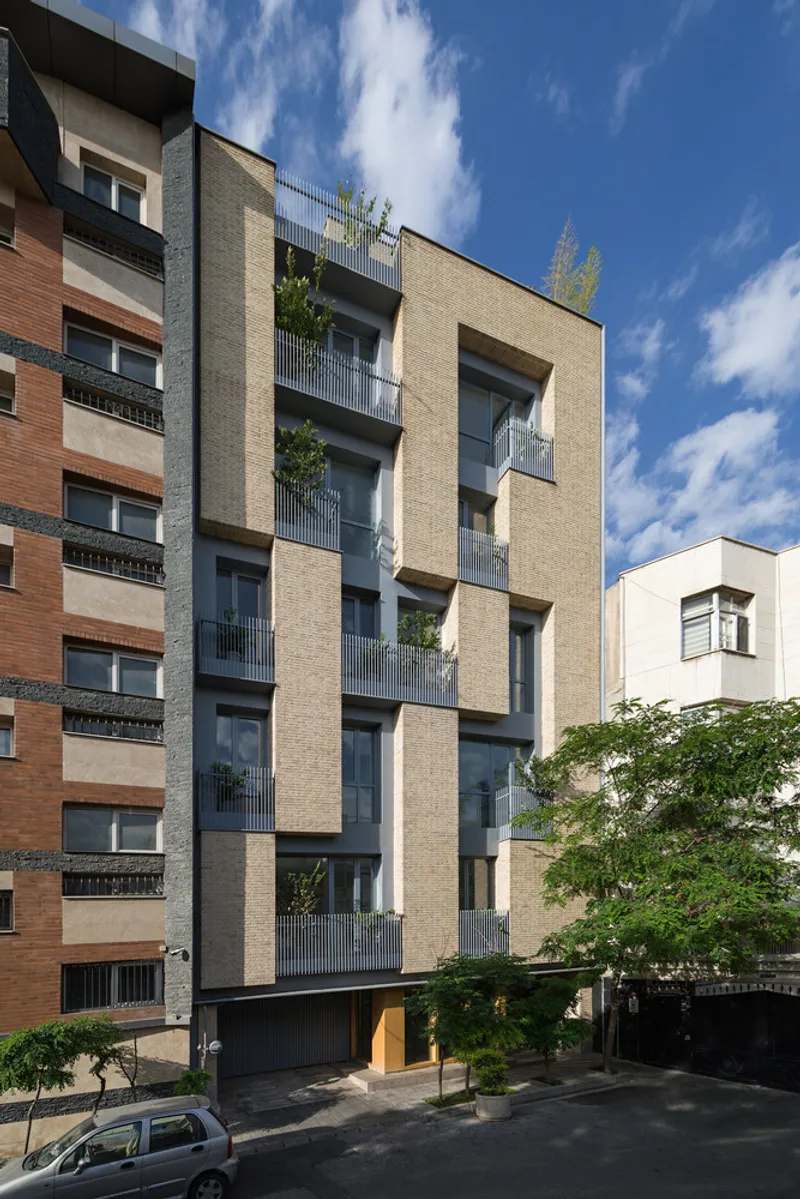
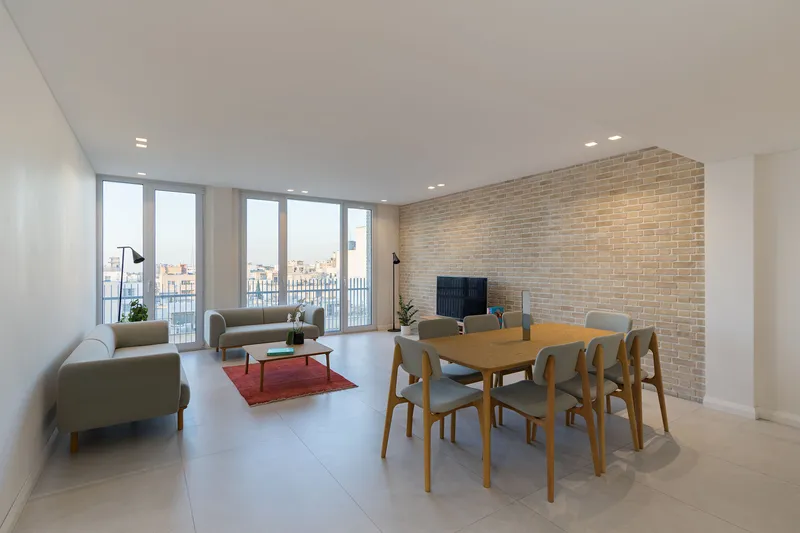
Located in Tehran, Iran, #10 Apartment by Padiav Parth Architects is a thoughtfully designed residential complex catering to the city’s middle-class families. Completed in 2022, this 1,450 m² project showcases a harmonious blend of modern architecture, cultural references, and functional design solutions. Photographed by Mohammad Hassan Ettefagh, the project highlights innovative spatial layouts, a modular brick facade, and efficient use of underground space.
Design Concept & Spatial Planning
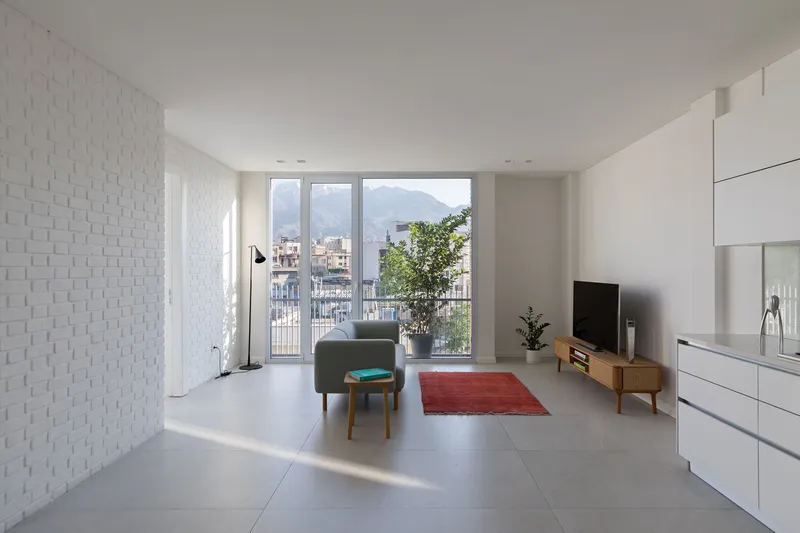
The design for #10 Apartment began with a focus on delivering high-quality residential units for middle-class residents. The architects explored multiple layout diagrams to optimize space, eventually selecting a solution that addressed parking requirements while maximizing the residential area.
To enhance the entrance lobby experience, the staircase was strategically relocated, creating a distinct, transparent lobby independent of the parking area. Parking levels were minimized from two to one basement level, reducing construction costs and freeing more space for spacious apartments.
Residential Units The project offers two apartment typologies:
- One-bedroom units: 70 m²
- Two-bedroom units: 105 m²
These layouts were carefully designed to meet the daily needs and lifestyles of Tehran’s middle-class residents, ensuring comfort, functionality, and privacy for all occupants.
Facade Design & Materiality
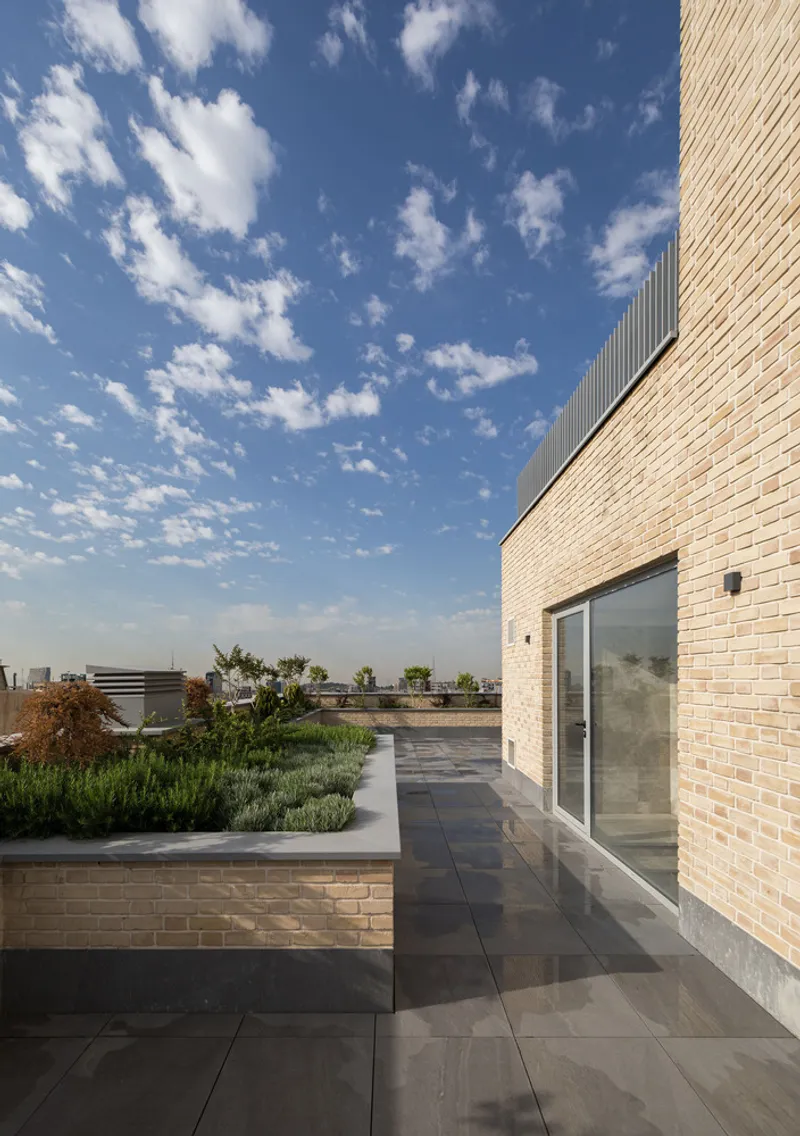
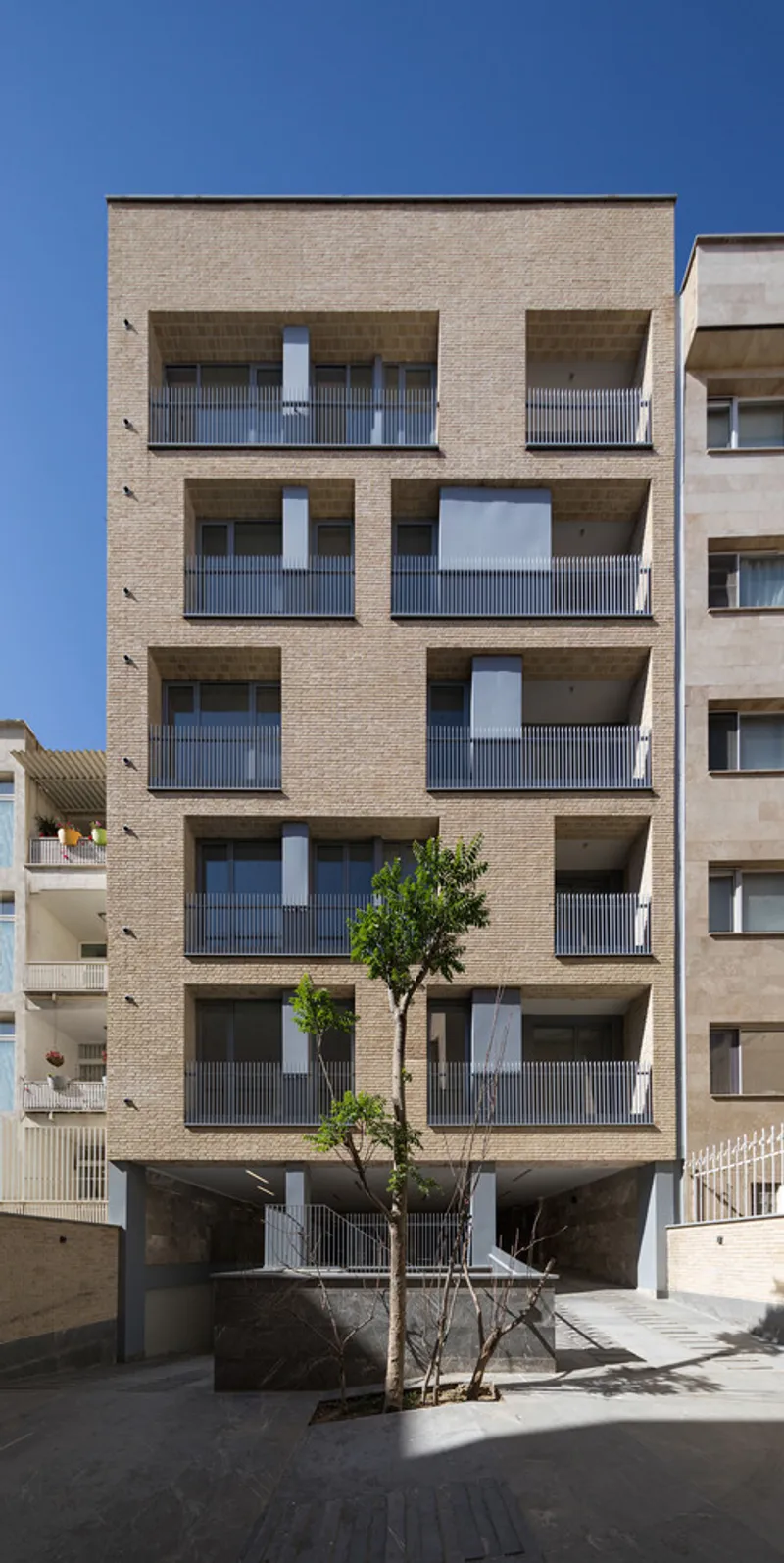
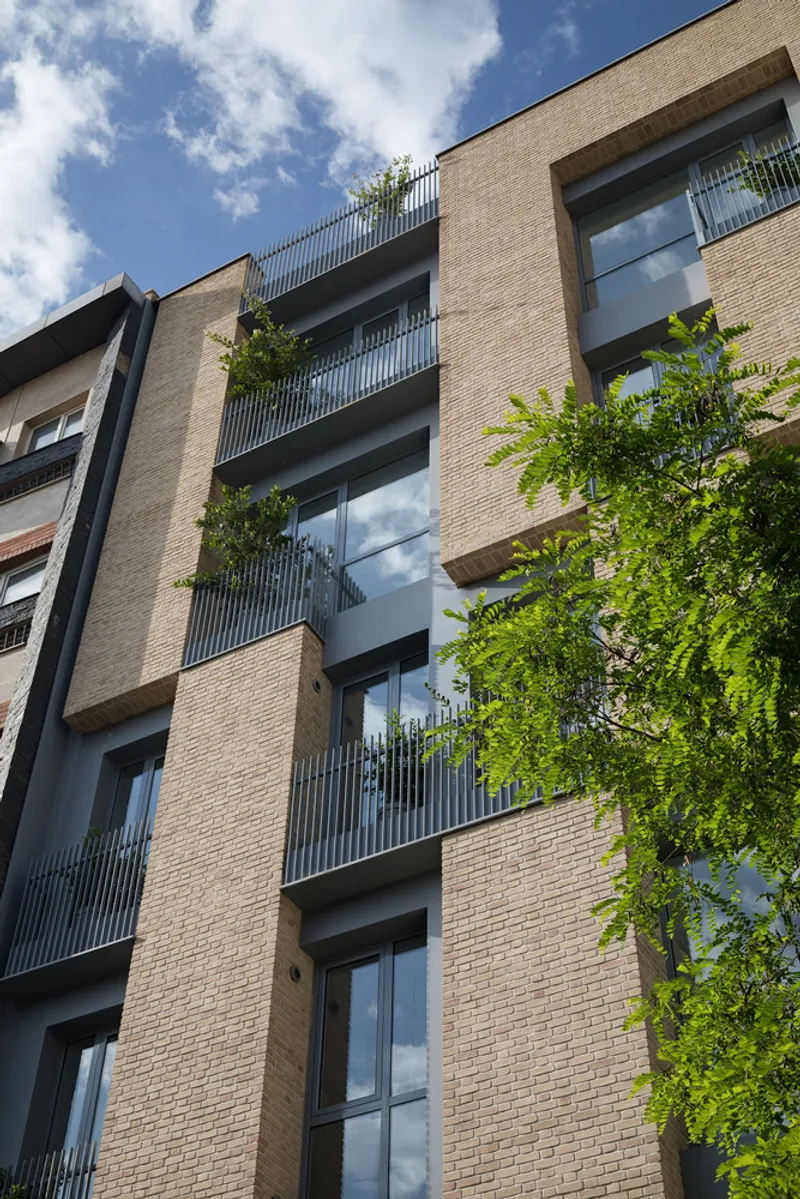
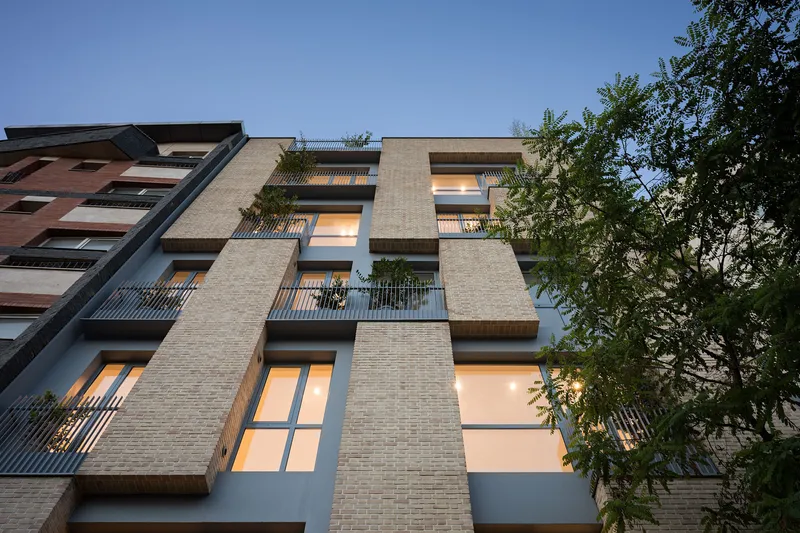
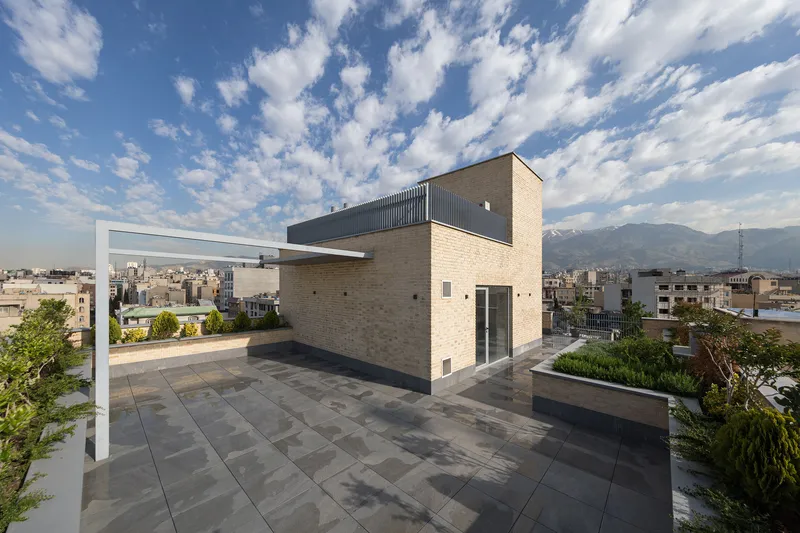
The facade of #10 Apartment is a volumetric composition rather than a mere external shell. Brick, a symbol of residential authenticity in Iranian culture, dominates the exterior, complemented by gray metal panels for a contemporary touch. Key design strategies included:
- Breaking window rhythms to create visual interest
- Blending transparent and solid surfaces into a cohesive texture
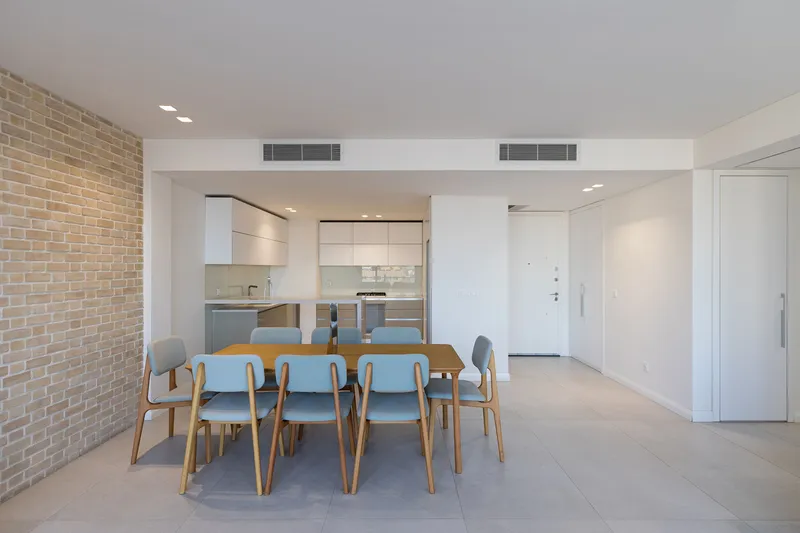
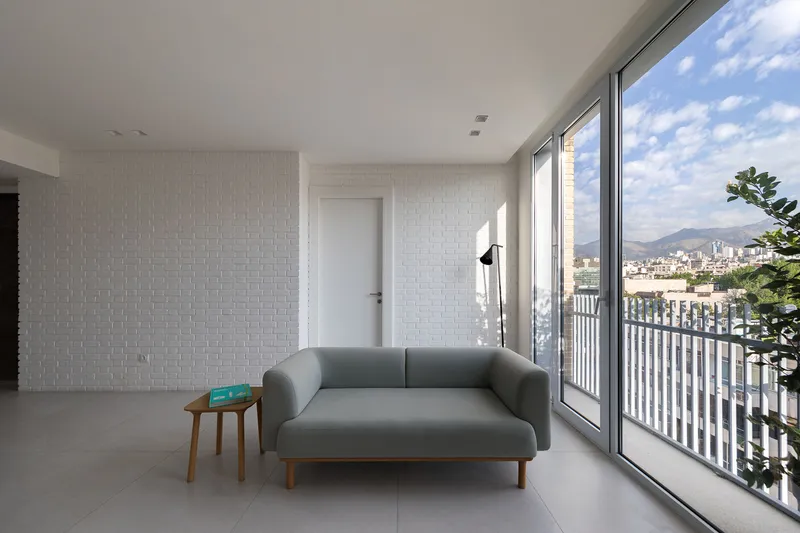
- Extending brick walls from facade to interior spaces
- Converting structural elements into unified volumetric forms
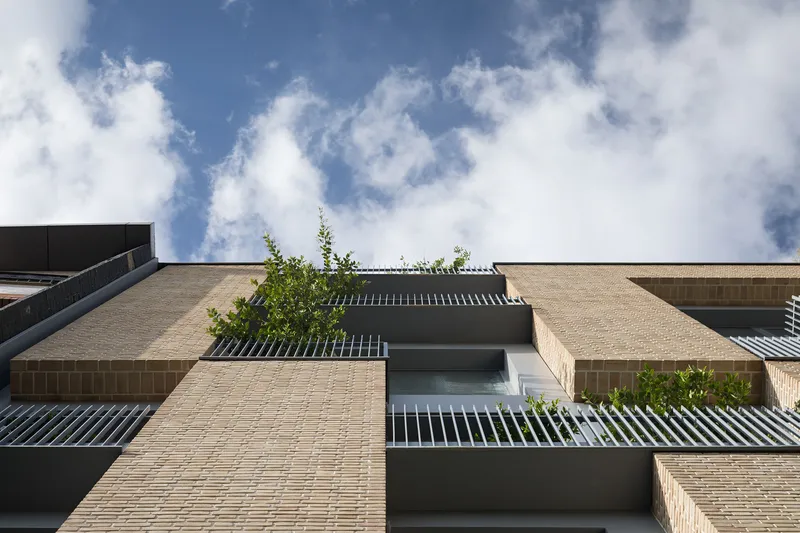
Parapets were designed in three dimensions, merging seamlessly with metal surfaces to create a modular, textured appearance. Expansion joints were treated as volumetric structures, contributing to the facade’s depth and urban visual balance.
Integration of Interior and Exterior
The facade modules were carefully aligned with interior walls of living rooms and bedrooms, maximizing spatial efficiency. By using brick and half-brick dimensions as the basis for the modular system, architects incorporated functional elements like closets into the facade, enhancing both utility and aesthetic harmony. The composition of light and heavy volumes across neighboring buildings was considered to maintain a balanced urban skyline.
#10 Apartment exemplifies middle-class residential architecture in Tehran, combining cultural authenticity, functional layouts, and innovative facade design. Padiav Parth Architects achieved a project that is visually striking, contextually sensitive, and highly livable.
Project Details
- Location: Tehran, Iran
- Architects: Padiav Parth Architects
- Lead Architects: Bahram Shokouhian, Amir Fazeli
- Area: 1,450 m²
- Year: 2022
- Photographs: Mohammad Hassan Ettefagh
- Electrical Consultants: A4 Group
All photographs are works of Mohammad Hassan Ettefagh


Popular Articles
Popular articles from the community


Manzana Morphosis: Stretching Barcelona's Grid into a Living Landscape for 2050
A radical reworking of the Eixample manzana turns density into a tool for generous public space, vertical ecology, and environmental performance.

Opera by the Sea Estonia: Three Shells Dissolving Architecture into Tallinn's Coastline
A winning opera house proposal replaces monumental form with interconnected shells that blur the boundary between building, park and Baltic Sea.
Temporary Home for Dogs: A Reversed Zoo Rethinks Animal Shelter Architecture
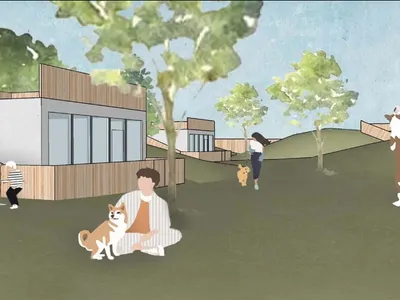
In Bucharest, a sinuous corridor and freed landscape flip the logic of containment, designing a shelter that works to make itself unnecessary.

Faces of the Soviet Avant-Garde: Turning Moscow's Street Names into an Open-Air Museum
A network of sculptural installations across a Moscow residential district transforms forgotten architect names into spatial encounters with cultural memor

Similar Reads
You might also enjoy these articles


Hodi-Mandai Geram
Project Function: Preservation and revitalization of the Intangible heritage and socio-spatial identity of the Hodi by Housing, Cultural Memory Center, Sacred Grove, landscape, local tourism economy


Olio Towers: A Mid-Rise for Performers That Fuses Housing, Rehearsal, and Stage
Located blocks from Houston's Theater District, this modular tower stacks living units around a central performance atrium.

Oasis: Modular Green Housing Carved into Dhaka's Urban Fabric
A shortlisted Plugin Housing entry reclaims unauthorized settlements in Dhaka with stepped concrete volumes, green roofs, and ventilation-driven design.

Black Hole: A Floating Megastructure for the Post-Physical Era
Emiliano Mazzarotto envisions a spherical, self-scaling arena where e-sports, digital hotels, and holographic stadiums replace traditional public space.

Explore Persian Architecture Competitions
Discover active competitions in this discipline

Challenge to design mud housing for contemporary communities

Challenge to reimagine the Iron Throne

Photograph architecture without architects

Illustrate the lost glory of Angkor Wat - Render Challenge
Comments (0)
Please login or sign up to add comments
No comments yet. Be the first to comment!