
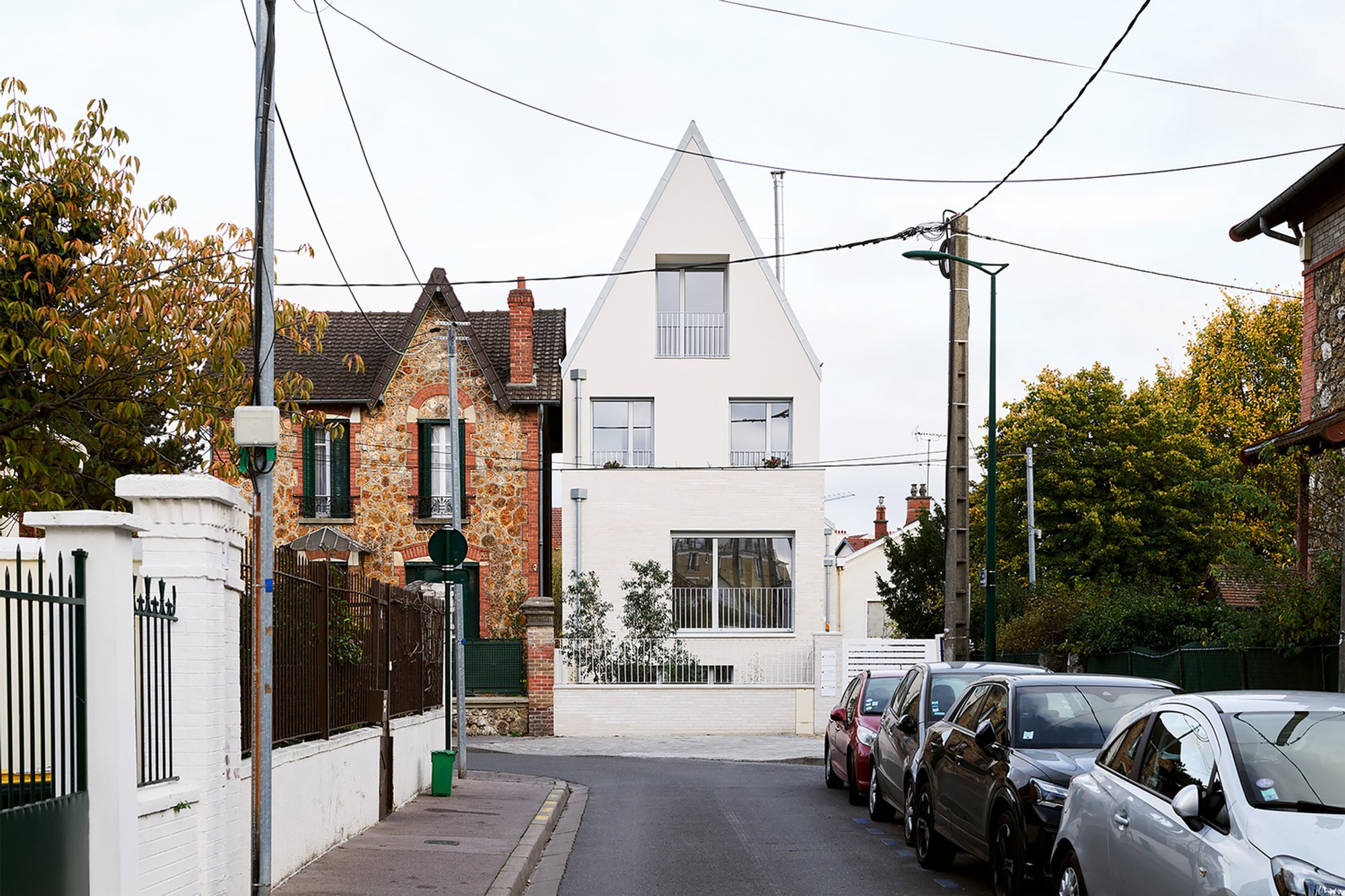
3 Houses in Colombes by NOVO architectures
3 Houses by NOVO architectures in Colombes, France, balances urban densification, local tradition, and biodiversity with minimalist, monochrome brick design.

Located in Colombes, France, northeast of Paris, the 3 Houses project by NOVO architectures demonstrates how thoughtful design can address the challenges of urban densification while preserving landscape quality and neighborhood identity. Designed by lead architects Simon Barthelemy and Iliana Genova, the project spans 400 m² and was completed in 2022, with striking architectural photography by David Foessel.
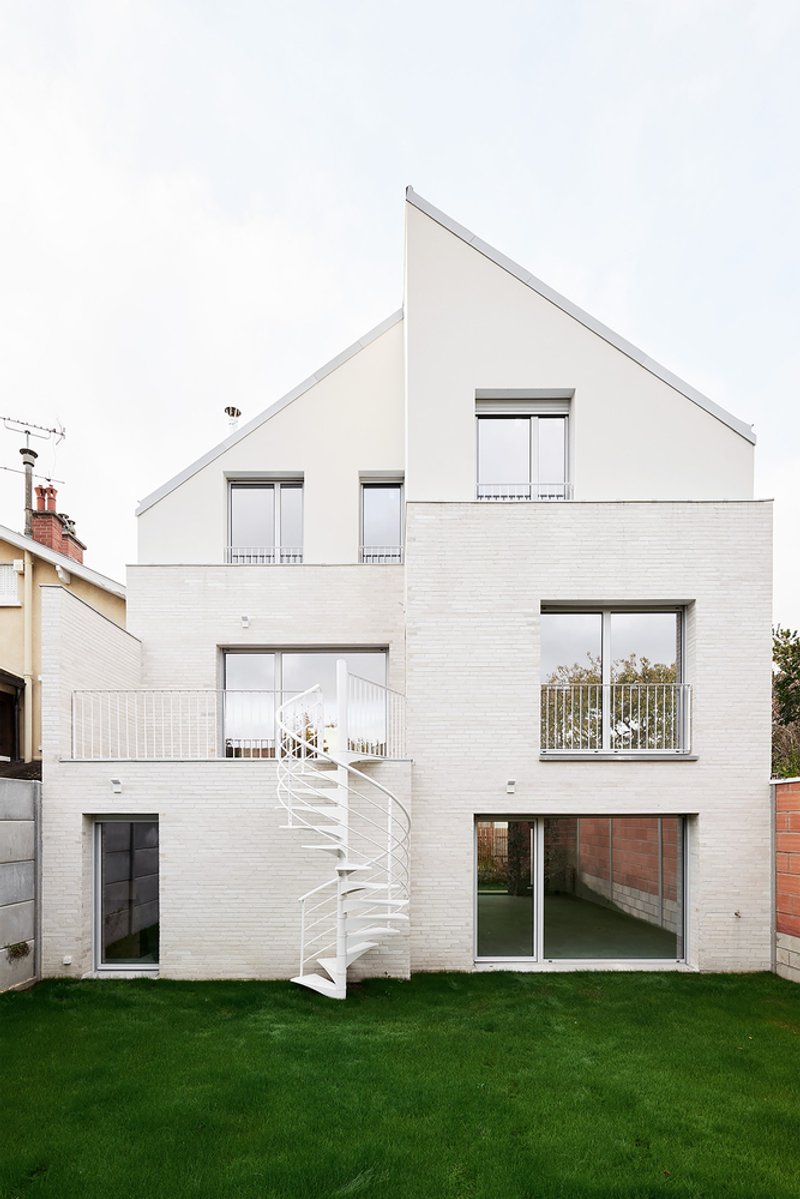
Context and Urban Challenges
The houses are situated on rue Beausejour, in a district defined by narrow strip plots. The site measures just 9.5 meters in width and 60 meters in length, accessible only from one side. This typology reflects the increasing densification of Paris’s suburban municipalities, where land is progressively divided for new housing.
Urban planning regulations encourage densification but also impose vehicle access requirements for each dwelling, often resulting in intrusive service roads that threaten the natural character of existing plots. NOVO architectures’ challenge was to design three houses that balance profitability, architectural quality, and landscape preservation.
Integration with the Surrounding Architecture
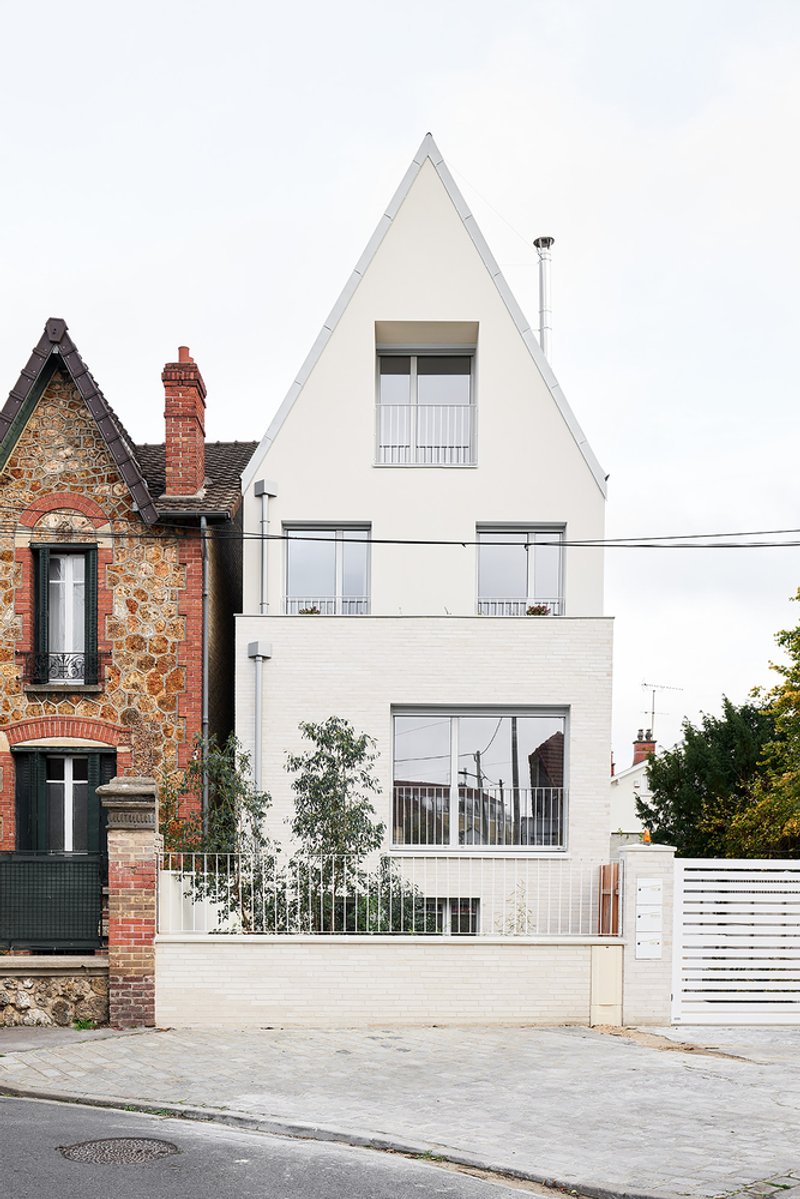
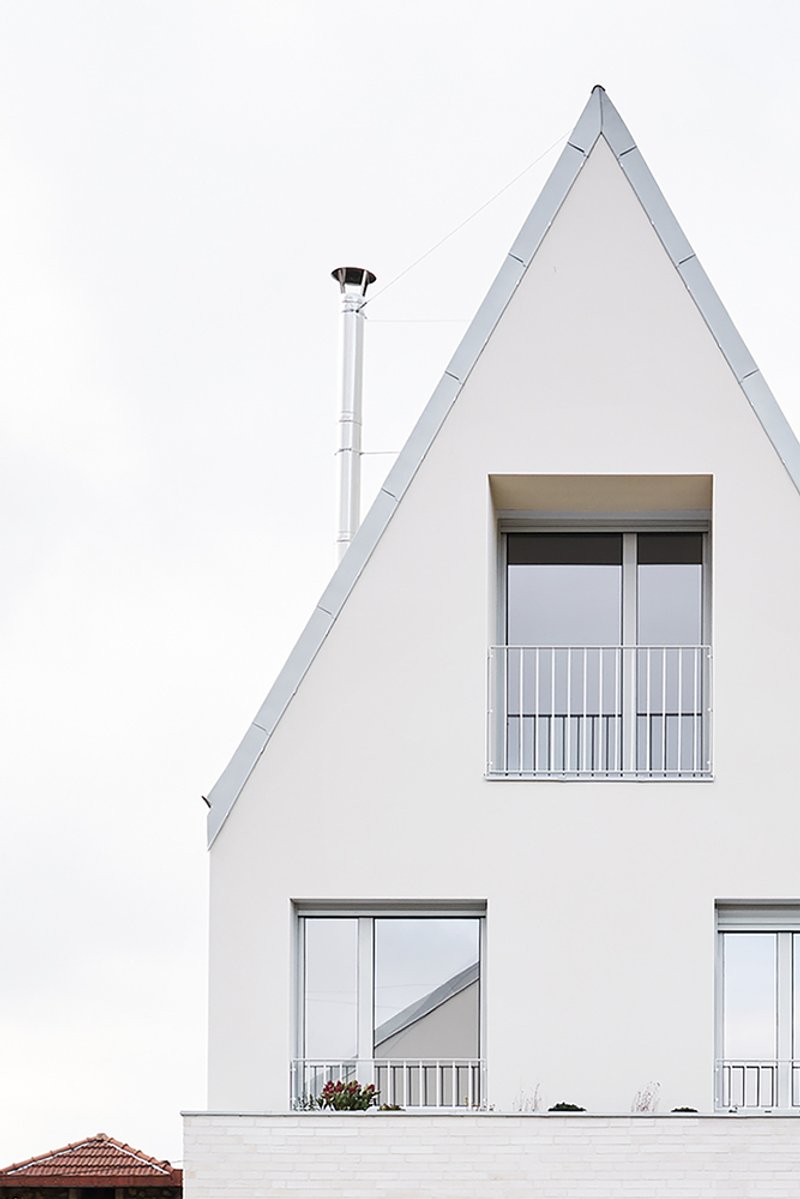
The project draws inspiration from the district’s historic houses. Similar to its neighbors, the design emphasizes verticality—a necessity due to the floodplain context near the Seine, where raised ground floors are traditional.
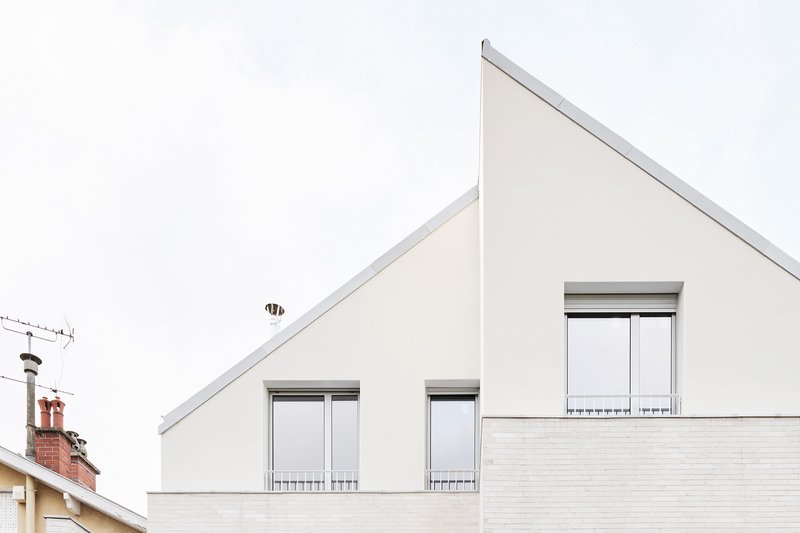
Distinctive attic levels with expansive roofs and loggias frame distant landscape views, while brick facades echo the local building tradition. The simplicity of the design—free of moldings—highlights the technical elements such as chimneys, gutters, and roof outlets as subtle decorative details.
The material palette is intentionally monochrome:
- White bricks for lower levels
- White plaster coating for attic levels
- Pre-patinated light gray zinc for roofs
- White hardware details
This restrained approach enhances the surrounding natural colors—lush greens in summer and warm ochres in autumn—allowing the architecture to coexist harmoniously with its landscape.
Landscape and Biodiversity Preservation
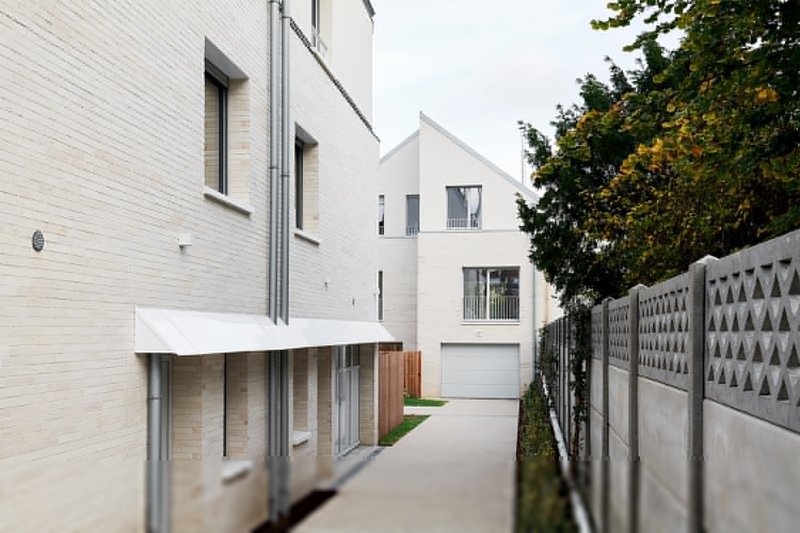
One of the project’s main ambitions was to maintain the biodiversity of the site, one of the few undeveloped plots left in the district. Existing plantings were preserved wherever possible, and the service road was designed with planted surfaces to soften its impact.
Each house includes a private garden, complemented by a shared central garden that fosters community interaction. Masonry boundary walls were retained but strategically opened to allow the free passage of animals and plant species. Within the plot, fences are designed as openwork structures, encouraging climbing vegetation. Importantly, 40% of the site remains unbuilt and permeable, reinforcing ecological value.
Architectural Significance
The 3 Houses project is an example of how contemporary housing can densify urban areas without compromising ecological and social values. By integrating local architectural traditions, adopting a monochrome material palette, and prioritizing biodiversity, NOVO architectures created a project that is both modern and deeply contextual.
All Photographs are works of David Foessel



Popular Articles
Popular articles from the community

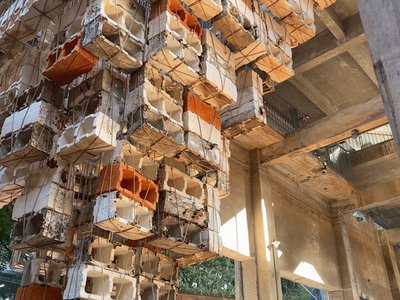
Inverted Architecture Installation by Studio Link-Arc: Exploring the Intersection of Architecture and Living Organisms
Inverted Architecture Installation by Studio Link-Arc blends mycelium, sustainability, inverted design, ecological cycles, and urban adaptive architecture in Shenzhen.


Solar Steam: A Climate-Responsive Architecture That Redefines the Monument
A climate-responsive memorial architecture that transforms heat, decay, and time into a living system reflecting humanity’s ecological impact.
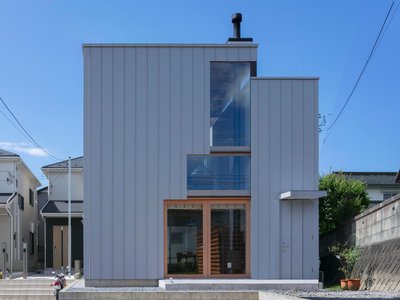
Split House: A Compact Urban Home Blending Privacy, Light, and Flexible Living in Japan
Compact Japanese home featuring DOMA space, flexible café potential, passive lighting, privacy zoning, and sustainable urban living design.
Similar Reads
You might also enjoy these articles


The Ken Roberts Memorial Delineation Competition (Krob)
As the most senior architectural drawing competition currently in operation anywhere in the world, it draws hundreds of entries each year, awarding the very best submissions in a series of medium-based categories.

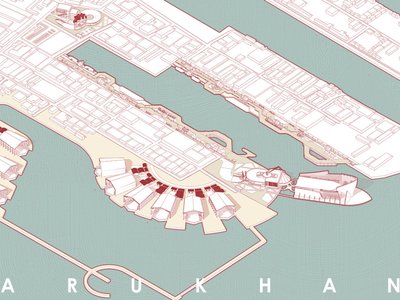
Waterfront Redevelopment and Urban Revitalization in Mumbai: Forging a New Dawn for Darukhana
A transformative waterfront redevelopment project reimagining Darukhana’s shipbreaking heritage into an inclusive urban future.
OUT-OF-MAP: A Call for Postcards on Feminist Narratives of Public Space
Rhizoma Design and Research Lab invites artists, designers, architects, researchers, and students to reflect on how feminist perspectives can reshape public space. Selected works will be exhibited in Barcelona, October 2026. Submissions open until 15 April 2026.

Documentation Work on Buddhist Wooden Temple
Architectural syncretism and cultural hybridity: A comparative study of the Buddhist temples in Chattogram Hill tracks


Explore Architecture Competitions
Discover active competitions in this discipline




The International Standard for Design Portfolios


The Global Benchmark for Architecture Dissertation Awards


The Global Benchmark for Graduation Excellence


Challenge to reimagine the Iron Throne
Comments (0)
Please login or sign up to add comments
No comments yet. Be the first to comment!