
A Sustainable School in Brazil by Sem Muros: Participatory School Architecture Rooted in Community and Ecology
A rural Brazilian school transformed through participatory architecture, ecological materials, and community-built spaces for sustainable education and cultural pride.

Rethinking Educational Design Through Community Engagement
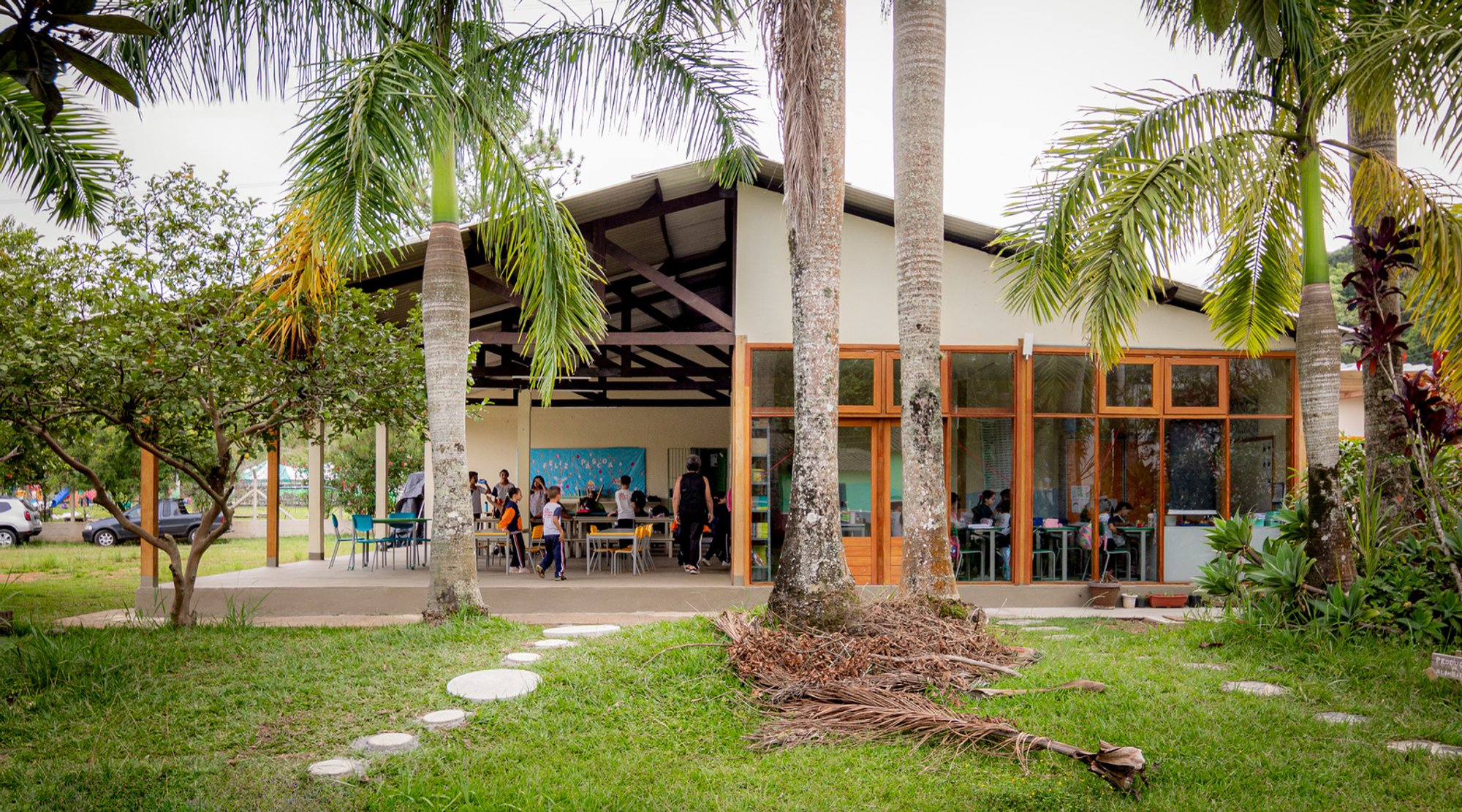
In rural São Paulo, Brazil, Sem Muros Arquitetura Integrada has transformed a modest 1950s school building into a vibrant and ecologically responsible learning environment through participatory school architecture. Developed in partnership with the NGO Tagma’s “A Sustainable School” program, the renovation of the Nossa Senhora da Conceição Municipal Rural School reflects a co-creative process with students, families, and staff at its core.
Architecture Guided by Collective Imagination
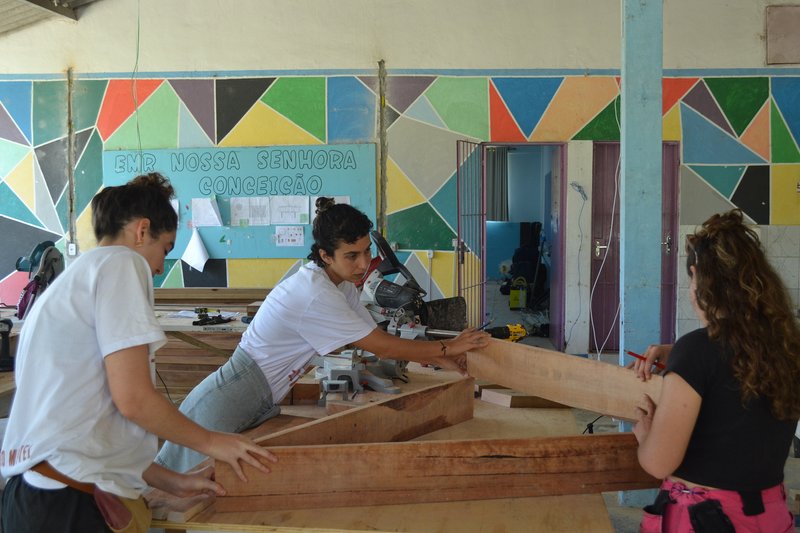
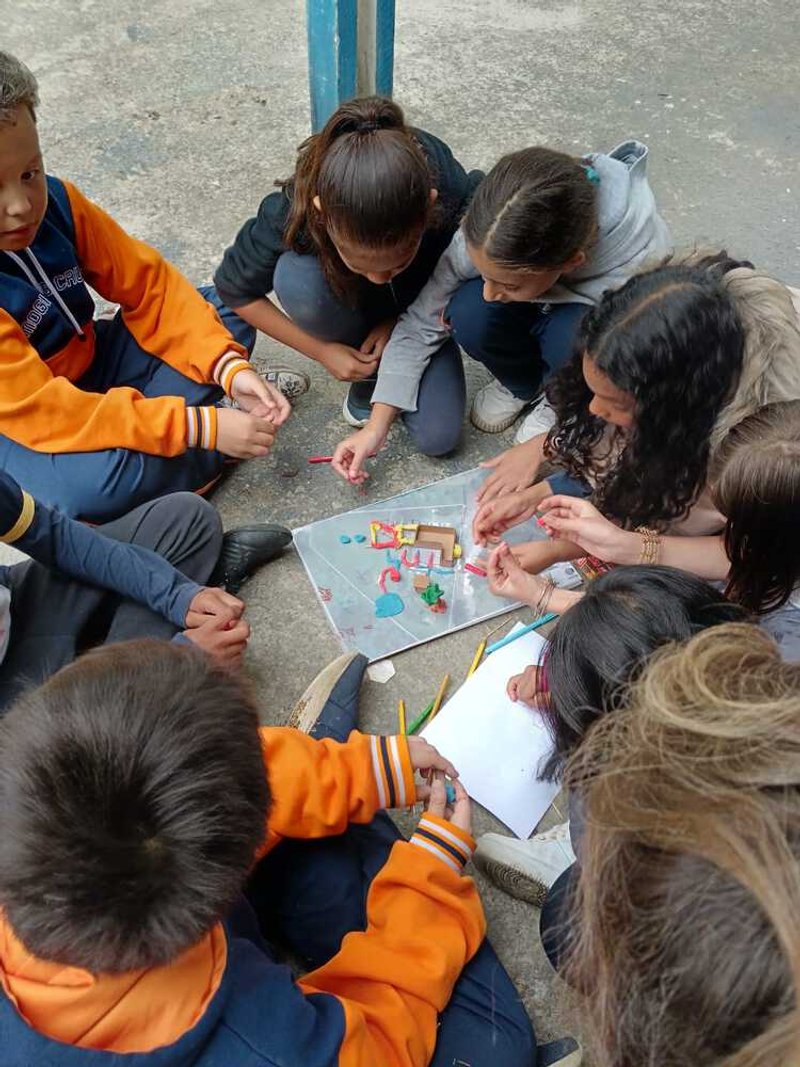
The project began with a central question posed to the entire school community: What do you envision for this school? Through workshops tailored to each group, the architects collected aspirations and transformed them into a concrete program grounded in three key pillars—low environmental impact, practical construction education, and a rapid 45-day build timeline. The result is a school that doesn't just serve the community, but embodies it.
Ecological Design Meets Local Resources
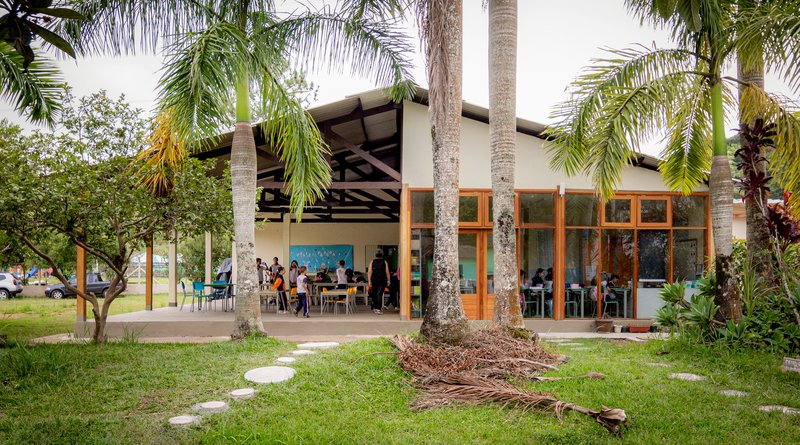
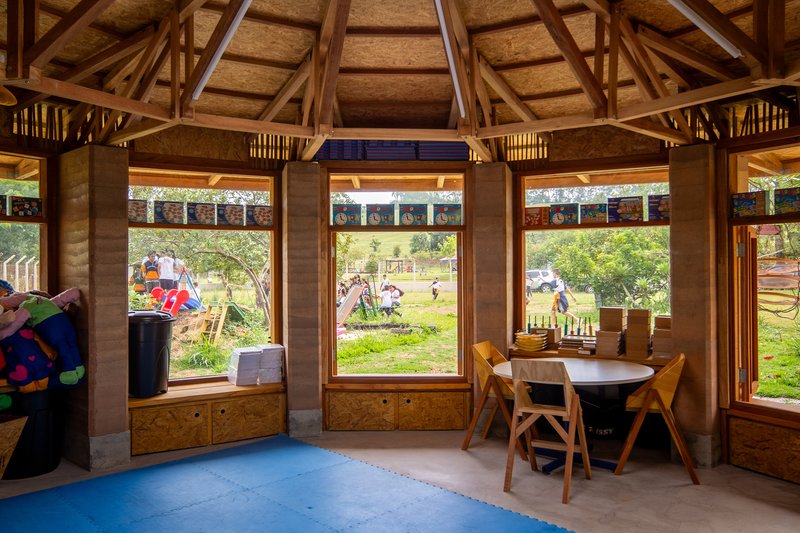
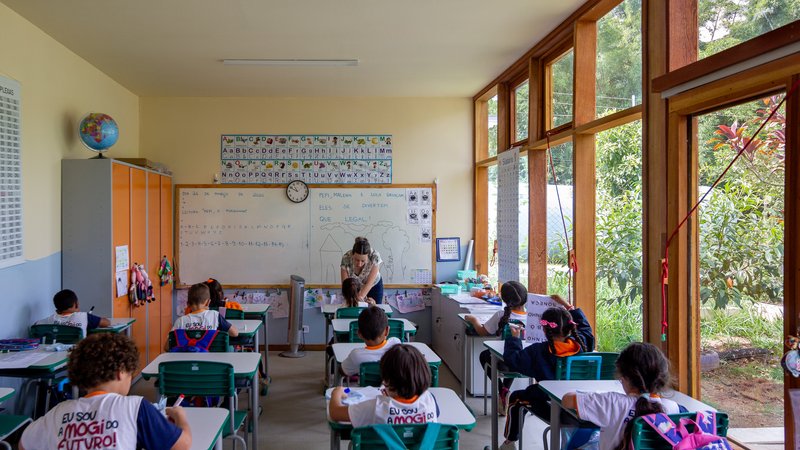
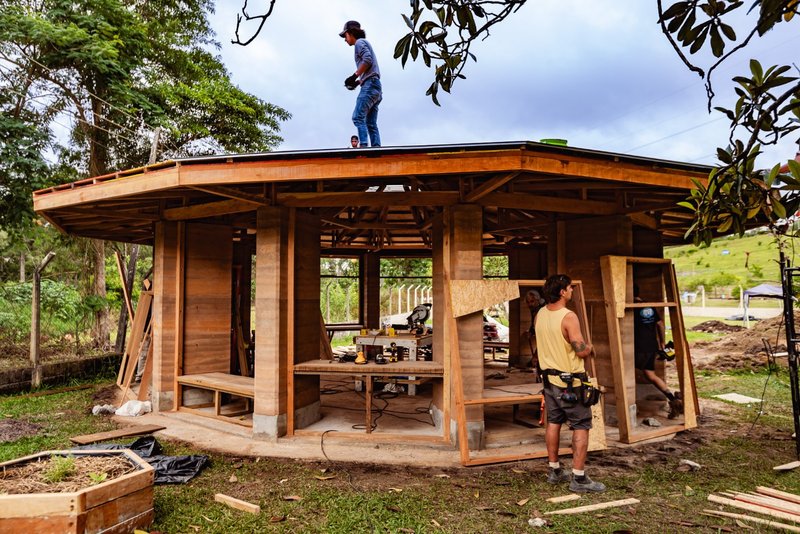
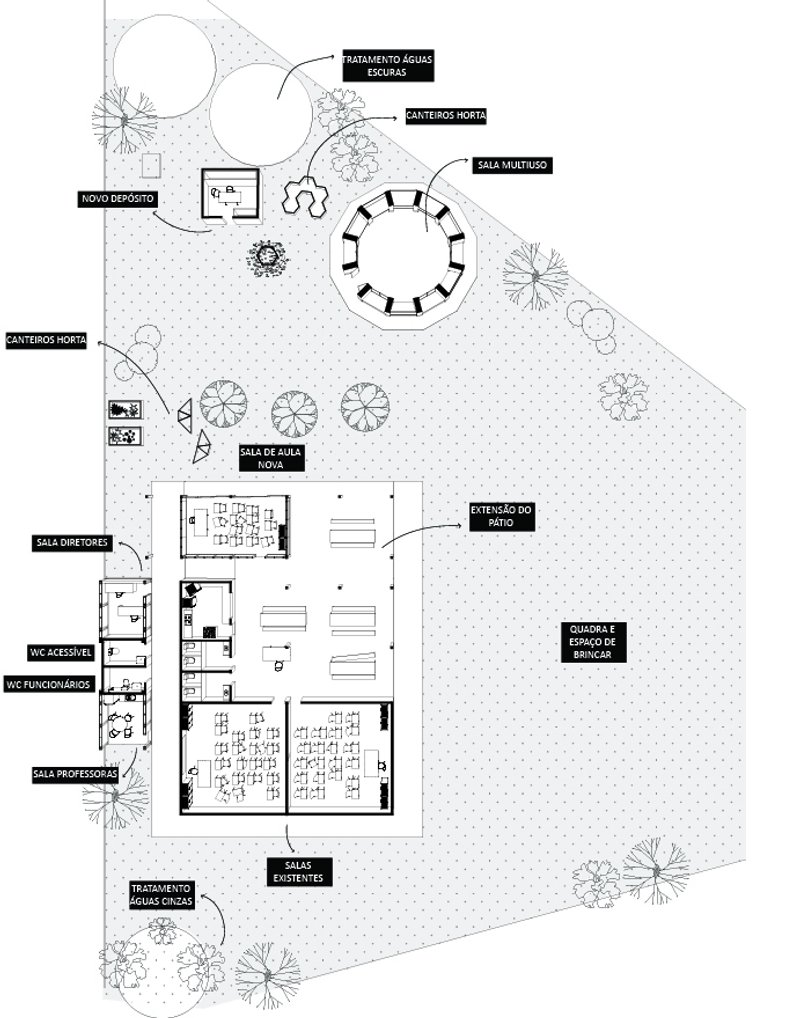
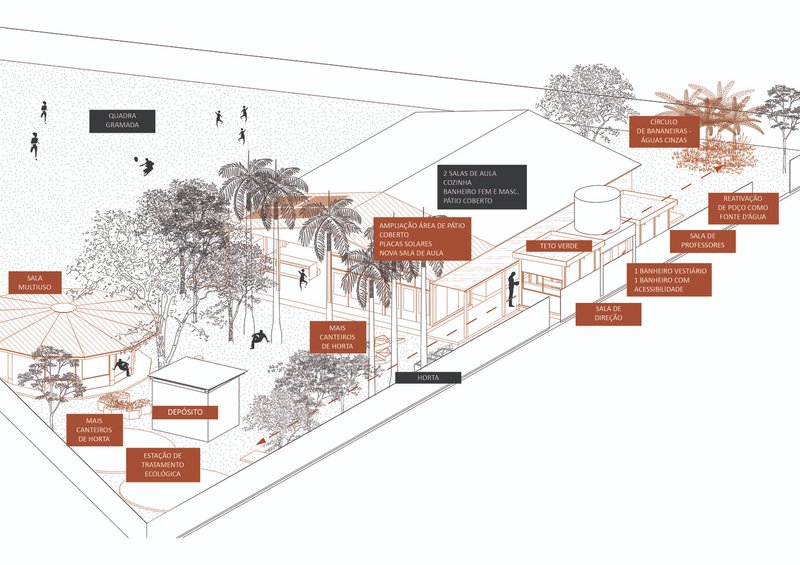
A strong emphasis was placed on using local and sustainable construction materials, with particular attention to building techniques that reduce environmental footprint. A new first-grade classroom and a covered patio area now enhance comfort during harsh weather. The building incorporates wood frame walls filled with dry straw from nearby farms, while leftover wood from the construction process has been repurposed as custom-made furniture.
Rammed Earth and the Geometry of Learning
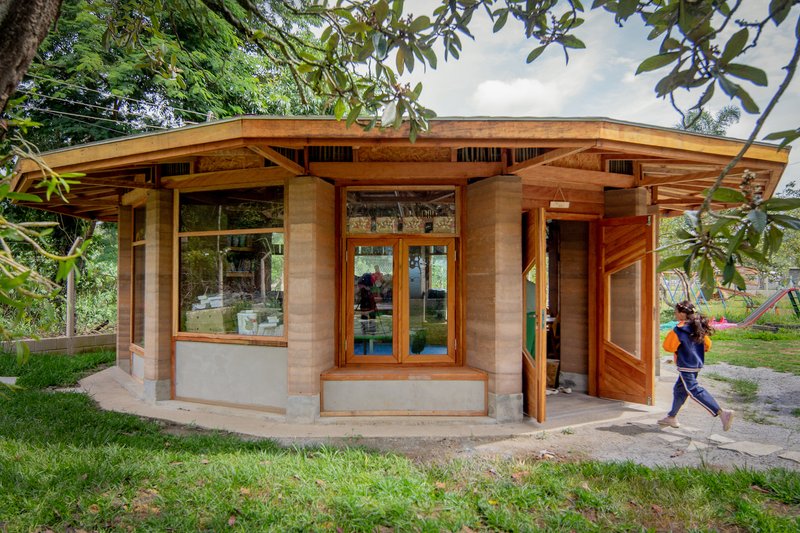
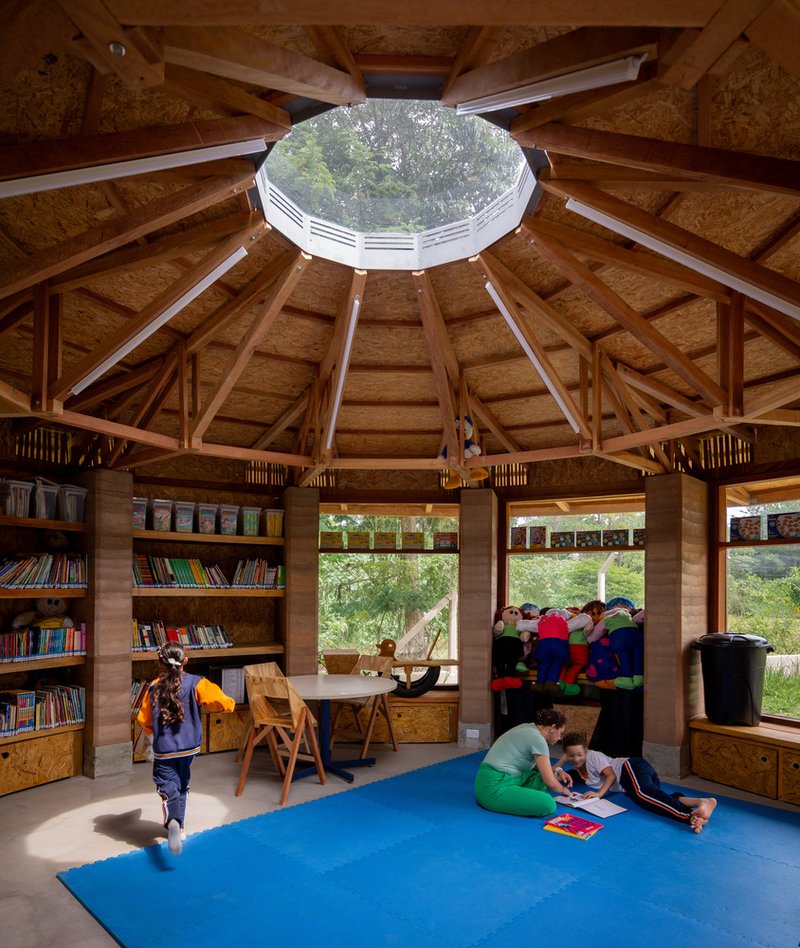
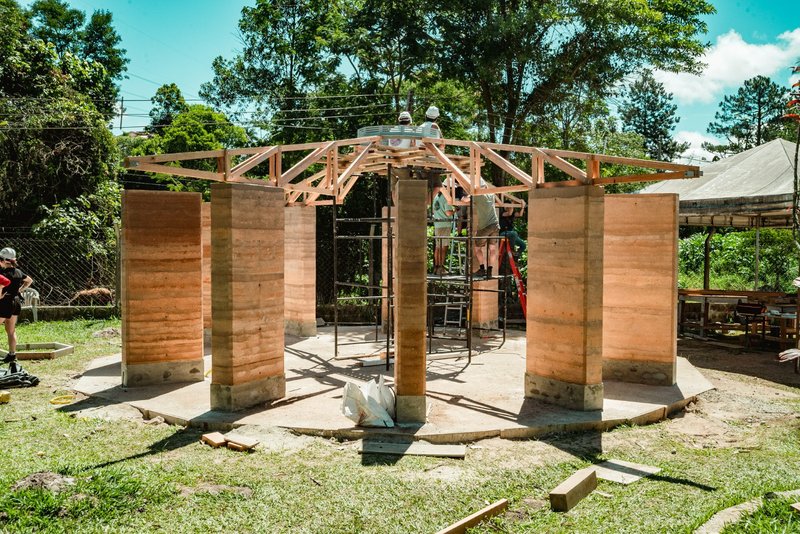
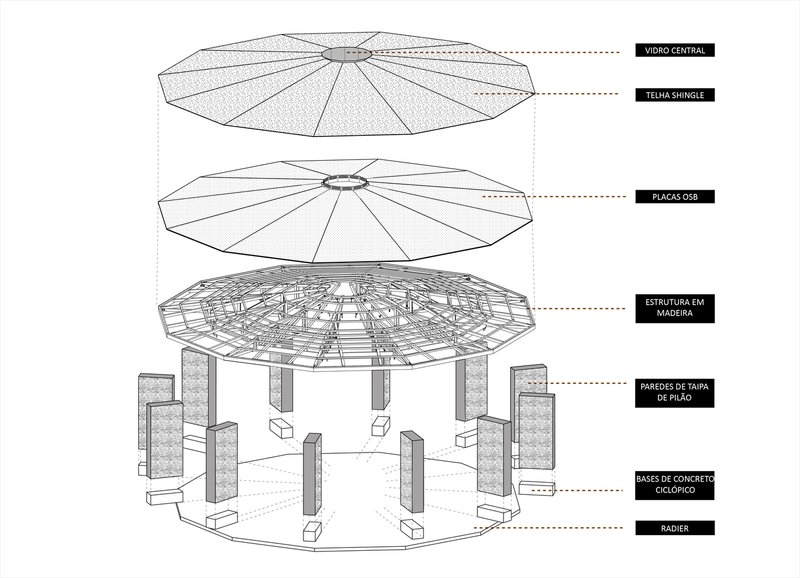
One of the school’s most distinctive features is a dodecahedral multipurpose room, a space that houses music, dance, computer, and reading activities. Each facet of this twelve-sided structure consists of rammed earth structural walls, supporting a delicate wooden truss roof that converges at a central skylight. The room’s playful yet robust geometry encourages creativity while remaining rooted in sustainable construction practices.
Low-Tech Solutions for High-Impact Sustainability
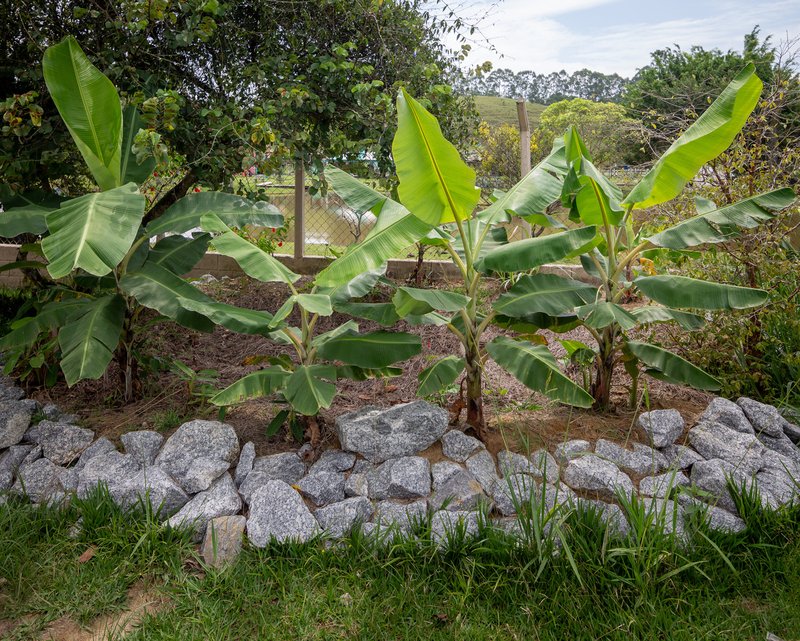
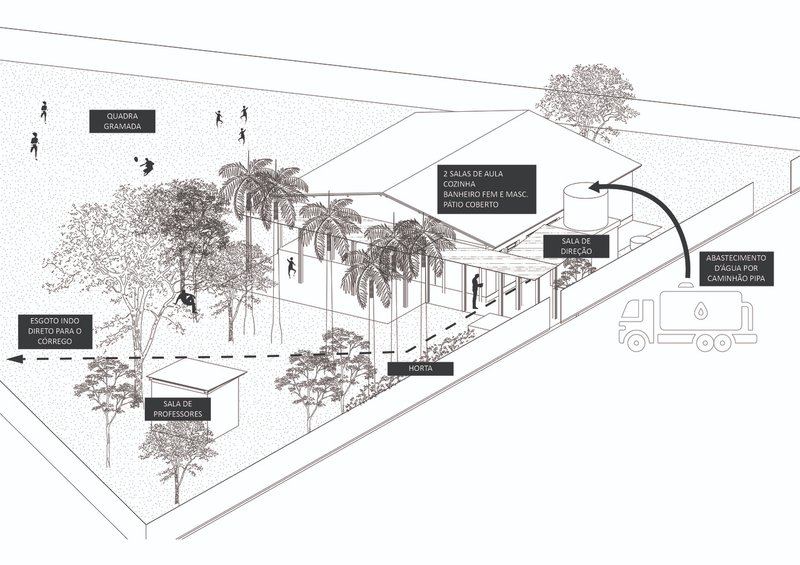
The school’s sanitation infrastructure was overhauled, redirecting gray water to a circle of banana trees and black water to an on-site ecological treatment station. Rainwater is managed through green roofs, while natural ventilation and passive lighting reduce energy consumption. These environmentally responsible strategies elevate the school’s functionality while teaching ecological values through built form.
Architecture That Extends Learning
More than a building, the school now functions as an educational tool. From observing the structure of the trusses to participating in furniture-making from reclaimed wood, students engage with sustainability as a lived experience. The participatory approach didn’t stop at the design phase—it extended through construction, empowering community members and professionals alike to contribute and learn.
A Model for Future Educational Projects
This community-driven architecture project stands as a replicable model across Latin America and beyond. It demonstrates how architecture can be inclusive, educational, and sustainable without the need for high budgets or imported materials. It’s a structure born from the place, shaped by its people, and designed to nurture generations to come.
All photographs are works of Paula Monroy, Emilio Echevarría



Popular Articles
Popular articles from the community


The Ken Roberts Memorial Delineation Competition (Krob)
As the most senior architectural drawing competition currently in operation anywhere in the world, it draws hundreds of entries each year, awarding the very best submissions in a series of medium-based categories.

Free Architecture Competitions You Can Enter Right Now
No entry fees, real prizes. Here are the best free architecture competitions open for submissions in 2026.


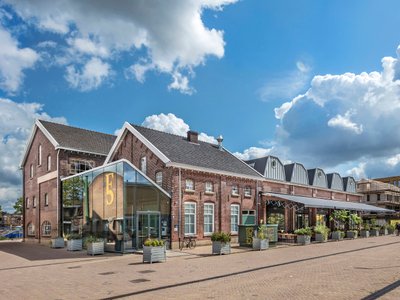
Fifth NRE Jazz Club – De Bever Architecten: Eindhoven’s Revitalized Cultural Hub
Historic gas factory transformed into Fifth NRE Jazz Club blending modern sustainability, jazz culture, dining, and heritage architecture seamlessly.


Similar Reads
You might also enjoy these articles
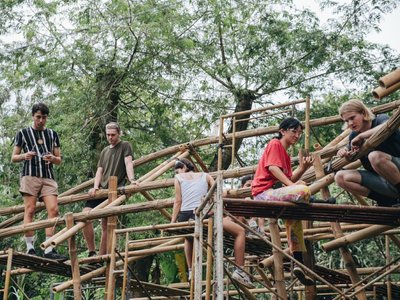
Bamboo Housing Challenge 2026: Design Affordable, Sustainable Homes Using Bamboo
An international design competition by Bamboo U and IBUKU inviting architects and designers to reimagine affordable housing using bamboo — with the winning design built full-scale in Bali.

Computational Design & Education: Beegraphy Design Awards Introduces 7th Category (Featuring Jiyun's Innovative Approach)
Dive into Beegraphy’s 7th Design Awards category, where computational design meets education to create immersive, interactive learning tools, inspired by Jiyun’s work.
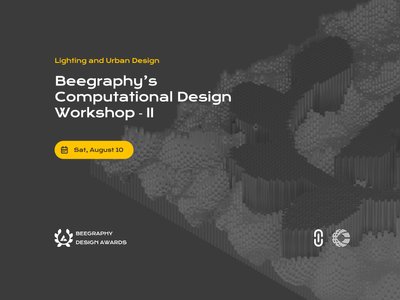
From Parametric Lighting to Urban Furniture: Join the 2nd Workshop in Beegraphy’s Computational Design Series
Dive into Cutting-Edge Design Techniques and Practical Applications with Industry Experts


Explore Architecture Competitions
Discover active competitions in this discipline




The International Standard for Design Portfolios


The Global Benchmark for Architecture Dissertation Awards


The Global Benchmark for Graduation Excellence


Challenge to reimagine the Iron Throne
Comments (0)
Please login or sign up to add comments
No comments yet. Be the first to comment!