
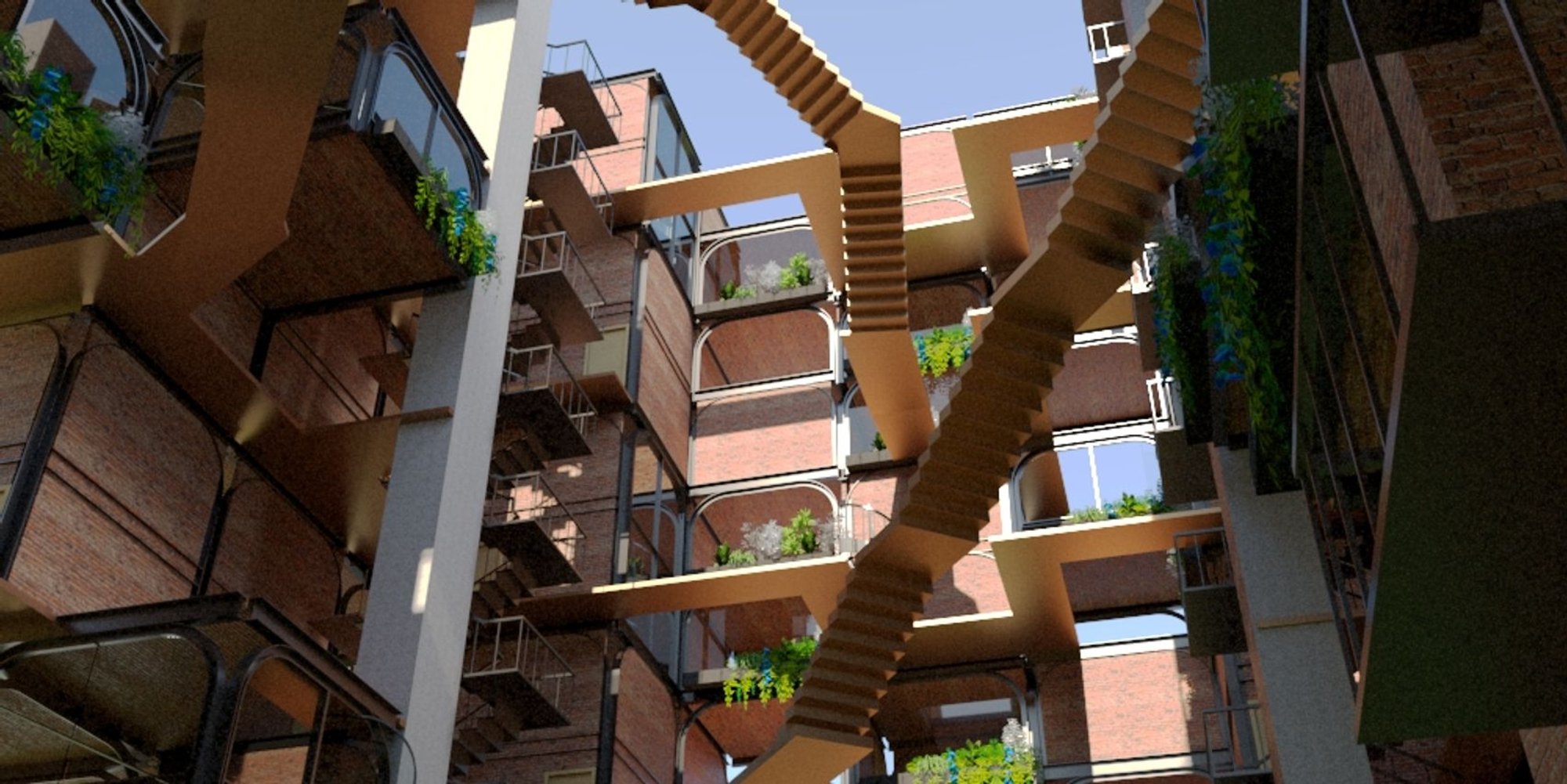
A Vision for Modular Architecture in Urban Housing
Modular architecture meets social renewal—flexible housing that adapts to users, sites, and evolving urban needs in Bogotá.

Project by Andres Hernandez and Andrea Ramos | Shortlisted entry of Plugin Housing Challenge 2020
In the heart of Bogotá, Colombia, where urban density collides with a decaying past, a bold architectural concept emerges. Titled PLUGIN HOUSING - ARCH FOREST, this project by Andres Hernandez and Andrea Ramos addresses the challenges of adaptable housing through the lens of modular architecture. It reimagines how living spaces can be designed, arranged, and reconfigured to meet the ever-changing needs of city dwellers while revitalizing a neglected urban corridor.
Once recognized as a vibrant business hub, the selected sector of Bogotá suffered years of urban degradation and became one of the city's most unsafe zones. The Aqueous is positioned not only as a residential intervention but as a socio-cultural revival effort. Its framework respects existing urban textures while proposing a modular solution that can be adapted to other cities facing similar challenges.
Fractal Framework Meets Flexibility
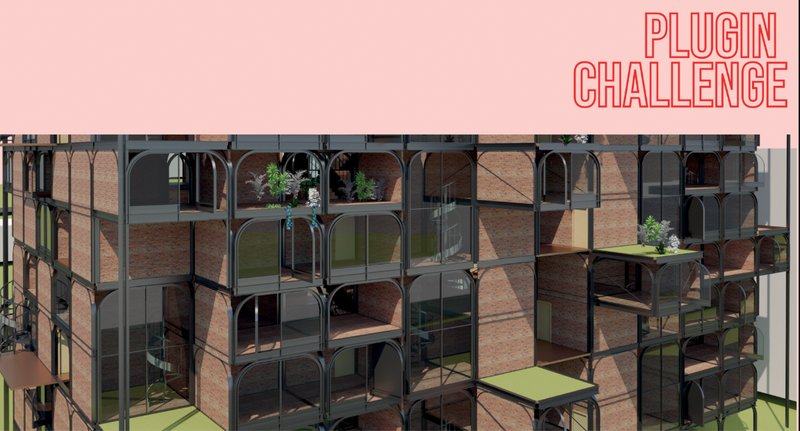
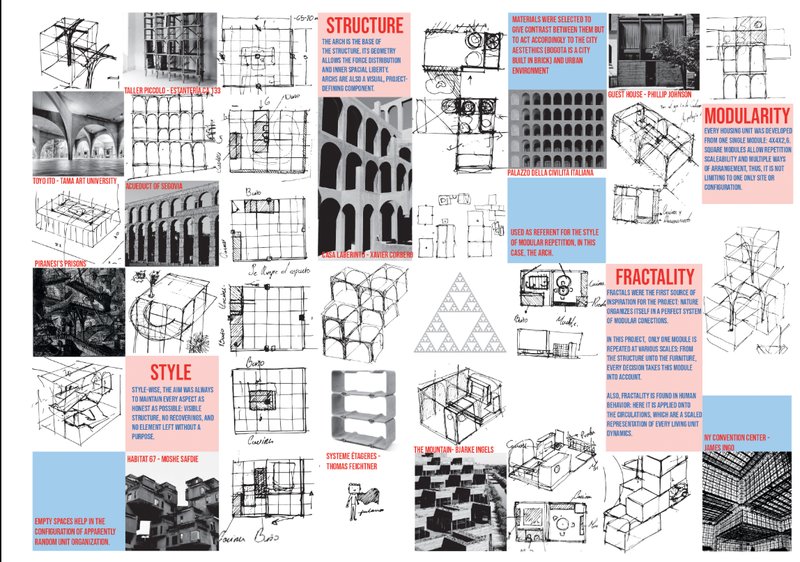
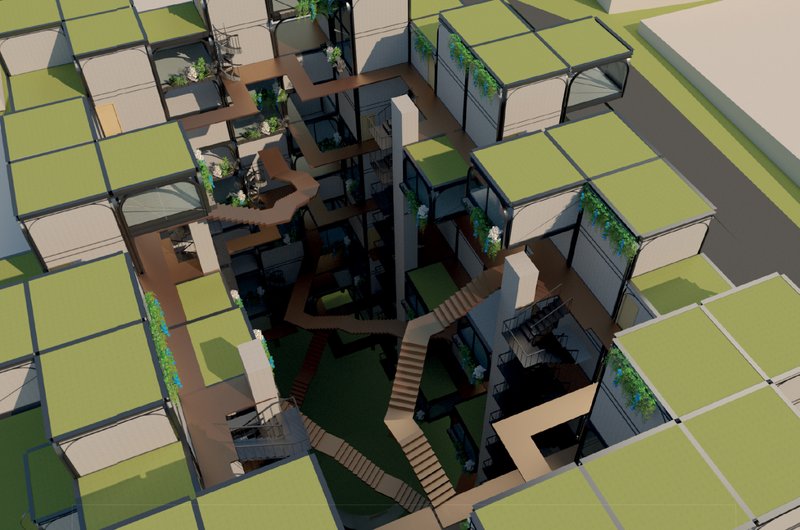
At its core, the project embraces a fractal-oriented structural logic, where the main supporting skeleton exists independently of the living units it hosts. This separation enables maximum freedom and liberty in how internal spaces are arranged. The modular design allows for components to be plugged in, removed, or reconfigured depending on the user’s needs, available area, and desired lifestyle.
The system is scalable and replicable. Whether implemented in dense urban zones or evolving cityscapes, the structure can be mirrored or modified to suit the demands of diverse contexts. The open framework is supported by arch-like modular elements, creating a rhythmic and flexible grid that ensures both visual coherence and architectural fluidity.
Reimagining Urban Interiors
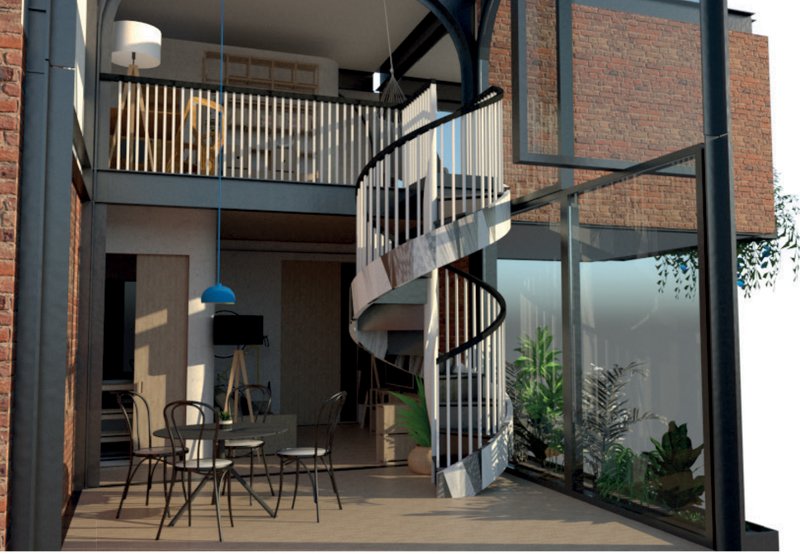
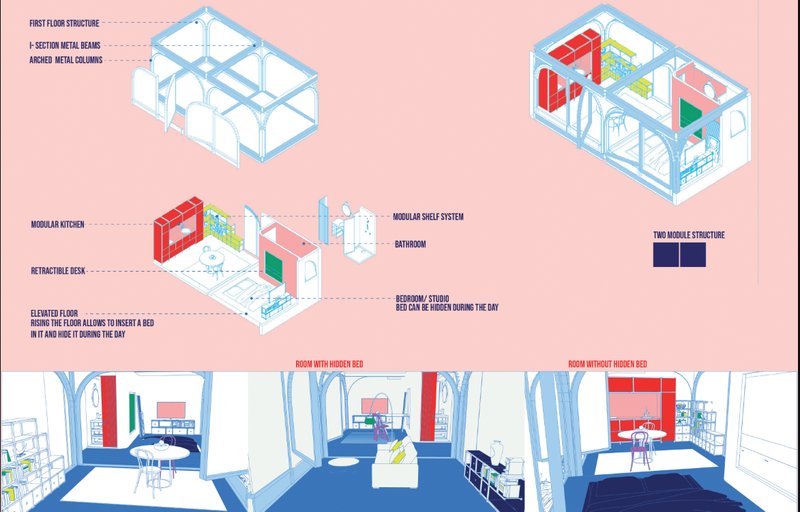
Inside, The Aqueous promotes efficiency and livability. The design integrates spiral staircases, open-plan interiors, and large glass panels to invite daylight deep into the compact units. Circulation is central to the design, with interior pathways and staircases promoting interaction, openness, and connection.
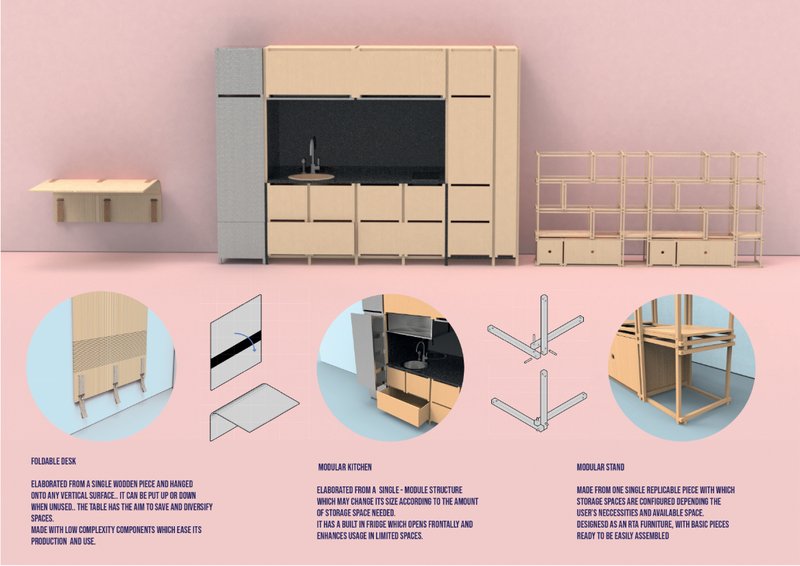
Each unit follows a modular approach that can transform over time. For example, the inclusion of customizable components like a foldable desk, modular kitchen, and adaptive storage systems reflects the emphasis on furniture-integrated housing development. Every piece is constructed to be user-friendly, space-efficient, and easily replicated for mass production.
A Prototype for Contemporary Cities
Beyond form, The Aqueous is a social vision. It bridges the gap between outdated infrastructure and contemporary living. The project carefully responds to the fabric of the surrounding site without denying the complexity of existing urban conditions. As a modular system, it reclaims neglected spaces with minimal disruption and high adaptability.
By proposing a replicable, scalable, and responsive modular architecture prototype, Hernandez and Ramos present a solution that transcends Bogotá. The model can easily extend to similar metropolitan challenges worldwide, offering an innovative path forward for flexible, sustainable urban housing.



Popular Articles
Popular articles from the community

Atelier Macri Concept Store Interior Design by CASE-REAL
Atelier Macri store features a "ko" counter, walnut wood details, cork displays, blending retail, gallery, and seamless customer experiences.


The Ken Roberts Memorial Delineation Competition (Krob)
As the most senior architectural drawing competition currently in operation anywhere in the world, it draws hundreds of entries each year, awarding the very best submissions in a series of medium-based categories.
Fifth NRE Jazz Club – De Bever Architecten: Eindhoven’s Revitalized Cultural Hub
Historic gas factory transformed into Fifth NRE Jazz Club blending modern sustainability, jazz culture, dining, and heritage architecture seamlessly.
Alton Cliff House: A Harmonious Retreat by f2a Architecture in Lake Country, Canada
Alton Cliff House blends corten steel, prefabrication, and sustainable design, creating a luxurious, energy-efficient retreat perched on Canadian cliffs.


Similar Reads
You might also enjoy these articles
The Ken Roberts Memorial Delineation Competition (Krob)
As the most senior architectural drawing competition currently in operation anywhere in the world, it draws hundreds of entries each year, awarding the very best submissions in a series of medium-based categories.


Waterfront Redevelopment and Urban Revitalization in Mumbai: Forging a New Dawn for Darukhana
A transformative waterfront redevelopment project reimagining Darukhana’s shipbreaking heritage into an inclusive urban future.

OUT-OF-MAP: A Call for Postcards on Feminist Narratives of Public Space
Rhizoma Design and Research Lab invites artists, designers, architects, researchers, and students to reflect on how feminist perspectives can reshape public space. Selected works will be exhibited in Barcelona, October 2026. Submissions open until 15 April 2026.


Documentation Work on Buddhist Wooden Temple
Architectural syncretism and cultural hybridity: A comparative study of the Buddhist temples in Chattogram Hill tracks


Explore Furniture Design Competitions
Discover active competitions in this discipline




The Global Benchmark for Architecture Dissertation Awards

Challenge to merge furniture with learning

Competition to design a workstation for architects
Comments (0)
Please login or sign up to add comments
No comments yet. Be the first to comment!