

Mohini Mill Revitalized: Adaptive Reuse Across 19.79 Acres of Industrial Heritage
A phased urban strategy transforms Bangladesh's largest abandoned textile mill into a cultural hub of six thematic zones and circular urbanism.


A 19.79-acre textile mill that once powered Bengal's economy has been silent since 1982. Established in 1908 in Kushtia, Bangladesh, Mohini Mill was the largest textile producer in India before partition, and its closure left behind a vast industrial skeleton: brick walls, steel trusses, spinning halls, all slowly surrendering to neglect. What does it take to reverse that trajectory? According to this proposal, it takes six thematic zones, structural retrofitting in steel and brick, and a design philosophy rooted in circular urbanism.
Designed by Rezwan Ahmed, Abandoned to Avant-Garde: Mohini Mill Revitalized proposes a phased urban regeneration that weaves together low-cost housing, cultural programming, mixed-use development, and community-driven enterprise. Drawing explicit inspiration from the Bauhaus movement of 1919 to 1933, the project merges art, craft, and technology into a single adaptive reuse framework. The ambition is clear: position this forgotten site as a prototype for sustainable urban regeneration across South Asia.
A Public Plaza Where Heritage Meets Ground
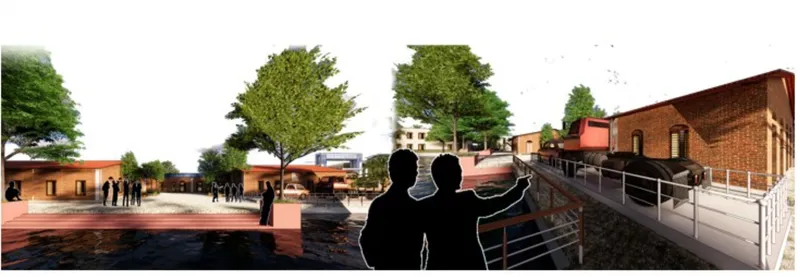
The Entrance Forecourt is the project's connective tissue. Framed by restored brick buildings and new tree planting, it functions as a threshold between the mill's industrial past and its reactivated public life. The rendering reveals a generous pedestrian plaza scaled to encourage gathering, recreation, and creative events. There are no cars here, just figures moving through a space designed to foster community ownership. It is a calculated inversion: where goods once shipped out, people now flow in.
Exposed Trusses and the Spinning Mill Reborn
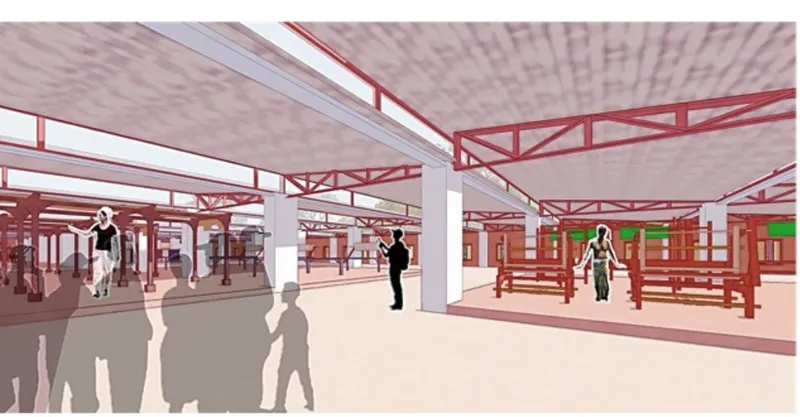
The interior of the Spinning and Mixing Mill reveals the project's structural logic at its most legible. Red-painted steel trusses span an open hall lined with white columns, creating a generous volume that reads simultaneously as industrial artifact and contemporary exhibition space. Artisans are intended to demonstrate traditional textile techniques here, linking craft heritage directly to modern learning environments. The transparency of the space is deliberate: visitors see production, process, and history at once.
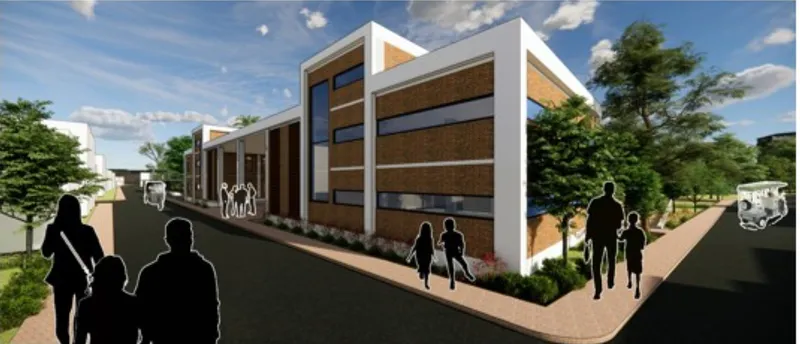
Along the exterior, the long building with horizontal striped facade panels signals a different register. This is the project's contemporary face, where new cladding systems sit alongside the restored brick of original structures. The horizontality of the facade echoes the mill's industrial proportions while introducing modular, flexible elements designed to accommodate future programmatic shifts. It is adaptive reuse that plans for its own evolution.
Tree-Lined Approaches and the Human Scale
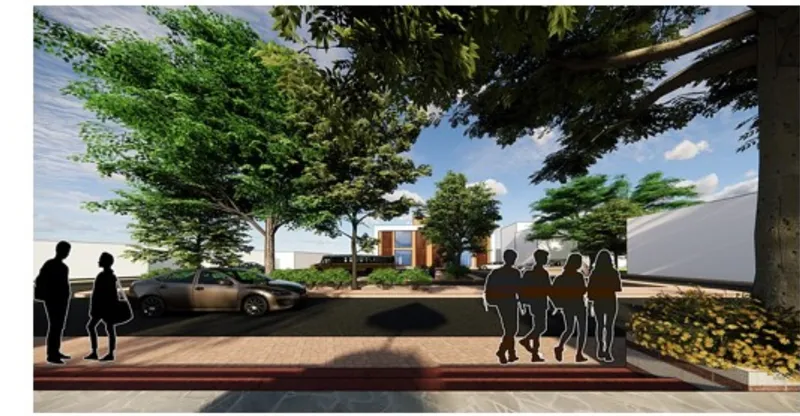
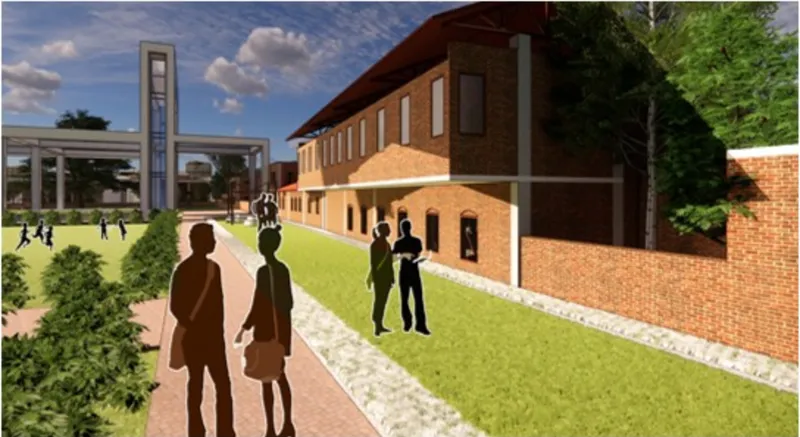
The site's street-level approaches do critical work in humanizing the mill's industrial scale. A tree-lined approach with parking and pedestrian paths eases the transition from city to campus, while a two-story brick building with arched windows establishes a quieter architectural vocabulary for the residential and educational zones. These are not grand gestures; they are calibrated insertions that make a 19.79-acre industrial site feel navigable and livable.
Biophilic design principles appear throughout, from the integration of natural ventilation systems to generous planting along walkways. The six thematic zones, which range from low-cost housing to cultural and mixed-use areas, are linked by policies promoting inclusive growth, creative industry development, and sustainable infrastructure. The phased strategy ensures that each zone can develop incrementally without compromising the site's overall coherence.
Arched Openings and Material Continuity
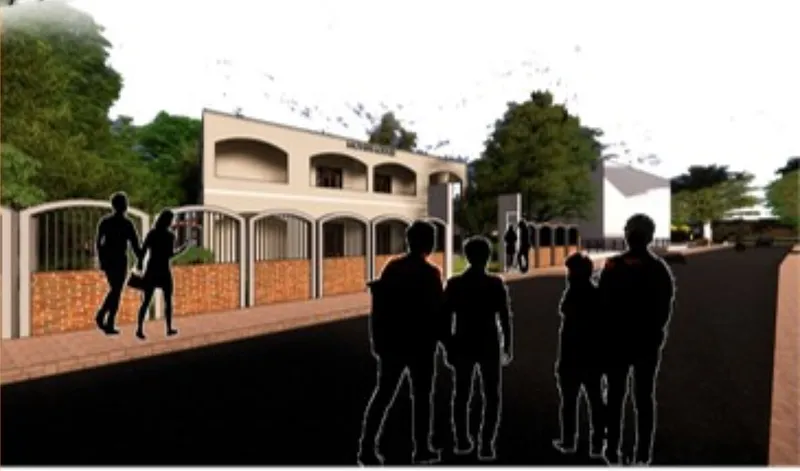
A cream-colored building with arched openings anchors one corner of the site, its form echoing the mill's original architectural language while introducing a lighter material palette. The arches are not decorative quotation marks; they are structural references that maintain visual continuity across the campus. Reclaimed materials are used for structure and facade restoration, while solar panels and natural ventilation reduce operational energy demands. The goal is to cut embodied carbon by reusing existing structures wherever possible, treating the mill's bones as a resource rather than a liability.
Why This Project Matters
South Asia is dense with abandoned industrial sites that carry deep regional significance but attract little investment. Mohini Mill is one of them: a place where economic identity, craft tradition, and colonial-era infrastructure converge in a single compound. Rezwan Ahmed's proposal treats that convergence not as a complication but as a design asset, layering housing, culture, education, and enterprise onto a site that already possesses the spatial infrastructure to support them.
What distinguishes the project is its insistence on phased, policy-supported development rather than a single architectural gesture. The six thematic zones, the community-driven programming for art and skill development, the modular design strategies: these are the tools of circular urbanism applied to a real site with real constraints. If adaptive reuse in the region is to move beyond isolated preservation projects, it will need frameworks like this one, where heritage is not frozen in place but activated as a living laboratory.
View the Full Project
About the Designers
Designer: Rezwan Ahmed’s
Enter a Design Competition on uni.xyz
uni.xyz runs architecture and design competitions year-round that reward proposals with spatial conviction and real site intelligence.
Project credits: Abandoned to Avant-Garde: Mohini Mill Revitalized by Rezwan Ahmed’s.


Popular Articles
Popular articles from the community

Manzana Morphosis: Stretching Barcelona's Grid into a Living Landscape for 2050
A radical reworking of the Eixample manzana turns density into a tool for generous public space, vertical ecology, and environmental performance.
Opera by the Sea Estonia: Three Shells Dissolving Architecture into Tallinn's Coastline
A winning opera house proposal replaces monumental form with interconnected shells that blur the boundary between building, park and Baltic Sea.

Opera on the Sea: Driftwood Logic Shapes a Timber Opera House on Estonia's Coast
Trevor Orgill's opera house translates the entangled drift of floating timber into a civic building where wood, water, and music converge.
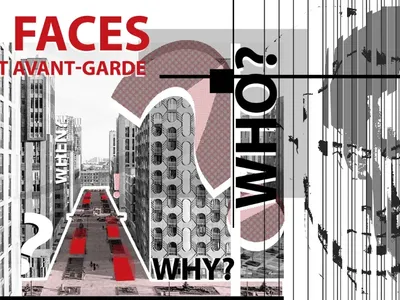
Faces of the Soviet Avant-Garde: Turning Moscow's Street Names into an Open-Air Museum
A network of sculptural installations across a Moscow residential district transforms forgotten architect names into spatial encounters with cultural memor

Similar Reads
You might also enjoy these articles

The Amber Palace Opera: A Geological Fiction Surfaces on Tallinn's Baltic Waterfront
Pierre Brillard reimagines a Baltic legend as a public landscape, opera house, and waterfront promenade rooted in Tallinn's coastal identity.
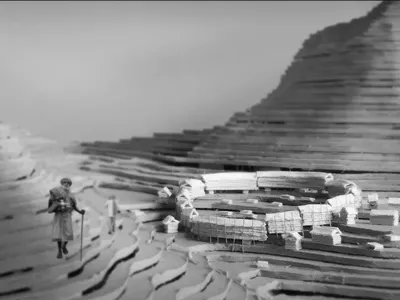
Dynamic Modules Shelter: A Telescopic Ring for Mountain Pilgrimage
A circular modular framework of steel, bamboo, and fabric grows vertically with demand, wrapping communal ground in adaptable shelter.

Singing Woman: Contemporary Architecture Inspired by Estonia’s Voice and the Sea
Singing Woman turns Estonia’s song culture into flowing opera house architecture, blending public life, landscape, sea, and national memory.
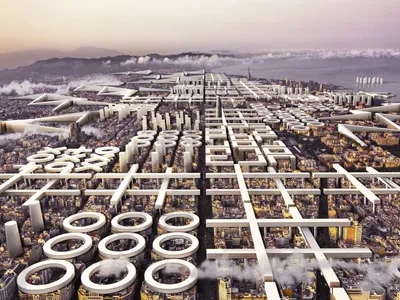
HYPERBLOCK: Flexible Urban Design for Barcelona’s Future City
HYPERBLOCK reimagines Barcelona as flexible urban design, layering density, daylight, public space and adaptable housing above Cerdà’s grid.


Comments (0)
Please login or sign up to add comments
No comments yet. Be the first to comment!