

Adaptive Reuse Architecture: Die Macherei Building Ensemble by Sauerbruch Hutton
A transformative adaptive reuse project blending Berlin’s industrial past with sustainable, flexible office and public spaces for the future.


Reimagining Berlin’s Urban Fabric Through Adaptive Reuse Architecture
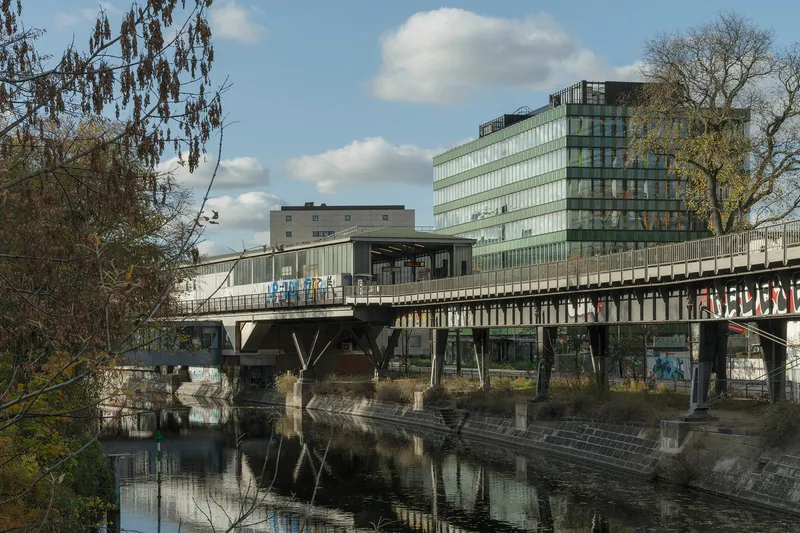
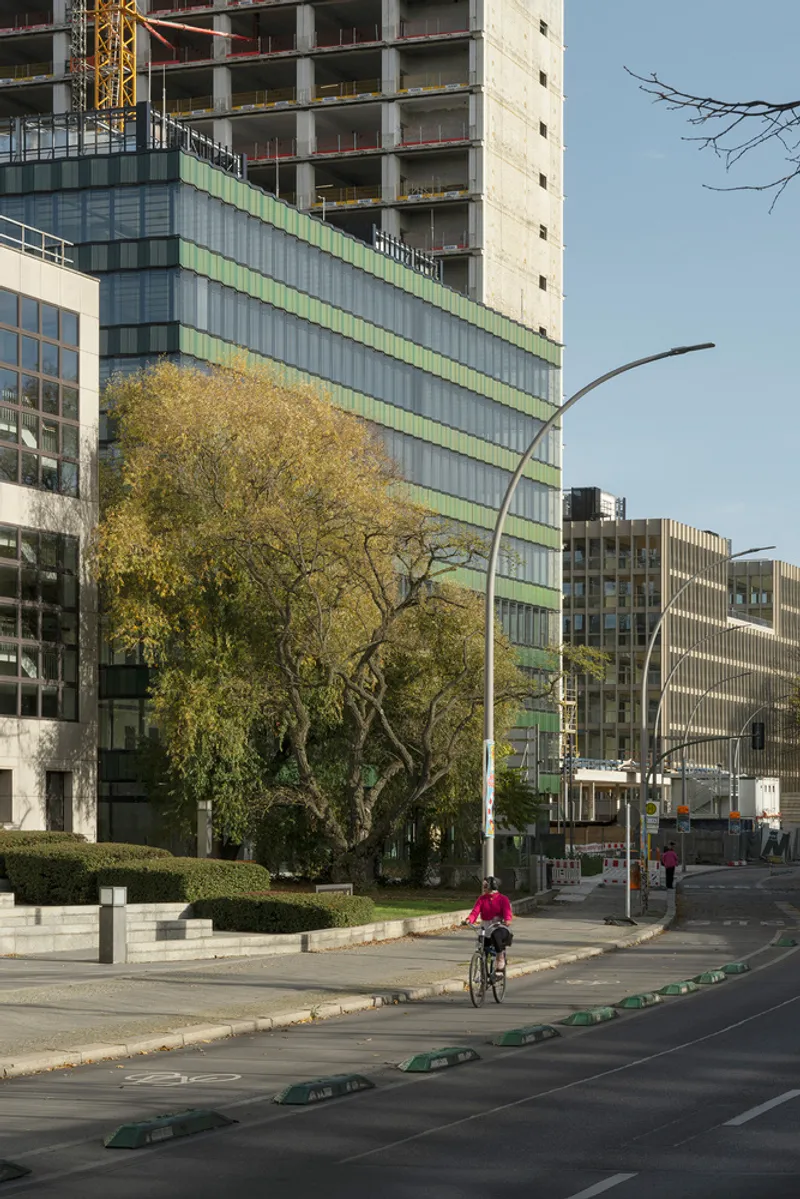
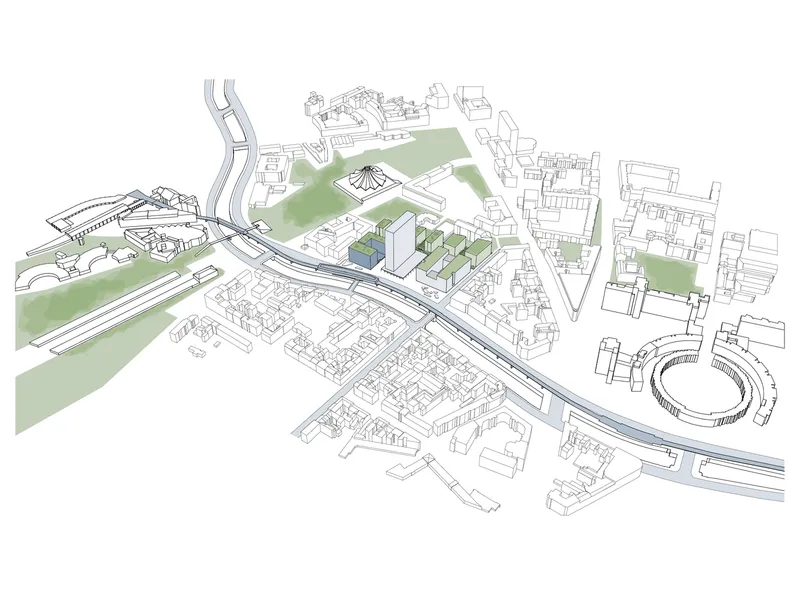
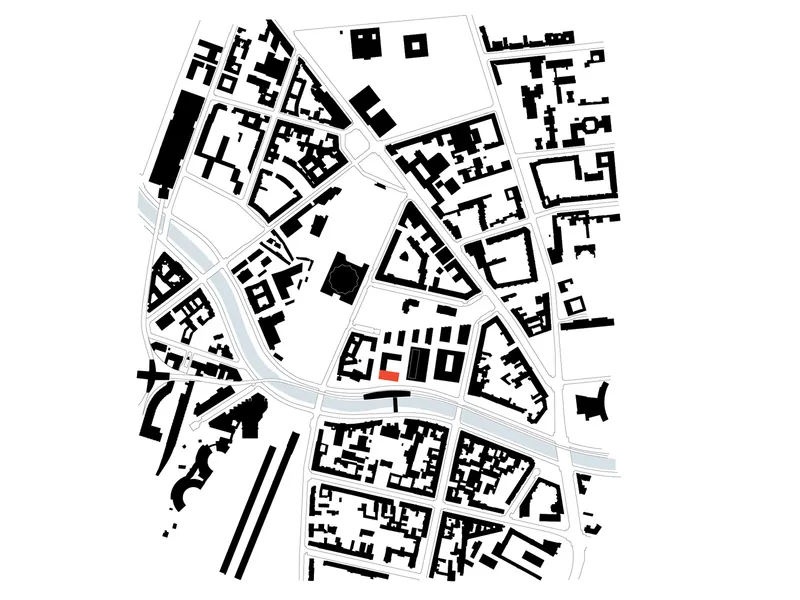
The Die Macherei Building Ensemble by Sauerbruch Hutton is a striking example of adaptive reuse architecture, seamlessly blending Berlin’s historic past with contemporary urban needs. Located at the site of the former Postscheckamt in Berlin Kreuzberg, this project reintegrates a 1970s high-rise into the city’s evolving landscape, connecting the classic Wilhelminian-style quarters with the expressive urban fabric shaped by post-war modernism.
Transforming a Commercial Site into a Mixed-Use Landmark
On a site once dominated by commercial activities, the new master plan unfolds as a diverse spatial weave, merging typologies and activating high-quality public spaces. The project bridges the tranquil residential zone adjacent to the park with the lively neighborhood along the canal, creating an environment that celebrates the vibrancy of Kreuzberg.

Design Approach Centered on Adaptability and Sustainability
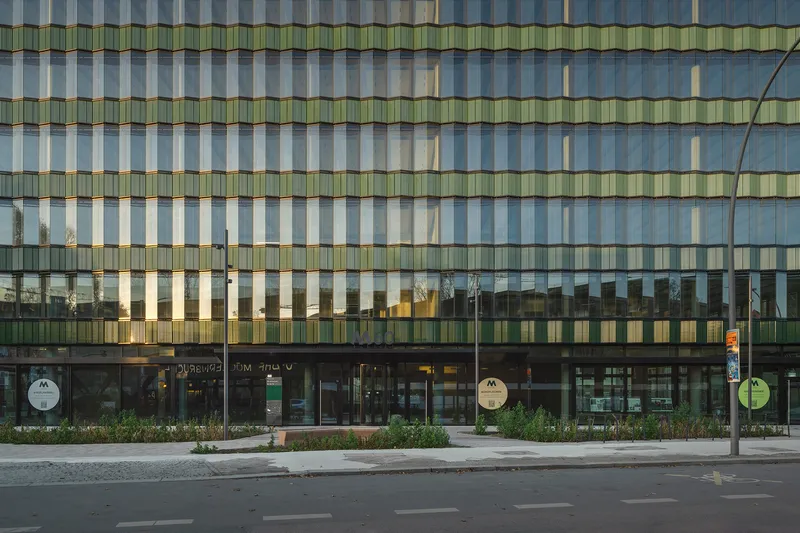
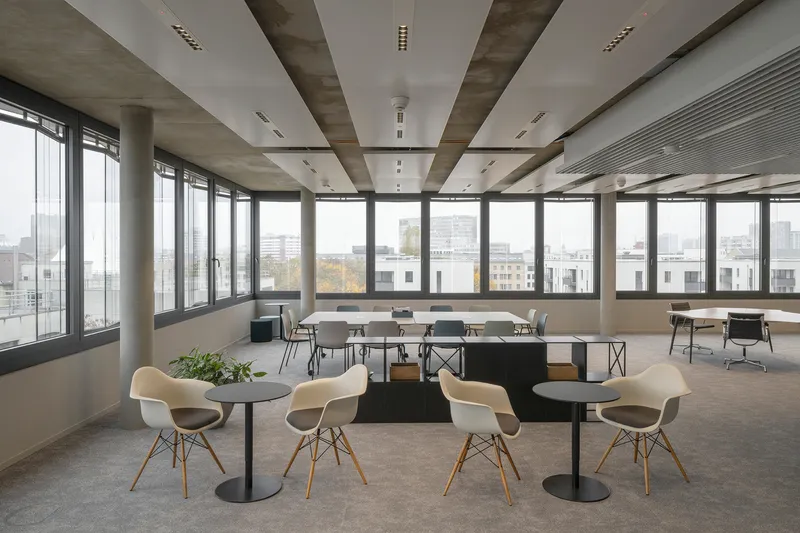
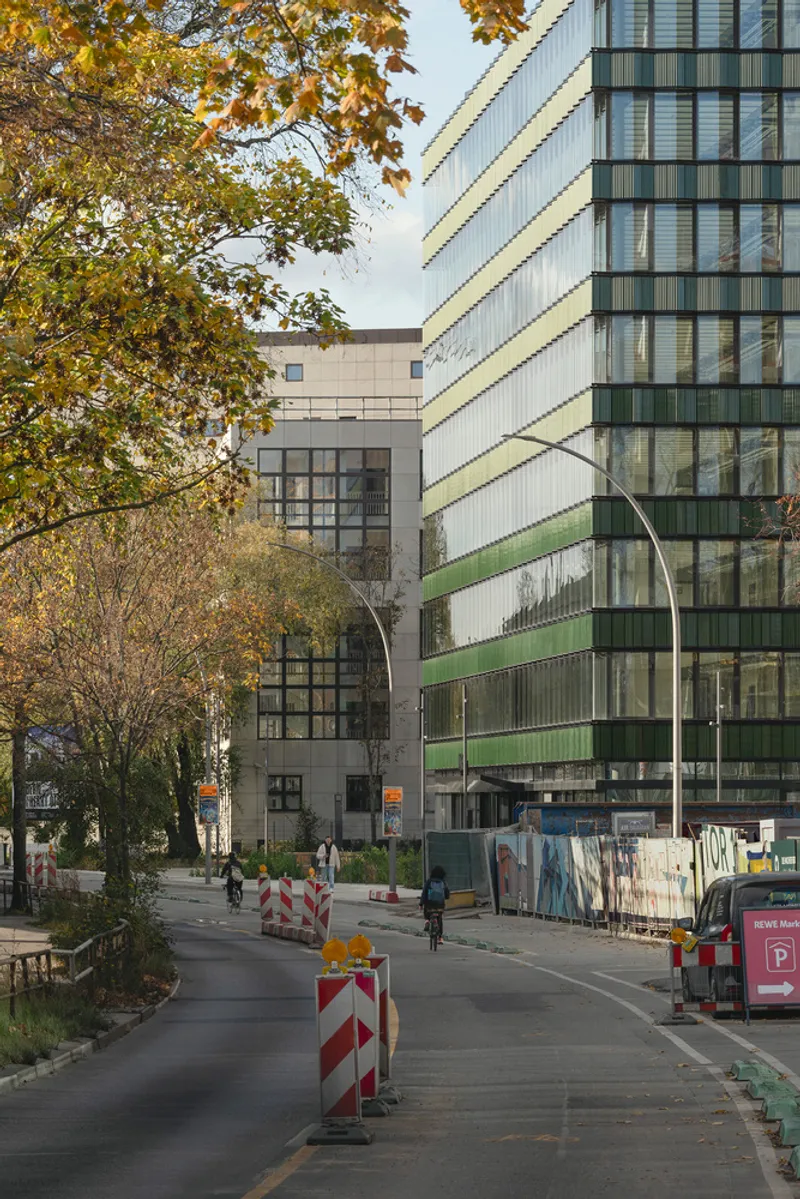
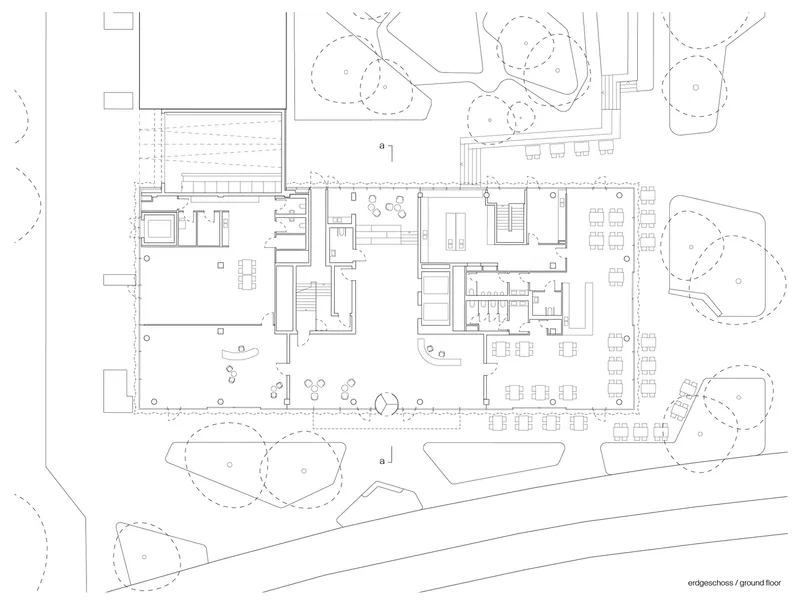
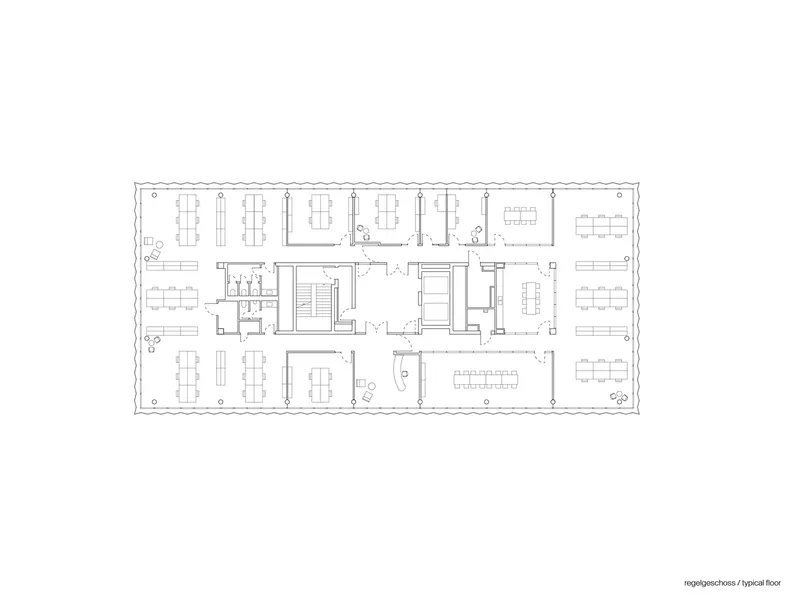
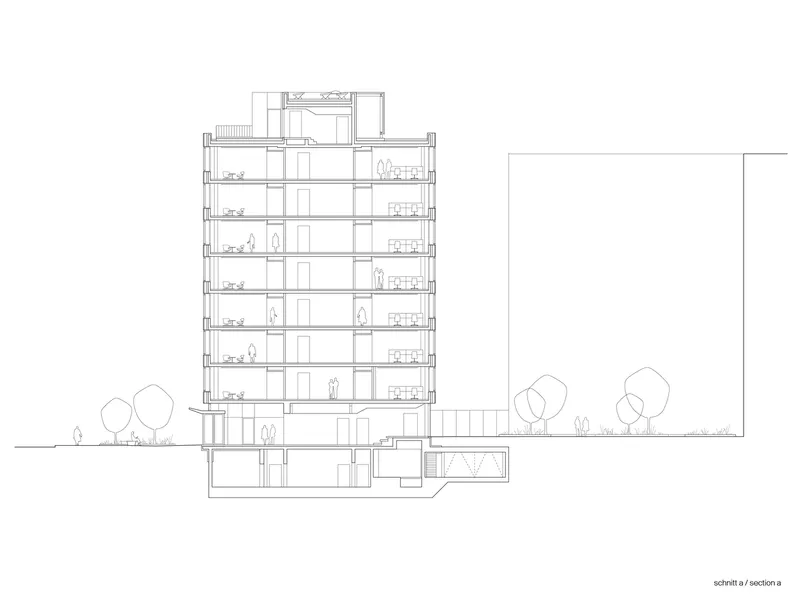
A pivotal component of the ensemble is an eight-story office building positioned along Hallesches Ufer. Together with a neighboring housing development, the building forms a shared courtyard that becomes the heart of the project. The ground floor, designed to host restaurants and retail spaces, offers transparency on all sides, visually linking the street with the landscaped interior. The flexible office spaces, organized around a compact central core and optimized structural grid, allow for adaptable layouts that support both single and multi-tenant configurations.

Materiality Inspired by Industrial Heritage
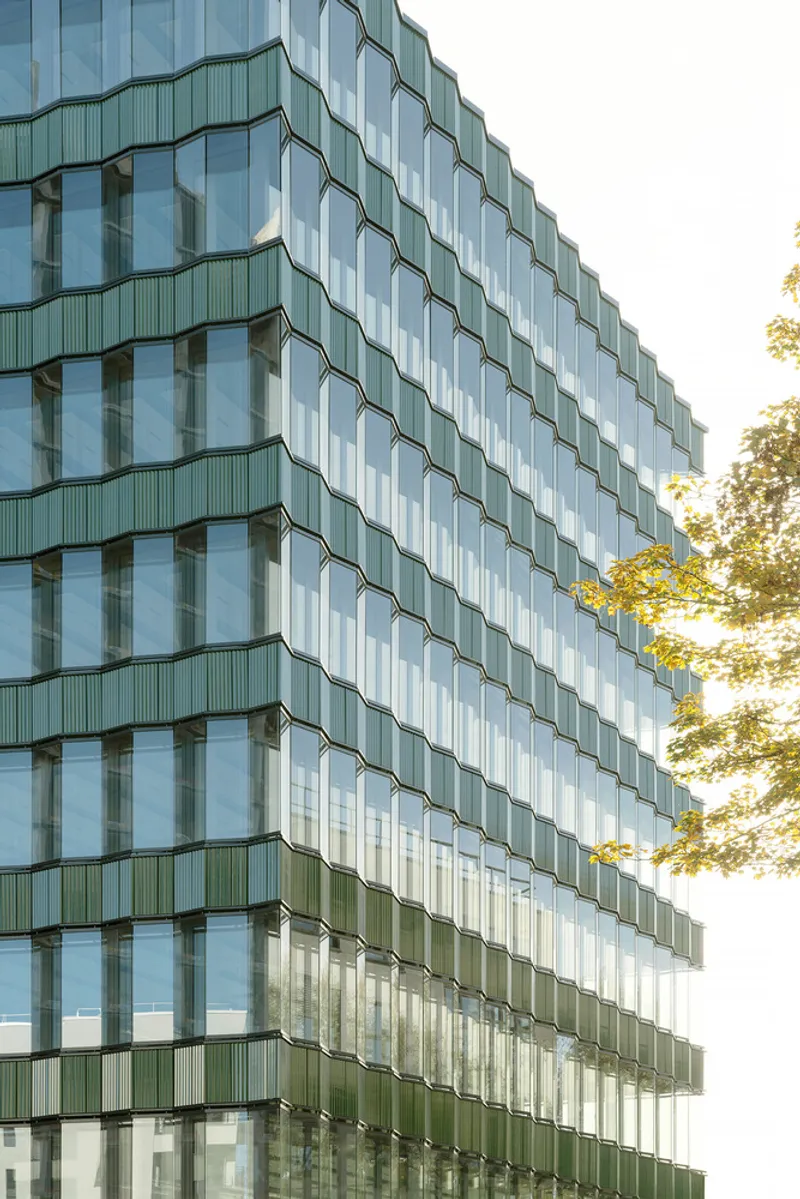
The architecture draws heavily on the industrial character of Kreuzberg, employing contoured ceramic cladding in green tones for the ribbon façade. This robust material contrasts elegantly with the delicate window bands, while subtle folds in the parapet and window panes introduce a dynamic rhythm that softens the building’s strict horizontality. As light and reflection shift throughout the day, the interplay between glass and ceramic animates the façade, ensuring a constantly evolving appearance.
Interior and Exterior in Harmonious Dialogue
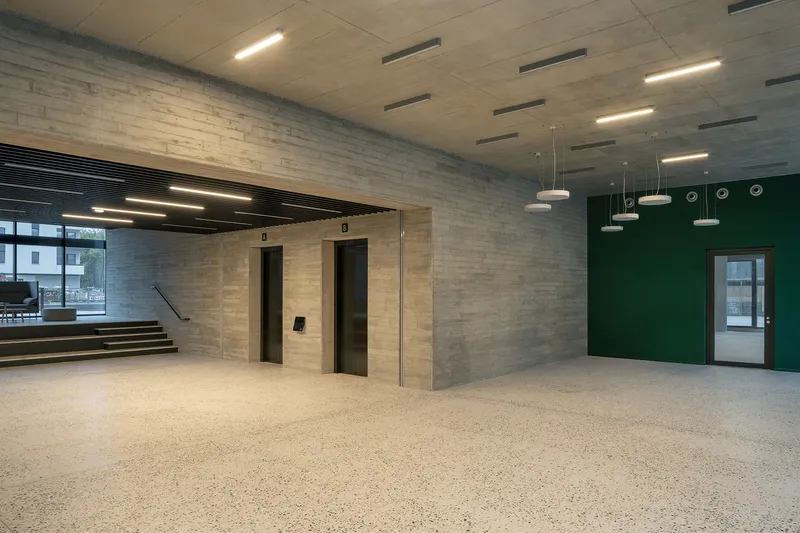
Inside, the building continues the dialogue between rough and refined materials, offering spaces defined by simple elegance and lightness. The harmonious integration of robust and delicate elements not only enhances the building’s visual identity but also strengthens its role as a contemporary landmark shaped by adaptive reuse architecture.
A Model for Future Urban Redevelopment
The Die Macherei Building Ensemble exemplifies how adaptive reuse architecture can revitalize underutilized urban sites, fostering connections between past and present while providing flexible, sustainable spaces for future generations. By transforming a former industrial site into a vibrant mixed-use development, Sauerbruch Hutton sets a new standard for architectural innovation in Berlin.
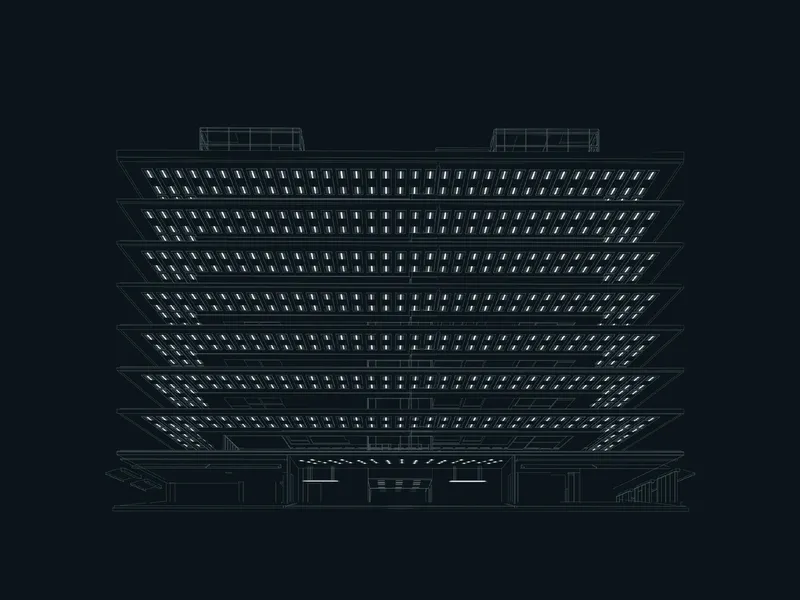
All the photographs are works of Jan Bitter


Popular Articles
Popular articles from the community

Temporary Home for Dogs: A Reversed Zoo Rethinks Animal Shelter Architecture
In Bucharest, a sinuous corridor and freed landscape flip the logic of containment, designing a shelter that works to make itself unnecessary.
Faces of the Soviet Avant-Garde: Turning Moscow's Street Names into an Open-Air Museum
A network of sculptural installations across a Moscow residential district transforms forgotten architect names into spatial encounters with cultural memor

Opera by the Sea Estonia: Three Shells Dissolving Architecture into Tallinn's Coastline
A winning opera house proposal replaces monumental form with interconnected shells that blur the boundary between building, park and Baltic Sea.

The Amber Palace Opera: A Geological Fiction Surfaces on Tallinn's Baltic Waterfront
Pierre Brillard reimagines a Baltic legend as a public landscape, opera house, and waterfront promenade rooted in Tallinn's coastal identity.

Similar Reads
You might also enjoy these articles


Hodi-Mandai Geram
Project Function: Preservation and revitalization of the Intangible heritage and socio-spatial identity of the Hodi by Housing, Cultural Memory Center, Sacred Grove, landscape, local tourism economy


Olio Towers: A Mid-Rise for Performers That Fuses Housing, Rehearsal, and Stage
Located blocks from Houston's Theater District, this modular tower stacks living units around a central performance atrium.

Oasis: Modular Green Housing Carved into Dhaka's Urban Fabric
A shortlisted Plugin Housing entry reclaims unauthorized settlements in Dhaka with stepped concrete volumes, green roofs, and ventilation-driven design.

Black Hole: A Floating Megastructure for the Post-Physical Era
Emiliano Mazzarotto envisions a spherical, self-scaling arena where e-sports, digital hotels, and holographic stadiums replace traditional public space.

Explore Adaptive Reuse Competitions
Discover active competitions in this discipline

Challenge to reimagine the Iron Throne

Photograph architecture without architects

Illustrate the lost glory of Angkor Wat - Render Challenge

Design challenge to reuse E-waste
Comments (0)
Please login or sign up to add comments
No comments yet. Be the first to comment!