

Adaptive Reuse Architecture: Transforming Historic Buildings into Modern Spaces
The article explores adaptive reuse architecture, showcasing how repurposing historic buildings like the Hock Bee Building creates modern, sustainable spaces.


Adaptive Reuse Architecture
In the ever-evolving world of architecture, adaptive reuse stands out as a powerful and sustainable approach to transforming historic buildings into vibrant, functional spaces for contemporary life. This architectural practice involves repurposing existing structures, preserving their historical value while meeting the demands of modern use. It breathes new life into old buildings, ensuring their survival while adding new cultural and functional significance. The Ms. Elliot Café at the Hock Bee Brothers Building in Kuantan, Malaysia, serves as a prime example of adaptive reuse, where heritage and modern design seamlessly coexist.

What Is Adaptive Reuse Architecture?
Adaptive reuse architecture refers to the process of repurposing an existing building for a different use than it was originally designed for, while preserving its key structural and aesthetic features. This approach contrasts with demolition, offering a sustainable alternative that reduces waste, saves energy, and maintains cultural heritage. The goal is not just to maintain the building's historical character but to enhance it with new functionality that responds to contemporary needs.
Why Adaptive Reuse Is Important
Sustainability and Environmental Impact
One of the primary reasons adaptive reuse has gained popularity is its sustainability benefits. Repurposing an old building reduces the need for new materials, cutting down on the carbon footprint associated with construction. It also prevents historic structures from falling into disrepair or being demolished, which would lead to the loss of valuable architectural heritage.
Economic Value and Revitalization
Adaptive reuse projects often lead to the revitalization of entire neighborhoods. By transforming old buildings into new, functional spaces—like cafés, offices, or residential areas—developers can breathe new life into declining areas. This leads to increased property values and attracts tourism and business, contributing to the local economy.
Cultural Preservation
Historic buildings carry stories of the past, reflecting the unique cultural, social, and architectural heritage of a place. Adaptive reuse allows cities to preserve these cultural landmarks while providing them with a new purpose. This blend of preservation and innovation ensures that the past is respected while moving forward into the future.

Ms. Elliot Café: A Case Study in Adaptive Reuse Architecture
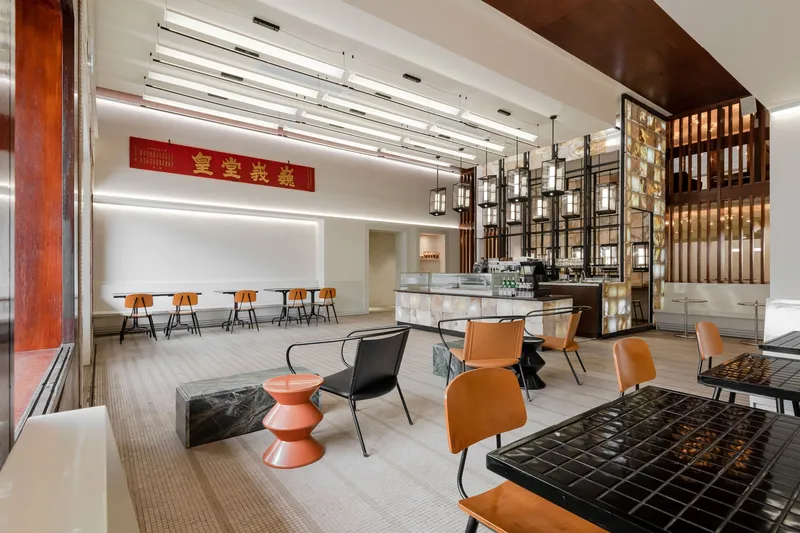
The Ms. Elliot Café, housed in the Hock Bee Brothers Building, demonstrates how adaptive reuse architecture can breathe new life into an old structure while retaining its historical essence. Located in Kuantan, Malaysia, this project combines modern design with the building’s 50-year-old history to create a dynamic space that serves both as a café and a cultural hub.

Historical Significance of the Hock Bee Brothers Building
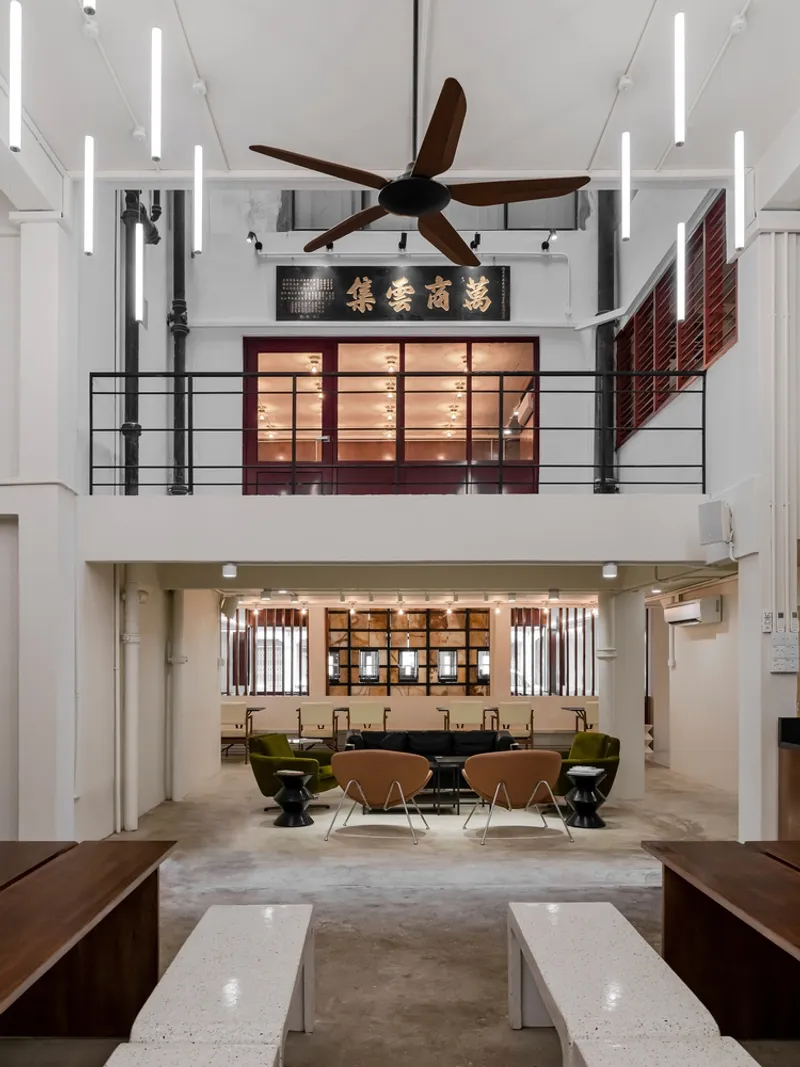
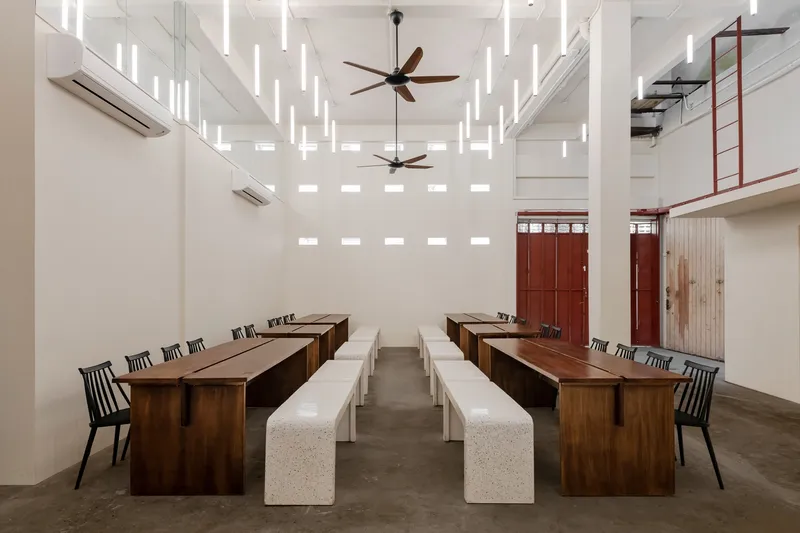
Built in the 1960s, the Hock Bee Brothers Building is an iconic structure in Kuantan, known for its distinctive 40-foot-wide front façade featuring five recessed bays with vertical fins. The building’s geometric prismatic windows are not just decorative; they serve practical purposes of lighting and ventilation. These design elements have helped the building become an integral part of Kuantan's architectural heritage.

Design Philosophy: Preserving and Enhancing the Past
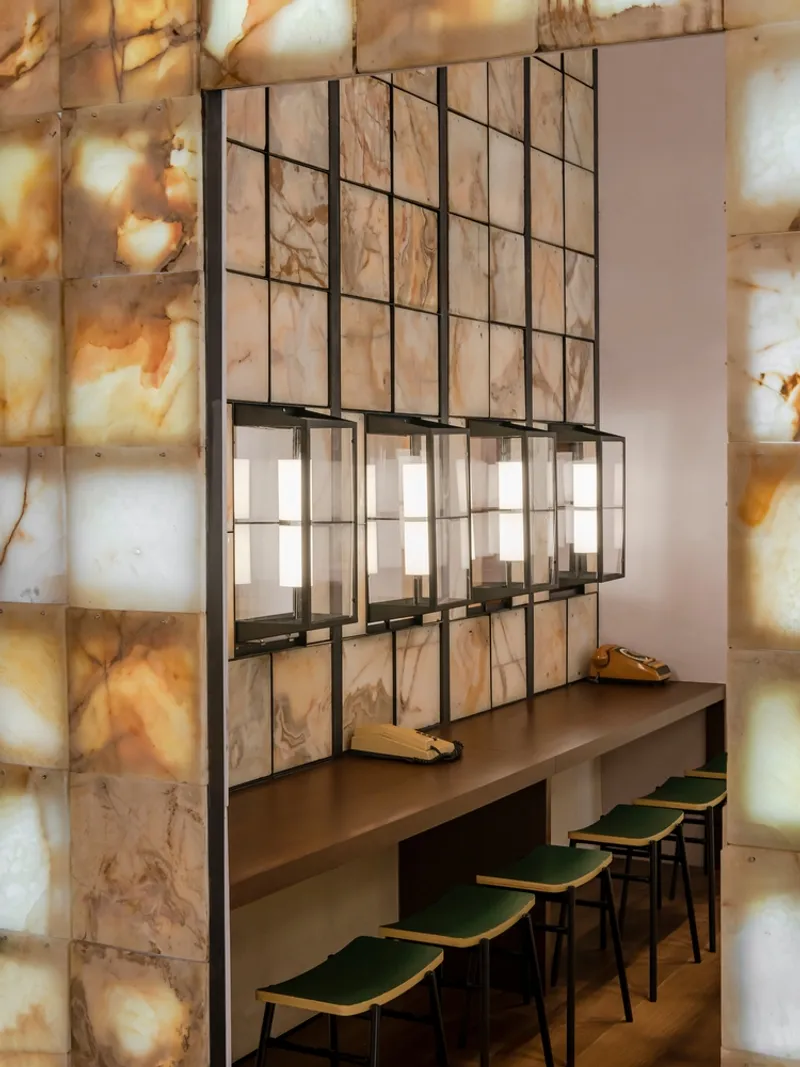
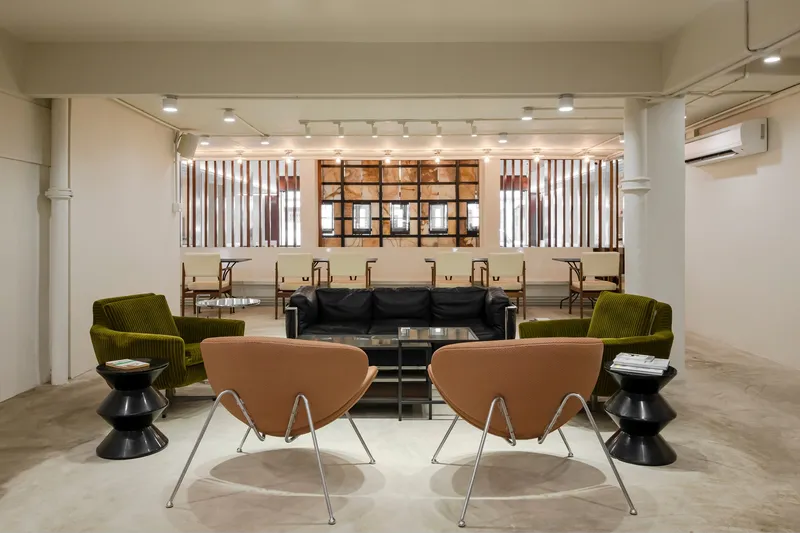
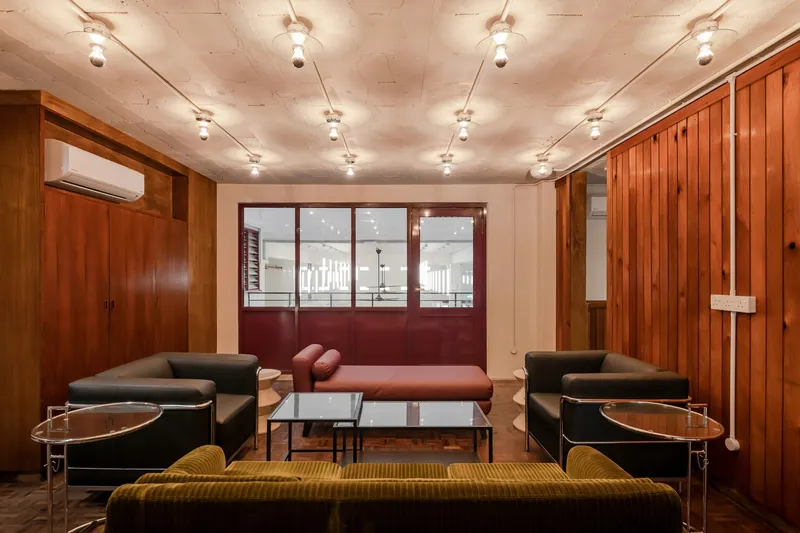
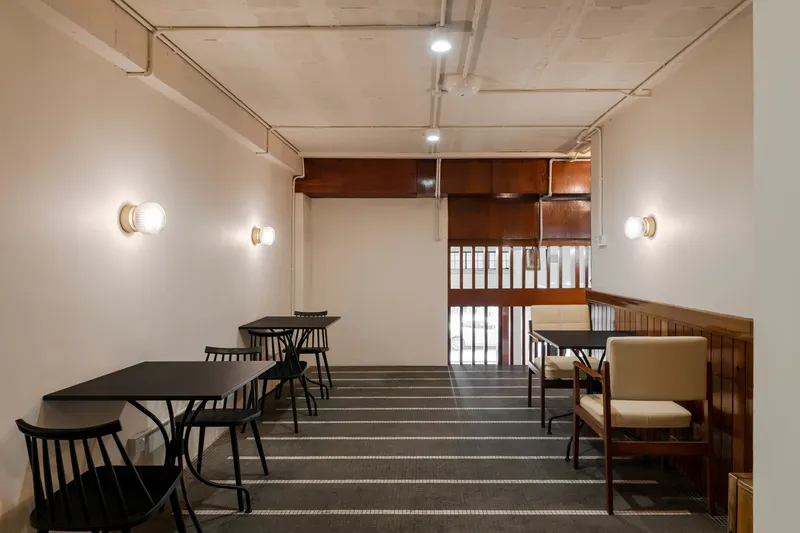
The architects at JUJURWORK carefully balanced historical preservation with innovative design. The original mosaic floors and wooden louvers were preserved, while new architectural features were introduced to meet modern needs. The centerpiece of the café, the onyx reception coffee bar, serves as an homage to the building’s façade, reflecting a commitment to sustainability by repurposing discarded onyx tiles found in a nearby stone yard.
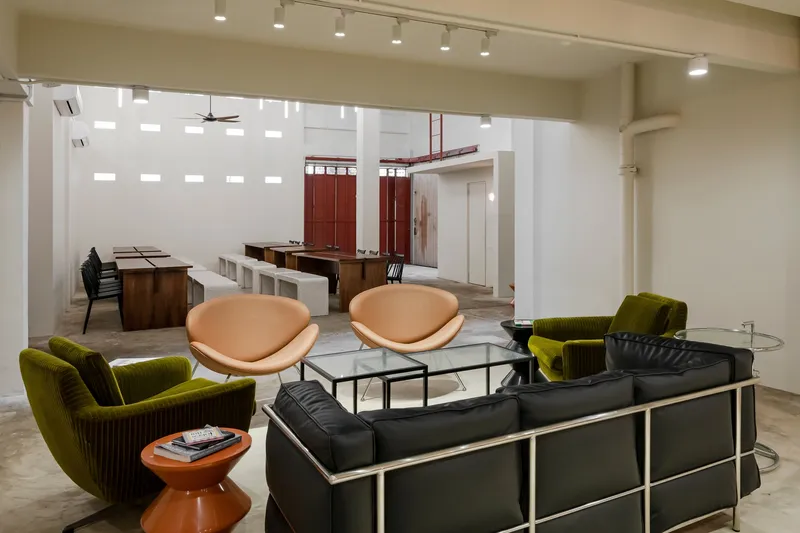
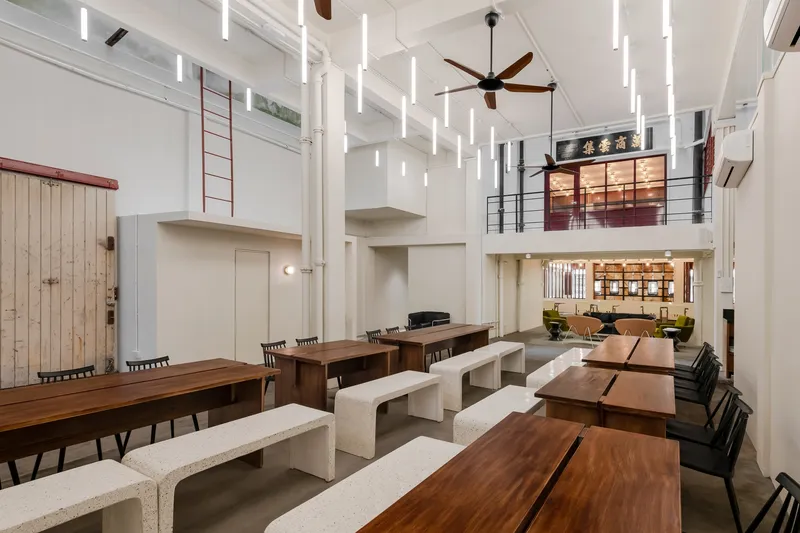
This design reflects the architectural philosophy of adaptive reuse—preserving key historical elements, such as the façade and original flooring, while adding new components that elevate the building's functionality for modern users. The space is carefully divided into various dining and lounge areas, including the mezzanine and ground floors, each offering a unique atmosphere that respects the building's legacy.

Balancing Modern Design with Historical Integrity
In addition to the onyx coffee bar, the café's lighting design plays an essential role in bridging the past and present. Pendant lights, inspired by the building’s prismatic windows, add a modern touch, while antique gas streetlights pay tribute to the building’s past. The careful integration of contemporary design elements with historical features illustrates how adaptive reuse can create a harmonious balance between the old and new.
Benefits of Adaptive Reuse in Architecture
Environmental and Cost Benefits
Adaptive reuse projects are often more cost-effective than new constructions due to the savings in materials, labor, and time. By working with the existing structure, architects can reduce waste and carbon emissions, contributing to more sustainable urban development. Furthermore, adaptive reuse is typically less resource-intensive than demolition, which requires large-scale disposal of materials.
Aesthetic and Cultural Appeal
Historic buildings offer a unique charm that cannot be replicated in new construction. Their architectural details, aged materials, and historical significance contribute to a sense of place and character that modern buildings often lack. Adaptive reuse projects allow designers to honor the building's history while injecting new life into its design.

Community and Economic Revitalization
Repurposing old buildings can be a catalyst for local economic growth. Adaptive reuse projects often attract tourism, boost local businesses, and create community spaces that foster social interaction. In the case of Ms. Elliot, the café has become more than just a place to eat; it’s a cultural hub where locals and visitors can experience Kuantan's rich history and vibrant present.
The Future of Adaptive Reuse Architecture
Adaptive reuse architecture offers a sustainable and meaningful solution to the challenges of urban development. By transforming historic buildings into functional, modern spaces, architects can preserve cultural heritage, reduce environmental impact, and contribute to economic revitalization. The success of Ms. Elliot Café at the Hock Bee Brothers Building is a prime example of how adaptive reuse can honor the past while paving the way for the future.
As cities around the world continue to grow and evolve, adaptive reuse will play an increasingly important role in shaping the urban landscape. It’s not just about preserving old buildings; it’s about creating new experiences that respect the past and celebrate the future.


Popular Articles
Popular articles from the community


Extended Shell: Retrofitting Kolkata's Balconies as Living Urban Thresholds
A modular retrofit system recovers the social and environmental intelligence of Kolkata's historic verandas for contemporary Park Street residents.

Opera by the Sea Estonia: Three Shells Dissolving Architecture into Tallinn's Coastline
A winning opera house proposal replaces monumental form with interconnected shells that blur the boundary between building, park and Baltic Sea.

Manzana Morphosis: Stretching Barcelona's Grid into a Living Landscape for 2050
A radical reworking of the Eixample manzana turns density into a tool for generous public space, vertical ecology, and environmental performance.

The Amber Palace Opera: A Geological Fiction Surfaces on Tallinn's Baltic Waterfront
Pierre Brillard reimagines a Baltic legend as a public landscape, opera house, and waterfront promenade rooted in Tallinn's coastal identity.

Similar Reads
You might also enjoy these articles


Hodi-Mandai Geram
Project Function: Preservation and revitalization of the Intangible heritage and socio-spatial identity of the Hodi by Housing, Cultural Memory Center, Sacred Grove, landscape, local tourism economy


Olio Towers: A Mid-Rise for Performers That Fuses Housing, Rehearsal, and Stage
Located blocks from Houston's Theater District, this modular tower stacks living units around a central performance atrium.

Oasis: Modular Green Housing Carved into Dhaka's Urban Fabric
A shortlisted Plugin Housing entry reclaims unauthorized settlements in Dhaka with stepped concrete volumes, green roofs, and ventilation-driven design.

Black Hole: A Floating Megastructure for the Post-Physical Era
Emiliano Mazzarotto envisions a spherical, self-scaling arena where e-sports, digital hotels, and holographic stadiums replace traditional public space.

Explore Adaptive Reuse Competitions
Discover active competitions in this discipline

Challenge to reimagine the Iron Throne

Photograph architecture without architects

Illustrate the lost glory of Angkor Wat - Render Challenge

Design challenge to reuse E-waste
Comments (0)
Please login or sign up to add comments
No comments yet. Be the first to comment!