
Al Shifa: Healing Spaces Through Community Architecture
Rebuilding Aleppo through community architecture that restores public life, celebrates culture, and fosters healing after conflict.

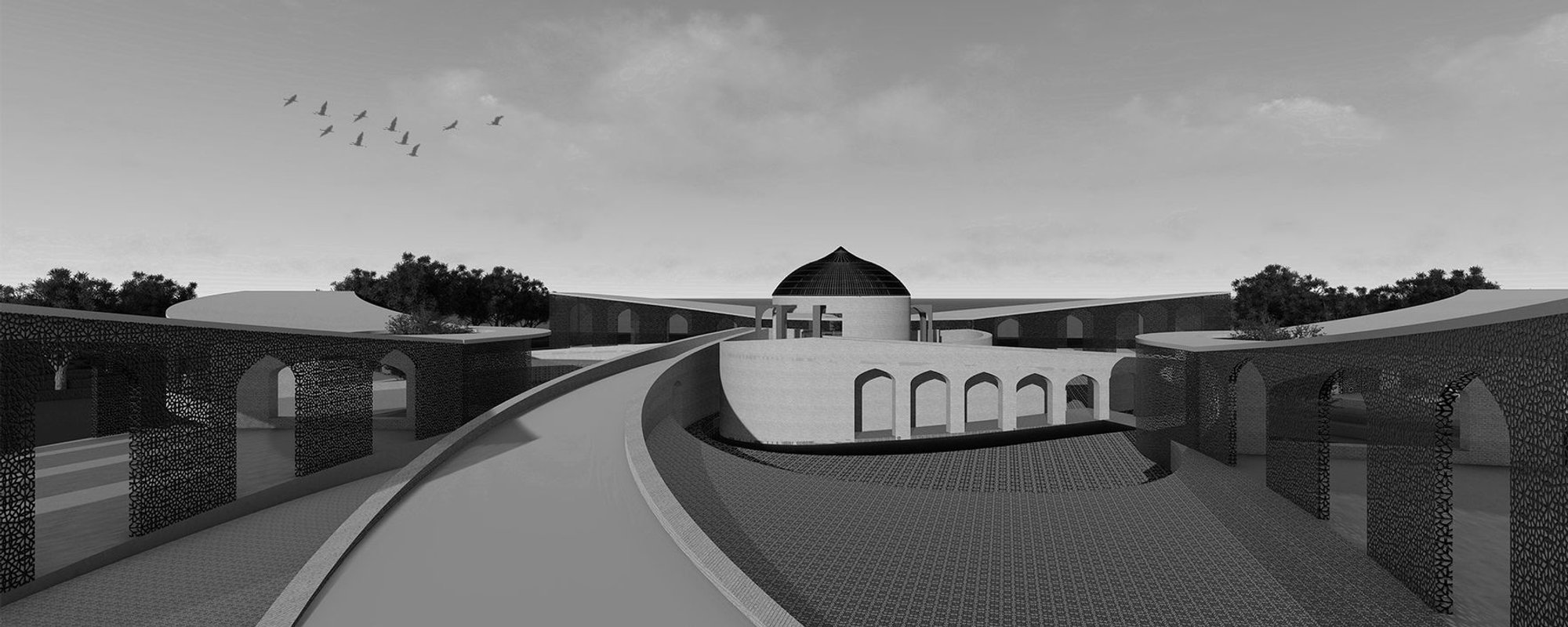
Al Shifa is a transformative public intervention project located in Aleppo, Syria, where the scars of war have left deep marks on both the urban fabric and the collective psyche of its people. Integrating core principles of community architecture, the design addresses not only spatial needs but also emotional and cultural healing. Developed by designers Tanuvi Hegde, Sukanya Nair, Harshini B, and Lavanya Gopalaswamy, this project was recognized as a shortlisted entry in the Memory architecture competition. It aims to empower displaced and marginalized communities by offering spaces that restore public life, reinforce social cohesion, and preserve the city’s intangible heritage.
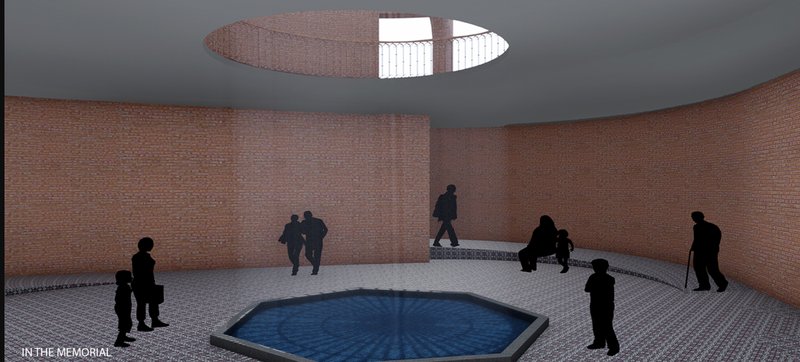
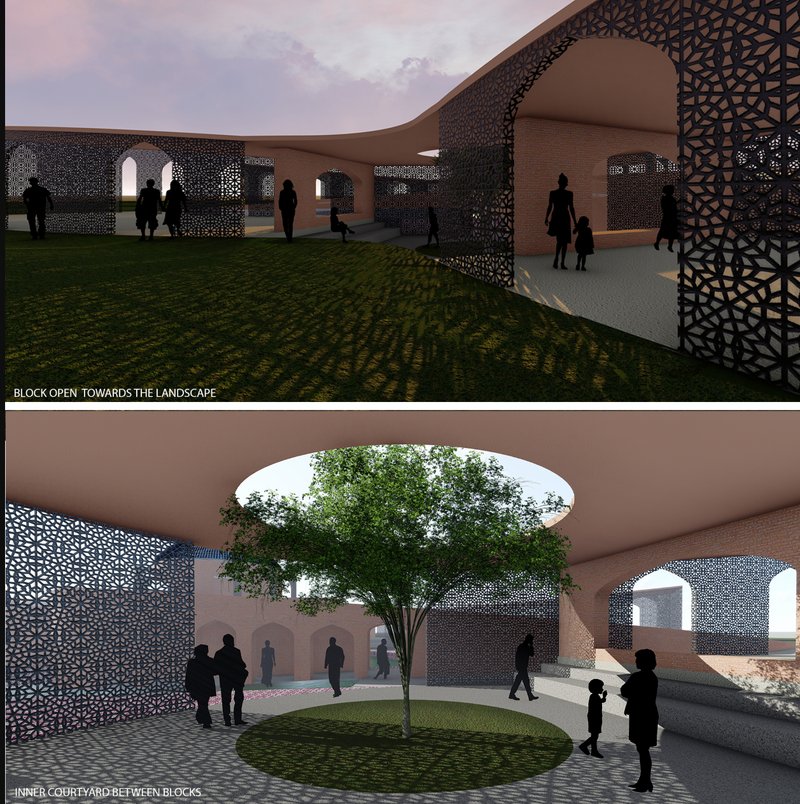
Design StrategyThe architectural strategy embraces an inclusive and empathetic approach. The layout intentionally blurs the distinction between built environments and open landscapes, encouraging seamless community interactions. Inspired by abstract forms representing inner peace and resilience, the spatial configuration flows through curvilinear forms, sloped surfaces, and layered green zones. This organic design logic guides visitors through a symbolic journey from remembrance to healing and renewal. The planning also emphasizes accessibility and multi-functionality, accommodating both collective rituals and private introspection.
Key Elements of the Design:
- Amphitheatre: A central hub for cultural performances, community events, and the distribution of essential aid. This space becomes a dynamic ground for storytelling, music, and public gathering, celebrating Aleppo’s rich artistic legacy.
- Therapy Centre: Located in a quiet, secluded zone, this facility provides therapeutic care and group support, helping individuals process trauma while nurturing mental well-being in a communal context.
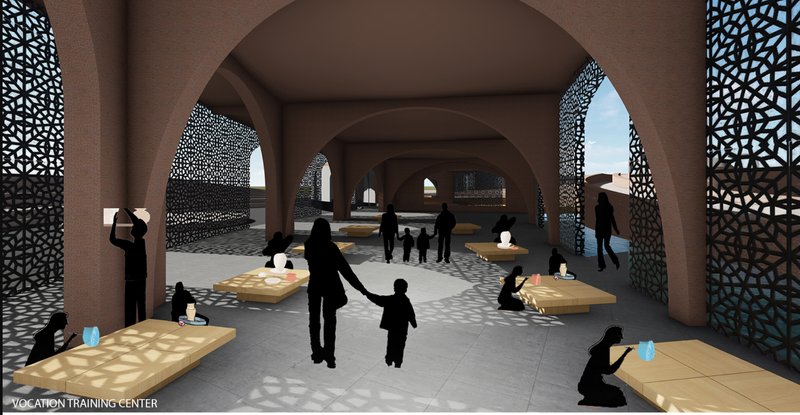
- Skill Development Centre: A vibrant node that revives local crafts and traditions through collaborative learning. This space also serves as a vocational training center to support economic empowerment.
- Vegetable Gardens: Symbolizing regrowth, these gardens offer therapeutic engagement with nature and promote local food production, fostering a culture of self-sustainability and environmental care.
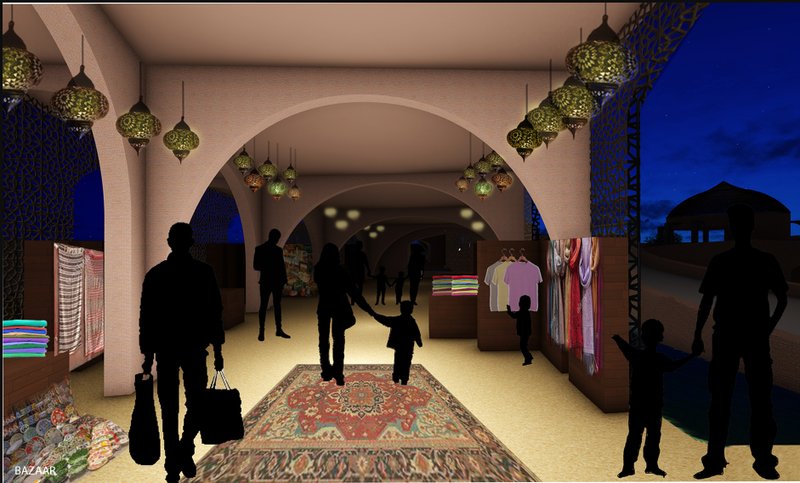
- Bazaar and Community Kitchen: Echoing the spirit of traditional Syrian souks, this area revitalizes commerce, culinary heritage, and social connection through food, trade, and storytelling.
- Children’s Play Area & Refuge Zones: Safe, stimulating spaces designed for the younger generation and for emergency sheltering during crises. These zones build intergenerational connections and provide a sense of safety.
Community Impact
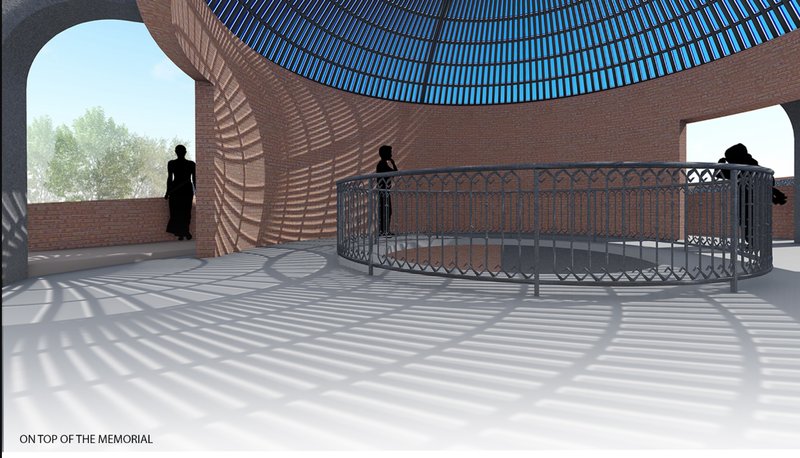
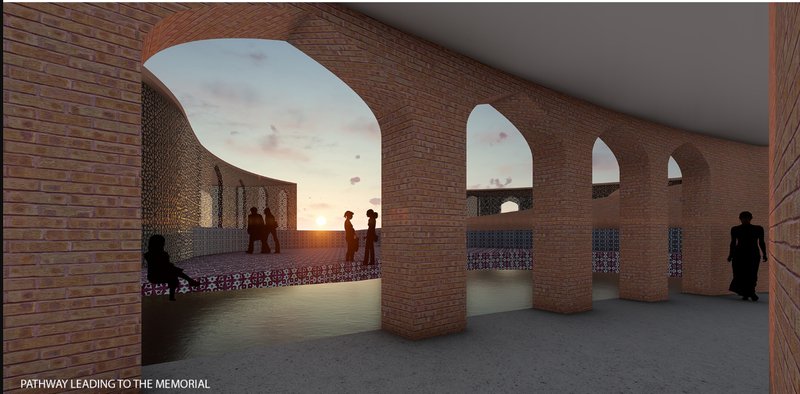
Al Shifa is a prototype of how community architecture can be a catalyst for holistic recovery. Beyond its physical structures, the project facilitates emotional regeneration by reactivating dormant urban spaces and reframing them as places of memory, creativity, and dialogue. Interactive landscapes, art therapy galleries, shaded courtyards, and symbolic memorial pathways contribute to a deeper engagement with the past while imagining a hopeful collective future. The participatory design approach invites residents to co-create these environments, ensuring that the spaces remain relevant, lived-in, and loved.
In a time where rebuilding must encompass both tangible and intangible elements, Al Shifa emerges as a model for post-war urban healing. It exemplifies how community architecture can nurture resilience, celebrate identity, and restore dignity through inclusive, human-centered design. By intertwining remembrance, growth, and everyday life, Al Shifa not only revives the urban ecosystem of Aleppo but also uplifts the community’s soul.




Popular Articles
Popular articles from the community

Free Architecture Competitions You Can Enter Right Now
No entry fees, real prizes. Here are the best free architecture competitions open for submissions in 2026.

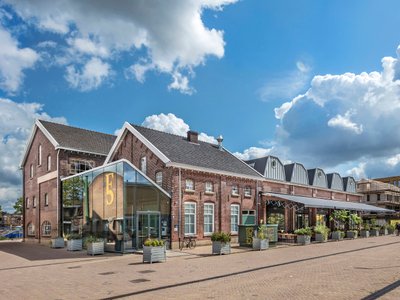
Fifth NRE Jazz Club – De Bever Architecten: Eindhoven’s Revitalized Cultural Hub
Historic gas factory transformed into Fifth NRE Jazz Club blending modern sustainability, jazz culture, dining, and heritage architecture seamlessly.

Solar Steam: A Climate-Responsive Architecture That Redefines the Monument
A climate-responsive memorial architecture that transforms heat, decay, and time into a living system reflecting humanity’s ecological impact.
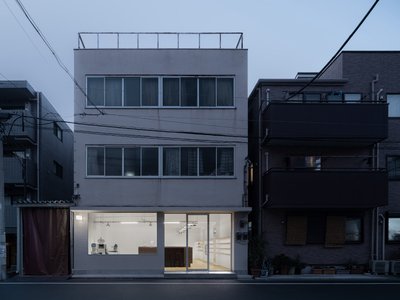
Atelier Macri Concept Store Interior Design by CASE-REAL
Atelier Macri store features a "ko" counter, walnut wood details, cork displays, blending retail, gallery, and seamless customer experiences.

Similar Reads
You might also enjoy these articles


The Ken Roberts Memorial Delineation Competition (Krob)
As the most senior architectural drawing competition currently in operation anywhere in the world, it draws hundreds of entries each year, awarding the very best submissions in a series of medium-based categories.
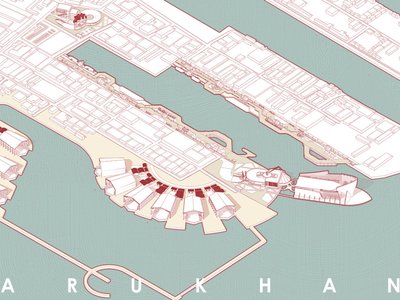
Waterfront Redevelopment and Urban Revitalization in Mumbai: Forging a New Dawn for Darukhana
A transformative waterfront redevelopment project reimagining Darukhana’s shipbreaking heritage into an inclusive urban future.

OUT-OF-MAP: A Call for Postcards on Feminist Narratives of Public Space
Rhizoma Design and Research Lab invites artists, designers, architects, researchers, and students to reflect on how feminist perspectives can reshape public space. Selected works will be exhibited in Barcelona, October 2026. Submissions open until 15 April 2026.


Documentation Work on Buddhist Wooden Temple
Architectural syncretism and cultural hybridity: A comparative study of the Buddhist temples in Chattogram Hill tracks


Explore Religious Building Competitions
Discover active competitions in this discipline




The Global Benchmark for Architecture Dissertation Awards


The Global Benchmark for Graduation Excellence


Design Challenge - Contemporary interpretation of a religious complex


Challenge to design an urban locus of culture and heritage
Comments (0)
Please login or sign up to add comments
No comments yet. Be the first to comment!