

ALMO Residence by ZHAV Architects: Facade Innovation and Urban Integration in Mashhad
ALMO Residence by ZHAV Architects transforms fixed structures through dynamic facades, rooftop gardens, and minimalist interiors in urban Mashhad, Iran.


In the heart of Mashhad, Iran, the ALMO Residence by ZHAV Architects presents an innovative response to site limitations and urban regulations. Designed after the structural skeleton had already been completed, this 6-story, 11-unit residential project demonstrates how intelligent facade articulation and programmatic adjustments can create both architectural diversity and enhanced urban livability—even within rigid structural constraints.
Responding to Structural Limitations with a Dynamic Facade
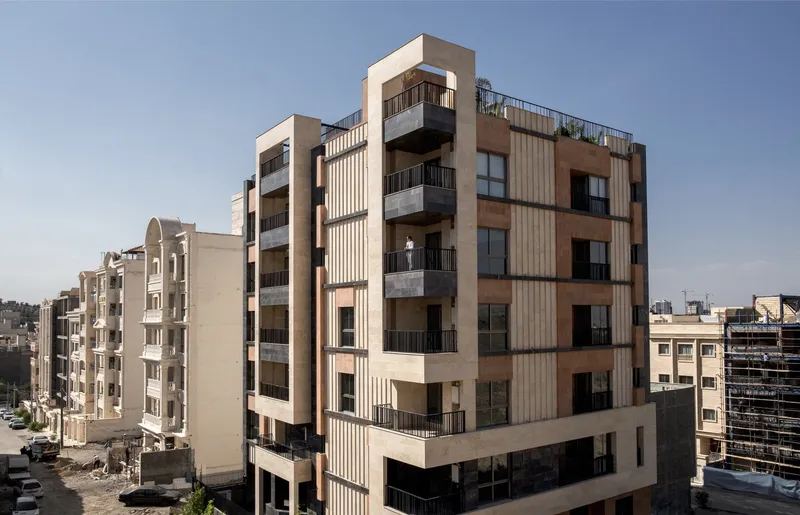
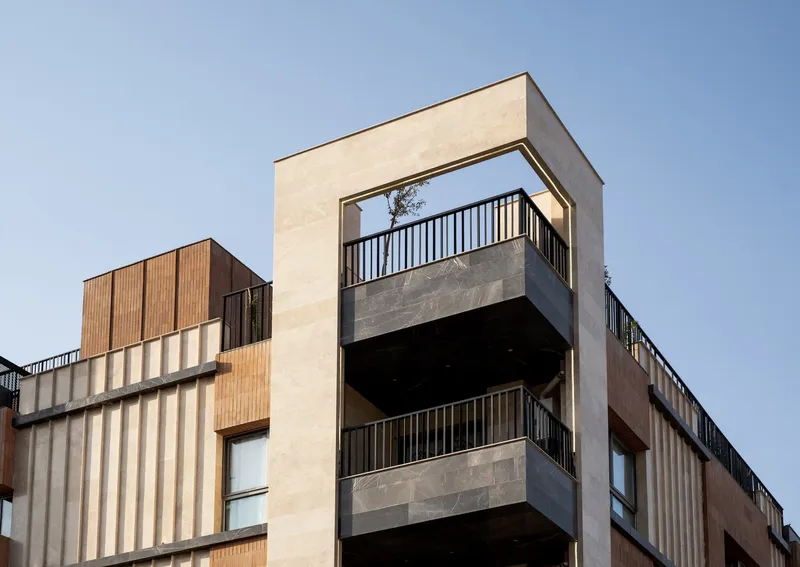
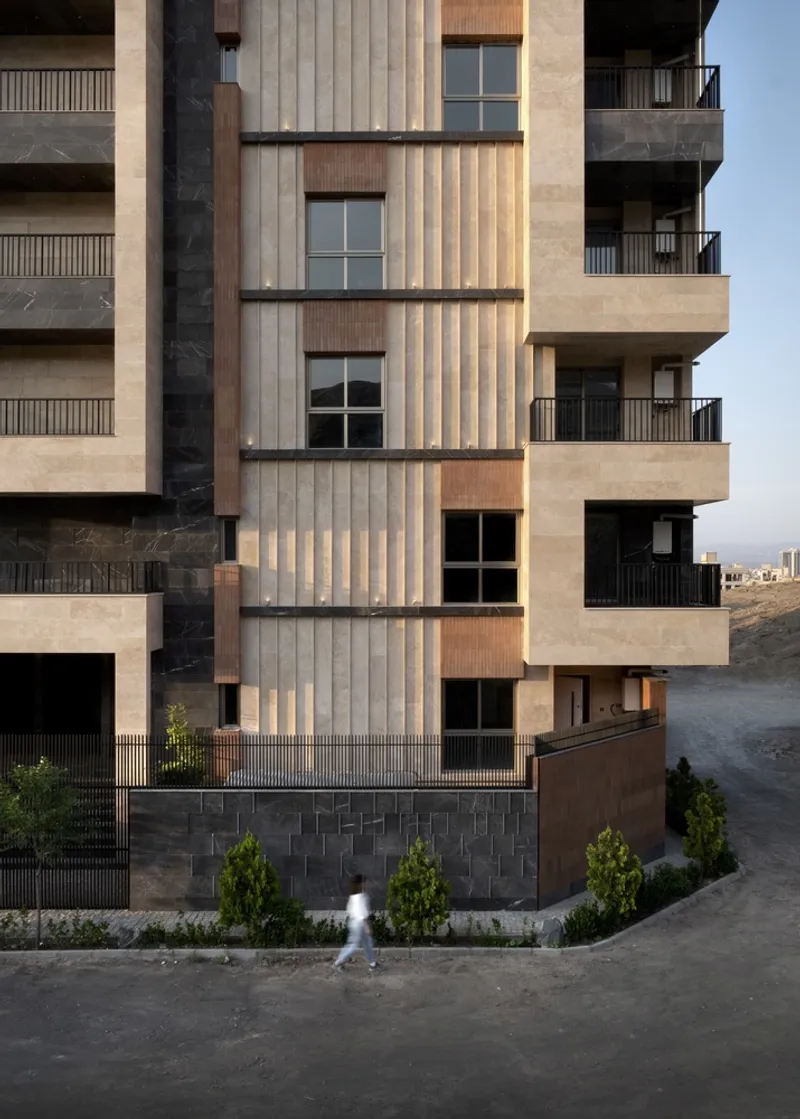
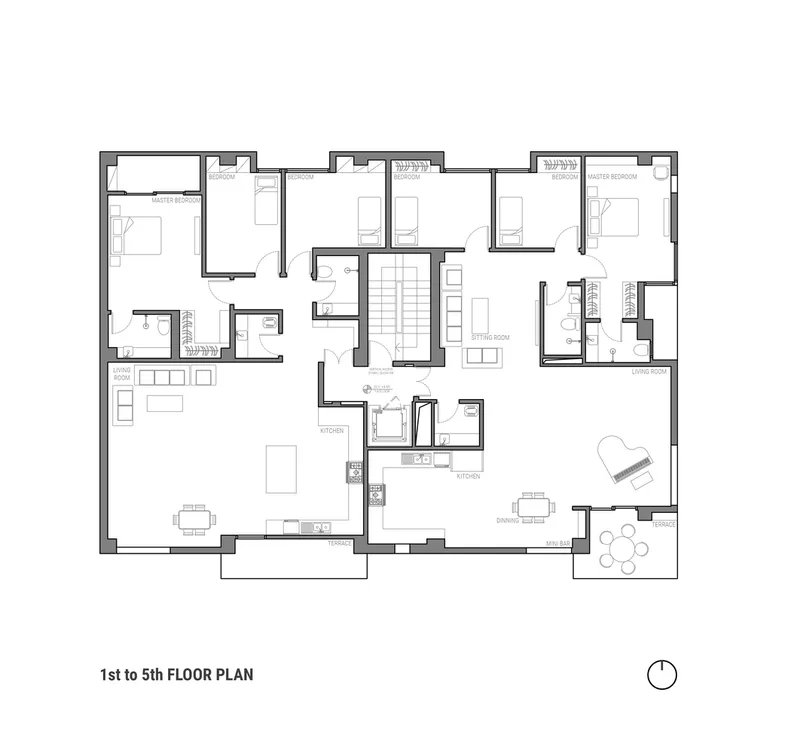
ZHAV Architects inherited the ALMO Residence project at the concrete framework stage, which posed a major design challenge: the core structure was fixed, eliminating the possibility of modifying the floor layouts or introducing volumetric variations between units. To address this, the architects turned to the building envelope as a primary design tool.
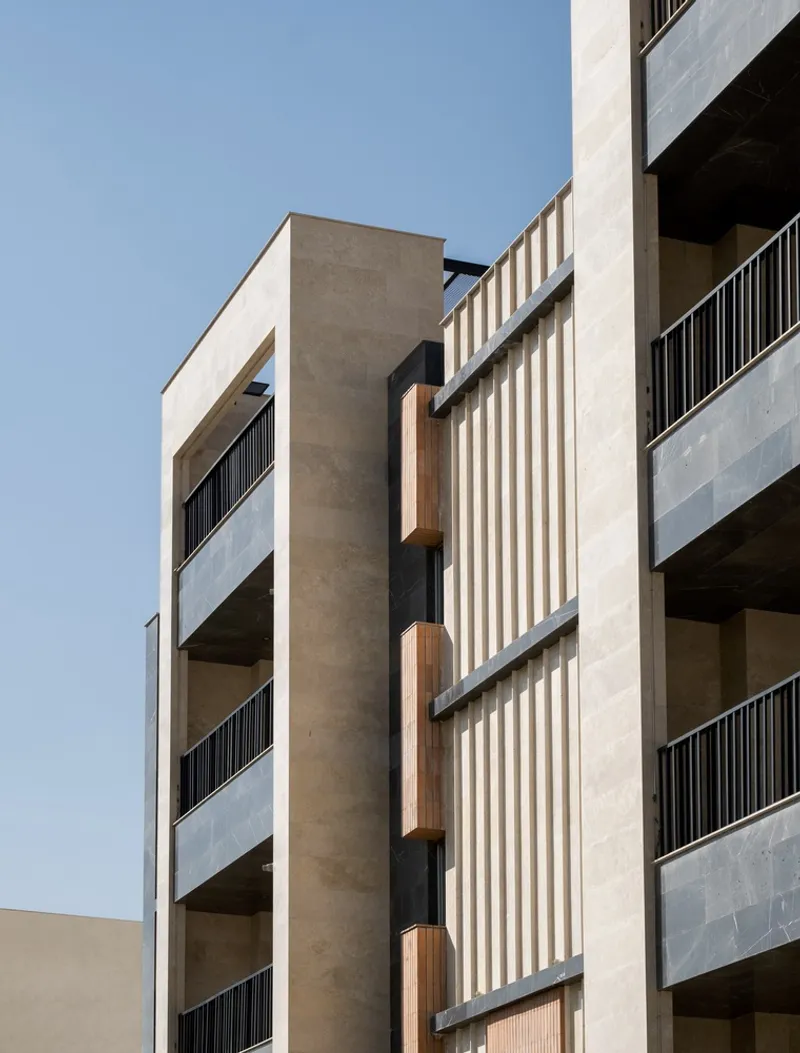
By manipulating the window placement and façade expression, the design team introduced spatial variety within otherwise uniform floor plans. This approach not only defined the visual identity of the building but also allowed each apartment to enjoy customized lighting conditions and nuanced spatial experiences. The facade thus became a key architectural feature that both responds to context and enhances interior living quality.
Reclaiming the Urban View Through a Rooftop Garden
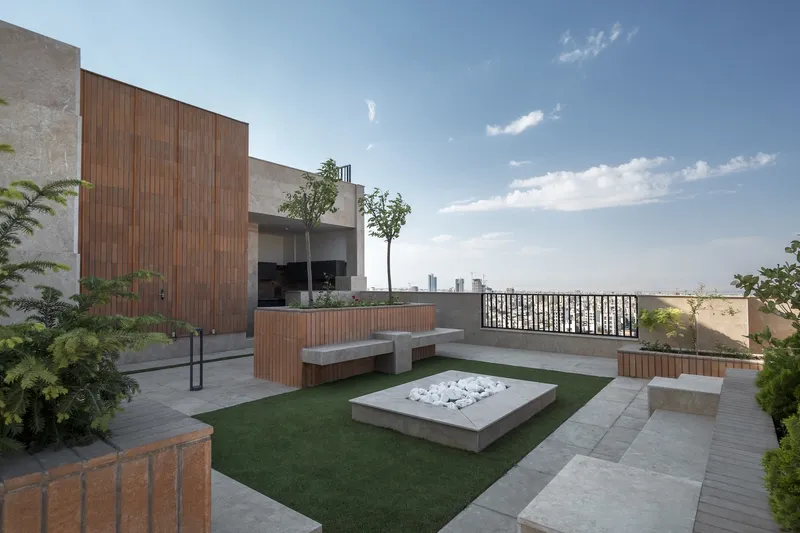
Due to municipal regulations and the building’s orientation, the north-facing side of the residence—typically offering the best urban vistas—could not be used as the primary viewing direction. In response, the design elevated the experience to the rooftop, transforming it into a functional roof garden with panoramic views over Mashhad.
This elevated green space not only circumvents restrictive city laws but also acts as a social hub for residents. Designed as an accessible and flexible area, the rooftop accommodates nighttime gatherings, family events, and informal cinema screenings, enhancing the project's sense of community and urban engagement. While a pool, gym, and meeting room were initially proposed, they were omitted to maintain a manageable construction budget—showcasing a cost-conscious design strategy tailored to local living conditions.
Minimal Interiors Focused on Comfort and Atmosphere
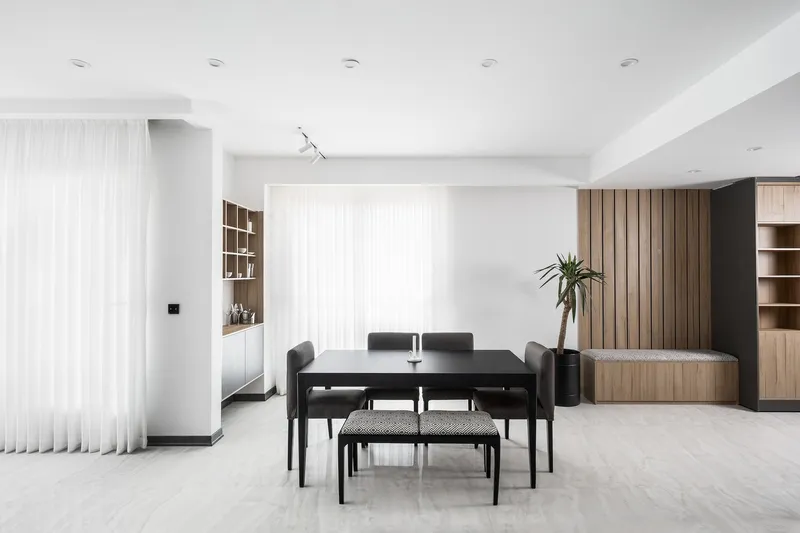
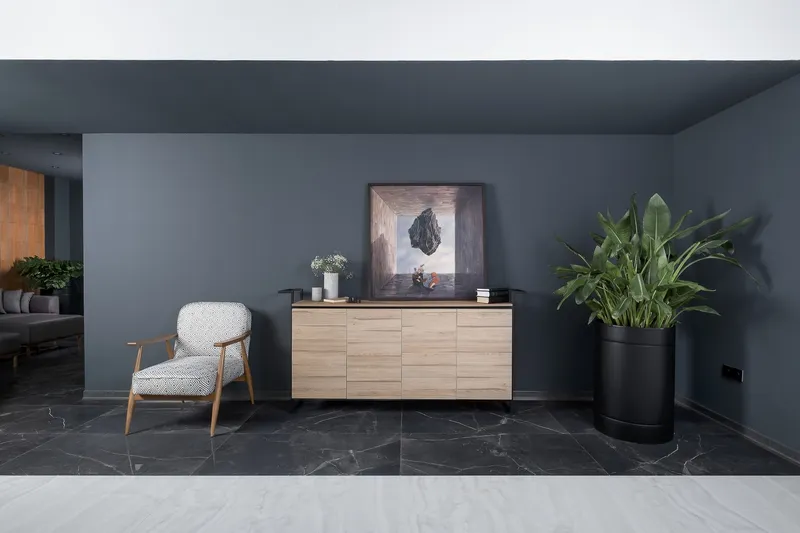
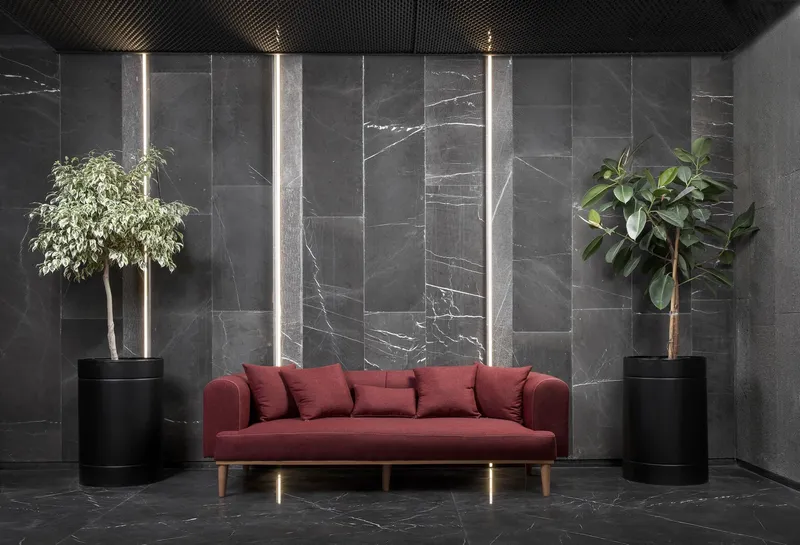
Inside, the ALMO Residence embraces a minimalist interior design language that prioritizes family comfort and psychological wellbeing. Neutral tones dominate the common areas, allowing the furniture and lighting to become key elements of expression. In contrast, darker color palettes in private spaces foster intimacy and tranquility.
Material choices are deliberate and context-sensitive. For example, exposed brickwork in the living areas creates a tactile sense of warmth and rootedness—invoking traditional Iranian materials in a contemporary context. This balance of simplicity, sensory experience, and cultural reference highlights ZHAV Architects’ thoughtful design ethos.
A Case Study in Adaptive Residential Architecture
The ALMO Residence is more than a residential building; it is a case study in adaptive architectural thinking. By leveraging facade design, rooftop programming, and interior simplicity, ZHAV Architects navigated rigid constraints while enhancing quality of life for residents. The project offers a compelling vision of how architecture can adapt, not compromise, when faced with structural and regulatory limitations.
All Photographs are works of Orosi Studio


Popular Articles
Popular articles from the community


David Ortega Stacks a Two-Story Mexico City Penthouse Around a Steel Stair and a Pergola-Shaded Roof Terrace
In Colonia Roma, a 300 m² penthouse uses oak joinery, a planted steel stair and a slatted roof pergola to make a new-build apartment feel like a house.

Juan García Correa, John González and Claudia Rueda Sink a Circular Amphitheater into a Manizales Engineering Building
On the La Nubia campus in Manizales, Colombia, the S1 Building folds labs and offices into a hillside of ramped lawns that double as a campus route.

Architekt Andreas Gruber Scatters 23 Dark Timber Chalets Across a South Tyrolean Forest Edge
In Molini di Tures, Amonti Chalets breaks a resort into a hamlet of gabled timber houses, with parking, storage and services pushed into the slope.

GROUP A Strips a 1969 Rotterdam Harbor Headquarters to Its Frame and Wraps It in Timber Louvers
In Rotterdam's M4H harbor district, Ferro Offices reuses a 1969 frame, adds one timber storey and reaches BREEAM-NL Outstanding.

Similar Reads
You might also enjoy these articles


Hodi-Mandai Geram
Project Function: Preservation and revitalization of the Intangible heritage and socio-spatial identity of the Hodi by Housing, Cultural Memory Center, Sacred Grove, landscape, local tourism economy


Olio Towers: A Mid-Rise for Performers That Fuses Housing, Rehearsal, and Stage
Located blocks from Houston's Theater District, this modular tower stacks living units around a central performance atrium.

Oasis: Modular Green Housing Carved into Dhaka's Urban Fabric
A shortlisted Plugin Housing entry reclaims unauthorized settlements in Dhaka with stepped concrete volumes, green roofs, and ventilation-driven design.

Black Hole: A Floating Megastructure for the Post-Physical Era
Emiliano Mazzarotto envisions a spherical, self-scaling arena where e-sports, digital hotels, and holographic stadiums replace traditional public space.

Explore Kinetic Façade Competitions
Discover active competitions in this discipline

Challenge to design mud housing for contemporary communities

Challenge to reimagine the Iron Throne

Photograph architecture without architects

Illustrate the lost glory of Angkor Wat - Render Challenge
Comments (0)
Please login or sign up to add comments
No comments yet. Be the first to comment!