
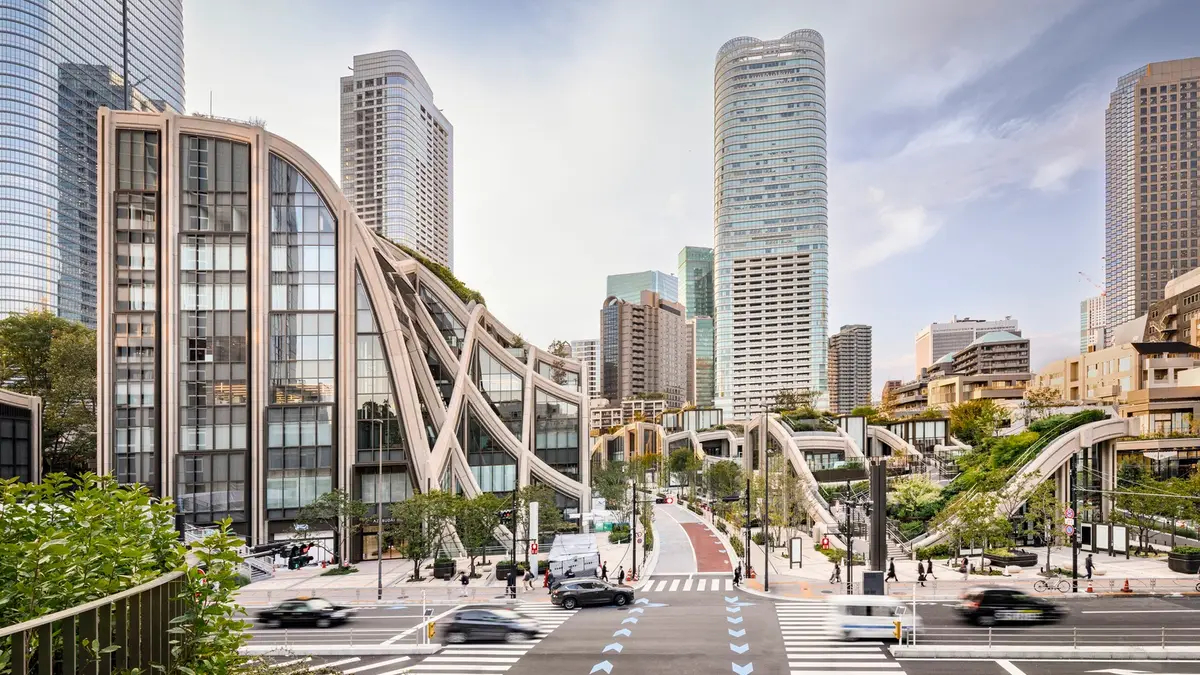
Azabudai Hills Architecture: A Vision for a Human-Centered Urban Future
Explore Azabudai Hills architecture, a sustainable, community-focused urban development in Tokyo designed by Heatherwick Studio for the future.


The Azabudai Hills architecture is a transformative mixed-use development in Tokyo, designed by the renowned Heatherwick Studio. The project, completed in 2023, is a testament to thoughtful urban regeneration and design innovation, seamlessly blending residential, office, retail, and cultural spaces. Located in the heart of Tokyo, this project aims to create a human-centered district that integrates green spaces, community engagement, and sustainability within a bustling urban environment.
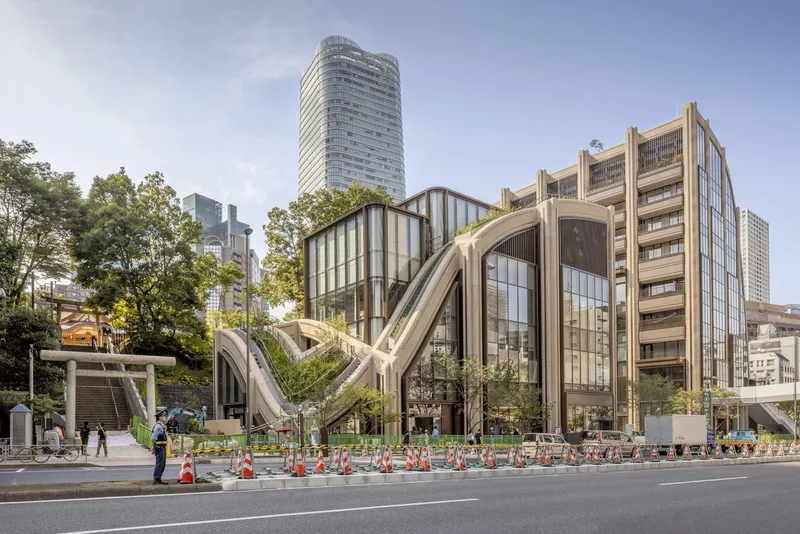
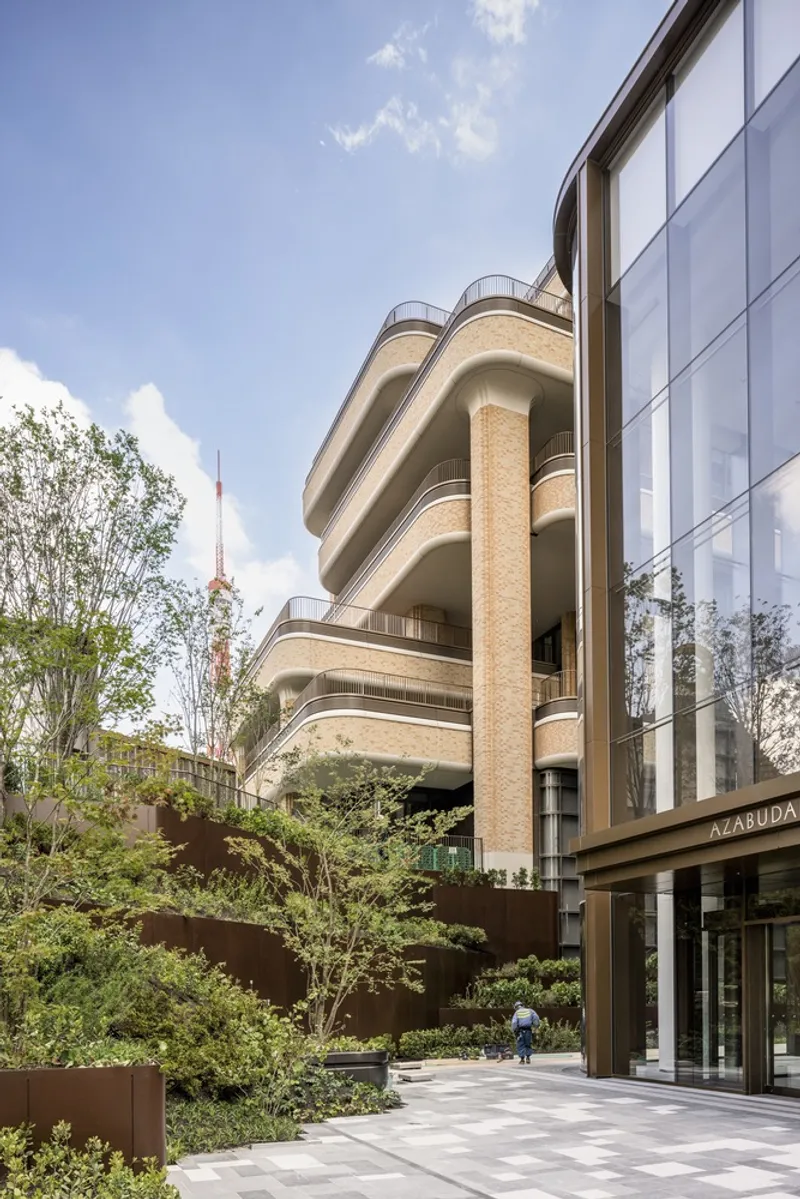
The Vision Behind Azabudai Hills Architecture
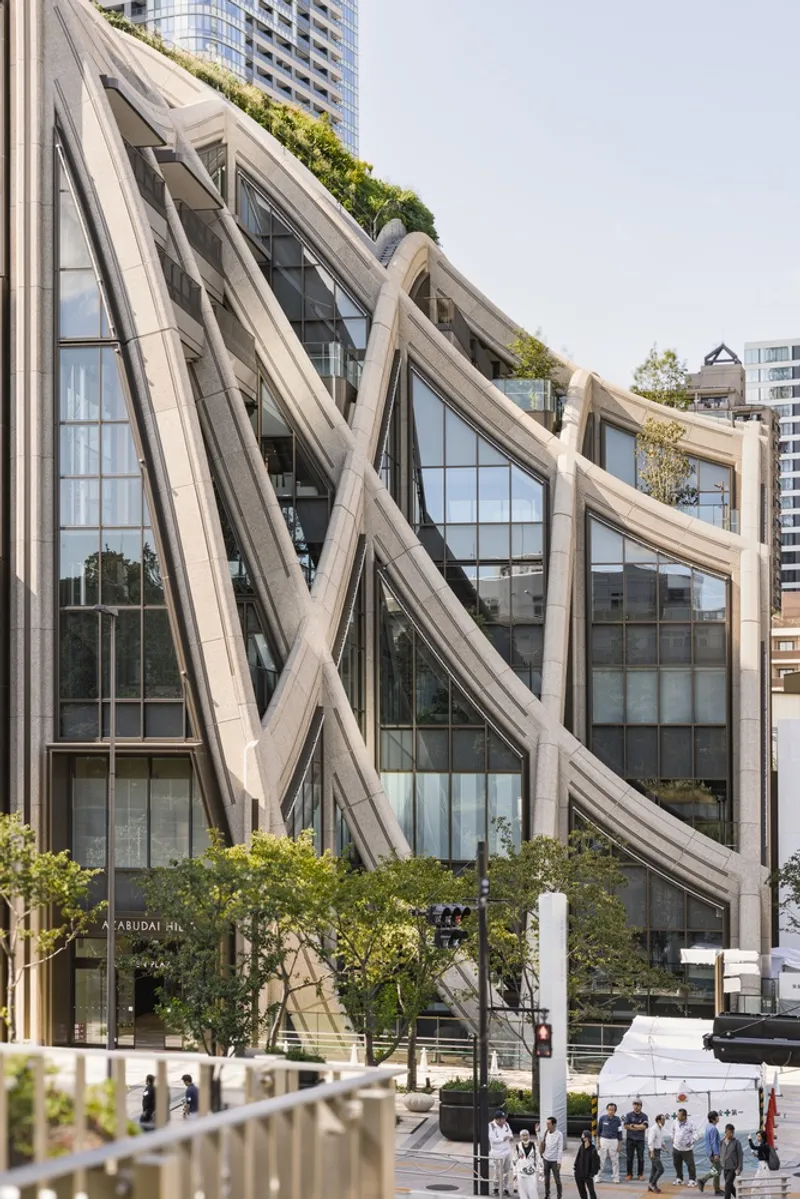
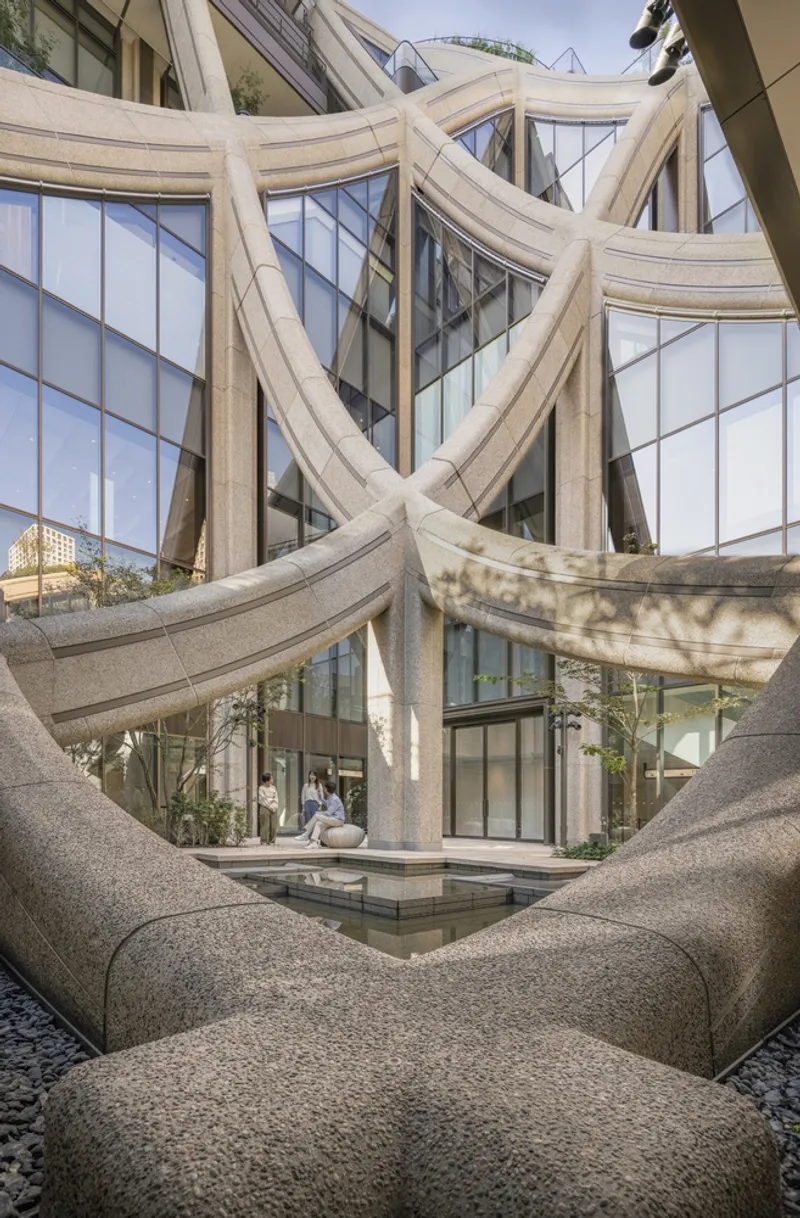
Azabudai Hills is not just a typical urban development project; it is a reflection of a vision that spans over three decades. The architecture of Azabudai Hills is about more than just aesthetic appeal—it is a community-driven effort to create a sustainable urban area that encourages connection and interaction among its residents, workers, and visitors. The collaboration between Heatherwick Studio, Mori Building Company, and the local community has resulted in a unique architectural landscape that marries modern design with the rich cultural fabric of Tokyo.
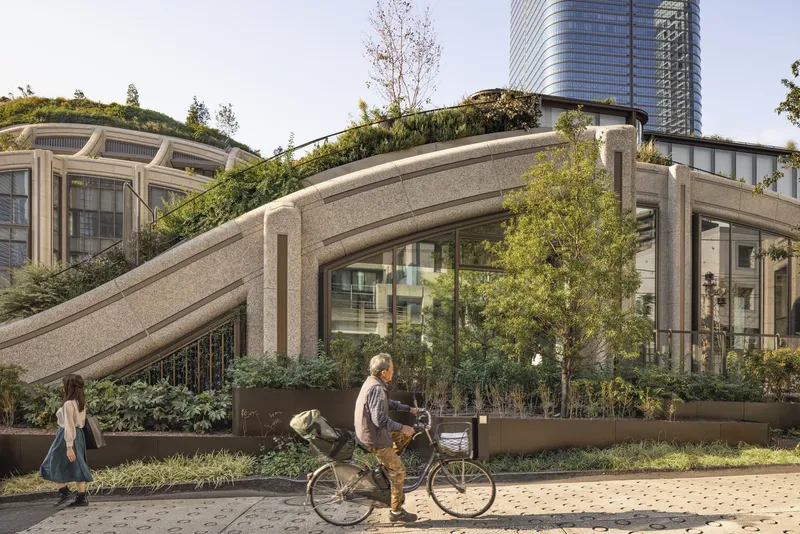
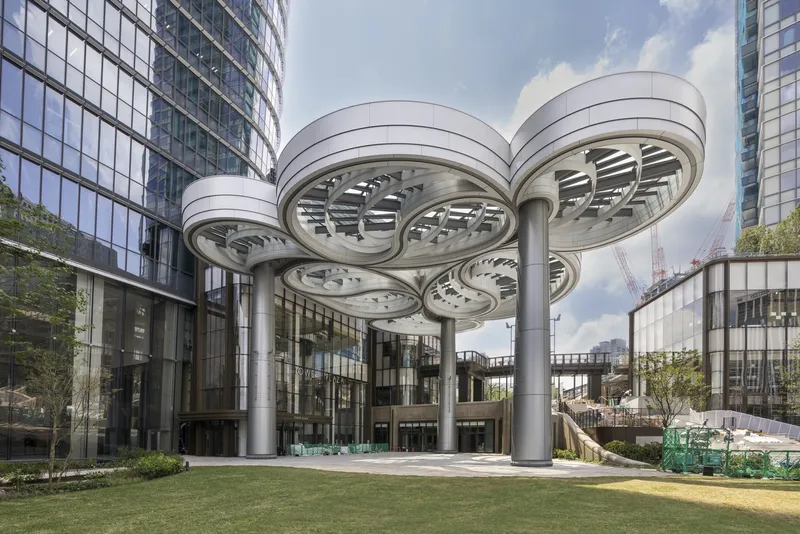
A Master Plan for the Future of Tokyo
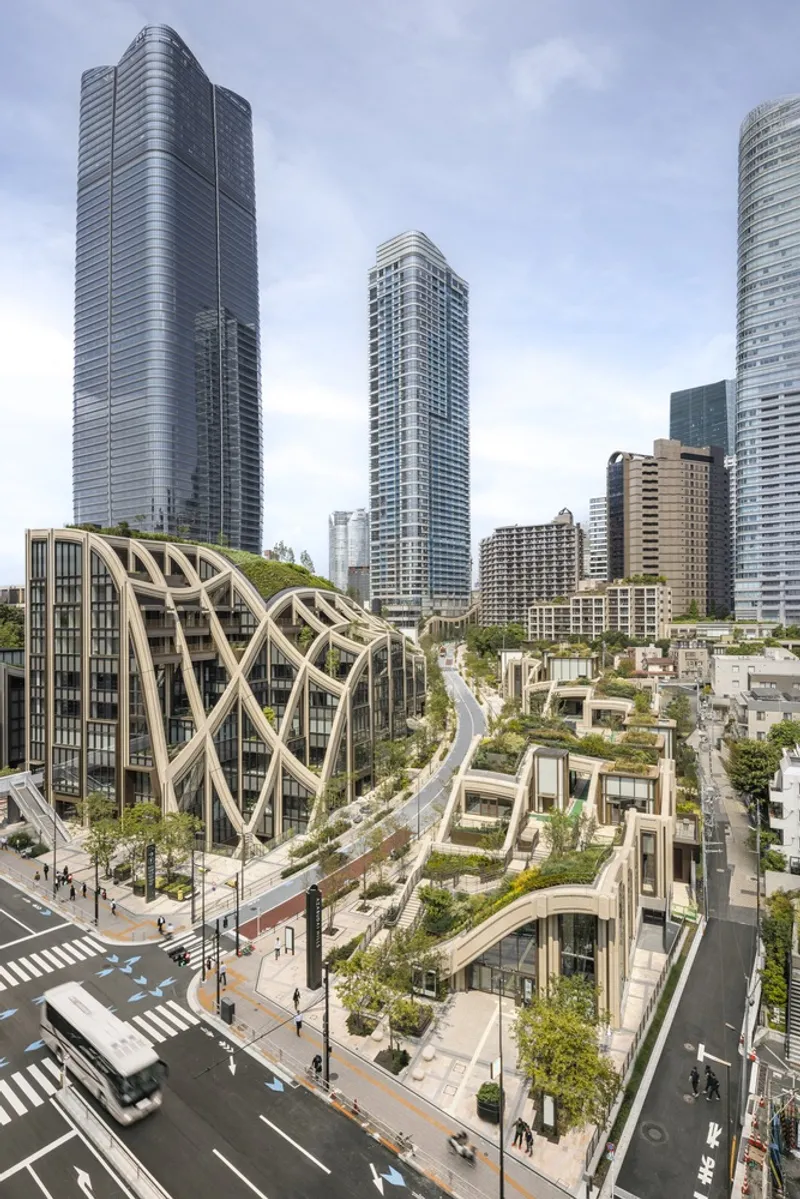
The Azabudai Hills architecture covers over eight hectares and spans three distinct sections—each with its own architectural character. The project connects the traditional neighborhood of Azabudai with the business district of Toranomon, incorporating retail spaces, office towers, residential buildings, and cultural institutions into a cohesive, pedestrian-friendly environment. The site’s Y-shaped configuration, which narrows to just 30 meters at its narrowest point, posed a unique challenge for the architects. However, Heatherwick Studio embraced this challenge, ensuring that the design maximized both the aesthetic and functional potential of the space.
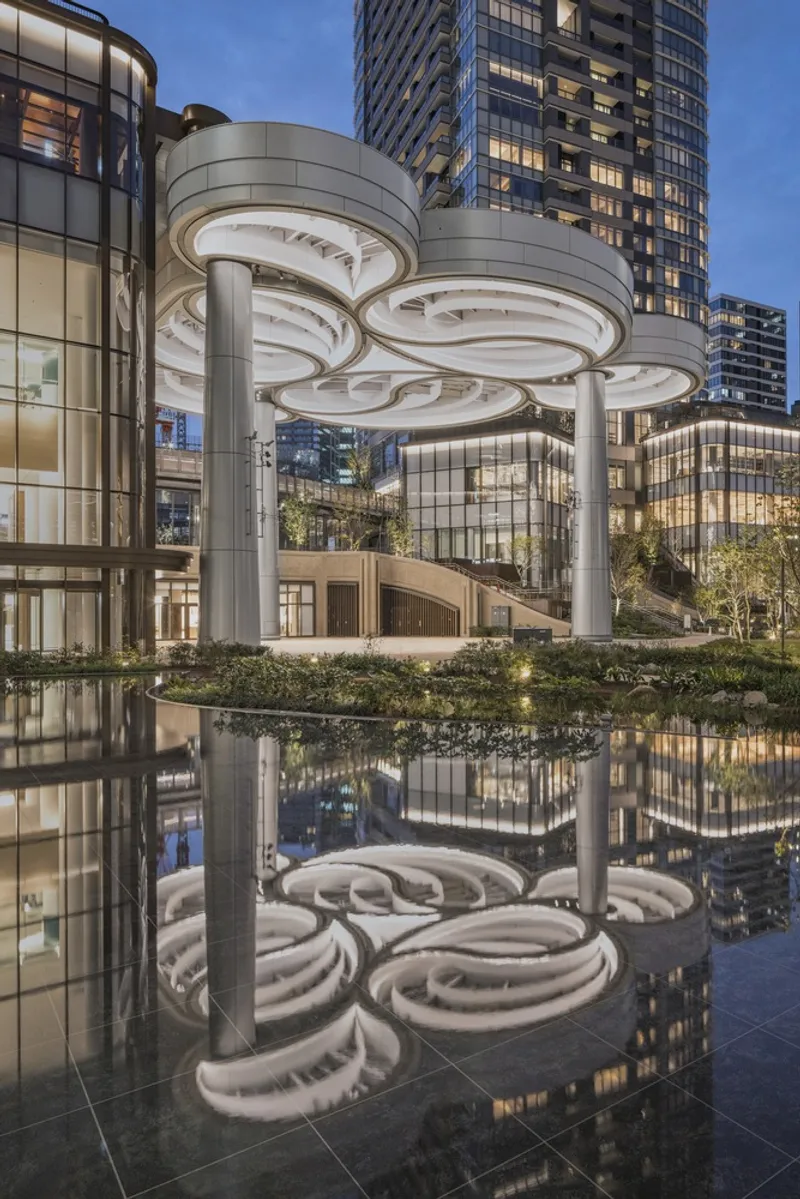
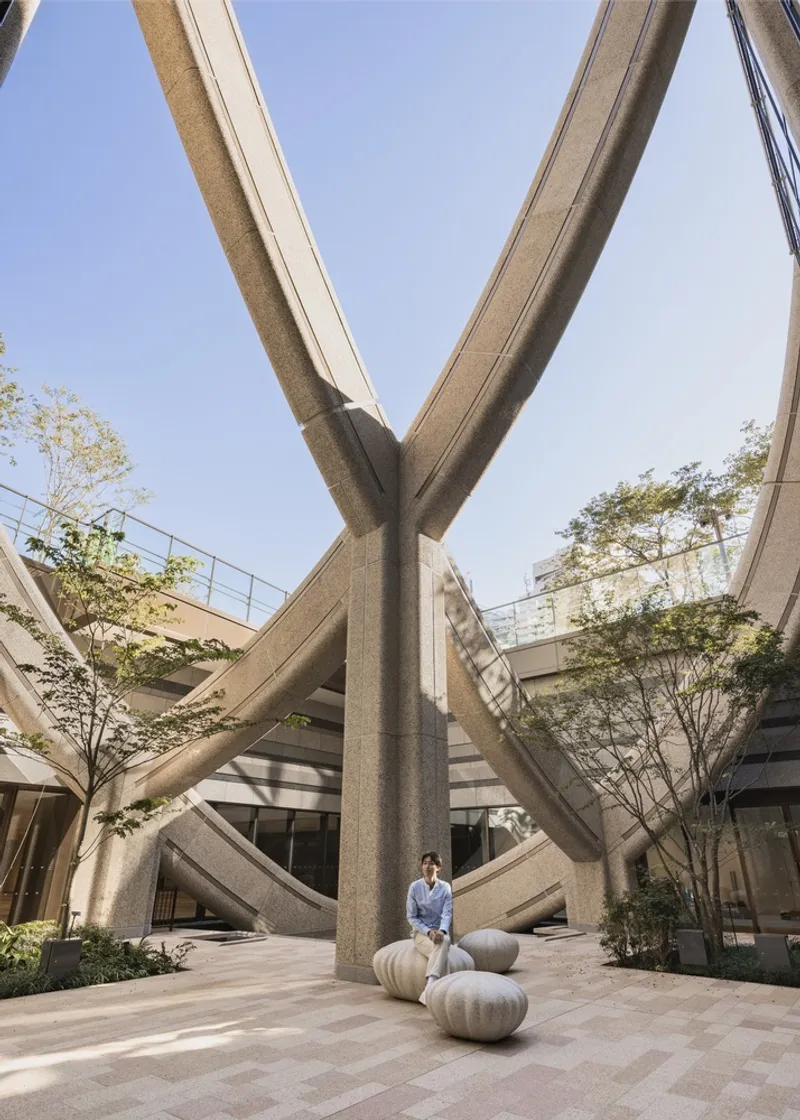
Key Architectural Features of Azabudai Hills
1. Green Spaces and Landscape Design
A hallmark of the Azabudai Hills architecture is its emphasis on green spaces. The project is designed with greenery at its core, creating areas for relaxation, social interaction, and nature integration. These green spaces are not isolated but are woven into the fabric of the development, enhancing the overall quality of life for residents and workers alike.
2. Seamless Connectivity and Pedestrian Routes
One of the most impressive features of Azabudai Hills is the continuous pedestrian route that connects the two metro stations at either end of the site. This 700-meter-long, umbrella-free path allows for easy access throughout the district, promoting a walkable and pedestrian-friendly environment. The architecture ensures that this route is both functional and visually engaging, with a design that blends seamlessly into the surrounding spaces.
3. Innovative Tower Design
The Azabudai Hills architecture includes three iconic towers that anchor the development. These structures not only provide a striking visual presence but also embody the development’s commitment to sustainability and innovative design. The towers are designed to optimize space and light, with each tower having its own identity while still contributing to the overall harmony of the district.
4. Community-Oriented Urban Design
Unlike many large-scale urban developments, Azabudai Hills prioritizes community involvement. The project was designed with the goal of retaining existing residents and businesses, providing them with improved living and working conditions. The involvement of the local community in the development process was integral to the success of the project, ensuring that it met the needs and desires of those who would call it home.
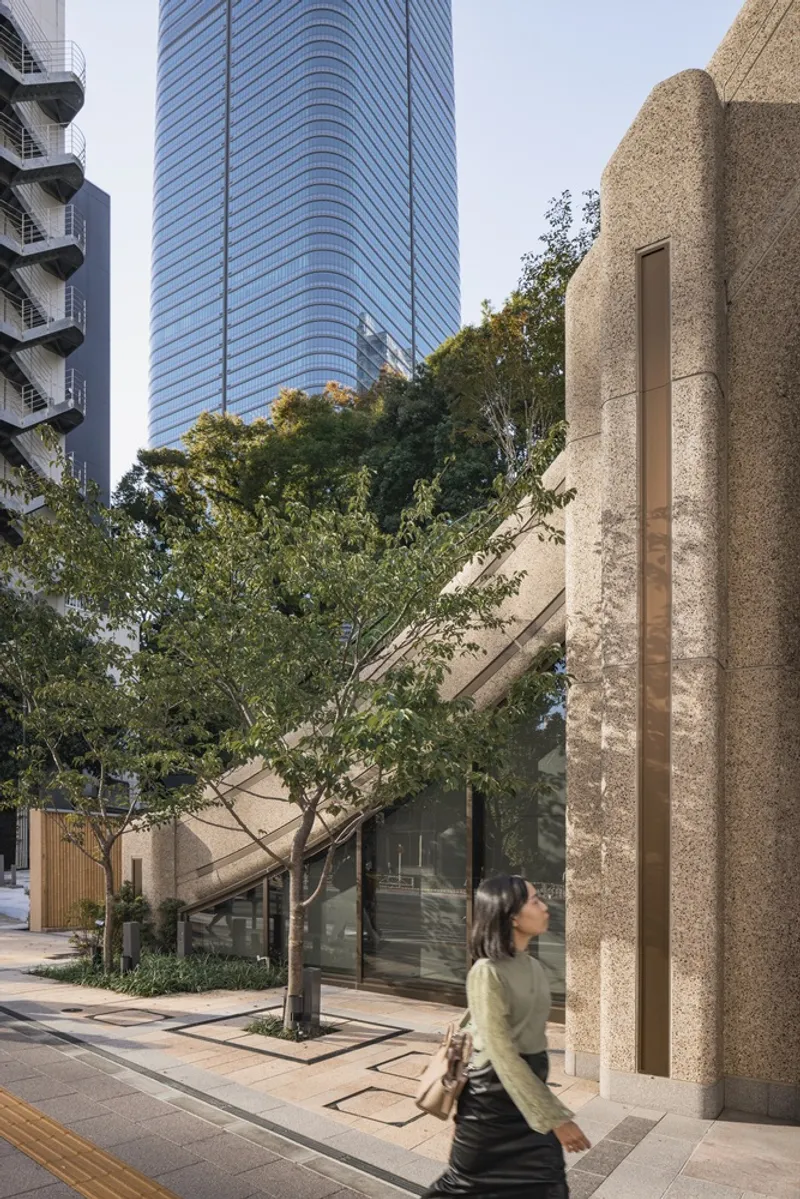
Sustainability in Azabudai Hills Architecture
Sustainability is a cornerstone of the Azabudai Hills architecture. The development incorporates sustainable materials, energy-efficient designs, and green infrastructure to minimize its environmental impact. The integration of renewable energy sources, efficient waste management systems, and eco-friendly building materials ensures that the district will thrive in a sustainable way for years to come.
The Future of Urban Living in Tokyo
The Azabudai Hills architecture is more than just a building project; it is a blueprint for the future of urban living. By prioritizing community, sustainability, and seamless integration into Tokyo’s dynamic cityscape, Azabudai Hills sets a new standard for urban regeneration. The project not only meets the needs of its residents but also creates a space where people can connect, interact, and grow. With its careful attention to architectural detail and its human-centered approach, Azabudai Hills promises to be a model for future developments around the world.
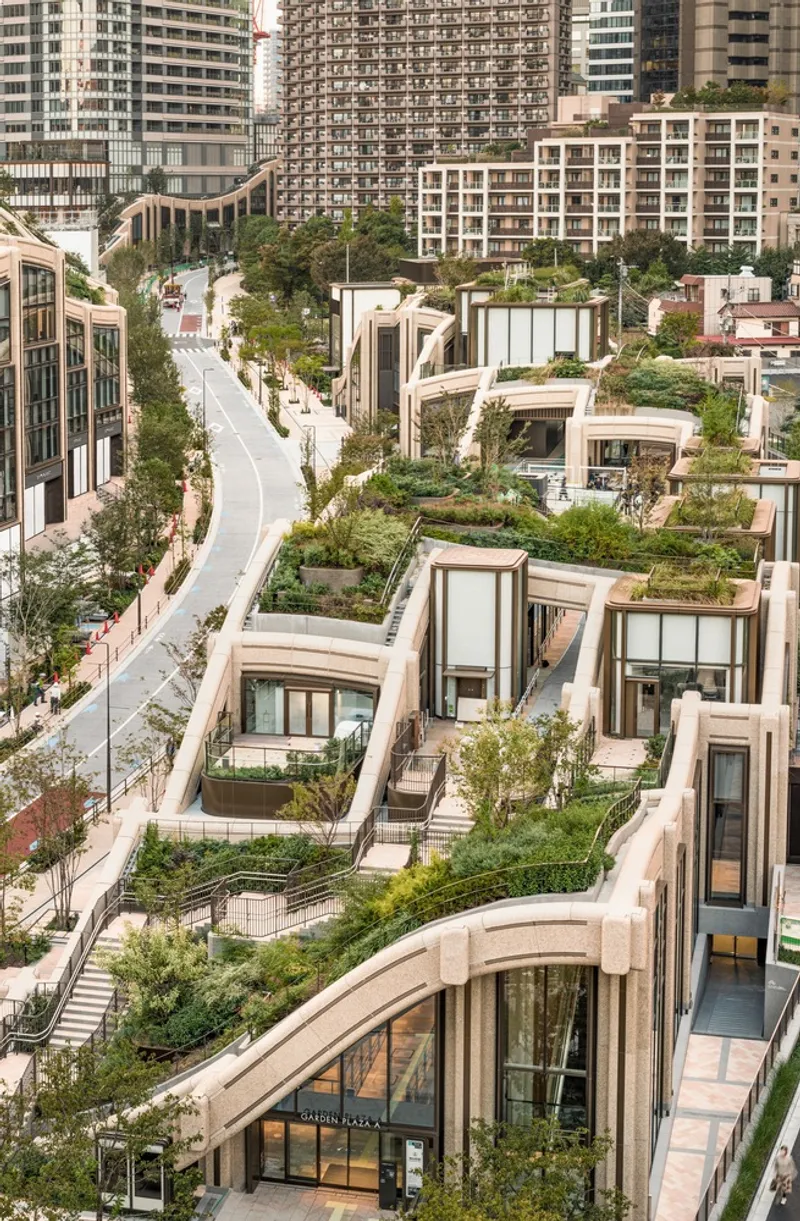
All Photographs are work of Raquel Diniz, Kenji Masunaga


Popular Articles
Popular articles from the community


David Ortega Stacks a Two-Story Mexico City Penthouse Around a Steel Stair and a Pergola-Shaded Roof Terrace
In Colonia Roma, a 300 m² penthouse uses oak joinery, a planted steel stair and a slatted roof pergola to make a new-build apartment feel like a house.

longwave studio Reorganizes a 112 m² Tainan Apartment Around the Daily Routines of a Family and Two Cats
In Tainan, Taiwan, birch plywood, rust-red furniture and a freestanding plaster wall link arrival, storage, work and family life in one apartment.

U.GA Architects Wraps an Oval Rooftop Pool in Curved Board-Formed Concrete on Busan's Jeollidan-gil
In Busan's Jeonpo-dong, a 454 m² mixed-use block stacks a neighborhood facility, guest rooms and an oval rooftop pool inside spiraling concrete walls.

Architekt Andreas Gruber Scatters 23 Dark Timber Chalets Across a South Tyrolean Forest Edge
In Molini di Tures, Amonti Chalets breaks a resort into a hamlet of gabled timber houses, with parking, storage and services pushed into the slope.

Similar Reads
You might also enjoy these articles


Hodi-Mandai Geram
Project Function: Preservation and revitalization of the Intangible heritage and socio-spatial identity of the Hodi by Housing, Cultural Memory Center, Sacred Grove, landscape, local tourism economy


Olio Towers: A Mid-Rise for Performers That Fuses Housing, Rehearsal, and Stage
Located blocks from Houston's Theater District, this modular tower stacks living units around a central performance atrium.

Oasis: Modular Green Housing Carved into Dhaka's Urban Fabric
A shortlisted Plugin Housing entry reclaims unauthorized settlements in Dhaka with stepped concrete volumes, green roofs, and ventilation-driven design.

Black Hole: A Floating Megastructure for the Post-Physical Era
Emiliano Mazzarotto envisions a spherical, self-scaling arena where e-sports, digital hotels, and holographic stadiums replace traditional public space.

Explore Urban Design Competitions
Discover active competitions in this discipline

Design challenge to equip cities with modern furniture

Challenge to reimagine the Iron Throne

Photograph architecture without architects

Illustrate the lost glory of Angkor Wat - Render Challenge
Comments (0)
Please login or sign up to add comments
No comments yet. Be the first to comment!