
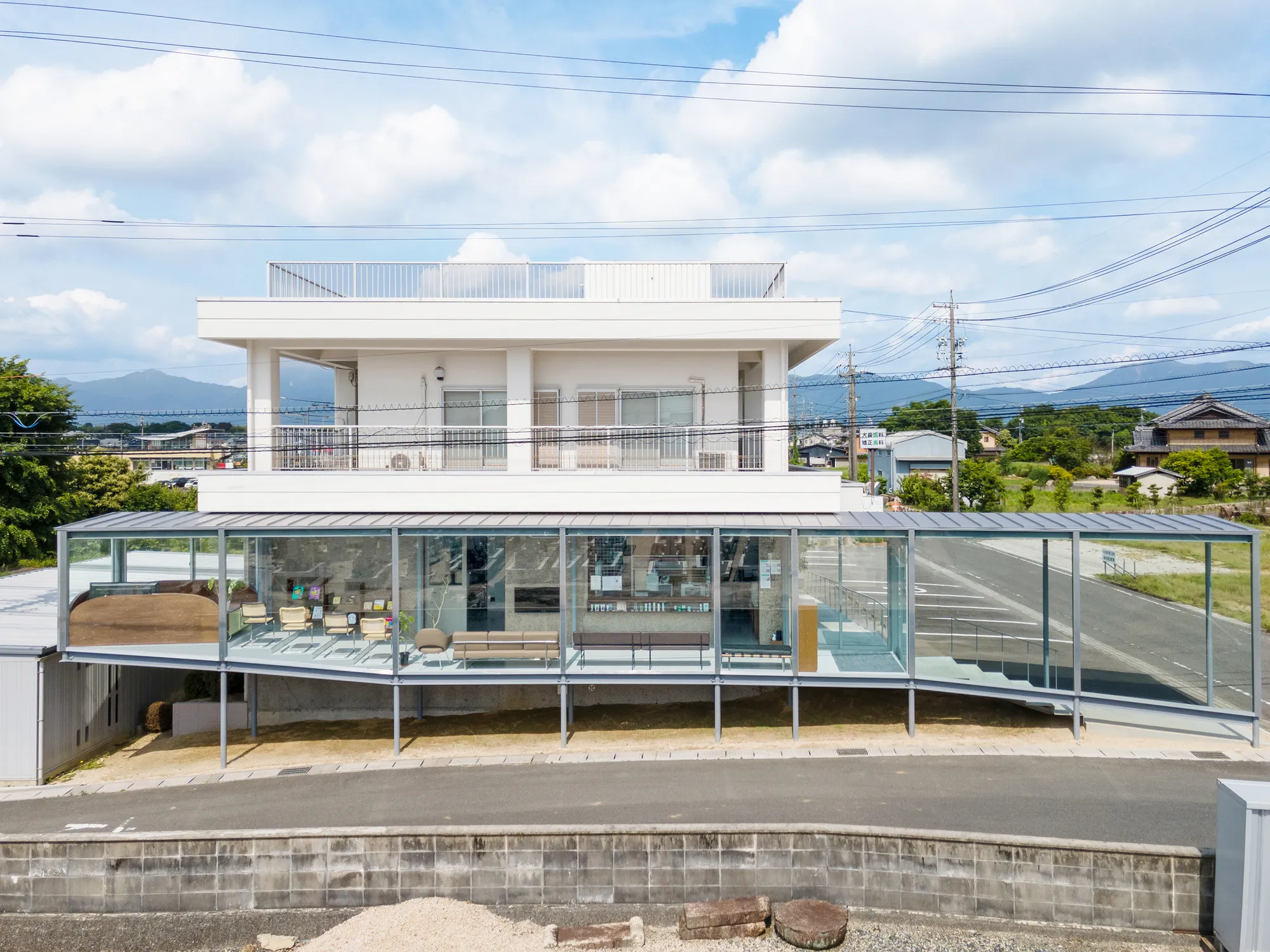
Clinic O By Takayuki Kuzushima and Associates
Clinic O by Takayuki Kuzushima and Associates renovates a 1984 dental clinic with a transparent glass extension improving accessibility, circulation, and patient experience.


Located in Inabe, Mie Prefecture, Japan, Clinic O is a thoughtful renovation and extension project completed in 2024 by Takayuki Kuzushima and Associates. Spanning just 47 square meters for the new addition, this small-scale healthcare architecture intervention redefines how contemporary clinics can adapt to evolving medical needs while respecting existing structures and local context.
Revitalizing a 40-Year-Old Dental Clinic
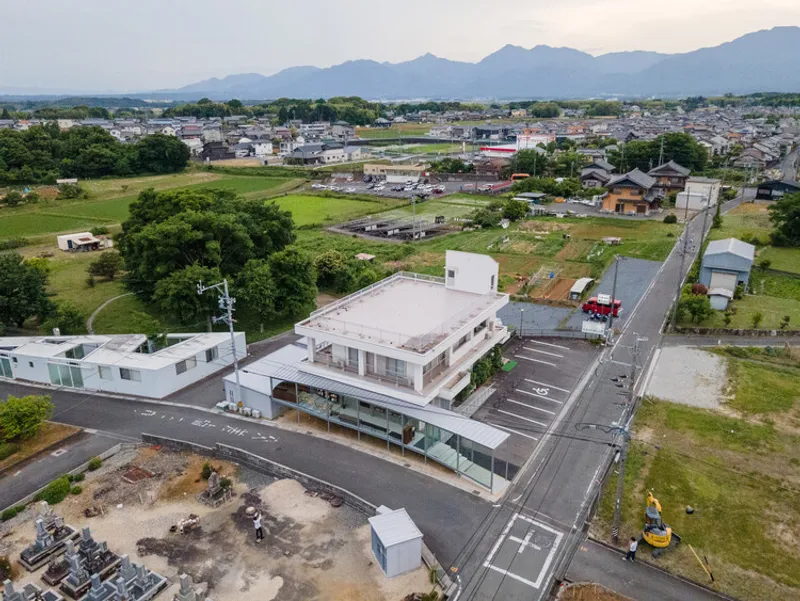
Originally constructed in 1984, the reinforced concrete (RC) building housed a dental clinic on the ground floor and a private residence above. At the time of its completion, the pure white geometry of the clinic stood prominently against the rural landscape. Elevated on a plinth and composed through strict horizontal and vertical lines, the building embodied the symbolic authority and autonomy once associated with medical architecture in Japan.
However, after four decades, and under the leadership of a second-generation director, the clinic required spatial and functional upgrades. Contemporary healthcare standards demanded improved accessibility, expanded medical services, and enhanced patient comfort. The absence of universal design principles, no dedicated children’s waiting area, insufficient back-of-house space, and limited restroom accessibility highlighted the need for architectural intervention.
Rather than demolishing and rebuilding, the architects embraced a sustainable renovation strategy, retaining the original RC structure while introducing a carefully calibrated extension.

A Minimal Yet Strategic Extension
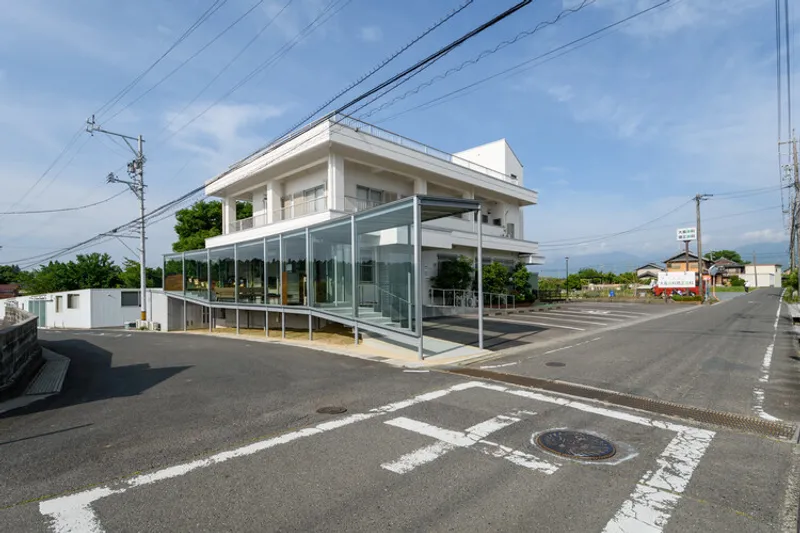
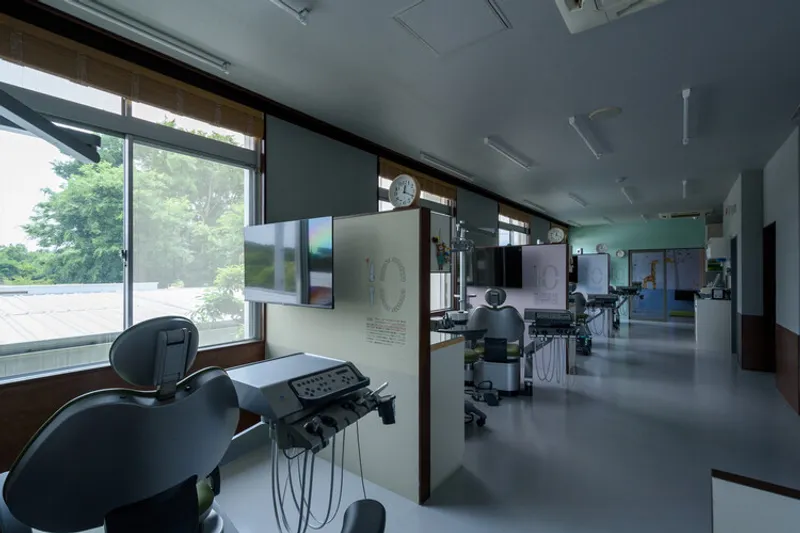
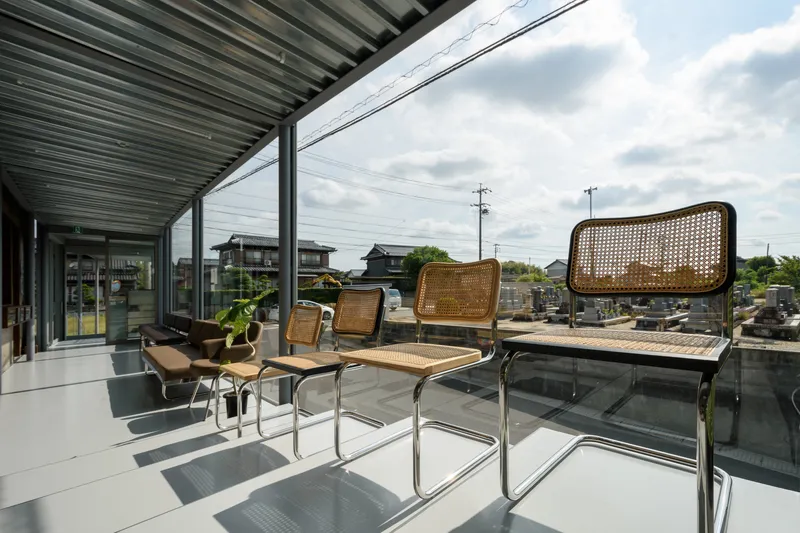
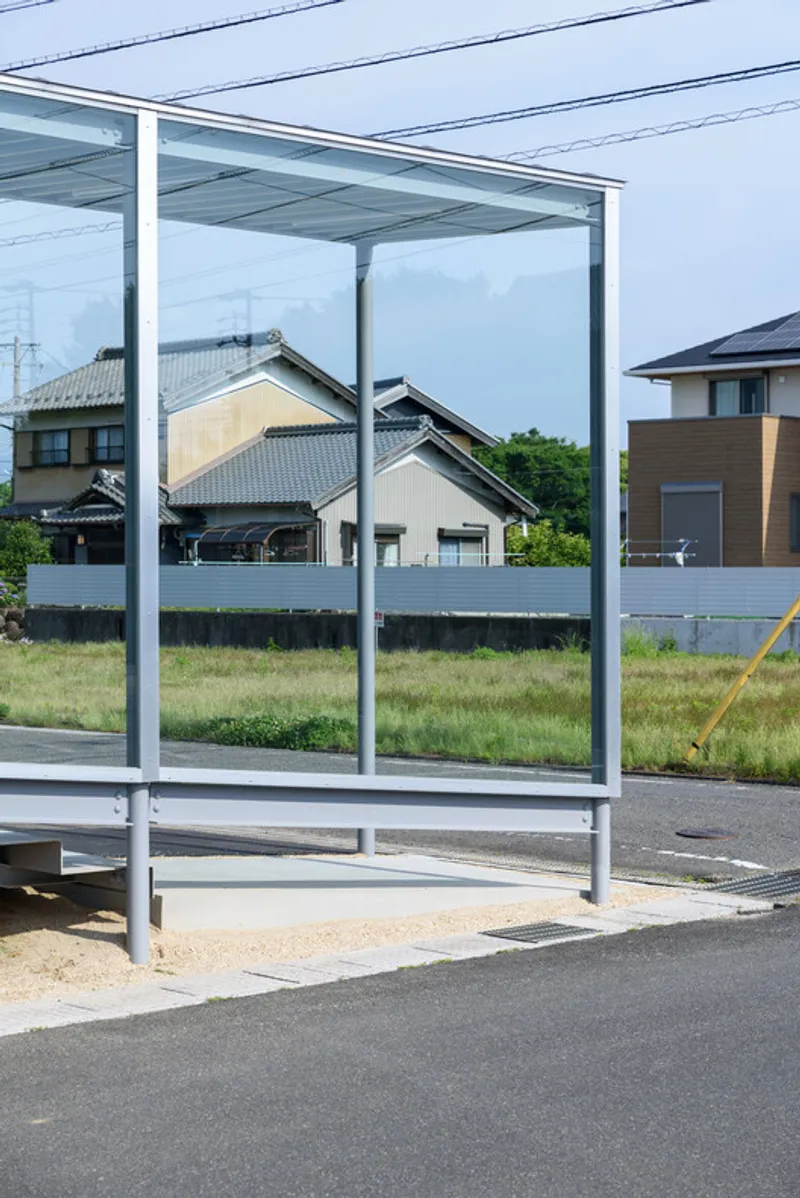
The project’s most defining gesture is a slender, corridor-like volume inserted along the eastern boundary of the site. By partially removing the original plinth, the architects created space for a transparent addition that houses a new waiting area and children’s zone. This intervention freed up interior space within the existing building, allowing clearer circulation and expanded back-of-house facilities.
The extension acts as a buffer between the clinic and its surroundings, softening the original building’s rigid autonomy. Through this mediating space, the sequence of arrival, consultation, treatment, and payment becomes fluid and intuitive, integrated into the rhythms of everyday life.
Healthcare Design Focused on Accessibility
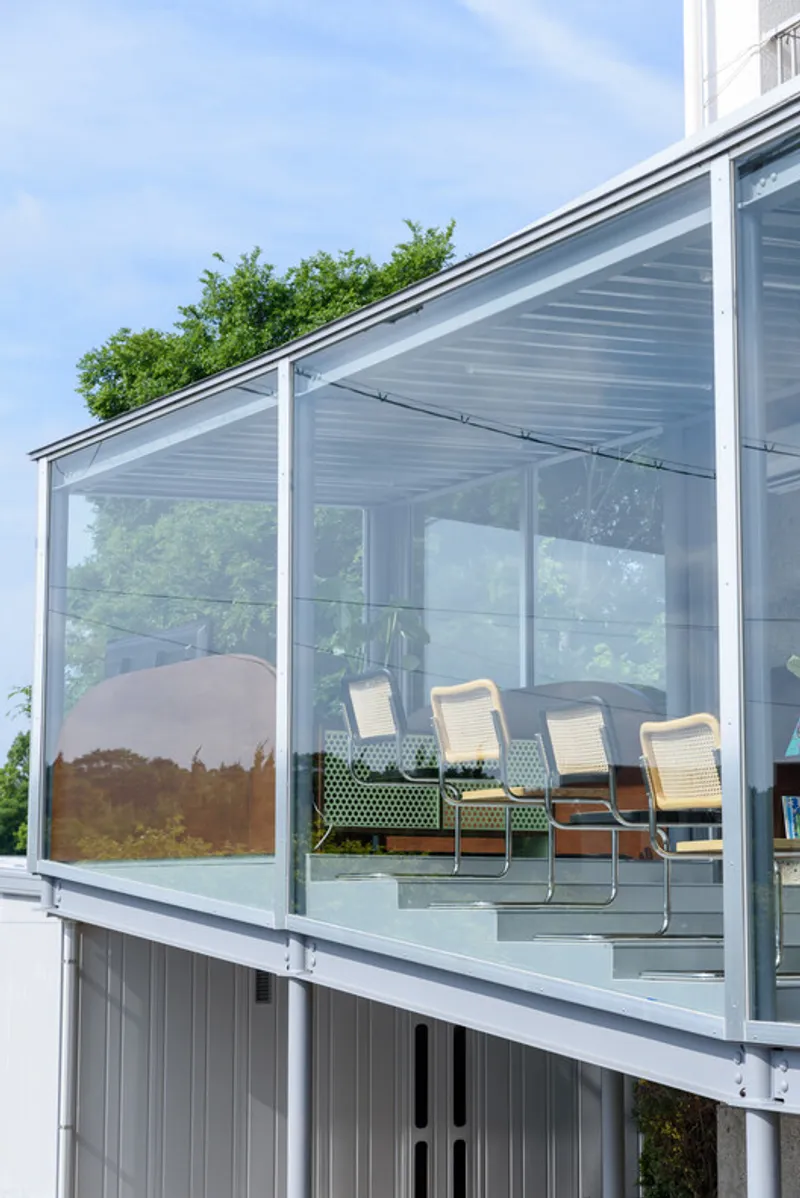
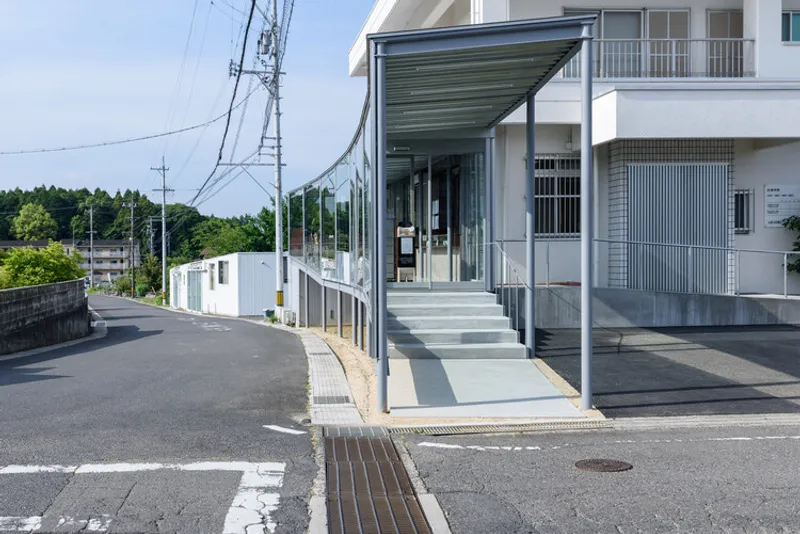
A key element of the renovation is improved accessibility. The former level difference between the ground and interior floor was reconfigured using generous steps and a gently sloping ramp, making the clinic more approachable for elderly patients, children, and individuals with mobility challenges.
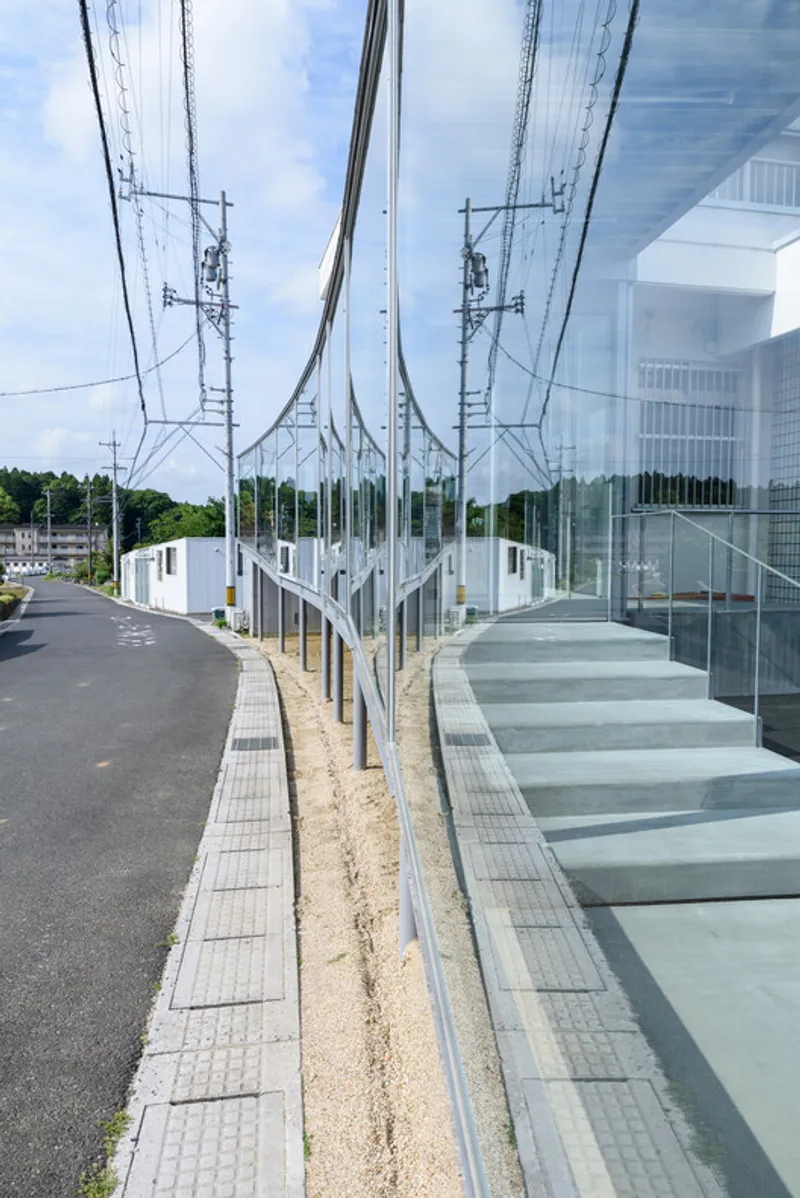
The new structure employs a steel rigid frame system that delicately contrasts with the robust reinforced concrete of the original building. Structural columns were positioned to preserve existing openings, while ground-supported columns carefully avoid conflicts with the curved road boundary and original foundations. Though visually understated, the construction required meticulous surveying due to level changes and structural integration near the parapet.

Transparency and Connection to the Landscape
Facing the gently sloping rural road, the extension’s façade is composed entirely of glass. This transparent screen reveals the interior activity while visually reconnecting the clinic with its landscape. The glazing extends toward the stair porch, abstracting the façade and creating an inviting, open presence.
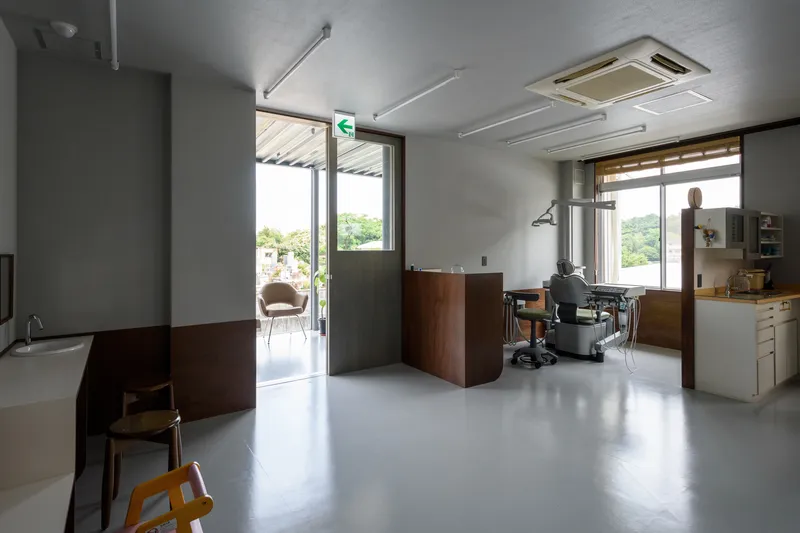
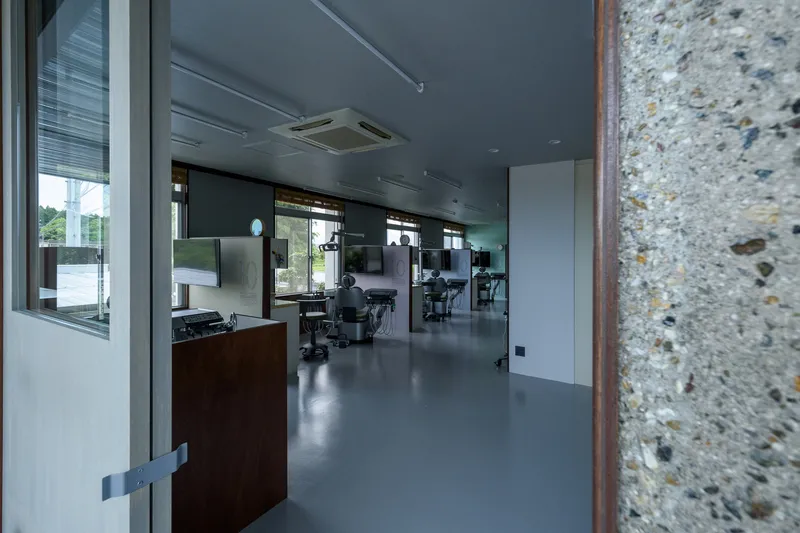
Where old meets new, the architects reinterpreted the existing building fabric. Exterior walls were transformed into interior surfaces by removing protective white coatings to reveal a textured bush-hammered concrete finish. Former window openings were reused as reception counters, preserving structural positions while redefining their function. No additional interior walls were introduced unnecessarily, demonstrating an economical and environmentally conscious approach to renovation architecture.
The resulting interior corridor is shaped by natural light, rural views, and material textures that carry the traces of four decades of history.

Sustainable Renovation Over Demolition
Clinic O stands as an example of sustainable healthcare architecture in Japan. Instead of imposing environmental and financial burdens through demolition and reconstruction, the architects prioritized adaptive reuse and continuity. The scale and presence of the extension were carefully balanced to ensure harmony between:
- Old and new architectural elements
- Interior clinical spaces and exterior rural context
- Symbolic authority and contemporary openness
This restrained yet intelligent design approach reinforces the value of architectural longevity while addressing modern healthcare needs.
A Contemporary Model for Small-Scale Clinic Design
Clinic O demonstrates how small-scale medical architecture can evolve through precision, sensitivity, and sustainability. By combining adaptive reuse, glass façade transparency, steel-frame intervention, and contextual respect, Takayuki Kuzushima and Associates have crafted a clinic that feels both renewed and continuous with its past.
The project reflects broader architectural themes relevant to contemporary practice: healthcare facility renovation, rural architecture in Japan, universal design integration, and sustainable adaptive reuse strategies.




Popular Articles
Popular articles from the community


Riyadh For All: Intergenerational Urban Design for Active Aging in Rabat
Riyadh For All reimagines urban design in Rabat with intergenerational co-living, adaptive courtyards, and Moroccan cultural exchange today.

Hill & Cross Opera: Sculptural Opera House Architecture Shaped by Tallinn’s Landscape and Identity
Hill & Cross Opera reimagines opera house architecture in Tallinn through its sculptural hill, civic plaza, glass wave and a luminous cross.

Play: Fragments of Their World
Familiar architecture becomes modular playground design, creating safe spaces where displaced children can learn, connect, imagine and play.

Lunar Spiral: Space Architecture Shaped by the Mathematics of the Universe
Lunar Spiral reimagines space architecture through Fibonacci geometry, lunar regolith, levitating habitats, and self-sustaining Moon living.


Similar Reads
You might also enjoy these articles

FAMM Arquitectura Organizes Ten Villas Around Courtyards and Jungle in Nosara, Costa Rica
El Molino pairs two elongated volumes with deep overhangs and timber louvers to build a compact coastal community five minutes from the beach.
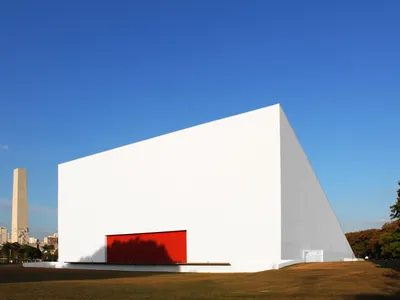
Oscar Niemeyer's Ibirapuera Park Pavilions Define São Paulo's Cultural Identity in Concrete and Curve
A constellation of modernist volumes set within São Paulo's most important urban park, conceived for the city's 400th anniversary in 1954.
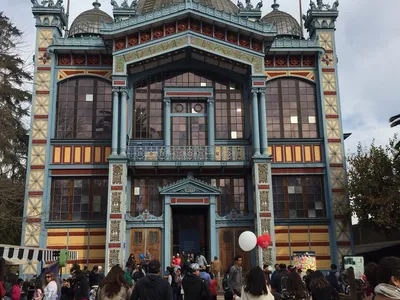
How Henri Picq's 1889 Paris Pavilion Traveled 11,000 Kilometers to Become Santiago's Artequín Museum
A prefabricated iron and glass pavilion built for the Paris Universal Exposition found a second life as a children's art museum in Chile.
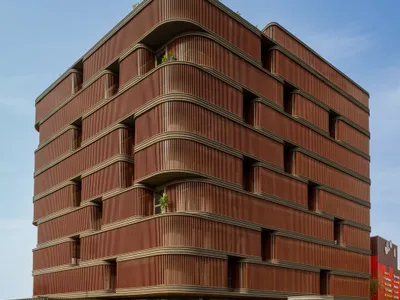
Sanjay Puri Architects Wraps a Jaipur Office Tower in Capsule-Shaped Green Buffers
A nine-level climate-responsive workplace near Jaipur Airport uses stacked planter terraces and aluminium screens to fight 40°C heat.


Explore Architecture Competitions
Discover active competitions in this discipline



Challenge to reimagine the Iron Throne


Photograph architecture without architects


Illustrate the lost glory of Angkor Wat - Render Challenge


Design challenge to reuse E-waste
Comments (0)
Please login or sign up to add comments
No comments yet. Be the first to comment!