
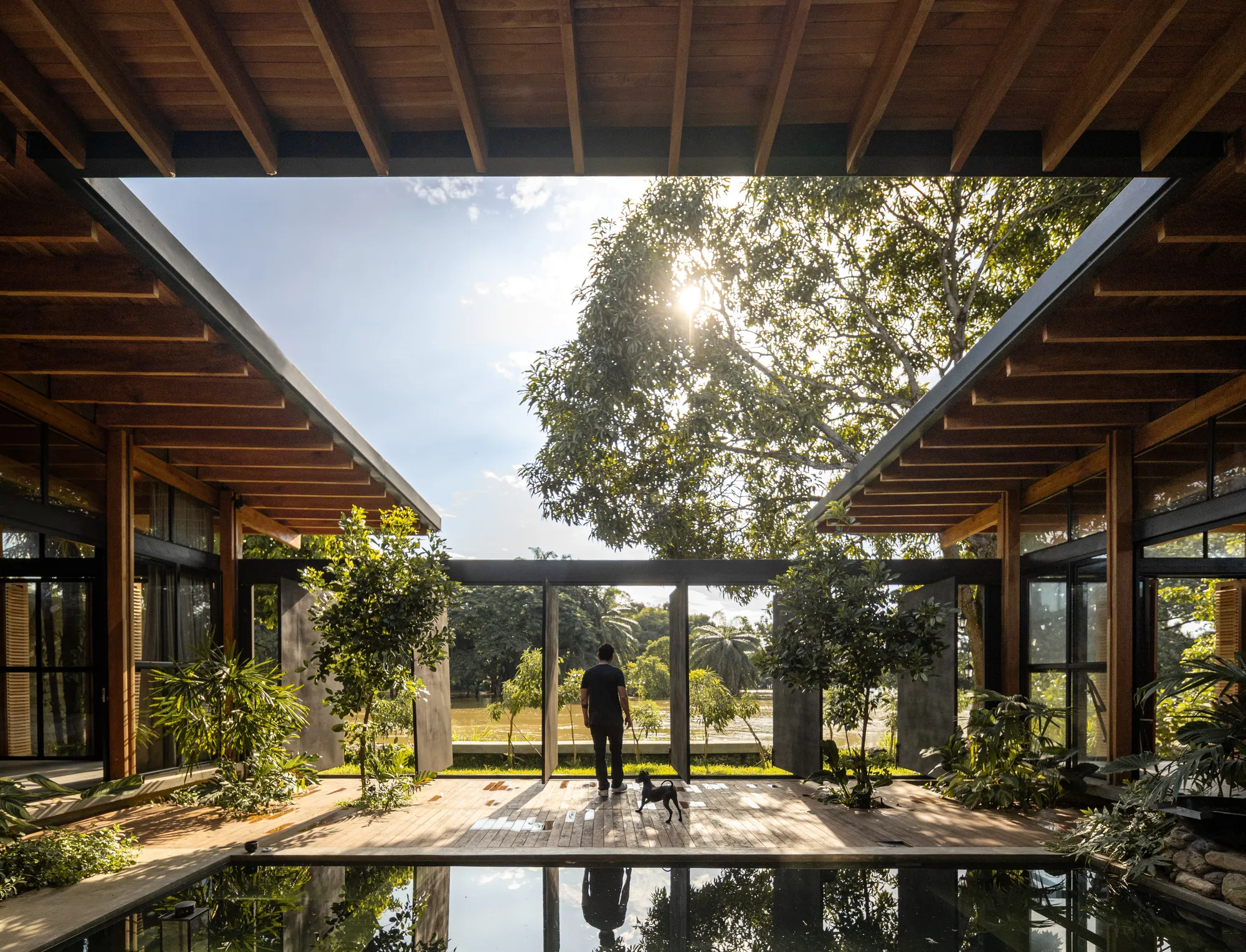
The House of Time: A Slow Architecture in Ecuador
Natura Futura built a 180 m² mixed-use house in Babahoyo, Ecuador that treats time as a material. River, craft, and community keep it.


Most contemporary houses are designed against time. They want to look new for as long as possible, hide the weather, and pretend the river outside doesn't rise and fall. The House of Time, a small mixed-use building completed in 2026 by the Ecuadorian studio Natura Futura in Babahoyo, Ecuador, takes the opposite position. It is built to be read like a clock.
At 180 square metres, it is not a large project. But it is one of the more interesting recent statements from a region where architecture is being asked to do more with less, and to remember the rhythms it has spent the last century forgetting.
A House on a River City
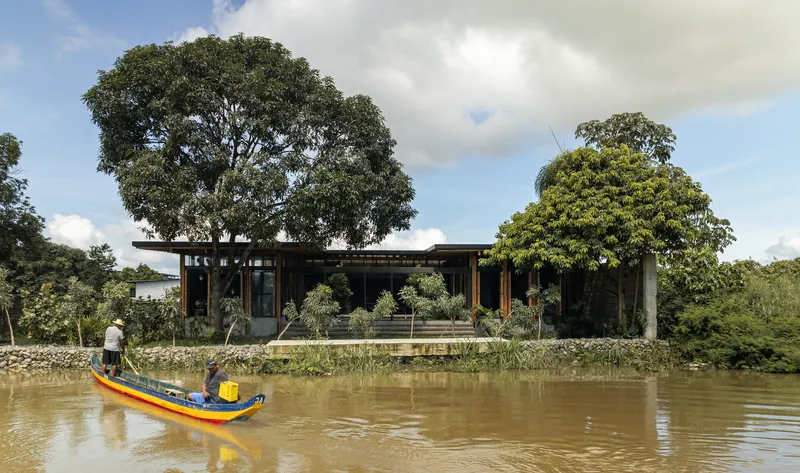
Babahoyo sits in the lowlands of Los Ríos province, where the Babahoyo and San Pablo rivers meet before joining the Guayas. The city's name and identity are inseparable from water. For centuries, life here ran on a calendar set by floods, crops, fishing seasons, and the slow movement of cargo on the rivers.
That calendar has been displaced by a faster, more generic urban tempo. The studio frames the project as a response to a way of living that has become accelerated and detached from both the natural context and the artisanal work that grew out of it. The site is a quiet act of repair.
Architecture as a Biological Clock
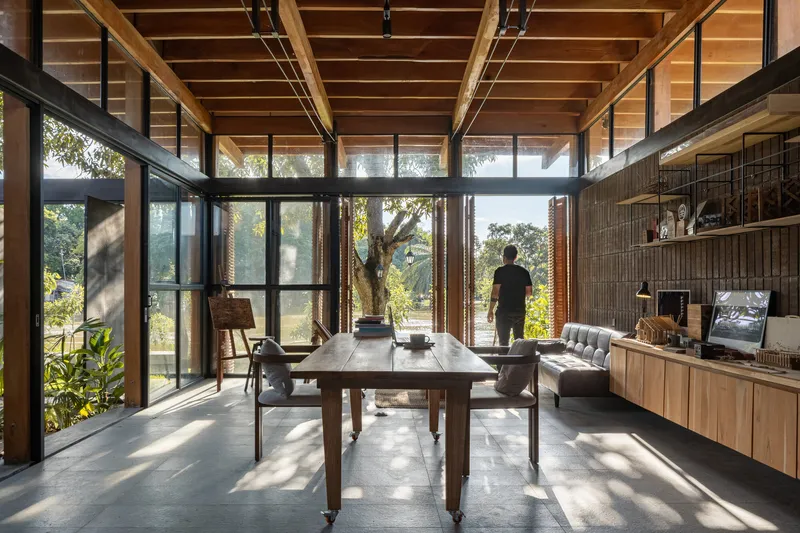
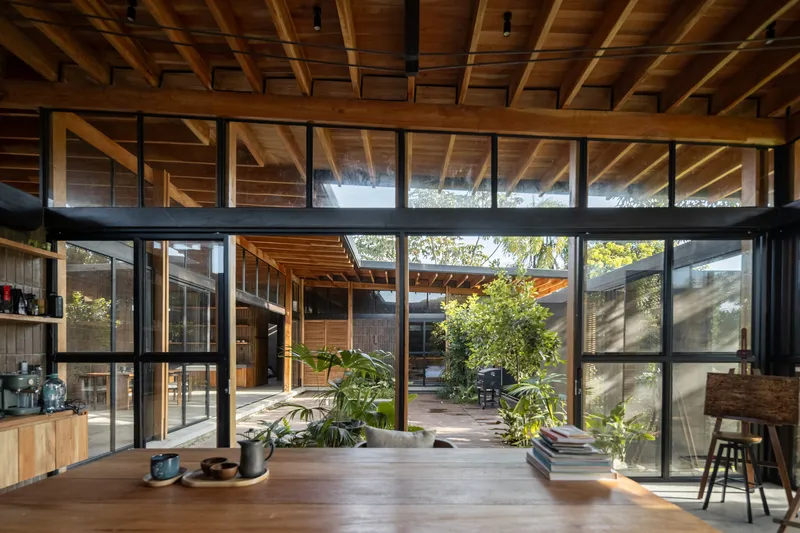
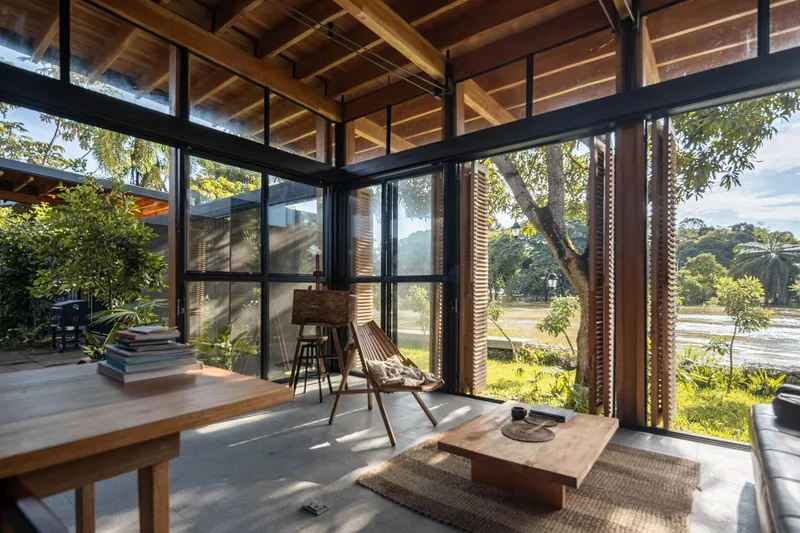
Natura Futura describes the building as architecture as a biological clock. The phrase reads like a manifesto more than a metaphor. A biological clock is not decorative, it is the underlying mechanism that tells a body when to wake, eat, work, and rest. Translated to a building, it means a structure tuned to the cycles around it rather than insulated from them.
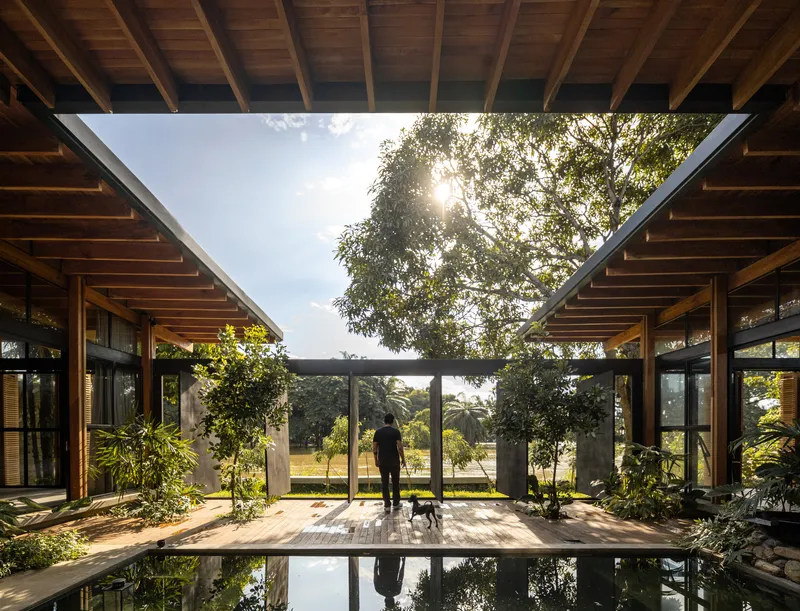
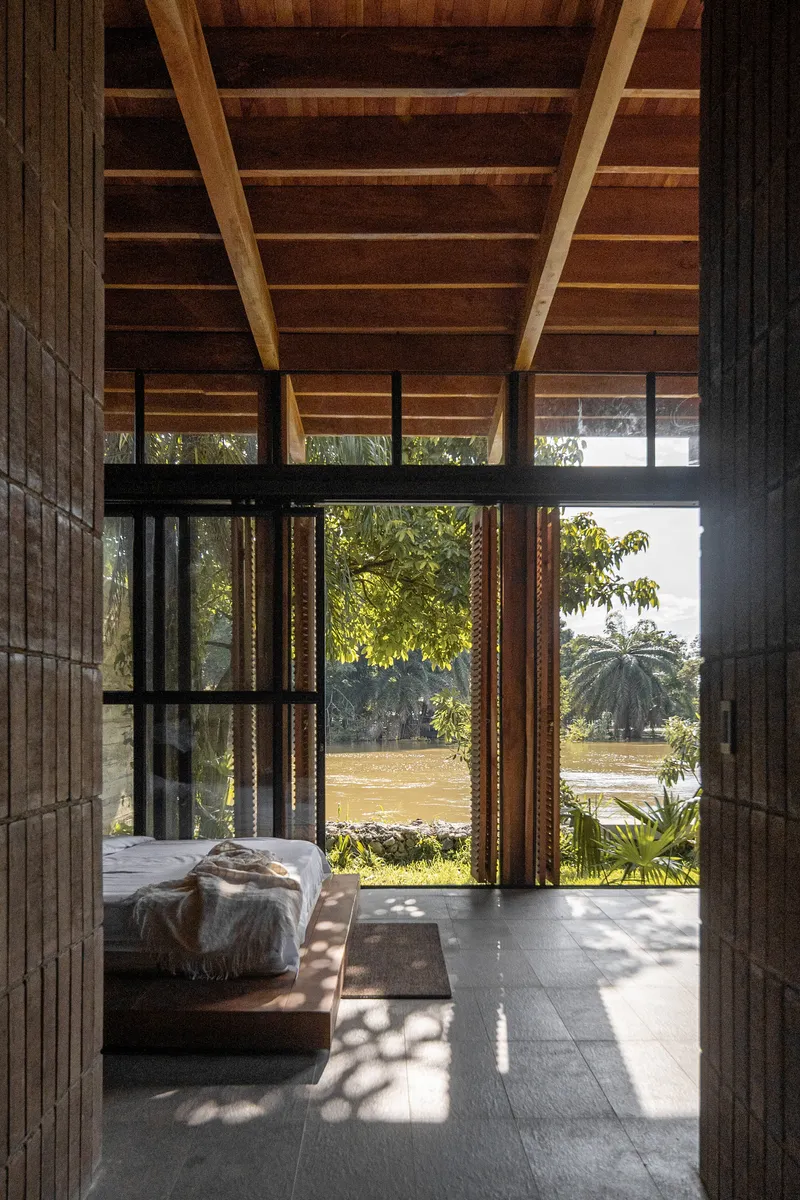
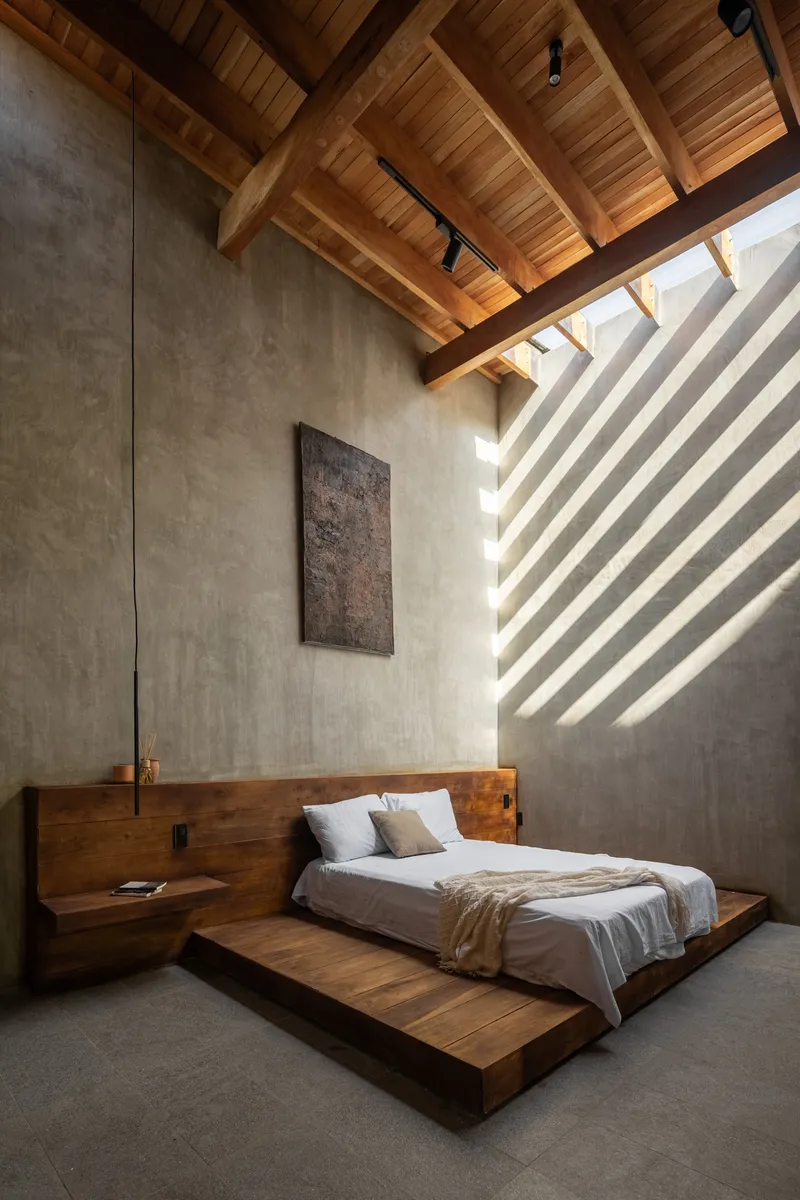
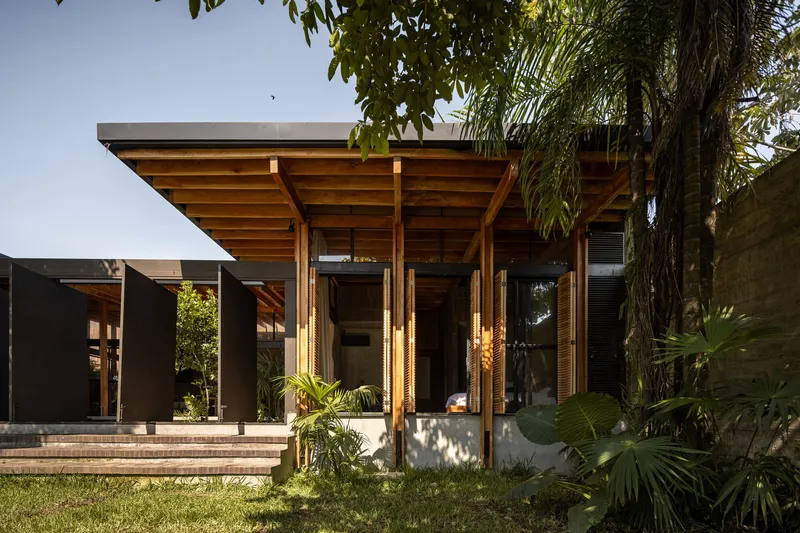
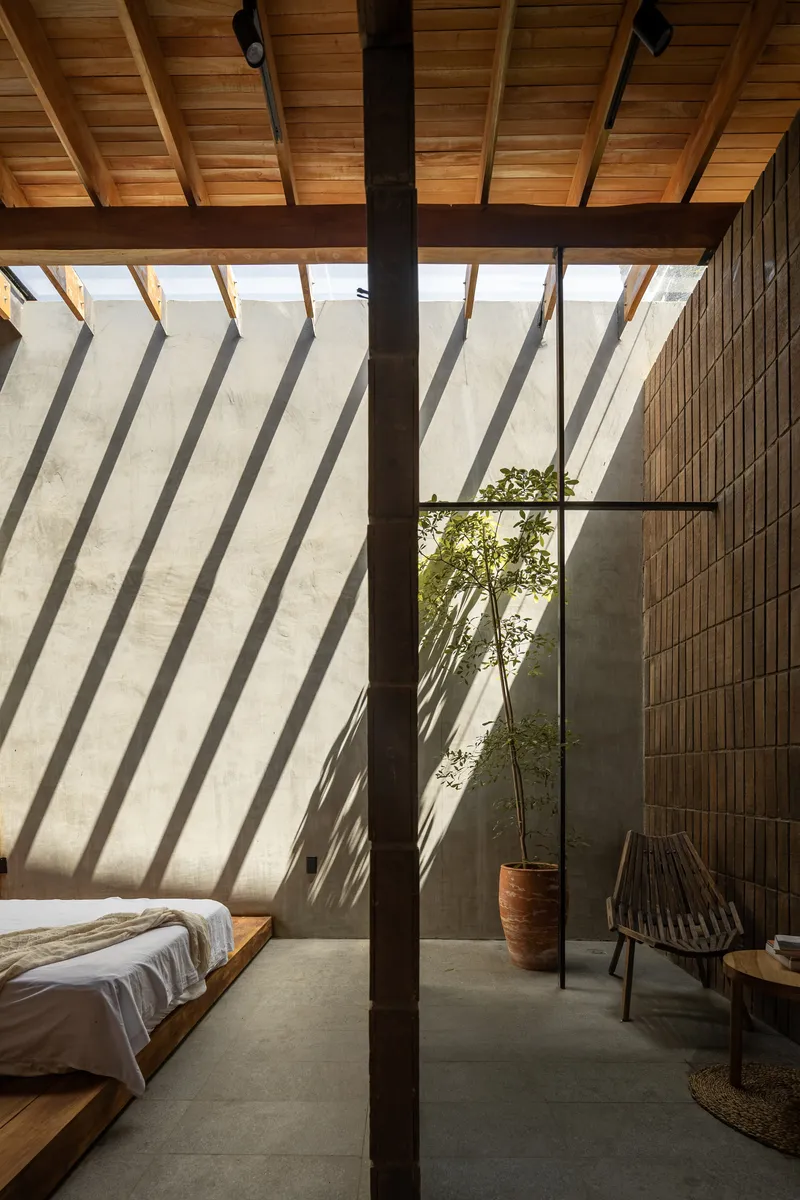
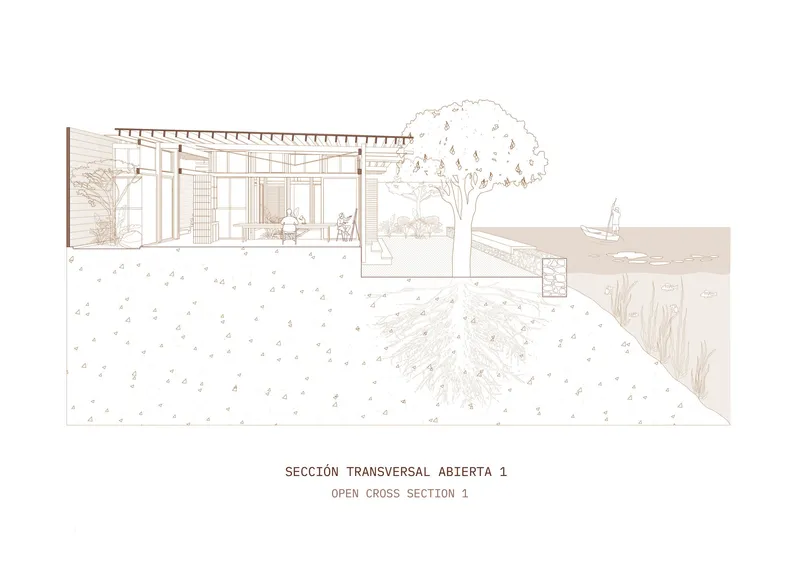
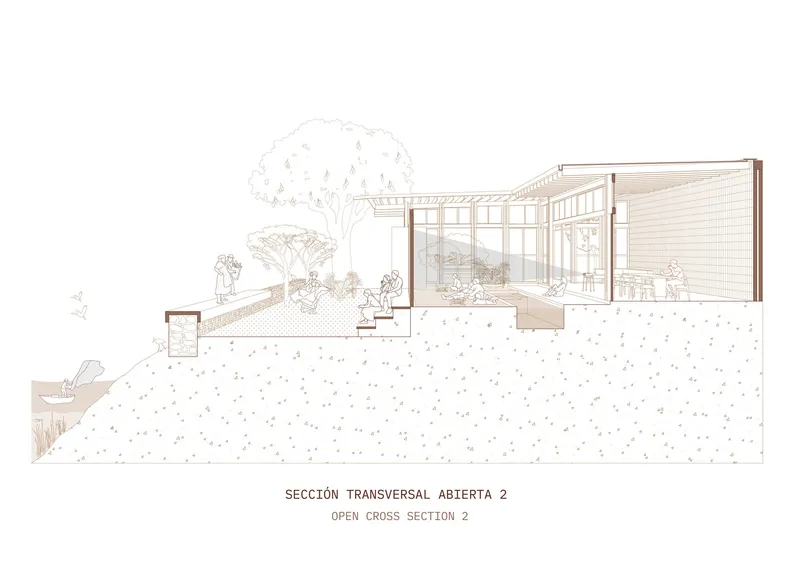
You can see it in the way the section opens. Light moves across the rooms during the day. Air moves through them. The materials, mostly timber and woven craft surfaces, are chosen because they age, swell, dry, and weather. The house keeps time by changing.
Domestic Life Meets Collective Learning
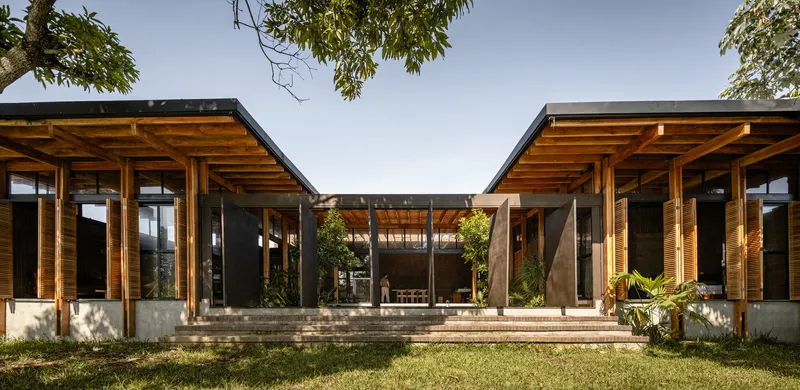
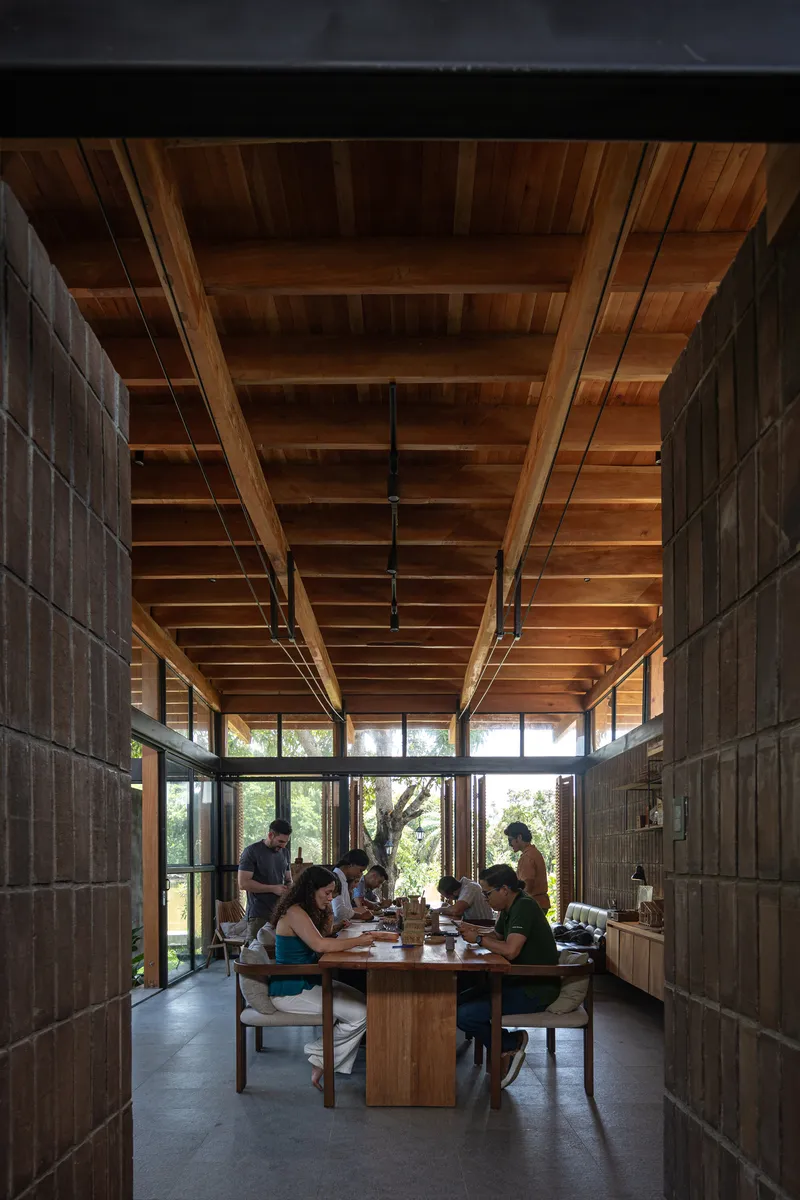
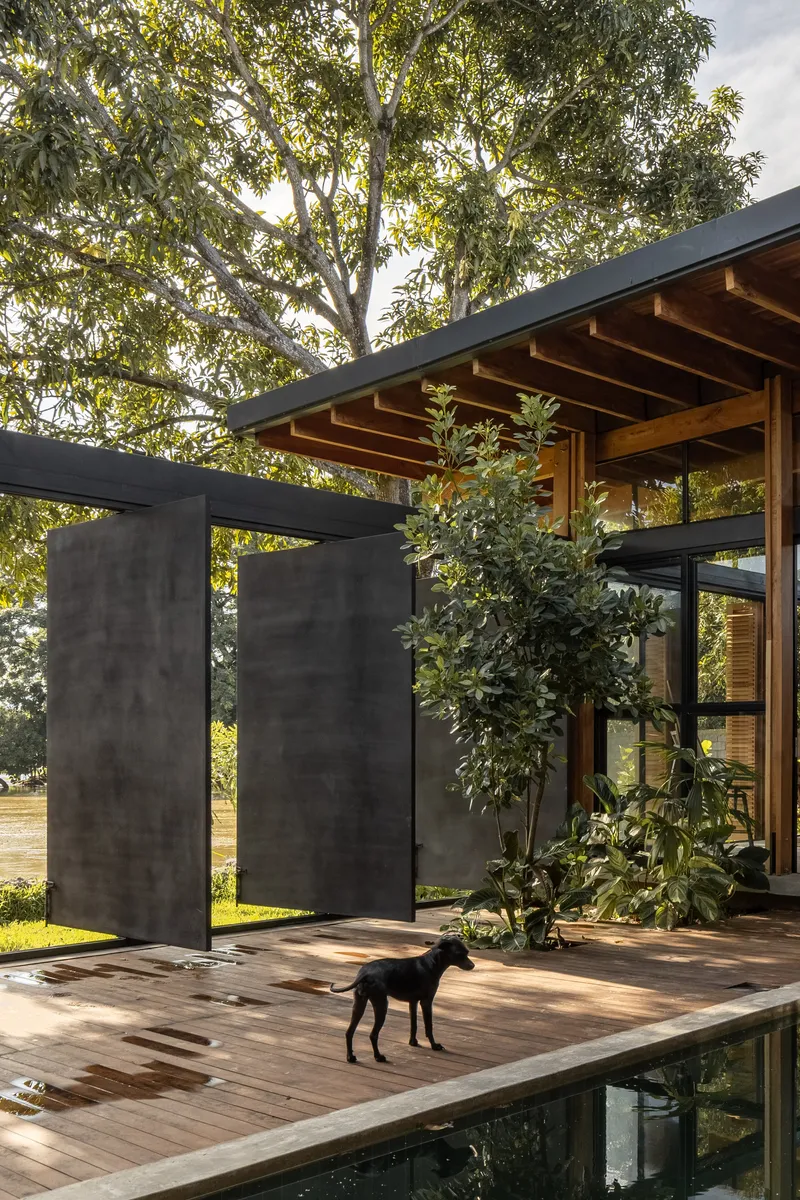
The most ambitious move in the brief is programmatic. The House of Time is a home, but it is also a place for collective learning. Domestic living and shared workshops are stitched into the same small footprint, so the boundary between the family that lives there and the people who visit to learn a craft is intentionally soft.
This is something the studio has been developing for years across small public projects in coastal Ecuador. Houses become libraries. Workshops become living rooms. The argument, made quietly in the plans, is that the strict separation of private and civic space is a recent invention and not necessarily a useful one for places that still remember how to share.
Craft as a Way of Telling Time
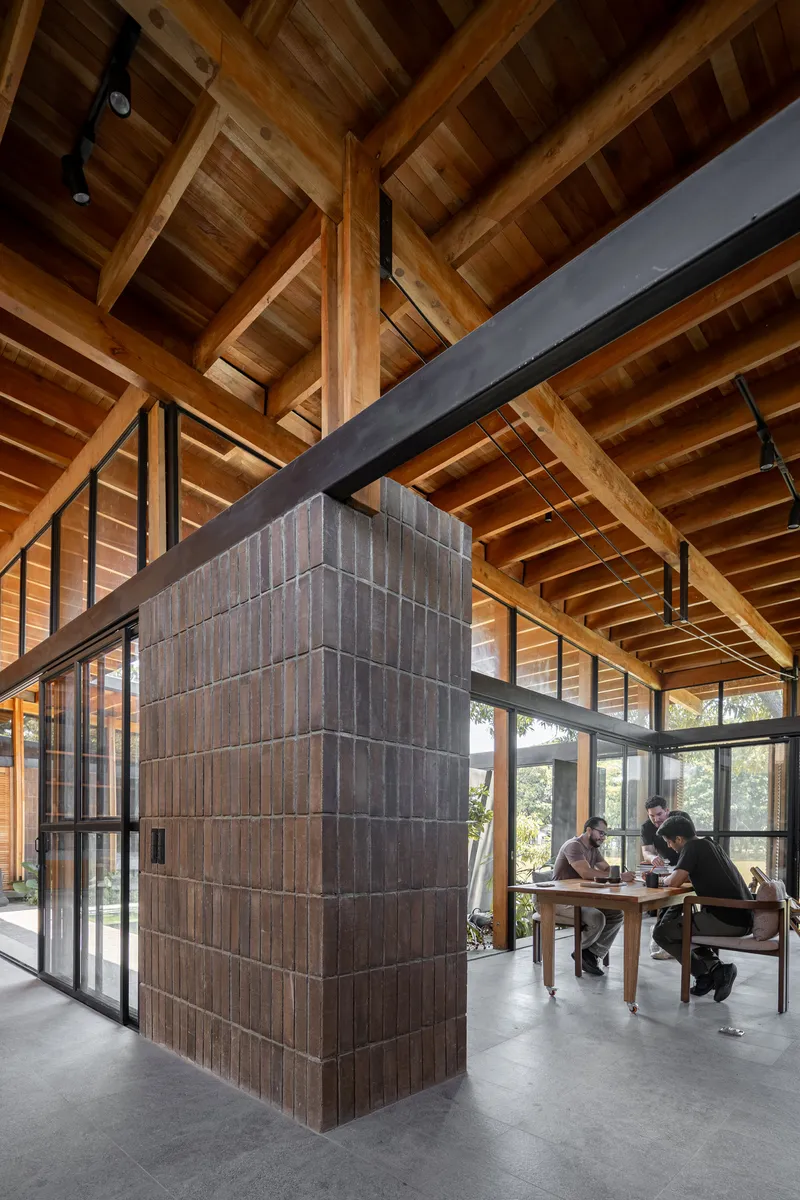
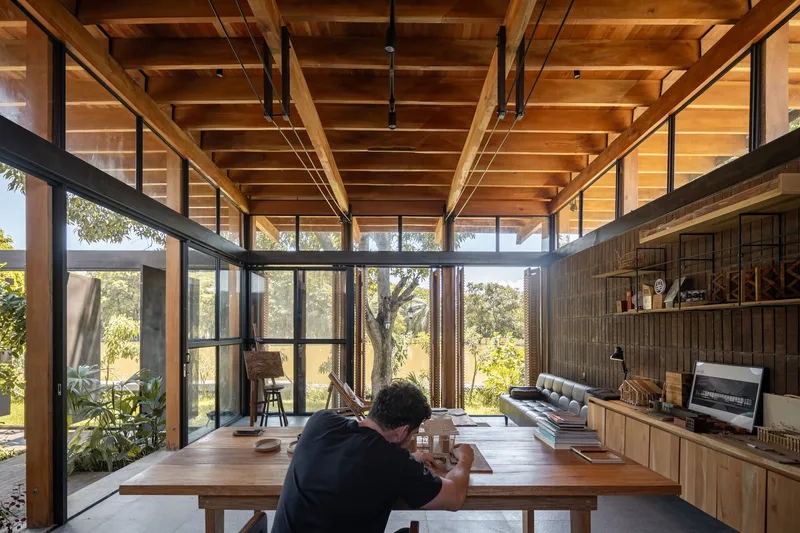
The other clock the building keeps is a craft clock. Babahoyo and the surrounding rural areas have a long tradition of weaving, basketry, and timber work that has been thinned out by industrial production. The House of Time is meant to host these processes, not as nostalgia, but as a working programme.
This matters architecturally because craft has its own pace. A woven panel is finished when the maker decides it is finished, not when a deadline says so. Building a house around that logic forces a different relationship with materials, suppliers, and labour. It is, in its own modest way, a critique of how most contemporary buildings get made.
Atmosphere and the Long View
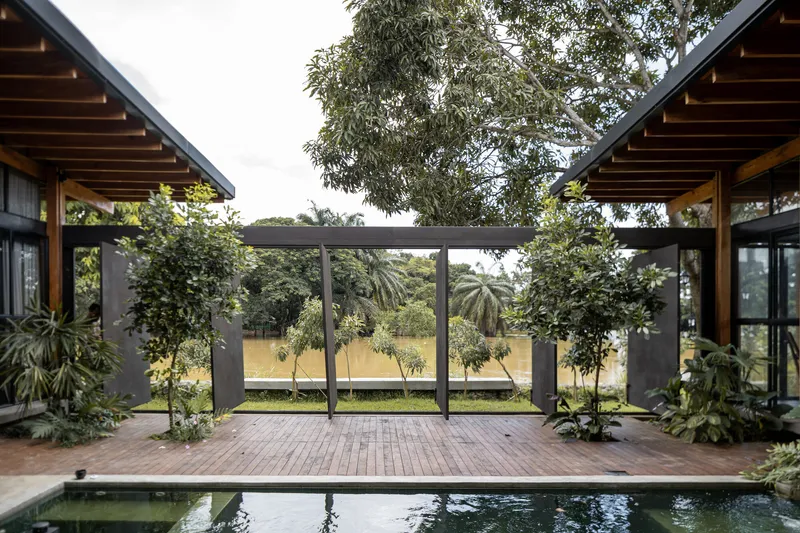
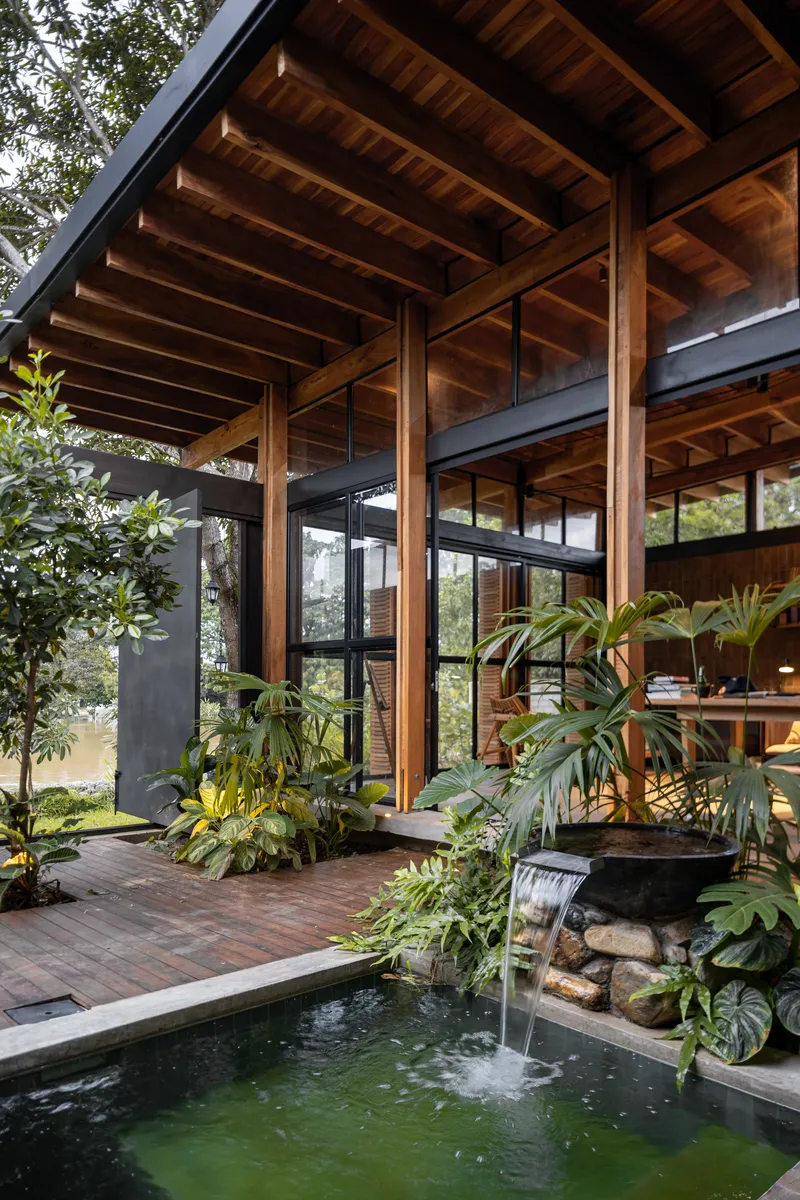
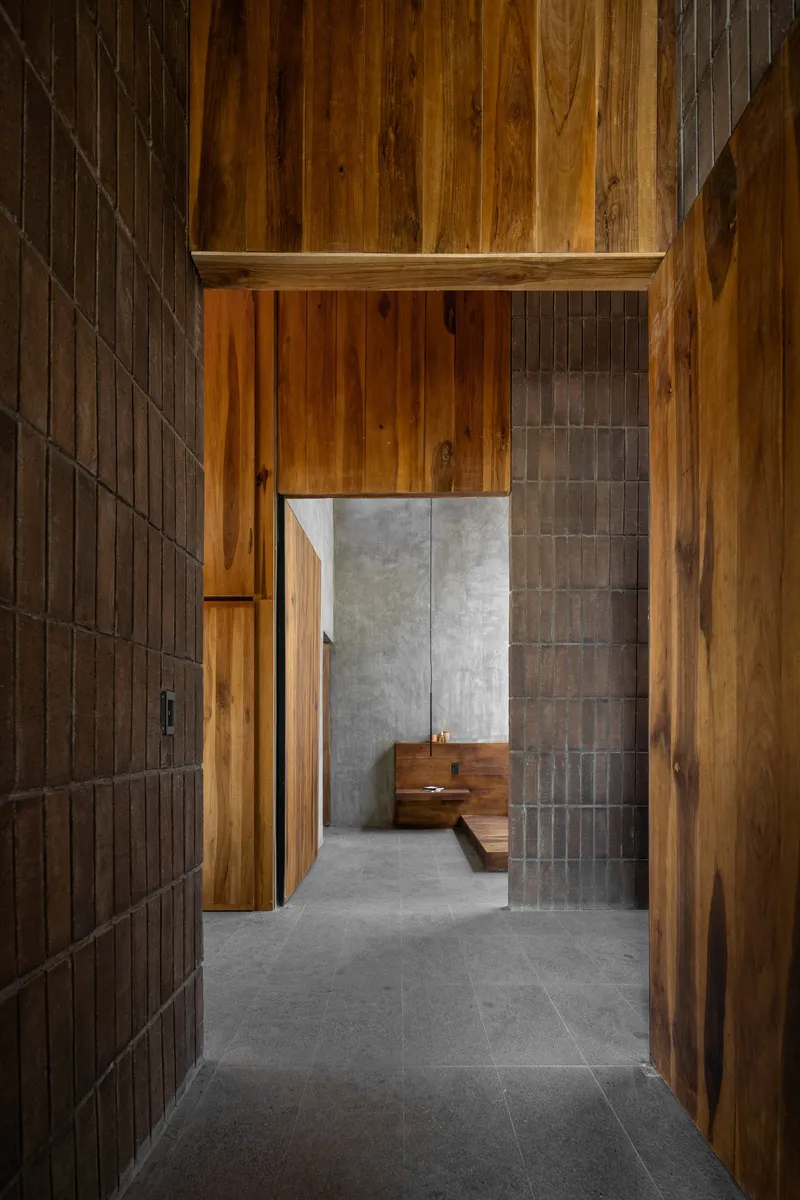
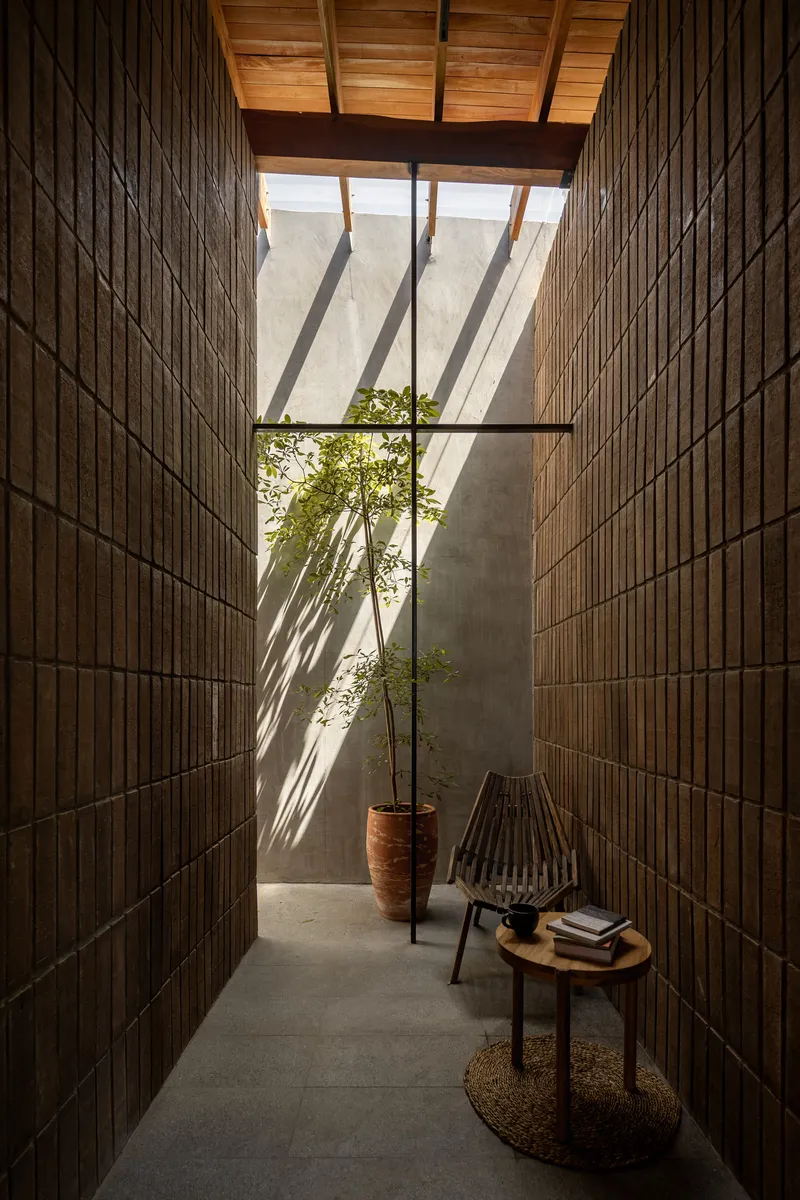
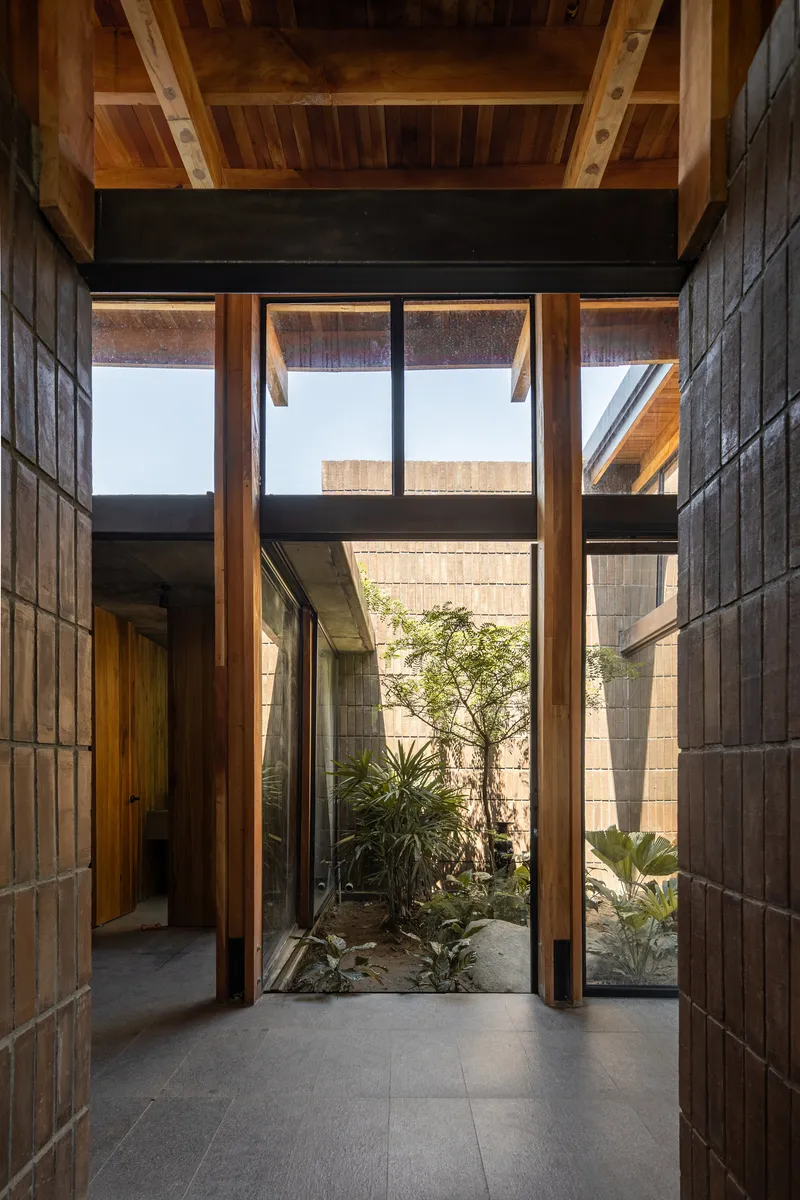
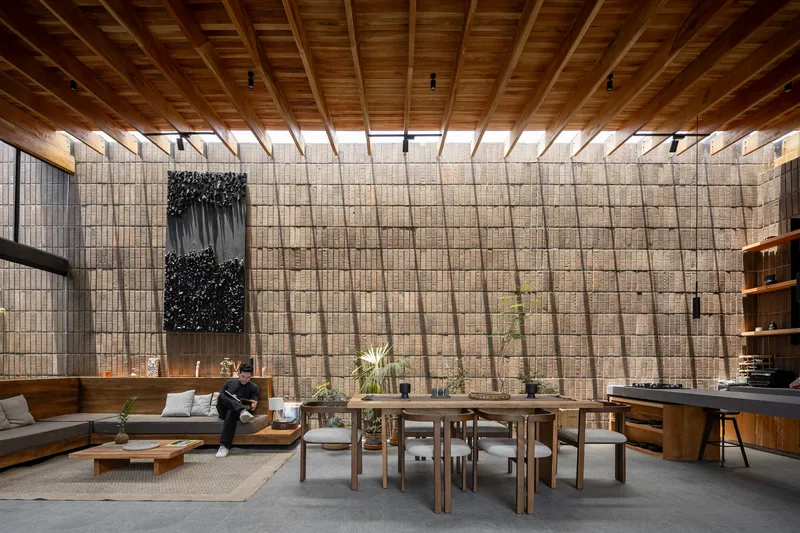
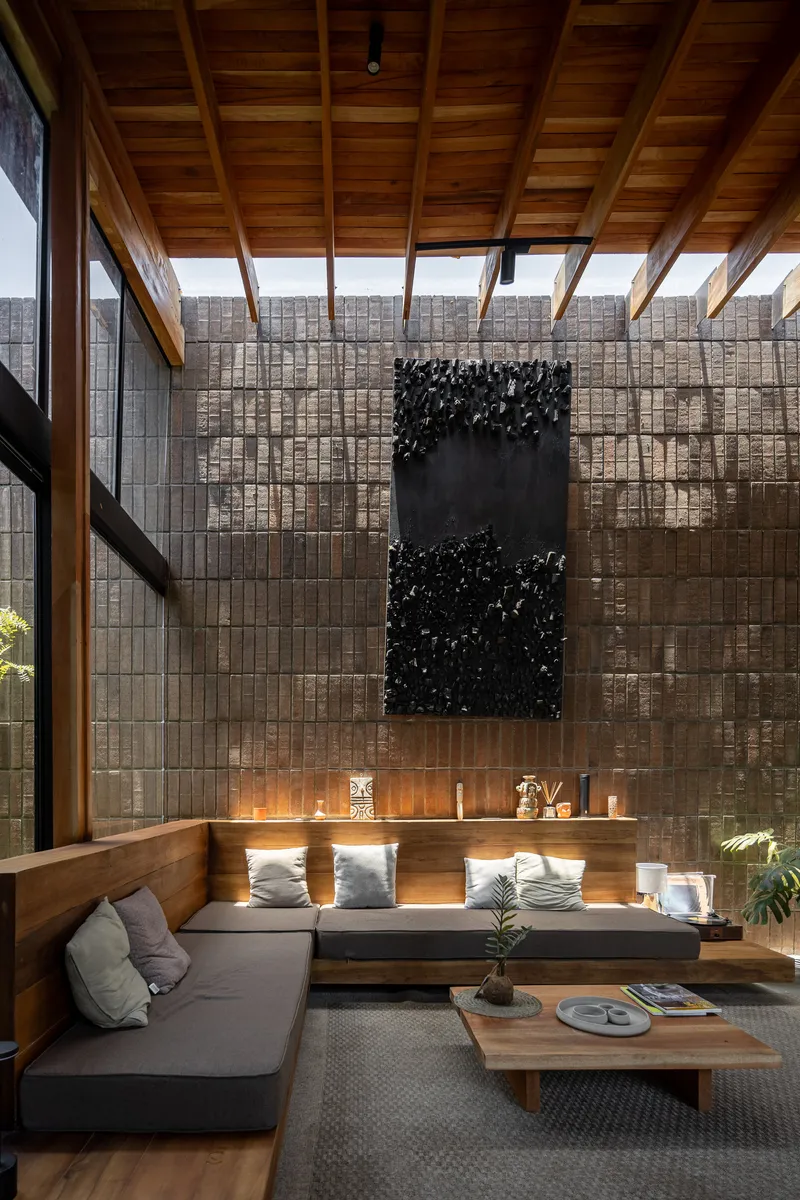
The photographs by Oscar Hernández reward slow looking. They were not staged to read in a thumbnail. They are full of soft edges, quiet corners, plants, and the kind of small spatial moments that come from a building that was thought through at body scale rather than from a render.
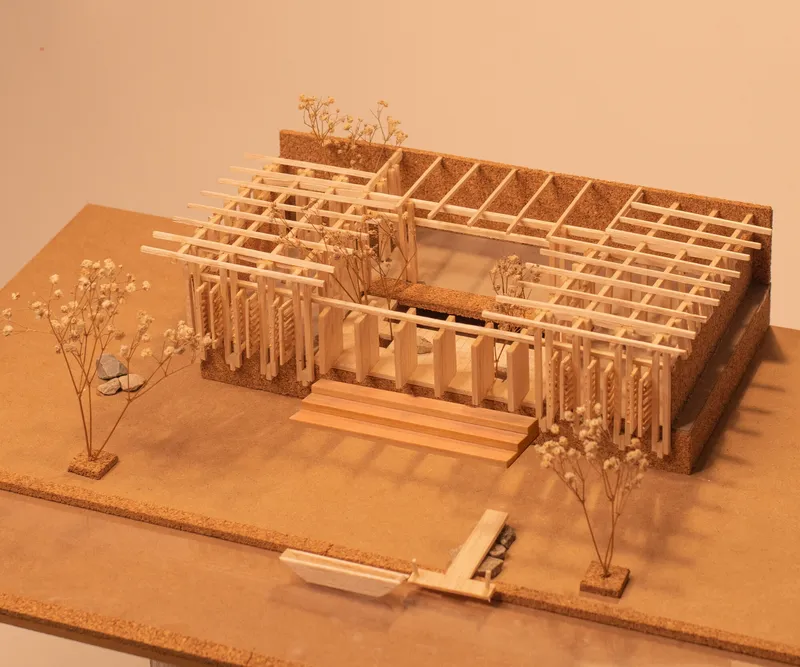
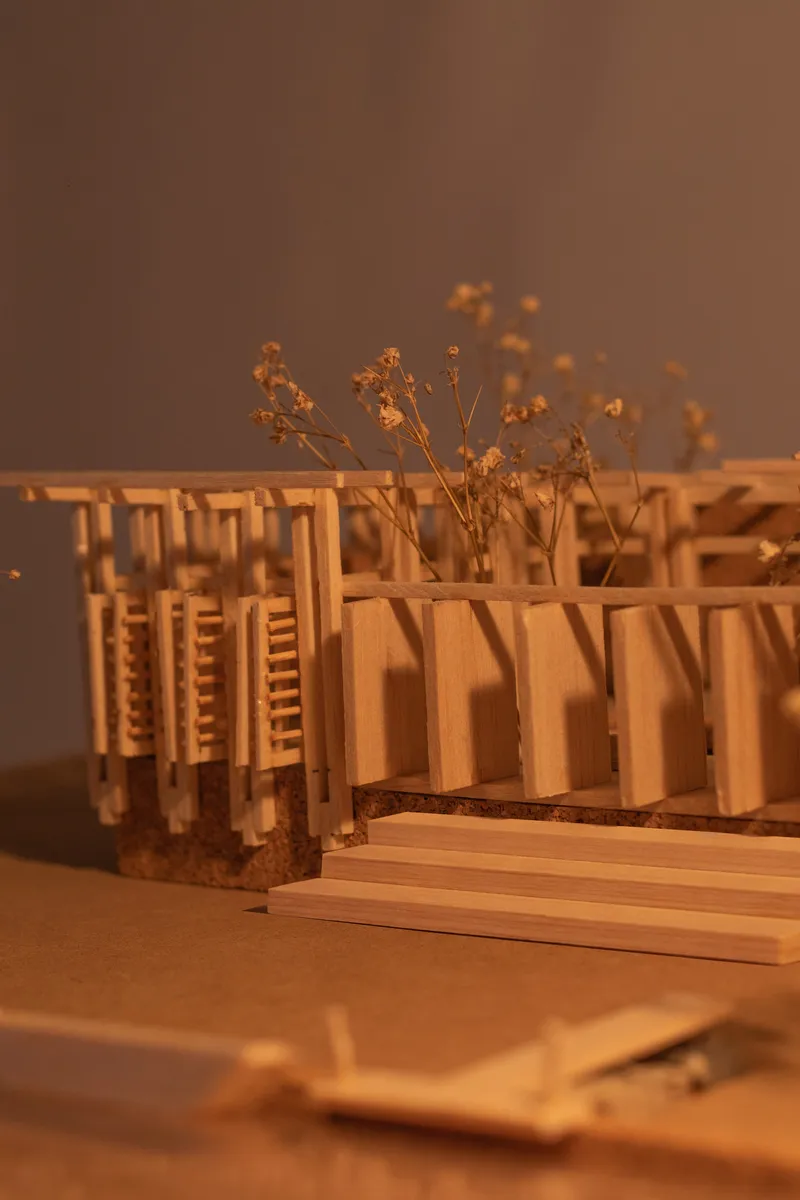
Plans, Sections and Sketches
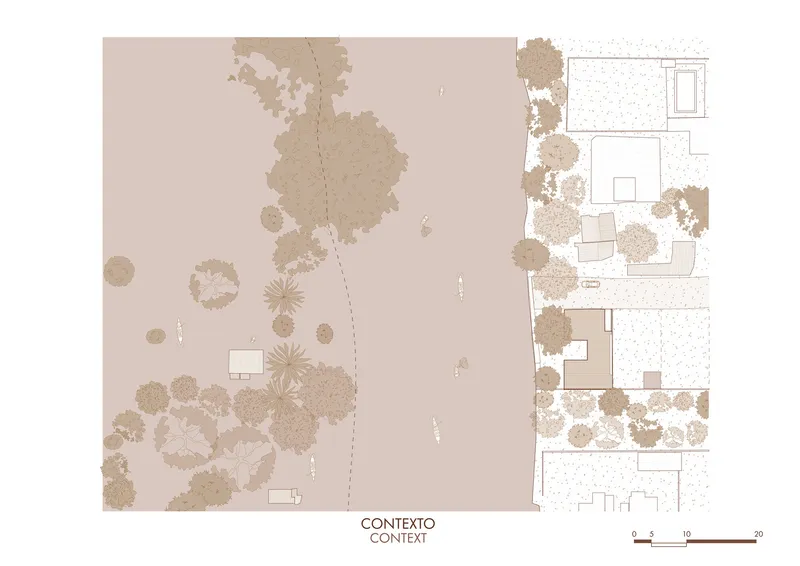
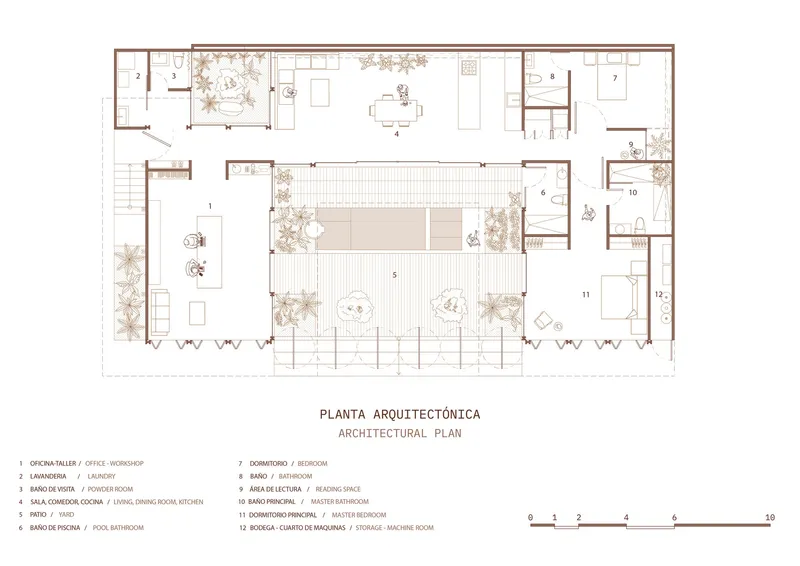
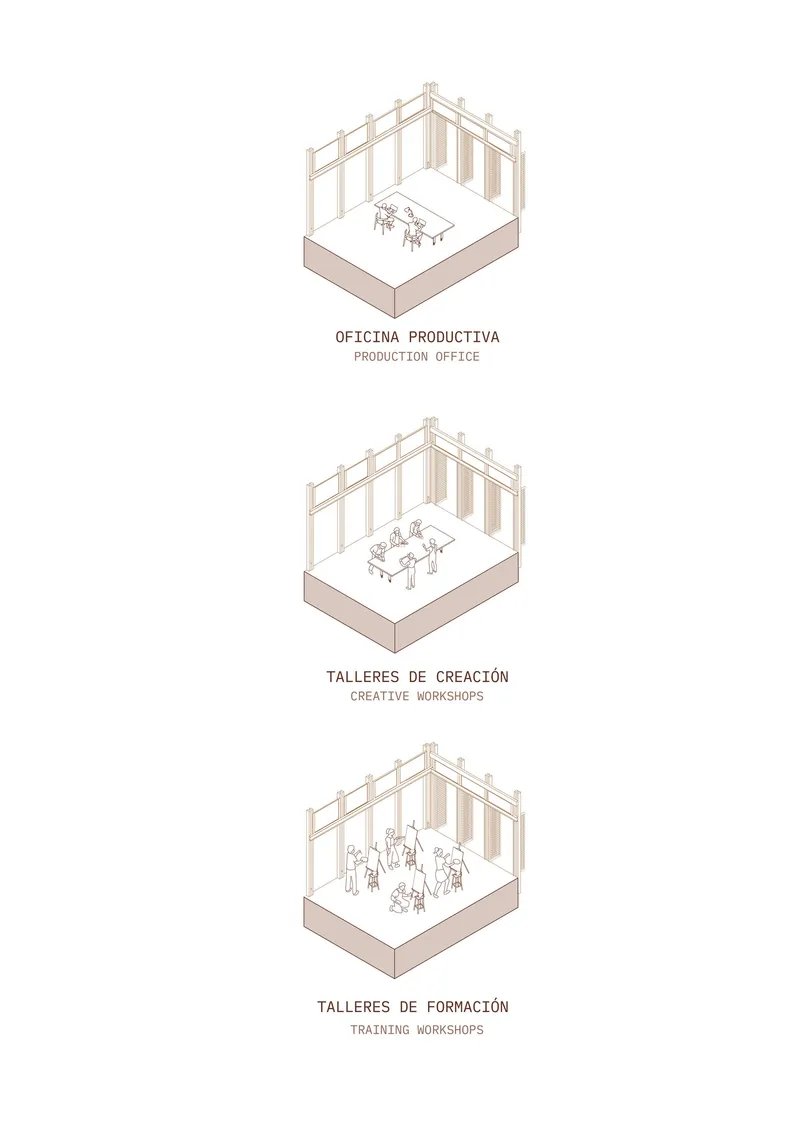
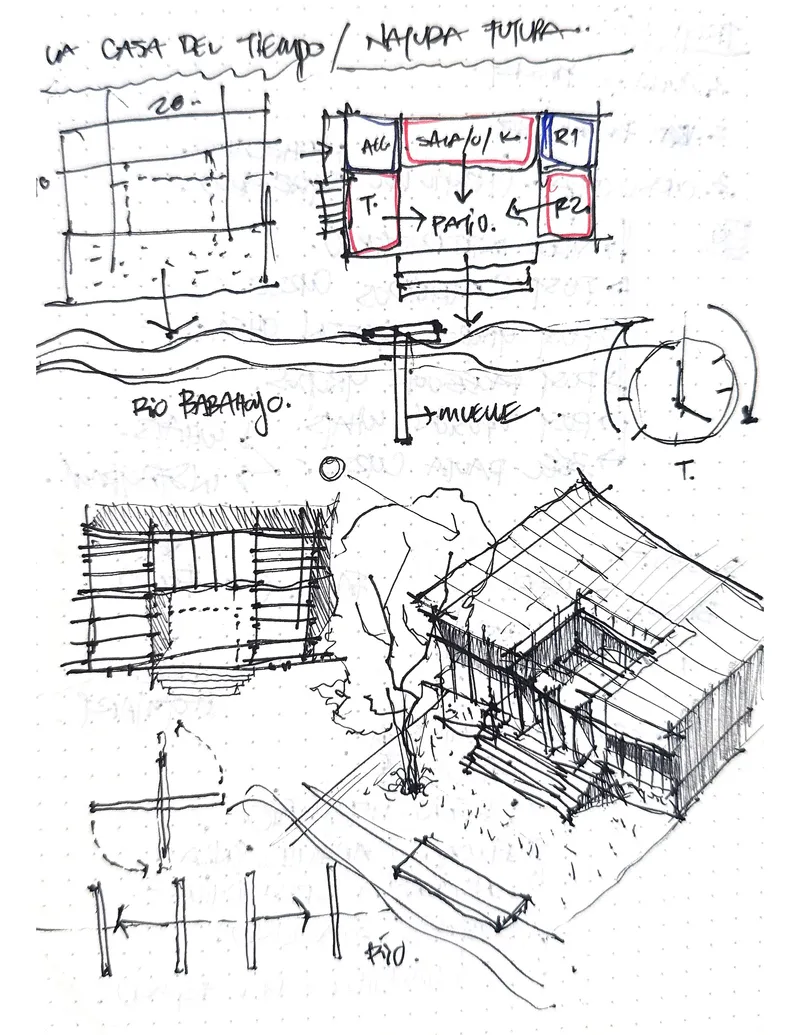
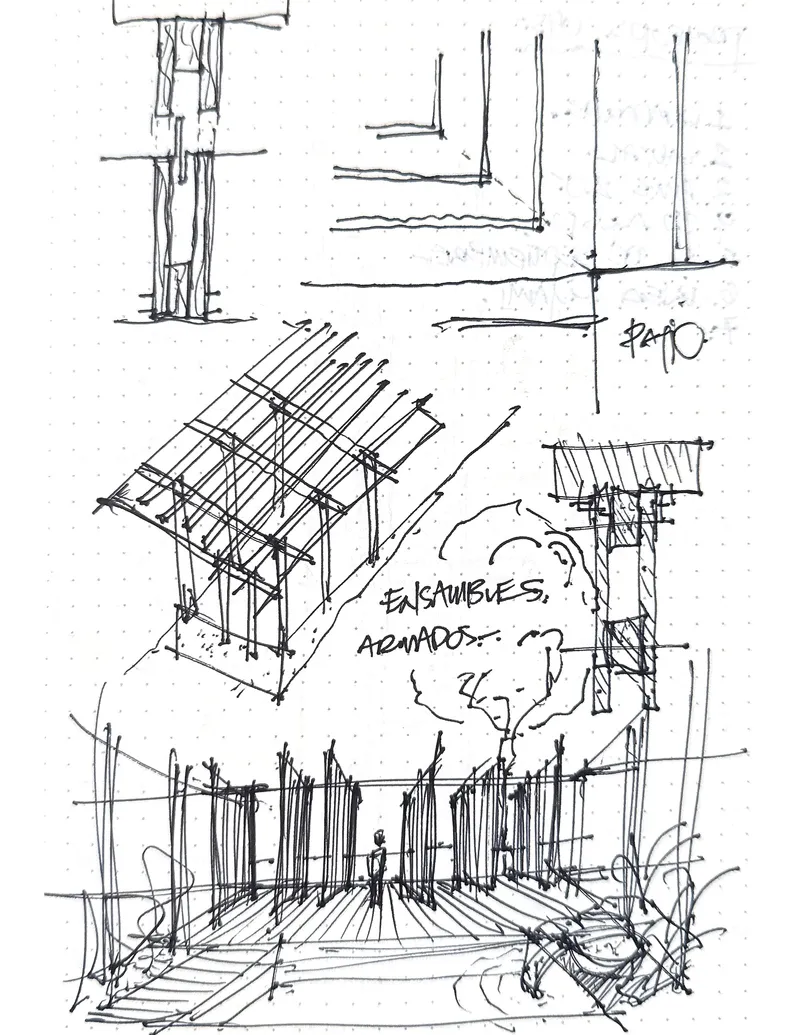
The drawings, illustrated by Kevin Araujo, are worth looking at on their own. They are not the slick renders that dominate architecture media. They are populated, slightly hand-drawn, full of plants and people doing things. The drawings argue, before the photographs do, that this is a building meant to be inhabited rather than admired.
Why This Project Matters
Latin American architecture has spent the last decade producing some of the most thoughtful small-scale work in the world. Studios like Natura Futura, Al Borde, and others working in Ecuador, Paraguay, and Peru have shown that a tight budget and a specific climate are not constraints to be apologised for. They are the brief.
The House of Time fits into that lineage. It is small, local, materially honest, and culturally ambitious. It does not try to be impressive. It tries to be useful for a long time, in a particular place, on a particular river.
If you are a student or an emerging architect looking for a model of practice that is still possible without massive resources, this is one of the projects worth studying carefully.
Follow the Studio
Share Your Own Work on uni.xyz
If projects like this resonate with how you want to practise, uni.xyz is a place to publish your own work, find collaborators, and enter design competitions that take small-scale, regionally specific architecture seriously.
Project credits: The House of Time by Natura Futura. Babahoyo, Ecuador. 180 m². Completed 2026. Photographs by Oscar Hernández. Illustrations by Kevin Araujo.



Popular Articles
Popular articles from the community


Co-Life: Senior Housing Design That Reconnects Older Adults With the City
Co-Life reimagines senior housing design through healing gardens, shared streets, workshops, and a sustainable community across generations.

The Ocean Hive: Sustainable Architecture for a Self-Sufficient Civilization at Sea
The Ocean Hive imagines sustainable architecture at sea, where modular habitats, algae, wave power and ocean waste sustain a growing colony.

The Earth Pod: 3D Printed Homes for Resilient Refugee Communities
The Earth Pod reimagines refugee housing through 3D printed homes made from clay, combining resilience, self-sufficiency, and rapid shelter.

Conexión: Biophilic Design Reimagines High-Rise Living in Hong Kong
Conexión reimagines high-rise living in Hong Kong through biophilic design, green facades, shared spaces, daylight, water and nature within.

Similar Reads
You might also enjoy these articles

Bao Huynh Watercolor Atelier: A Serene Art Retreat in Hội An
Bao Huynh Watercolor Atelier in Hội An blends multifunctional art spaces, sustainable design, local materials, and family-friendly living in a serene environment.

Atelier Macri Concept Store Interior Design by CASE-REAL
Atelier Macri store features a "ko" counter, walnut wood details, cork displays, blending retail, gallery, and seamless customer experiences.

Manuel Vargas Izquierdo Stadium and High-Performance Sports Center: Architectural Excellence in Jalpa de Méndez
The Manuel Vargas Izquierdo Stadium blends sustainable design, inclusive sports facilities, and cultural-inspired architecture, revitalizing Jalpa de Méndez’s public spaces.

KAKR Buluh Awar Hall: Revitalizing Community and Ecology Through Bamboo Architecture
Community built bamboo hall revitalizes Buluh Awar village, empowering youth, restoring ecology, celebrating vernacular craftsmanship through sustainable architecture and culture.


Explore Architecture Of Time Competitions
Discover active competitions in this discipline



Challenge to reimagine the Iron Throne


Photograph architecture without architects


Illustrate the lost glory of Angkor Wat - Render Challenge


Bring back Drive In's
Comments (0)
Please login or sign up to add comments
No comments yet. Be the first to comment!