
COMPLUVIUM Pavilion: A Masterclass in Pavilion Architecture and Material Innovation
The COMPLUVIUM Pavilion combines innovative materials and geometry, creating a unique architectural space that celebrates water and nature.

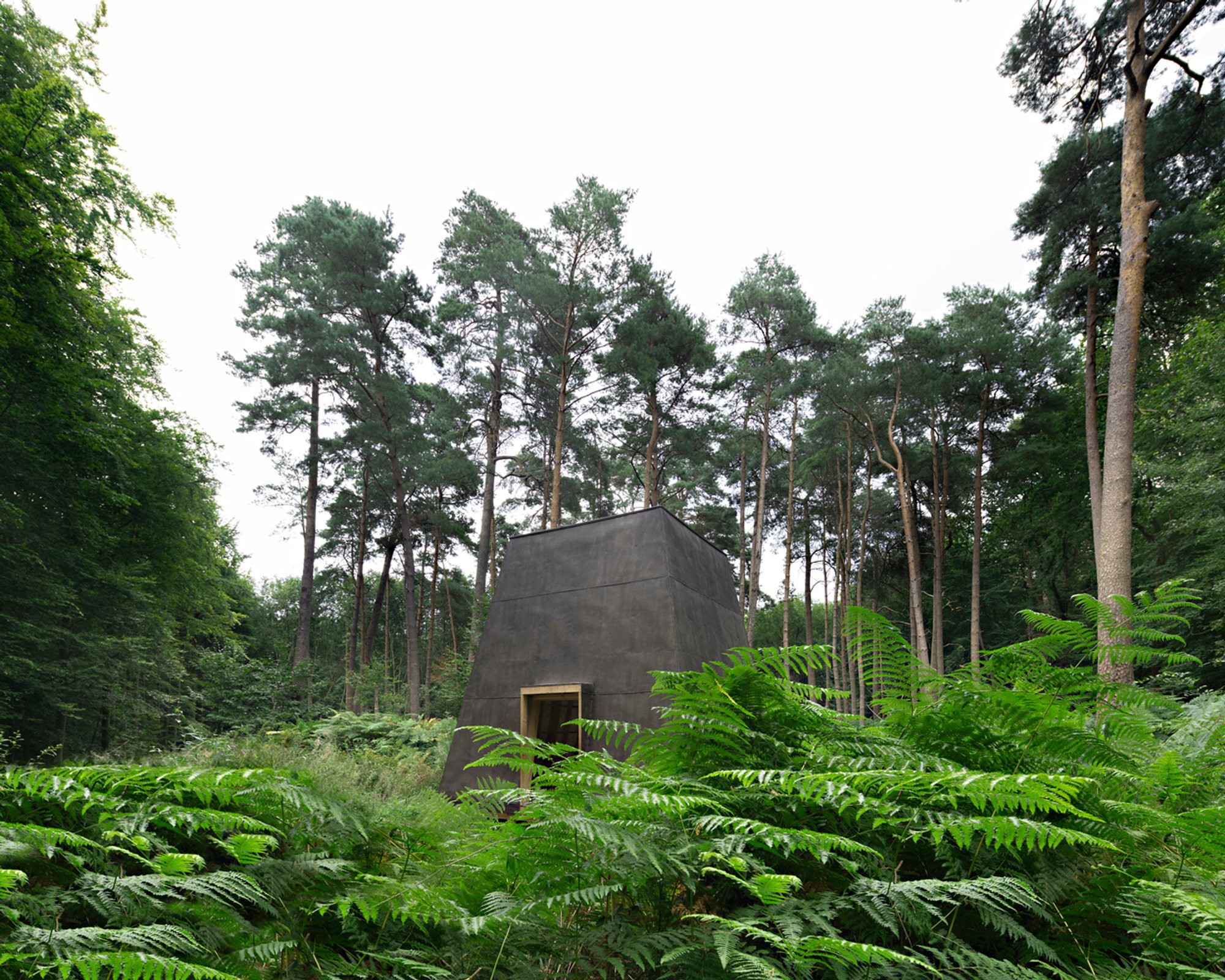
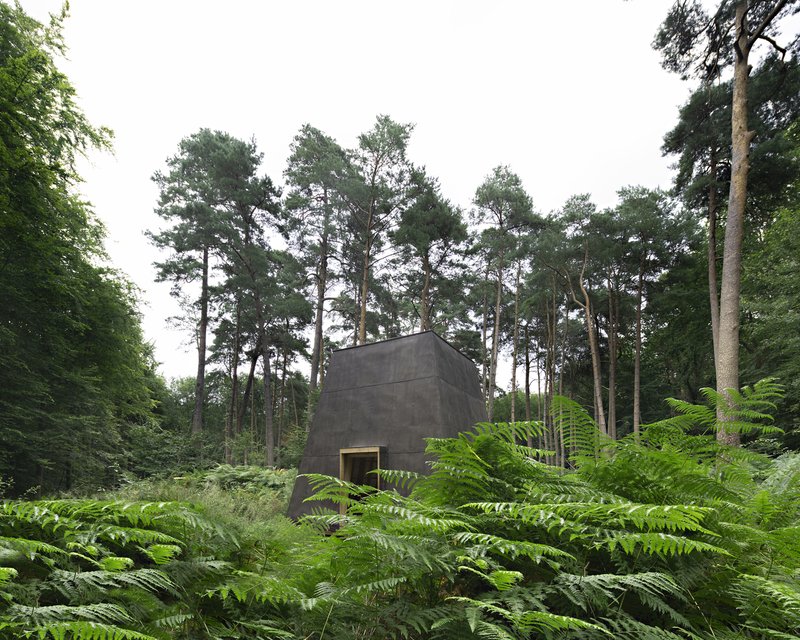
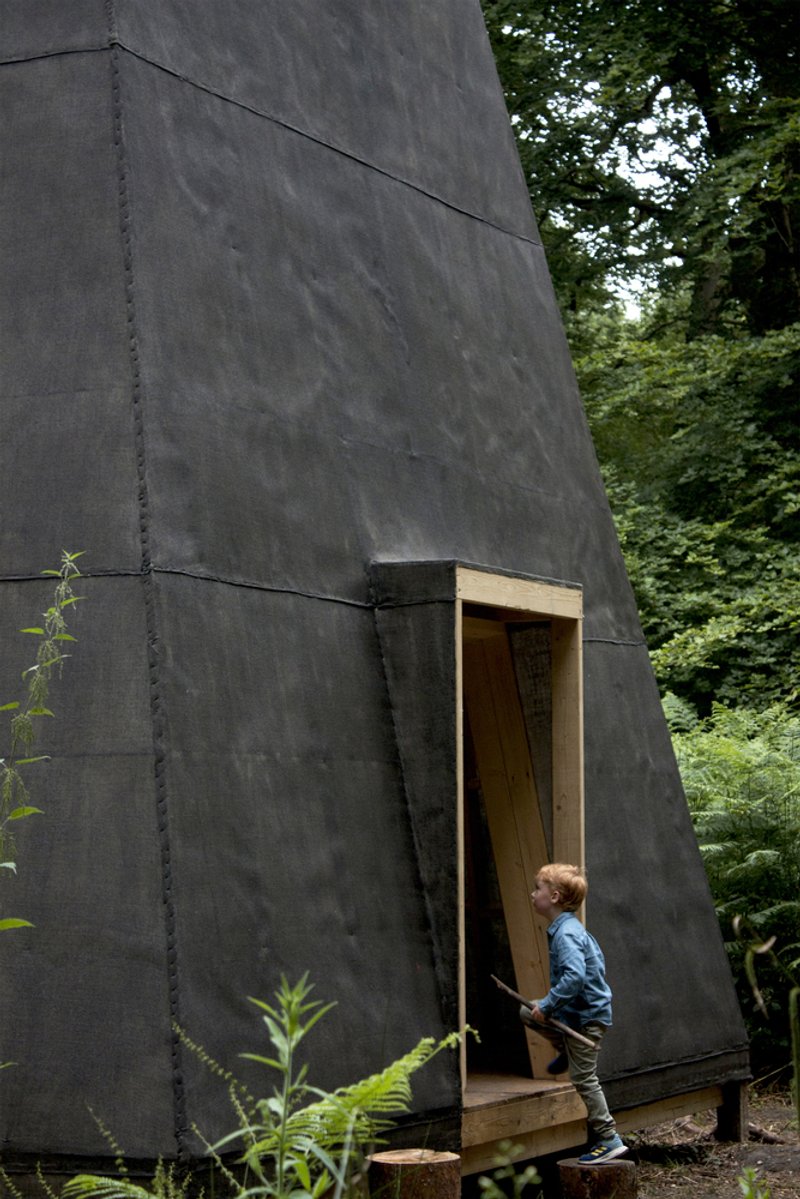
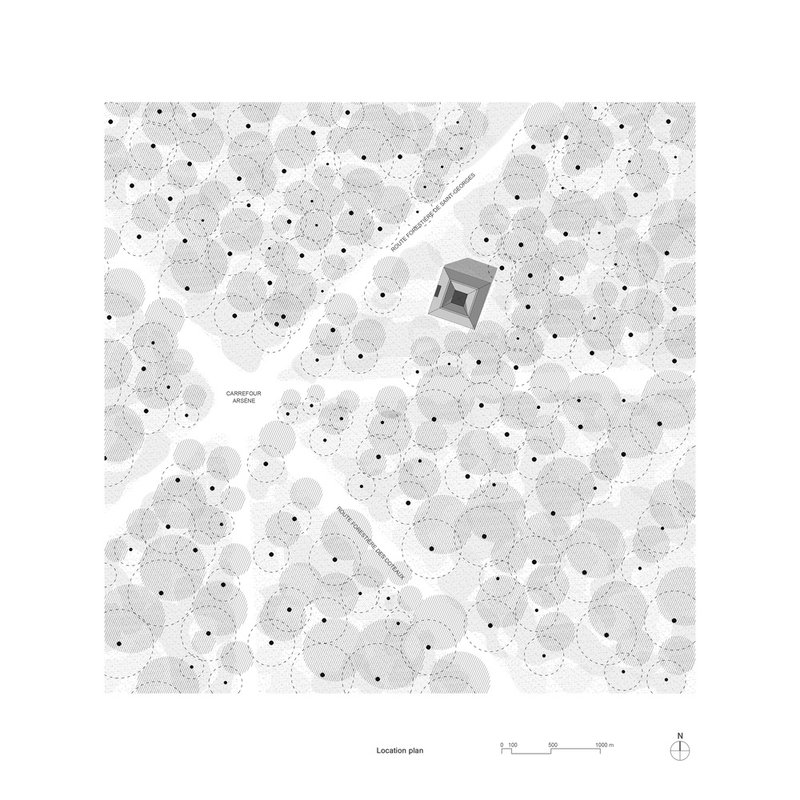
The COMPLUVIUM Pavilion by P+S Estudio de Arquitectura is a striking example of pavilion architecture and material innovation, located in the wooded environment of Canteleu, Rouen, France. Completed in 2024, the pavilion serves not only as a physical space but also as an artistic reflection of water, light, and the relationship between architecture and its natural surroundings. This innovative structure merges traditional construction materials with cutting-edge design techniques, creating a unique architectural experience that encourages contemplation and connection with nature.
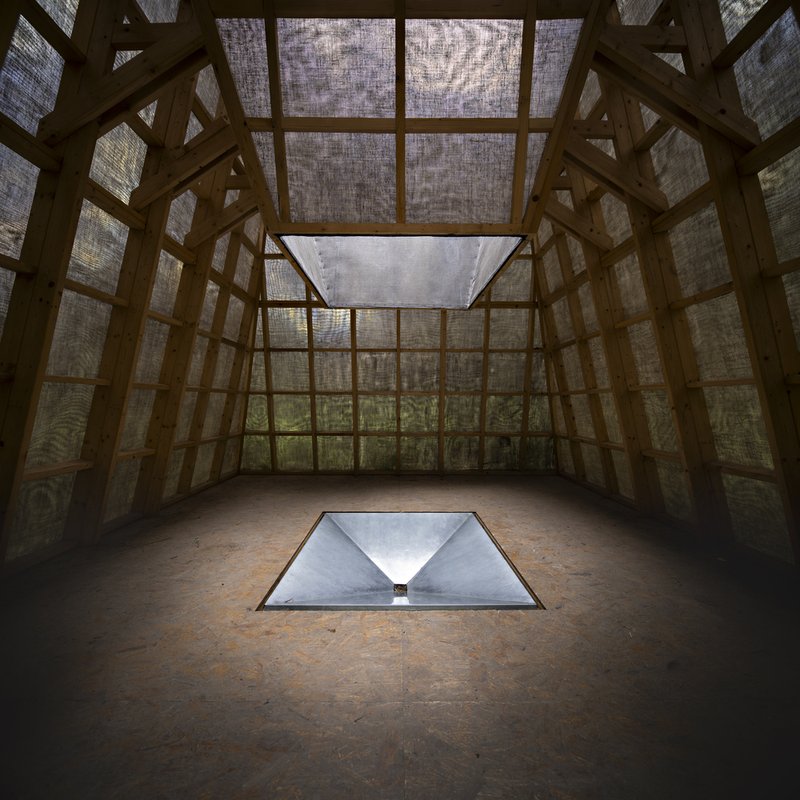
The Concept: Water and Architecture in Harmony
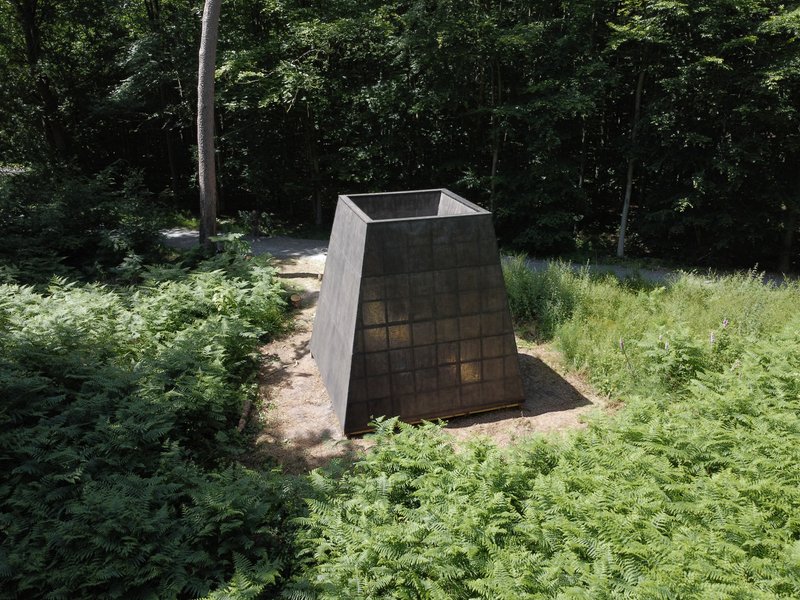
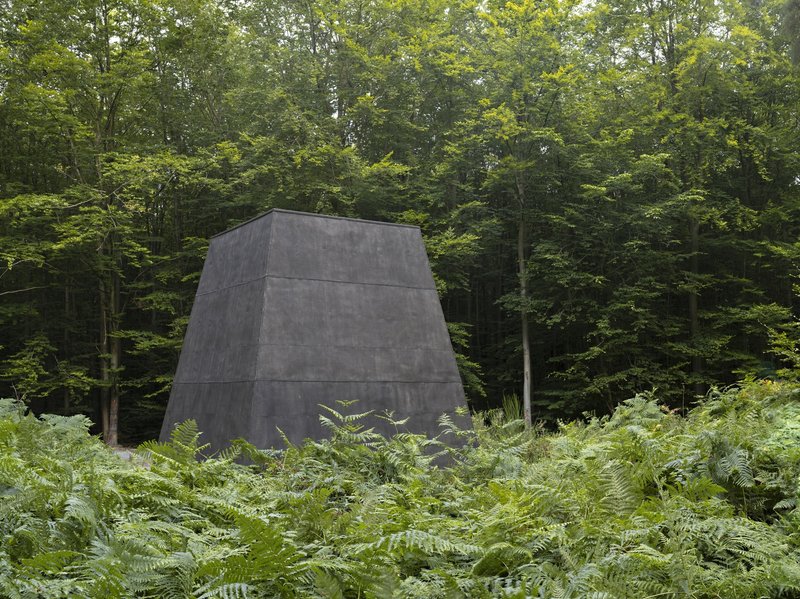
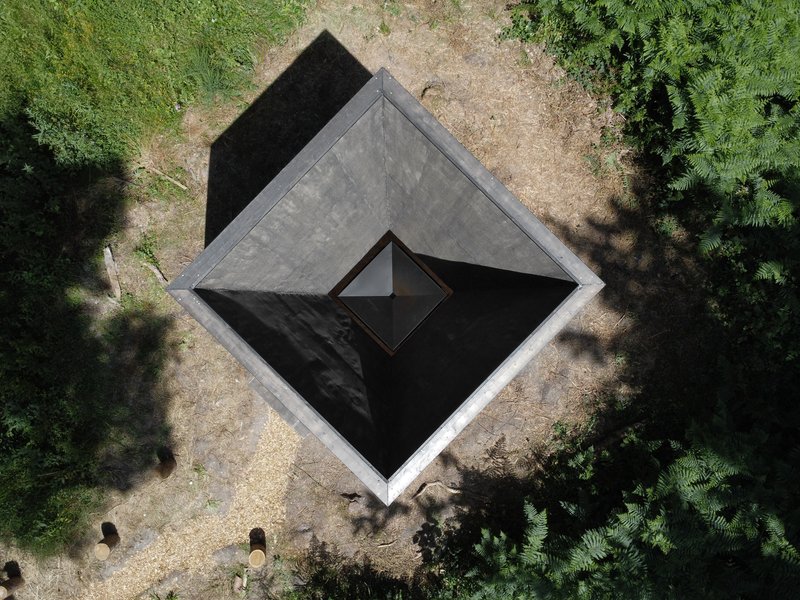
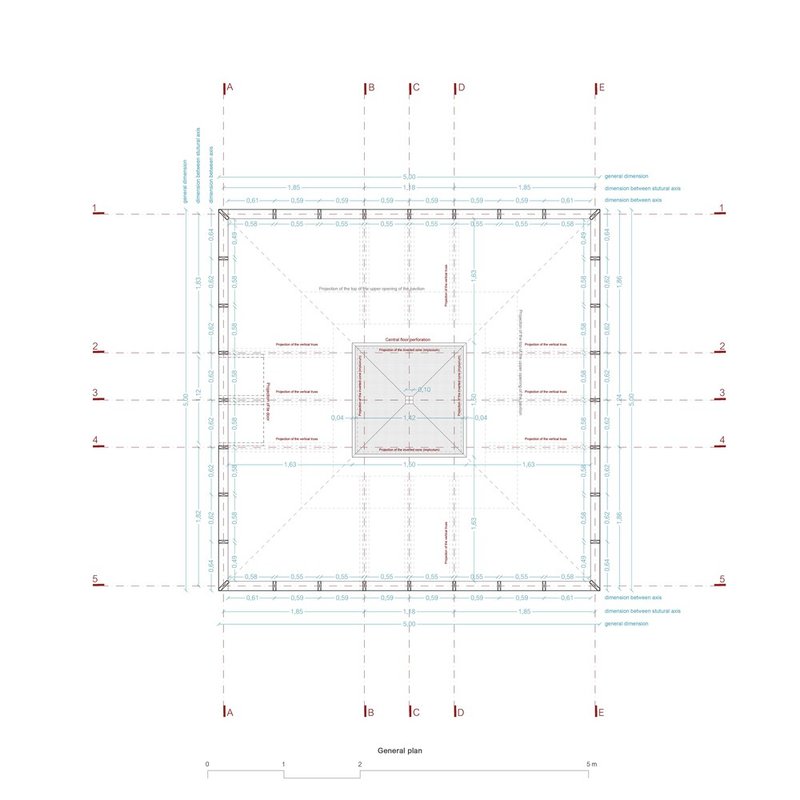
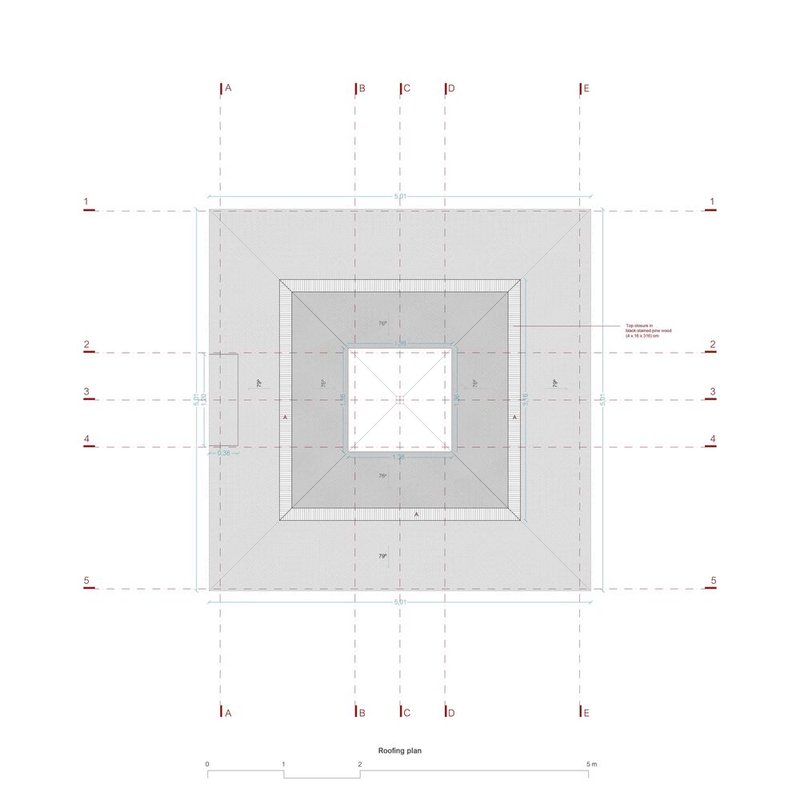
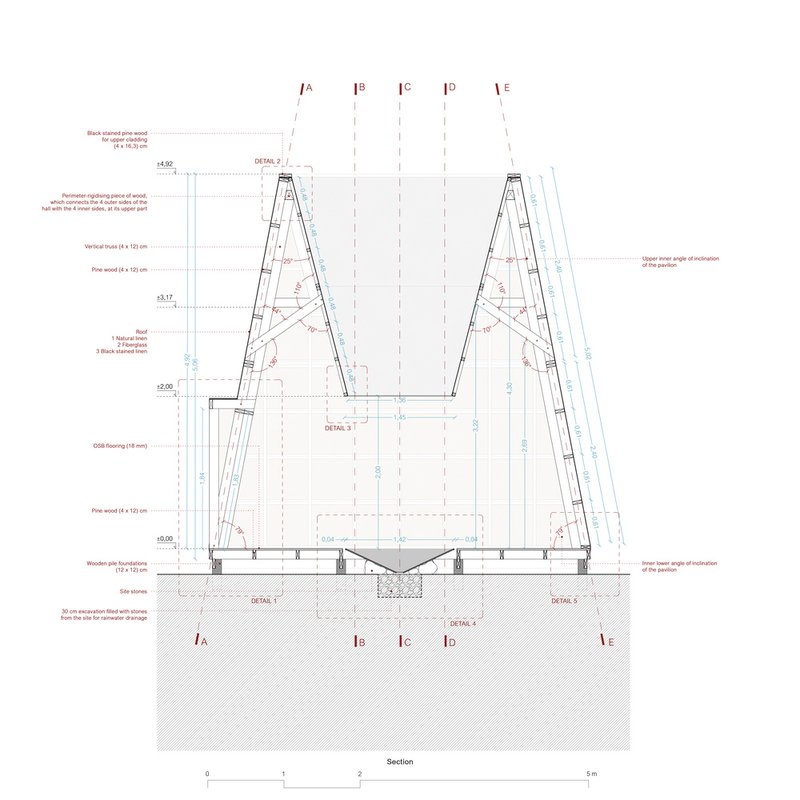
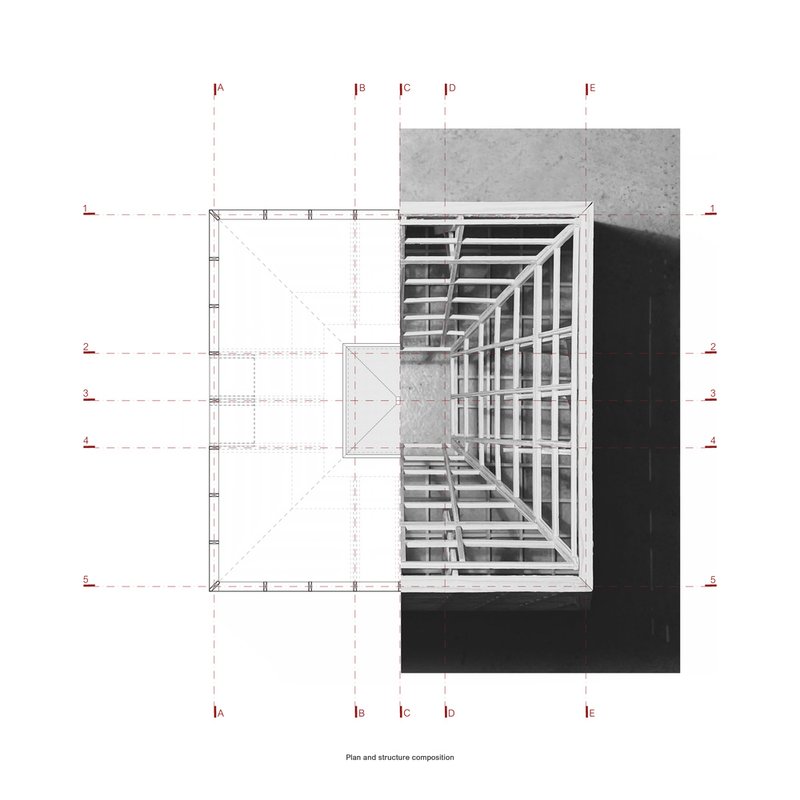
The COMPLUVIUM Pavilion draws inspiration from the abundant rainfall typical of Rouen, integrating the natural phenomenon of water into its design rather than shielding it. The structure’s geometry, which resembles a virtual cube, features sloping roofs that funnel rainwater into the central void of the pavilion. This concept, inspired by Roman atriums and the centuries-old architectural practices of the Diola community in southern Senegal, transforms the pavilion into a place where water is celebrated, not avoided. The central collection of rainwater provides both a visual and sensory experience, engaging visitors in a subtle yet profound relationship with nature.
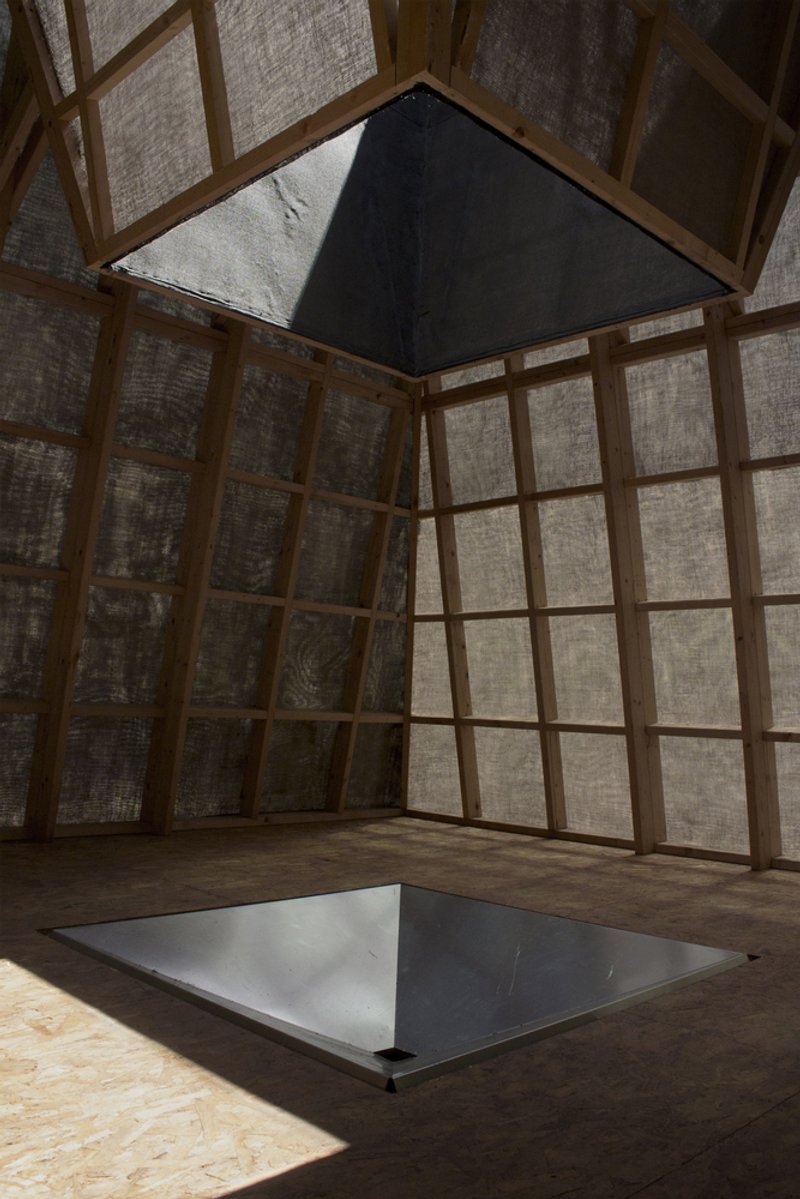
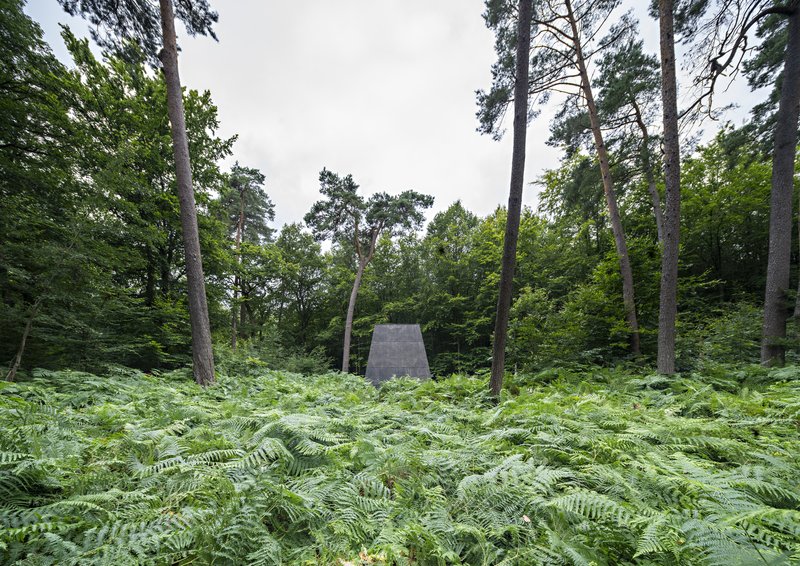
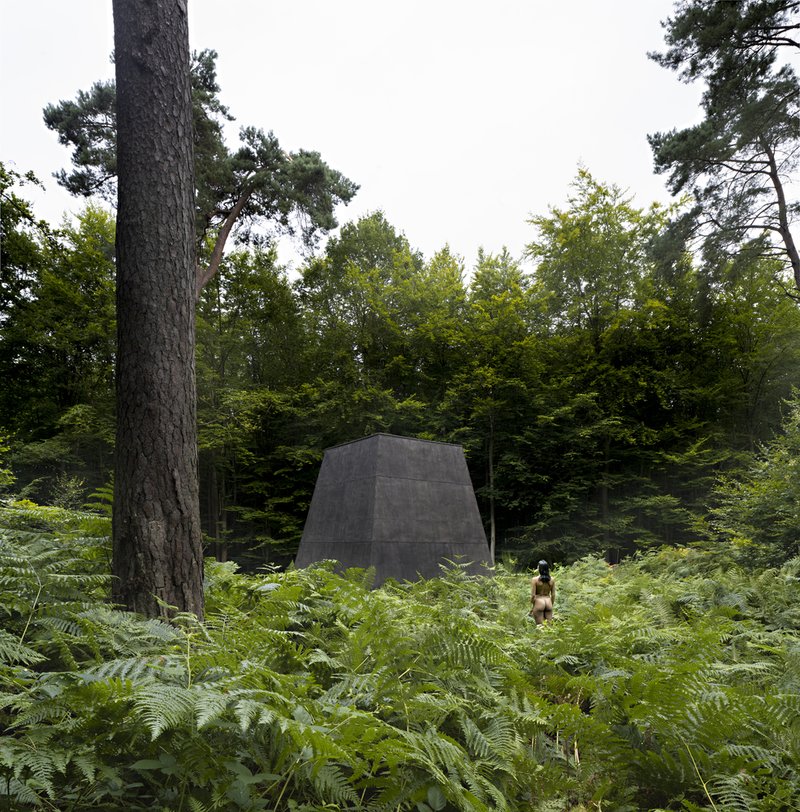
Material Innovation and Geometric Precision
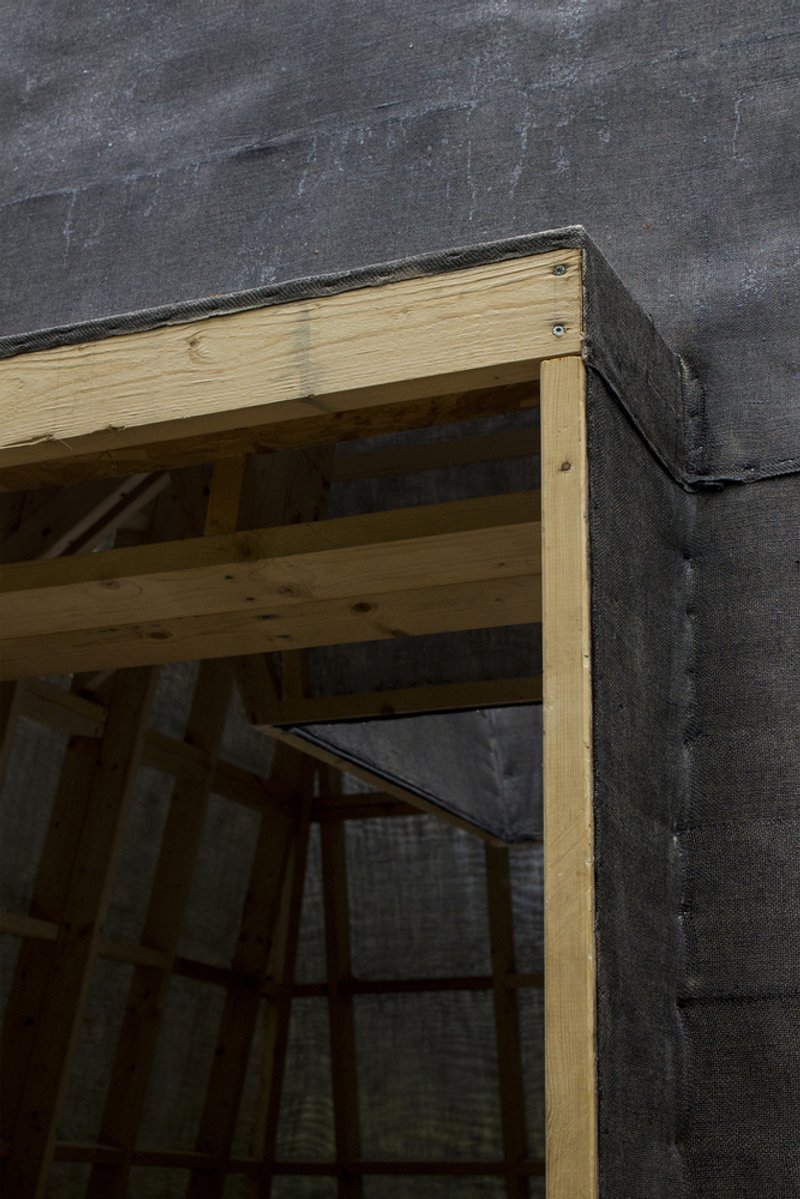
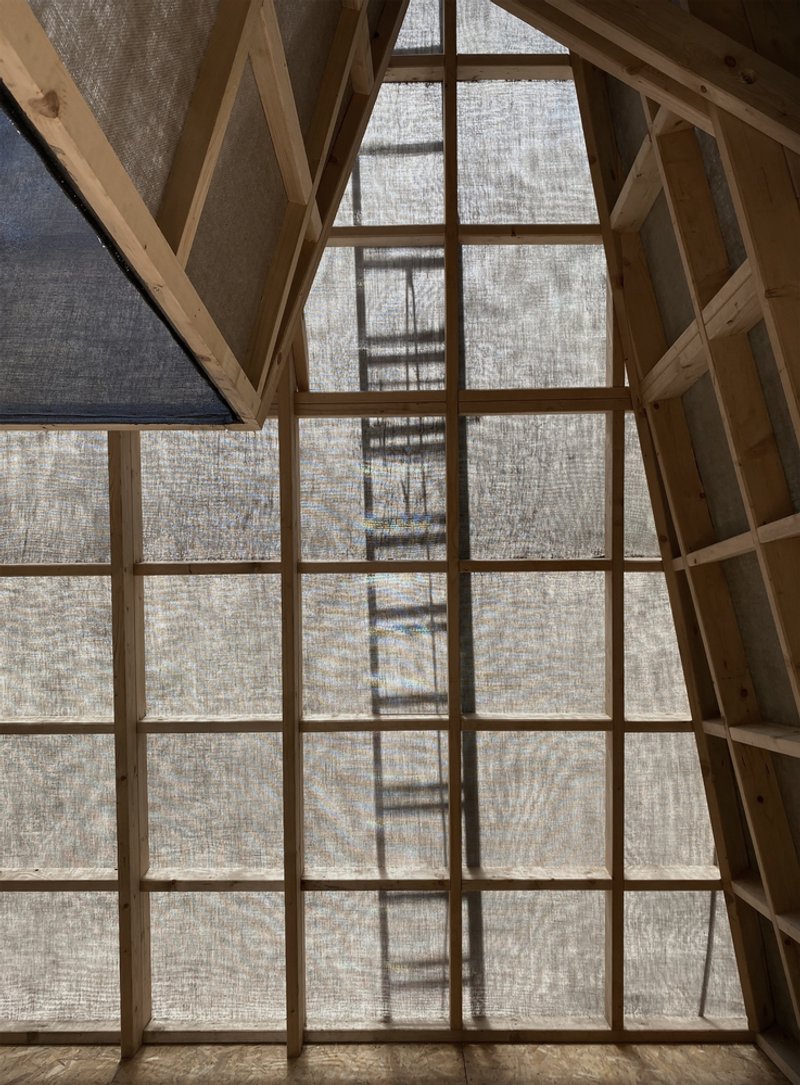
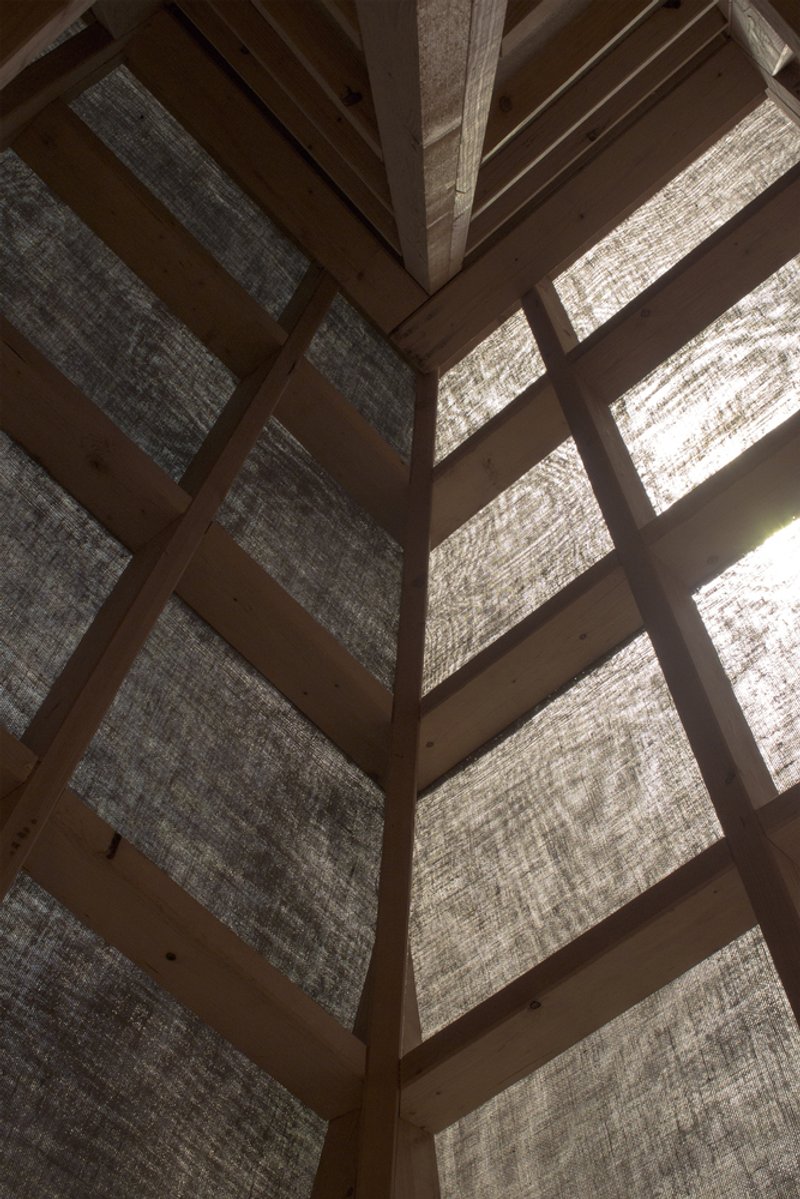
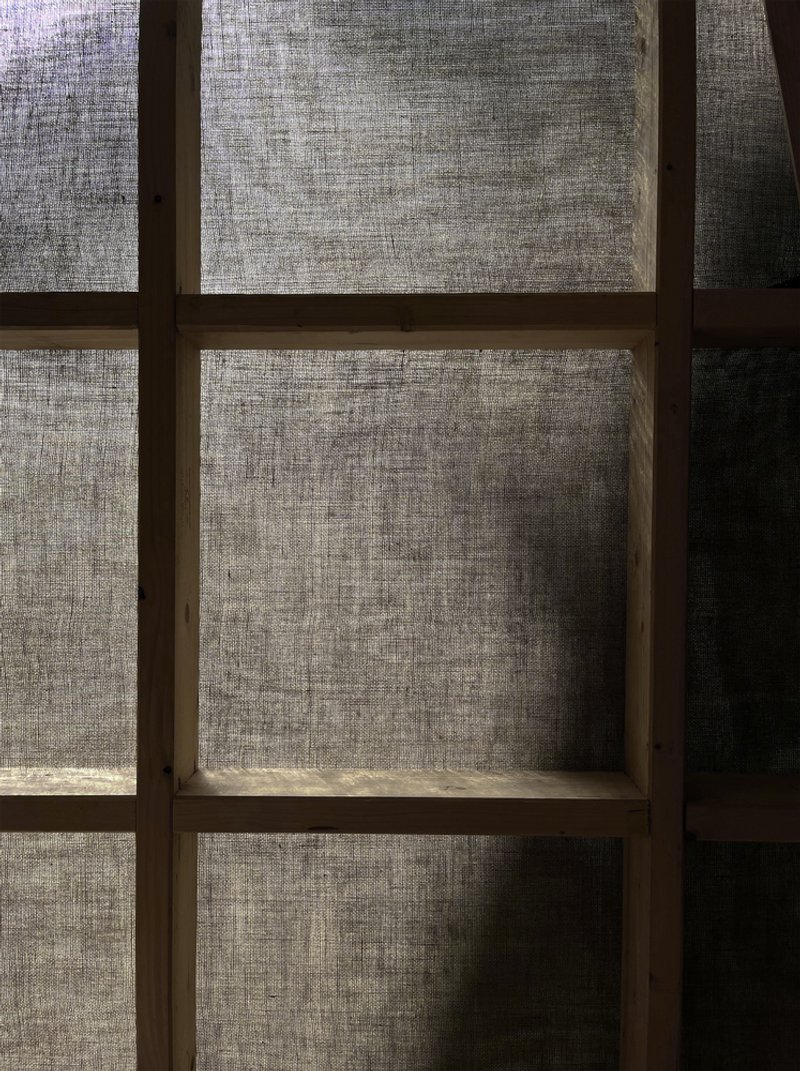
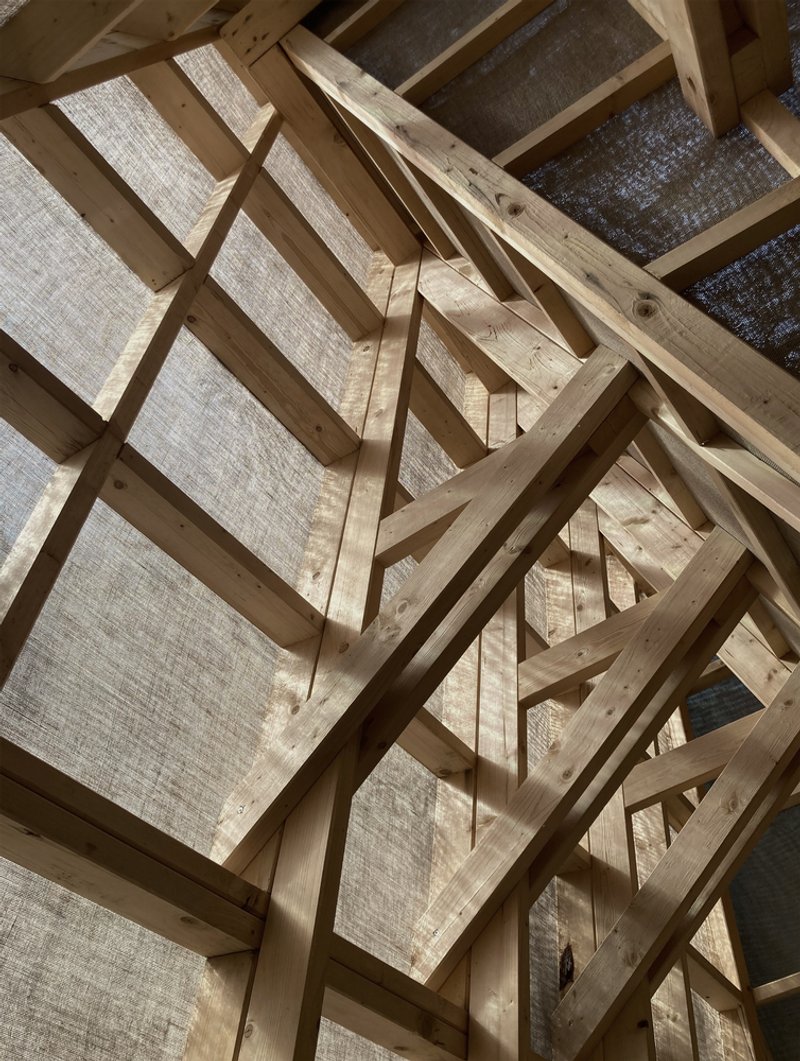
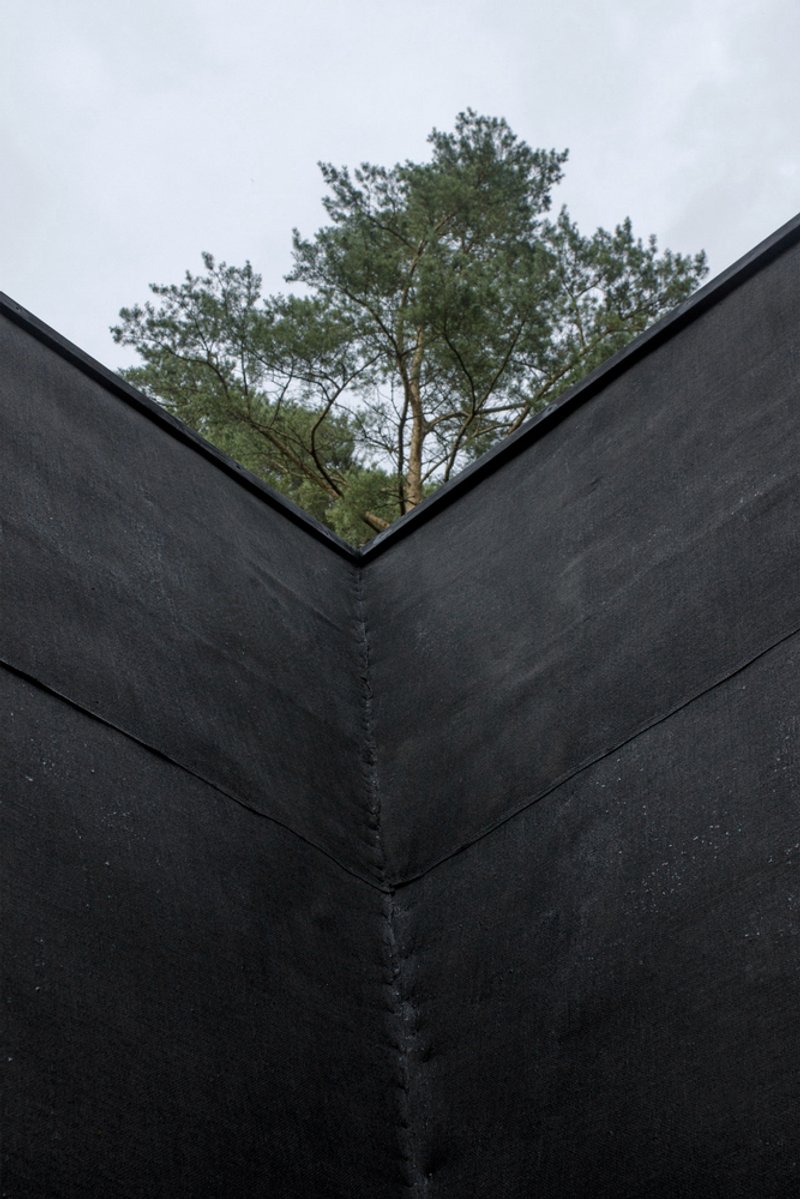
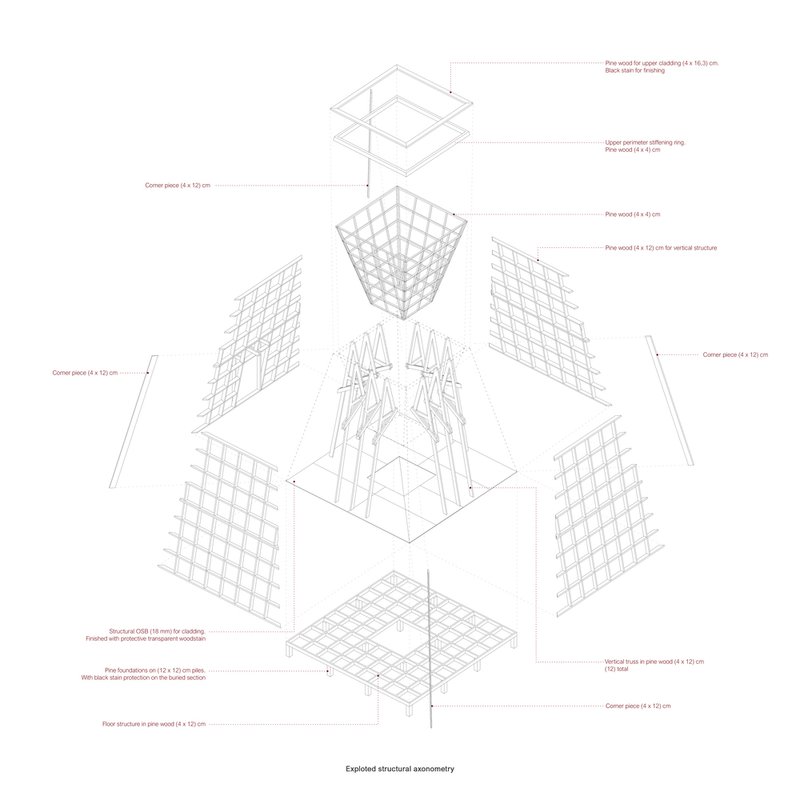
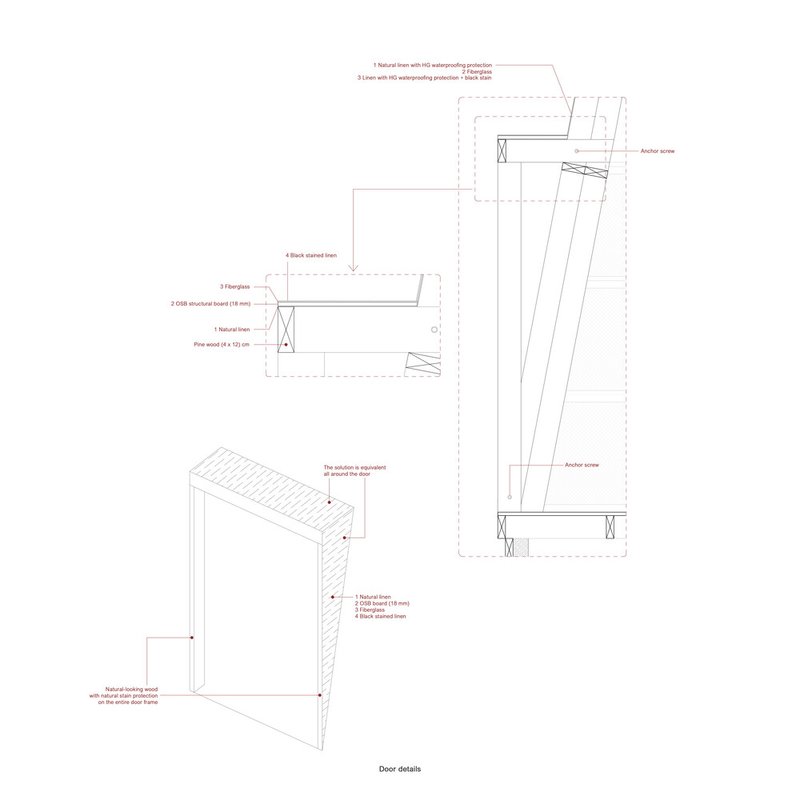
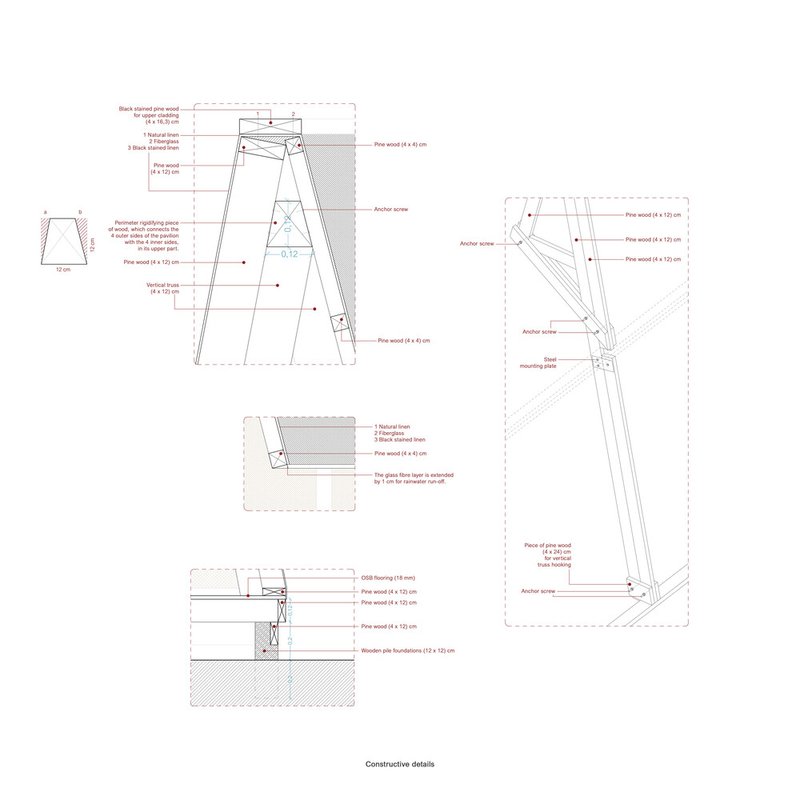
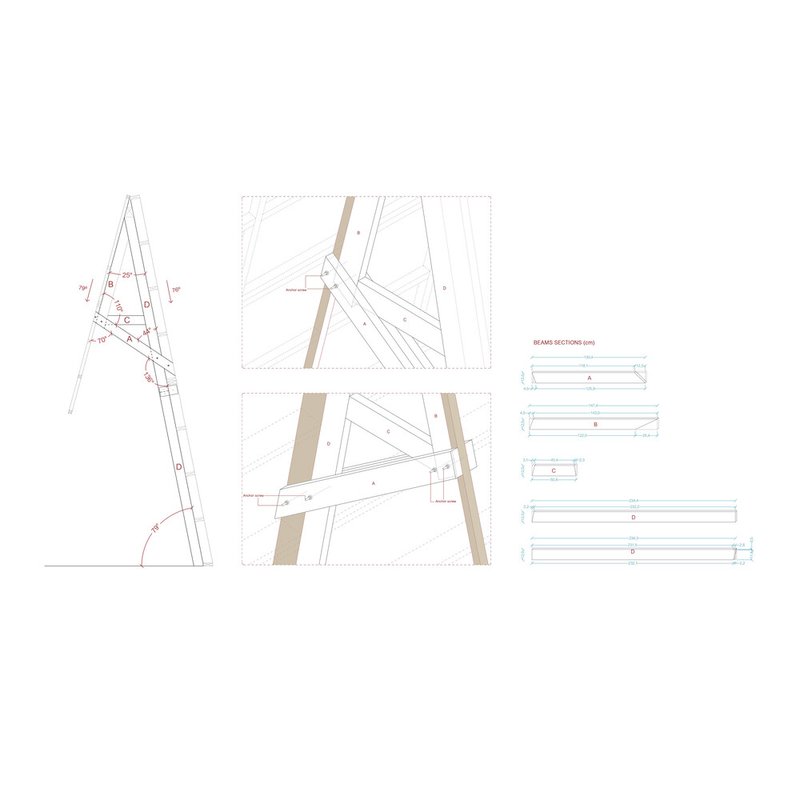
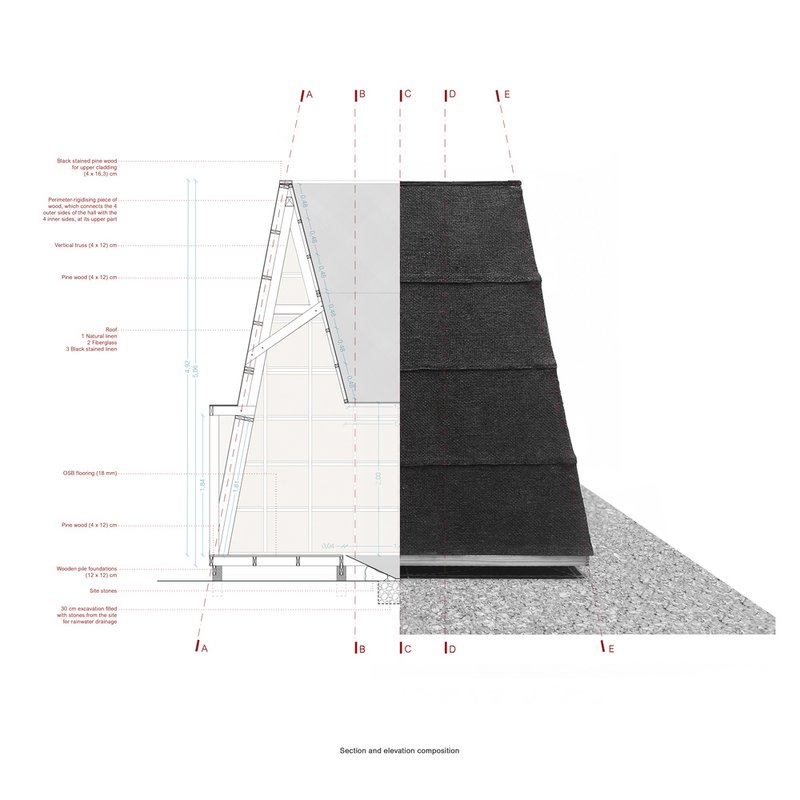
One of the most defining aspects of the COMPLUVIUM Pavilion is the use of innovative materials to create a sensory experience within the space. The pavilion is constructed using a combination of three materials: pinewood, fiberglass, and linen. The pinewood framework provides structural integrity, forming the foundation of the pavilion’s shelter. The fiberglass and resin membrane creates a protective outer layer, allowing light to pass through while ensuring water resistance, ensuring the pavilion’s longevity despite the elements. The use of locally produced linen, applied to both the exterior and interior, adds a tactile quality that enhances the visitor’s experience, offering contrasting textures that further amplify the space’s interaction with its environment.
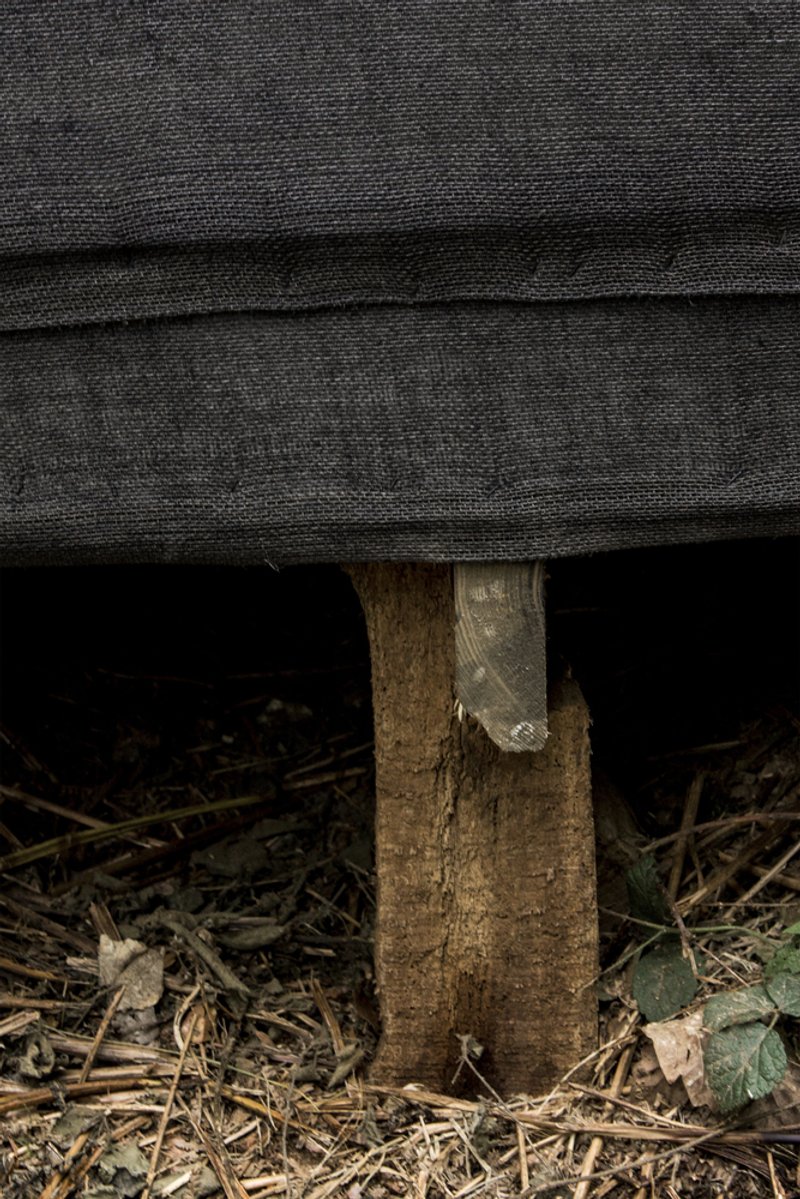
This careful material selection allows the pavilion to blend seamlessly into the natural surroundings of Canteleu while offering a modern twist on traditional construction practices. The linen’s black-stained exterior contrasts with its natural, unadorned interior, reinforcing the pavilion's dual nature—one that functions as both a shelter and a sensory conduit, allowing the landscape to permeate the space.
Architectural Dialogue with Place and Memory
The COMPLUVIUM Pavilion is not just a modern architectural statement but also a tribute to the cultural and architectural history of Rouen. The use of pinewood and linen recalls the region’s architectural traditions, including the iconic colombage timber-framed houses and the local linen production that has shaped the area for centuries. By incorporating these materials into the pavilion’s design, the architects have created a dialogue between past and present, reinforcing the connection between architecture, territory, and memory. This thoughtful integration of historical references allows the pavilion to resonate deeply with both local and global audiences, inviting them to reflect on the intersection of tradition and innovation in contemporary design.
The Spatial Experience: Inside and Outside Intertwined
The pavilion’s unique geometry and materiality create a powerful spatial atmosphere that blurs the boundaries between interior and exterior. The interplay of light and shadow, created by the translucent fiberglass membrane, transforms throughout the day, changing the pavilion’s character in response to the time of day and weather conditions. The interior space is designed to foster introspection, with the central water collection acting as a focal point for contemplation. This connection between architecture and natural elements allows visitors to engage with the space on a deeper, more personal level.
A New Archetype for Pavilion Architecture
The COMPLUVIUM Pavilion by P+S Estudio de Arquitectura represents a bold exploration of pavilion architecture and material innovation. Its unique design and material choices not only respond to the specific climatic conditions of Rouen but also offer a new way of engaging with nature through architecture. By embracing water, light, and the passage of time, the pavilion becomes more than just a physical structure—it becomes a space for reflection, dialogue, and connection. Through its thoughtful use of traditional materials and modern design techniques, the COMPLUVIUM Pavilion sets a new benchmark for contemporary pavilion architecture.
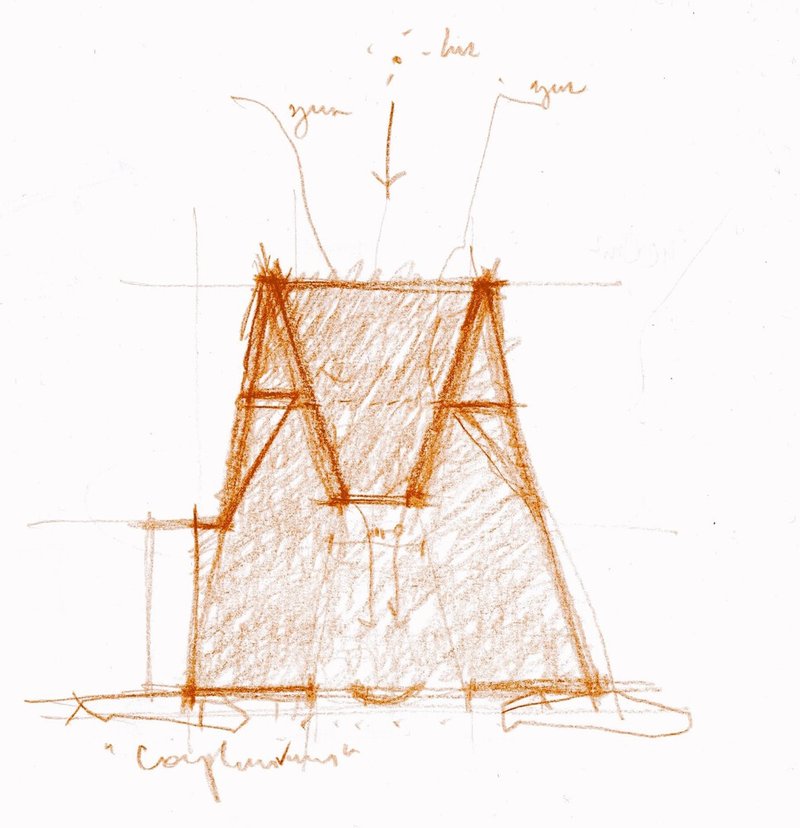
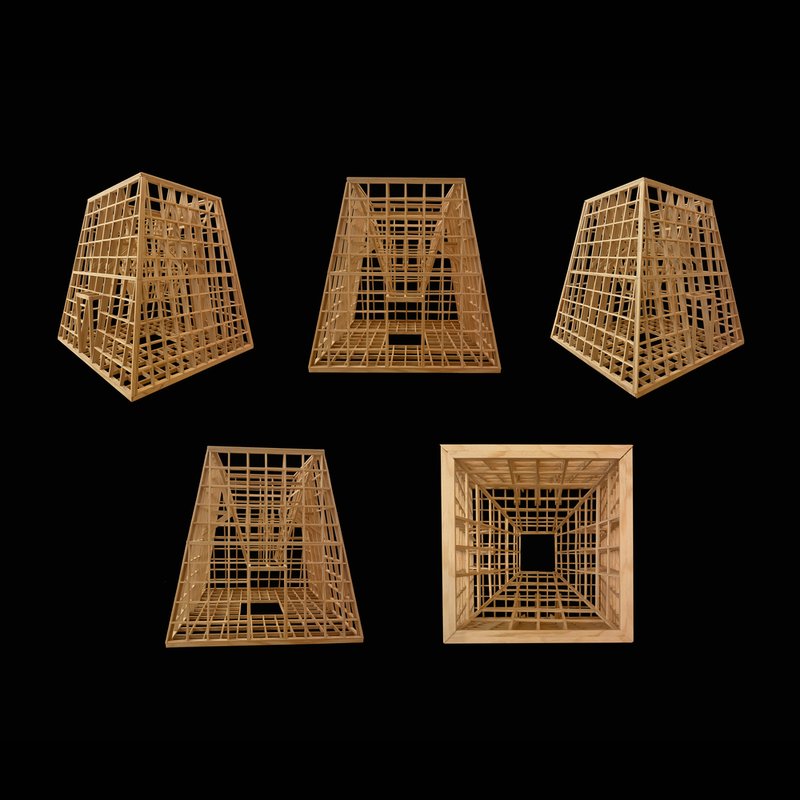
All Photographs are works of P+S Estudio de Arquitectura, Javier Callejas


Popular Articles
Popular articles from the community

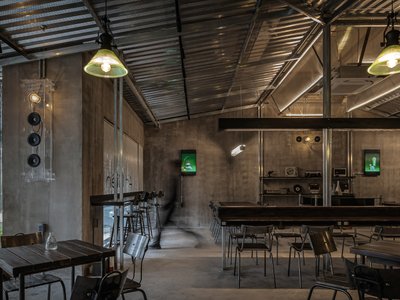
An Miên Lumière Cafe by xưởng xép, Ho Chi Minh City, Vietnam
An industrial-inspired café where layered steel and warm light create a dynamic, immersive environment shaped by reflection, depth, and perception.
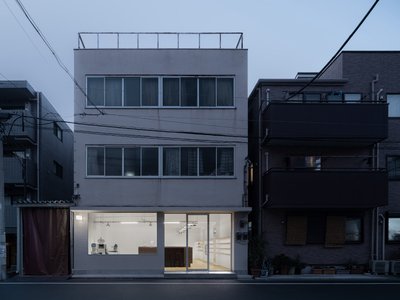
Atelier Macri Concept Store Interior Design by CASE-REAL
Atelier Macri store features a "ko" counter, walnut wood details, cork displays, blending retail, gallery, and seamless customer experiences.
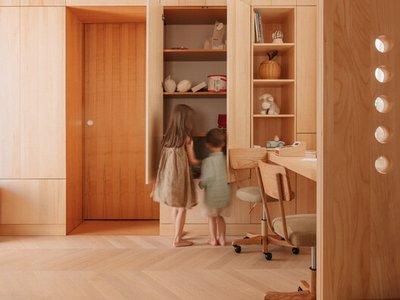
Treehouse Apartment: A Warm Timber Interior Blending Craft, Play, and Contemporary Living
Warm timber apartment with integrated treehouse, combining natural materials, craftsmanship, and playful design to create a flexible, family-oriented living environment.
On the Brooks House by Monsoon Collective – A Contemporary Kerala Home Rooted in Tradition
Kerala home blending tradition and modernity with water-inspired design, brick architecture, courtyard planning, and sustainable rainwater harvesting strategies.


Similar Reads
You might also enjoy these articles


The Ken Roberts Memorial Delineation Competition (Krob)
As the most senior architectural drawing competition currently in operation anywhere in the world, it draws hundreds of entries each year, awarding the very best submissions in a series of medium-based categories.


Waterfront Redevelopment and Urban Revitalization in Mumbai: Forging a New Dawn for Darukhana
A transformative waterfront redevelopment project reimagining Darukhana’s shipbreaking heritage into an inclusive urban future.

OUT-OF-MAP: A Call for Postcards on Feminist Narratives of Public Space
Rhizoma Design and Research Lab invites artists, designers, architects, researchers, and students to reflect on how feminist perspectives can reshape public space. Selected works will be exhibited in Barcelona, October 2026. Submissions open until 15 April 2026.


Documentation Work on Buddhist Wooden Temple
Architectural syncretism and cultural hybridity: A comparative study of the Buddhist temples in Chattogram Hill tracks


Explore Architecture Competitions
Discover active competitions in this discipline




The International Standard for Design Portfolios


The Global Benchmark for Architecture Dissertation Awards


The Global Benchmark for Graduation Excellence


Challenge to reimagine the Iron Throne
Comments (0)
Please login or sign up to add comments
No comments yet. Be the first to comment!