

Contemporary Chapel Architecture Rooted in Nature: Capela by Angela Castilho
A minimal, nature-integrated chapel in Brazil transforms a former stable into a sacred space through contemporary spiritual architecture.


A Chapel of Contemplation in the Heart of Formosa, Brazil
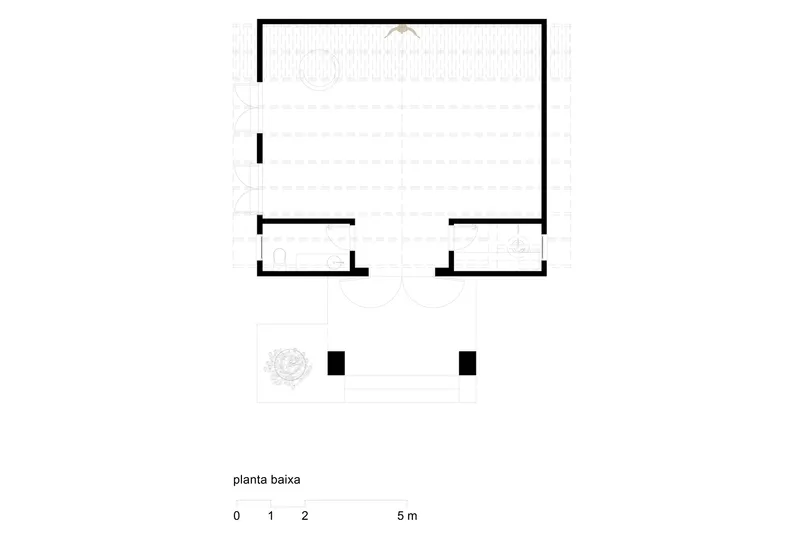
Designed by Angela Castilho Arquitetura e Interiores, this small yet profound space—Capela—is a remarkable example of contemporary chapel architecture that redefines sacred environments through minimalism, material authenticity, and integration with nature. Located in Formosa, Brazil, the 753 ft² chapel emerges from the footprint of a former pony stable, establishing a new dialogue between built form and spiritual retreat.

Embracing Nature and Memory in Sacred Design
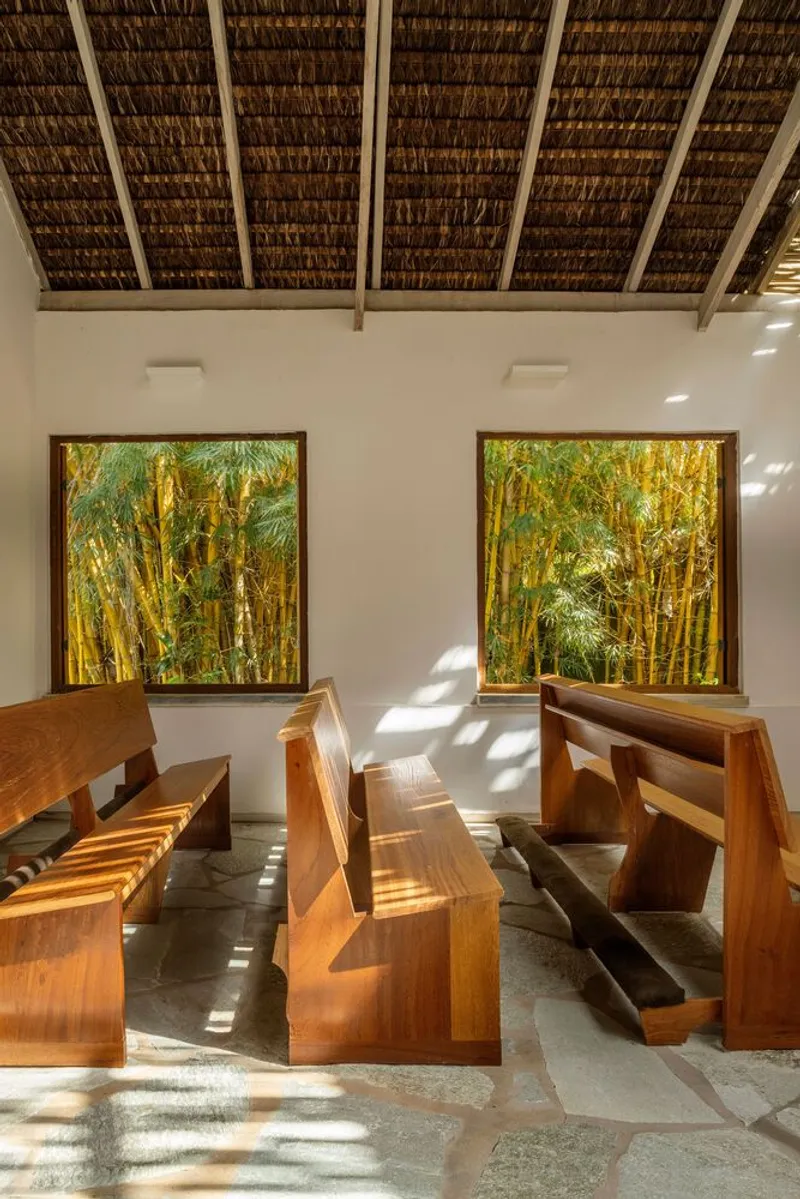
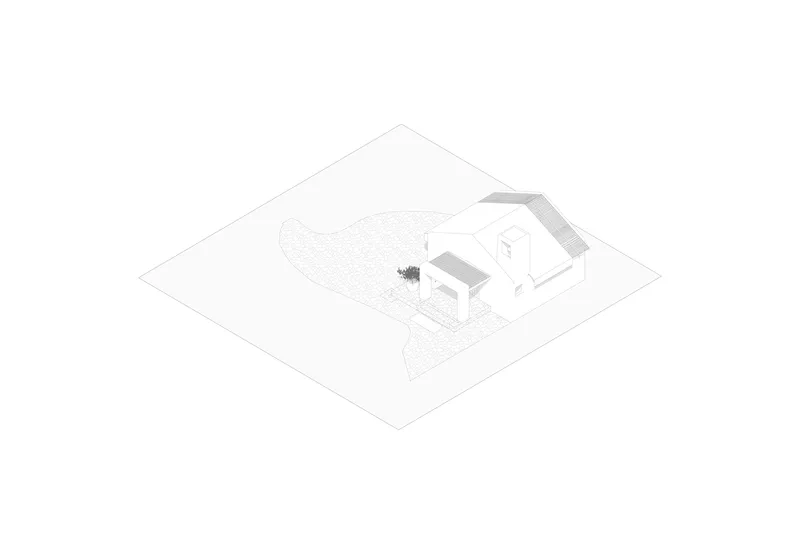
The chapel was intentionally built upon an existing foundation nestled within a bamboo grove. This pre-existing natural context became the soul of the design. Instead of removing or altering the landscape, the architects allowed nature to guide the architectural form. The result is a chapel that lightly rests within its surroundings, allowing filtered light, sounds, and textures from the grove to permeate the experience.

Minimal Form, Maximum Meaning
The architectural language of Capela is quiet yet expressive. Defined by solid white volumes, straight lines, and an absence of ornamentation, the building embodies the Wabi-Sabi philosophy—a celebration of impermanence, imperfection, and natural beauty. In this context, every void and surface speaks. The design resists visual excess, inviting visitors into a deeper emotional and spiritual connection through simplicity.

Light as a Spiritual Medium
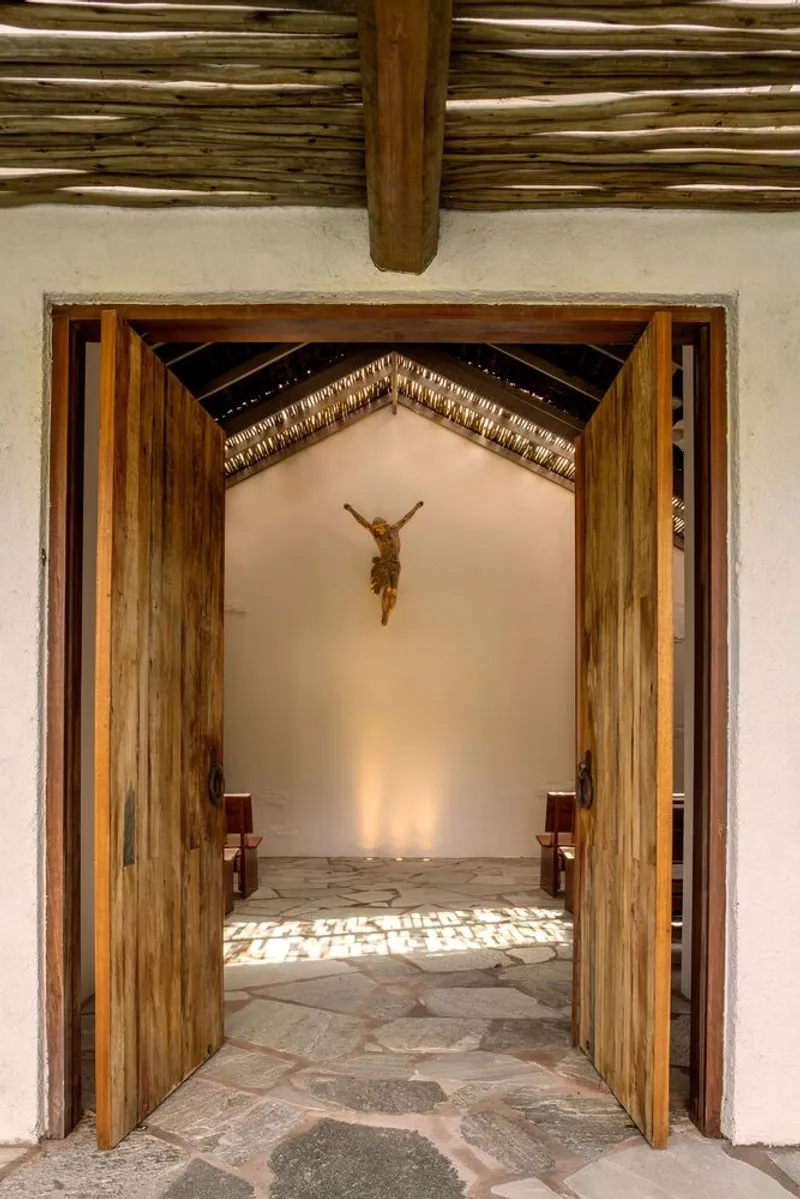
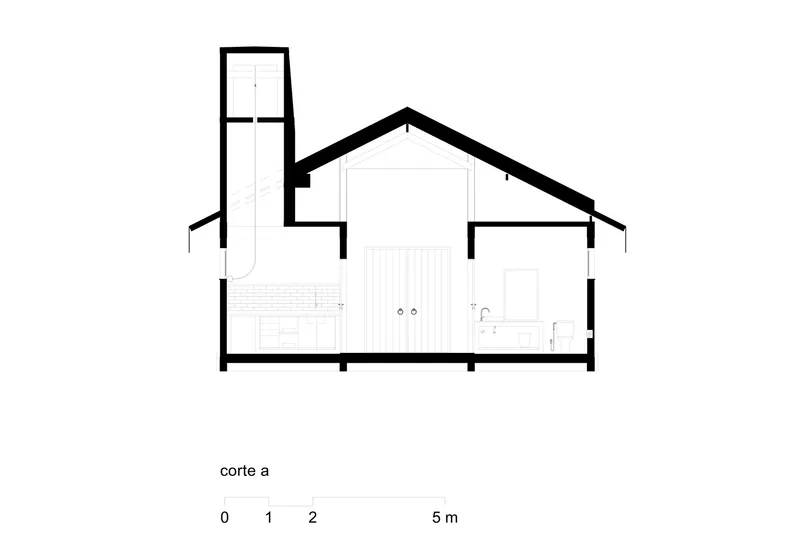
Natural lighting plays a central role in shaping the visitor's journey. Openings are deliberately placed to create visual connections with the outdoors, while the roof structure allows filtered light to enter and evolve throughout the day. This ever-changing interplay of shadows and brightness invites introspection and enhances the meditative atmosphere. The entire spatial composition encourages stillness and presence.

An Icon Reimagined in a Sacred Setting
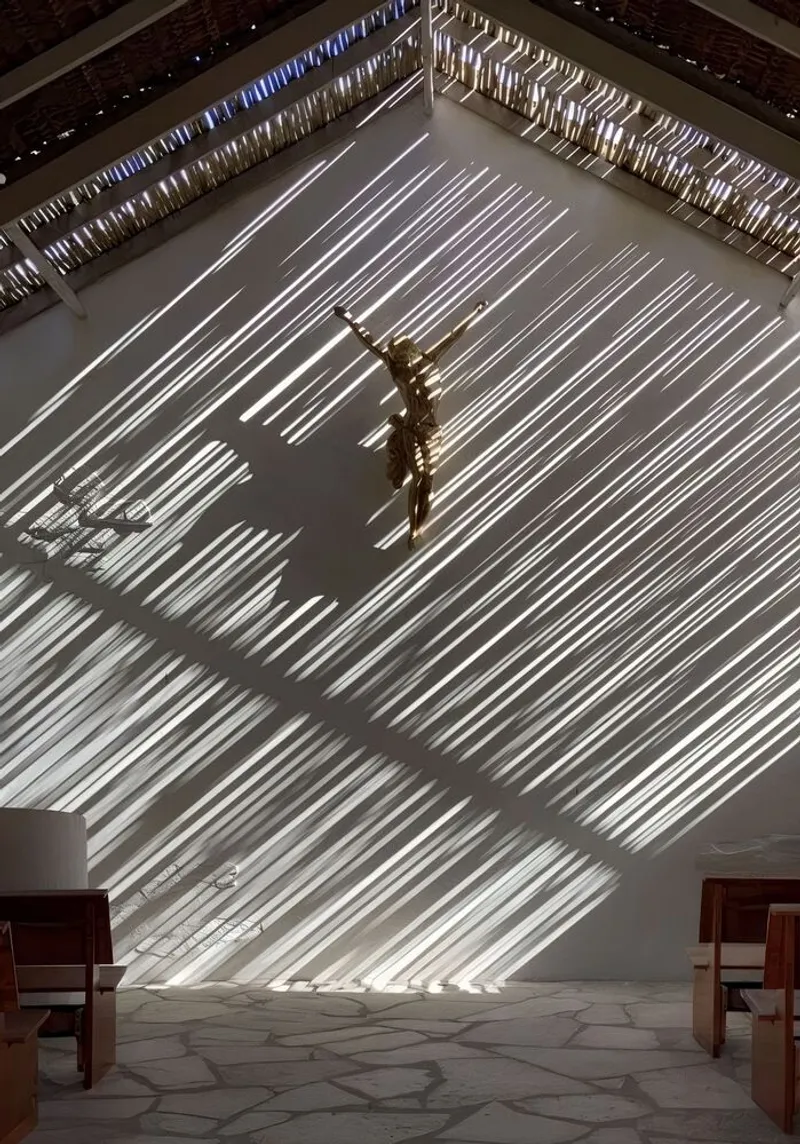
At the heart of the chapel stands a figure of Christ, once housed in the architect’s personal residence. In this new context, the piece gains renewed symbolic prominence. The chapel was designed to give this image a spiritual home—one aligned with its sacred meaning and capable of intensifying the viewer’s internal dialogue with the divine.

Small Scale, Profound Impact
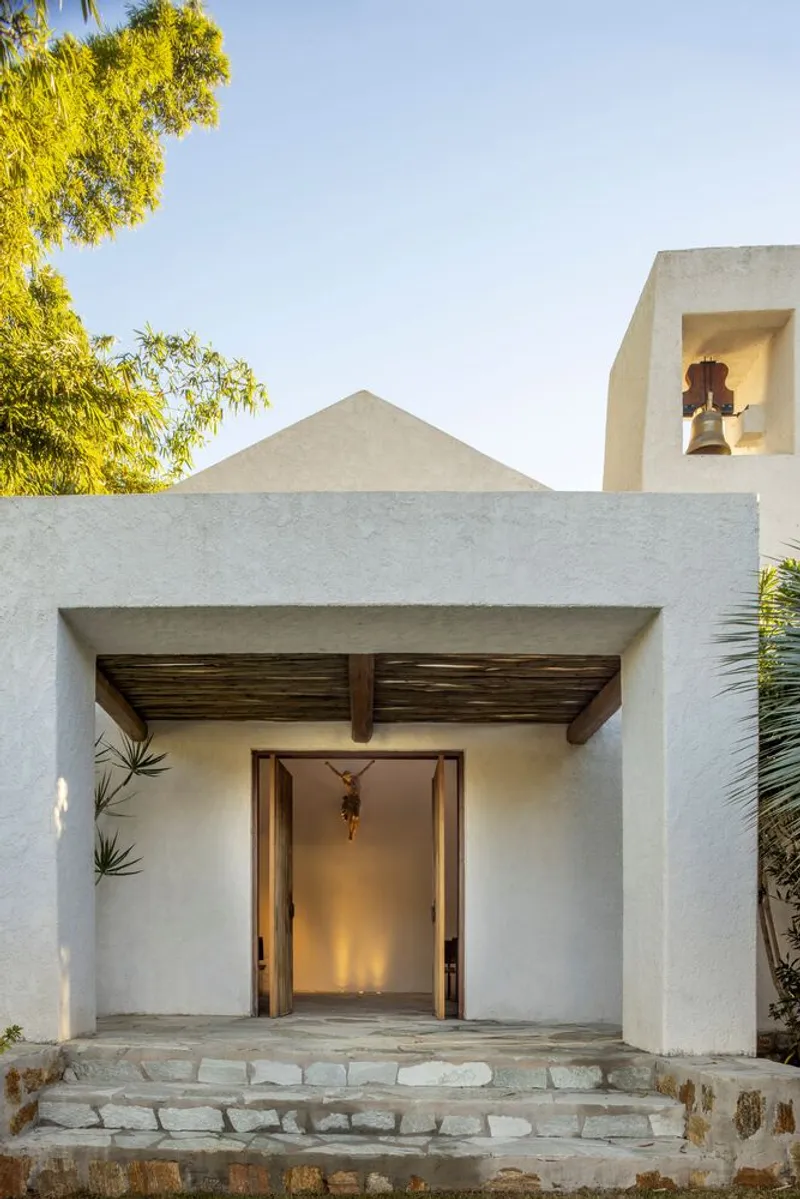
Accommodating around 40 people, Capela maintains an intimate and personal scale. It doesn't emulate grandeur but offers something equally powerful: authenticity. Its design reflects the humility of its origins—a pony stable turned sacred space—and the purity of its materials, including wood and raw finishes. This transformation, paired with the soft presence of light and shadow, aligns the architecture with the symbolism of the manger, evoking sacredness without literal reference.

Architecture of Inner Dialogue
Ultimately, Capela is not merely a religious building; it is a vessel for introspection, a space designed to foster silence, reflection, and spiritual openness. Through its restrained form, respectful placement, and immersive atmosphere, it stands as a benchmark in contemporary chapel architecture—a structure where architecture becomes a subtle guide to the sacred.
All Photographs are works of Edgard Cesar


Popular Articles
Popular articles from the community

Cloaked Colonization: A Mobile Underwater Habitat That Moves Like a Fish
Micah Abaya's shortlisted EHC Pacific entry reimagines ocean settlement as a dispersed network of self-sustaining architectural organisms.

Extended Shell: Retrofitting Kolkata's Balconies as Living Urban Thresholds
A modular retrofit system recovers the social and environmental intelligence of Kolkata's historic verandas for contemporary Park Street residents.

Singing Woman: Contemporary Architecture Inspired by Estonia’s Voice and the Sea
Singing Woman turns Estonia’s song culture into flowing opera house architecture, blending public life, landscape, sea, and national memory.

Manzana Morphosis: Stretching Barcelona's Grid into a Living Landscape for 2050
A radical reworking of the Eixample manzana turns density into a tool for generous public space, vertical ecology, and environmental performance.

Similar Reads
You might also enjoy these articles

Bamboo Housing Challenge 2026: Design Affordable, Sustainable Homes Using Bamboo
An international design competition by Bamboo U and IBUKU inviting architects and designers to reimagine affordable housing using bamboo — with the winning design built full-scale in Bali.

Computational Design & Education: Beegraphy Design Awards Introduces 7th Category (Featuring Jiyun's Innovative Approach)
Dive into Beegraphy’s 7th Design Awards category, where computational design meets education to create immersive, interactive learning tools, inspired by Jiyun’s work.
From Parametric Lighting to Urban Furniture: Join the 2nd Workshop in Beegraphy’s Computational Design Series
Dive into Cutting-Edge Design Techniques and Practical Applications with Industry Experts

Last Call: Unleash Your Architectural Genius in SHAK's Kindergarten Design Competition
Urgent call for architects to join SHAK's kindergarten design competition before the looming deadline

Explore Chapel Competitions
Discover active competitions in this discipline

Challenge to reimagine the Iron Throne

Photograph architecture without architects

Illustrate the lost glory of Angkor Wat - Render Challenge

Design challenge to reuse E-waste
Comments (0)
Please login or sign up to add comments
No comments yet. Be the first to comment!