

CRAC Building by URBAN Architectes: Sustainable Transformation Through Prefabricated Innovation in Namur, Belgium
CRAC Building by URBAN architectes features a prefabricated façade upgrade, achieving tenfold energy efficiency without disrupting ongoing public operations.


Located in the heart of Namur, Belgium, the CRAC Building—headquarters of a public management organization—has been radically transformed by URBAN Architectes through an ambitious energy and aesthetic renovation. This exemplary project not only enhances the urban fabric but also redefines the possibilities of retrofitting office buildings for high environmental performance.
Sustainable Renovation Without Disruption
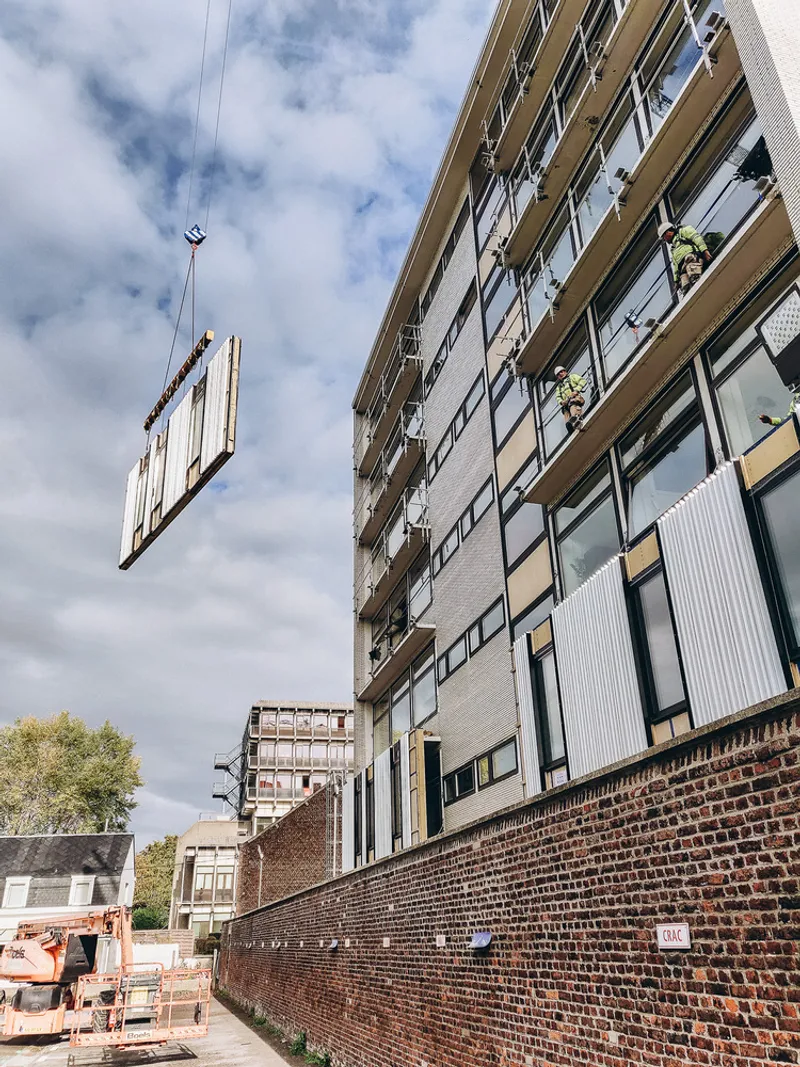
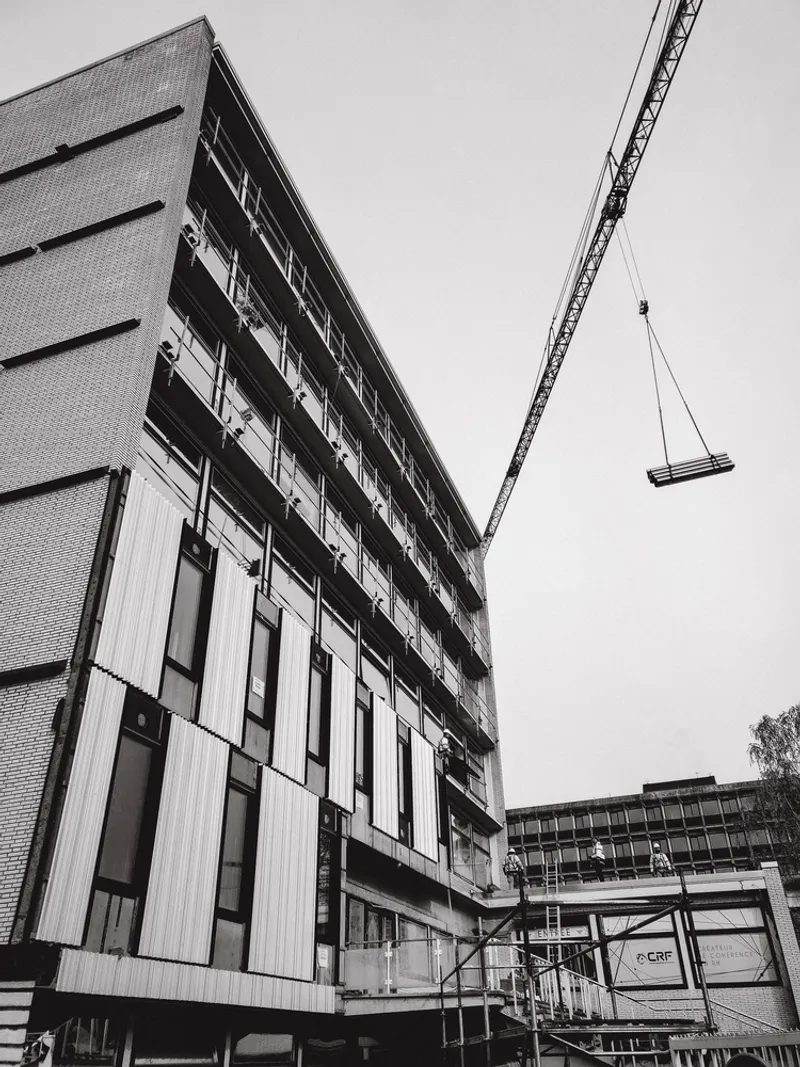
Designed in 2018 and covering an area of 2,200 m², the CRAC Building project responds to an urgent architectural and environmental challenge: how to dramatically improve energy performance while keeping a fully functioning public facility operational. The architects achieved this by enveloping the entire existing building with a prefabricated insulating skin, avoiding direct intervention on the original façade. This innovative strategy allowed employees to continue working without relocation, significantly reducing logistical costs and downtime.
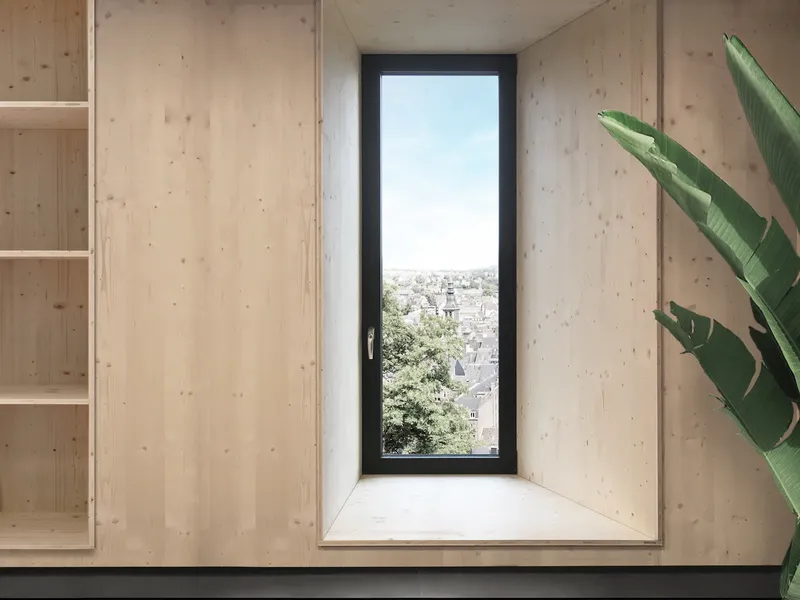
Energy Efficiency at the Core
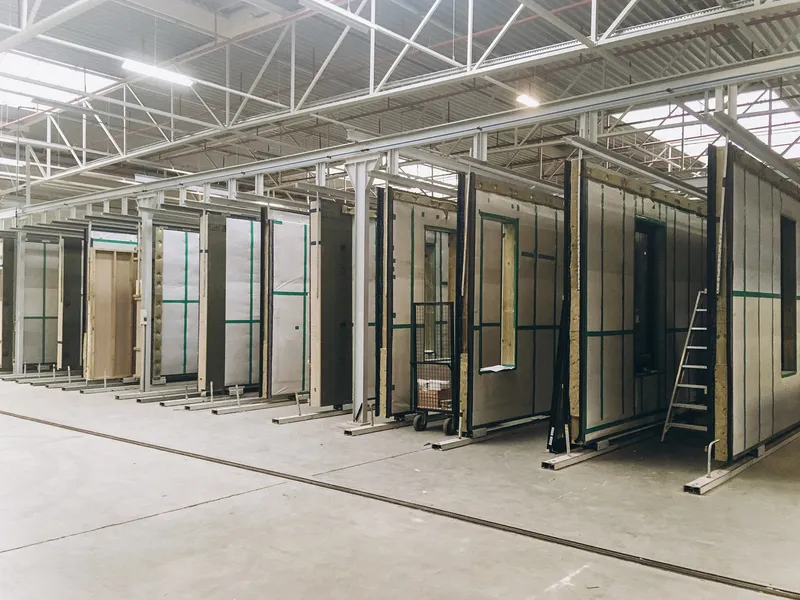
One of the most notable outcomes of the intervention is a tenfold reduction in the building’s energy consumption for heating and cooling—surpassing standards required for new buildings. This leap in performance was made possible through precision digital scanning of the façade and the installation of custom prefabricated wooden panels that were mounted directly onto the structure’s existing balconies.
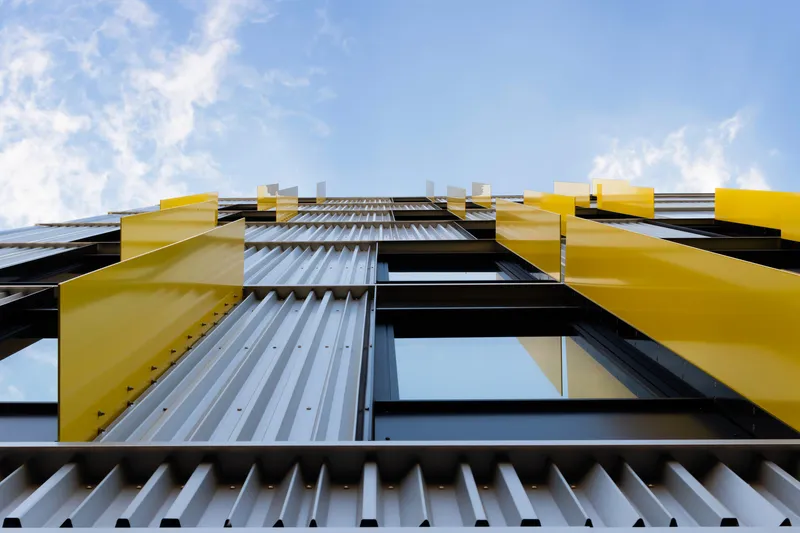
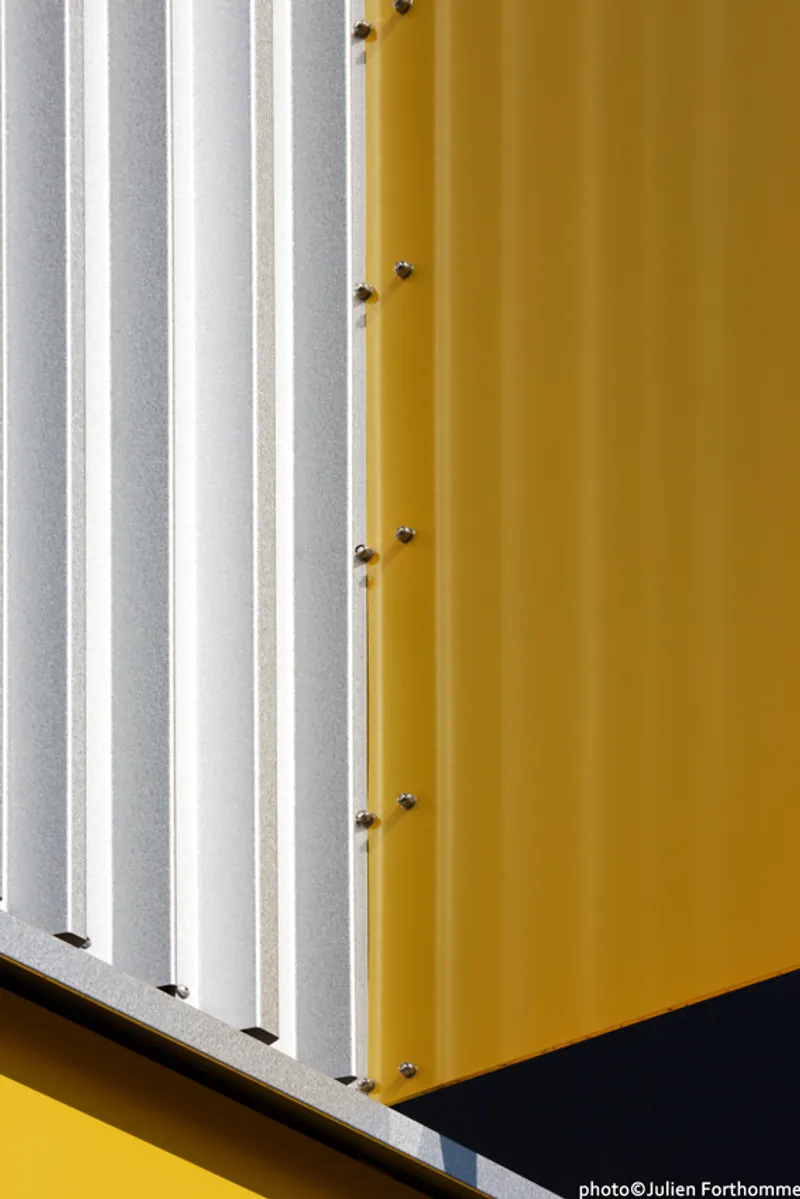
Technical Layering: A Double-Façade Strategy
The design smartly integrates building systems and HVAC technology within the cavity between the old and new façades. This gap not only acts as a thermal and acoustic buffer but also enables continuous occupancy during the renovation process. Once the new façade was fully operational, the original exterior was dismantled and removed.
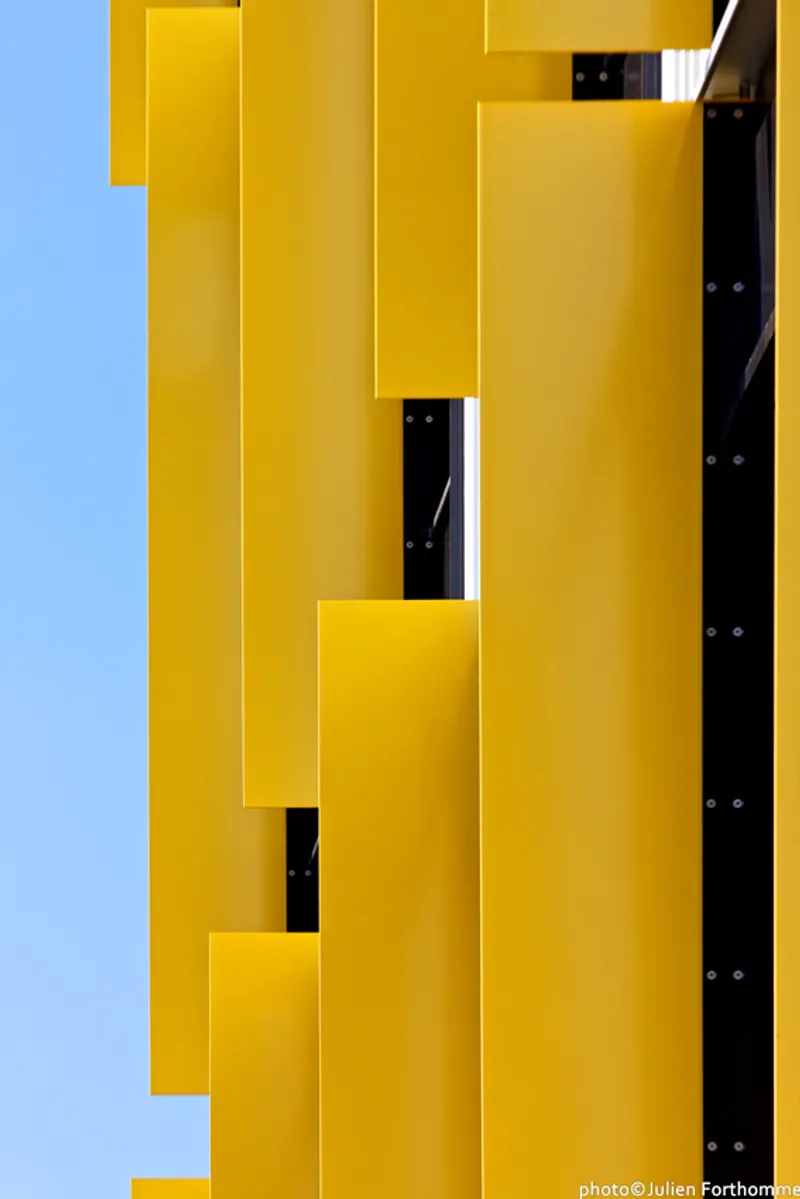
Architectural Identity Reimagined
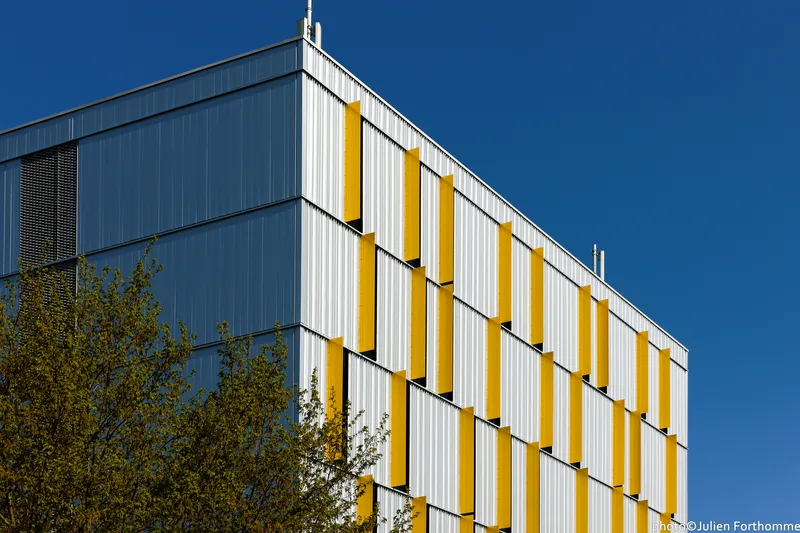
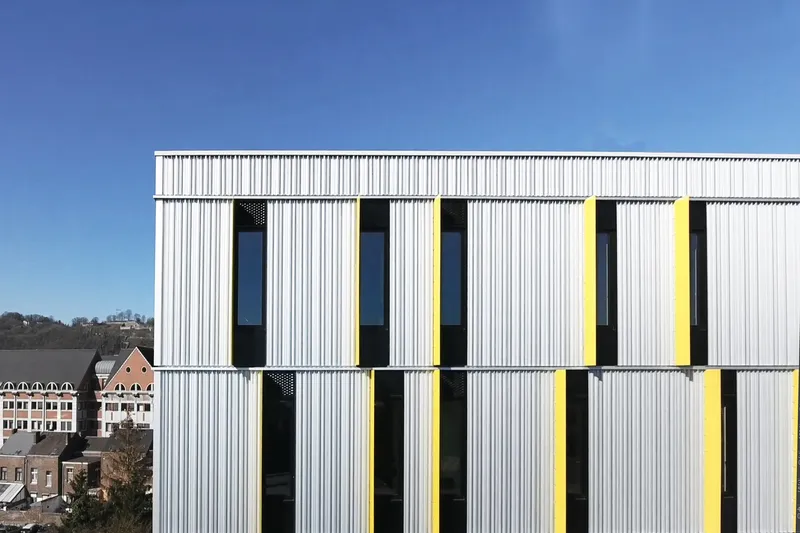
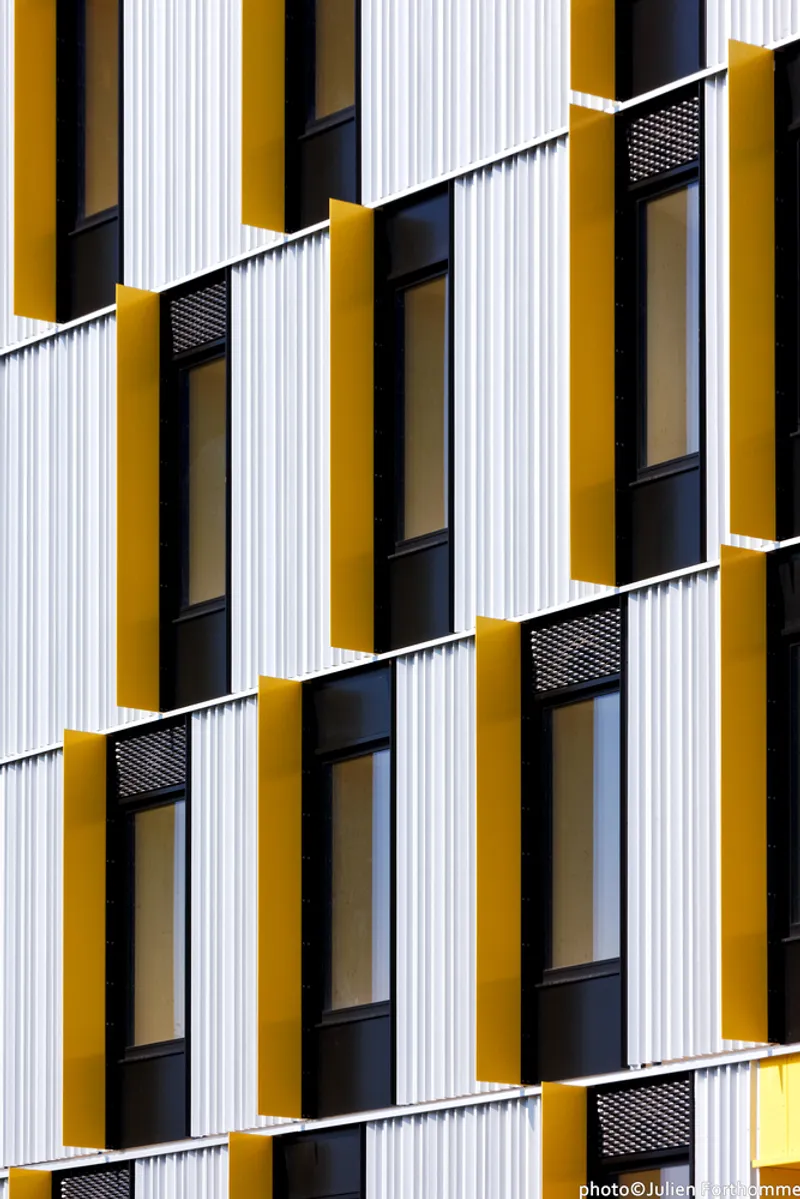
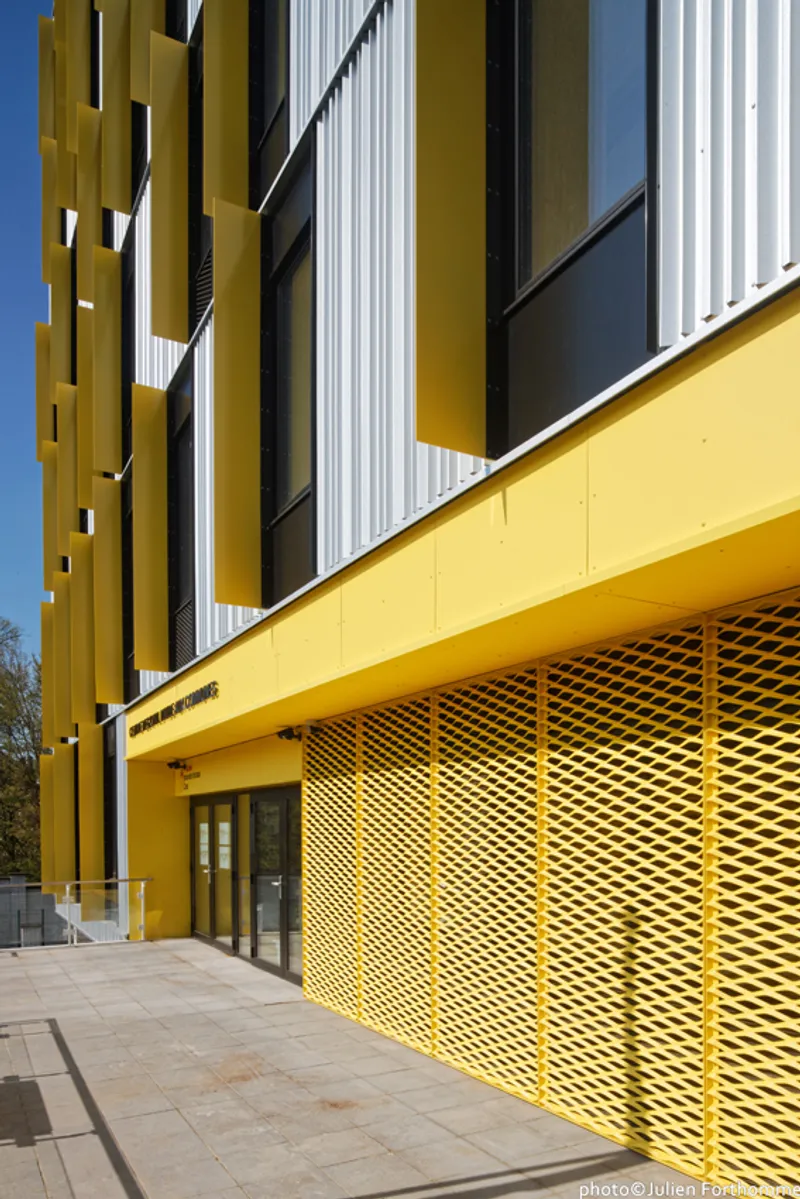
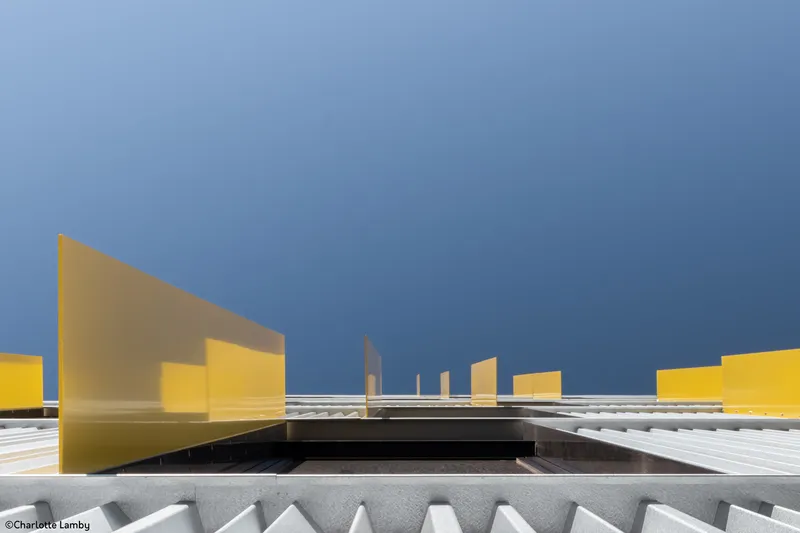
More than a technical achievement, the CRAC Building project offers a fresh architectural identity through material contrast and façade articulation. A palette of lightweight materials—including aluminum and timber—highlights modularity and precision in assembly. Yellow-accented sunshades and entrance elements add a vivid contemporary expression, while warm interior fir finishes contrast with the high-tech look of the exterior.
Integrated Design Features for User Comfort
Beyond thermal performance, the project rethinks how space can be re-utilized: interstitial spaces between façades were activated with custom-built furniture and integrated storage units. This not only optimizes the building envelope but also enhances interior usability—an often-overlooked opportunity in traditional façade upgrades.
A Model for Urban Environmental Renovation
The CRAC Building stands as a benchmark in sustainable architecture, especially in the context of urban renovation and public infrastructure. Through its strategic use of prefabrication, material simplicity, and energy-conscious design, the project demonstrates how architecture can bridge the gap between ecological responsibility and operational continuity.


Popular Articles
Popular articles from the community


David Ortega Stacks a Two-Story Mexico City Penthouse Around a Steel Stair and a Pergola-Shaded Roof Terrace
In Colonia Roma, a 300 m² penthouse uses oak joinery, a planted steel stair and a slatted roof pergola to make a new-build apartment feel like a house.

Jaramillo Van Sluys Arquitectura and Urbanismo Turn a Demolished Registry Lot in Quito into an Orchard Plaza
In Quito's Centro Histórico, a 2,800 m² plaza exposes the San Agustín convent wall and redraws its lost Augustinian orchard in volcanic stone.

U.GA Architects Wraps an Oval Rooftop Pool in Curved Board-Formed Concrete on Busan's Jeollidan-gil
In Busan's Jeonpo-dong, a 454 m² mixed-use block stacks a neighborhood facility, guest rooms and an oval rooftop pool inside spiraling concrete walls.

longwave studio Reorganizes a 112 m² Tainan Apartment Around the Daily Routines of a Family and Two Cats
In Tainan, Taiwan, birch plywood, rust-red furniture and a freestanding plaster wall link arrival, storage, work and family life in one apartment.

Similar Reads
You might also enjoy these articles


Hodi-Mandai Geram
Project Function: Preservation and revitalization of the Intangible heritage and socio-spatial identity of the Hodi by Housing, Cultural Memory Center, Sacred Grove, landscape, local tourism economy


Olio Towers: A Mid-Rise for Performers That Fuses Housing, Rehearsal, and Stage
Located blocks from Houston's Theater District, this modular tower stacks living units around a central performance atrium.

Oasis: Modular Green Housing Carved into Dhaka's Urban Fabric
A shortlisted Plugin Housing entry reclaims unauthorized settlements in Dhaka with stepped concrete volumes, green roofs, and ventilation-driven design.

Black Hole: A Floating Megastructure for the Post-Physical Era
Emiliano Mazzarotto envisions a spherical, self-scaling arena where e-sports, digital hotels, and holographic stadiums replace traditional public space.

Explore Office Building Competitions
Discover active competitions in this discipline

Challenge to reimagine the Iron Throne

Photograph architecture without architects

Illustrate the lost glory of Angkor Wat - Render Challenge

Design challenge to reuse E-waste
Comments (0)
Please login or sign up to add comments
No comments yet. Be the first to comment!