
Daminghu 100 Culture & Arts Centre Transforms Jinan’s Historic Lakeside Neighborhood
Daminghu 100 Culture & Arts Centre transforms historic Jinan building into vibrant, flexible art and cultural hub, blending heritage, light, and openness.


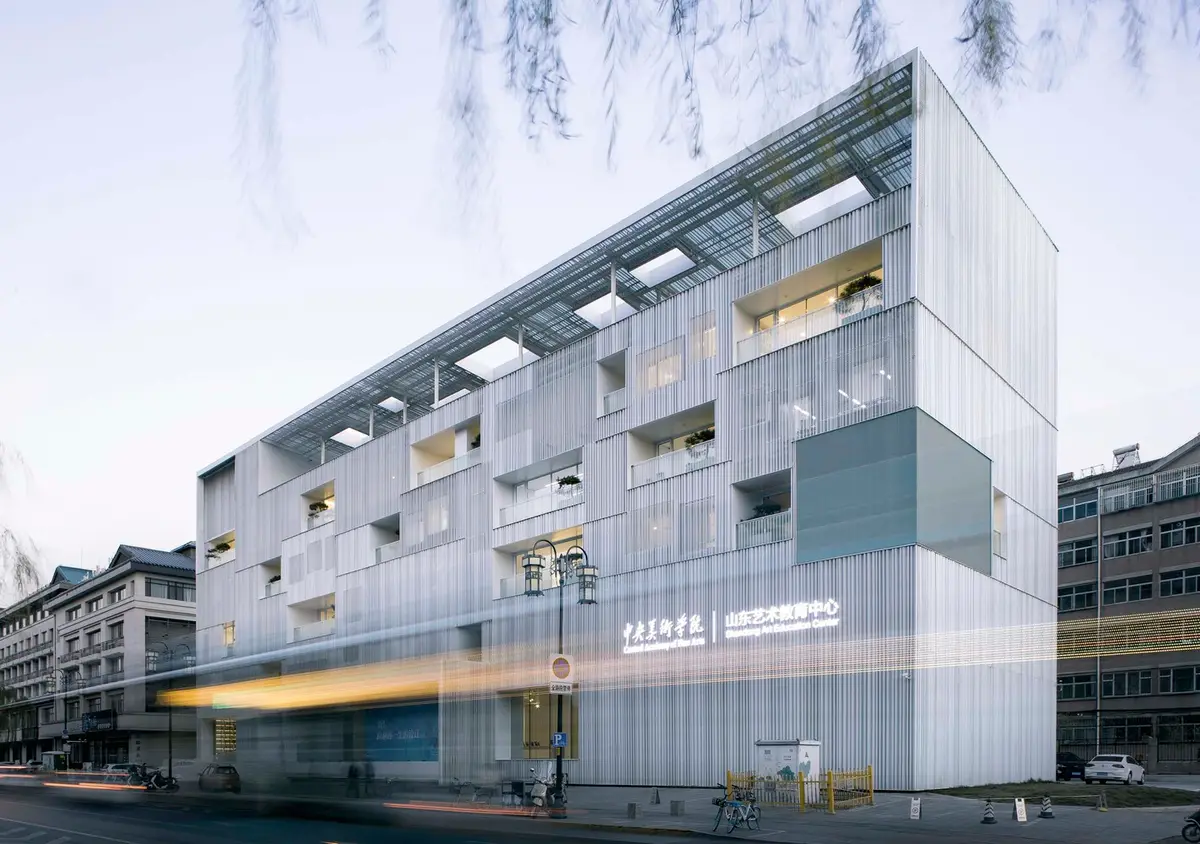
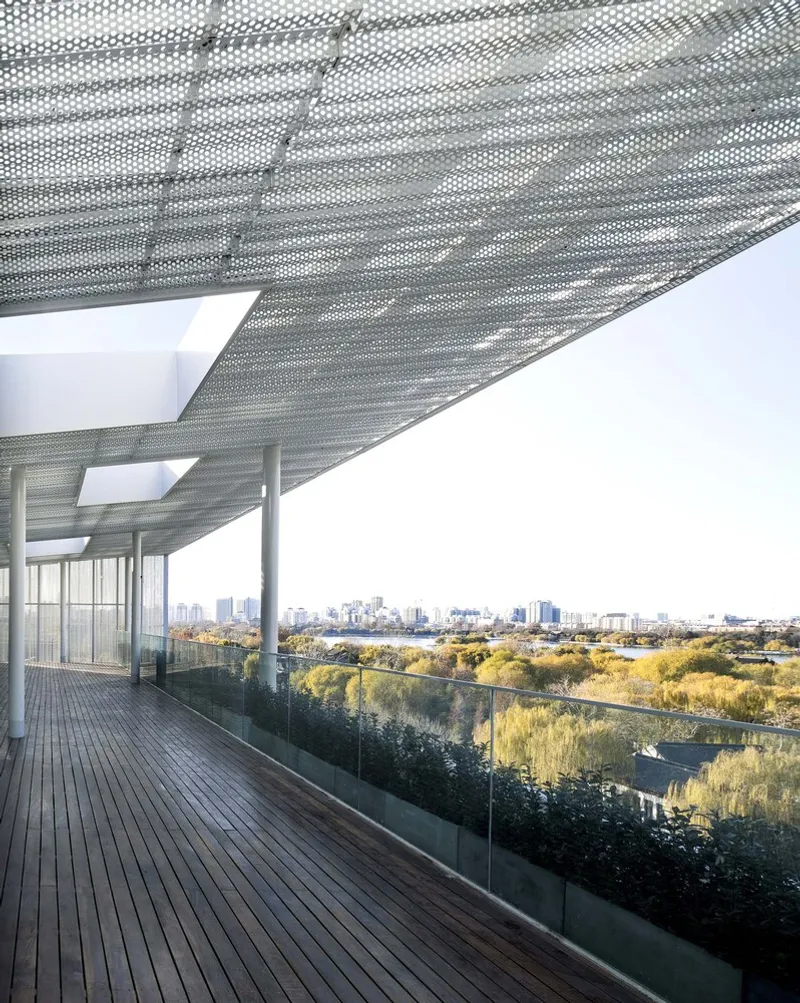
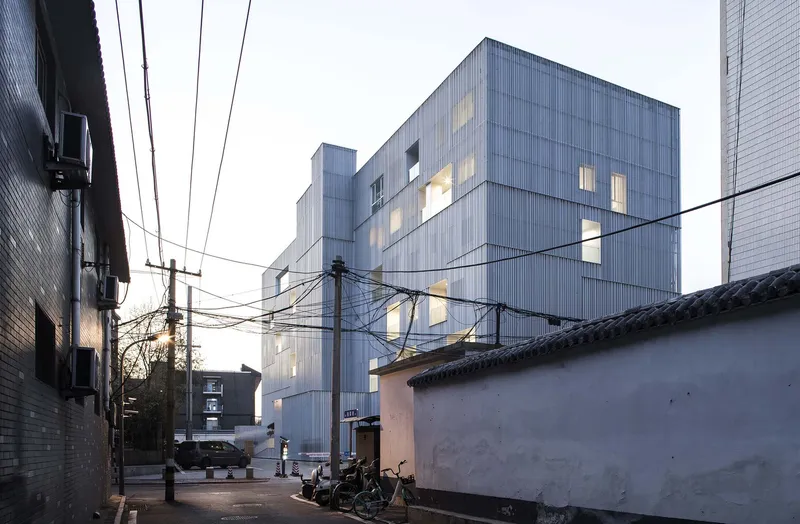
The Daminghu 100 Culture & Arts Centre, designed by TAOA, stands as a contemporary cultural landmark in Jinan, China, revitalizing a historic lakeside district through thoughtful renovation and adaptive reuse. Completed in 2022, the 5,806 m² project transforms a former office and hotel complex into a vibrant hub for art, culture, and community engagement, seamlessly reconnecting the urban fabric with the natural landscape of DaMing Lake.
Revitalizing Historic Urban Fabric
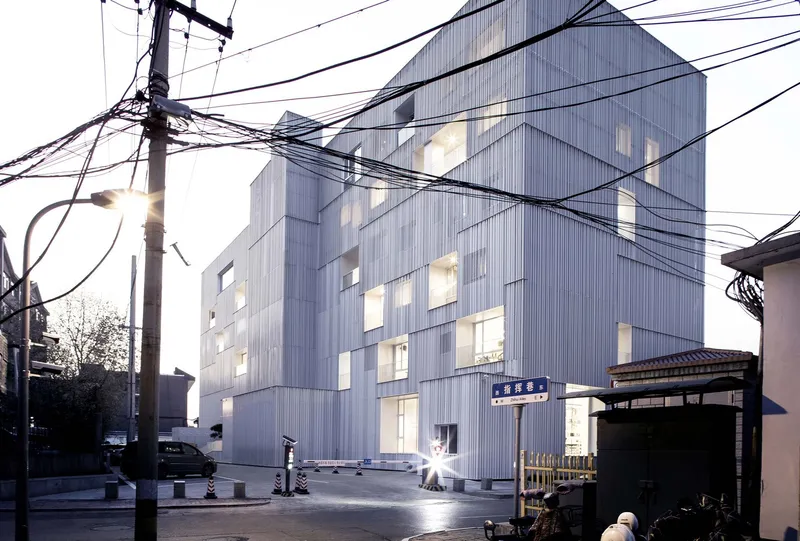
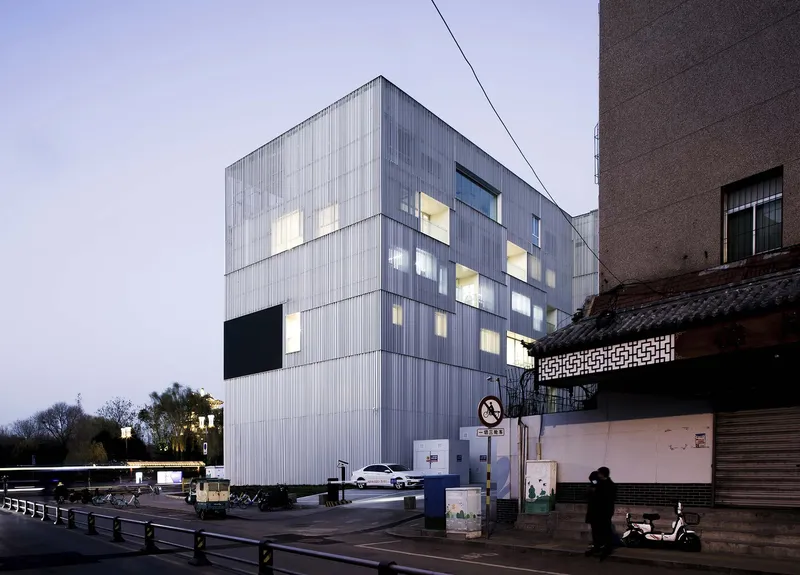
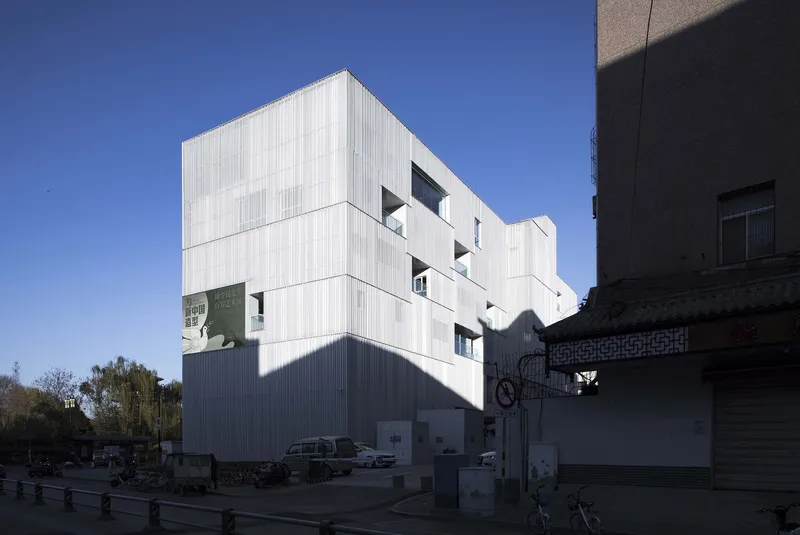
Situated in a traditional neighborhood, the project balances modern design interventions with the character of Jinan’s historical and cultural context. By repurposing existing structures, the architects preserved the building’s reinforced concrete frame while introducing a prestressed floor slab system to enhance structural flexibility. The renovation addresses inherent challenges such as low floor heights and disjointed floor connections, which initially constrained spatial openness essential for cultural and artistic programming.
Dynamic Interior Reorganization
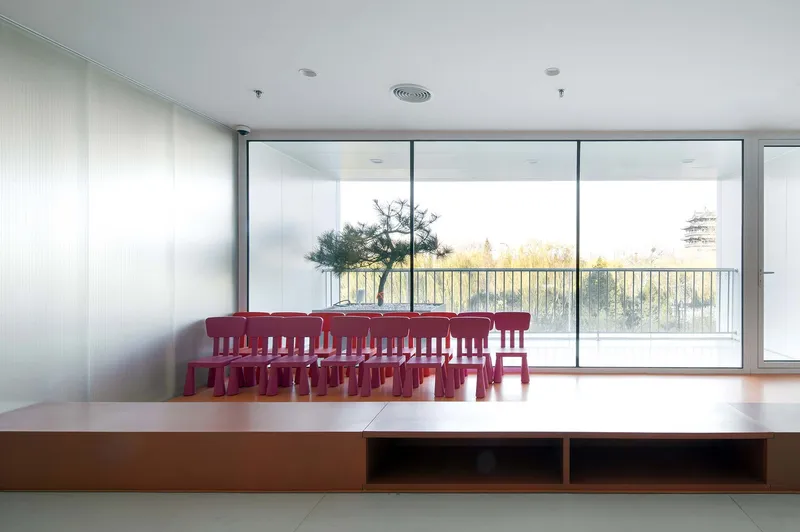
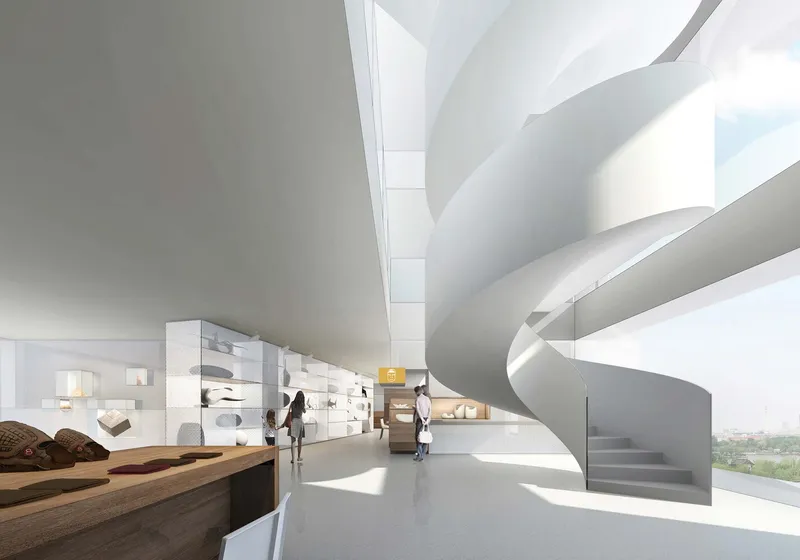
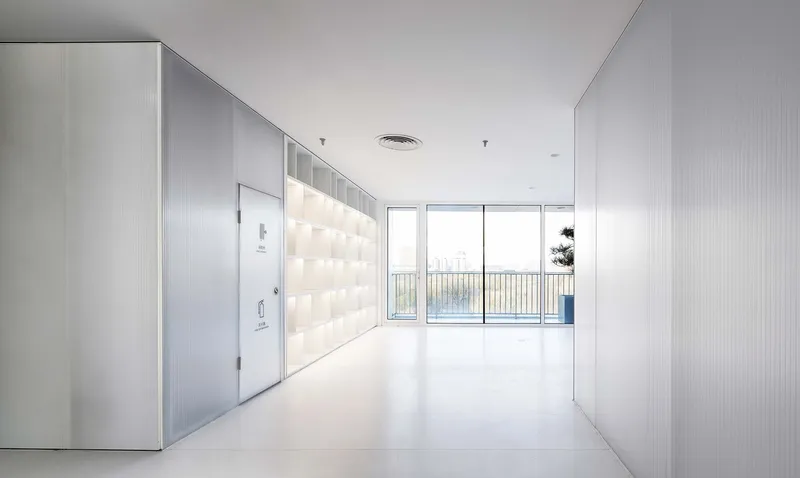
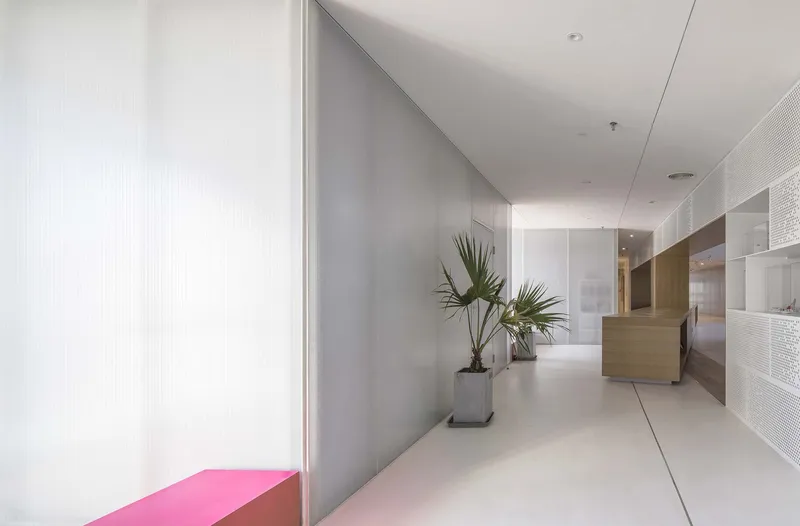
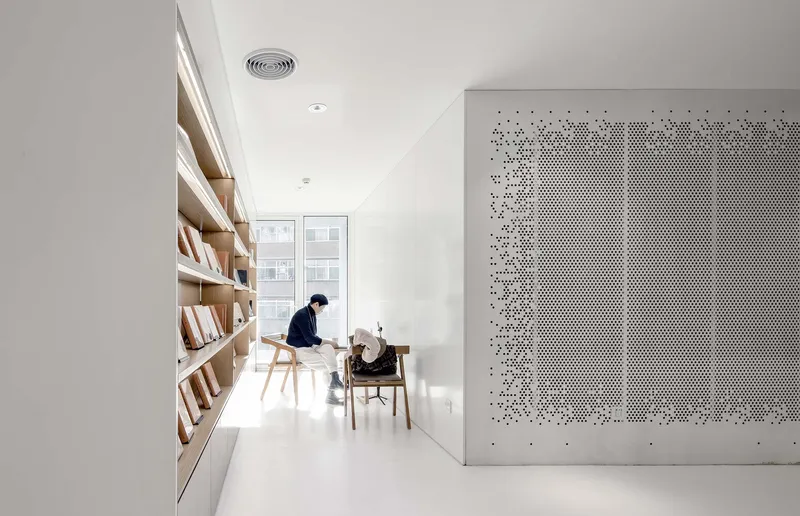
From the interior, the design redefines spatial freedom. The building’s program is reorganized into multiple independent yet interconnected zones, creating varied interior volumes that enhance flexibility and visual interaction. Independent “boxes”: carefully staggered, stacked, and squeezed within the six-story framework, break the monotony of horizontal floor lines and mask uniform structural columns. These volumes allow for diverse functional layering, providing spaces for exhibitions, workshops, and community activities.
Vertical and Horizontal Flow
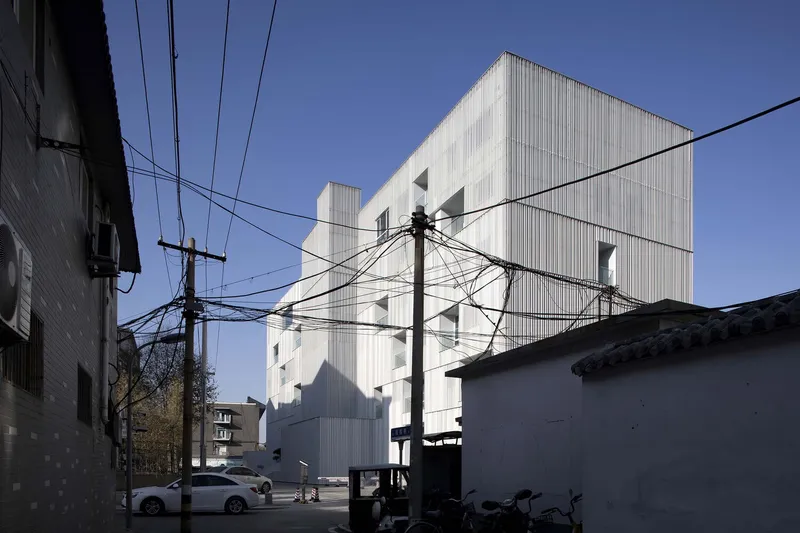
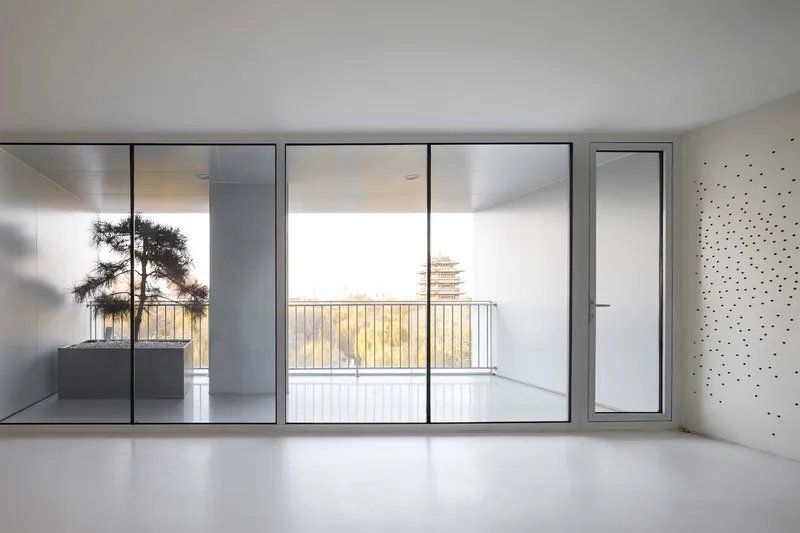
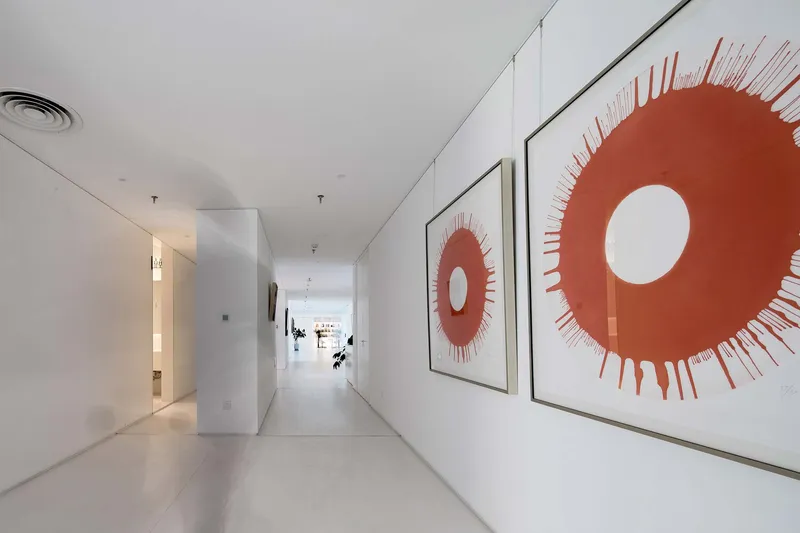
The intentional blank spaces between these stacked boxes generate column-free public areas that cross multiple floors, creating a vertical flow that encourages exploration and interaction. Horizontal corridors are seamlessly integrated into these open areas, reinforcing connectivity across levels. This design liberates the original structural frame and floor panels, turning previously restrictive elements into visual and functional assets.
Innovative Facade Design
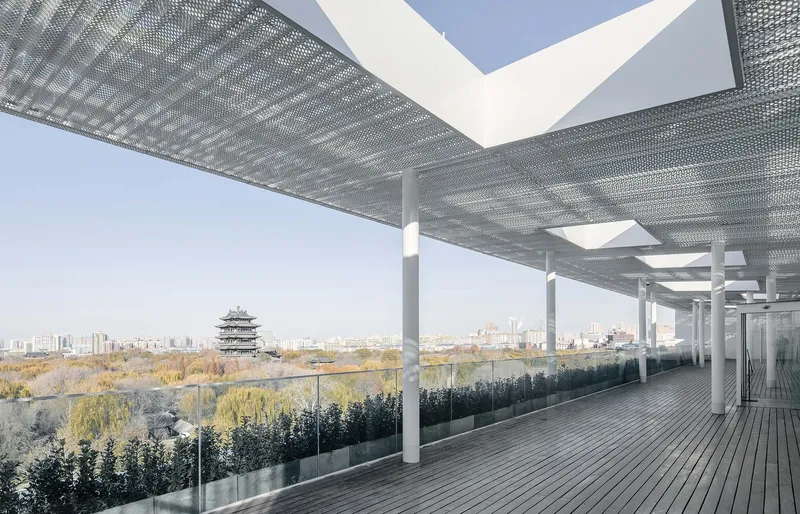
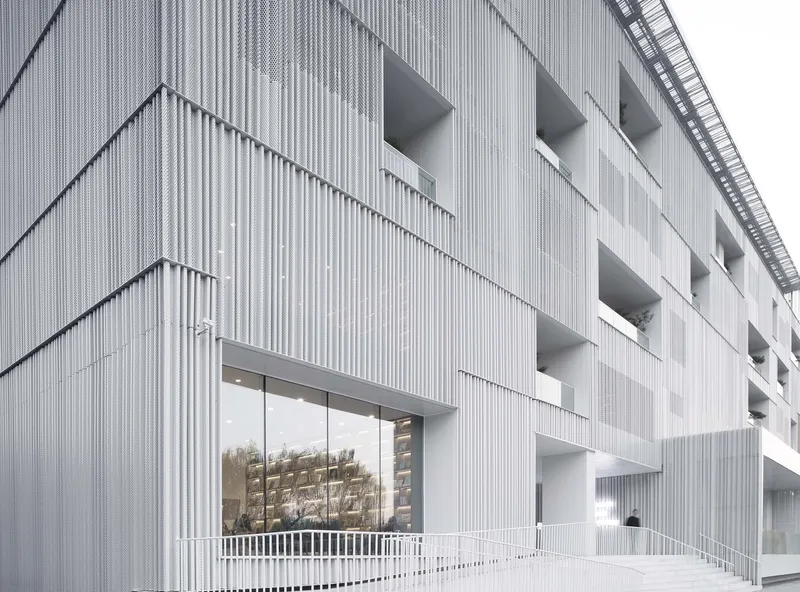
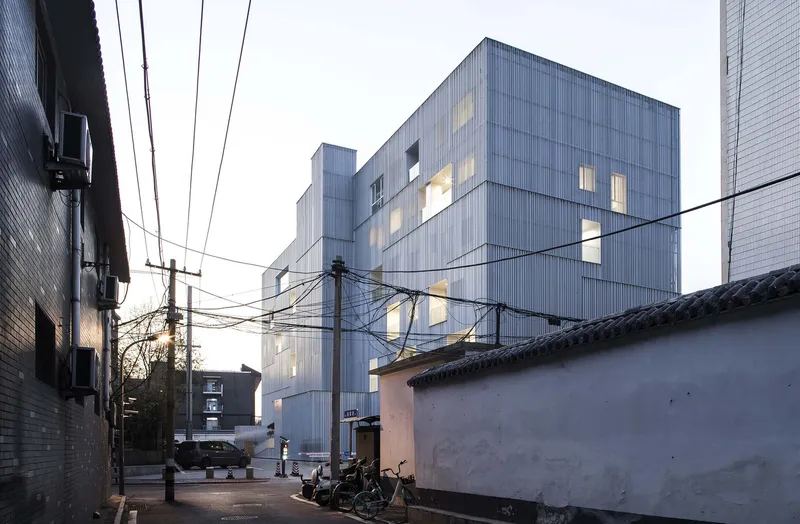
Externally, the building is wrapped in aluminum panels, echoing the layered and perforated qualities of the interior spaces. The punched aluminum sheets offer variable permeability, balancing transparency and privacy while allowing pedestrians to perceive the internal activities. Corrugated folding enhances structural stability without additional support, producing a facade that is both expressive and efficient. The interplay of staggered box volumes and perforated panels forms a dynamic facade with visual depth and rhythm.
Light and Spatial Experience
At night, interior lighting illuminates the perforated panels, creating a warm, inviting presence in the urban landscape. The combination of staggered volumes, transparent elements, and interconnected public spaces cultivates a multidimensional experience, where art, culture, and social life intertwine. The building functions as both an independent art facility and a public cultural interface, offering Jinan residents and visitors a new lens through which to experience the city’s lakeside heritage.
Sustainable Adaptive Reuse
By reimagining existing structures rather than building anew, the Daminghu 100 Centre demonstrates principles of sustainable architecture and adaptive reuse. The project minimizes material waste while maximizing spatial potential, respecting both environmental and cultural contexts. Its layered spatial approach ensures diverse programming, from intimate galleries to expansive public areas, fostering creative engagement and continuous urban vitality.
Architectural Highlights
- Adaptive reuse of a former hotel and office complex
- Independent stacked volumes forming flexible, multifunctional spaces
- Column-free vertical public spaces connecting multiple floors
- Aluminum panel facade with variable transparency for light modulation
- Enhanced visual connection to DaMing Lake and historic surroundings
- Sustainable renovation emphasizing material efficiency and flexibility
The Daminghu 100 Culture & Arts Centre exemplifies how architectural renovation can rejuvenate historic neighborhoods while providing dynamic, flexible spaces for art, culture, and social interaction. By weaving together structural innovation, spatial freedom, and environmental responsiveness, TAOA has created a cultural landmark in Jinan that harmoniously blends the past with contemporary creativity.
All photographs are works of
Lei Tao


Popular Articles
Popular articles from the community


Aquadapt: An Underwater Habitat That Rewrites Its Rooms by the Hour
Curved modules ring the seabed while one shell shifts from breakfast room to cinema, farm and football pitch as residents' needs change.

Opera on the Sea: Driftwood Logic Shapes a Timber Opera House on Estonia's Coast
Trevor Orgill's opera house translates the entangled drift of floating timber into a civic building where wood, water, and music converge.


ETEH Reworks the Shared Spaces of São Domingos School in Brazil Around Timber, Color and Hanging Plants
At São Domingos School in Brazil, 436 m² of hall, refectory and library are recast with timber joinery, a yellow and blue code and trailing greenery.

graciastudio Turns a Viewless Tijuana Lot Inward Around a Courtyard of Concrete, Timber and Trees
In Tijuana, Jorge Gracia's GA2 House stacks a timber-clad private floor over exposed concrete and replaces a missing view with a planted interior patio.

Similar Reads
You might also enjoy these articles

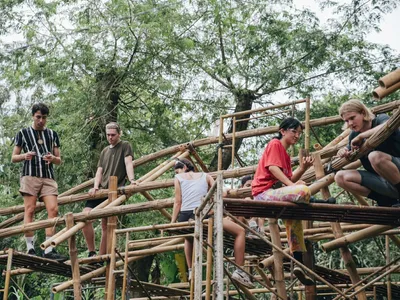
Bamboo Housing Challenge 2026: Design Affordable, Sustainable Homes Using Bamboo
An international design competition by Bamboo U and IBUKU inviting architects and designers to reimagine affordable housing using bamboo — with the winning design built full-scale in Bali.
Computational Design & Education: Beegraphy Design Awards Introduces 7th Category (Featuring Jiyun's Innovative Approach)
Dive into Beegraphy’s 7th Design Awards category, where computational design meets education to create immersive, interactive learning tools, inspired by Jiyun’s work.
From Parametric Lighting to Urban Furniture: Join the 2nd Workshop in Beegraphy’s Computational Design Series
Dive into Cutting-Edge Design Techniques and Practical Applications with Industry Experts

Last Call: Unleash Your Architectural Genius in SHAK's Kindergarten Design Competition
Urgent call for architects to join SHAK's kindergarten design competition before the looming deadline

Explore Blocs Competitions
Discover active competitions in this discipline

Challenge to reimagine the Iron Throne

Photograph architecture without architects

Illustrate the lost glory of Angkor Wat - Render Challenge

Bring back Drive In's
Comments (0)
Please login or sign up to add comments
No comments yet. Be the first to comment!