
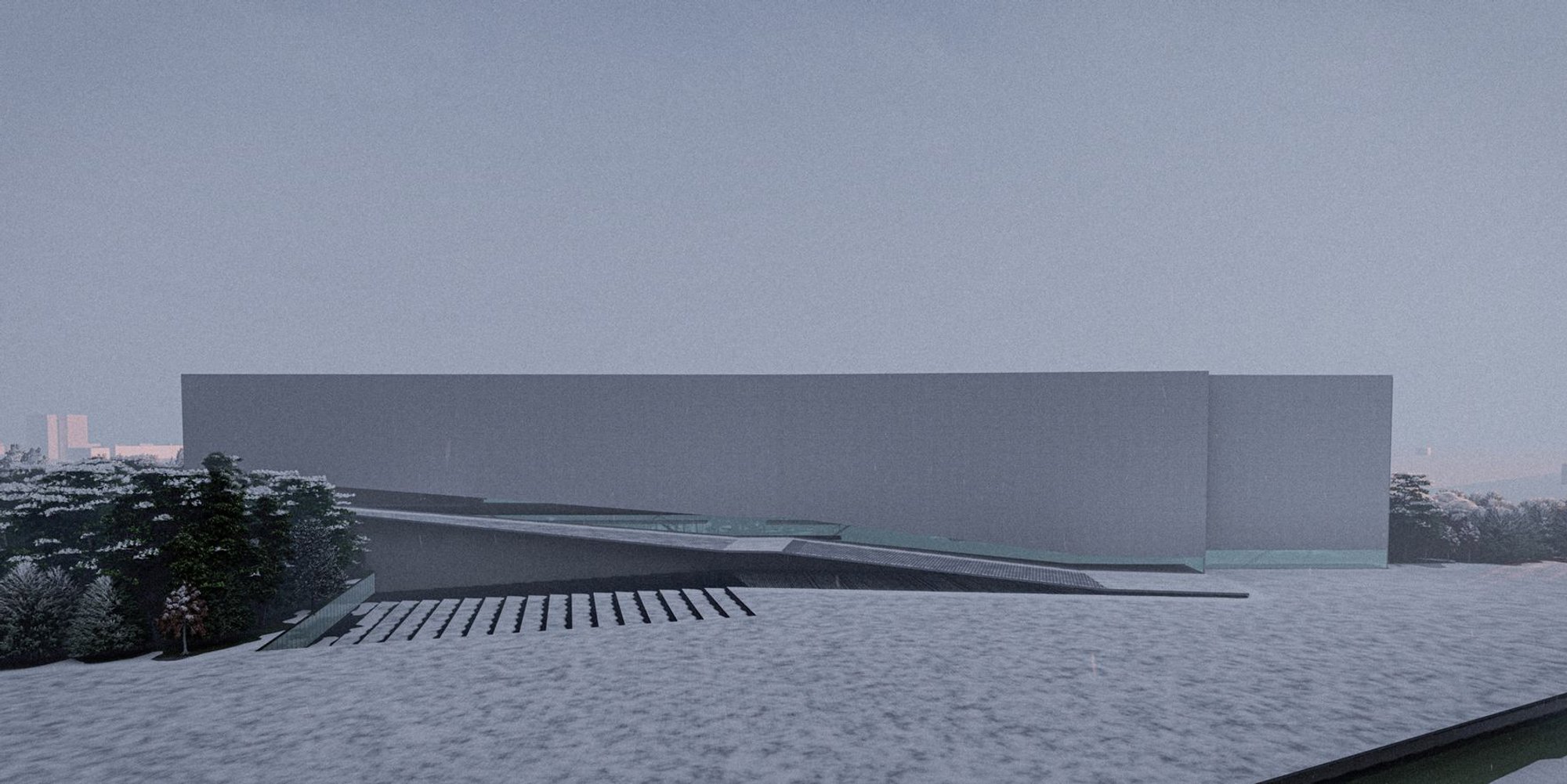
Data Factory: The Architecture of Knowledge Generation
Where urban meets nature, this knowledge architecture turns libraries into dynamic, data-generating spaces for human interaction.

In a digital era where information is omnipresent, the role of libraries is no longer confined to book storage or silent reading zones. Instead, they are evolving into dynamic, hybrid spaces that foster interaction, creativity, and collective intelligence. "Data Factory," a forward-thinking architectural project by Tuğba Nur Topaloğlu, explores this shift through the lens of architectural innovation, turning the library into a generative intersection for data, ideas, and people.
Using the concept of knowledge architecture as the core design strategy, the Data Factory envisions the library not as a passive archive, but as an active participant in the production and evolution of information. In this reinterpretation, the architecture itself becomes a medium for learning, reflection, and the synthesis of diverse perspectives.
Intersection as Generator
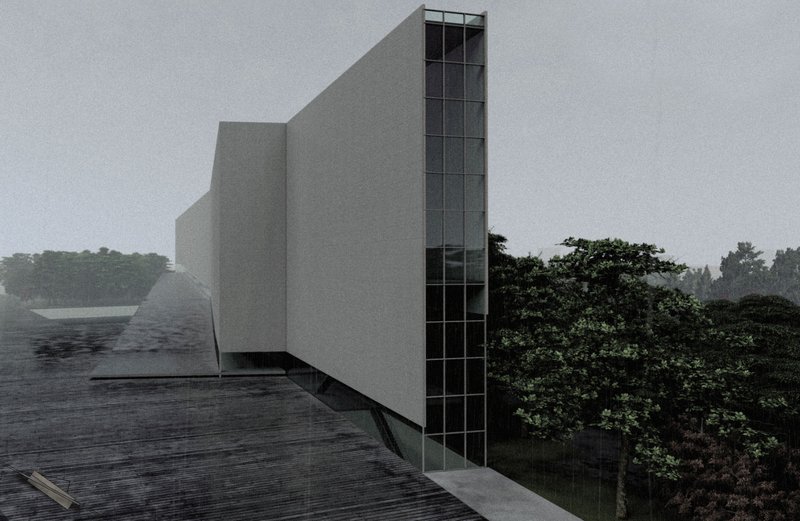
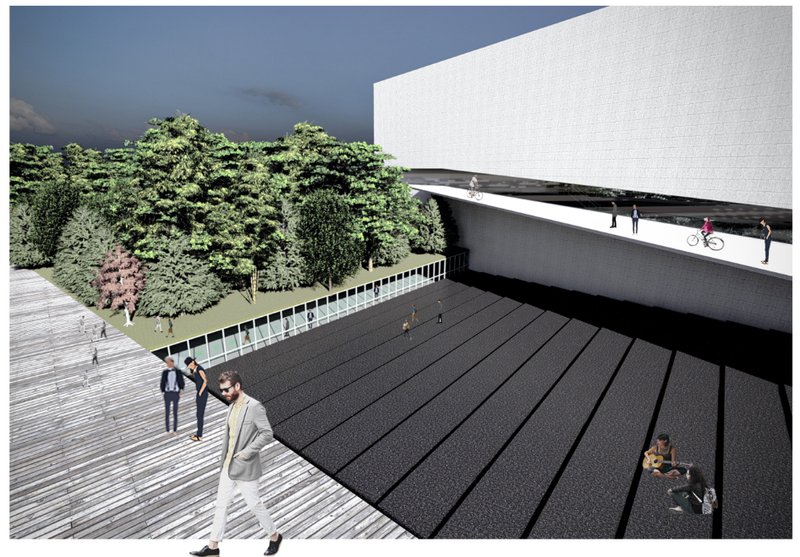
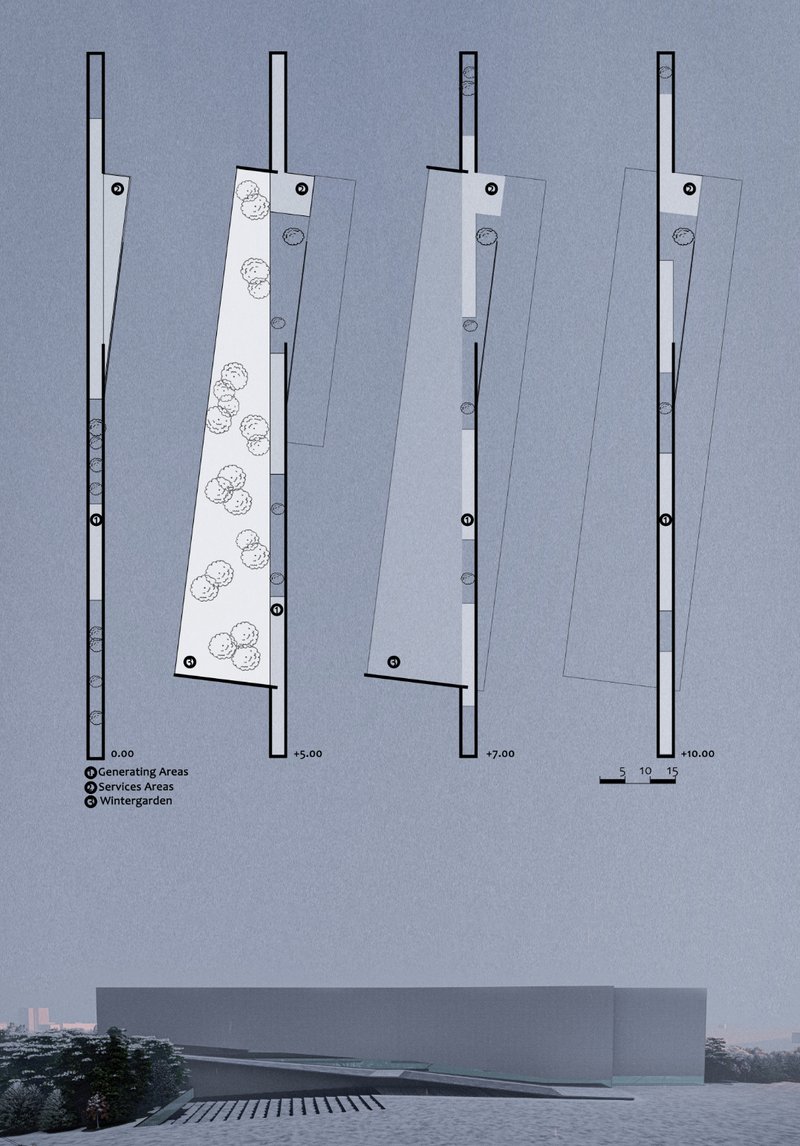
At the heart of the design lies an intersection—both physical and conceptual. Situated in Warsaw, the site analysis reveals two contrasting fabrics: the urban grid and a green, natural expanse. The project carves a deliberate axis where these two meet, forming a spatial intersection that becomes the catalyst for interaction.
This axis is not just a circulation path; it is the central nervous system of the building. It binds the diverse elements of the site—urban and natural, social and solitary—into one cohesive experience. The intersection becomes a space where differences collide, mix, and ultimately generate new information.
Libraries as Learning Factories
Drawing on the metaphor of production, the Data Factory treats people as the main material of the library. Just as raw materials are transformed in a factory, human interaction, dialogue, and presence are transformed into knowledge through spatial design. The library becomes a workshop of thought—a place where musical notes, written texts, and even dance movements serve as mediums of knowledge transfer.
Each architectural component plays a role:
- Winter Garden: connects green fabric to the social spine, fostering seasonal learning experiences.
- Conference Zone: acts as a hub for public engagement and group exchange.
- Pathway Structure: symbolically bridges the city with nature, and metaphorically links individual thought with collective consciousness.
Layered Spaces for Coexistence
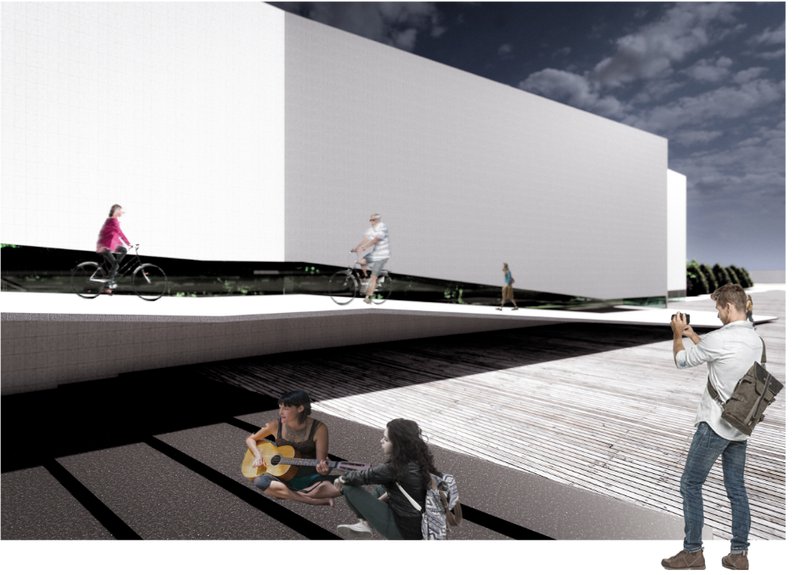
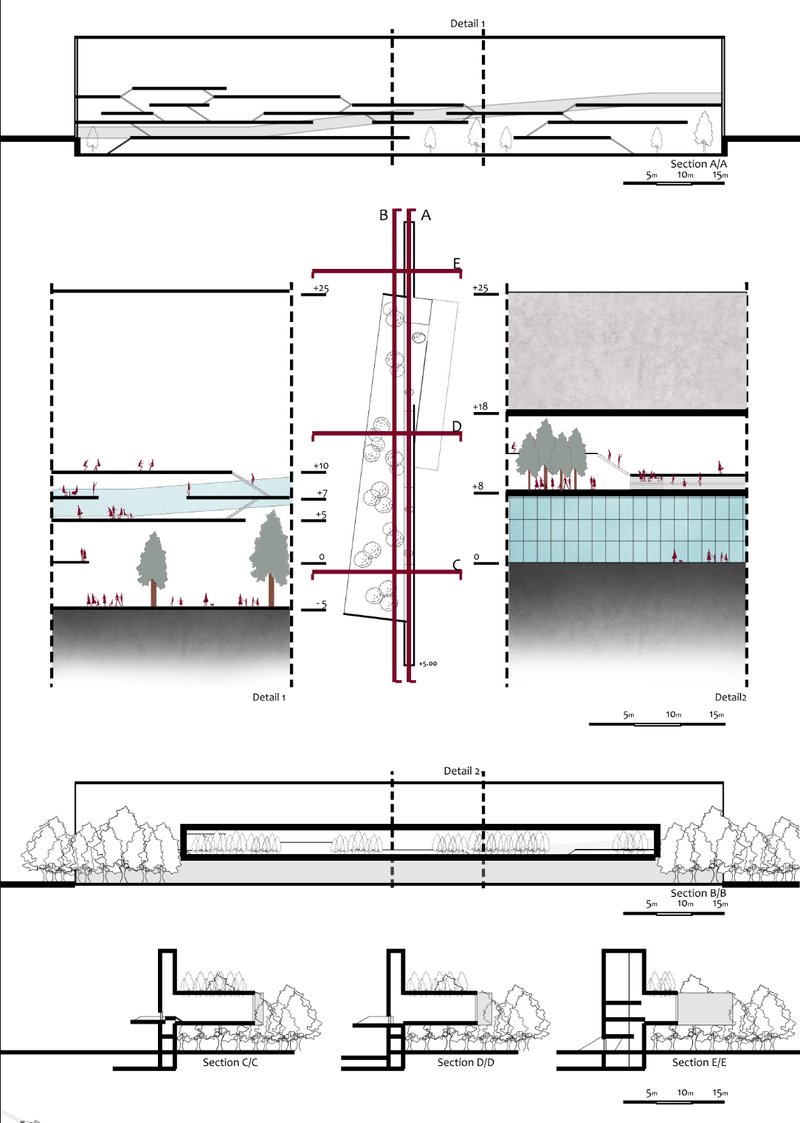
The building's spatial planning embraces vertical layering to support the coexistence of different types of content and community engagement. From below-ground courtyards to elevated public forums, every level is a stage for interaction and evolution.
These layered zones allow for:
- Modular expansion as knowledge grows
- Integration of interactive exhibitions
- Spaces for both quiet contemplation and social learning
Architecture as Intelligence System
"Data Factory" redefines the architectural typology of libraries by embedding the process of learning into the building itself. It challenges traditional norms and proposes a spatial system that evolves with its users. Here, knowledge architecture is not just a design concept—it's a cultural imperative.
This shortlisted entry in Libgen 2019 proposes a compelling vision of how libraries can become active, self-generating ecosystems of knowledge. In the Data Factory, learning is not stored. It is created.




Popular Articles
Popular articles from the community

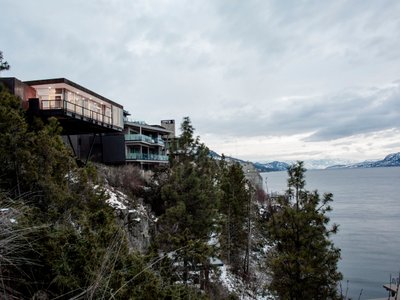
Alton Cliff House: A Harmonious Retreat by f2a Architecture in Lake Country, Canada
Alton Cliff House blends corten steel, prefabrication, and sustainable design, creating a luxurious, energy-efficient retreat perched on Canadian cliffs.
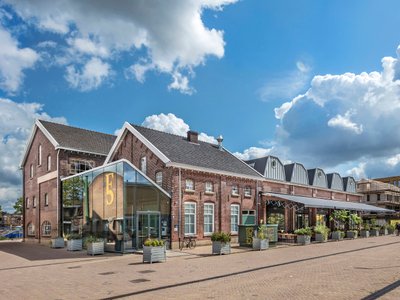
Fifth NRE Jazz Club – De Bever Architecten: Eindhoven’s Revitalized Cultural Hub
Historic gas factory transformed into Fifth NRE Jazz Club blending modern sustainability, jazz culture, dining, and heritage architecture seamlessly.


The Ken Roberts Memorial Delineation Competition (Krob)
As the most senior architectural drawing competition currently in operation anywhere in the world, it draws hundreds of entries each year, awarding the very best submissions in a series of medium-based categories.

Solar Steam: A Climate-Responsive Architecture That Redefines the Monument
A climate-responsive memorial architecture that transforms heat, decay, and time into a living system reflecting humanity’s ecological impact.


Similar Reads
You might also enjoy these articles
The Ken Roberts Memorial Delineation Competition (Krob)
As the most senior architectural drawing competition currently in operation anywhere in the world, it draws hundreds of entries each year, awarding the very best submissions in a series of medium-based categories.

Waterfront Redevelopment and Urban Revitalization in Mumbai: Forging a New Dawn for Darukhana
A transformative waterfront redevelopment project reimagining Darukhana’s shipbreaking heritage into an inclusive urban future.

OUT-OF-MAP: A Call for Postcards on Feminist Narratives of Public Space
Rhizoma Design and Research Lab invites artists, designers, architects, researchers, and students to reflect on how feminist perspectives can reshape public space. Selected works will be exhibited in Barcelona, October 2026. Submissions open until 15 April 2026.

Documentation Work on Buddhist Wooden Temple
Architectural syncretism and cultural hybridity: A comparative study of the Buddhist temples in Chattogram Hill tracks


Explore Educational Building Competitions
Discover active competitions in this discipline




The Global Benchmark for Architecture Dissertation Awards

Challenge to design locus for the upliftment of human rights


Challenge to design a learning and healing center


Challenge to design public laboratory
Comments (0)
Please login or sign up to add comments
No comments yet. Be the first to comment!