
Designing Lighting Fixtures using the Concepts of Parametric Design : Beegraphy Design Award
Illuminating the Future - Computational Design in Lighting


Welcome to the second category of the BeeGraphy Design Awards: Lighting Design. This challenge is a call to designers, engineers, and innovators to explore the intersection of light and computational design. We invite you to create lighting fixtures that not only brighten spaces but also push the boundaries of design and technology.
The Role of Computational Design in Lighting Fixtures
Computational design is revolutionizing lighting fixture design by utilizing algorithms and software to create complex, customizable, and efficient designs. This approach allows designers to experiment with new forms, materials, and functionalities, leading to the creation of lighting fixtures that are both aesthetically pleasing and highly functional.
Parametric Design: Innovating Lighting Fixtures
Parametric design, a crucial aspect of computational design, involves the use of algorithms to generate and manipulate complex geometries. This method enables designers to create lighting fixtures that can adapt to various environments and requirements. By adjusting parameters, designers can produce a wide range of variations, each uniquely suited to its intended space.
Examples of Computational Design in Lighting Fixtures
The Coral Lamp by David Trubridge
The Coral Lamp by David Trubridge is a stunning example of how computational design can be applied to lighting fixtures. Using parametric design principles, Trubridge created a lamp inspired by natural coral structures. The intricate design allows light to filter through in beautiful patterns, creating a unique ambiance. This lamp showcases how computational design can lead to innovative and aesthetically pleasing lighting solutions.

The Tesselight by Modulex
The Tesselight by Modulex is another excellent example. This modular lighting system uses parametric design to create customizable lighting fixtures. Each module can be arranged in various configurations, allowing users to create unique lighting solutions tailored to their specific needs. The use of computational design enables the creation of intricate and adaptable lighting fixtures that enhance both form and function.
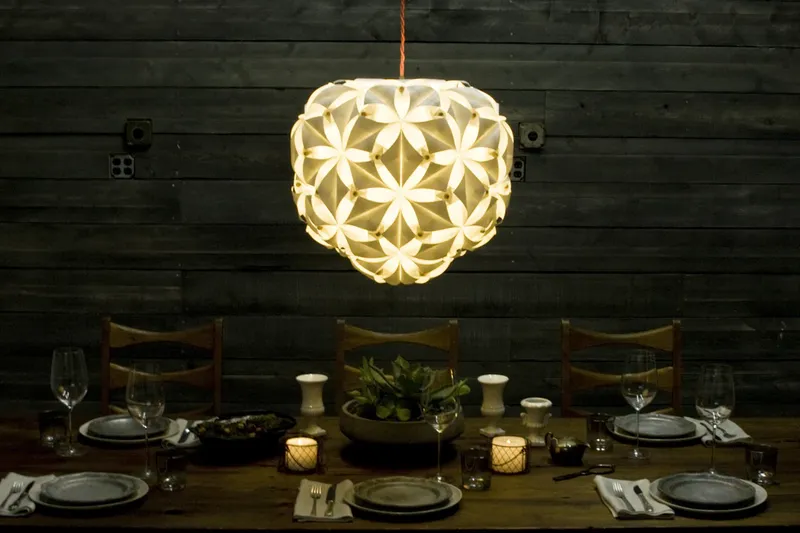
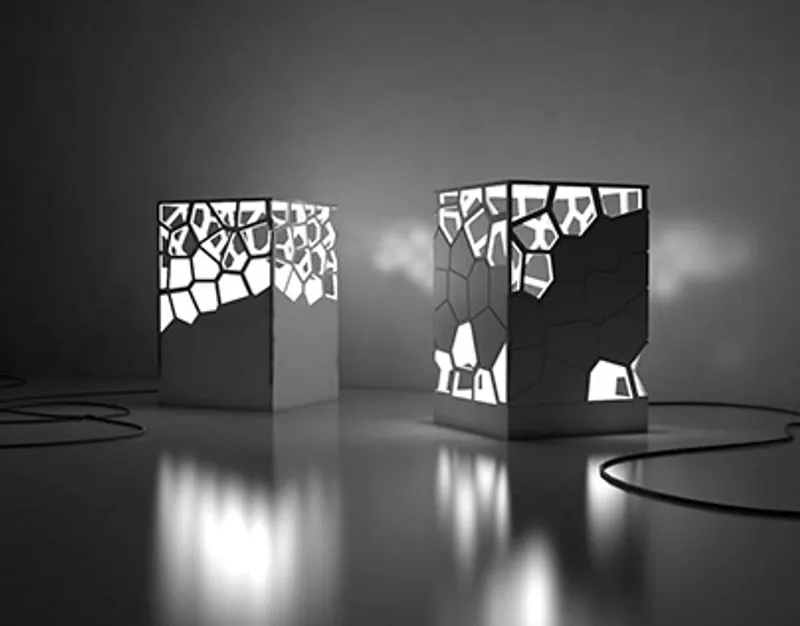
Voronoi Lamp by Graypants
The Voronoi Lamp series by Graypants is inspired by the patterns found in nature. Using parametric design software, the lamp shades mimic the intricate cellular structure seen in the natural world, creating unique, organic forms that cast beautiful shadows.
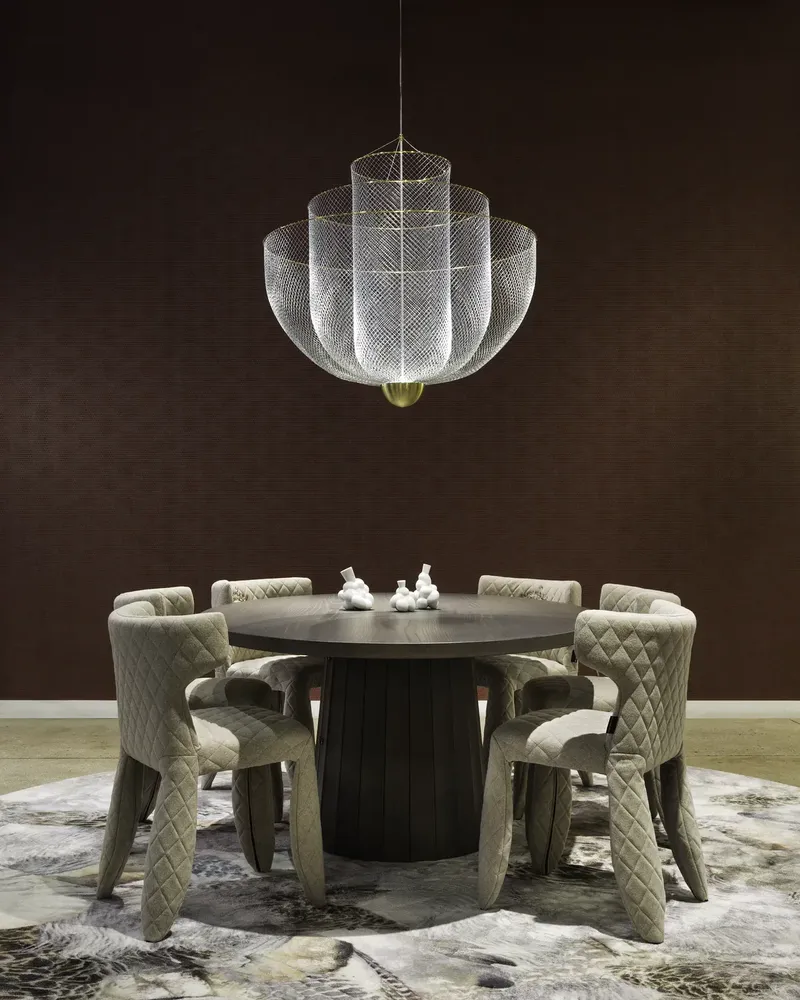
Meshmatics Chandelier by Rick Tegelaar
The Meshmatics Chandelier is designed using a parametric approach to control the delicate wire mesh structure. This chandelier transforms thin brass-plated steel into a refined light fixture that distributes light softly and evenly.
The BeeGraphy Design Awards: Lighting Design Category
In the Lighting Design category of the BeeGraphy Design Awards, we are looking for innovative lighting fixtures that integrate smart technology and aesthetic elegance. We challenge you to design fixtures that serve as central elements within any room, enhancing both functionality and ambiance.
Design Criteria
Your design should demonstrate a clear integration of computational design techniques. Each piece should be producible using digital fabrication methods such as 3D printing, CNC machining, or laser cutting, facilitated by BeeGraphy’s CAD tools for the fabrication drawing production.
We are looking for:
- Creativity and originality in both concept and design.
- Aesthetic appeal and emotional impact.
- Practicality in production using computational design methods.
- Clear and compelling use of BeeGraphy's tools to achieve the final design.
Get Inspired: Examples to Spark Your Creativity
Here are a few examples to inspire your creativity:
- Parametric Pendant Lights: Use algorithms to create intricate pendant light designs that can be 3D printed or CNC machined. Experiment with different forms and materials to create unique and customizable lighting solutions.
- Interactive Wall Sconces: Design interactive wall sconces that respond to user input or environmental factors. Use computational design to create dynamic lighting effects that enhance the user experience.
- Hybrid Lamp Designs: Combine traditional lamp designs with computational elements. For example, integrate 3D printed geometric patterns into classic lamp structures to add a modern twist.
Important Dates
- Submission Deadline (Stage 1): 19th August 2024
- Last date of community voting & Announcement of Shortlisted Entries: 26th August 2024
Meet the Jurors
Our distinguished panel of jurors includes industry experts who will provide valuable insights and feedback on your designs. Among them are:
- Sergey Dmitriev: Architect, Developer of Computational Design Tools, Lecturer at the leading Russian architecture schools teaching "Parametric Design" and "Digital Fabrication".
- Christopher Bullen: Specializing in advanced visualization services, production tools, and instruction for Architecture and Interior Design.

Join Us in Illuminating the Future
We invite you to participate in this exciting category and showcase your innovative lighting fixture designs. Use the BeeGraphy platform to create, modify, and prepare your designs for fabrication. Join us in illuminating the future with your creativity and computational design skills.
For more details and to sign up for our upcoming workshop. Learn more about the challenge here.


Popular Articles
Popular articles from the community


longwave studio Reorganizes a 112 m² Tainan Apartment Around the Daily Routines of a Family and Two Cats
In Tainan, Taiwan, birch plywood, rust-red furniture and a freestanding plaster wall link arrival, storage, work and family life in one apartment.

GROUP A Strips a 1969 Rotterdam Harbor Headquarters to Its Frame and Wraps It in Timber Louvers
In Rotterdam's M4H harbor district, Ferro Offices reuses a 1969 frame, adds one timber storey and reaches BREEAM-NL Outstanding.

Juan García Correa, John González and Claudia Rueda Sink a Circular Amphitheater into a Manizales Engineering Building
On the La Nubia campus in Manizales, Colombia, the S1 Building folds labs and offices into a hillside of ramped lawns that double as a campus route.

David Macias Steps a Doorless Stone and Plaster House Down a Tropical Colombian Hillside
In the humid hills of Colombia, Threshold House replaces the front door with an open void and terraces its 850 m² down the slope instead of fighting it.

Similar Reads
You might also enjoy these articles


Vereda Arquitetos Renovates a 40-Square-Meter Apartment Inside Niemeyer's Copan Building
A compact unit in São Paulo's most iconic residential tower gets a material overhaul that pairs exposed concrete with bold blue Formica.

Shakur's House: Exposed Brick as an Interior Organiser in a 168 m² Mashhad Residence
Brick moves indoors in this Mashhad residence, where masonry walls, glass partitions and teal planes sequence a compact home without closing it off.

Day and Night Park: A Time-Based Urban Newsstand in Beijing
A temporary urban newsstand in Beijing blending travel, light, and reading through poetic colors, compact form, and community-focused design.

Modernist Patio Renovation in El Masnou, Barcelona by Oliver Segura Arquitectura + Cebrià Arquitectura
Modernist patio renovation blending tradition and innovation with a movable pool, leveled floors, and Catalan materials in El Masnou.


Comments (0)
Please login or sign up to add comments
No comments yet. Be the first to comment!