
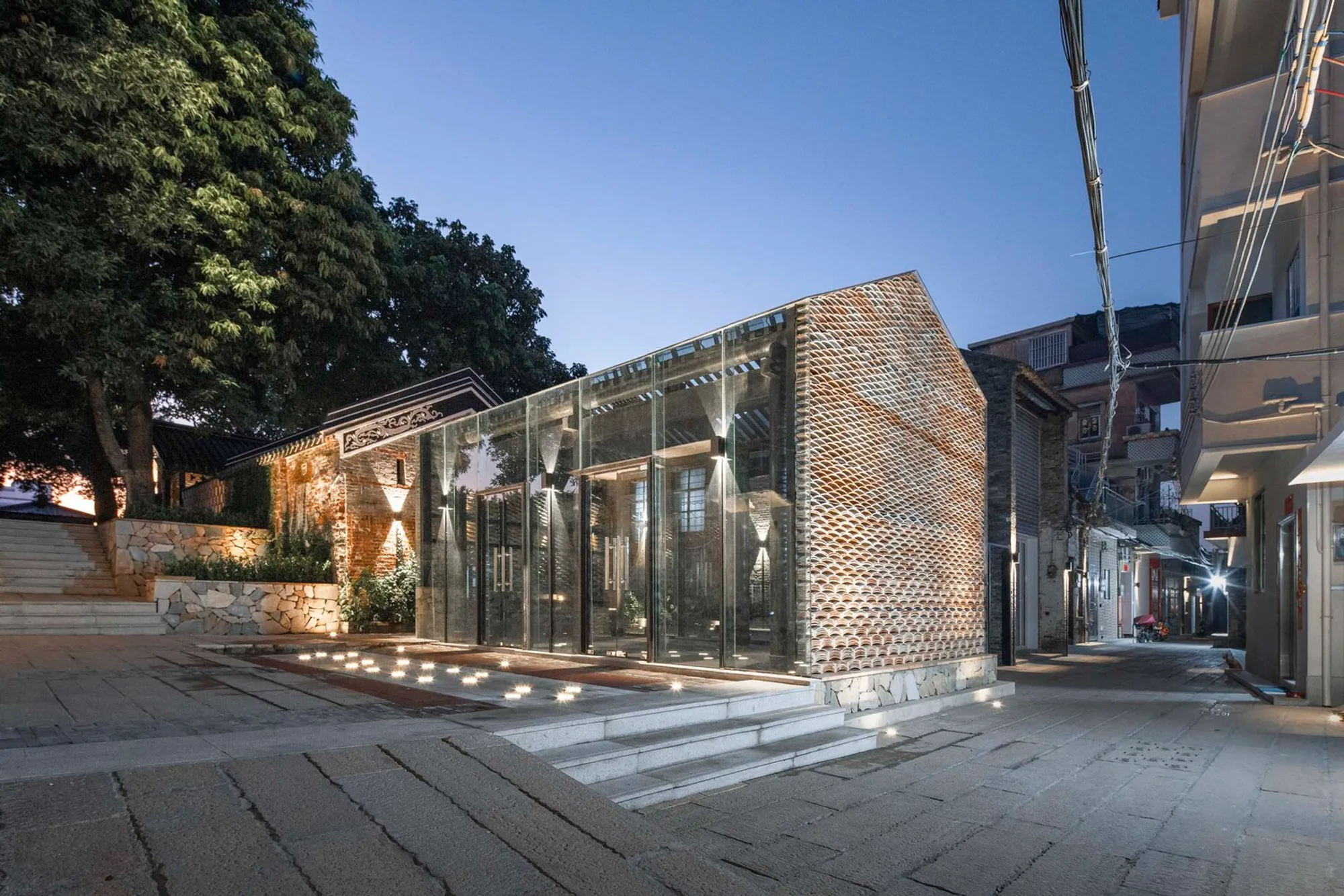
Diejiao Ancient Street Renewal: Reviving Cultural Heritage Through Community-Centered Urban Design
Historic Diejiao Ancient Street revitalized through community participation, cultural preservation, and commercial integration, blending traditional heritage with contemporary urban design strategies.


The Renovation of Diejiao Ancient Street by Atelier cnS represents a transformative approach to urban regeneration, heritage conservation, and community-driven design in Foshan, China. Spanning over 25,400 square meters and completed in 2022, the project reimagines a historic settlement with nearly a thousand years of cultural continuity while responding to the pressures of rapid urbanization.

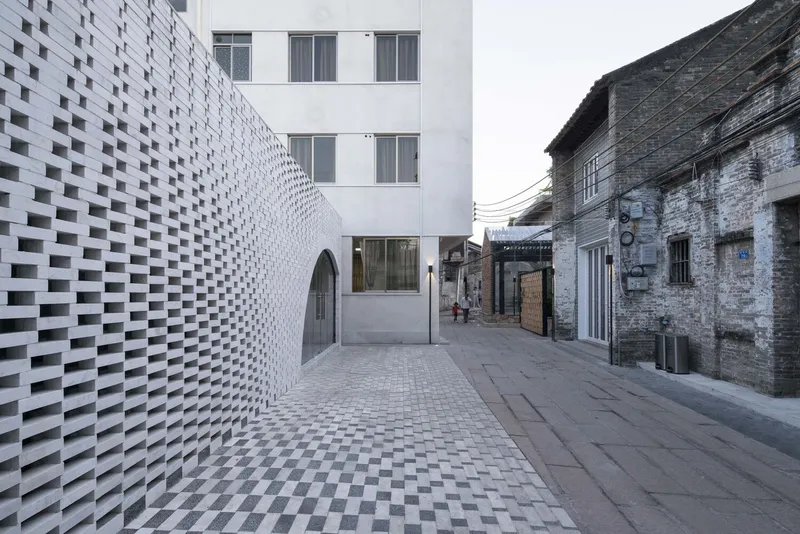
Rooted in the alluvial plains formed by the Xijiang and Beijiang rivers, Diejiao, also known as Shuangxi, has long been a vibrant marketplace enriched by traditional Cantonese culture. The project seeks to preserve this identity while introducing sustainable urban renewal strategies and adaptive reuse techniques.

Historical Context and Cultural Significance
Diejiao’s origins date back to 1101 AD, with its spatial and cultural fabric shaped by water systems and centuries of community life. The area is renowned for its intangible cultural heritage, including dragon boat festivals, Cantonese opera, and lion dance traditions. One of the most iconic cultural events, the “dragon boat drift,” transforms narrow waterways into dynamic public arenas filled with spectators.
These traditions form the backbone of the design strategy, emphasizing cultural continuity, placemaking, and experiential urban environments.

Challenges of the Existing Urban Fabric
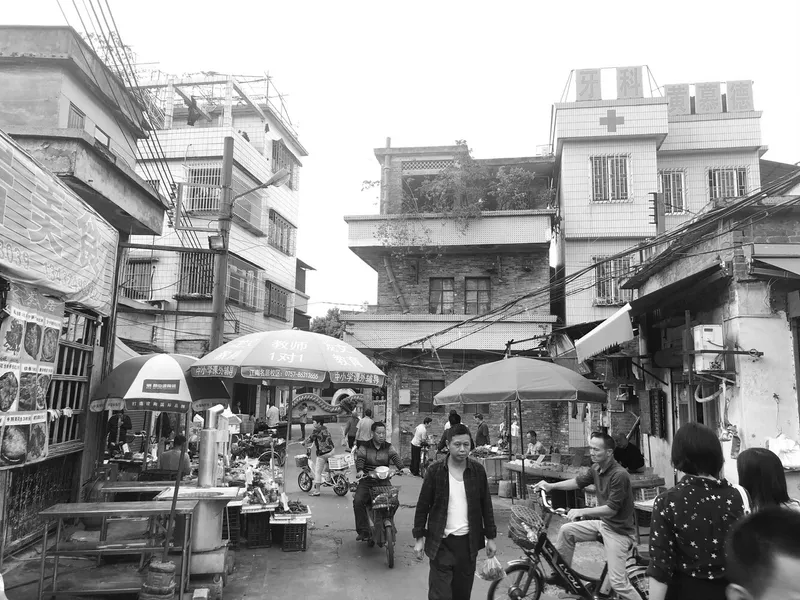
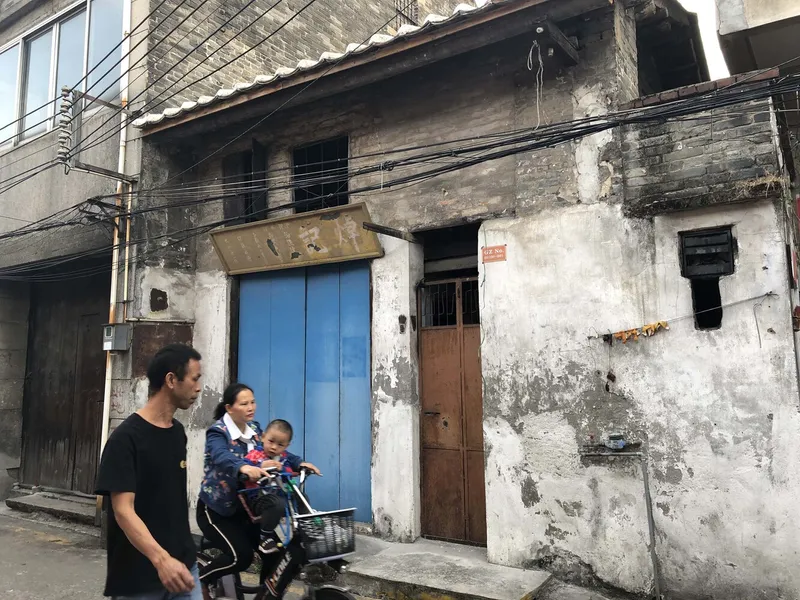
Prior to intervention, the site suffered from environmental degradation, structural decay, and unregulated development. The built fabric consisted primarily of low-rise brick-and-wood houses, many of which had deteriorated into unsafe conditions.
Informal extensions, illegal constructions, and the intrusion of industrial buildings disrupted the original village morphology. This fragmentation highlighted the urgent need for context-sensitive urban renewal and architectural restoration.


A New Vision: Community Co-Construction and Cultural Commerce
Atelier cnS redefined the site as a community co-construction-oriented cultural and commercial experience district. The design strategy revolves around three core pillars:
Public Participation and Social Sustainability
A key aspect of the project is the active involvement of local residents in the design and construction process. By preserving indigenous housing and allowing daily life to continue during renovation, the architects ensured social continuity and user-driven urban transformation.
This participatory model fosters a sense of ownership while maintaining the authentic urban vitality of the ancient street.

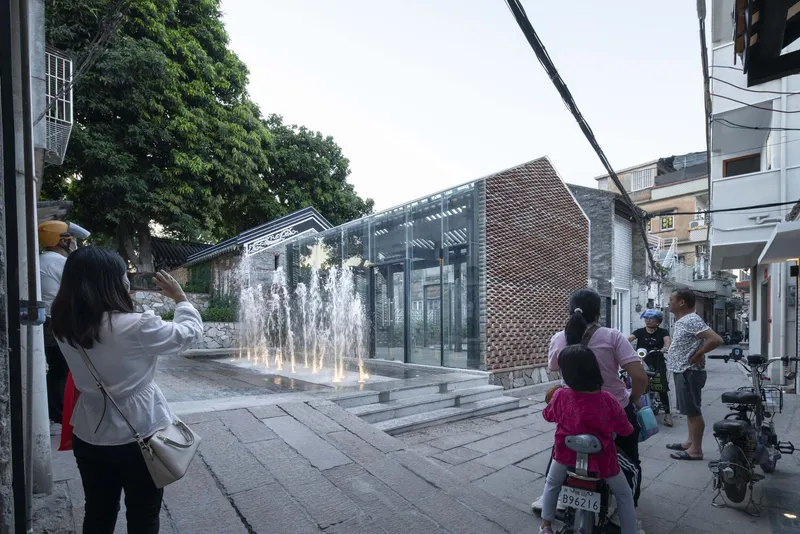
Commercial Revitalization and Economic Resilience
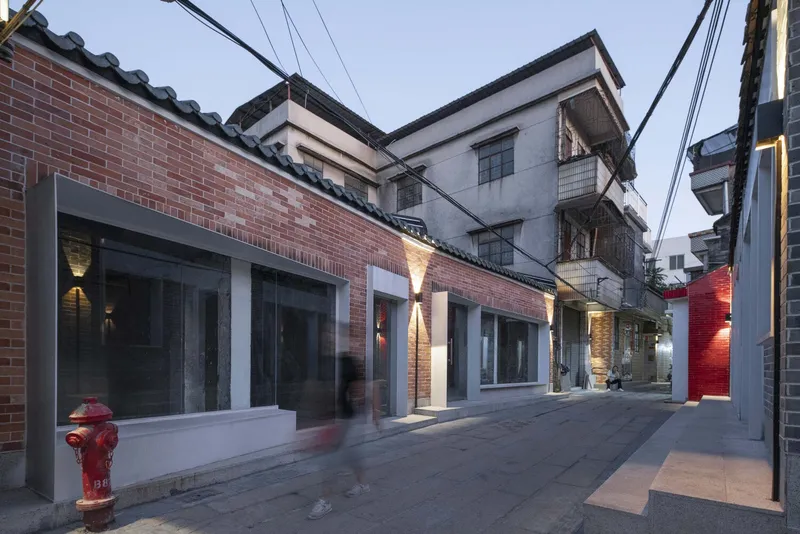
The project integrates traditional commerce with contemporary retail experiences, creating a hybrid economic ecosystem. Existing businesses such as herbal pharmacies, handicraft shops, and textile stores were preserved, while new programs: including cafes, boutique retail, and homestays, were introduced.
This layered commercial strategy enhances economic sustainability, tourism appeal, and local entrepreneurship, ensuring long-term viability.
Cultural Revival and Architectural Preservation
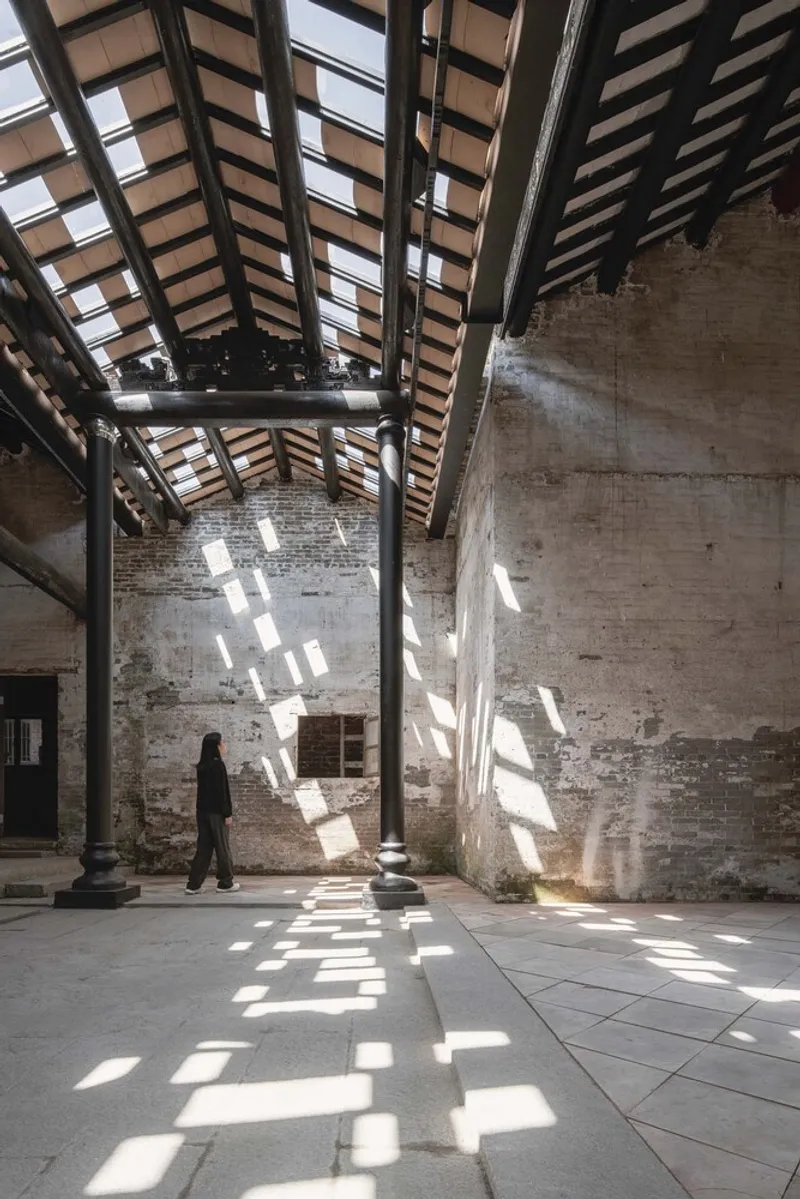
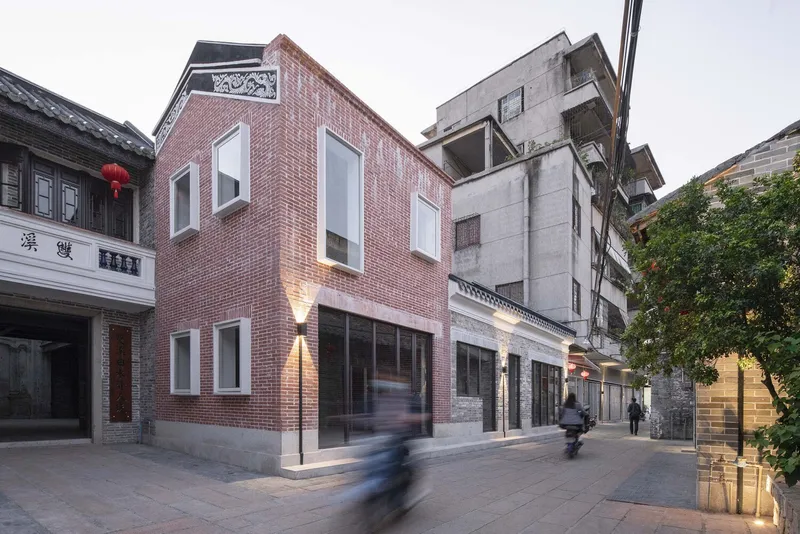
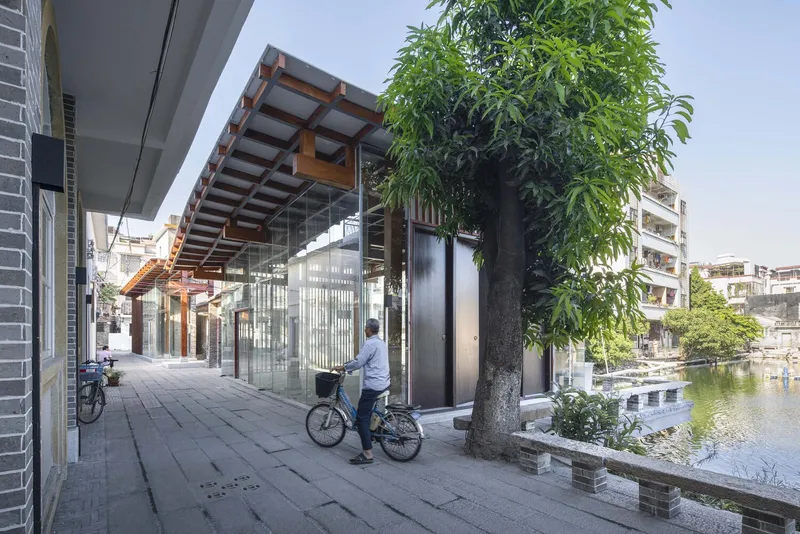
Cultural preservation lies at the heart of the intervention. Historic structures such as Shuangxi Teahouse, Tujia Hall, and Lishantang were carefully restored and adapted for contemporary use.
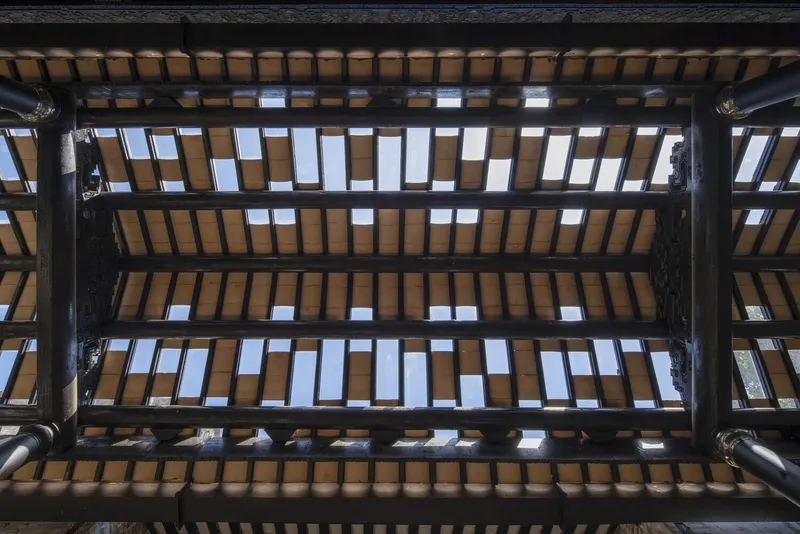
Rather than merely replicating the past, the architects employed a hybrid architectural language, blending traditional forms with modern spatial typologies. This approach creates a dialogue between old and new, enabling organic architectural evolution.

Design Strategy: Organic Renewal and Spatial Integration
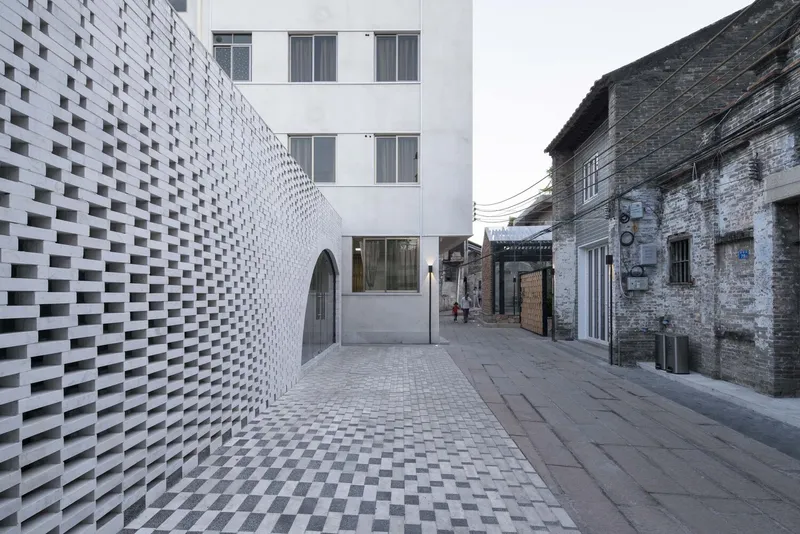
The renovation adopts a multi-dimensional design approach, balancing heritage conservation with modern urban needs. Instead of a uniform redevelopment strategy, the project embraces incremental interventions, adaptive reuse, and contextual design solutions.
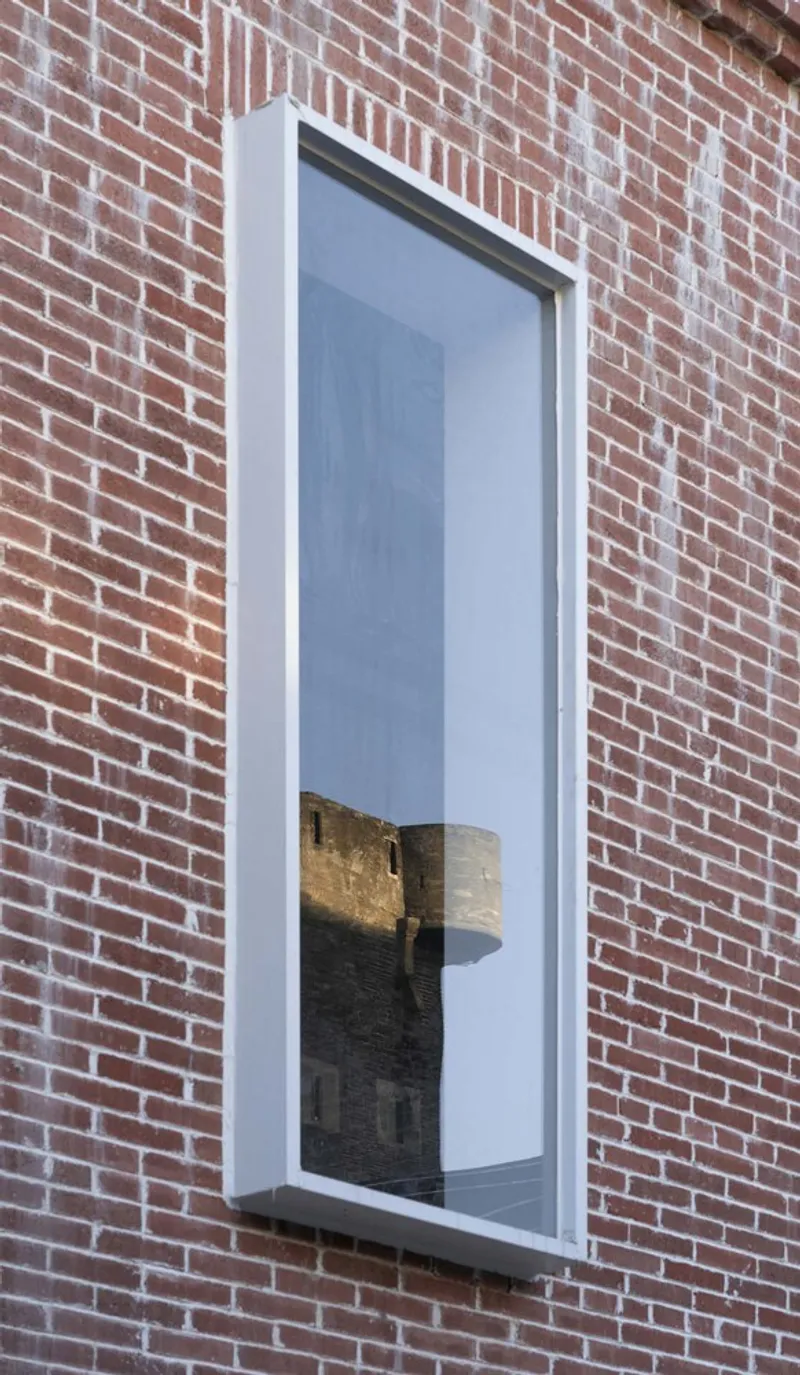
Spatially, the design reconnects fragmented urban elements, restores pedestrian networks, and enhances public spaces. Material choices and architectural details reflect local craftsmanship while incorporating contemporary aesthetics.
Sustainable Urban Regeneration and Future Impact
The Diejiao Ancient Street project stands as a model for sustainable urban regeneration in historic contexts. By prioritizing community engagement, cultural preservation, and economic activation, it demonstrates how aging urban areas can be revitalized without losing their identity.
This project highlights the importance of placemaking, cultural sustainability, and inclusive design, offering valuable insights for similar heritage renewal initiatives worldwide.
The transformation of Diejiao Ancient Street is not just a physical renovation but a holistic urban revival. Through a careful balance of tradition and innovation, Atelier cnS has created a dynamic environment where history, culture, and modern life coexist seamlessly.
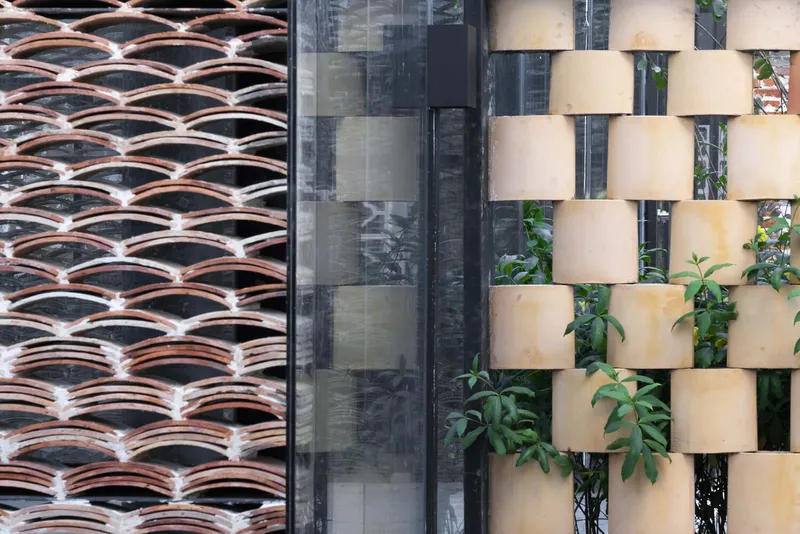

All photographs are works of
Siming Wu




Popular Articles
Popular articles from the community


Co-life: Sustainable Architecture for Age-Friendly Community Living
Co-life reimagines sustainable architecture for seniors through courtyards, rammed earth, shared gardens, and spaces designed for belonging.

AL-JANNAH: Sustainable Architecture and Permaculture for Afghan Widows
AL-JANNAH uses sustainable architecture and permaculture to create resilient oasis of housing, learning, work and renewal for Afghan widows.

The Earth Pod: 3D Printed Homes for Resilient Refugee Communities
The Earth Pod reimagines refugee housing through 3D printed homes made from clay, combining resilience, self-sufficiency, and rapid shelter.

Hill & Cross Opera: Sculptural Opera House Architecture Shaped by Tallinn’s Landscape and Identity
Hill & Cross Opera reimagines opera house architecture in Tallinn through its sculptural hill, civic plaza, glass wave and a luminous cross.


Similar Reads
You might also enjoy these articles

Bamboo Housing Challenge 2026: Design Affordable, Sustainable Homes Using Bamboo
An international design competition by Bamboo U and IBUKU inviting architects and designers to reimagine affordable housing using bamboo — with the winning design built full-scale in Bali.

Computational Design & Education: Beegraphy Design Awards Introduces 7th Category (Featuring Jiyun's Innovative Approach)
Dive into Beegraphy’s 7th Design Awards category, where computational design meets education to create immersive, interactive learning tools, inspired by Jiyun’s work.
From Parametric Lighting to Urban Furniture: Join the 2nd Workshop in Beegraphy’s Computational Design Series
Dive into Cutting-Edge Design Techniques and Practical Applications with Industry Experts

Last Call: Unleash Your Architectural Genius in SHAK's Kindergarten Design Competition
Urgent call for architects to join SHAK's kindergarten design competition before the looming deadline


Explore Architecture Competitions
Discover active competitions in this discipline



Challenge to reimagine the Iron Throne


Photograph architecture without architects


Illustrate the lost glory of Angkor Wat - Render Challenge


Design challenge to reuse E-waste
Comments (0)
Please login or sign up to add comments
No comments yet. Be the first to comment!