
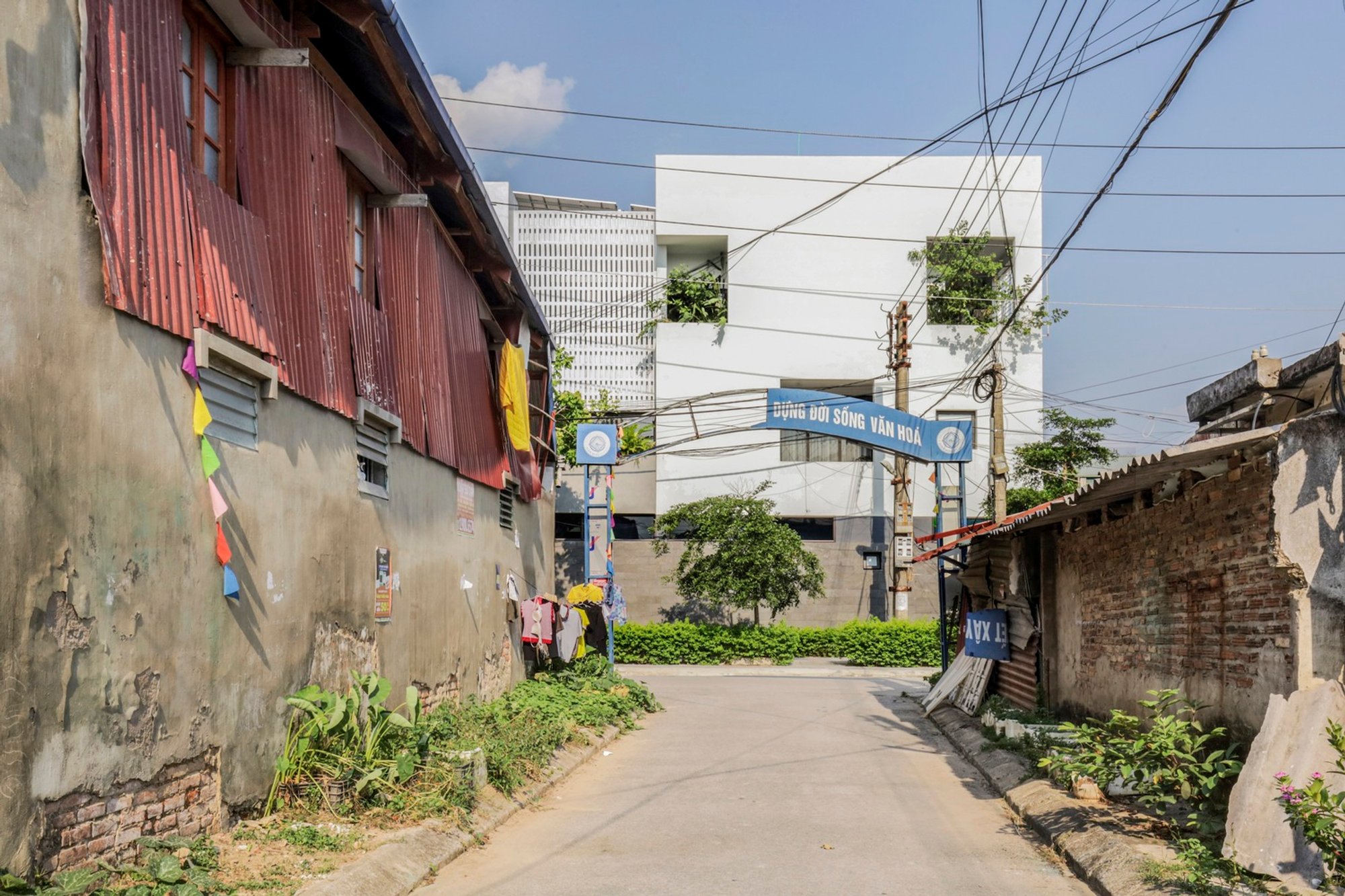
Dong Thu House: A Model for Sustainable House Design in Vietnam
The article explores Dong Thu House, showcasing sustainable house design in Vietnam with climate-responsive features and multi-generational functionality.

Dong Thu House, designed by HIEN Architects, offers an innovative approach to sustainable house design in the mountainous regions of Dien Bien Phu, Vietnam. The design strategically combines modern architecture with solutions that address the area's extreme climatic conditions, including hot summers and cold winters. This project is not only a response to climate challenges but also an embodiment of how sustainability can be seamlessly integrated into contemporary residential design.
Dong Thu House
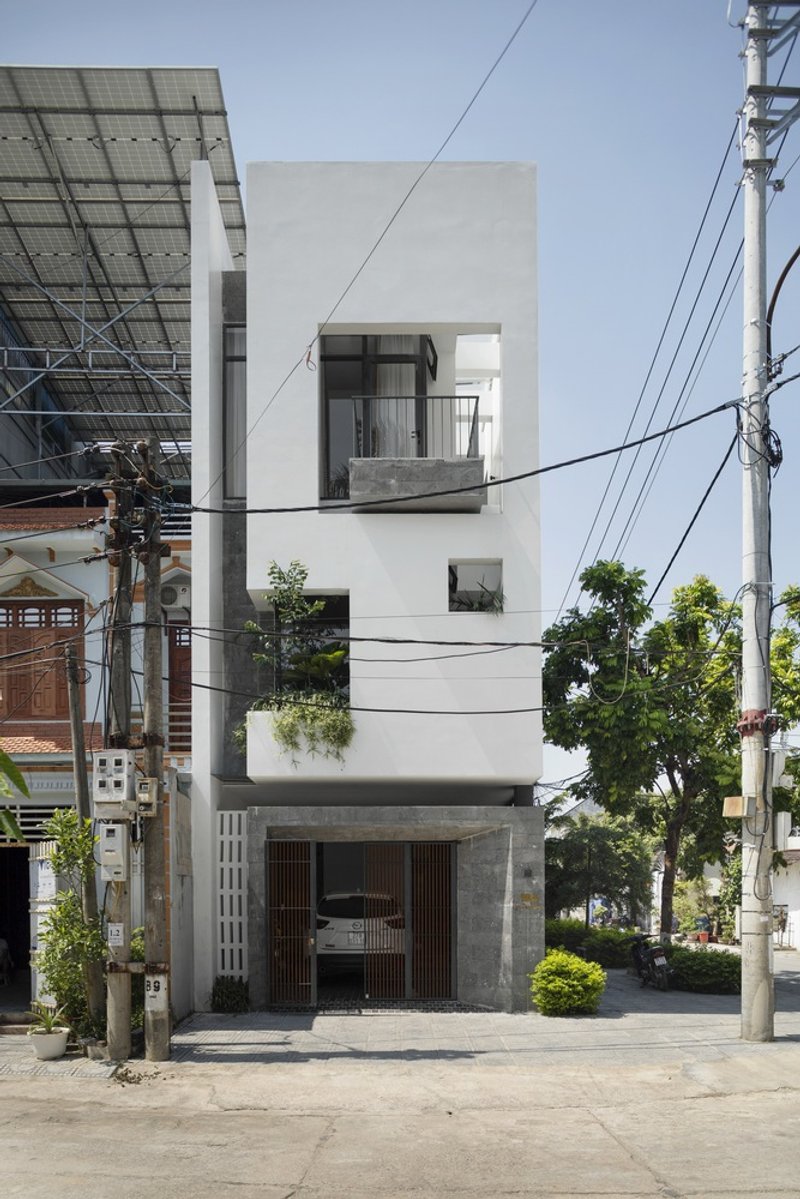
Located in a relatively harsh climate in Dien Bien Phu, a city in Vietnam’s northwest, Dong Thu House is a three-story home built on a 100m² plot. The primary challenge for the architects was to create a design that caters to the needs of a three-generation family while providing comfort in an environment where temperature extremes are common. The solution lies in integrating sustainable design principles that promote natural light, ventilation, and thermal comfort throughout the house.
Climate-Responsive Design Solutions
1. Strategic Use of Greenery and Void Spaces
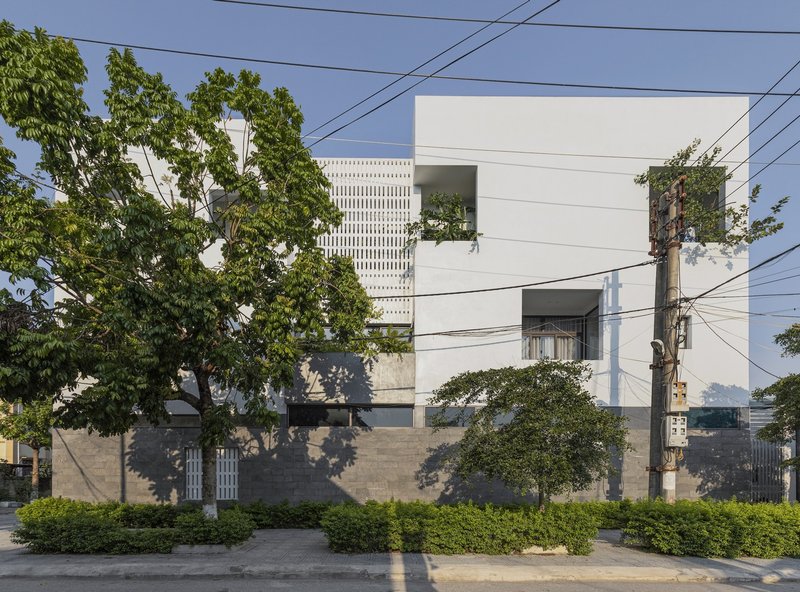
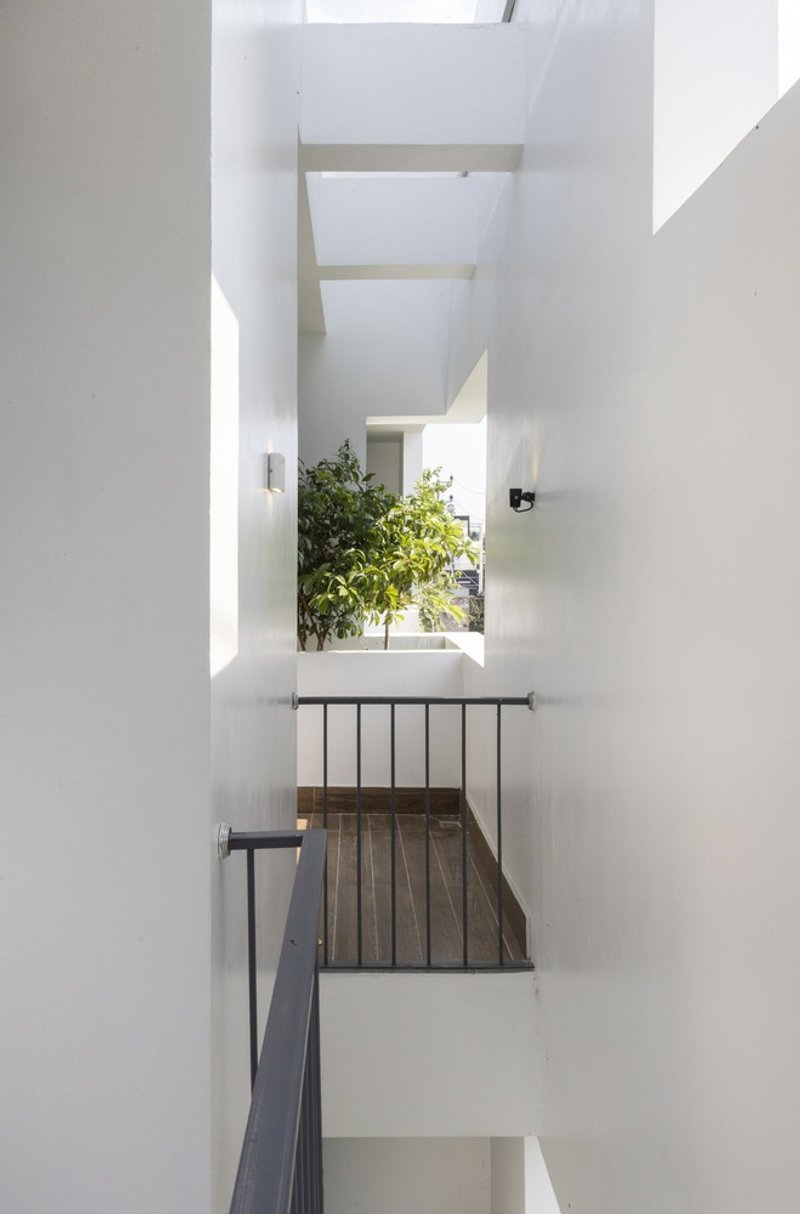
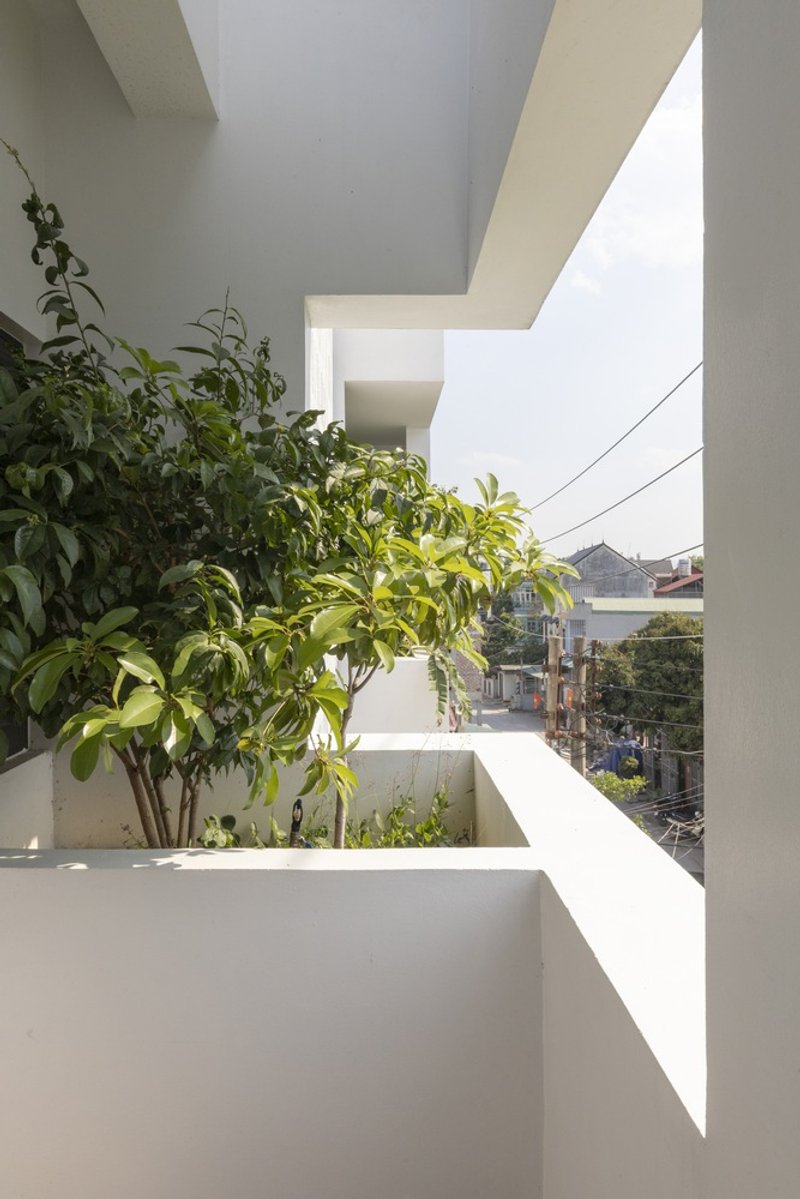
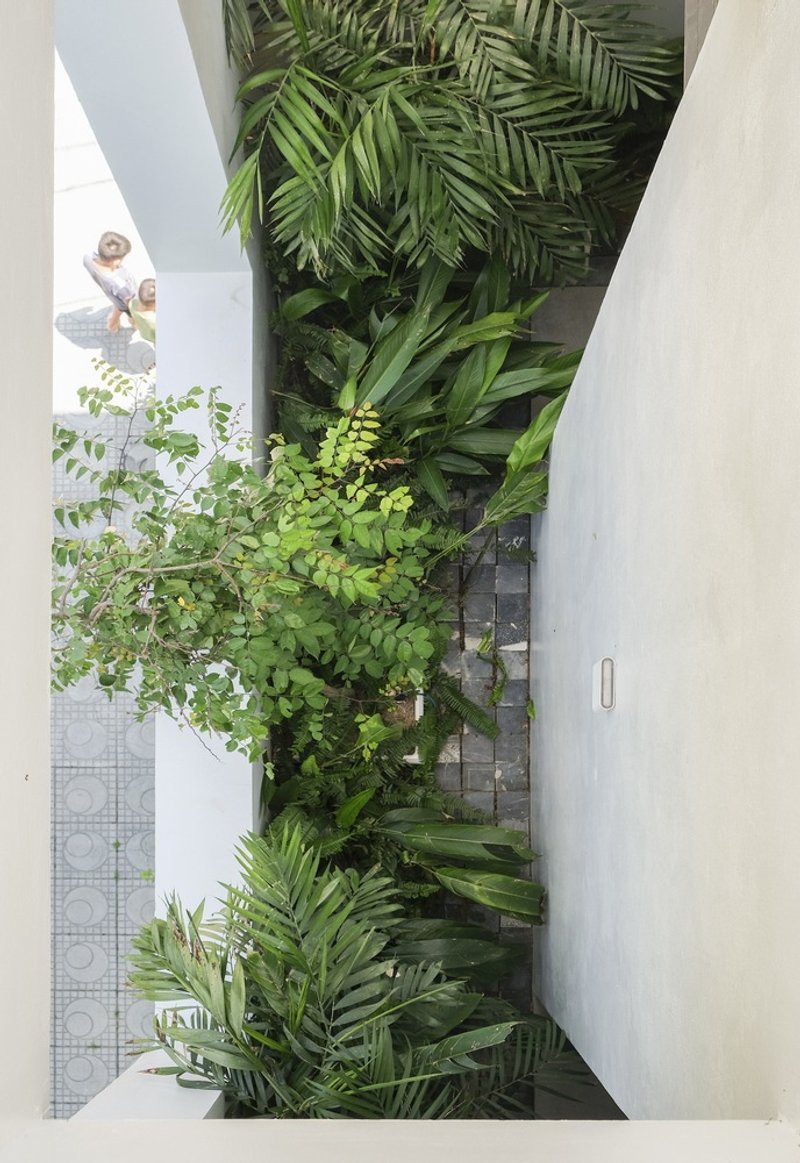
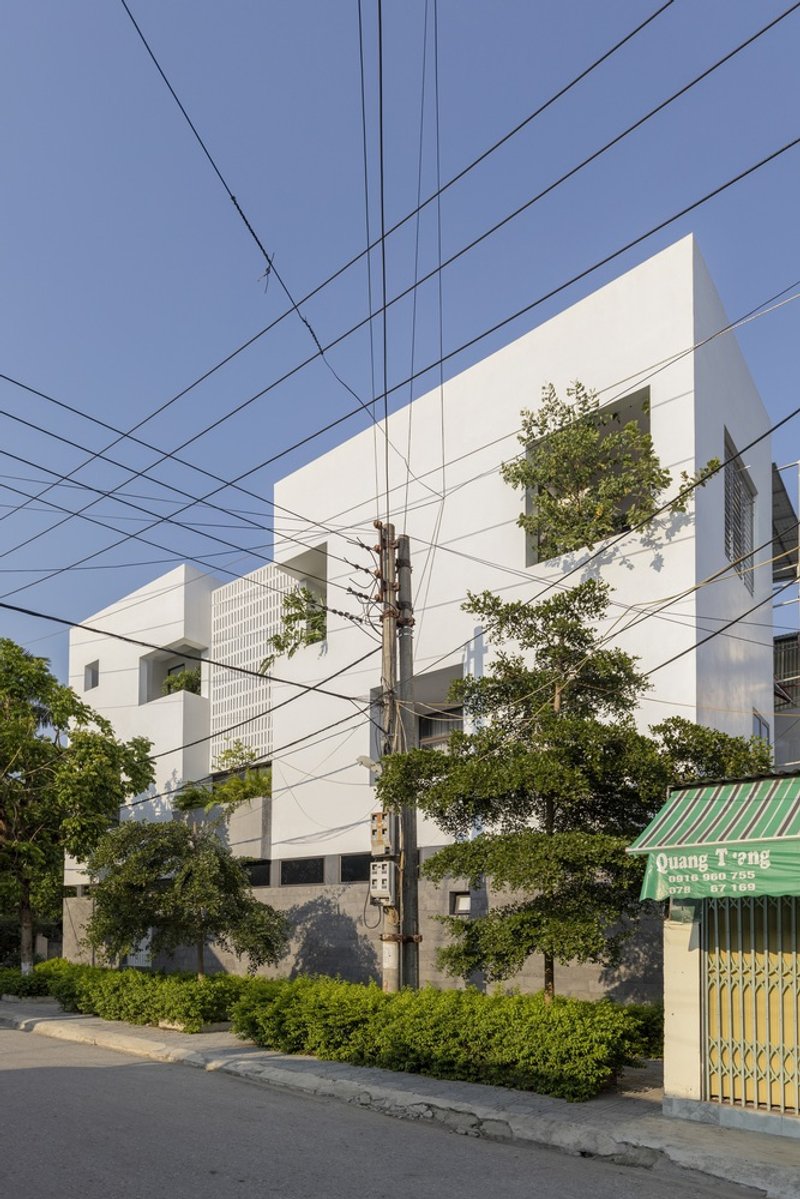
To combat the harsh westward sunlight that heats up the majority of the building’s vertical surfaces, the architects at HIEN Architects introduced voids and green trees into the design. These green spaces help cool the structure and reduce energy consumption, while also contributing to the visual and aesthetic appeal of the house. By planting green trees in areas exposed to sunlight, the house naturally buffers the external heat and creates a more comfortable indoor environment.
2. Maximizing Natural Light and Ventilation
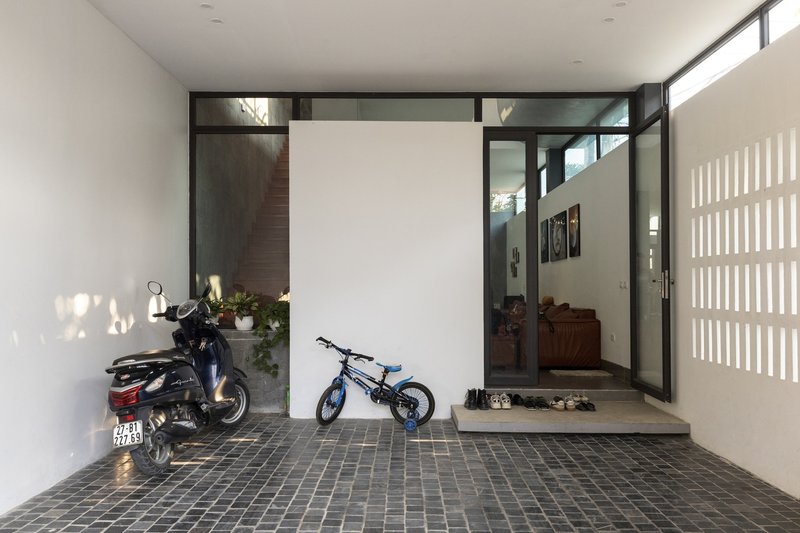
One of the central aspects of the sustainable design is the use of full-length glass walls along the house. This feature allows the house to take advantage of abundant natural light without compromising on privacy. The architects also incorporated ventilated brick walls and strategically placed corridor windows to ensure cross-ventilation, further cooling the house during the hot summer months.
Layout and Functionality for a Multi-Generational Family
3. Floor Plan Designed for Connectivity
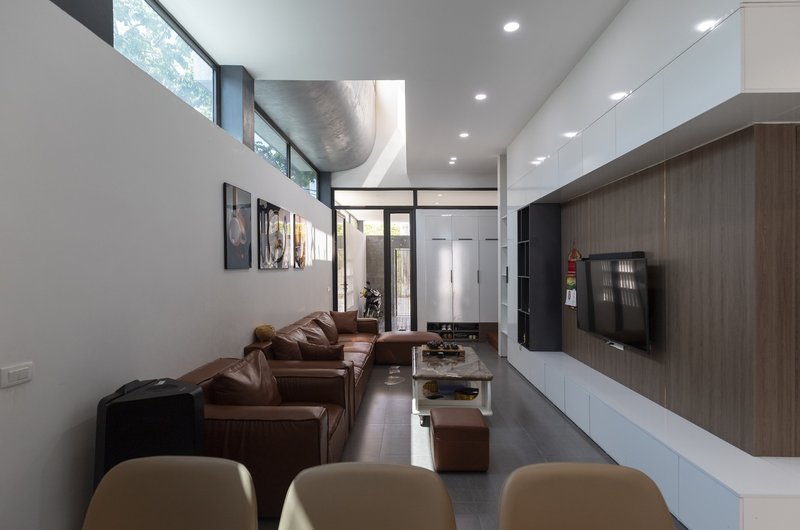
The Dong Thu House is designed to meet the needs of a three-generation family. The first floor accommodates essential functions such as a front courtyard, lobby, garage, and a living room. These spaces are interconnected, ensuring seamless flow and interaction between family members. The living room, designed as a gathering space, connects to the kitchen and a bedroom for the elderly, offering easy access and comfort.
4. Creating Communal Spaces for Family Interaction
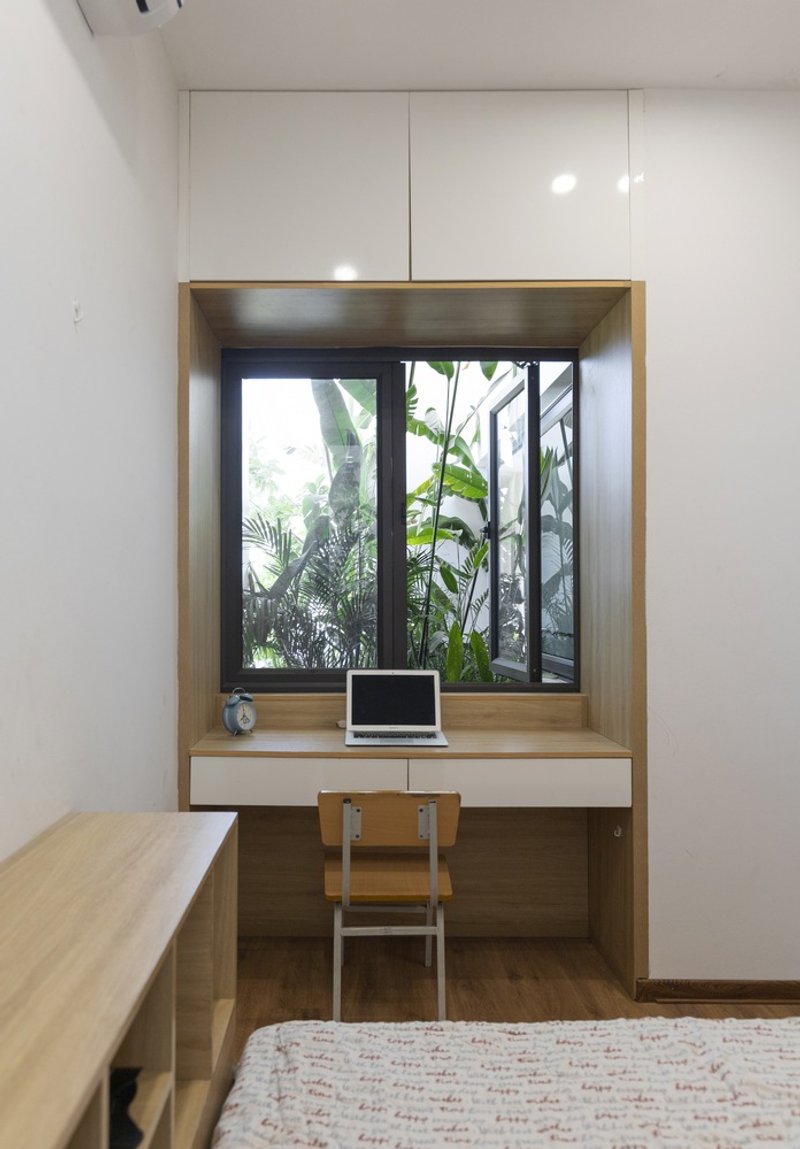
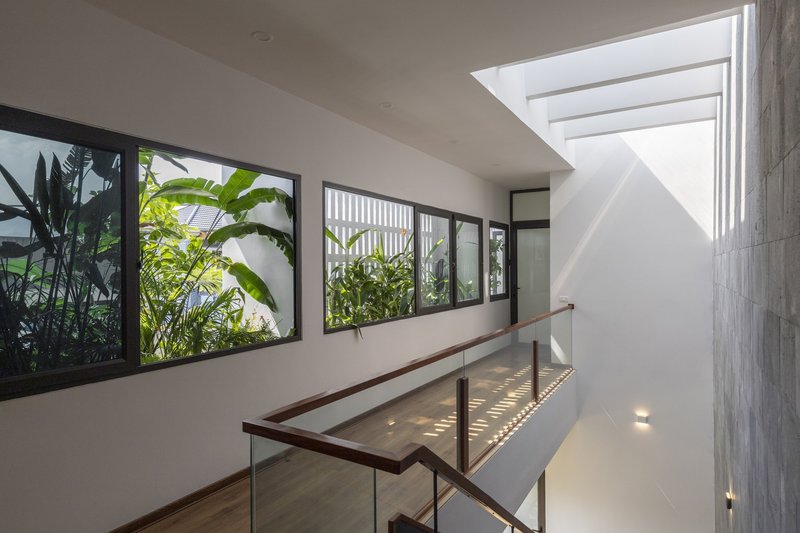
The second floor serves as the heart of the home, providing a large communal space for family activities. This level includes two bedrooms and an open layout, encouraging family members to interact and strengthen their bonds. The open staircase that connects the second and third floors is an essential feature, as it maximizes light and offers a view of the skylight above.
5. Privacy and Cultural Respect on the Upper Floors
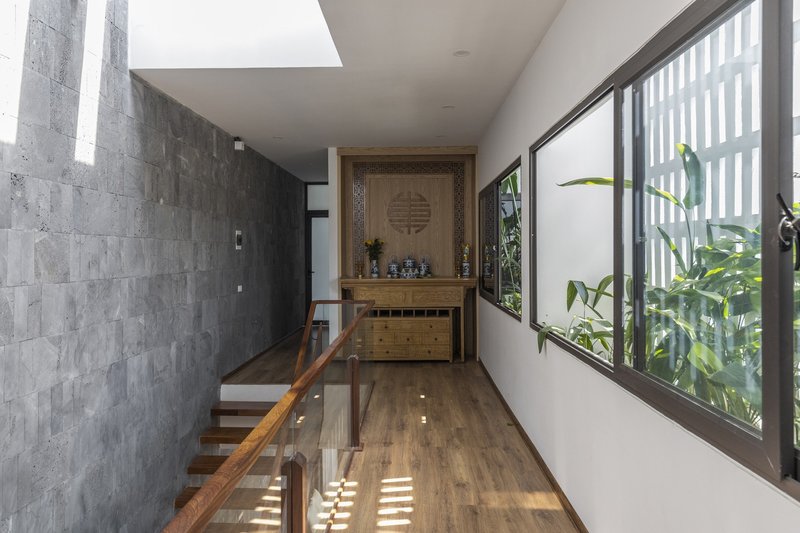
On the third floor, the space is dedicated to ancestor worship and a laundry area. This area is designed with great care, respecting Vietnamese cultural traditions while also ensuring privacy and tranquility for those using the space.
Sustainable Materials for Eco-Friendly Living
The Dong Thu House employs a variety of sustainable materials, such as reinforced concrete, volcanic stone cladding, and ventilated bricks, all chosen for their energy-efficient qualities. The use of glass allows for transparency and openness, helping the house stay well-lit while reducing the need for artificial lighting during the day. By choosing materials that are durable and energy-efficient, the architects have ensured that the house’s environmental impact is minimized.
Sustainable Features for a Healthier Living Environment
6. Green Spaces and Environmental Benefits
In addition to the voids and green trees integrated into the design, Dong Thu House makes use of other sustainable elements such as natural ventilation and solar orientation. By focusing on energy efficiency and environmental sensitivity, the house contributes to the overall well-being of its inhabitants and minimizes its ecological footprint. These features support healthier living conditions by providing clean, fresh air and reducing reliance on mechanical cooling systems.
7. Energy-Efficient Design for Long-Term Sustainability
HIEN Architects have prioritized energy efficiency in their design, ensuring that the house is not only comfortable but also cost-effective over the long term. By reducing the need for artificial heating and cooling, the house becomes more affordable to maintain while also being kinder to the environment.
A Vision for Sustainable House Design in Vietnam
Dong Thu House sets a new standard for sustainable house design in Vietnam. By focusing on climate-responsive design, natural materials, and green spaces, HIEN Architects have created a home that not only meets the needs of a multi-generational family but also provides an example of how thoughtful architecture can work in harmony with nature. This project demonstrates how sustainable architecture can be both functional and beautiful, while also addressing the environmental and cultural context of its location.
The design of Dong Thu House reflects a commitment to improving the quality of life for its inhabitants while also promoting sustainability for future generations. As cities in Vietnam and beyond continue to grow, the need for sustainable homes like Dong Thu House will become increasingly important in shaping the future of residential architecture.
All Photographs are work ofNhat Ha, Pham Quoc Huy



Popular Articles
Popular articles from the community

Atelier Macri Concept Store Interior Design by CASE-REAL
Atelier Macri store features a "ko" counter, walnut wood details, cork displays, blending retail, gallery, and seamless customer experiences.
Gads Hill Early Learning Center by JGMA: Adaptive Reuse Shaping Community-Focused Educational Architecture
Adaptive reuse transforms fragmented structure into vibrant early learning center with playful façade, natural light, and community-focused sustainable design.

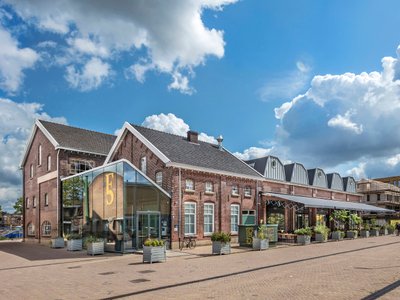
Fifth NRE Jazz Club – De Bever Architecten: Eindhoven’s Revitalized Cultural Hub
Historic gas factory transformed into Fifth NRE Jazz Club blending modern sustainability, jazz culture, dining, and heritage architecture seamlessly.

Similar Reads
You might also enjoy these articles


The Ken Roberts Memorial Delineation Competition (Krob)
As the most senior architectural drawing competition currently in operation anywhere in the world, it draws hundreds of entries each year, awarding the very best submissions in a series of medium-based categories.

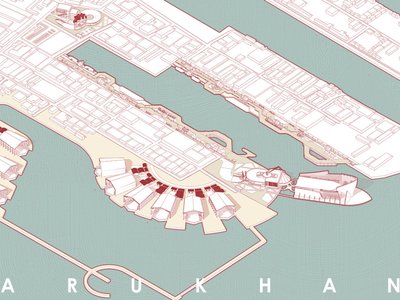
Waterfront Redevelopment and Urban Revitalization in Mumbai: Forging a New Dawn for Darukhana
A transformative waterfront redevelopment project reimagining Darukhana’s shipbreaking heritage into an inclusive urban future.

OUT-OF-MAP: A Call for Postcards on Feminist Narratives of Public Space
Rhizoma Design and Research Lab invites artists, designers, architects, researchers, and students to reflect on how feminist perspectives can reshape public space. Selected works will be exhibited in Barcelona, October 2026. Submissions open until 15 April 2026.

Documentation Work on Buddhist Wooden Temple
Architectural syncretism and cultural hybridity: A comparative study of the Buddhist temples in Chattogram Hill tracks

Explore Architecture Competitions
Discover active competitions in this discipline




The International Standard for Design Portfolios


The Global Benchmark for Architecture Dissertation Awards


The Global Benchmark for Graduation Excellence


Challenge to reimagine the Iron Throne
Comments (0)
Please login or sign up to add comments
No comments yet. Be the first to comment!