
Dongqian Lake Club Houses — Álvaro Siza Vieira & Carlos Castanheira: Sculptural Lakefront Architecture Rooted in Light, Form, and Reflection
Five sculptural white club houses by Siza and Castanheira form a unified lakeside ensemble, blending light, curves, reflection, and poetic architectural expression.

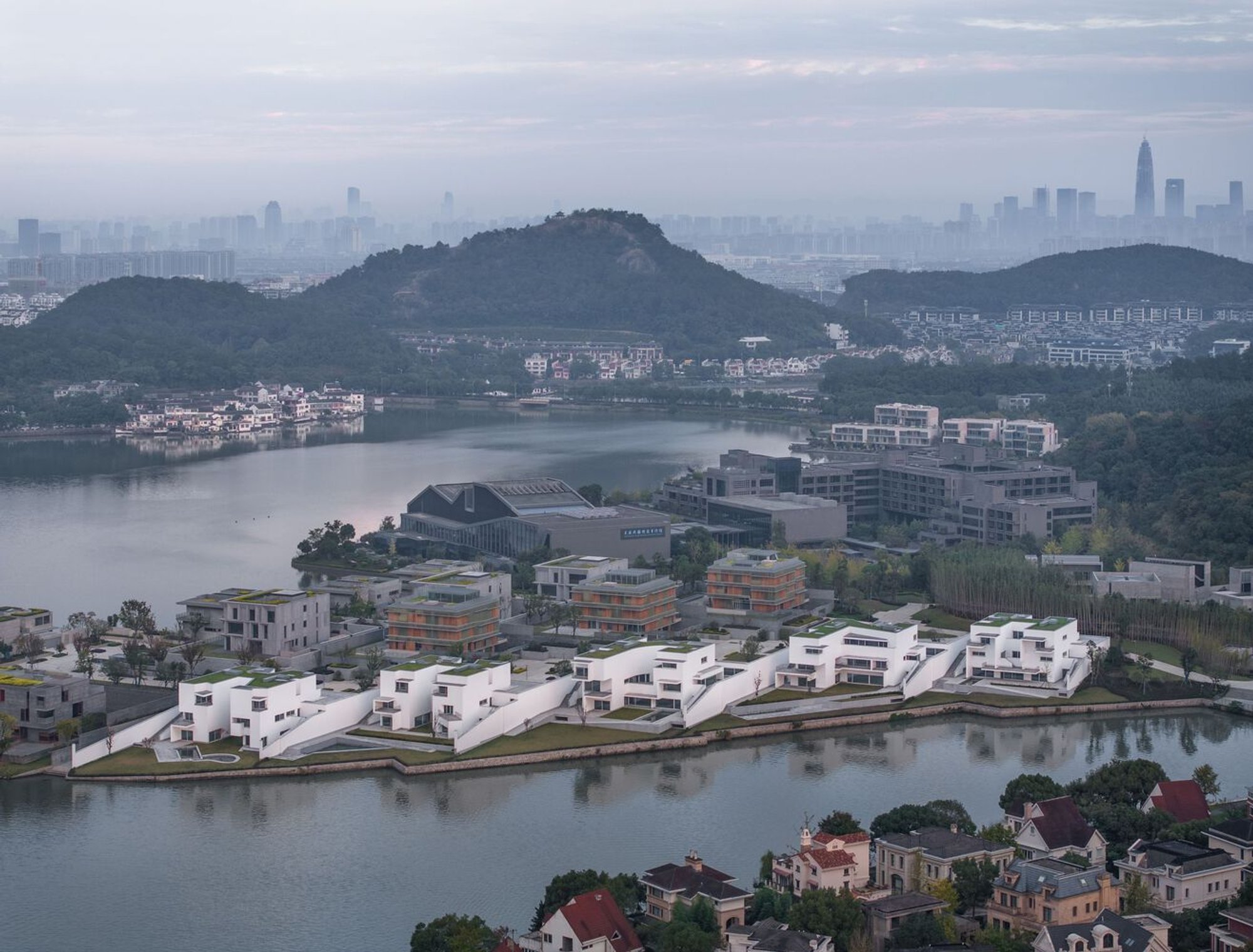
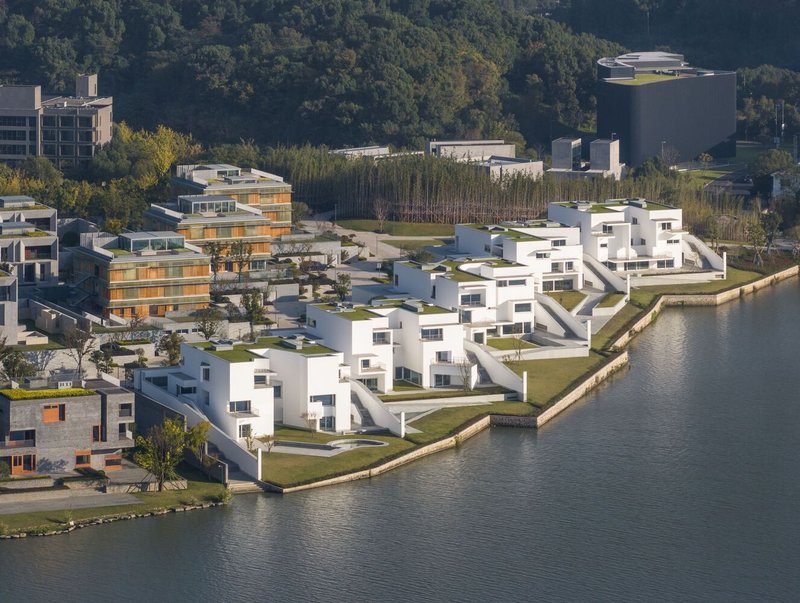
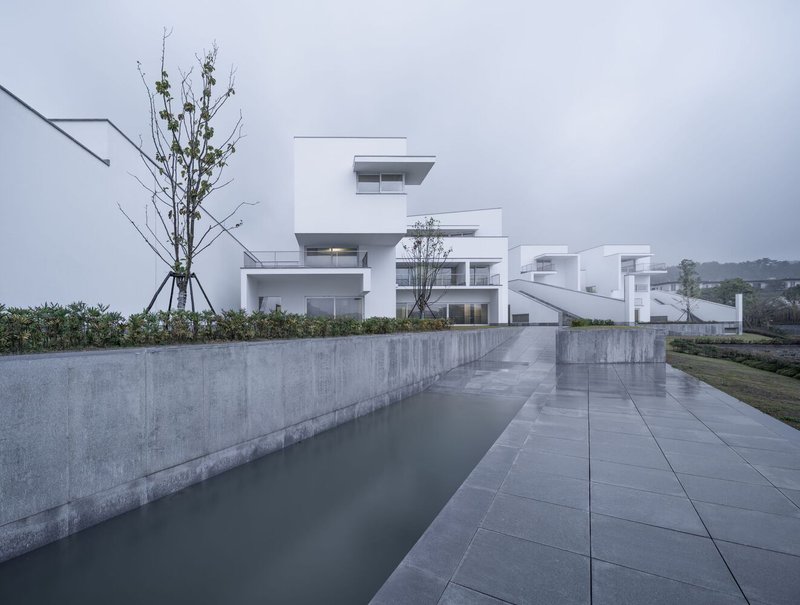
The Dongqian Lake Club Houses, designed by renowned Portuguese architects Álvaro Siza Vieira and Carlos Castanheira, reinterpret contemporary residential architecture through sculptural form, poetic expression, and masterful spatial composition. Completed in 2024 in Ningbo, China, the ensemble of five white volumes sits along the edge of Dongqian Lake, embracing the landscape through an architectural language defined by curvature, shadow, and reflection.
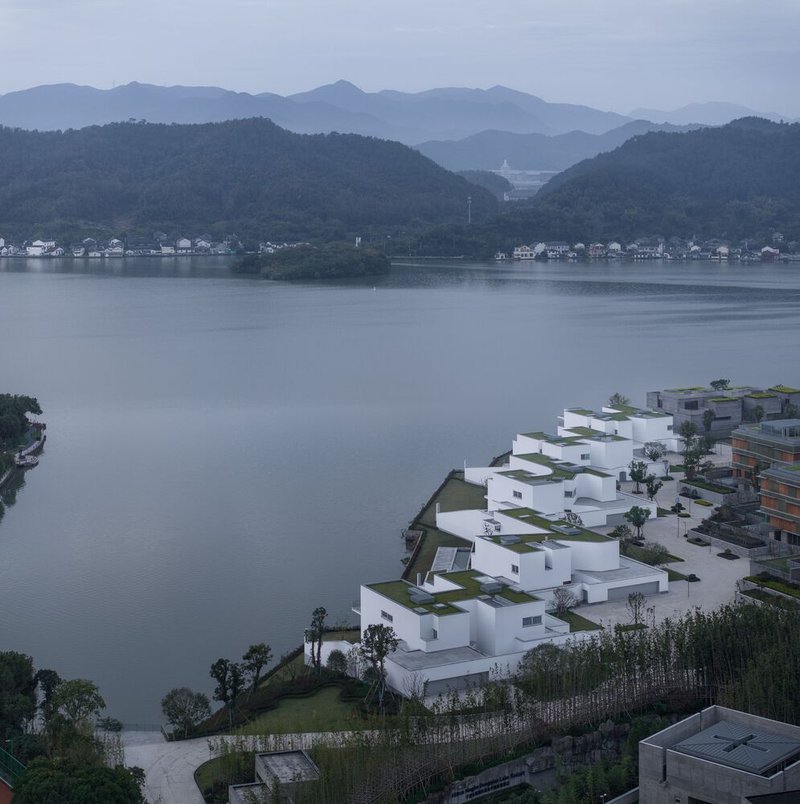
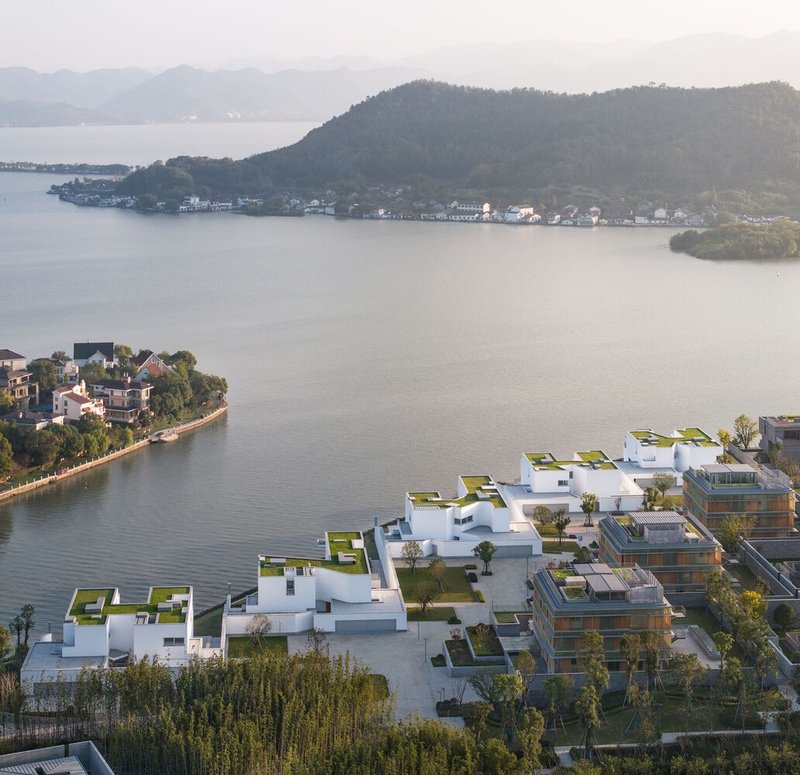
Covering 9,850 m², the project is conceived as a family of five “sisters”—similar yet distinct—each exploring variations of massing, orientation, and light. Their relationship forms a cohesive architectural identity, while their individuality introduces diversity within the collective whole.
A Sculptural Family of Forms
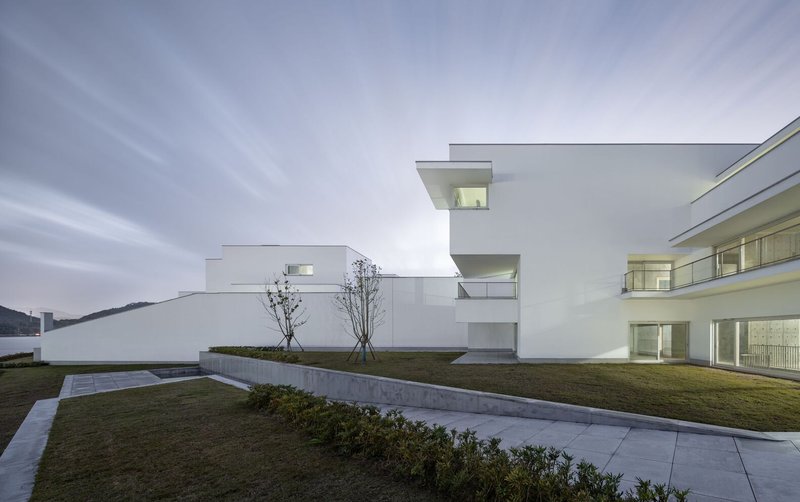
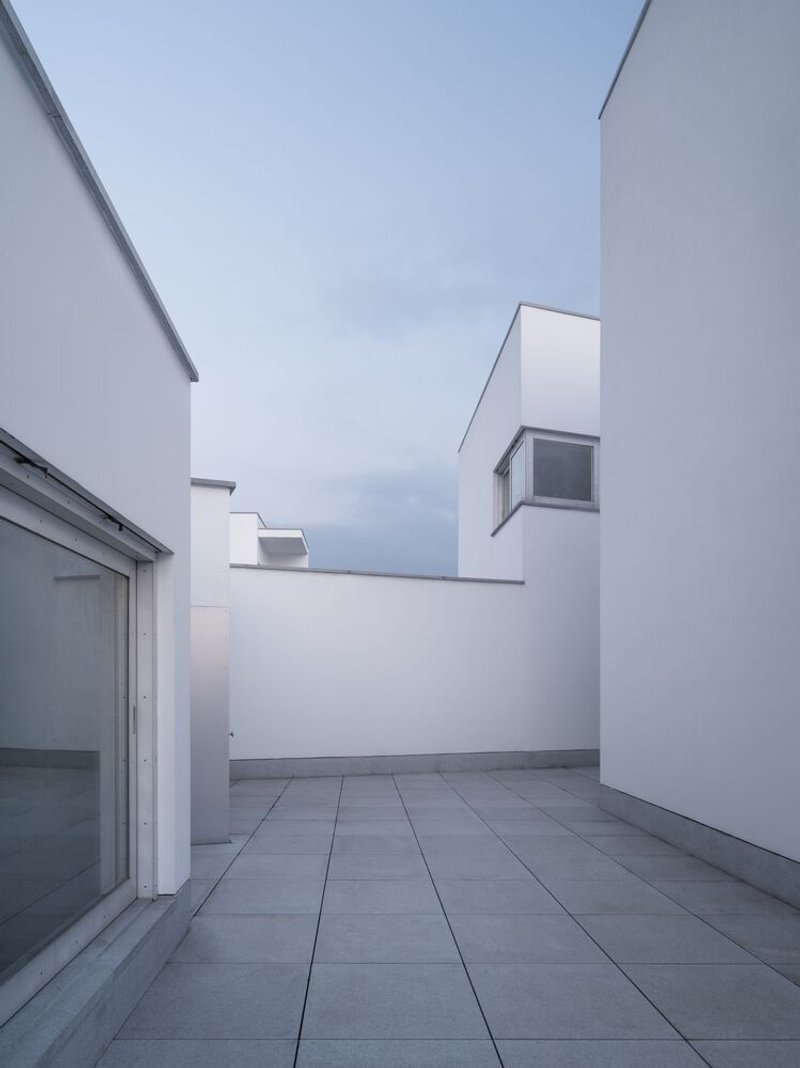
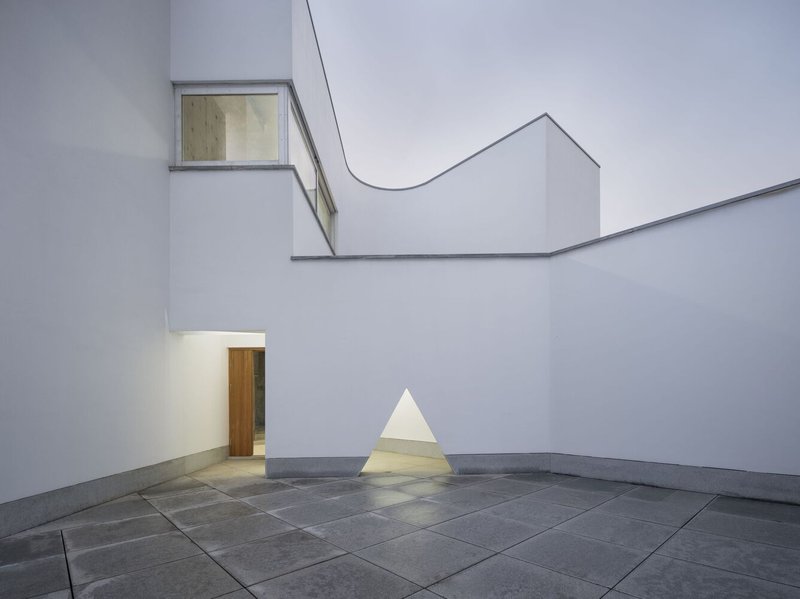
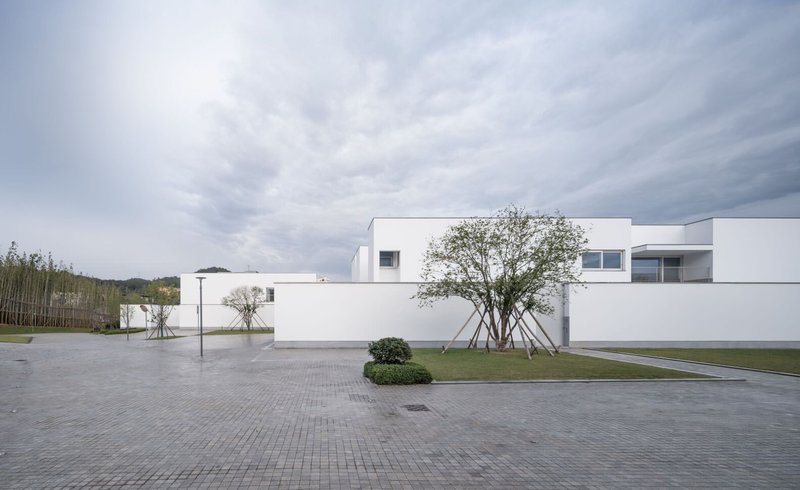
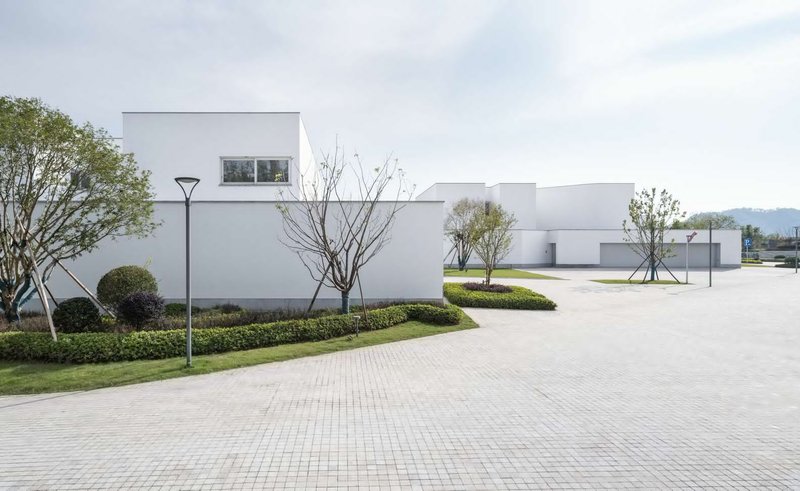
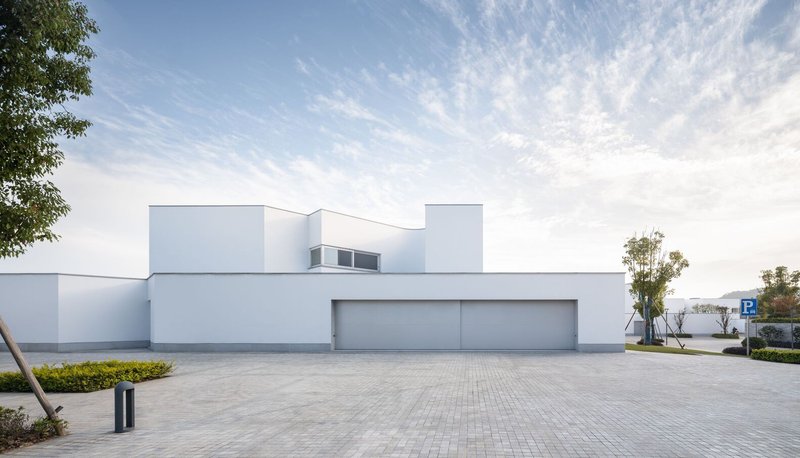
Siza and Castanheira describe the five houses as independent personalities sharing a deep connection. Each volume adopts a unique set of curves, edges, and apertures, while remaining unified through geometry, proportion, and a near-immaculate white façade system. The interplay of similarities and differences becomes a narrative element, reinforcing the architectural intention: no single form exists without the others.
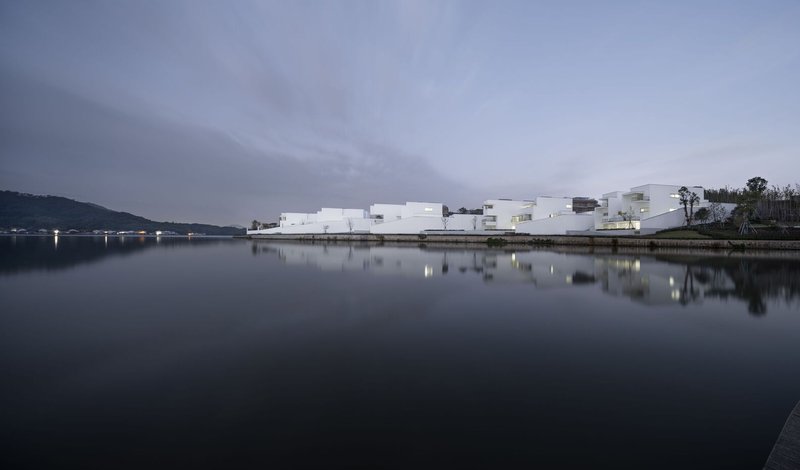
Set directly along the waterfront, the structures seem to hover above the lake’s edge, drawing in natural light and reflecting it outward. Their proximity creates a visual choreography—volumes overlap, shadows slide across curved surfaces, and sunlight animates the façades throughout the day.
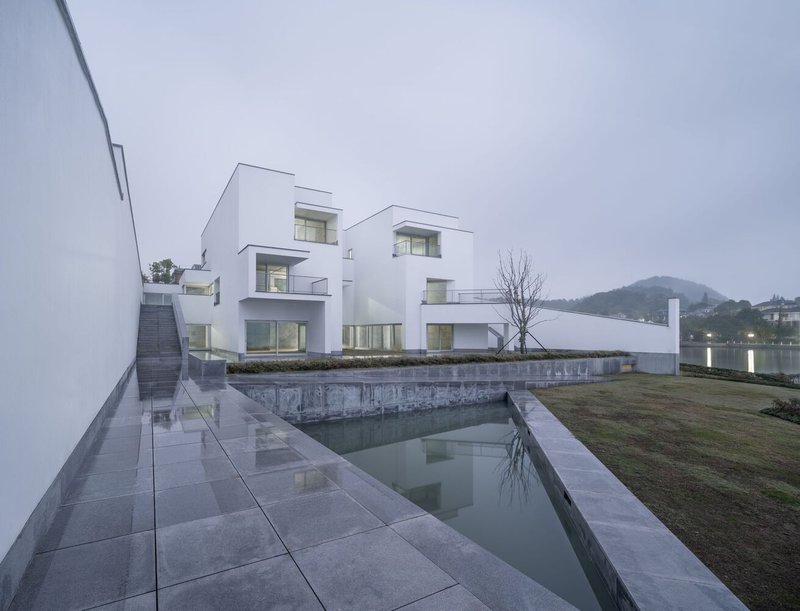
Dynamic Interplay of Light and Shadow
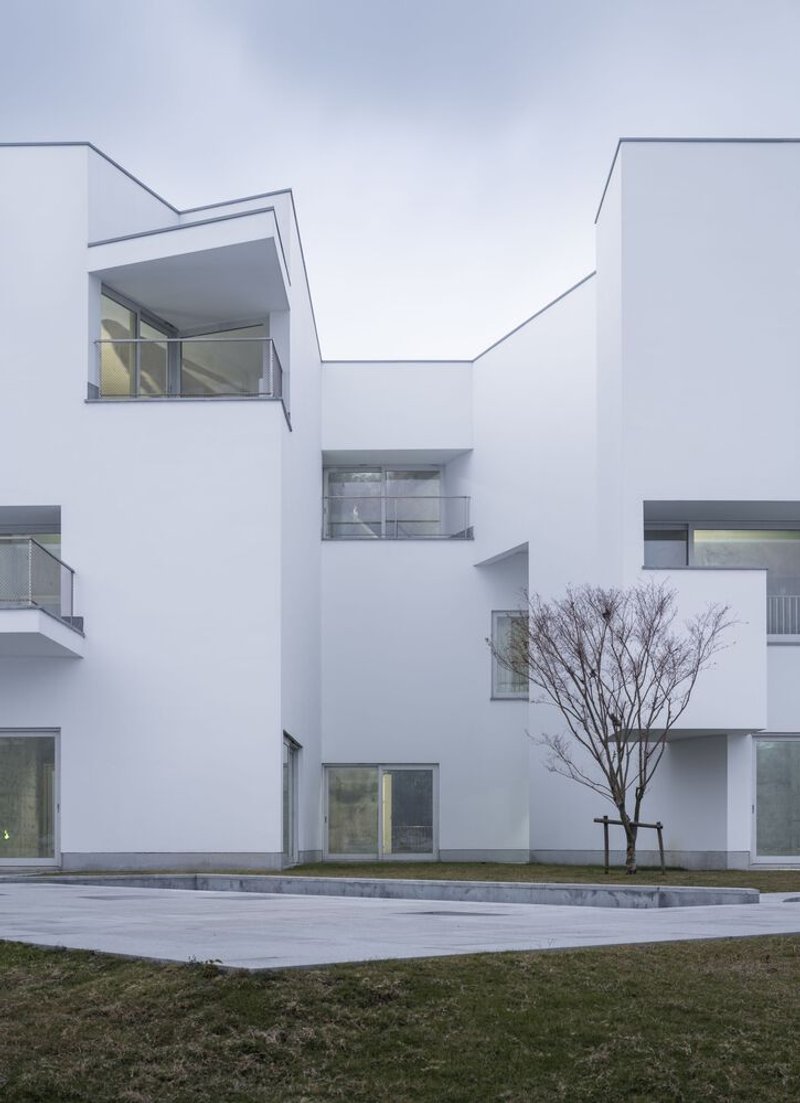
The façades are shaped to create multiple “whites,” achieved using StoTherm external wall insulation, plaster finishes, and refined StoColor systems. The ever-changing interaction between light and curvature transforms the buildings into evolving sculptural objects. Awnings reminiscent of eyelashes regulate natural light while adding a subtle anthropomorphic character, reinforcing the emotional dimension of the design.
Openings punctuate the forms strategically, carefully revealing interior spaces while maintaining privacy. The architects approach each aperture as part of the building’s personality—some bold, some quiet, some elongated, some discreet.
A Dialogue With the Lake
Reflection plays a central conceptual role. The club houses mirror themselves in the water, creating duplicate landscapes that shift with the weather and seasons. In turn, their forms also “reflect” each other—each building influencing and completing the others.
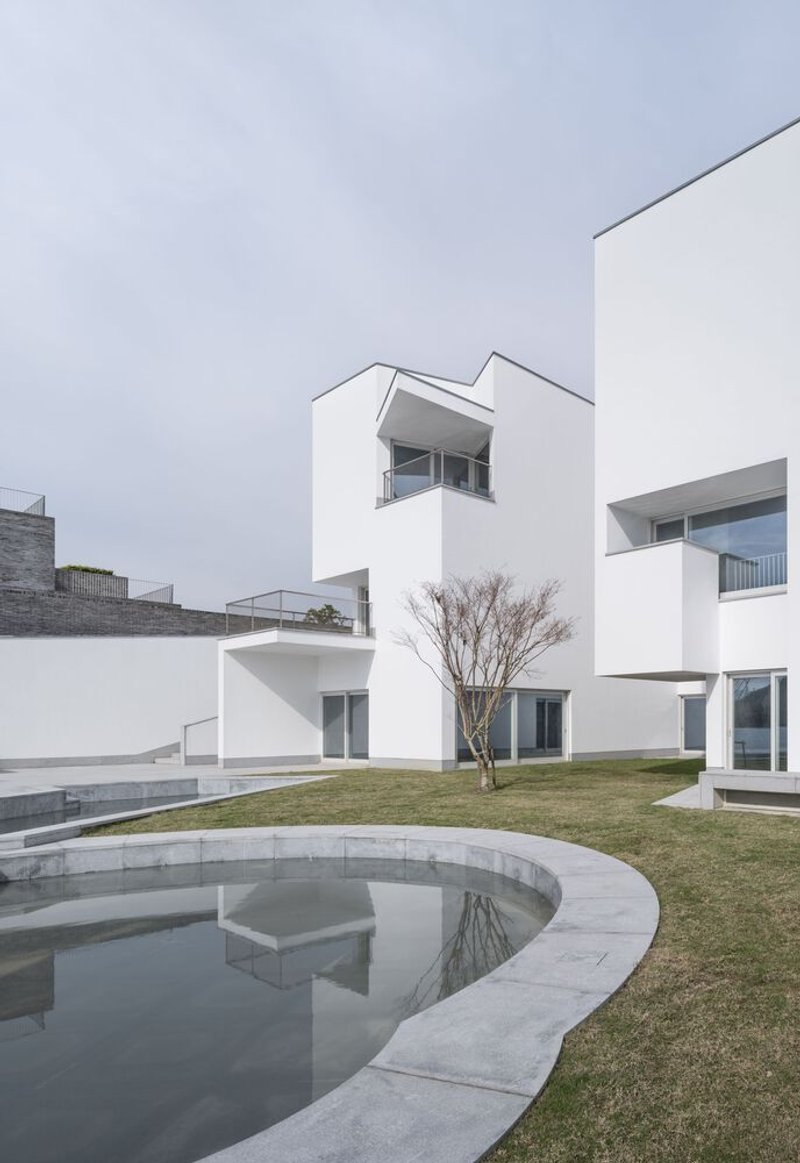
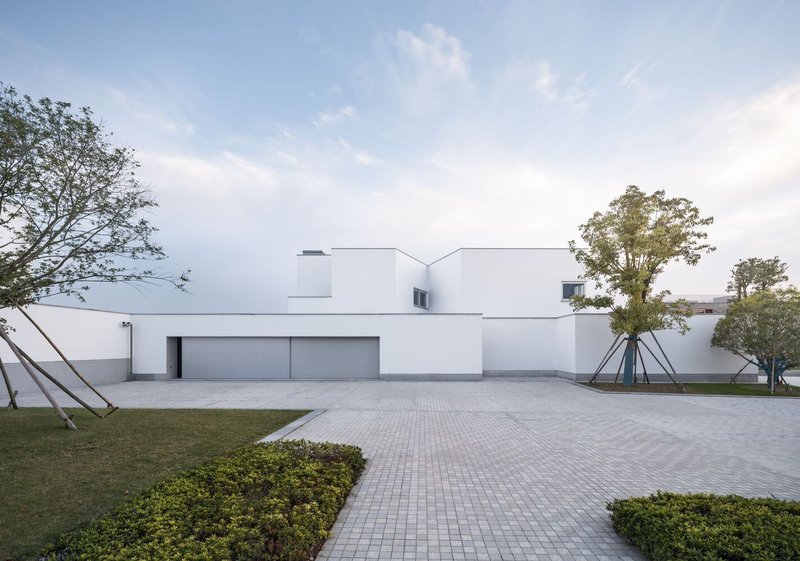
Positioned like figures “clinging to each other, arm in arm,” they form a shared architectural front facing the horizon. Their grouping only makes sense collectively, underscoring the project’s central theme: individuality within unity.
Organic Evolution Through Design
The architects describe a long and intimate design process that allowed each structure’s personality to emerge over time. As the buildings grew in complexity—from sketches to full-size forms—their independent identities became clearer. Each house stands on its own “throne,” positioned to capture unique lakeside views without losing its relationship to the ensemble.
Though meticulously planned, the project carries a natural sense of growth, as though the buildings shaped themselves. This evolving interpretation is integral to the beauty Siza and Castanheira describe: beauty that is not repetitive, but endlessly revealing.
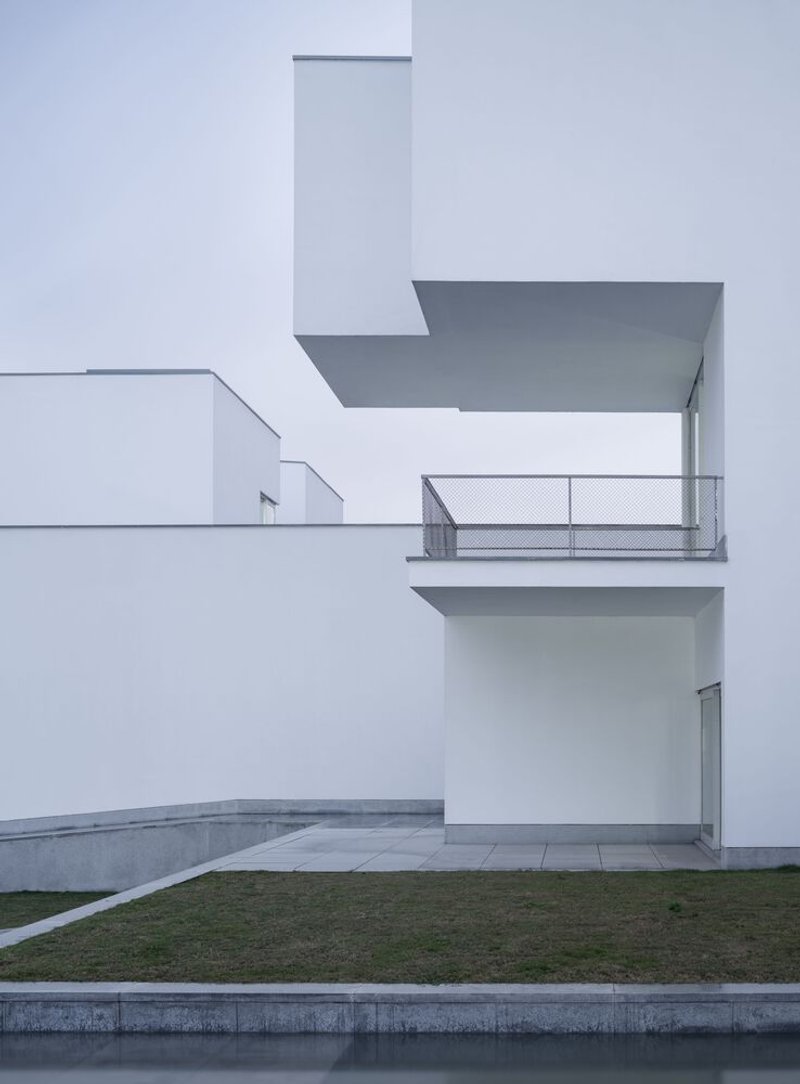
Mature Architecture Rooted in Emotion
Now nearing completion and fully inhabitable, the Dongqian Lake Club Houses express maturity in form and meaning. They remain surprising and complex—inviting exploration, circling, and re-discovering. Their sculptural volumes, shifting light, and layered personalities embody the architects’ belief that beauty must evolve over time.
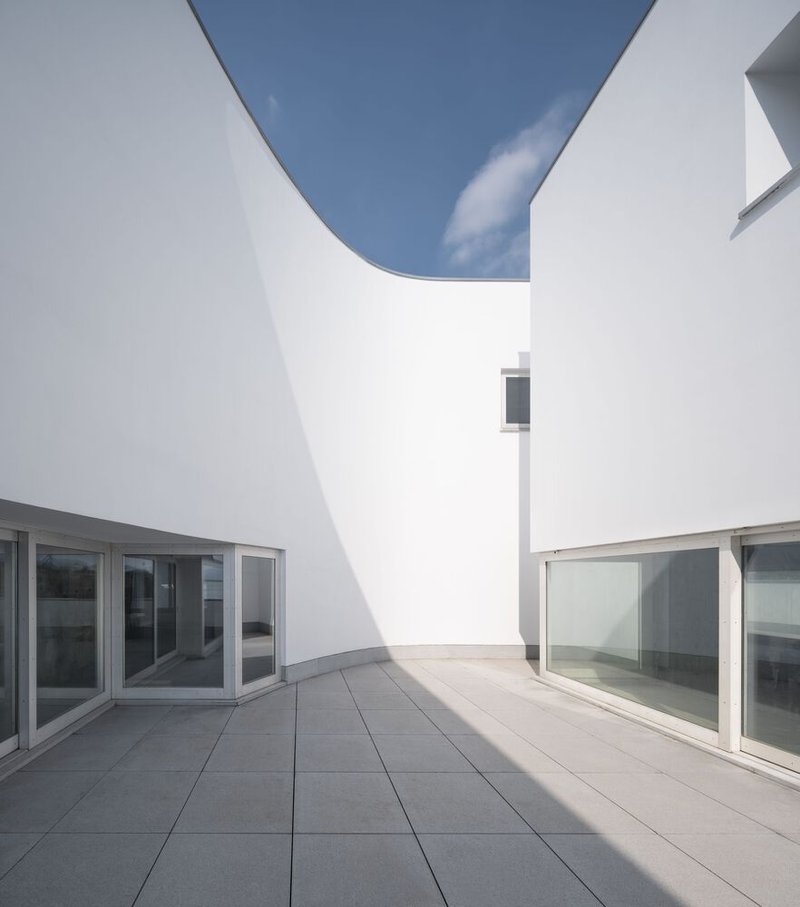
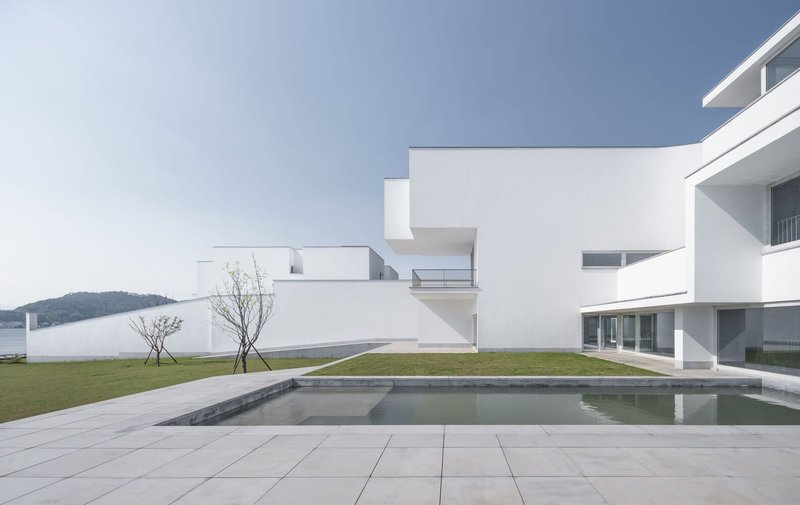
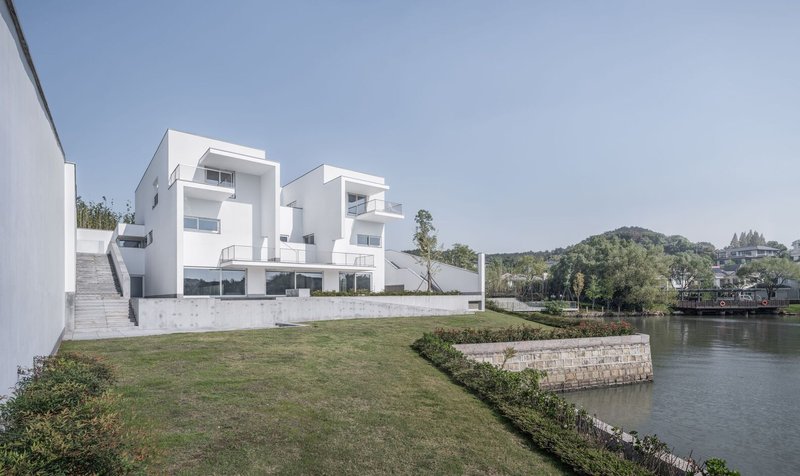
All photographs are works of HouPictures




Popular Articles
Popular articles from the community

Gads Hill Early Learning Center by JGMA: Adaptive Reuse Shaping Community-Focused Educational Architecture
Adaptive reuse transforms fragmented structure into vibrant early learning center with playful façade, natural light, and community-focused sustainable design.
Split House: A Compact Urban Home Blending Privacy, Light, and Flexible Living in Japan
Compact Japanese home featuring DOMA space, flexible café potential, passive lighting, privacy zoning, and sustainable urban living design.


Atelier Macri Concept Store Interior Design by CASE-REAL
Atelier Macri store features a "ko" counter, walnut wood details, cork displays, blending retail, gallery, and seamless customer experiences.


Similar Reads
You might also enjoy these articles


The Ken Roberts Memorial Delineation Competition (Krob)
As the most senior architectural drawing competition currently in operation anywhere in the world, it draws hundreds of entries each year, awarding the very best submissions in a series of medium-based categories.


Waterfront Redevelopment and Urban Revitalization in Mumbai: Forging a New Dawn for Darukhana
A transformative waterfront redevelopment project reimagining Darukhana’s shipbreaking heritage into an inclusive urban future.

OUT-OF-MAP: A Call for Postcards on Feminist Narratives of Public Space
Rhizoma Design and Research Lab invites artists, designers, architects, researchers, and students to reflect on how feminist perspectives can reshape public space. Selected works will be exhibited in Barcelona, October 2026. Submissions open until 15 April 2026.


Documentation Work on Buddhist Wooden Temple
Architectural syncretism and cultural hybridity: A comparative study of the Buddhist temples in Chattogram Hill tracks


Explore Architecture Competitions
Discover active competitions in this discipline




The International Standard for Design Portfolios


The Global Benchmark for Architecture Dissertation Awards


The Global Benchmark for Graduation Excellence


Challenge to reimagine the Iron Throne
Comments (0)
Please login or sign up to add comments
No comments yet. Be the first to comment!