

Dynamic Museum Exhibition Design: Revolutionizing Visitor Experience and Architecture
This article explores dynamic museum exhibition design, highlighting interactive architecture that transforms visitor experiences and redefines museum spaces.


Dynamic Museum Exhibition Design
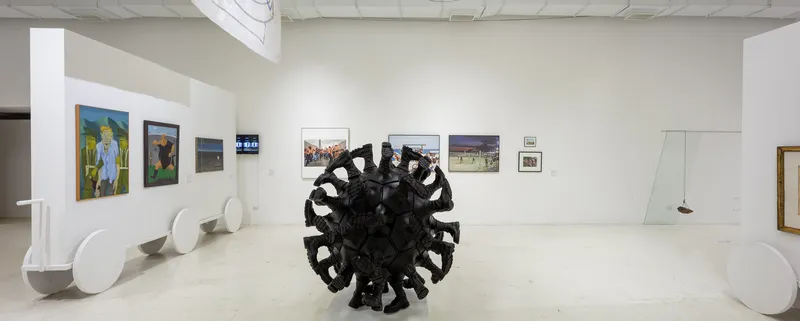
In recent years, the field of architecture has witnessed a growing trend toward dynamic and interactive spaces, particularly in museums and exhibition design. This innovative approach aims to transform static galleries into immersive experiences that engage visitors on multiple sensory levels. Dynamic museum exhibition design represents a new paradigm where architecture is not just a backdrop but a living, breathing part of the exhibition experience. The Homo Ludens exhibition, curated by Benjamin Zapico and designed by architects Guillermo Hevia García and Catalina Poblete, is a prime example of this innovative approach.
The Concept of "Homo Ludens": A New Vision for Museums
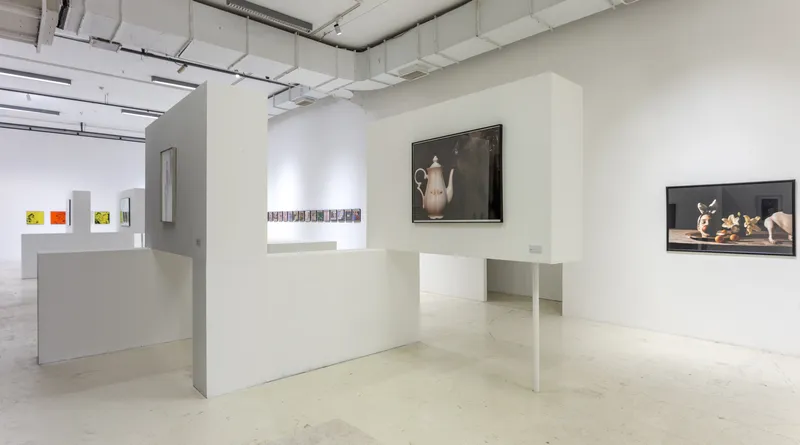
The Homo Ludens exhibition, held in the Cultural Park of Valparaíso, Chile, in 2022, took a unique approach to the traditional exhibition layout. The exhibition explored the concept of play and movement, seamlessly blending art and architecture to create a space that evolved as visitors interacted with it. The architects sought to challenge the static nature of conventional museum spaces by integrating elements of mobility and transformation into the physical design of the exhibition. This approach, rooted in the idea of "play," turned the museum space itself into an active participant in the visitor's journey.
Reimagining Museum Space with Dynamic Elements
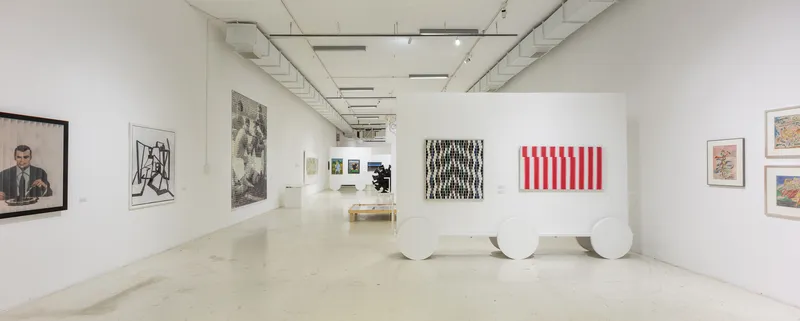
One of the key features of dynamic museum exhibition design is its ability to break free from traditional, predictable layouts. The Homo Ludens exhibition exemplifies this shift by employing three mobile devices, each 4 meters long, to allow visitors to physically alter the layout of the space. This concept challenges the norm of static walls and fixed partitions, encouraging fluidity and offering multiple interpretations of the art on display.
These mobile devices serve not just as partitions but as instruments of transformation, allowing the space to change in real-time. By moving the devices, visitors can manipulate the relationship between artworks, ensuring that each visit to the exhibition offers a new spatial and emotional experience. This fluidity is a hallmark of dynamic museum exhibition design, making the act of exploring the museum just as much a part of the experience as viewing the art.
Enhancing Visitor Interaction with Playful Architecture
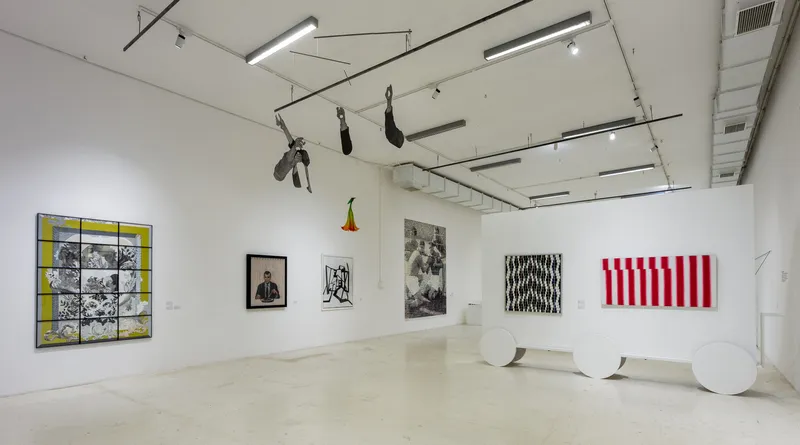
The success of dynamic museum exhibition design lies in its ability to foster interaction between the visitor and the space. The Homo Ludens exhibition was designed with this principle in mind. The exhibition was housed in a 54-meter-long, 9-meter-wide, and 5-meter-high room within the Cultural Park of Valparaíso, which had previously been a prison. This challenging, elongated space posed a significant design challenge for the architects, who needed to integrate mobility while respecting the historical context of the building.
Rather than relying on traditional partitioning strategies, the architects employed movable elements to divide the space into four thematic sections. The result was a dynamic environment that evolved as visitors moved through it. The flexibility of the space also meant that the exhibition could be reconfigured for future events, making it a sustainable and adaptable solution for the evolving needs of the cultural center.
The Role of Architecture in Shaping Museum Experiences
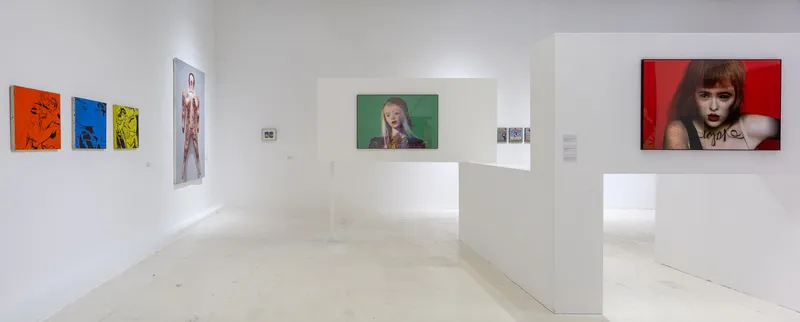
Dynamic museum exhibition design is not just about creating a visually striking space; it’s about shaping the way people experience art. In this case, the architecture of the Homo Ludens exhibition was carefully crafted to align with the theme of play. Visitors could engage with the exhibition in an unpredictable, game-like manner, where a simple movement or decision could alter the narrative of the space.
The architects also embraced the idea of fragmentation and unification, concepts often associated with playful games. This allowed the exhibition to transform from a cohesive whole into smaller, fragmented sections, offering visitors a new perspective on the artworks with every shift. This interactive approach to exhibition design represents a departure from the passive viewing experience typical of traditional museums and instead invites the audience to actively shape the environment.
The Future of Museum Exhibition Design: Movement and Flexibility
As museums continue to evolve, the role of architecture will become even more integral to creating dynamic and immersive experiences. Dynamic museum exhibition design is more than just a trend—it is a forward-thinking approach that acknowledges the need for flexibility, interaction, and transformation in exhibition spaces.
With the increasing importance of visitor experience in cultural institutions, architects will continue to explore ways in which architecture can facilitate engagement, movement, and change within museum environments. The Homo Ludens exhibition stands as a powerful example of how architecture can be used to create a space where the visitor’s experience is not only shaped by the art but also by the way they interact with and transform the physical environment.
The future of museum architecture is dynamic, interactive, and ever-changing. As demonstrated by the Homo Ludens exhibition, dynamic museum exhibition design offers a transformative approach that merges art, architecture, and play. By moving beyond static layouts and embracing flexible, mobile design elements, museums can create spaces that engage visitors in entirely new ways. This innovative approach to exhibition design not only redefines how art is experienced but also sets the stage for a future where architecture and art work together to create truly immersive, participatory spaces.

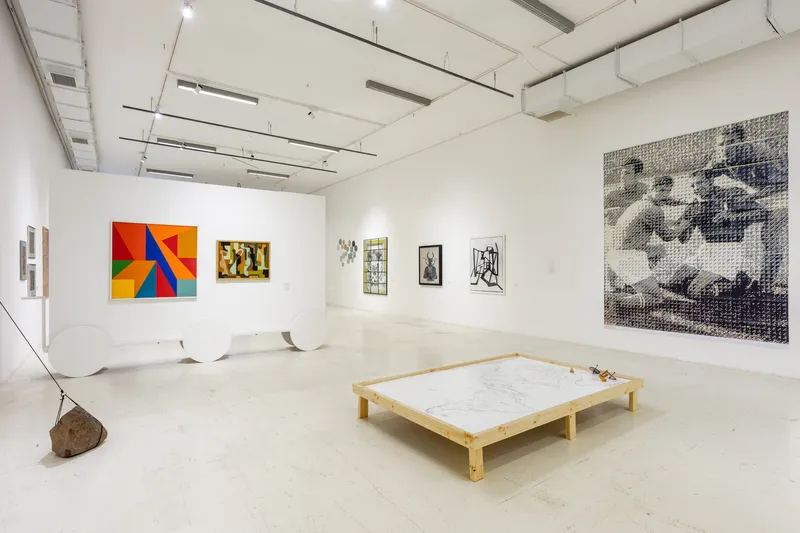
All Photographs are work of Felipe Ugalde


Popular Articles
Popular articles from the community


Singing Woman: An Opera House That Performs Before the Curtain Rises
Ovidiu Cristian Pavel's conceptual opera house translates Estonia's choral identity into a sculpted waterfront landmark facing the Baltic Sea.

The Amber Palace Opera: A Geological Fiction Surfaces on Tallinn's Baltic Waterfront
Pierre Brillard reimagines a Baltic legend as a public landscape, opera house, and waterfront promenade rooted in Tallinn's coastal identity.

Cloaked Colonization: A Mobile Underwater Habitat That Moves Like a Fish
Micah Abaya's shortlisted EHC Pacific entry reimagines ocean settlement as a dispersed network of self-sustaining architectural organisms.
Faces of the Soviet Avant-Garde: Turning Moscow's Street Names into an Open-Air Museum
A network of sculptural installations across a Moscow residential district transforms forgotten architect names into spatial encounters with cultural memor

Similar Reads
You might also enjoy these articles


Hodi-Mandai Geram
Project Function: Preservation and revitalization of the Intangible heritage and socio-spatial identity of the Hodi by Housing, Cultural Memory Center, Sacred Grove, landscape, local tourism economy


Olio Towers: A Mid-Rise for Performers That Fuses Housing, Rehearsal, and Stage
Located blocks from Houston's Theater District, this modular tower stacks living units around a central performance atrium.

Oasis: Modular Green Housing Carved into Dhaka's Urban Fabric
A shortlisted Plugin Housing entry reclaims unauthorized settlements in Dhaka with stepped concrete volumes, green roofs, and ventilation-driven design.

Black Hole: A Floating Megastructure for the Post-Physical Era
Emiliano Mazzarotto envisions a spherical, self-scaling arena where e-sports, digital hotels, and holographic stadiums replace traditional public space.

Explore Experiential Architecture Competitions
Discover active competitions in this discipline

Challenge to reimagine the Iron Throne

Photograph architecture without architects

Illustrate the lost glory of Angkor Wat - Render Challenge

Bring back Drive In's
Comments (0)
Please login or sign up to add comments
No comments yet. Be the first to comment!