
Dynamic Urban Continuum: Reimagining Urban Living Through a Child's Perspective
A Sustainable and Child-Centric Approach to Urban Design


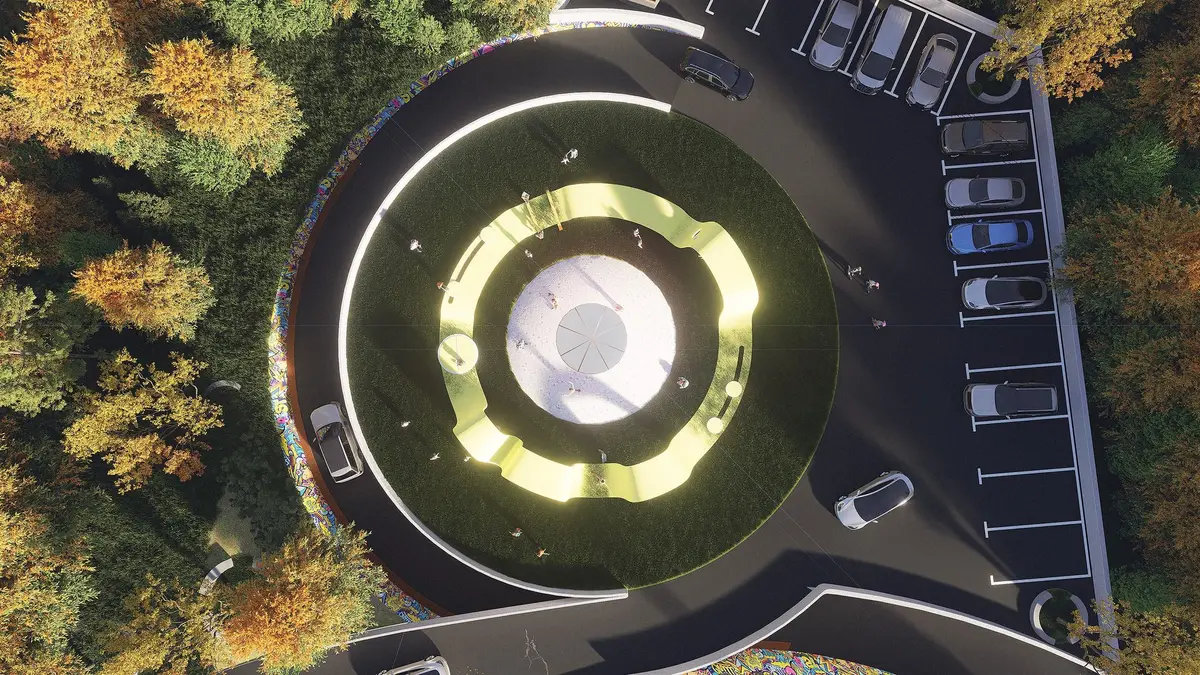
The Dynamic Urban Continuum (DUC) is an innovative architectural concept that challenges traditional urban design by placing a child's perspective at its core. Inspired by a child's vision of a vibrant and interconnected city, the project aims to reinvent urban living by creating spaces that are adaptable, sustainable, and foster a strong sense of community. Developed by TGGG Architectural Design Studio, DUC was a shortlisted entry in the Child's Perspective competition, showcasing a unique approach to urban planning that prioritizes the needs of future generations.

A Child's Perspective
The genesis of the Dynamic Urban Continuum lies in the simple yet powerful idea of empowering children to shape the future of their cities. By engaging with children through imaginative play and brainstorming sessions, the designers tapped into a wellspring of creativity and fresh perspectives. This child-centric approach yielded unconventional ideas, leading to the conceptualization of green spaces, pedestrian-friendly pathways, and vibrant community hubs.
Embracing Change
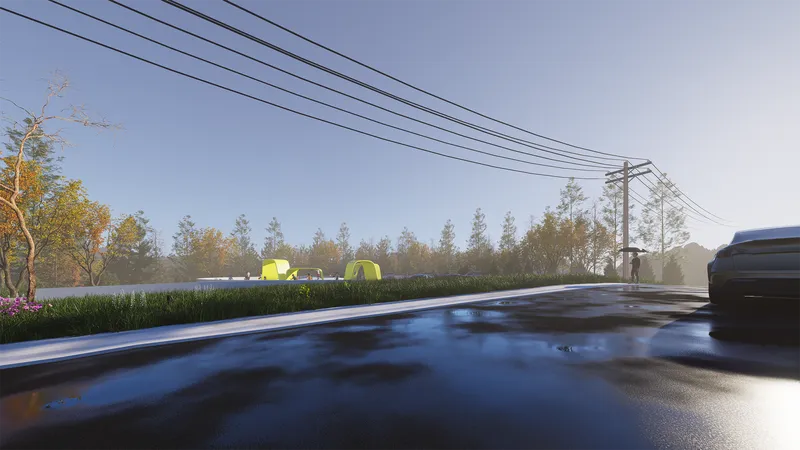
One of the key strengths of the DUC concept is its emphasis on adaptability. Recognizing that cities are constantly evolving, the project moves away from rigid architectural structures and embraces flexible environments that can respond to the changing needs of its inhabitants. This dynamic approach ensures that the urban landscape remains relevant and responsive over time.

Core Principles
The Dynamic Urban Continuum is deeply rooted in the principles of sustainability and interconnectedness. It recognizes that cities are not static entities but rather dynamic systems that must adapt to the ever-changing demands and circumstances of their environment. The design prioritizes the creation of versatile, multi-purpose spaces that can accommodate a variety of uses and activities, fostering a sense of community and belonging among residents.

A Journey of Collaboration and Innovation
The development of the Dynamic Urban Continuum has been a collaborative journey involving architects, urban planners, and stakeholders. Through iterative cycles of ideation, feedback, and design modifications, the project has evolved to incorporate new perspectives, address challenges, and align with its core objectives. This collaborative approach has ensured that the project remains responsive to the needs of the community and the environment.

A Harmonious Landscape
The design of the Dynamic Urban Continuum seamlessly integrates nature, utility, and sustainability into the urban landscape. Inspired by the child's perspective, the site plan respects the natural environment while accommodating the functional needs of the project and the community. Tranquil green spaces, meandering pathways, and peaceful alcoves encourage exploration and create a strong sense of place.

The building's façade features extensive glass walls that flood the interior spaces with natural light, creating a sense of airiness and connection to the outdoors. These walls act as a bridge between the indoor and outdoor environments, providing panoramic views of the city while maximizing daylight penetration and reducing the need for artificial lighting.
At the heart of the structure lies a magnificent glass dome, serving as both a focal point and a symbol of architectural innovation. The dome not only enhances natural lighting but also represents openness and transparency, reflecting the project's commitment to sustainability and collaboration.
Workspaces and Amenities
The design of the Dynamic Urban Continuum carefully integrates workspaces, offices, cafeteria/kitchen areas, conference rooms, and play areas. These elements are essential to the building's functionality and contribute to a vibrant and engaging environment for occupants.
Green Spaces and Nature
Green spaces are integral to the DUC's design, promoting health, well-being, and sustainability. Research has shown that exposure to nature can reduce stress, improve cognitive function, and enhance creativity. By incorporating greenery into the workplace environment, the project nurtures the physical, mental, and emotional health of its occupants.
The Dynamic Urban Continuum represents a paradigm shift in urban living, offering a forward-thinking, flexible, and people-centric approach to urban design. It encourages us to rethink the possibilities of urban planning, striving for cities that are not only sustainable but also resilient, dynamic, and inclusive.
As urbanization and climate change continue to pose challenges, the principles of the Dynamic Urban Continuum provide a roadmap for building cities that are truly fit for the future. It is a story of possibilities, promising a dynamic and interconnected urban landscape where the needs of both present and future generations are met.


Popular Articles
Popular articles from the community


David Macias Steps a Doorless Stone and Plaster House Down a Tropical Colombian Hillside
In the humid hills of Colombia, Threshold House replaces the front door with an open void and terraces its 850 m² down the slope instead of fighting it.

Cube Design Draws an Ecological Corridor Between Two Shenzhen Hills with the Nankai Building
Beside Shenzhen's container docks, the Nankai Building pairs stacked balconies with a climbing green screen to connect two hillsides across its height.

David Ortega Stacks a Two-Story Mexico City Penthouse Around a Steel Stair and a Pergola-Shaded Roof Terrace
In Colonia Roma, a 300 m² penthouse uses oak joinery, a planted steel stair and a slatted roof pergola to make a new-build apartment feel like a house.

GROUP A Strips a 1969 Rotterdam Harbor Headquarters to Its Frame and Wraps It in Timber Louvers
In Rotterdam's M4H harbor district, Ferro Offices reuses a 1969 frame, adds one timber storey and reaches BREEAM-NL Outstanding.

Similar Reads
You might also enjoy these articles


Vereda Arquitetos Renovates a 40-Square-Meter Apartment Inside Niemeyer's Copan Building
A compact unit in São Paulo's most iconic residential tower gets a material overhaul that pairs exposed concrete with bold blue Formica.

Shakur's House: Exposed Brick as an Interior Organiser in a 168 m² Mashhad Residence
Brick moves indoors in this Mashhad residence, where masonry walls, glass partitions and teal planes sequence a compact home without closing it off.

Day and Night Park: A Time-Based Urban Newsstand in Beijing
A temporary urban newsstand in Beijing blending travel, light, and reading through poetic colors, compact form, and community-focused design.

Modernist Patio Renovation in El Masnou, Barcelona by Oliver Segura Arquitectura + Cebrià Arquitectura
Modernist patio renovation blending tradition and innovation with a movable pool, leveled floors, and Catalan materials in El Masnou.

Explore Urban Thinking Competitions
Discover active competitions in this discipline

Challenge to design a shop stop sunk in the city

Design challenge to equip cities with modern furniture

Challenge to reimagine the Iron Throne

Photograph architecture without architects
Comments (0)
Please login or sign up to add comments
No comments yet. Be the first to comment!