
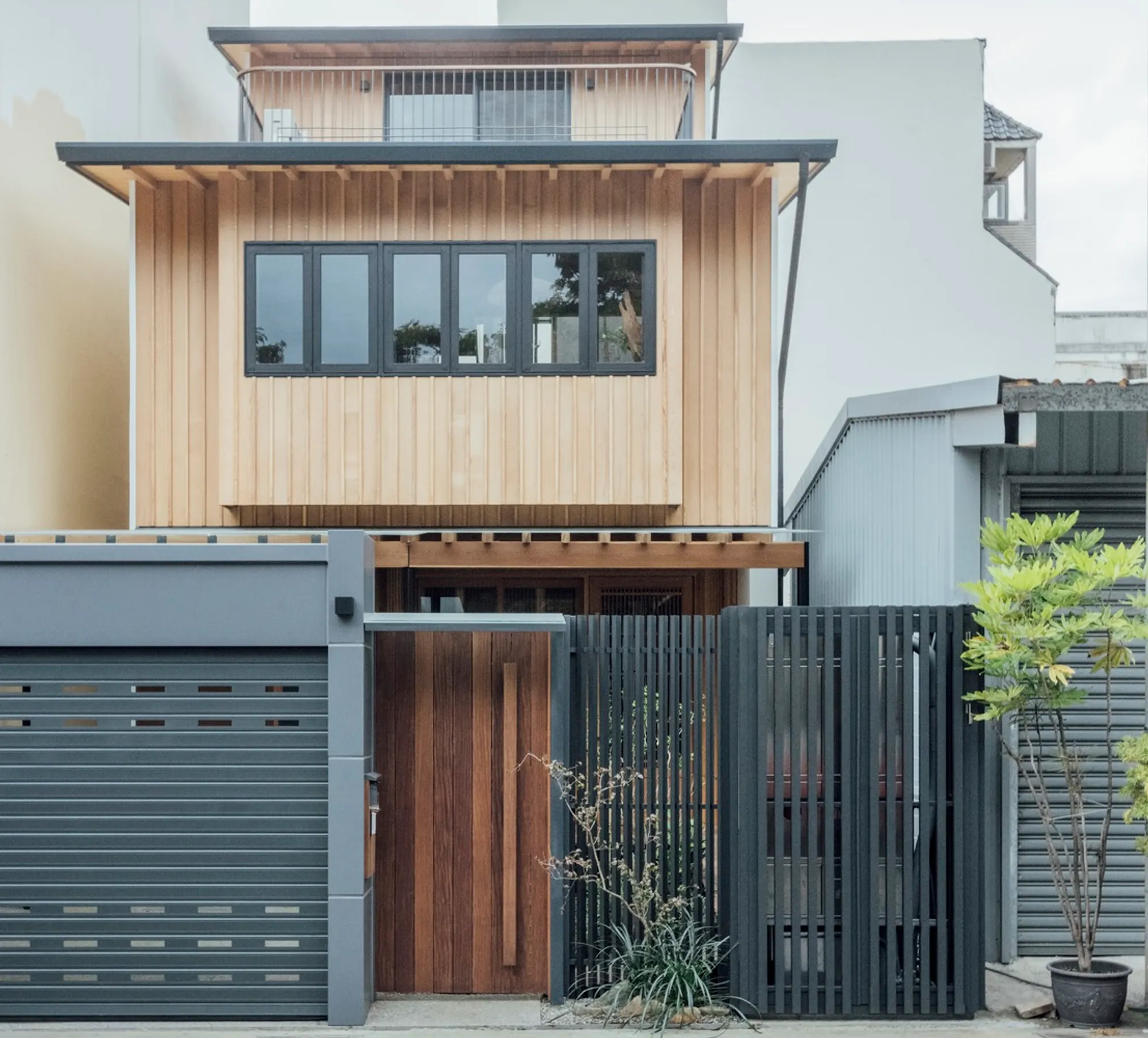
Eco-Friendly Architecture Design: The House in Between Small and Large by Nameless Tree Design
Explore "The House in Between Small and Large," a masterpiece of eco-friendly architecture by Nameless Tree Design in Taiwan.


In the realm of modern architectural advancements, the emphasis on eco-friendly design practices has never been more critical. "The House in Between Small and Large," crafted by Nameless Tree Design Ltd. in Taiwan, stands as a paragon of how architecture can harmonize with nature while fostering connections between individuals and their environment.
Architectural Design and Natural Integration
Connecting with Nature and People
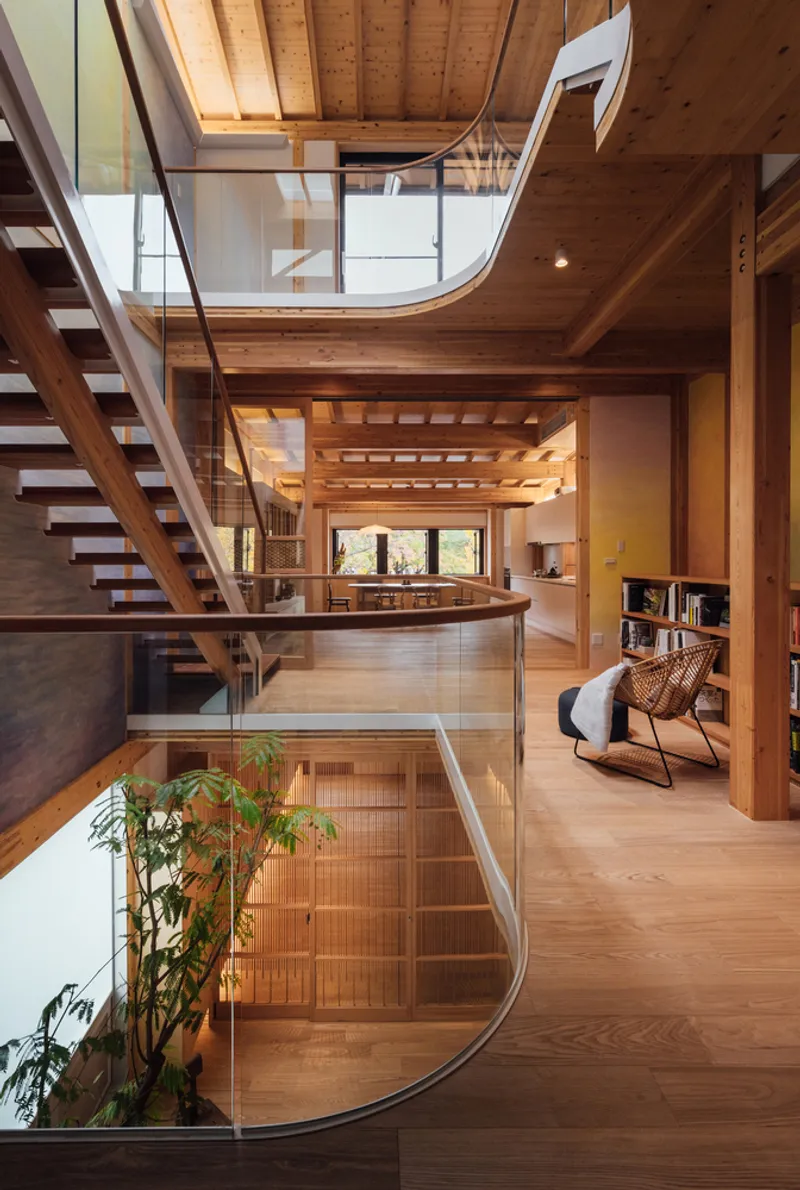
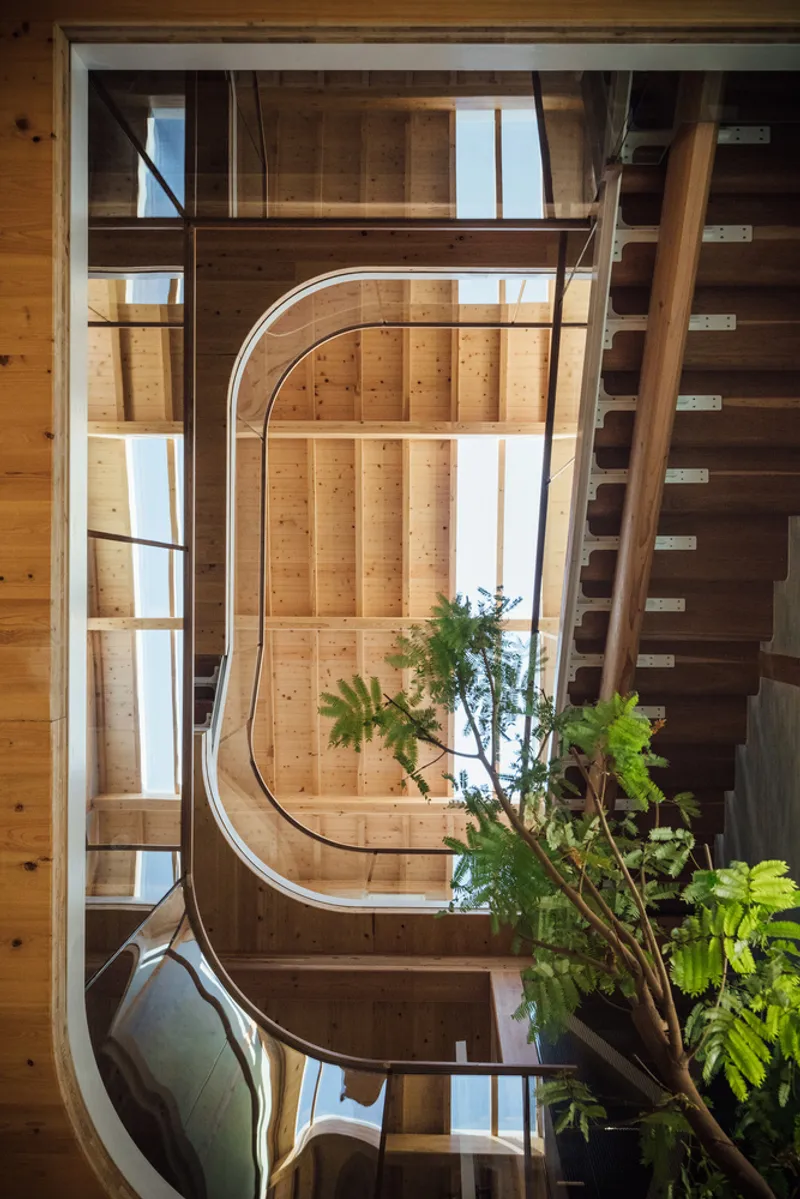
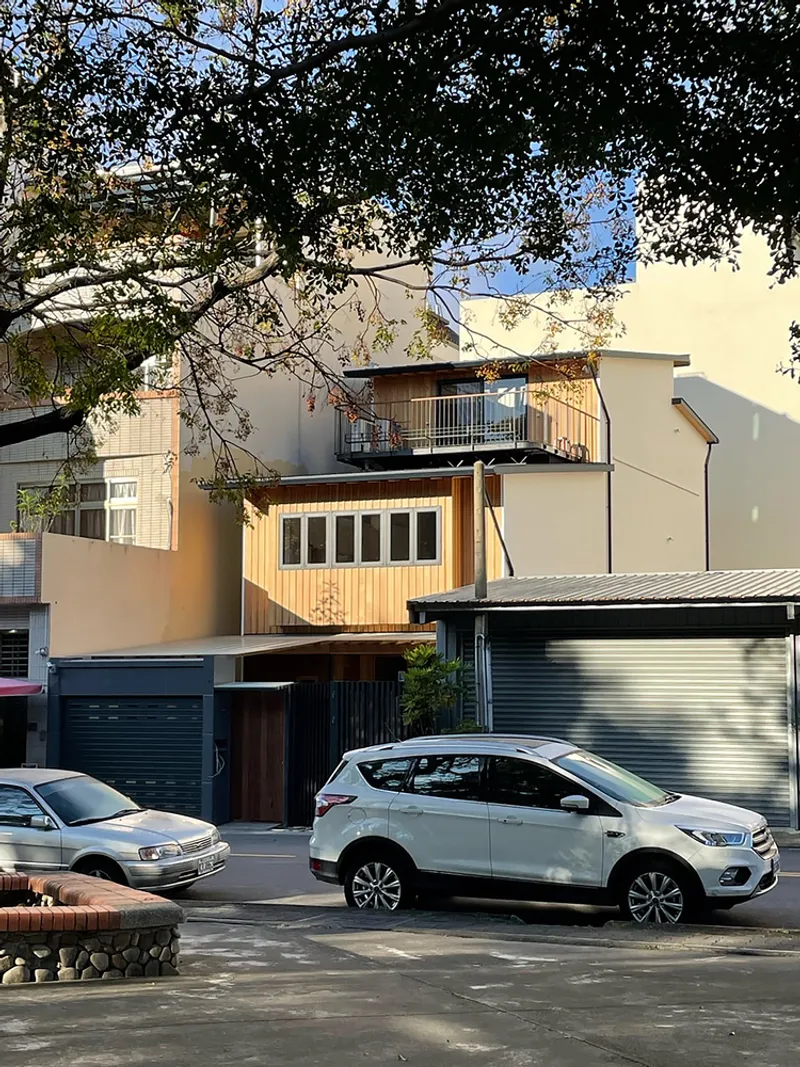
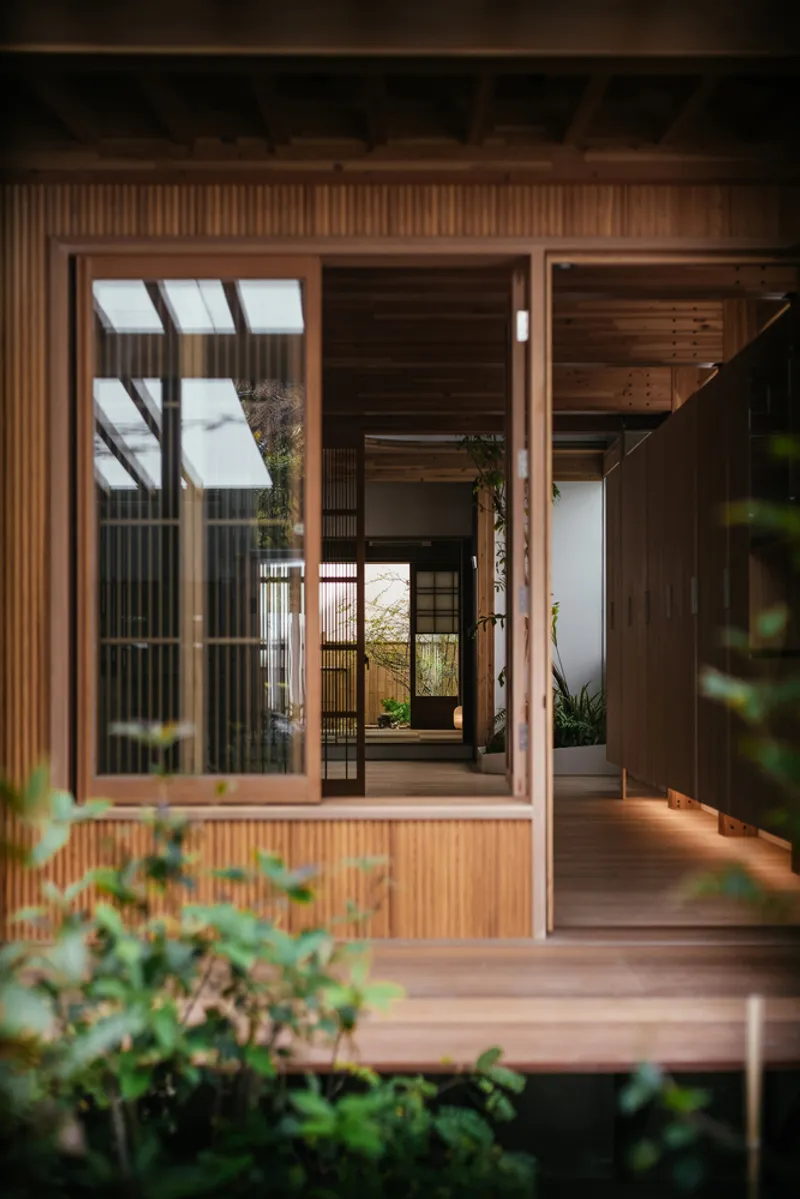
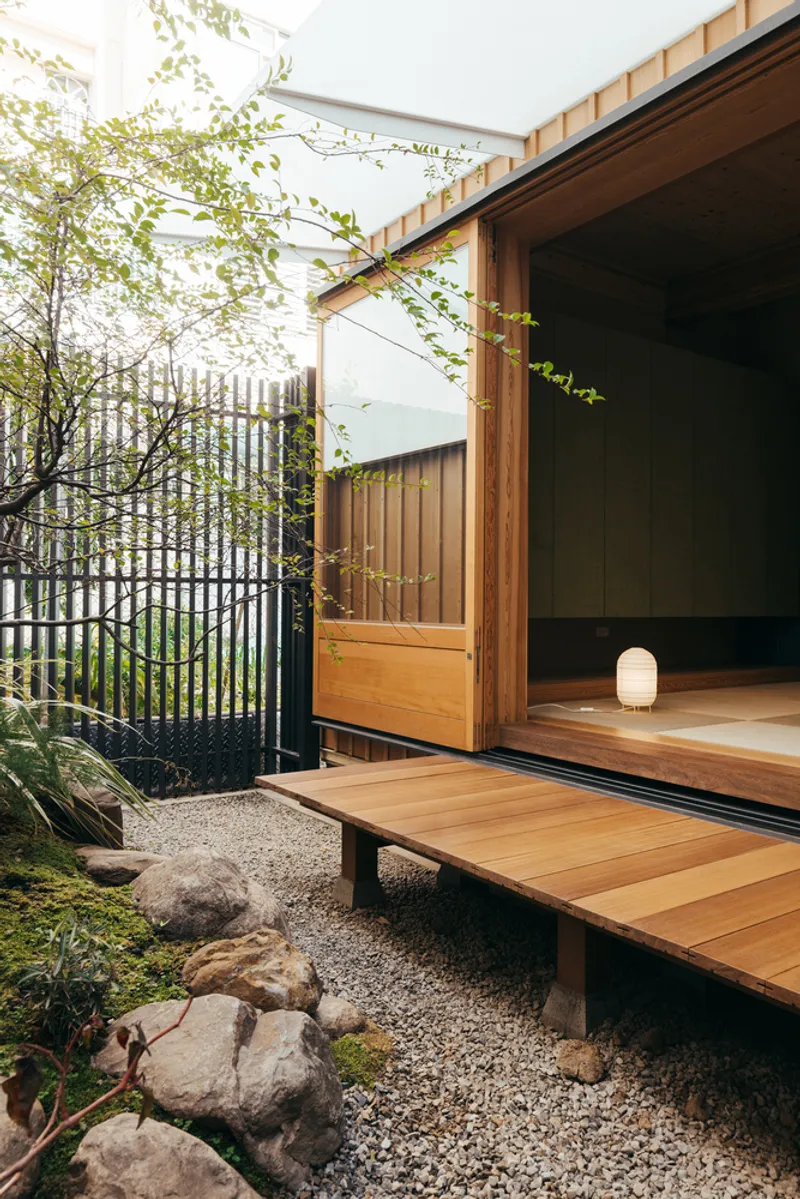
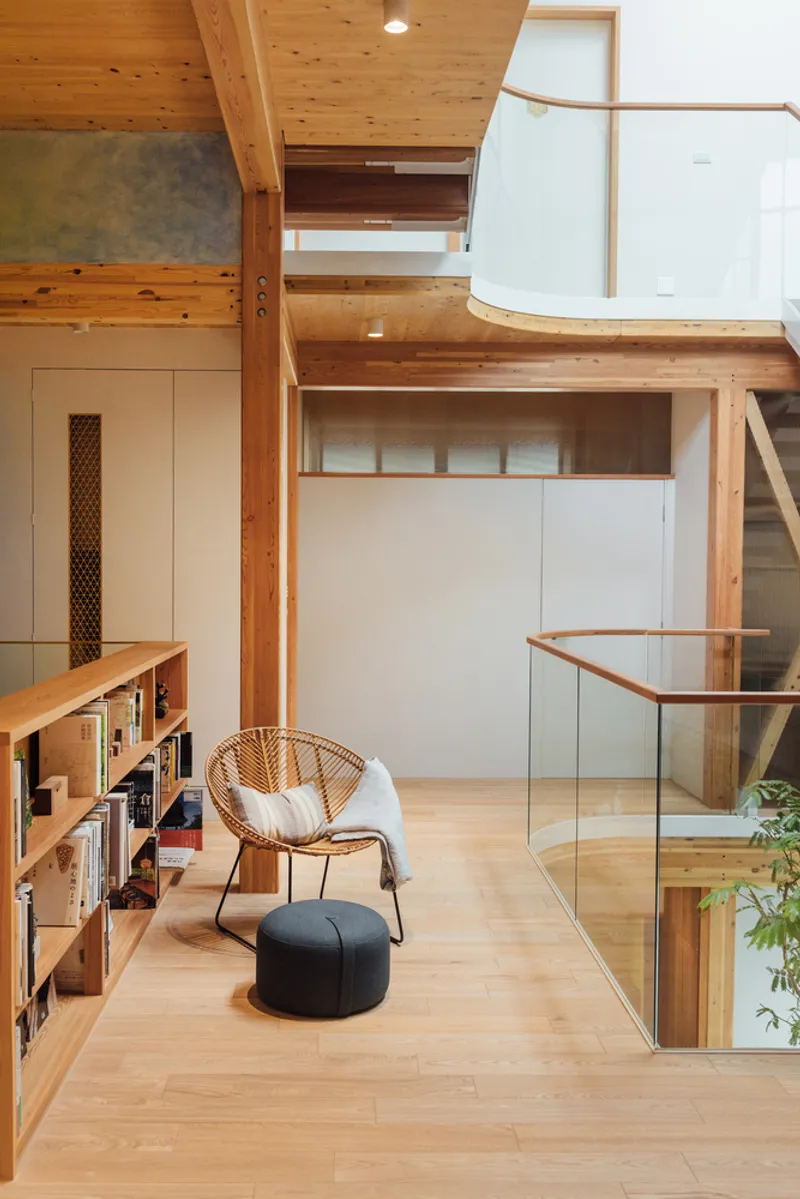
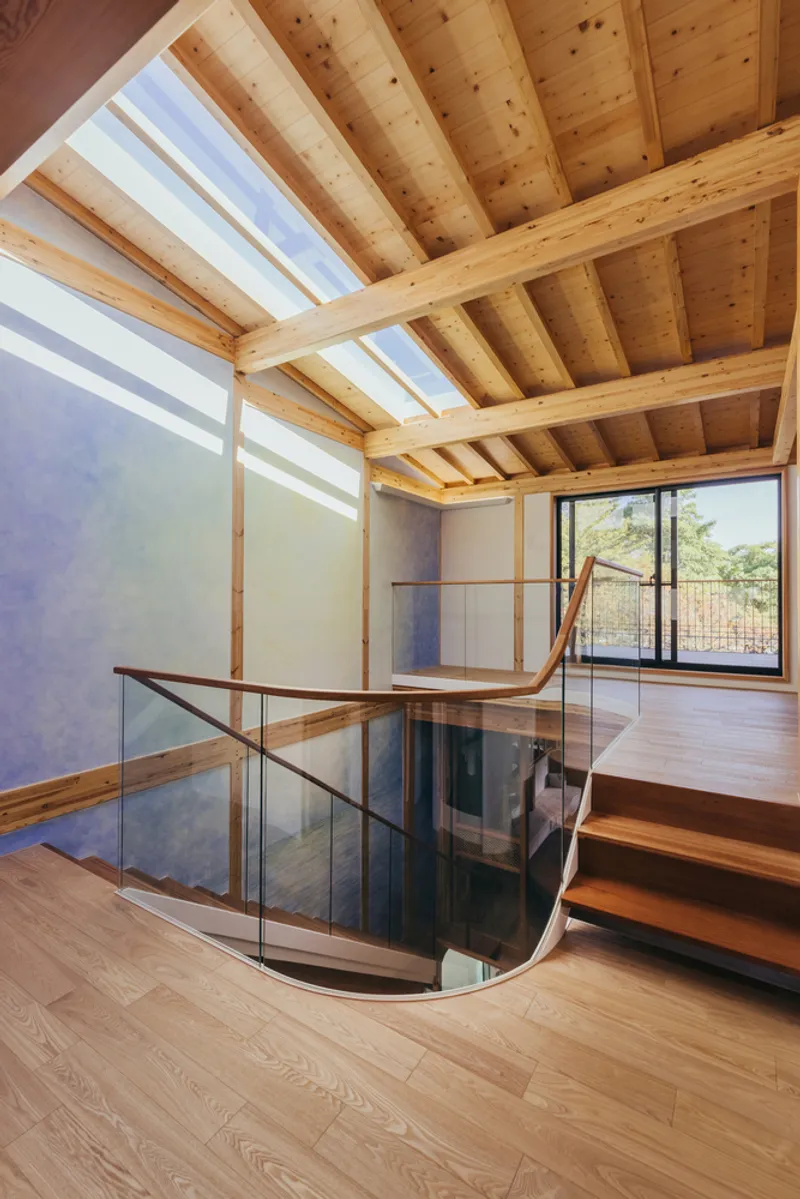
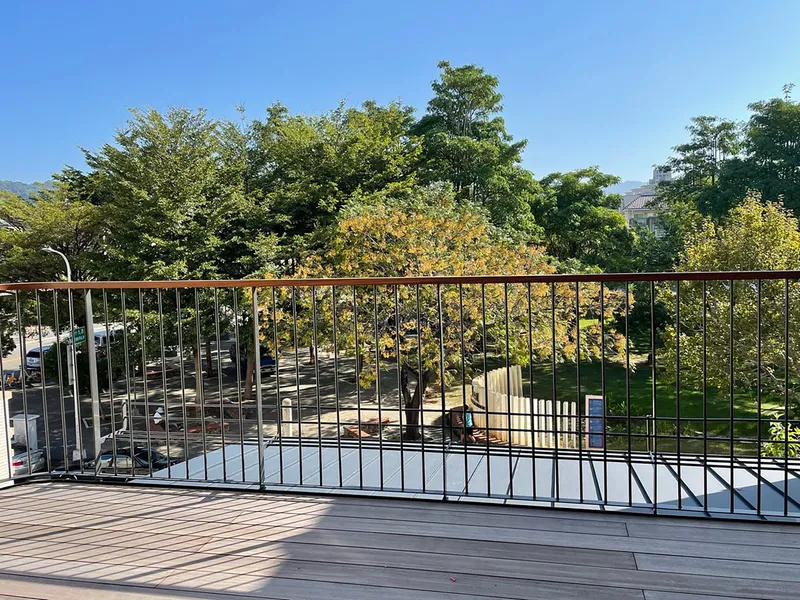
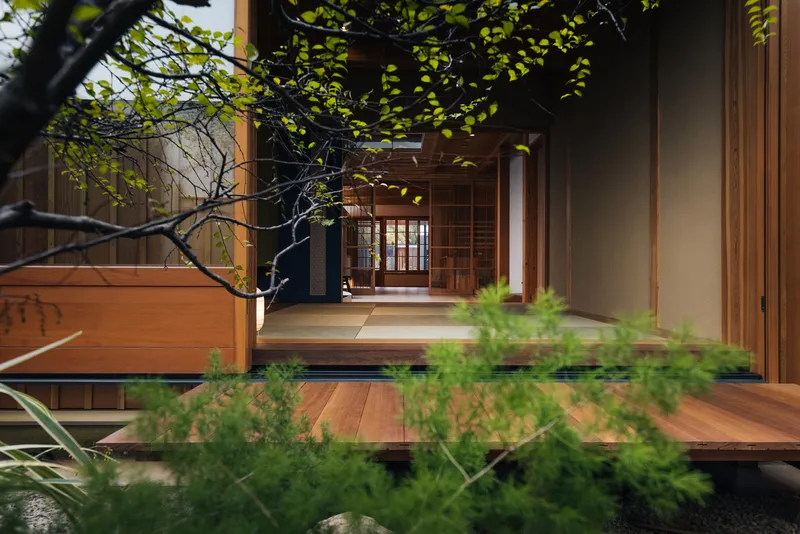
Positioned adjacent to a community park, the design of "The House in Between Small and Large" strategically focuses on enhancing the interaction between its occupants and the surrounding natural landscape. The architects, led by Wen-Shiung Lee, devised an innovative approach by incorporating horizontal and vertical courtyards that facilitate natural air circulation and light penetration. This design not only connects different areas of the house seamlessly but also ensures that each space can "flow" freely, resonating with the principles of Eco-Friendly Architecture Design.
Innovative Structural Elements
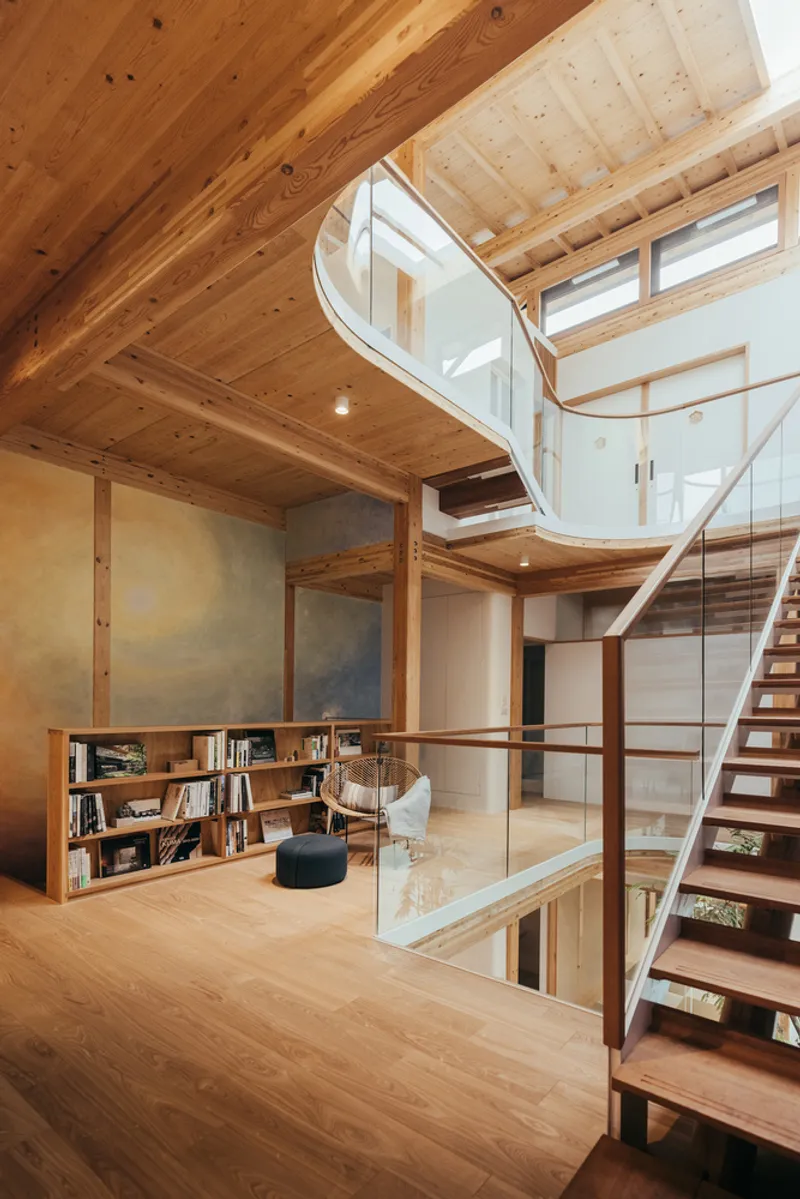
The main structure features a portal frame system which eliminates the need for traditional columns and shear walls. This architectural choice opens up the space significantly, reducing horizontal barriers and enhancing the flexibility and integrity of the living areas. Such openness is pivotal in eco-friendly architecture, as it allows natural elements like light and air to circulate more effectively.
Sustainable Materials and Building Techniques
Wood and Natural Materials
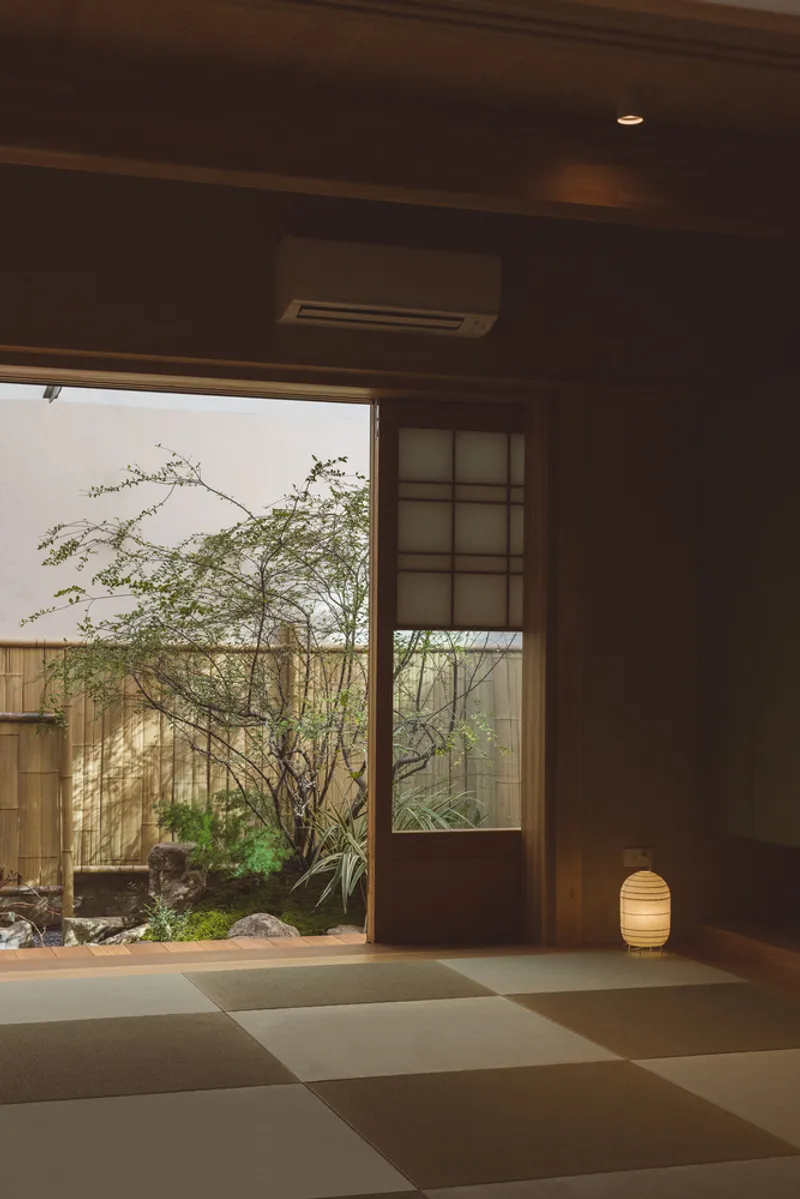
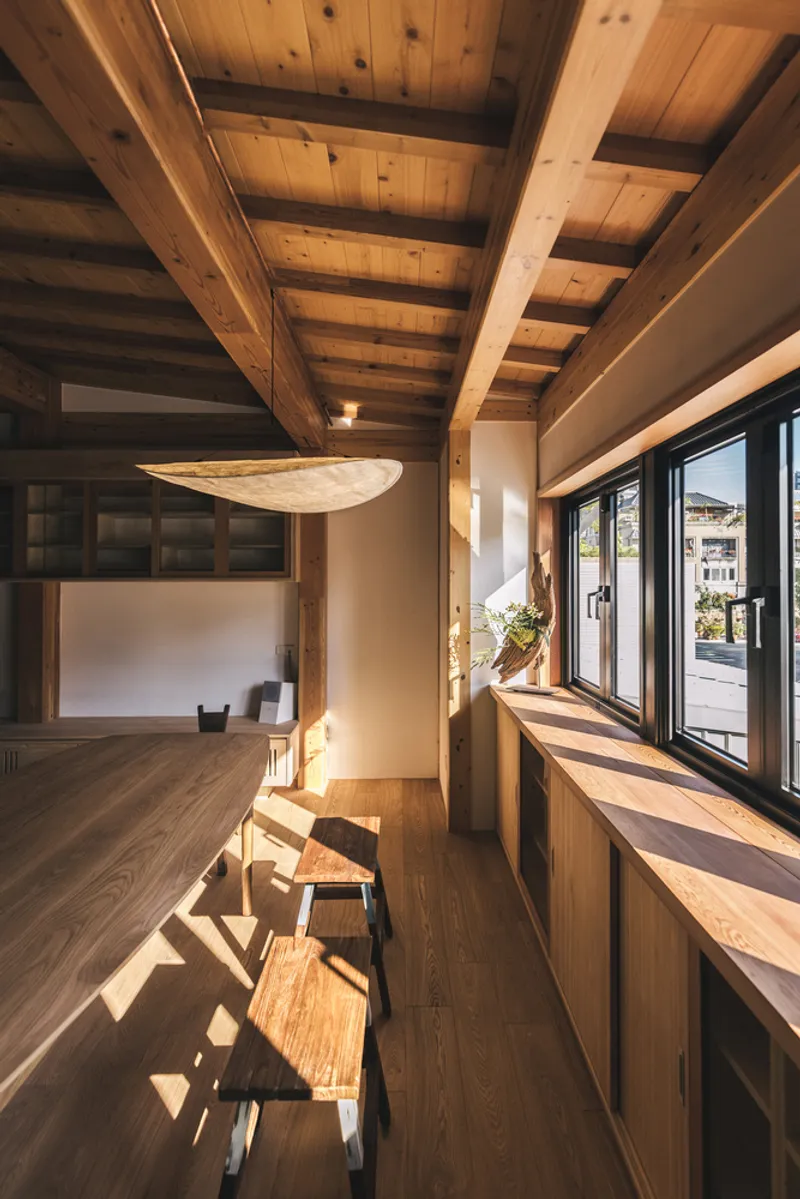
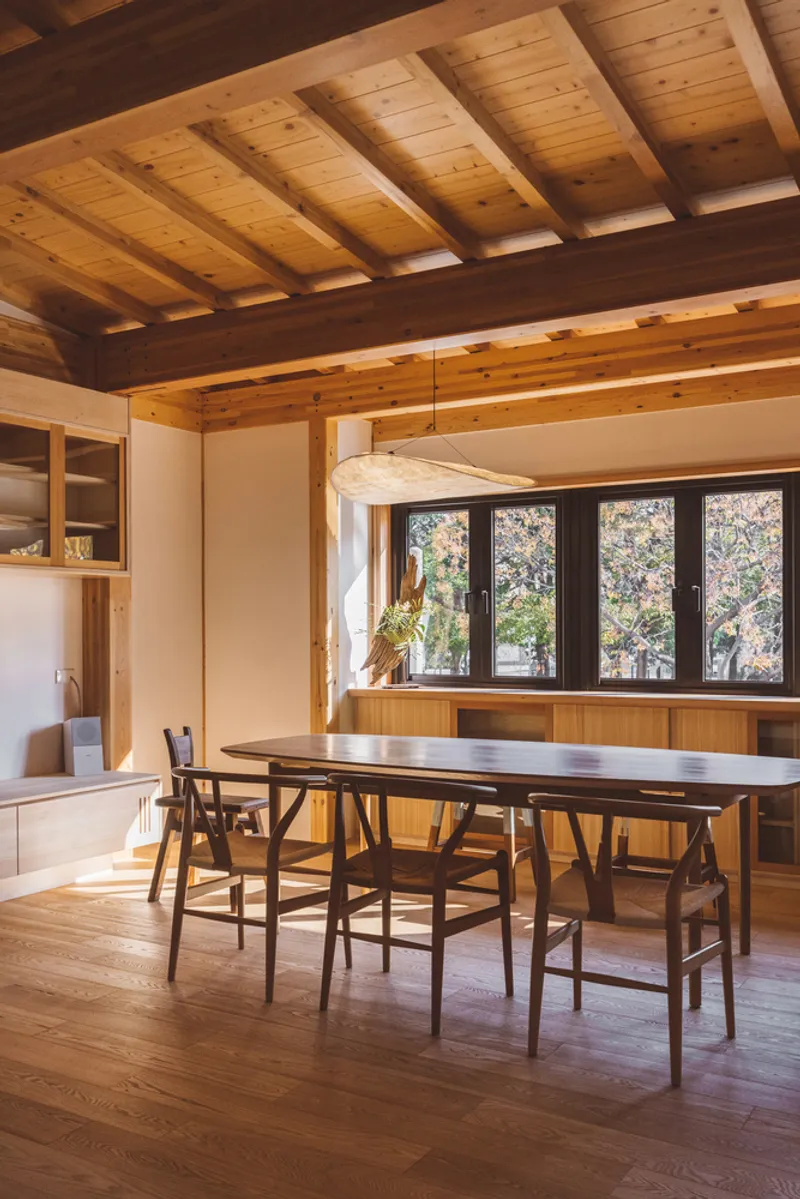
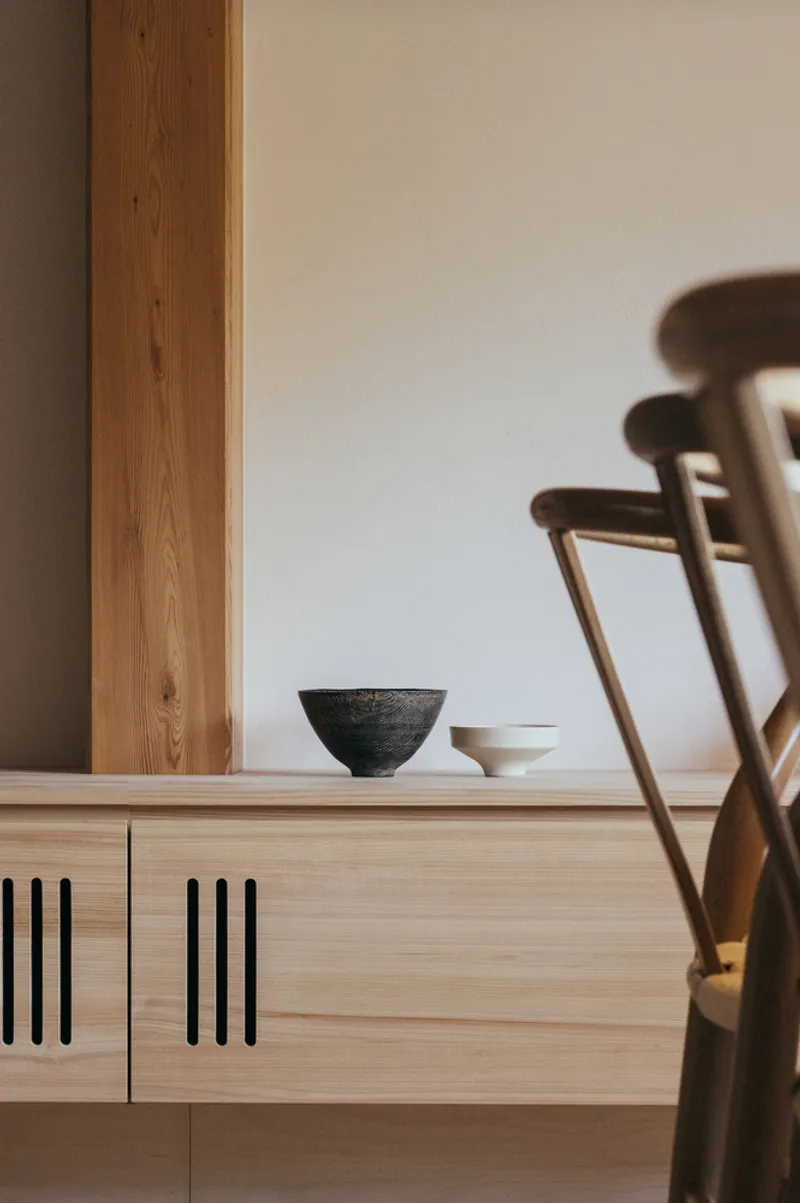
The construction of the house utilizes environmentally sustainable wooden structures, including columns, beams, and CLT (Cross-Laminated Timber) floor slabs/ceilings. These materials not only support the eco-friendly ethos but also adapt to the site's conditions by minimizing ground excavation. The interior is finished with mineral paints and earth walls, enhancing the tactile and psychological benefits of natural materials, a core principle of Eco-Friendly Architecture Design.
Maintaining the Eco-Friendly Design
The design incorporates several features to ensure long-term sustainability and maintenance. The house's maintenance strategies include easy access to plumbing and electrical systems, integrated into the building's design to facilitate upkeep and reduce the risk of damage in an earthquake-prone area. Moreover, moisture isolation and termite prevention are meticulously planned to extend the building's lifespan and maintain its eco-friendly features.
The Future of Architecture
The House in Between Small and Large by Nameless Tree Design exemplifies the future direction of architecture where design, functionality, and sustainability intersect. This project not only provides a comfortable and aesthetic living space but also respects and enhances the ecological footprint of the built environment.
By embracing Eco-Friendly Architecture Design, architects and builders can contribute to a more sustainable and harmonious world, proving that modern living spaces can be both beautiful and beneficial to our planet.
All photographs are work of Shao Chi Ho




Popular Articles
Popular articles from the community


Play: Fragments of Their World
Familiar architecture becomes modular playground design, creating safe spaces where displaced children can learn, connect, imagine and play.

Co-life: Sustainable Architecture for Age-Friendly Community Living
Co-life reimagines sustainable architecture for seniors through courtyards, rammed earth, shared gardens, and spaces designed for belonging.

The Ocean Hive: Sustainable Architecture for a Self-Sufficient Civilization at Sea
The Ocean Hive imagines sustainable architecture at sea, where modular habitats, algae, wave power and ocean waste sustain a growing colony.

Lunar Spiral: Space Architecture Shaped by the Mathematics of the Universe
Lunar Spiral reimagines space architecture through Fibonacci geometry, lunar regolith, levitating habitats, and self-sustaining Moon living.


Similar Reads
You might also enjoy these articles


FAMM Arquitectura Organizes Ten Villas Around Courtyards and Jungle in Nosara, Costa Rica
El Molino pairs two elongated volumes with deep overhangs and timber louvers to build a compact coastal community five minutes from the beach.

Oscar Niemeyer's Ibirapuera Park Pavilions Define São Paulo's Cultural Identity in Concrete and Curve
A constellation of modernist volumes set within São Paulo's most important urban park, conceived for the city's 400th anniversary in 1954.
How Henri Picq's 1889 Paris Pavilion Traveled 11,000 Kilometers to Become Santiago's Artequín Museum
A prefabricated iron and glass pavilion built for the Paris Universal Exposition found a second life as a children's art museum in Chile.

Sanjay Puri Architects Wraps a Jaipur Office Tower in Capsule-Shaped Green Buffers
A nine-level climate-responsive workplace near Jaipur Airport uses stacked planter terraces and aluminium screens to fight 40°C heat.


Explore Eco Building Competitions
Discover active competitions in this discipline



Challenge to reimagine the Iron Throne


Photograph architecture without architects


Illustrate the lost glory of Angkor Wat - Render Challenge


Design challenge to reuse E-waste
Comments (0)
Please login or sign up to add comments
No comments yet. Be the first to comment!