
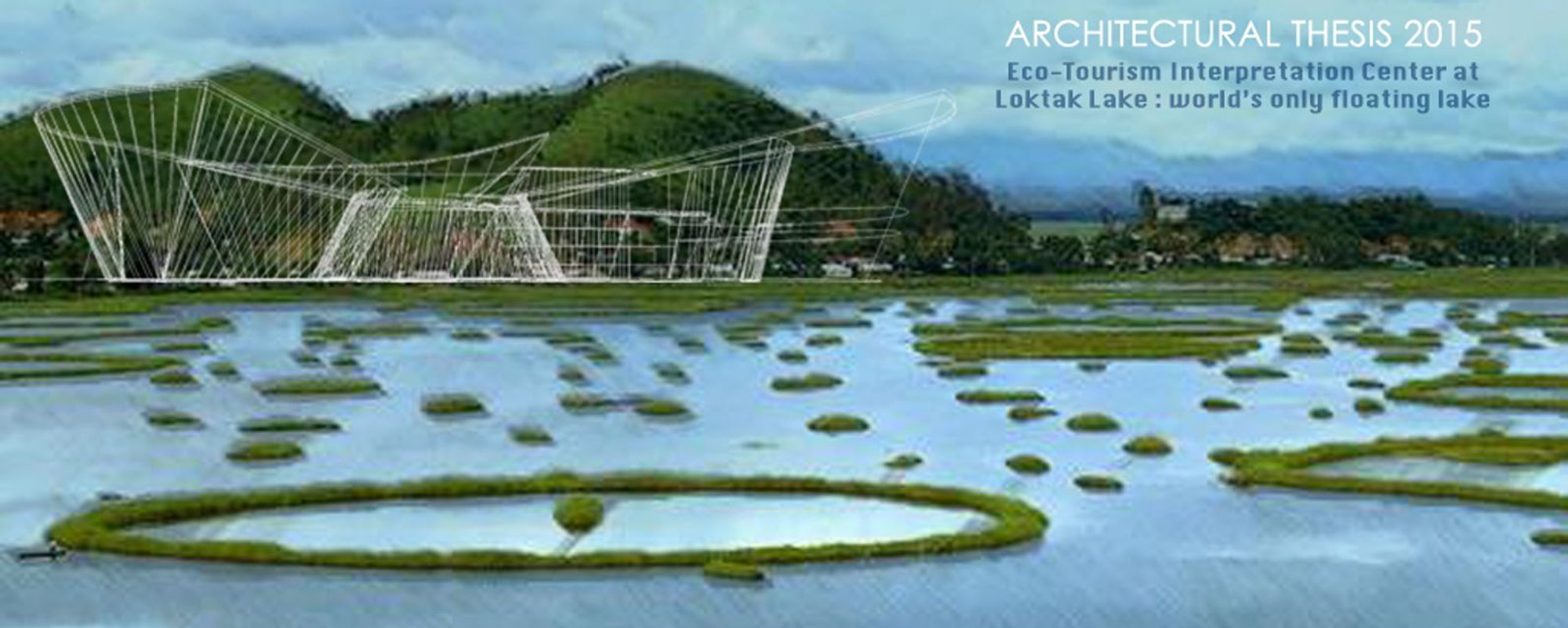
Eco‑Tourism Interpretation Centre at Loktak Lake, Manipur
A sustainable architecture proposal at Loktak Lake that merges eco‑tourism, tribal heritage, and floating landscapes into a living cultural ecosystem.

Honorable Mention | UnIATA 2018
Project by Mohit Raj
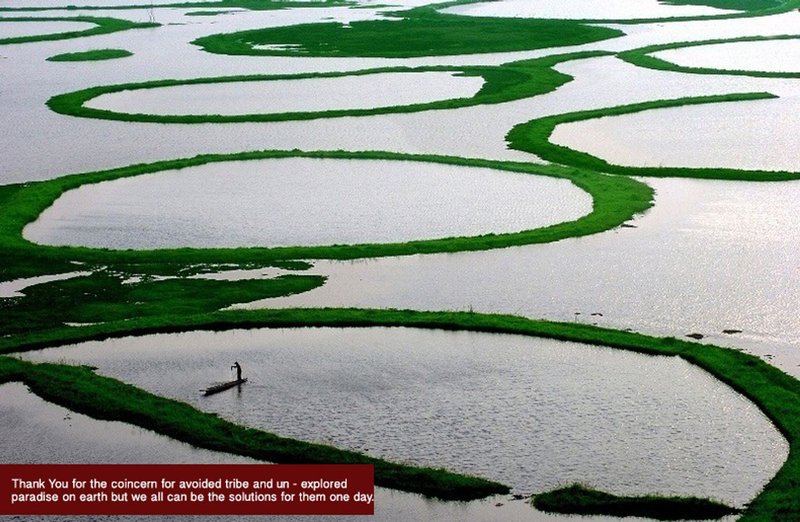
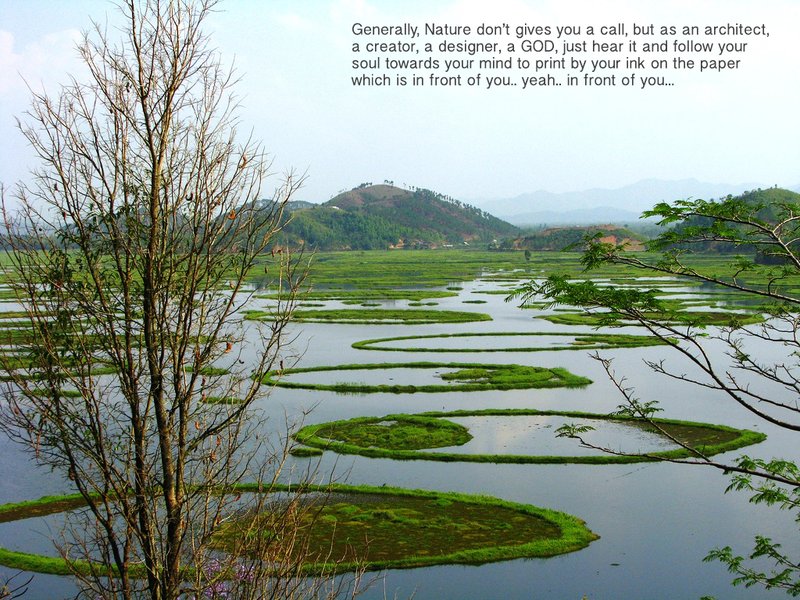
Loktak Lake in Manipur, India, is a landscape of rare ecological and cultural significance. Known globally as the world’s only floating lake, it hosts floating landmasses called phumdis, the Keibul Lamjao National Park—the world’s only floating national park—and the endangered Sangai deer, often referred to as the world’s only dancing deer. This fragile ecosystem is not only a natural marvel but also a living environment for indigenous communities whose livelihoods and traditions are deeply intertwined with the lake.
This Eco-Tourism Interpretation Centre at Loktak Lake : World's only Floating Lake : Architect Mohit Raj is envisioned as a sustainable architecture response to the delicate balance between conservation, community relocation, and eco‑tourism. The project proposes a sensitive architectural intervention that preserves Loktak Lake’s ecological identity while creating opportunities for education, tourism, and tribal empowerment.
Context: Loktak Lake and the Floating Landscape
Loktak Lake lies at the heart of Manipur and is defined by its dynamic seasonal transformations. During the monsoon, the lake expands dramatically as floating phumdis drift freely, enriching the lake’s biodiversity. In summer, the water level recedes, and these floating masses partially solidify, reshaping the lake’s surface.
However, unregulated settlement and construction on phumdis have caused severe ecological stress. These practices are illegal under the Ramsar Act of 1971 and have contributed to water pollution, disrupted wildlife habitats, and weakened the lake’s natural hydrological cycle. The project identifies this conflict as a key opportunity for sustainable architectural intervention.
Site Selection and Design Intent
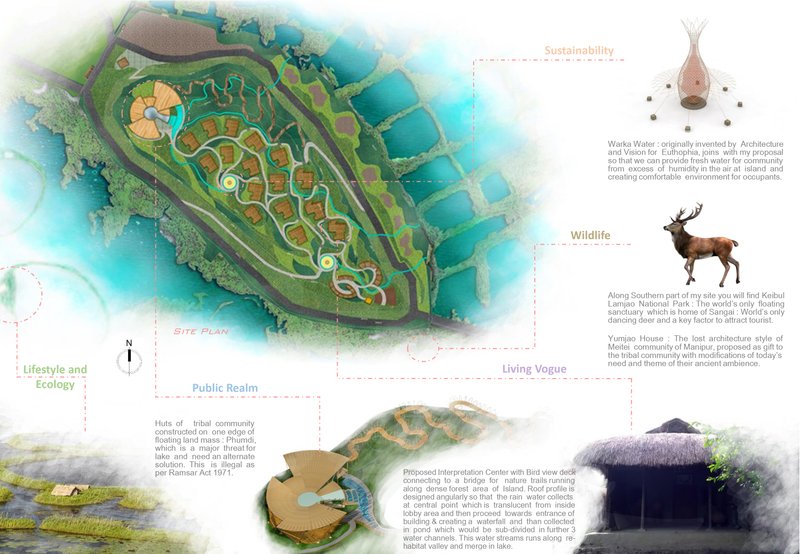
The proposal selects Thanga Island, a small hilly landmass within Loktak Lake, as the site for intervention. Instead of continuing harmful habitation on floating land, the project proposes relocating tribal communities onto stable island terrain while maintaining their cultural connection to the lake.
The design introduces an Eco‑Tourism Village and an Interpretation Centre that function together as a cultural, educational, and ecological hub. Tourists are invited to experience the floating landscape responsibly, while local communities gain access to improved living conditions, employment opportunities, and long‑term sustainability.
Sustainable Architecture Strategy
Sustainability is embedded at every level of the project—from site planning to material selection and construction techniques.
Ecological IntegrationThe built form responds directly to natural contours, water flows, and vegetation patterns. Rainwater harvesting systems collect monsoon rainfall through sloping roofs, channeling water into artificial waterfalls and ponds before redistributing it into the landscape. This strategy reduces soil erosion and enhances the lake’s natural hydrology.
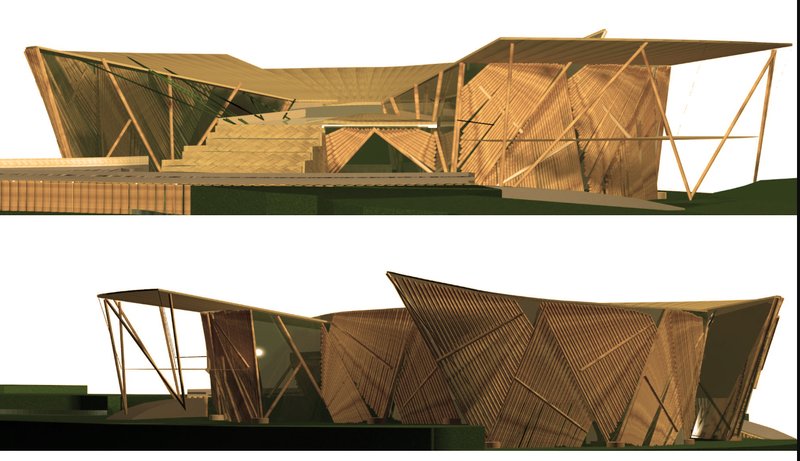
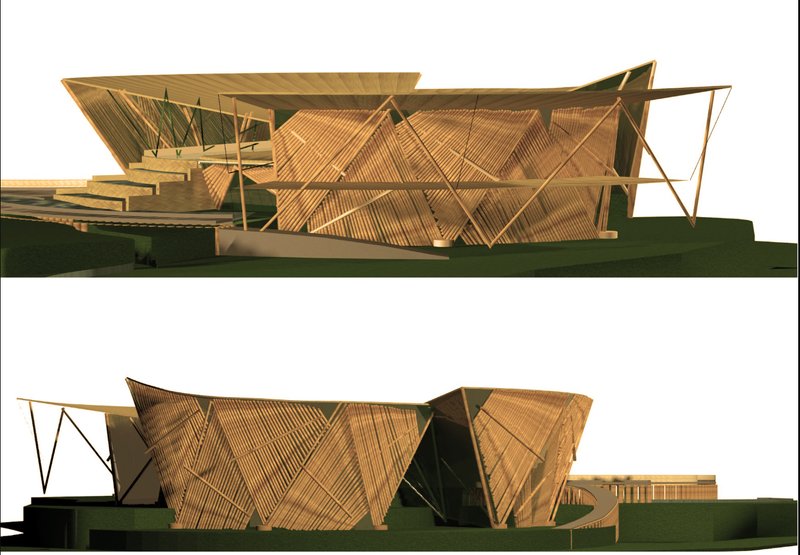
Climate‑Responsive DesignThe structures are designed to perform passively in Loktak’s humid climate. Elevated forms encourage airflow, while layered bamboo screens filter sunlight and reduce heat gain. Seasonal adaptability allows the architecture to coexist with the lake’s changing water levels.
Low‑Impact ConstructionLocally sourced bamboo forms the primary structural and façade material. Modular construction minimizes ground disturbance and allows future repair or replacement without large‑scale demolition.
Interpretation Centre: Architecture as Education
At the core of the proposal lies the Eco‑Tourism Interpretation Centre, conceived as an immersive learning environment. The circular plan organizes functions radially around a central entrance lobby, symbolizing the interconnectedness of ecology, culture, and wildlife.
Programmatic components include:
- Interactive classrooms explaining the science of floating ecosystems
- Cultural exhibition spaces narrating Manipuri tribal heritage
- Wildlife interpretation zones focusing on aquatic life and the Sangai deer
- Bird‑watching decks oriented toward migratory paths
A raised bridge extends from the centre into dense forest zones, allowing visitors to experience the ecosystem without disturbing it.
Cultural Continuity: The Yumjao House
Traditional Manipuri architecture becomes a critical reference through the reinterpretation of the Yumjao House. Historically known for its sustainable performance, the Yumjao house uses bamboo, earth plaster, and thatch to regulate temperature and humidity naturally.
The project adapts this vernacular typology to contemporary needs by introducing flexible layouts for different family sizes while preserving spatial hierarchy. Spaces such as the handloom area, elders’ resting space, kitchen, and family deity zone are retained, reinforcing cultural identity while addressing modern living standards.
Wildlife and Landscape Preservation
The southern edge of the site aligns with Keibul Lamjao National Park, demanding careful ecological sensitivity. The project avoids hard boundaries, instead creating transitional buffer zones that support wildlife movement. Visual corridors and controlled access points ensure that tourism activity does not interfere with animal habitats.
By emphasizing observation over intrusion, the architecture becomes a medium for awareness rather than exploitation.
Structural System and Material Logic
The bamboo structural system is standardized through modular joints and metal connectors that accommodate variations in bamboo diameter. Secondary inclined bamboo members anchor curvilinear walls into the ground, enhancing structural stability while maintaining a light architectural expression.
This hybrid system balances traditional craftsmanship with contemporary engineering, reinforcing the project’s sustainable architecture ethos.
The Eco‑Tourism Interpretation Centre at Loktak Lake demonstrates how sustainable architecture can operate as a catalyst for ecological restoration, cultural preservation, and socio‑economic development. Rather than imposing a static built form, the project evolves with the floating landscape, respecting seasonal cycles and indigenous wisdom.
By transforming a contested ecological site into a model of responsible eco‑tourism, the proposal reimagines architecture not as an object, but as a living system—one that supports nature, empowers communities, and educates future generations.



Popular Articles
Popular articles from the community

On the Brooks House by Monsoon Collective – A Contemporary Kerala Home Rooted in Tradition
Kerala home blending tradition and modernity with water-inspired design, brick architecture, courtyard planning, and sustainable rainwater harvesting strategies.
Inverted Architecture Installation by Studio Link-Arc: Exploring the Intersection of Architecture and Living Organisms
Inverted Architecture Installation by Studio Link-Arc blends mycelium, sustainability, inverted design, ecological cycles, and urban adaptive architecture in Shenzhen.
Solar Steam: A Climate-Responsive Architecture That Redefines the Monument
A climate-responsive memorial architecture that transforms heat, decay, and time into a living system reflecting humanity’s ecological impact.
Treehouse Apartment: A Warm Timber Interior Blending Craft, Play, and Contemporary Living
Warm timber apartment with integrated treehouse, combining natural materials, craftsmanship, and playful design to create a flexible, family-oriented living environment.

Similar Reads
You might also enjoy these articles

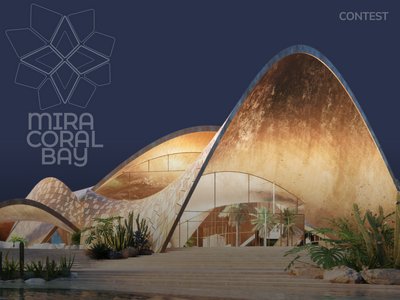
Architectural Competition: Create a Luxury Waterfront Community in the UAE!
Mira Developments announces an open competition for the pre-concept design of Mira Coral Bay in Ras Al Khaimah, UAE

Parametric Design: What Can You Learn from the 1st Workshop of Beegraphy?
Discover the Fundamentals and Advanced Techniques of Parametric Design

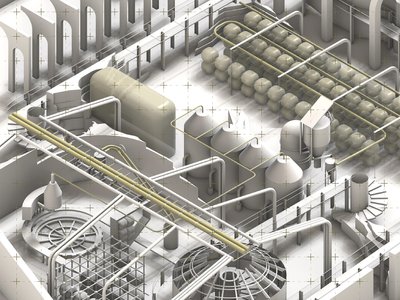
Feast of flight factory
A new ecological order with sustainable food resources-insects
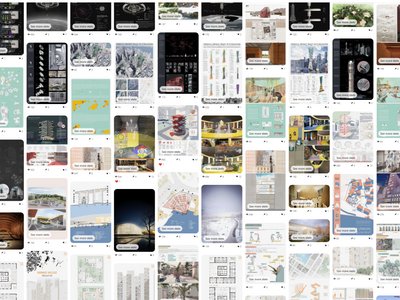
Beyond Blueprints : How Architecture Presentation Boards Define The Design Narratives?
Unveiling the Art and Strategy Behind Architectural Storytelling

Explore Architecture Competitions
Discover active competitions in this discipline




The International Standard for Design Portfolios


The Global Benchmark for Architecture Dissertation Awards


The Global Benchmark for Graduation Excellence


Challenge to reimagine the Iron Throne
Comments (0)
Please login or sign up to add comments
No comments yet. Be the first to comment!