
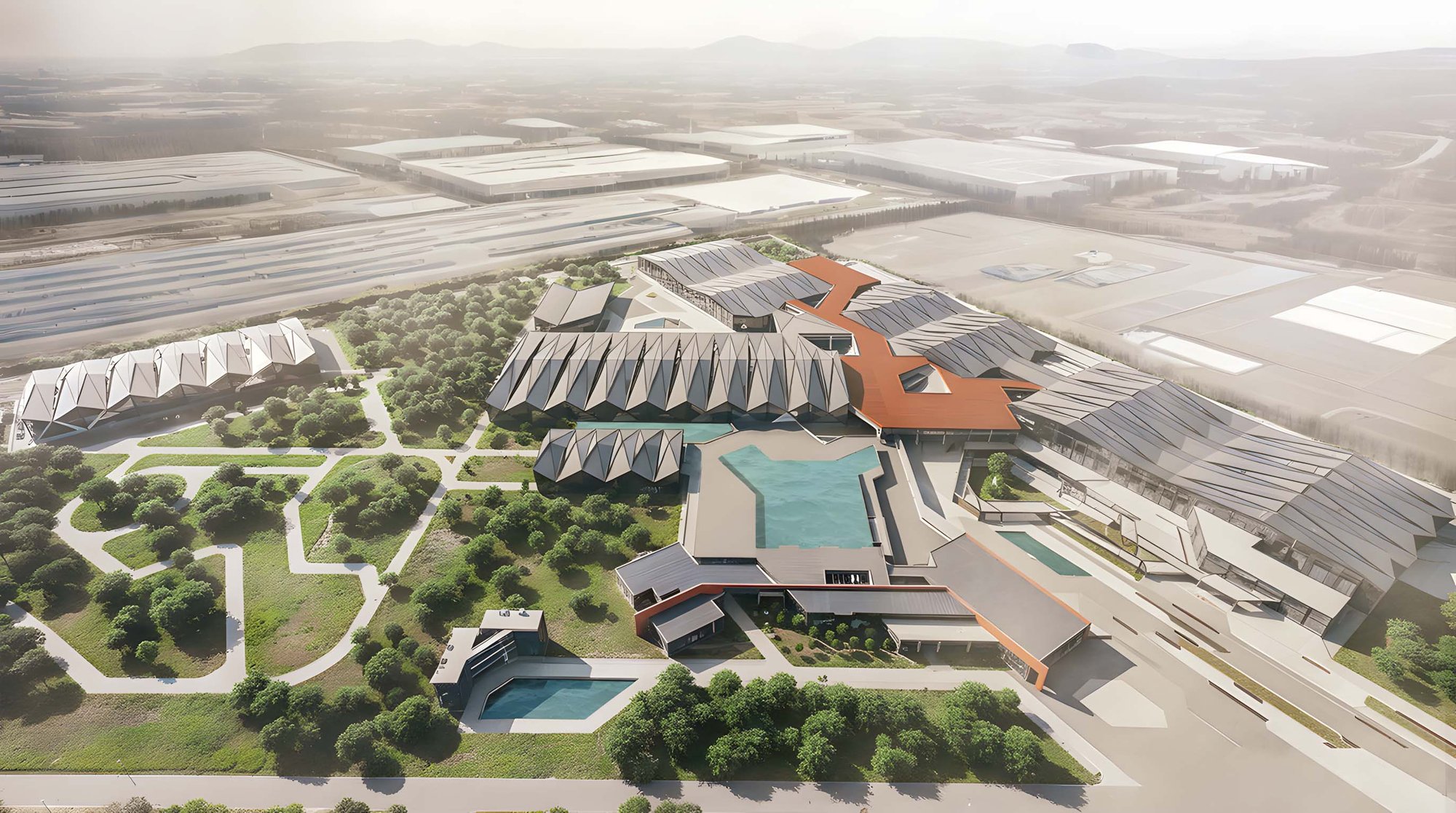
Electrifying the Drive – An EV Manufacturing Plant
Writeup for thesis project, Electrifying the Drive – An EV Manufacturing Plant

The thesis project, Electrifying the Drive – An EV Manufacturing Plant, explores the architectural possibilities of designing a next-generation automobile facility tailored for the electric vehicle (EV) industry. The proposal seeks not only to enhance productivity through optimized industrial planning but also to create a humane and worker-centric environment that supports innovation, sustainability, and well-being.
At its core, the design adopts efficient loop and circulation systems that streamline production, material handling, and workflow. The manufacturing plant is carefully zoned into four key divisions—Bodyshop, Paintshop, Battery Manufacturing, and General Assembly—ensuring a logical, uninterrupted progression of the production line. Supporting this, ancillary zones such as Warehouses, the Final Check Workshop, and R&D facilities are strategically positioned for seamless integration. A large test track within the compound further emphasizes the project’s holistic approach, enabling real-time performance evaluation of vehicles on site.
Equally significant is the project’s focus on the workforce as a driver of productivity. The design integrates breakout spaces, recreational areas, and interlinked work environments to improve morale, reduce fatigue, and foster collaboration. These worker-friendly interventions reframe the factory not as an isolated, monotonous space but as a vibrant, interconnected hub where efficiency and well-being co-exist.
Sustainability is embedded through the incorporation of Circular Economy principles, minimizing resource wastage by promoting reuse and recycling within the production process. From material flow to spatial allocation, zones are meticulously arranged to ensure this closed-loop system functions effectively, reducing the environmental footprint of the facility.



Popular Articles
Popular articles from the community

Atelier Macri Concept Store Interior Design by CASE-REAL
Atelier Macri store features a "ko" counter, walnut wood details, cork displays, blending retail, gallery, and seamless customer experiences.
Gads Hill Early Learning Center by JGMA: Adaptive Reuse Shaping Community-Focused Educational Architecture
Adaptive reuse transforms fragmented structure into vibrant early learning center with playful façade, natural light, and community-focused sustainable design.
Fifth NRE Jazz Club – De Bever Architecten: Eindhoven’s Revitalized Cultural Hub
Historic gas factory transformed into Fifth NRE Jazz Club blending modern sustainability, jazz culture, dining, and heritage architecture seamlessly.



Similar Reads
You might also enjoy these articles


Open letter to community of UNI
A set of important news for our existing participants and community of UNI worldwide.
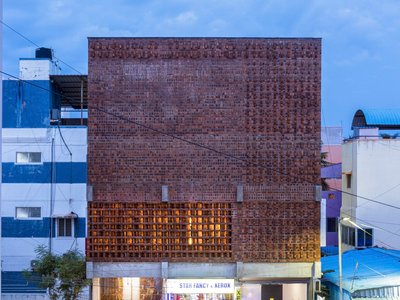
Agam House by Mawi Design: A Climate-Responsive Sustainable Residence in Chennai
Climate-responsive Chennai home using passive cooling, layered spaces, heritage elements, and natural materials to create a sustainable, wellness-focused living environment.
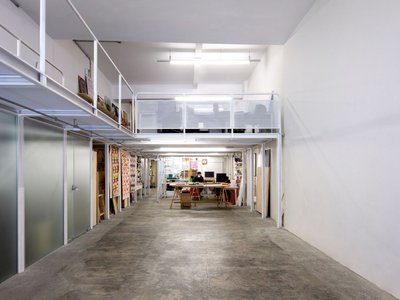
Adaptive Reuse Workspace Design: The Common Shed by GOAA and Goma Oficina Colaborativa
Adaptive reuse workspace in Brazil featuring mezzanine design, flexible layouts, collaborative zones, and urban integration fostering creativity, research, and community engagement.
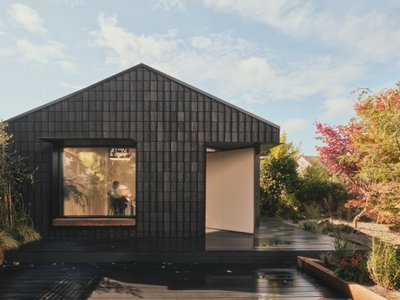
Dark Matter Home Studio by Hyperspace: A Sustainable Garden Studio Rooted in Nature and Circular Design
Sustainable garden studio with charred timber façade, adaptive reuse structure, biophilic interiors, and low-carbon design promoting flexible, nature-connected workspace living.


Explore Architecture Competitions
Discover active competitions in this discipline




The International Standard for Design Portfolios


The Global Benchmark for Architecture Dissertation Awards


The Global Benchmark for Graduation Excellence


Challenge to reimagine the Iron Throne
Comments (0)
Please login or sign up to add comments
No comments yet. Be the first to comment!