
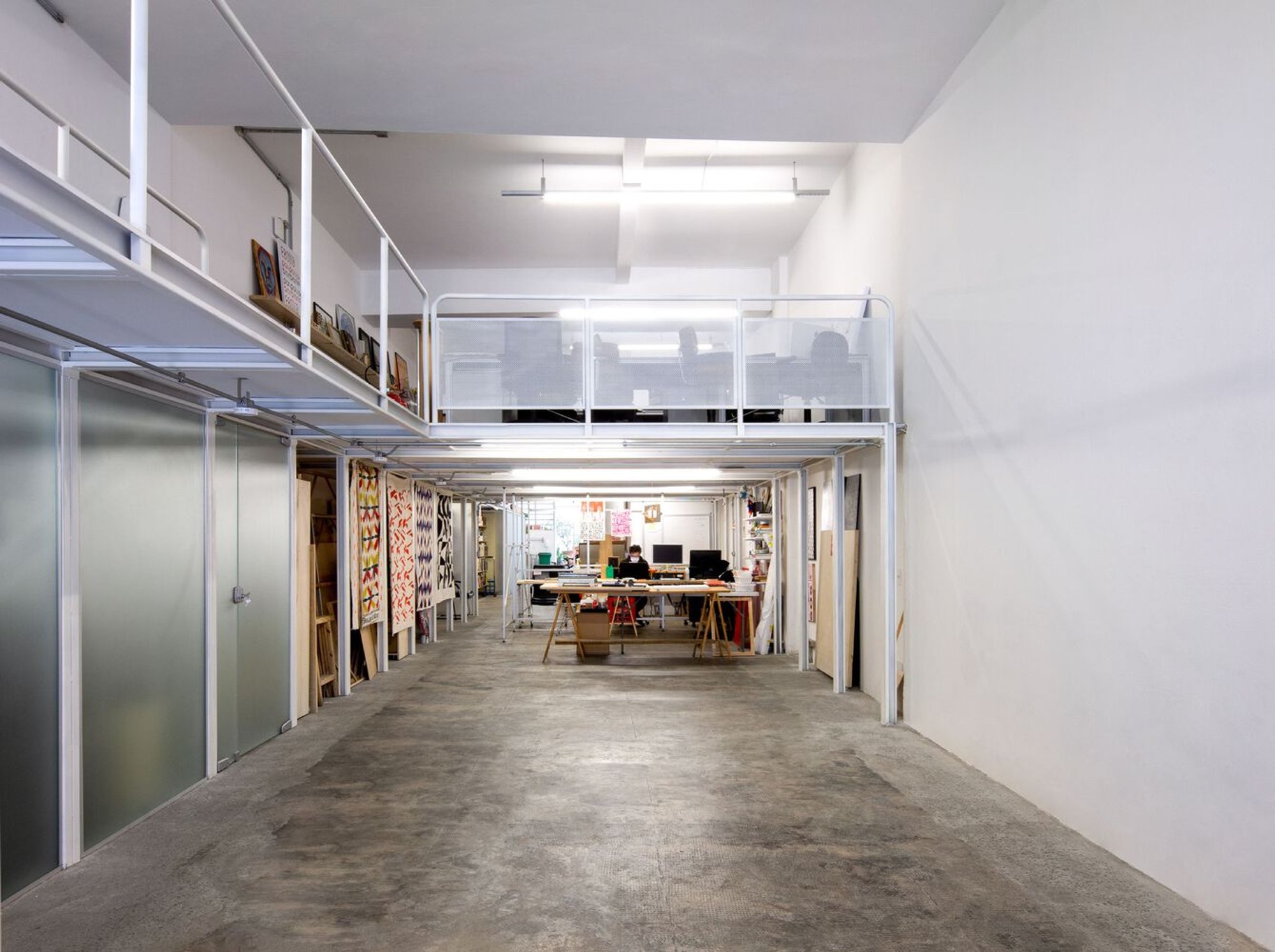
Adaptive Reuse Workspace Design: The Common Shed by GOAA and Goma Oficina Colaborativa
Adaptive reuse workspace in Brazil featuring mezzanine design, flexible layouts, collaborative zones, and urban integration fostering creativity, research, and community engagement.

The Common Shed project by GOAA, Gusmão Otero Arquitetos Associados in collaboration with Goma Oficina Colaborativa represents a compelling example of adaptive reuse architecture, transforming a former commercial complex into a vibrant multifunctional workspace in Brazil. Located on the ground floor of a residential building in the Santa Cecília neighborhood, this project redefines how urban workspaces can foster collaboration, research, and community engagement within dense city environments.
A Flexible Space for Collective and Individual Activities
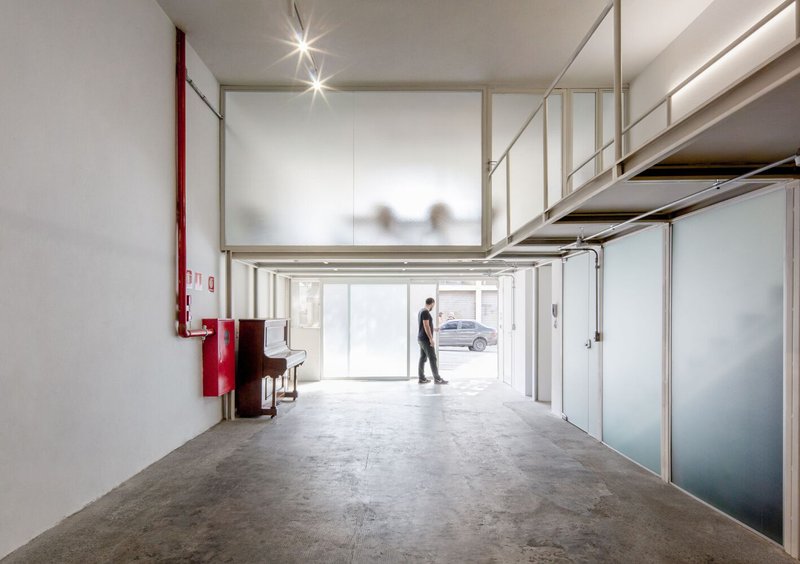
Designed as “Galpão Comum,” the space supports a wide range of programs centered on the study of the city and Latin American territory. The architectural strategy focuses on flexibility and spatial diversity, accommodating both individual workstations and collective activities. Open-plan work areas, enclosed meeting rooms, and informal gathering zones coexist seamlessly, allowing users to transition between focused work and collaborative discussions.
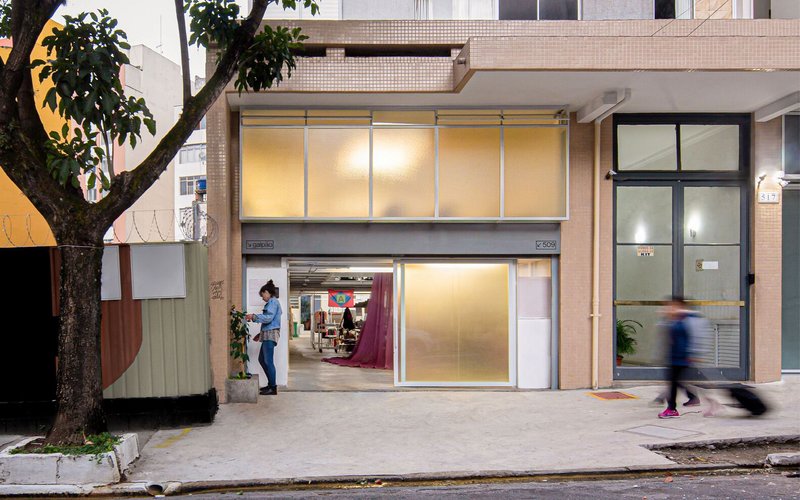
A commercial frontage activates the street interface, enhancing urban connectivity and creating a dynamic relationship between the interior workspace and the surrounding neighborhood. This integration strengthens the role of architecture in promoting public engagement and urban vitality.
Mezzanine Design Maximizing Vertical Space
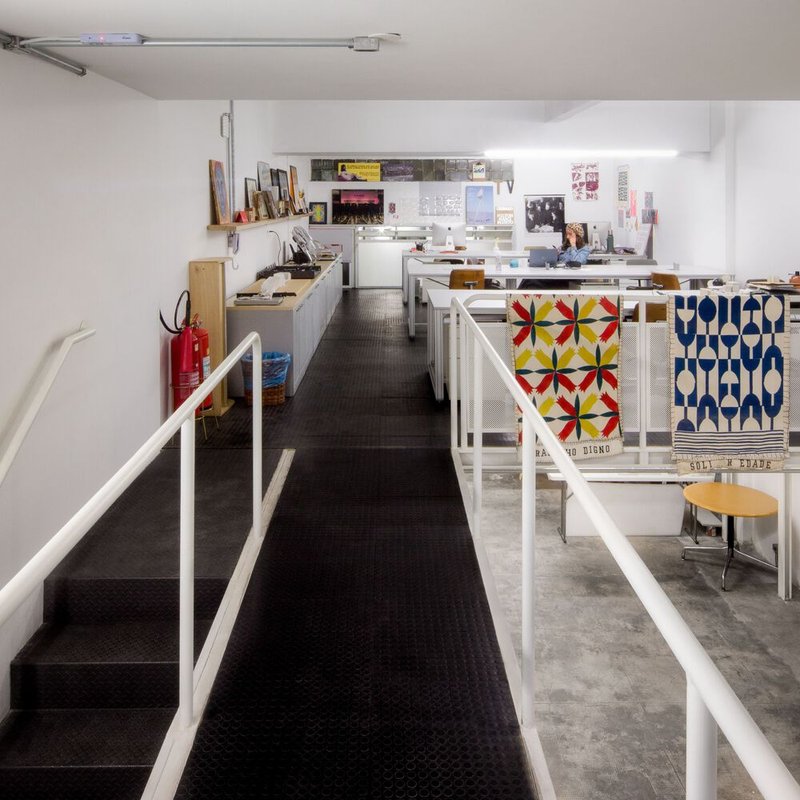
One of the defining features of the Common Shed is the introduction of a mezzanine level, which takes advantage of the generous ceiling height. This intervention effectively multiplies usable space without altering the building’s structural foundation.
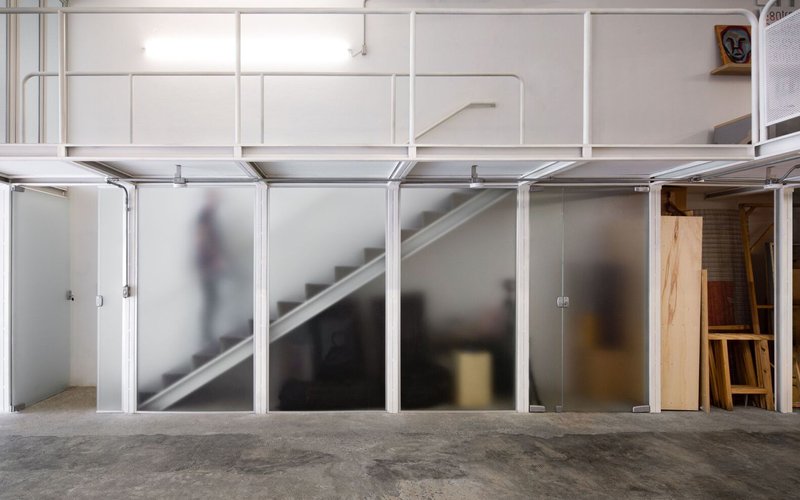
The ground floor is dedicated to more social and collective functions, including a commercial area, shared pantry, and access to an outdoor courtyard. In contrast, the upper level accommodates quieter, more private uses such as shared desks and enclosed meeting rooms, ensuring a clear spatial hierarchy between public and private zones.
Spatial Experience Through Compression and Expansion
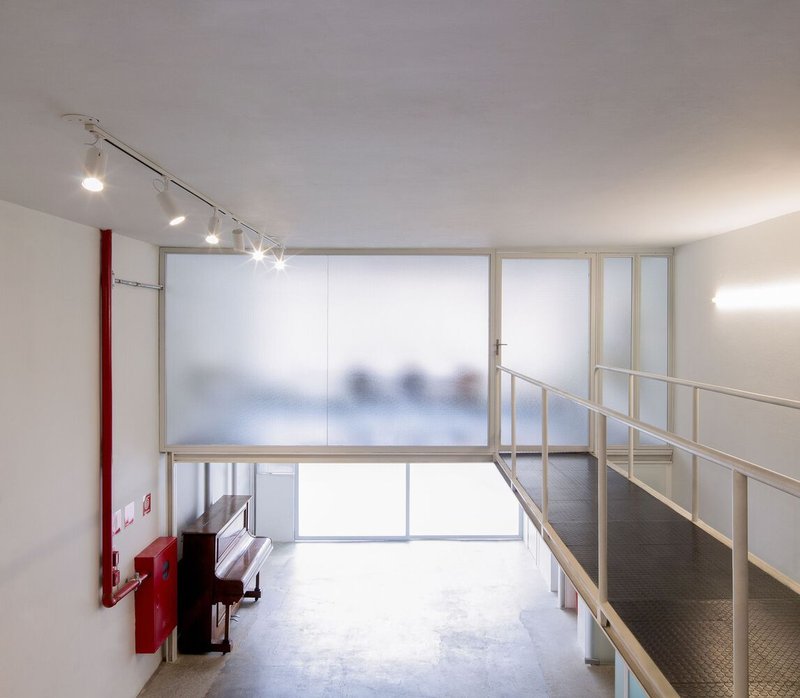
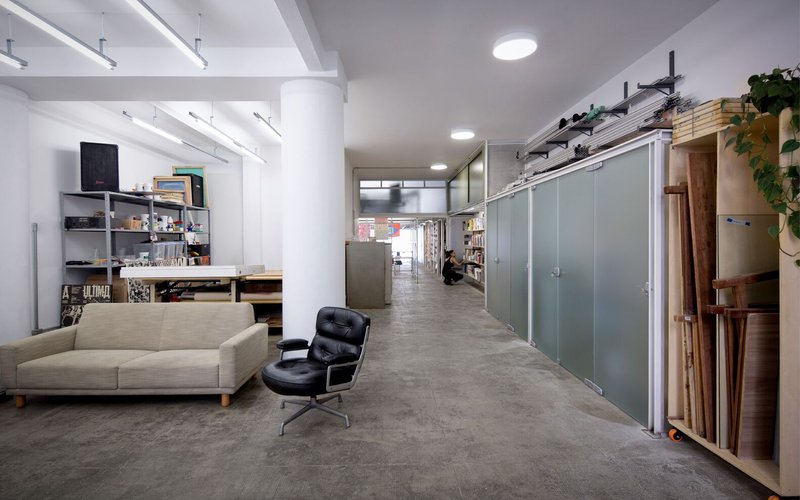
The interior circulation is carefully choreographed through alternating zones of compressed and expanded spaces. Lower ceiling areas beneath the mezzanine create intimate environments, while double-height spaces provide openness for debates, exhibitions, and large-scale interactions.
Balconies along the mezzanine overlook these expansive areas, visually connecting different levels and enhancing the sense of community. This interplay of volumes contributes to a dynamic spatial experience, reinforcing the project’s identity as a collaborative architectural environment.
Lightweight Construction and Efficient Structural Strategy
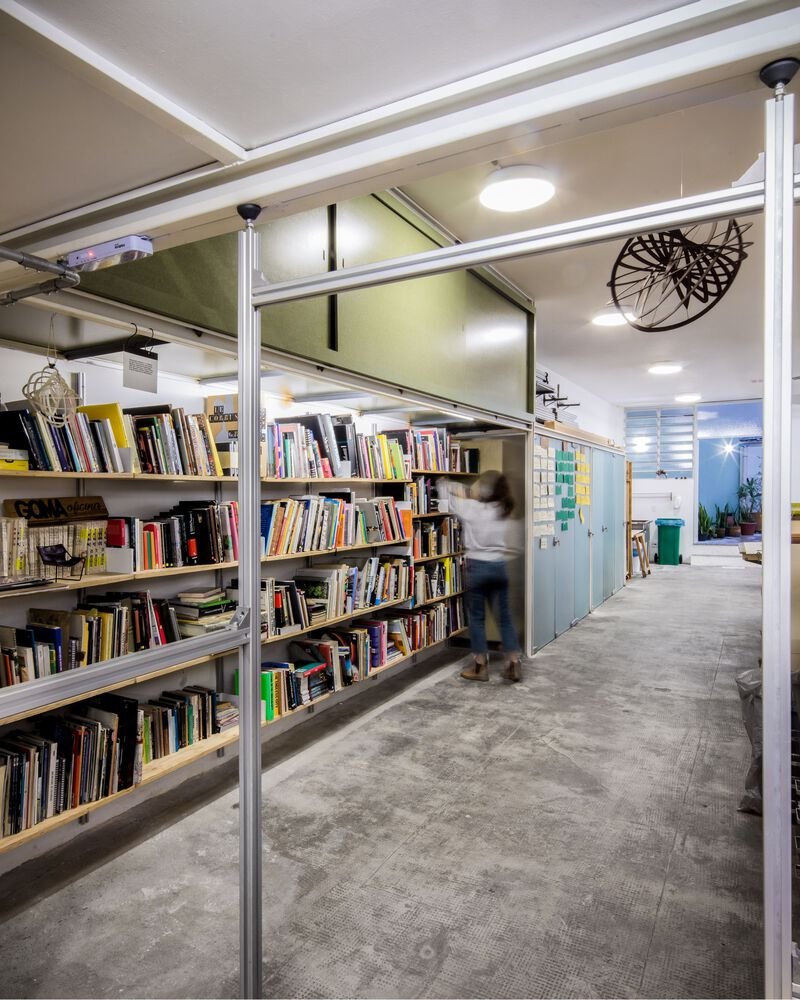
The project employs a lightweight metallic structure, typical of commercial mezzanines, to minimize structural impact and avoid reinforcing the existing foundation. This efficient construction approach not only reduces costs but also maximizes the vertical potential of the space.
The material strategy reflects a pragmatic yet refined architectural language, aligning with contemporary trends in sustainable renovation and industrial aesthetics.
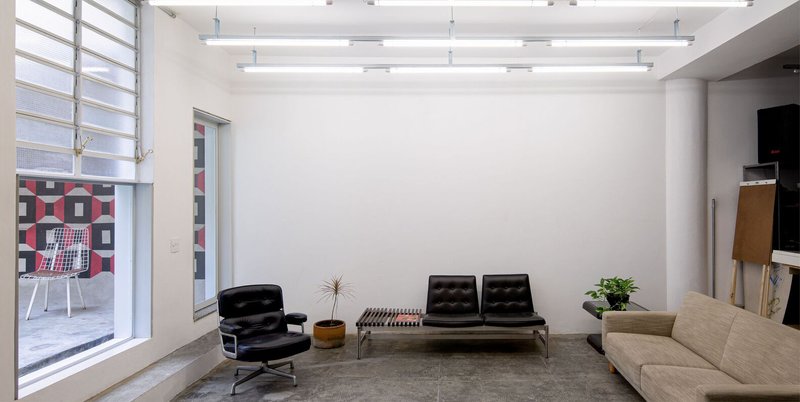
Indoor-Outdoor Integration and Social Interaction
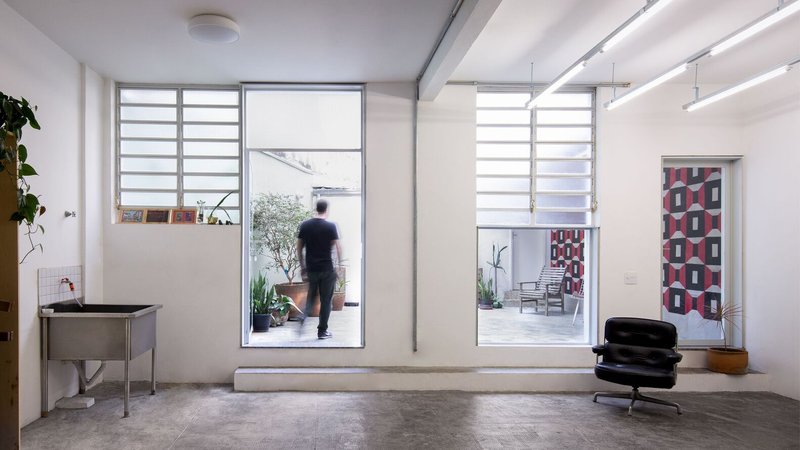
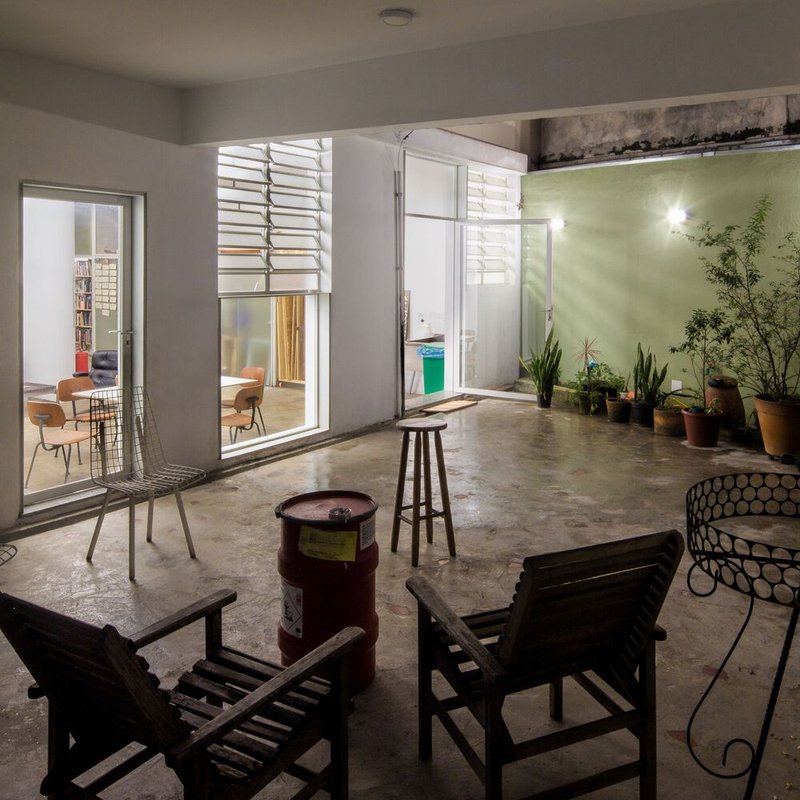
An outdoor courtyard at the rear complements the interior spaces, offering areas for relaxation and informal interaction. This connection between indoor and outdoor environments enhances user comfort and promotes well-being in workplace design.
The integration of shared amenities, such as the collective pantry, further supports social exchange, making the Common Shed more than just an office, it becomes a community-driven hub.
A Model for Contemporary Collaborative Workspaces
The Common Shed exemplifies how adaptive reuse, flexible design, and lightweight construction can transform underutilized spaces into thriving collaborative environments. By balancing openness with privacy and integrating urban engagement with functional design, the project sets a benchmark for modern workspace architecture in Latin America.
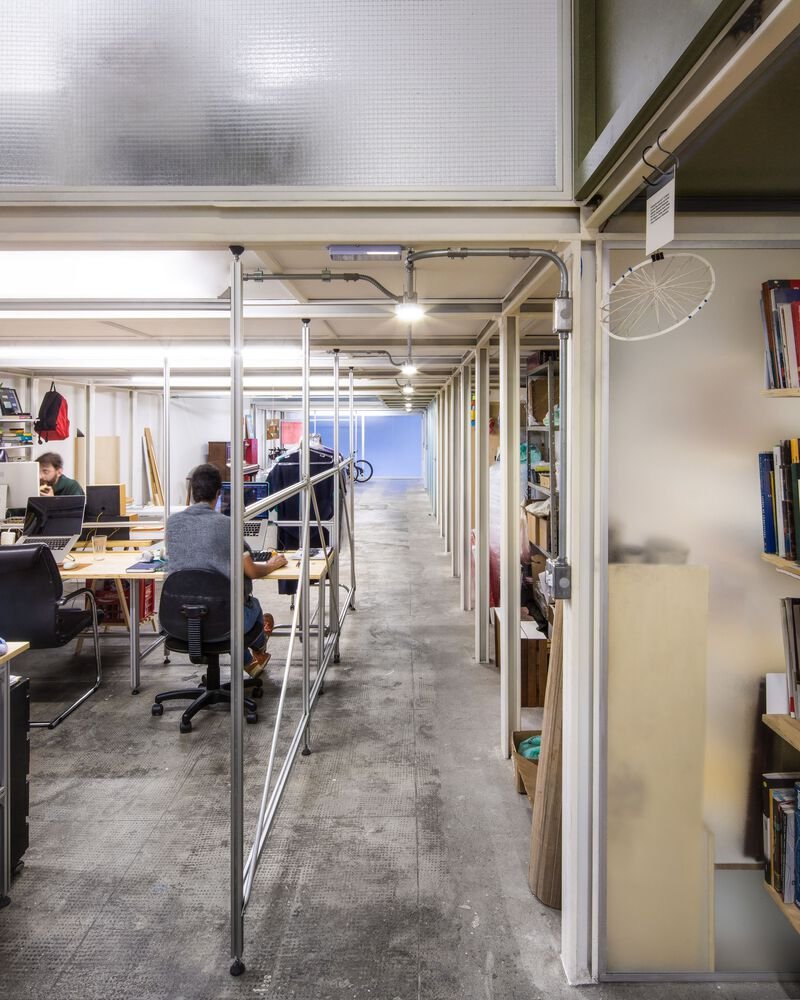
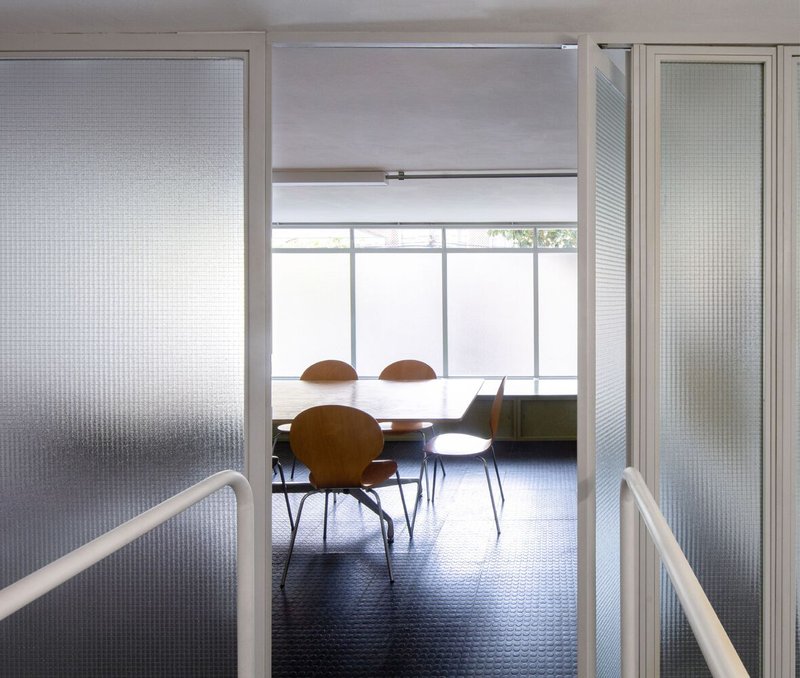
All photographs are works of
Paula Monroy




Popular Articles
Popular articles from the community

BAUEN Builds Two Rammed Earth Volumes in Paraguay Inspired by the Ovenbird's Nest
In San Bernardino, a house of compacted earth channels the instinct of a constructive bird to shelter life from the Paraguayan summer.
Constanti Architects Builds a Fortress of Privacy in Nicosia with House 345
A concrete and timber residence in Cyprus reinterprets the traditional introverted courtyard house for a new urban landscape.
gru.a Builds a 70 m² Timber Shelter That Opens Like a Farm Door in Brazil's Valley of the Vines
In the mountainous region near Rio de Janeiro, a compact retreat uses plywood panels and deep eaves to blur the line between inside and out.
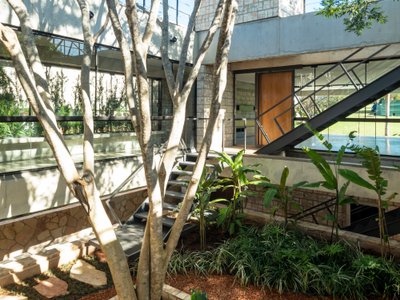
OMCM arquitectos Builds a Summer House in Paraguay from Quarry Waste Blocks and Three Sacred Trees
In the young hillside neighborhood of Altos, a 696-square-meter concrete volume hovers on six pillars around three preserved native Yvyraju trees.


Similar Reads
You might also enjoy these articles
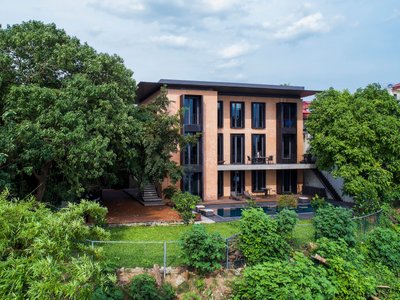
D and P Associates Build a Pi-Shaped House of Rammed Earth Memory on Vietnam's Red River
A 640-square-metre residence in Ngoc Thuy channels the pisé wall traditions of Vietnam's northern highlands into a riverfront family home.
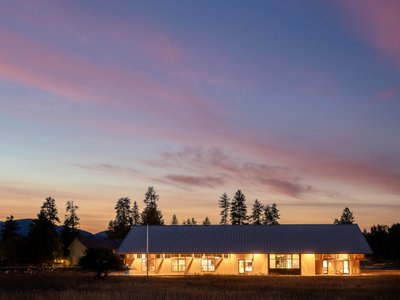
Johnston Architects Reimagines the Methow Valley Hay Barn as a Small-Town Library in Winthrop
A 7,300-square-foot timber library channels the region's agrarian vernacular to serve a rural Washington community of 400 year-round residents.
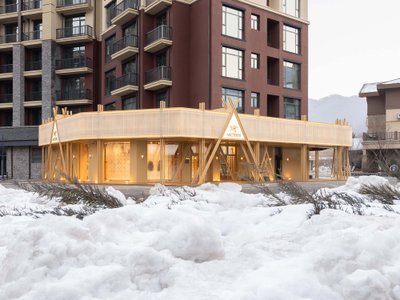
STILL YOUNG Builds a Glowing Campfire in the Snow for ARC'TERYX at a Chinese Ski Resort
A timber-framed pavilion at Beidahu Ski Resort in Jilin wraps warmth and glacier-like resin around outdoor retail.
gru.a Builds a 70 m² Timber Shelter That Opens Like a Farm Door in Brazil's Valley of the Vines
In the mountainous region near Rio de Janeiro, a compact retreat uses plywood panels and deep eaves to blur the line between inside and out.


Explore Architecture Competitions
Discover active competitions in this discipline




The International Standard for Design Portfolios


The Global Benchmark for Architecture Dissertation Awards


The Global Benchmark for Graduation Excellence


Challenge to reimagine the Iron Throne
Comments (0)
Please login or sign up to add comments
No comments yet. Be the first to comment!