
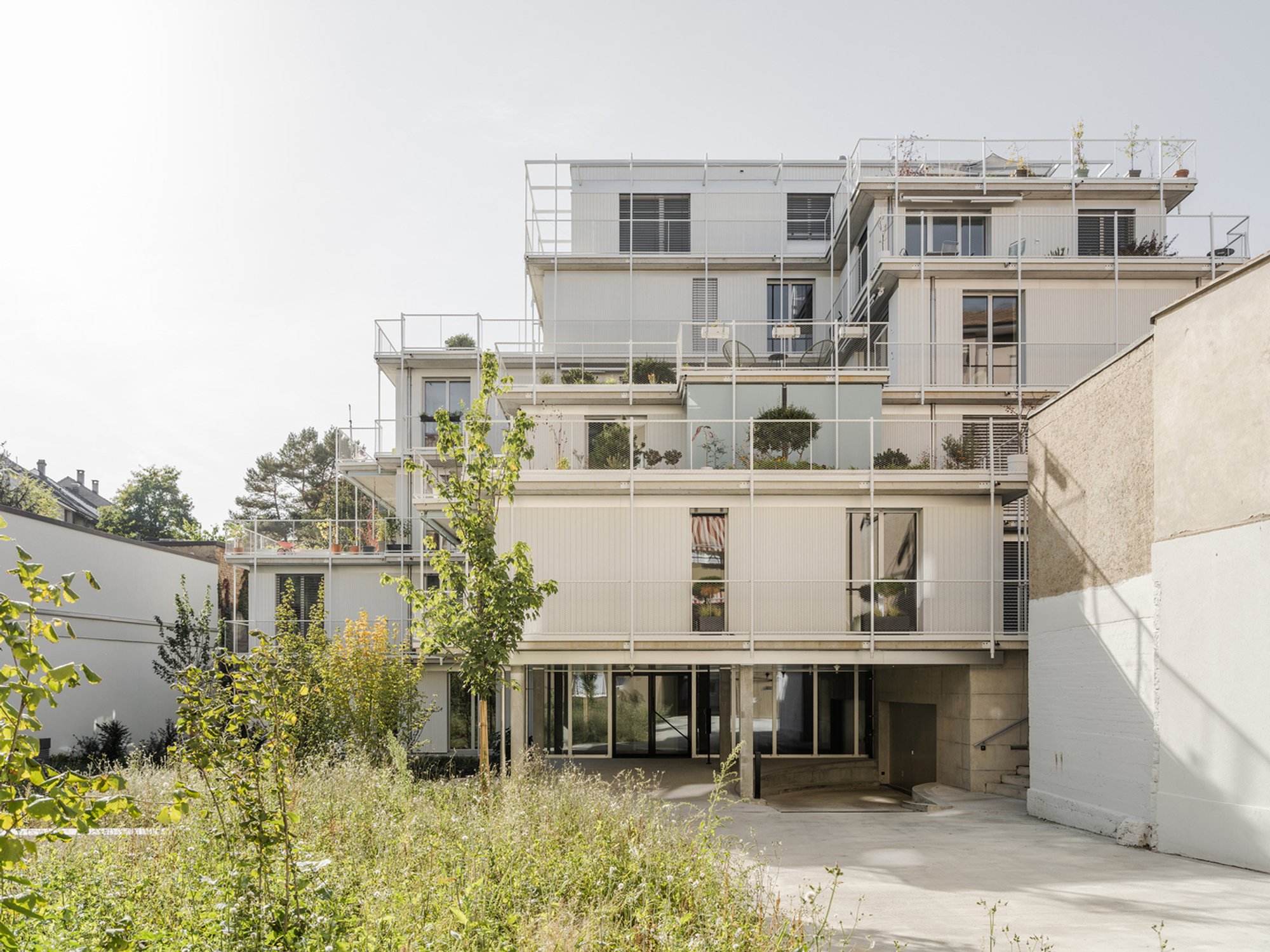
Exploring Innovative Urban Apartment Architecture: The Landskronhof Apartments by HHF Architects
The article explores the innovative design and sustainable features of the Landskronhof Apartments in Basel by HHF Architects.

Located in the heart of Basel, Switzerland, the Landskronhof Apartments stand as a testament to innovative urban apartment architecture. Developed by HHF Architects, this residential project showcases how underutilized spaces within city blocks can be transformed into vibrant living areas. Completed in 2022, the project spans an area of 1540 m² and features a unique design that optimizes space, light, and interaction with the urban environment.
Architectural Vision and Design
Transforming Urban Spaces
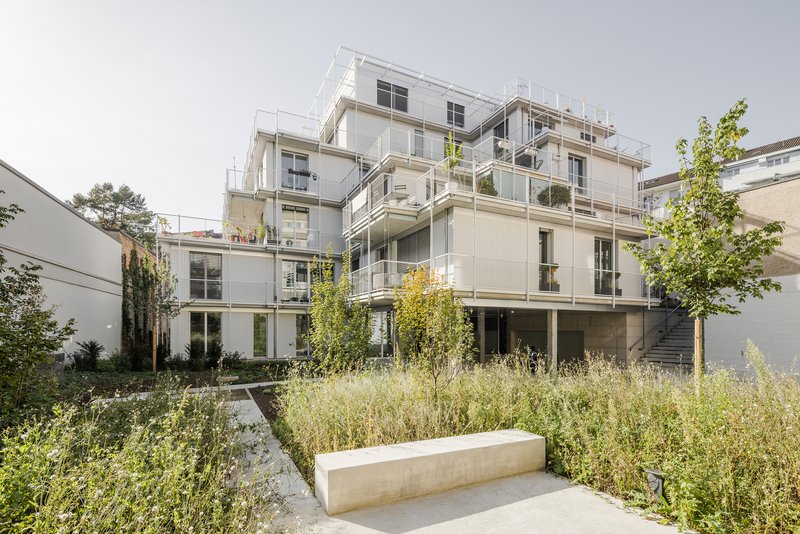
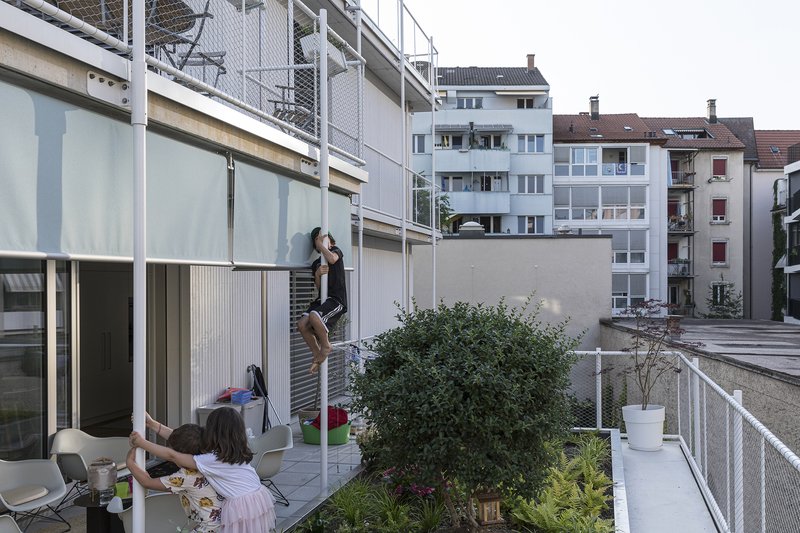
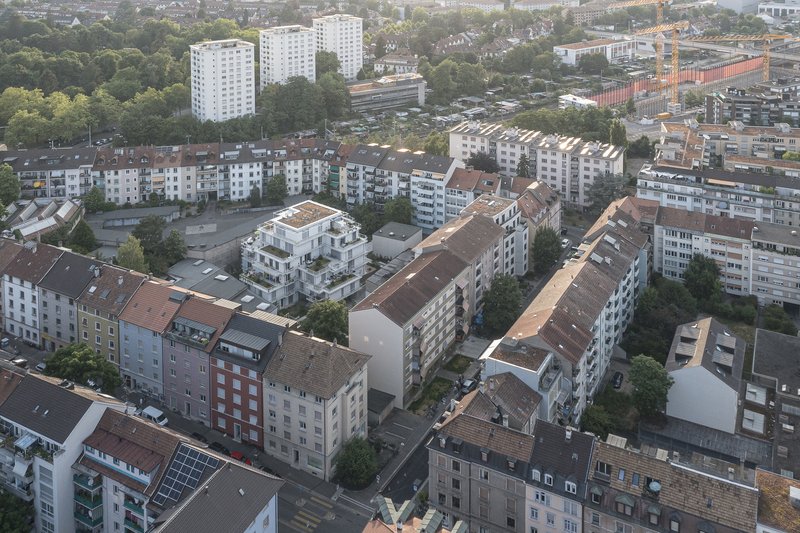
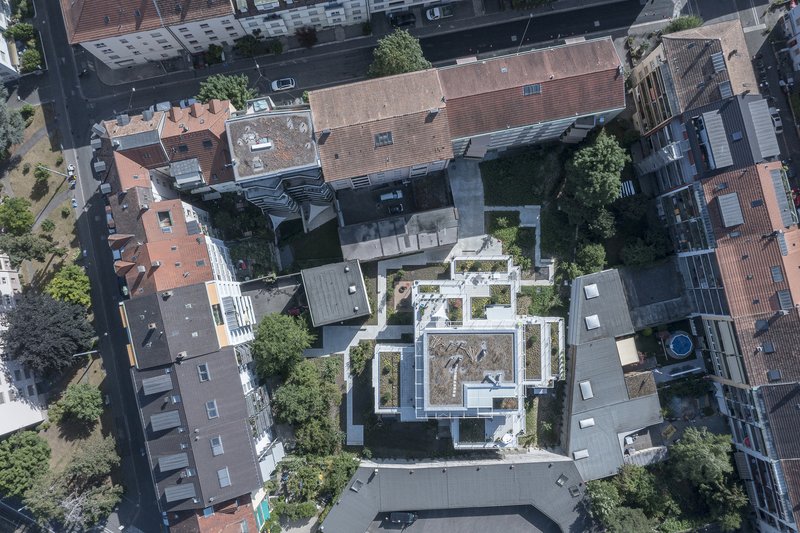
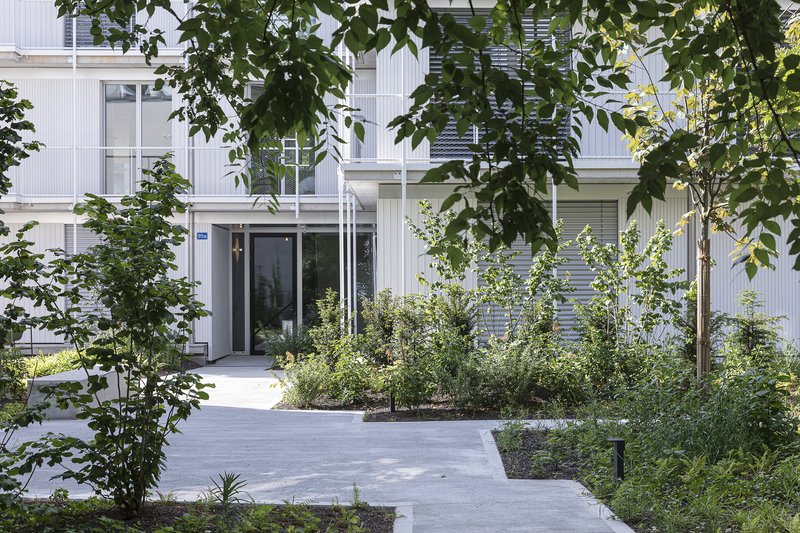
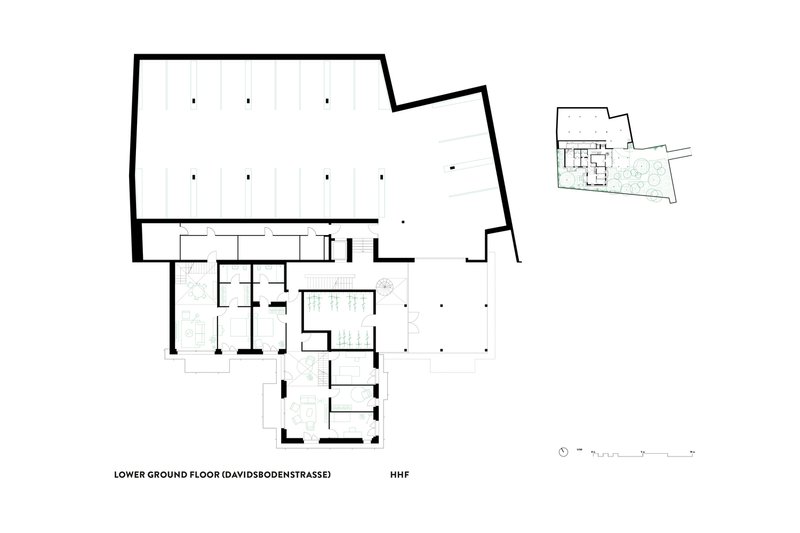
The Landskronhof Apartments were born from a vision to reclaim and revitalize leftover spaces in Basel's urban landscape. The architects at HHF utilized the square meters of three previously disjointed parcels to create a cohesive block that integrates 15 distinct apartments with lush garden spaces. This approach not only demonstrates the potential for urban densification but also enhances the quality of life for residents by providing a serene, green retreat amidst the bustling city.
Innovative Design Solutions
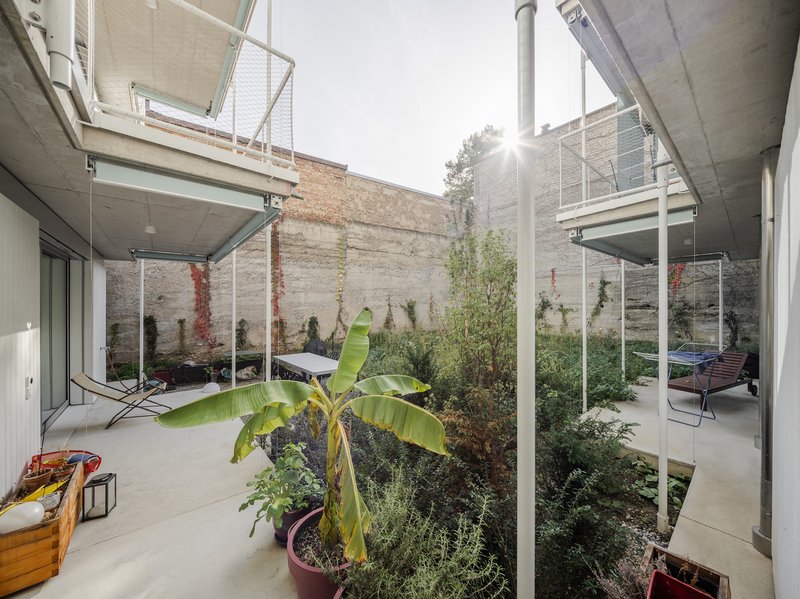
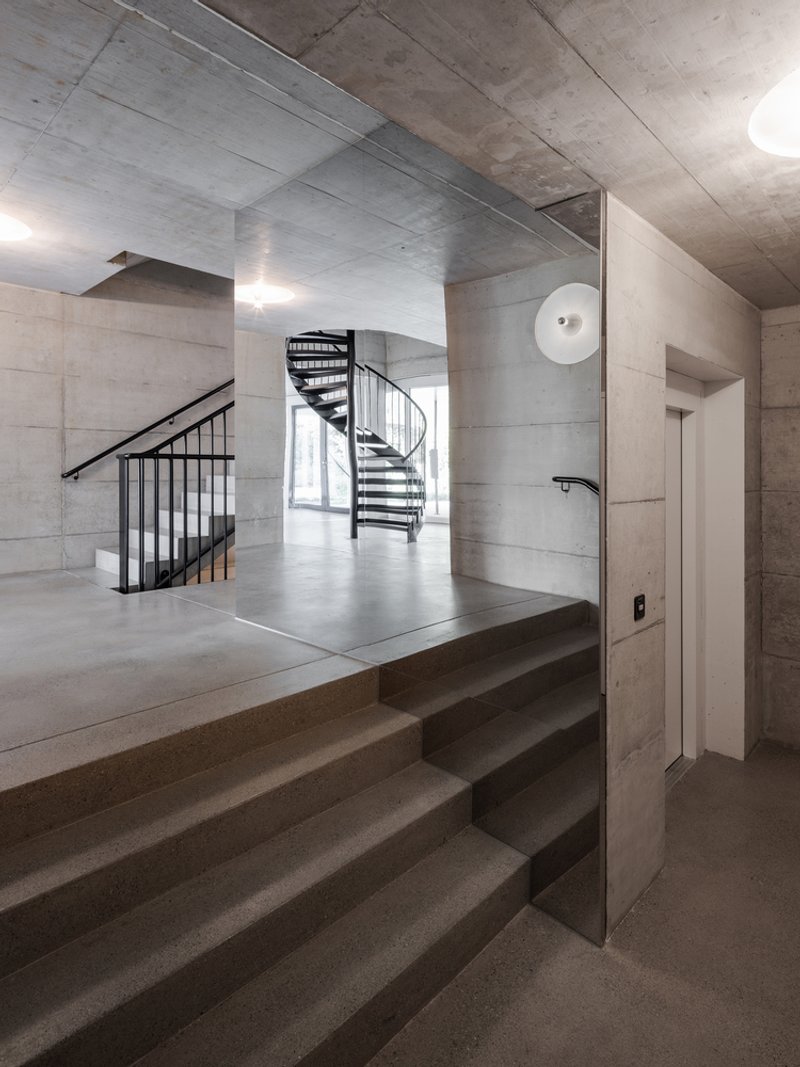
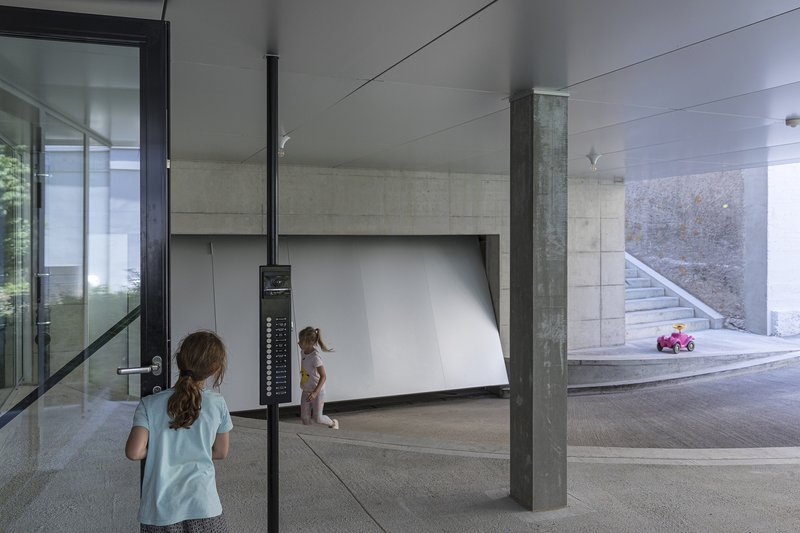
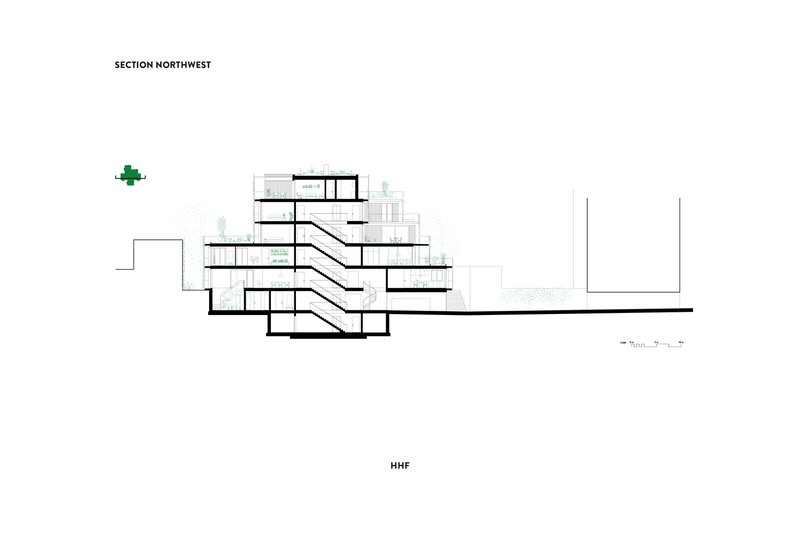
The architectural design of Landskronhof Apartments addresses the challenges posed by its urban setting. A cross-shaped structure maximizes sunlight and privacy while fostering a sense of community among residents. The design includes a series of private and semi-public courtyards that bridge the different topographic levels of the site, creating dynamic spaces that encourage interaction and provide intimate retreats.
Sustainable Features and Living Spaces
Eco-Friendly Building Materials
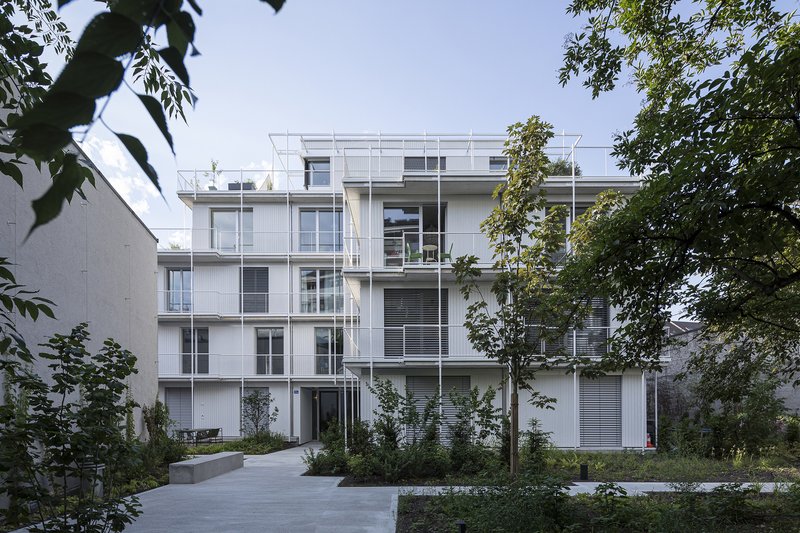
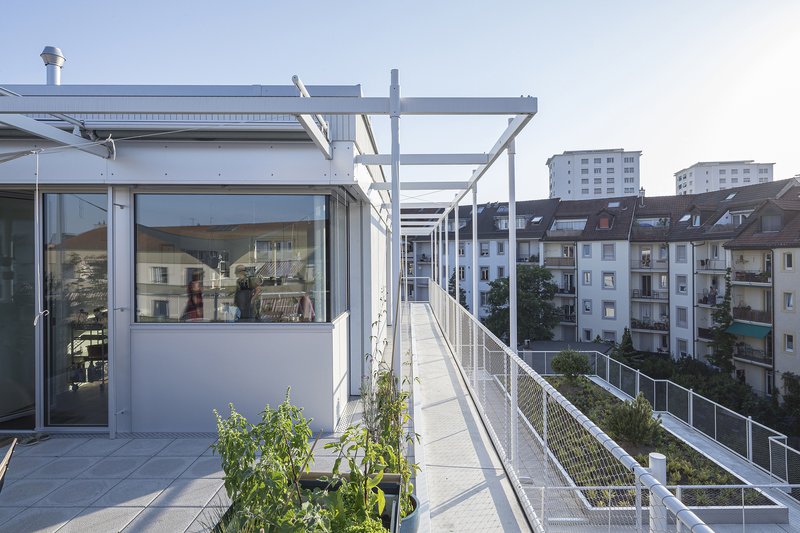
Sustainability is at the core of the Landskronhof Apartments. The project features a white-painted spruce facade that not only enhances the aesthetic appeal but also contributes to the building's energy efficiency. Manufacturers like KEIM and Zumtobel have supplied eco-friendly materials that reduce the environmental impact of the building.
Diverse Apartment Layouts
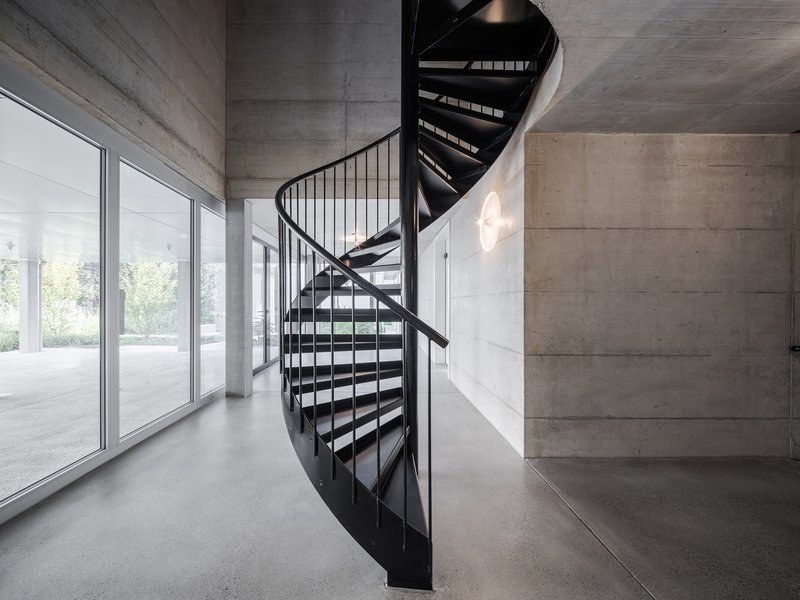
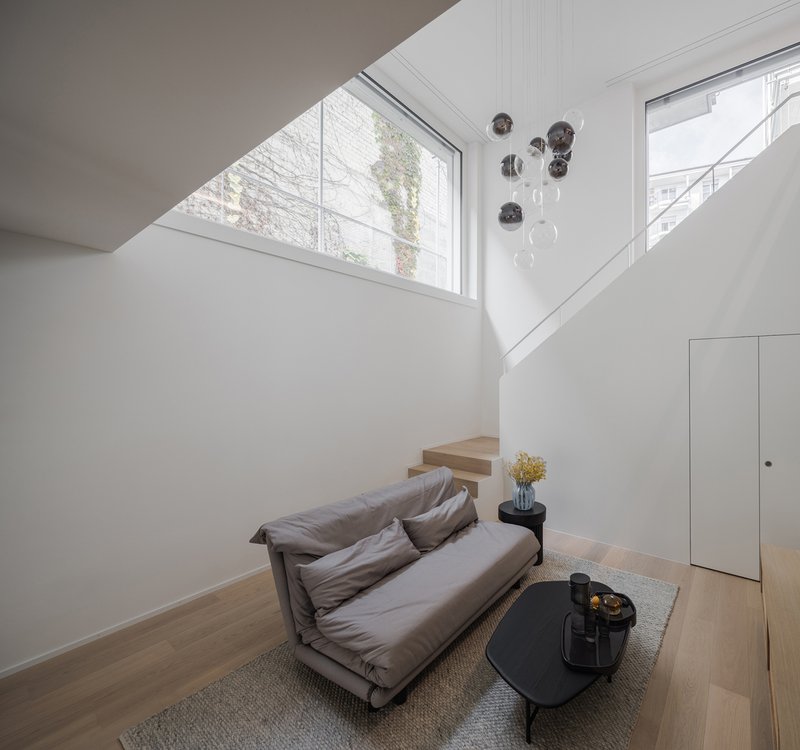
The Landskronhof Apartments offer a variety of apartment types, ranging from 2.5 to 5.5 room configurations, including several maisonette options. Living areas vary from 52 to 151 m2, catering to diverse needs and preferences. The thoughtful layout ensures that each apartment enjoys ample natural light and views of the surrounding gardens.
Integration with Nature
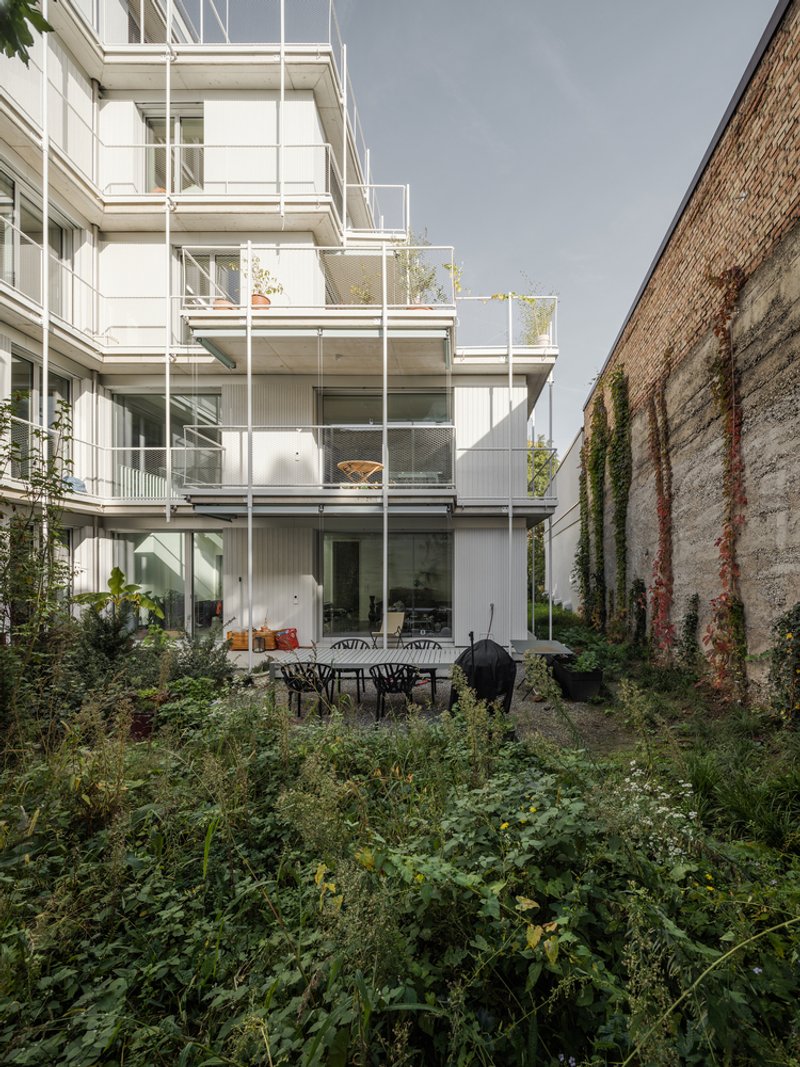
One of the most striking features of the Landskronhof Apartments is the integration of green spaces into the urban fabric. Each apartment boasts terraces offering up to 40 m2 of gardening space, blurring the lines between indoor and outdoor living. The addition of plants and vines climbing the surrounding structures invites nature into the urban setting, enhancing the living experience for residents and contributing to the biodiversity of the area.
The Landskronhof Apartments by HHF Architects are a prime example of how urban apartment architecture can transform the way we think about living in cities. By effectively utilizing underused spaces and integrating sustainable practices and materials, HHF Architects have created a blueprint for future developments in urban areas. This project not only enhances the architectural landscape of Basel but also provides a sustainable, community-focused living environment for its residents.
By focusing on the keyword "urban apartment architecture," this article addresses relevant themes and provides detailed insights into the project, which can help improve its visibility and ranking in search results related to modern urban living solutions.
All photographs are work of Maris Mezulis, Laurian Ghinitoiu



Popular Articles
Popular articles from the community

Free Architecture Competitions You Can Enter Right Now
No entry fees, real prizes. Here are the best free architecture competitions open for submissions in 2026.



Solar Steam: A Climate-Responsive Architecture That Redefines the Monument
A climate-responsive memorial architecture that transforms heat, decay, and time into a living system reflecting humanity’s ecological impact.
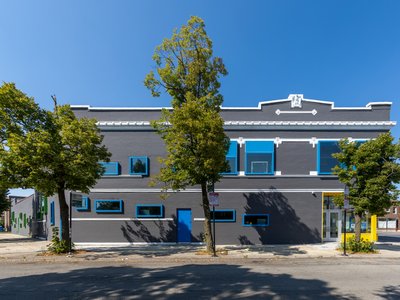
Gads Hill Early Learning Center by JGMA: Adaptive Reuse Shaping Community-Focused Educational Architecture
Adaptive reuse transforms fragmented structure into vibrant early learning center with playful façade, natural light, and community-focused sustainable design.


Similar Reads
You might also enjoy these articles


The Ken Roberts Memorial Delineation Competition (Krob)
As the most senior architectural drawing competition currently in operation anywhere in the world, it draws hundreds of entries each year, awarding the very best submissions in a series of medium-based categories.
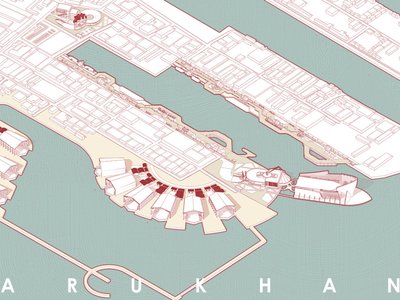
Waterfront Redevelopment and Urban Revitalization in Mumbai: Forging a New Dawn for Darukhana
A transformative waterfront redevelopment project reimagining Darukhana’s shipbreaking heritage into an inclusive urban future.
OUT-OF-MAP: A Call for Postcards on Feminist Narratives of Public Space
Rhizoma Design and Research Lab invites artists, designers, architects, researchers, and students to reflect on how feminist perspectives can reshape public space. Selected works will be exhibited in Barcelona, October 2026. Submissions open until 15 April 2026.

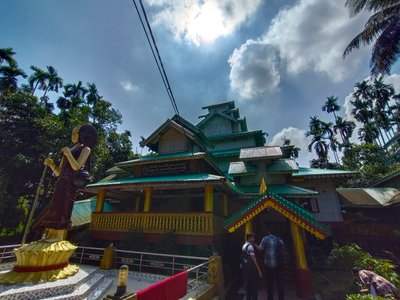
Documentation Work on Buddhist Wooden Temple
Architectural syncretism and cultural hybridity: A comparative study of the Buddhist temples in Chattogram Hill tracks
Explore Architecture Competitions
Discover active competitions in this discipline




The International Standard for Design Portfolios


The Global Benchmark for Architecture Dissertation Awards


The Global Benchmark for Graduation Excellence

Challenge to design mud housing for contemporary communities
Comments (0)
Please login or sign up to add comments
No comments yet. Be the first to comment!