
Fonte da Prata Community Center by PROMONTORIO: A Sustainable and Inclusive Architectural Transformation
A sustainable community center in Portugal, revitalizing historic architecture with adaptive reuse, modular design, and social impact-focused urban regeneration.


Revitalizing a Community Through Thoughtful Design
Located in Alhos Vedros, Portugal, just 40 km south of Lisbon, the Fonte da Prata Community Center is a transformative project designed by PROMONTORIO Architects. This community-focused development is part of the Santa Rafaela Maria Foundation, a charitable organization dedicated to social welfare, education, and family support. The center provides essential services, including education support, child protection, economic assistance, and immigrant integration, making it a crucial hub for the local community.
Historical Context and Architectural Vision
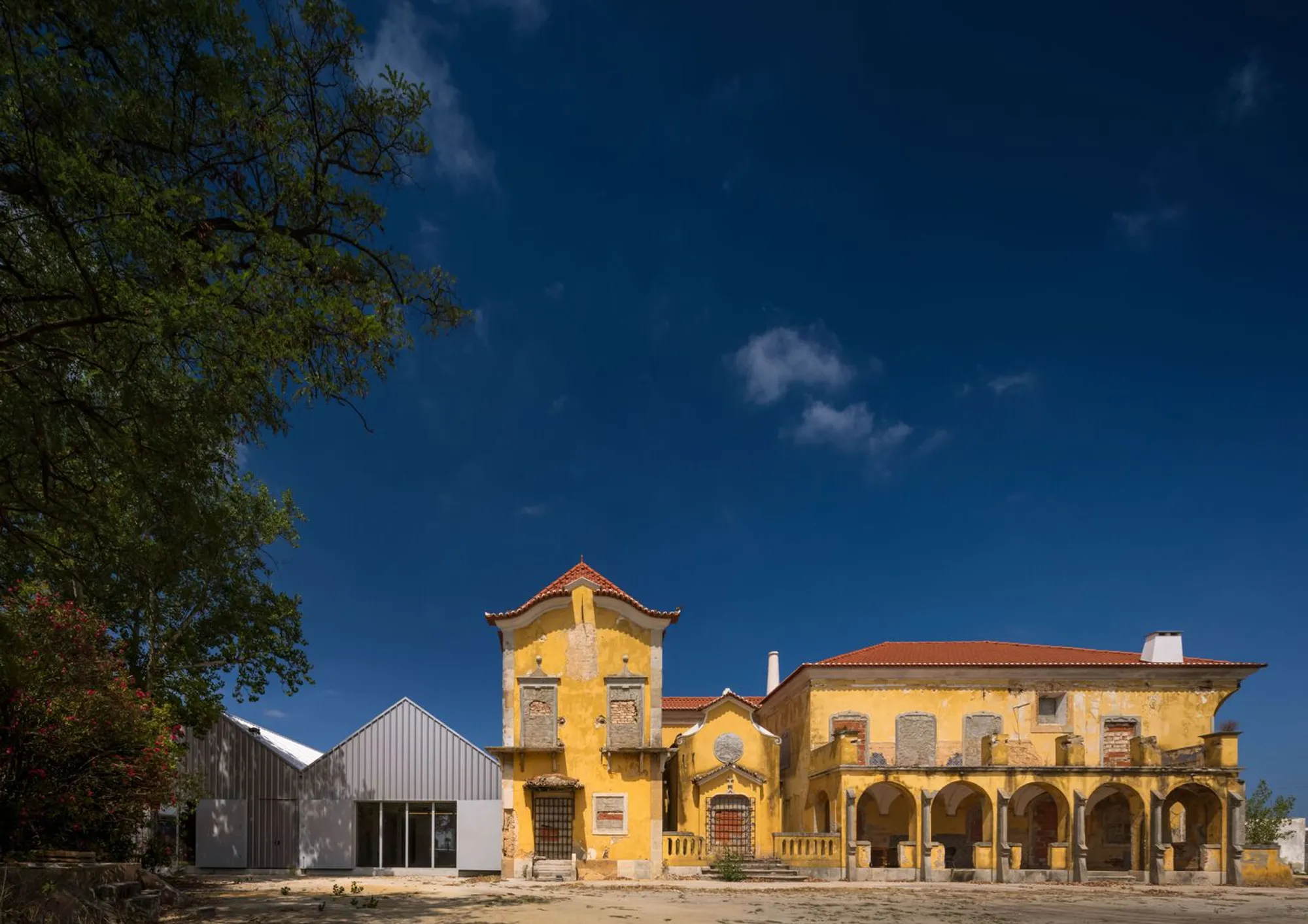
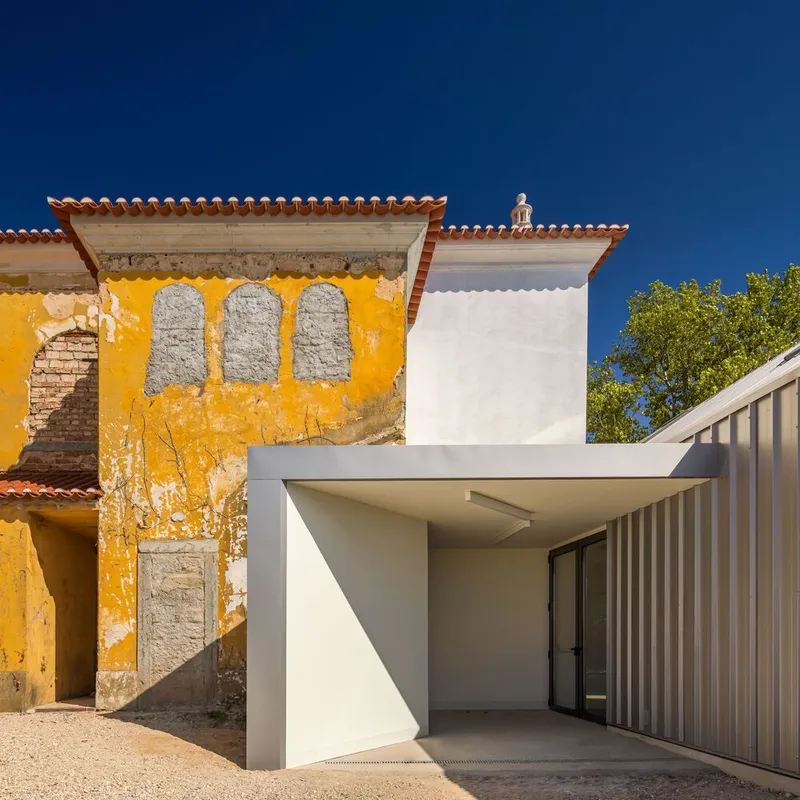
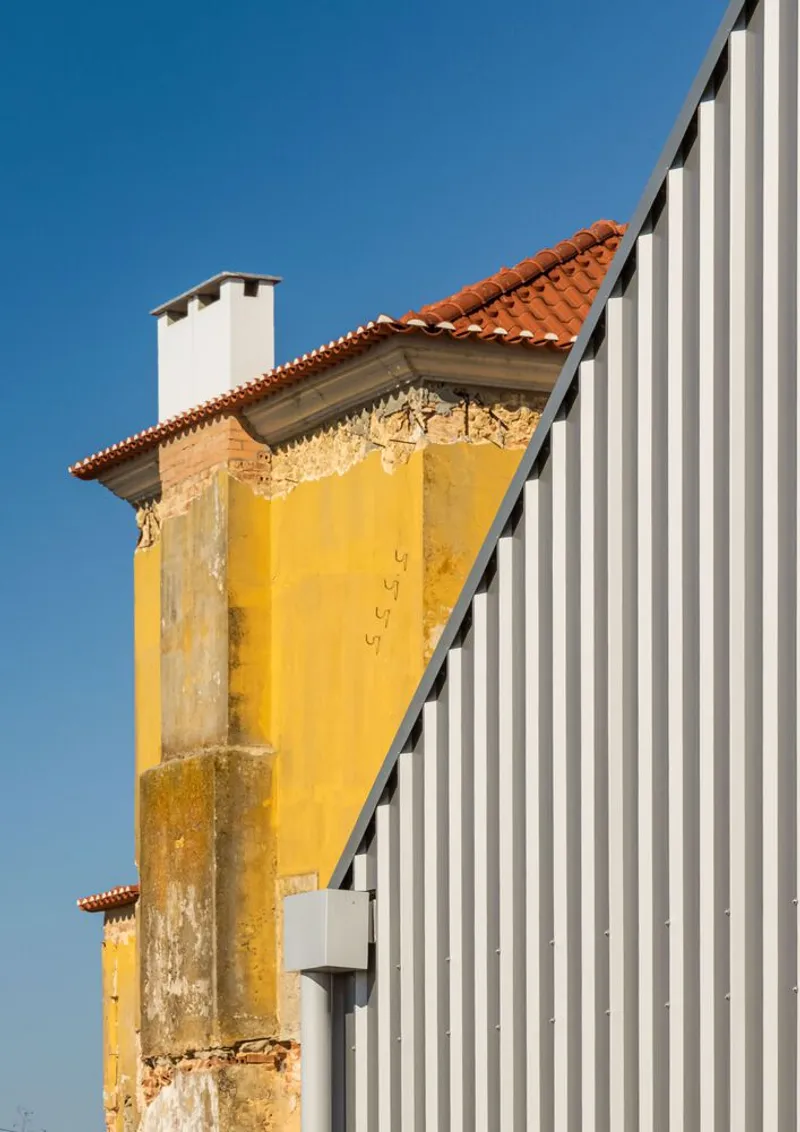
The community center is situated near the Tagus River, adjacent to the social housing district of Fonte da Prata, a multicultural neighborhood established in the 1980s for migrants from former Portuguese colonies. At the heart of the project lies the historic Palace of Fonte da Prata, originally built in 1910 by landowner Eloy Castanha and designed by Guilherme Eduardo Gomes. The palace, blending 17th- and 18th-century Portuguese architectural motifs, serves as the anchor for a larger master plan aimed at urban regeneration.
A Phased Approach to Sustainable Design
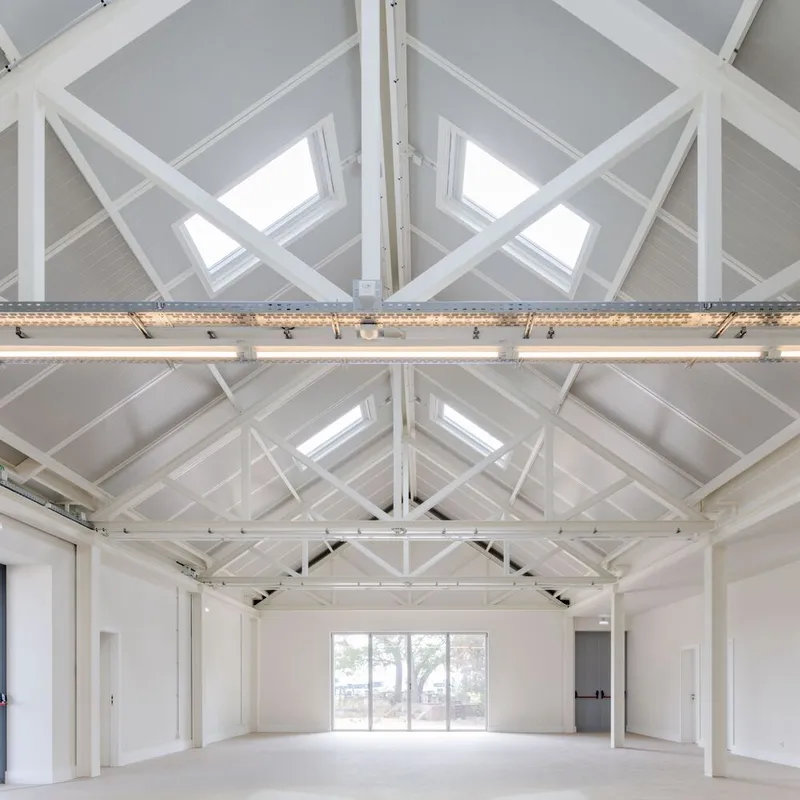
The 460 m² community center is being developed in phases to maximize resources while preserving cultural heritage. The master plan includes:
- Lecture rooms and workshop spaces for educational programs
- A kitchen and canteen to support nutrition programs
- Lodging for volunteers, fostering community engagement
- A chapel for spiritual and cultural gatherings
- Storage facilities for summer camp equipment
Future landscaping plans incorporate sustainable urban design elements such as a playground, orchard, vegetable garden, and recreational sports areas. Additionally, existing historical structures—including an old well, tank, and threshing floor—are being restored to integrate past and present.
Material Innovation and Resilient Construction
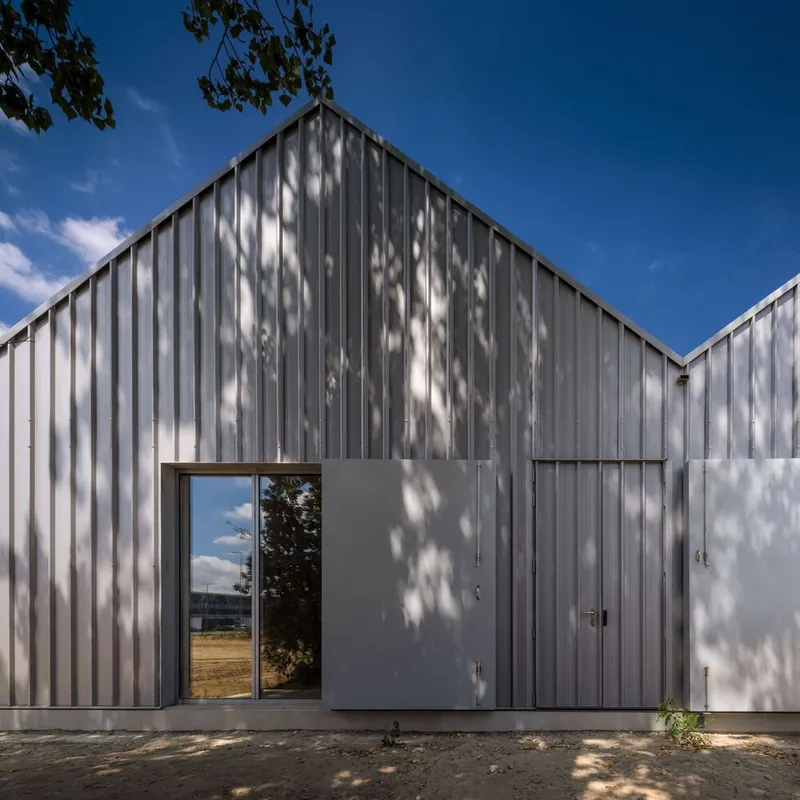
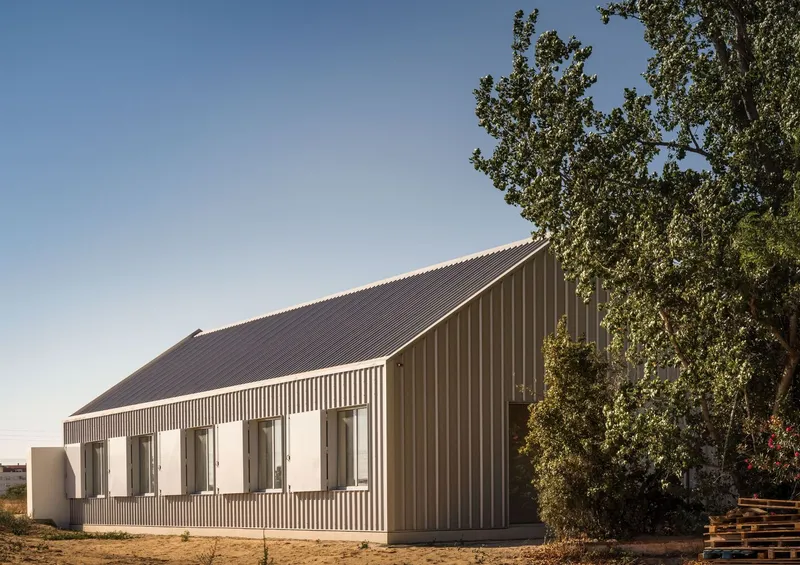
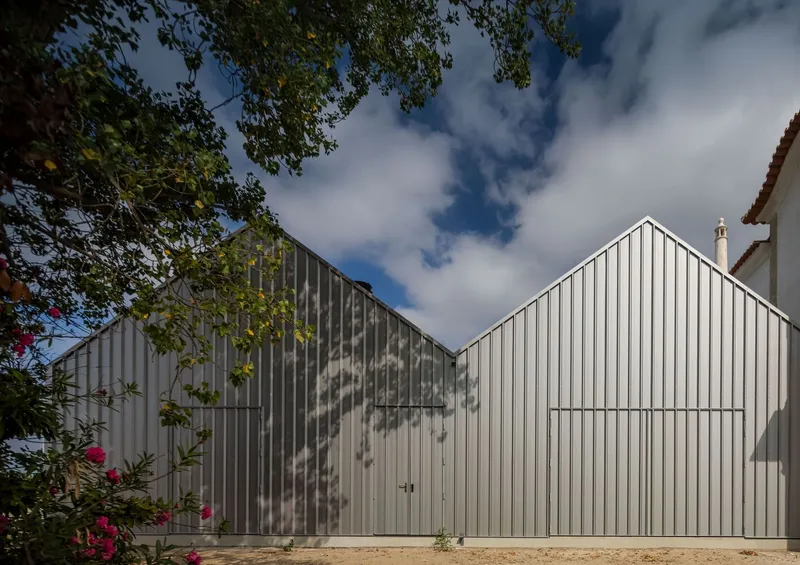
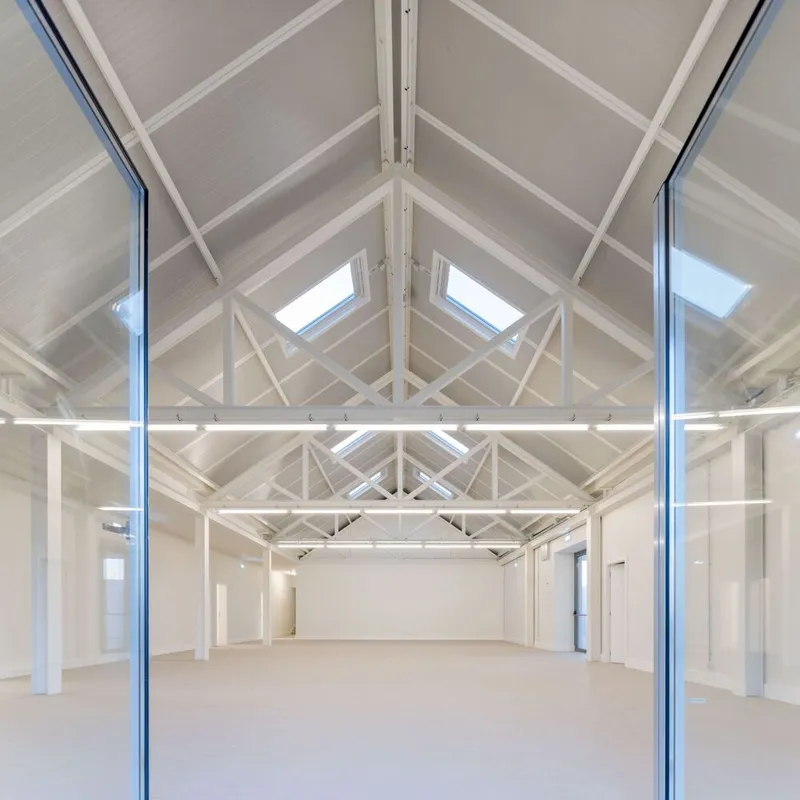
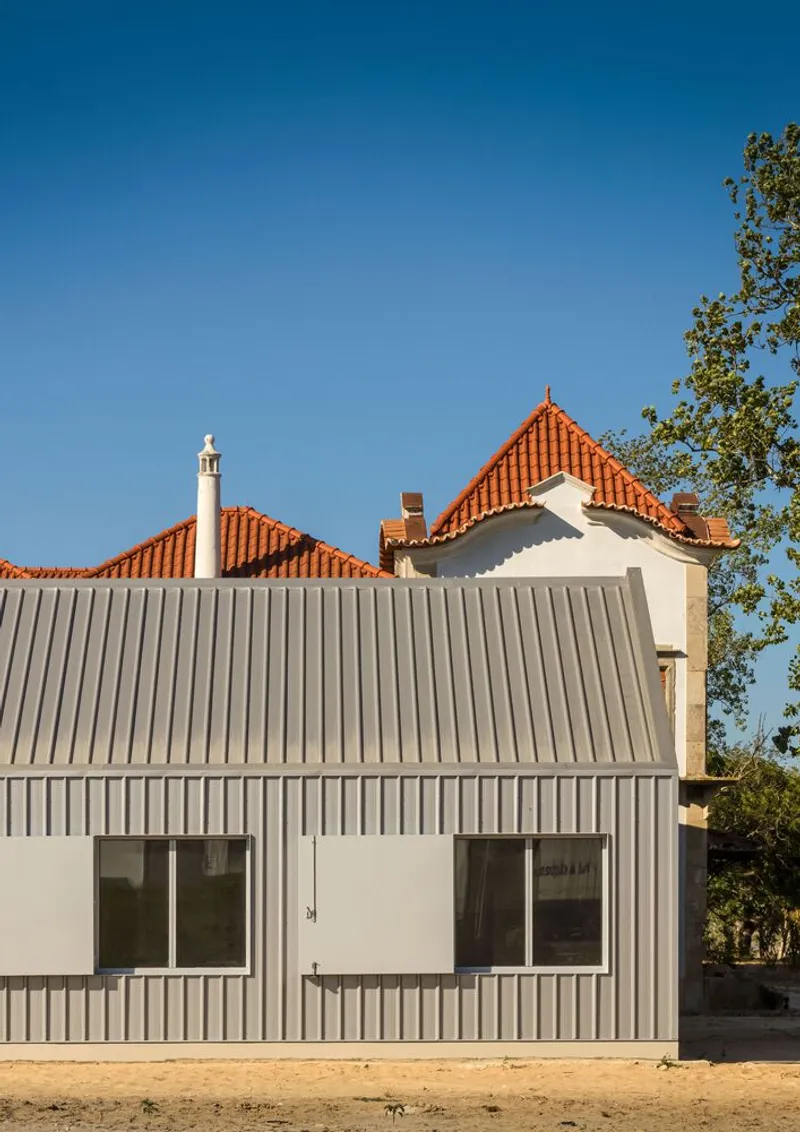
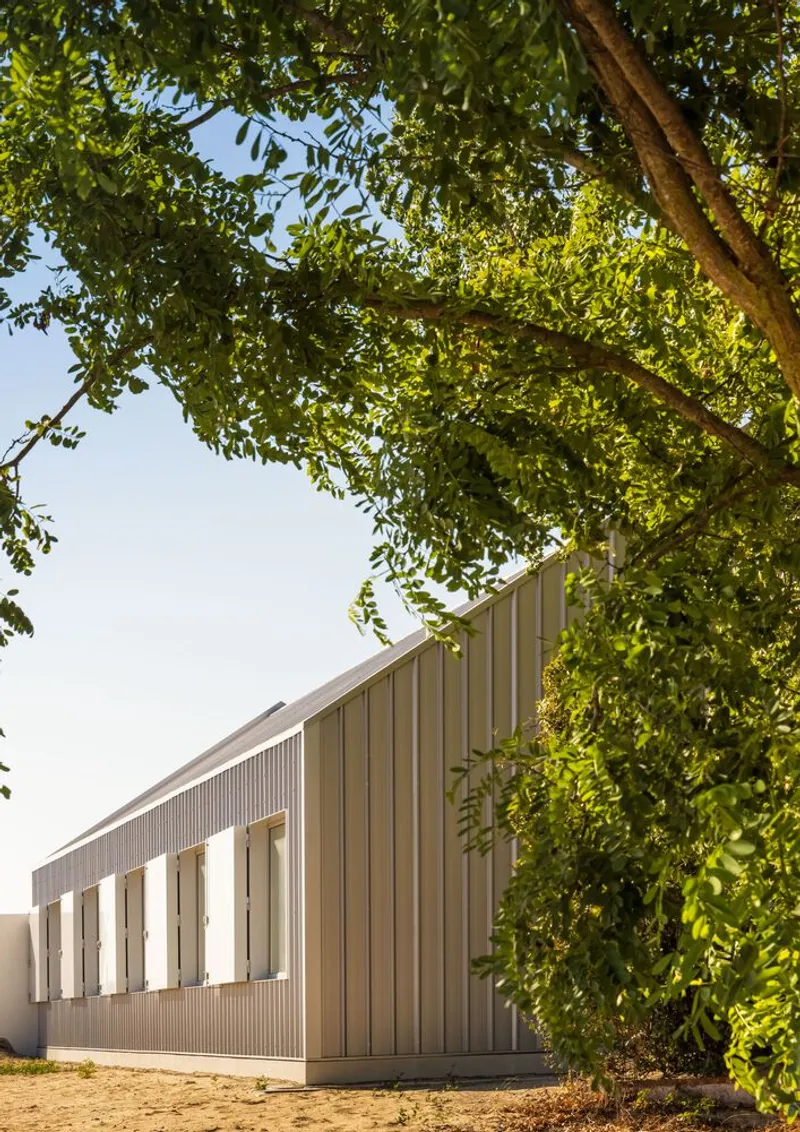
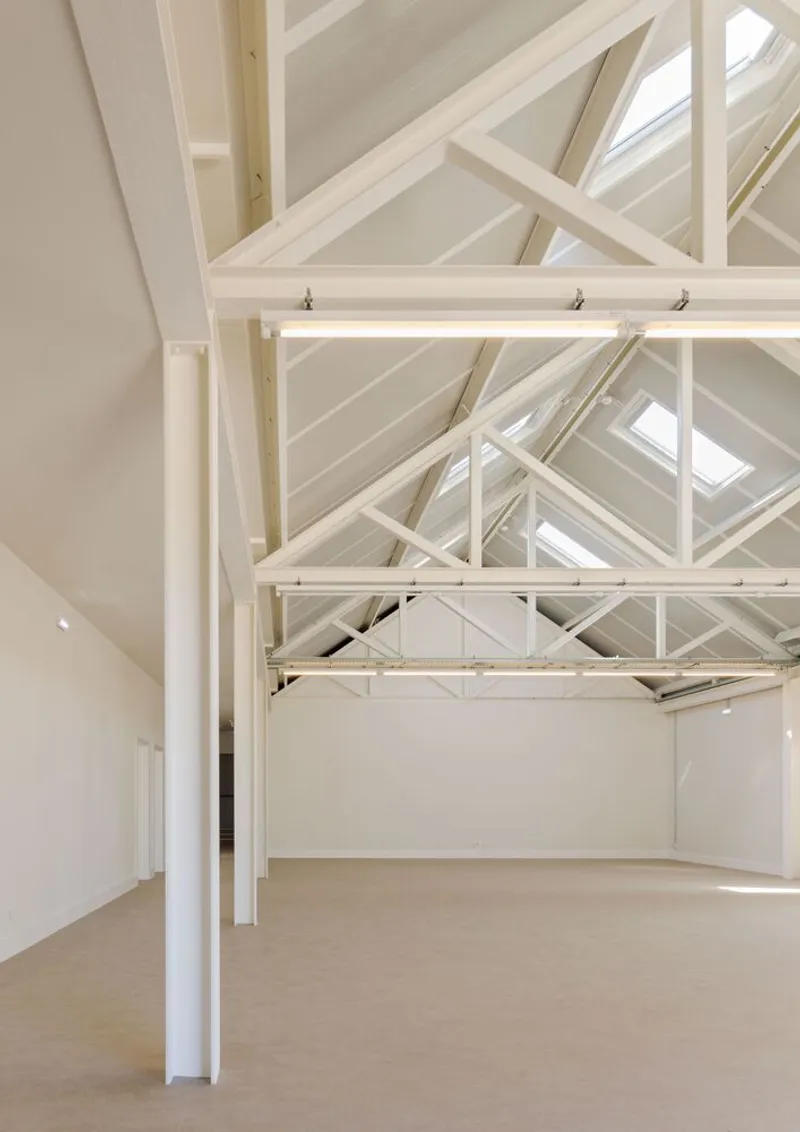
Phase 1 of the project focused on renovating an old agricultural warehouse attached to the palace’s southwest façade. While maintaining the original footprint and double-gable roof, PROMONTORIO opted for cost-effective and durable materials, including:
- Insulated aluminum and polyurethane sandwich panels for exterior cladding, tinted in graphite ash for a sleek aesthetic
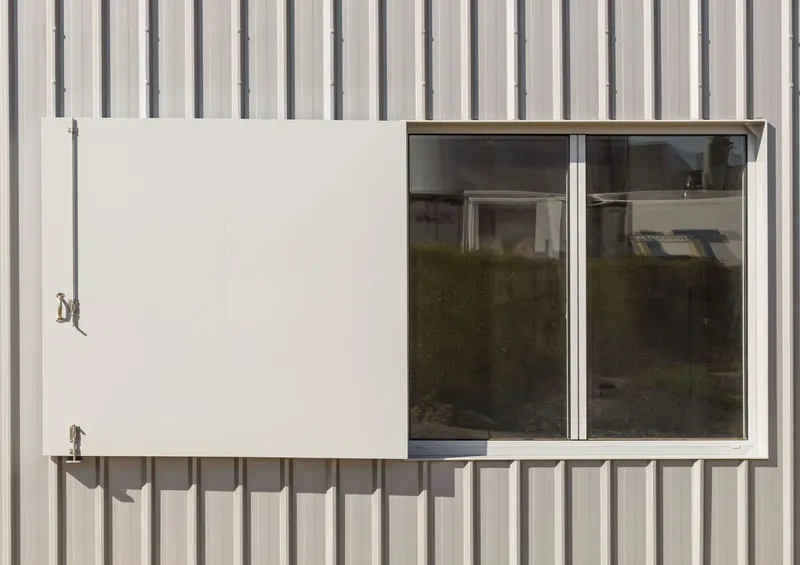
- Reinforced aluminum shutters for security and vandalism prevention
- Adaptive reuse of foundations and perimeter walls, preserving structural integrity while modernizing functionality
By using a modular construction approach, the design ensures energy efficiency, sustainability, and long-term maintenance feasibility.
A Blueprint for Socially Responsible Architecture
The Fonte da Prata Community Center exemplifies how adaptive reuse, sustainable materials, and community-focused design can revitalize underutilized spaces. Through thoughtful urban regeneration, the project not only preserves cultural heritage but also fosters social inclusion, education, and economic empowerment for vulnerable communities.
All Photographs are works of Fernando Guerra | FG + SG




Popular Articles
Popular articles from the community


Play: Fragments of Their World
Familiar architecture becomes modular playground design, creating safe spaces where displaced children can learn, connect, imagine and play.

The Musturak Paradise: Senior Living Architecture for a Connected Future in Temara, Morocco
The Musturak Paradise reimagines senior living architecture in Temara via private homes, social spaces, culture, community, and shared care.

The Ocean Hive: Sustainable Architecture for a Self-Sufficient Civilization at Sea
The Ocean Hive imagines sustainable architecture at sea, where modular habitats, algae, wave power and ocean waste sustain a growing colony.

The Earth Pod: 3D Printed Homes for Resilient Refugee Communities
The Earth Pod reimagines refugee housing through 3D printed homes made from clay, combining resilience, self-sufficiency, and rapid shelter.

Similar Reads
You might also enjoy these articles


Hodi-Mandai Geram
Project Function: Preservation and revitalization of the Intangible heritage and socio-spatial identity of the Hodi by Housing, Cultural Memory Center, Sacred Grove, landscape, local tourism economy


Olio Towers: A Mid-Rise for Performers That Fuses Housing, Rehearsal, and Stage
Located blocks from Houston's Theater District, this modular tower stacks living units around a central performance atrium.

Oasis: Modular Green Housing Carved into Dhaka's Urban Fabric
A shortlisted Plugin Housing entry reclaims unauthorized settlements in Dhaka with stepped concrete volumes, green roofs, and ventilation-driven design.

Black Hole: A Floating Megastructure for the Post-Physical Era
Emiliano Mazzarotto envisions a spherical, self-scaling arena where e-sports, digital hotels, and holographic stadiums replace traditional public space.

Explore Urban Design Competitions
Discover active competitions in this discipline



Challenge to reimagine the Iron Throne


Photograph architecture without architects


Illustrate the lost glory of Angkor Wat - Render Challenge


Design challenge to reuse E-waste
Comments (0)
Please login or sign up to add comments
No comments yet. Be the first to comment!