
Ga.o House by 85 Design: A Model of Sustainable Residential Architecture in Vietnam
A hybrid residential-office project in Vietnam showcasing sustainable design, energy efficiency, and low-carbon strategies for tropical architecture.


A Green Home-Office Hybrid for a Tropical Climate
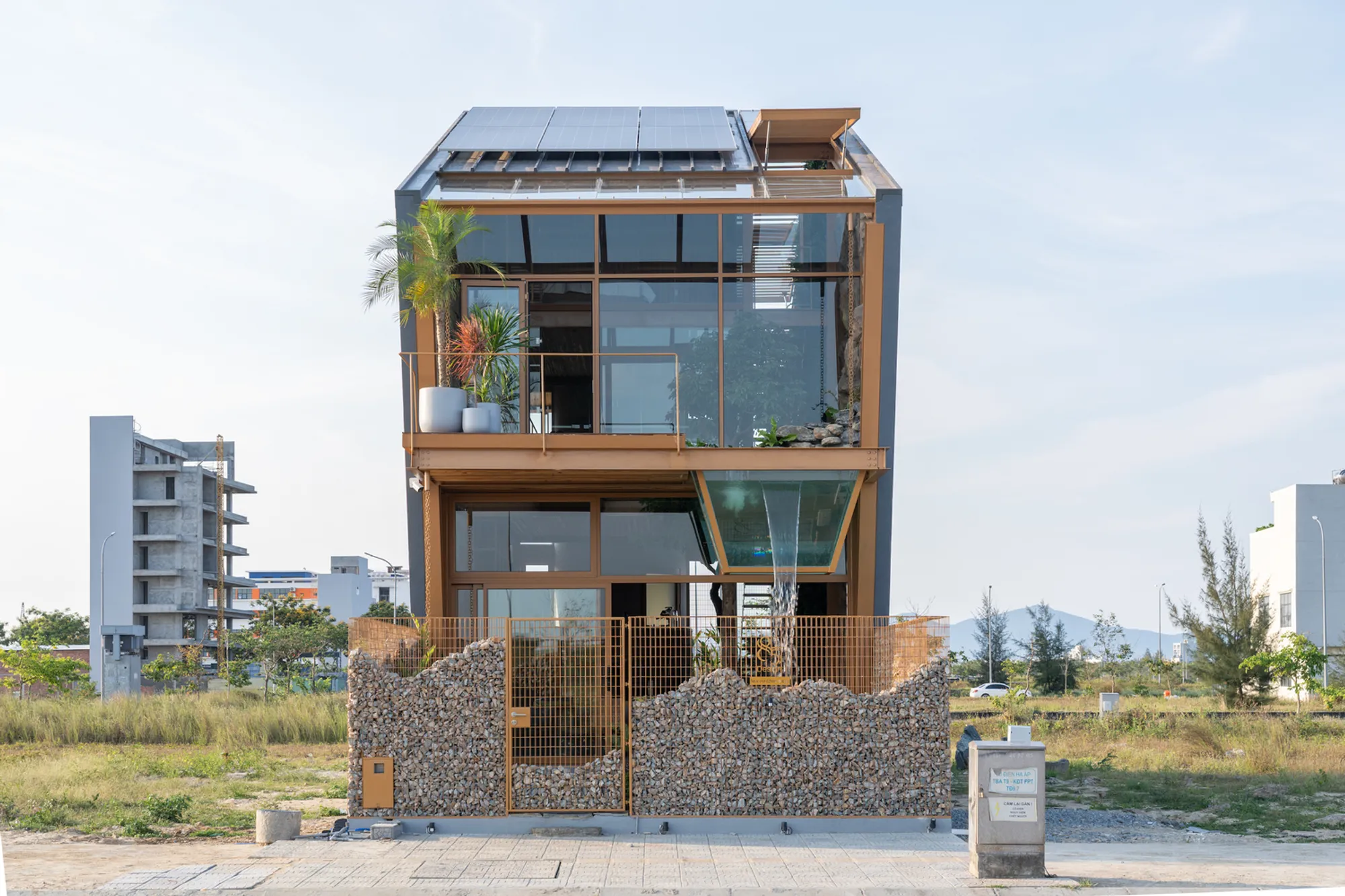
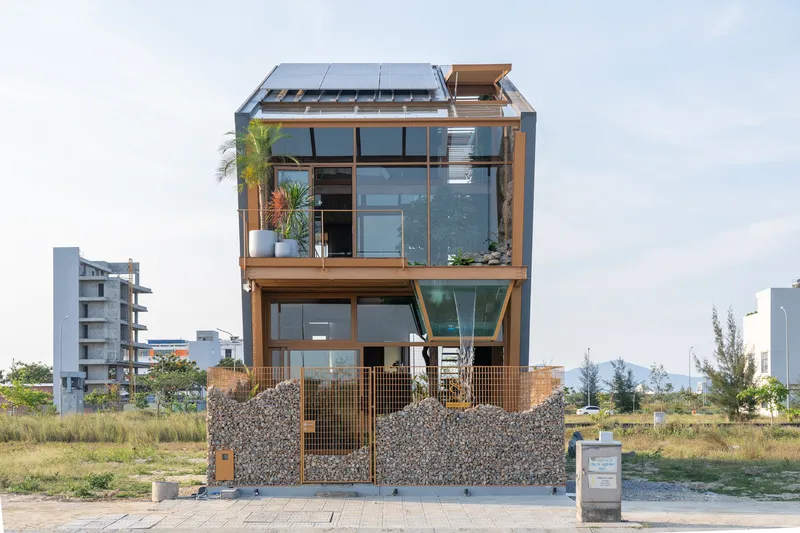
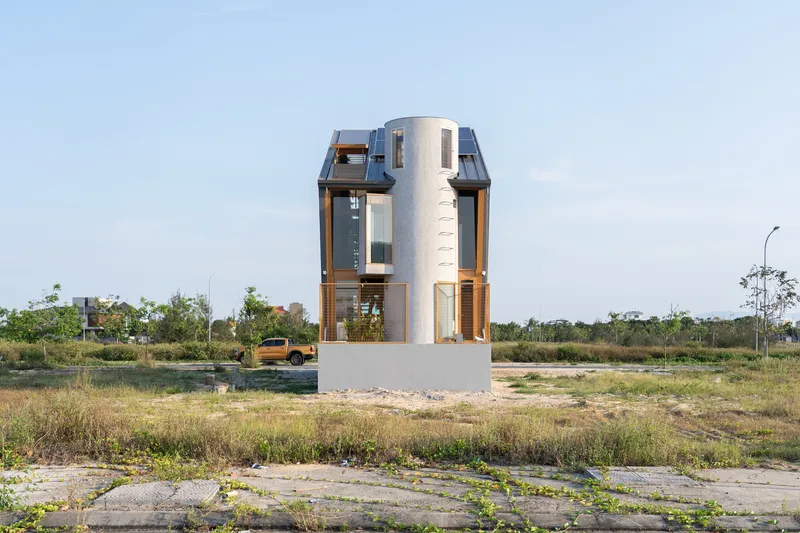
Nestled in Hòa Hải, Vietnam, the Ga.o House by 85 Design redefines sustainable residential architecture in Vietnam by seamlessly integrating eco-conscious living and working spaces. This hybrid structure not only meets essential residential and office requirements but pushes architectural boundaries by incorporating strategies that significantly reduce environmental impact. The 172-square-meter project is designed in response to the tropical region’s abundant sunlight and rainfall, creating a synergy between built form and climate responsiveness.
Prefabricated Efficiency and Low-Waste Construction
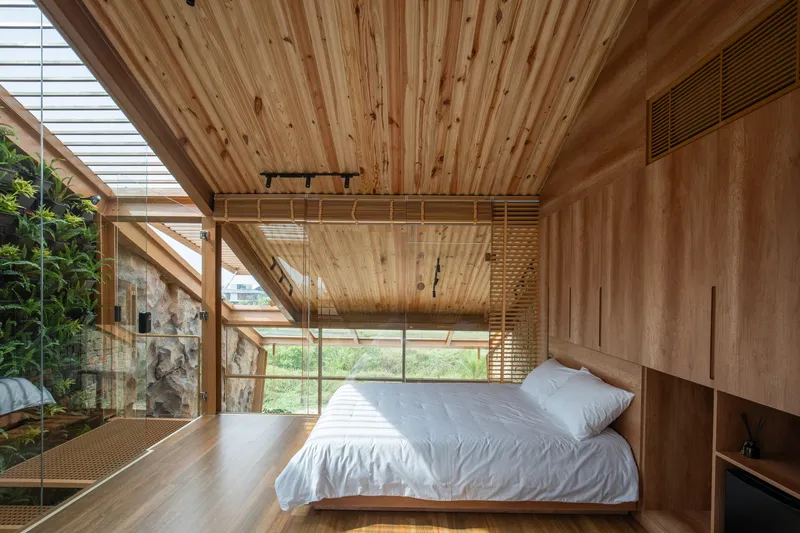
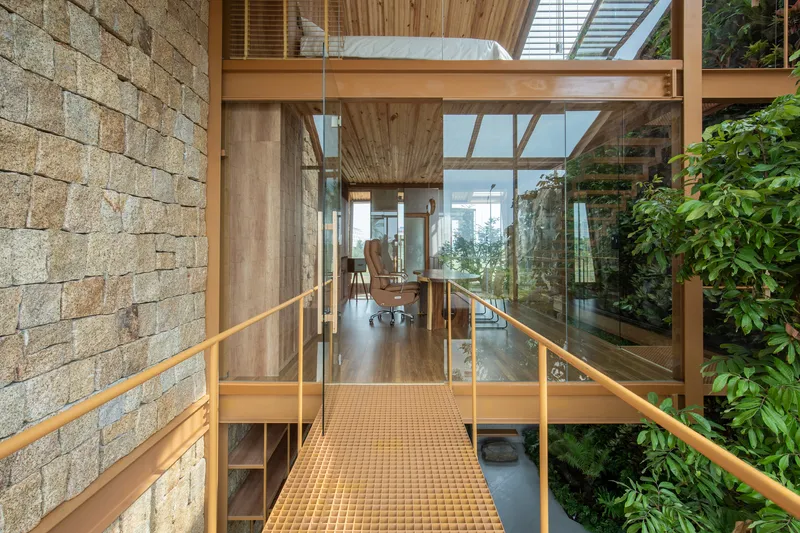
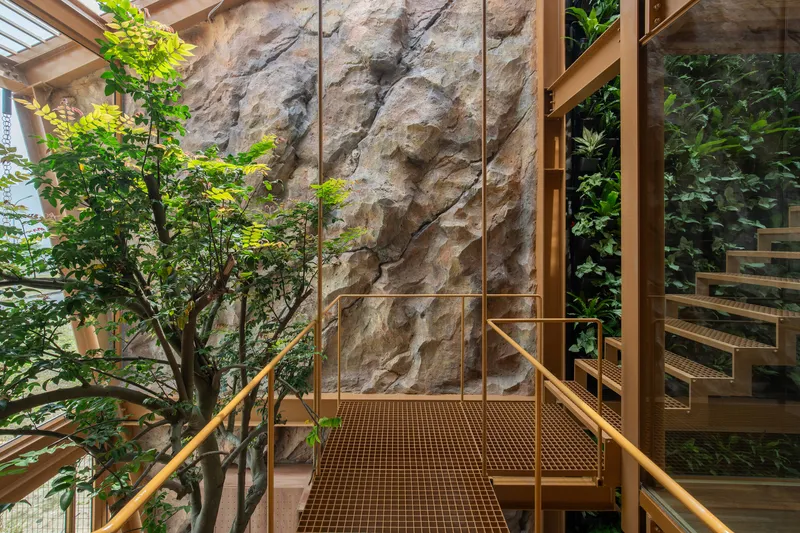
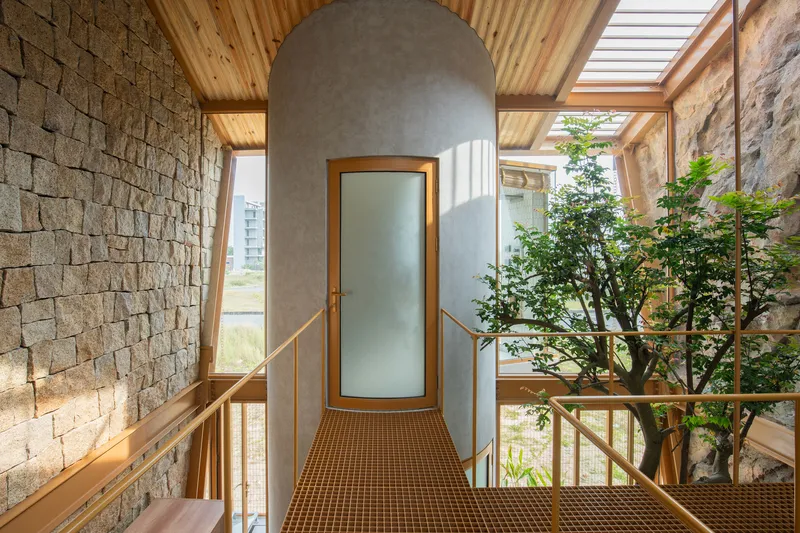
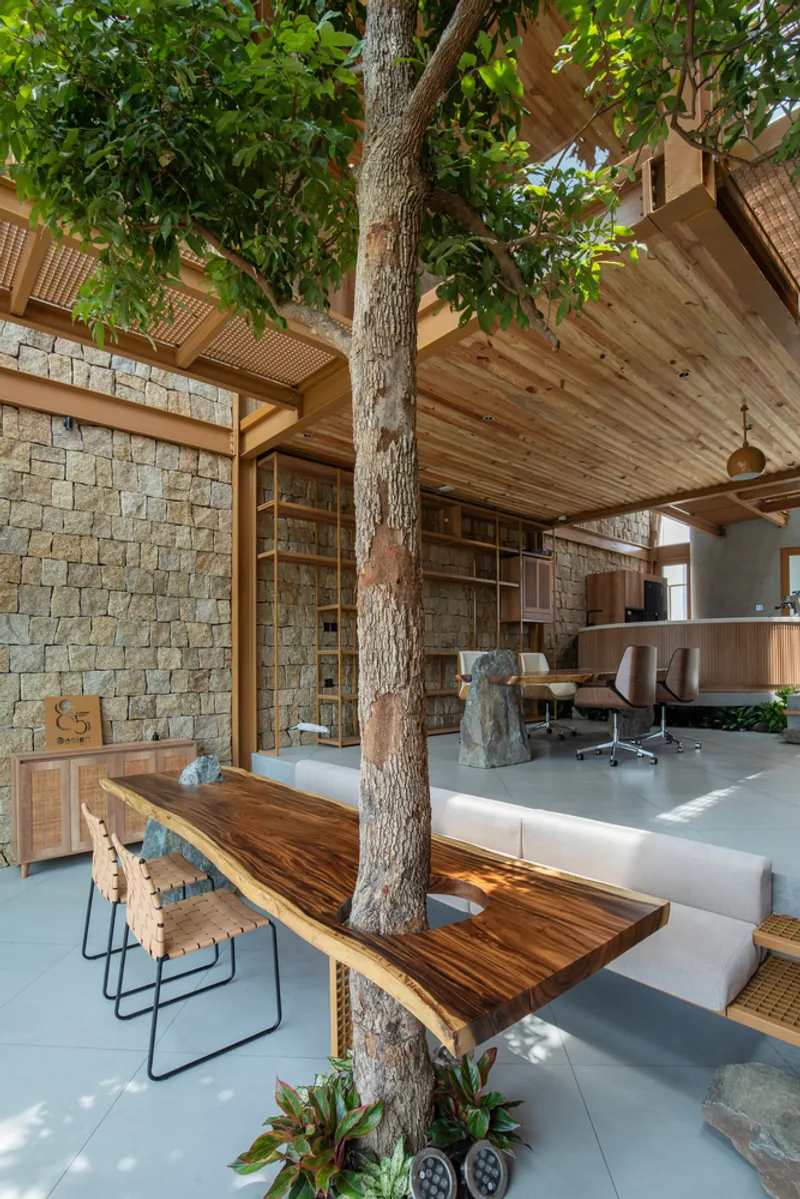
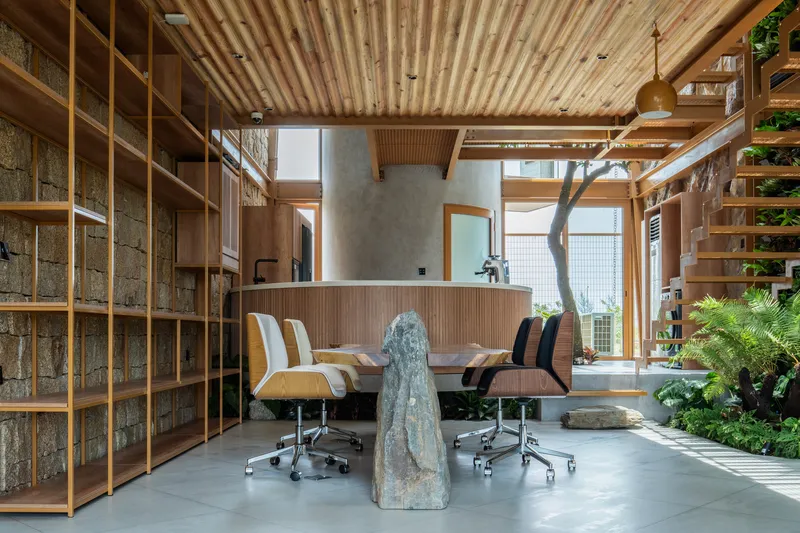
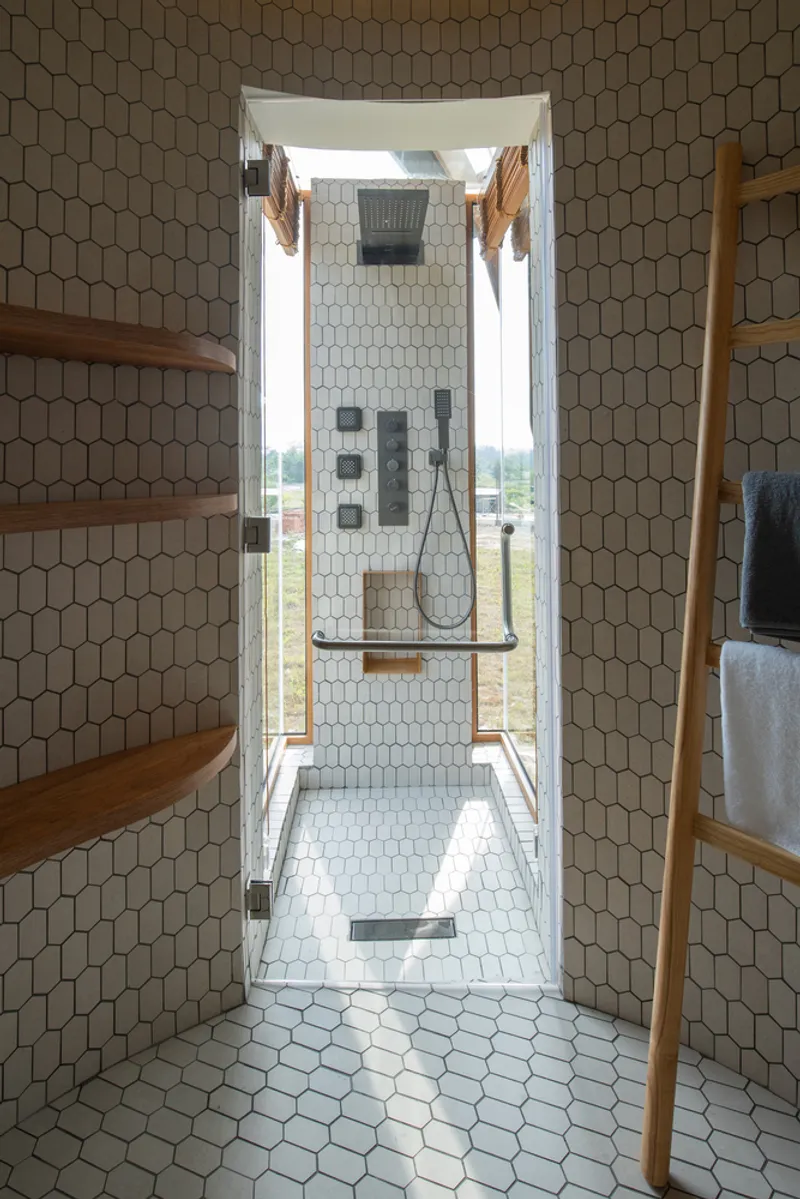
At the heart of the Ga.o House is a prefabricated steel frame system, selected for its flexibility, ease of assembly, and minimal environmental footprint. This approach streamlines construction while facilitating future disassembly and recycling. The project team deliberately minimized built-up areas to create generous open spaces, enhancing passive cooling and lighting. Large openings, layered spatial volumes, and green buffers foster natural ventilation and daylighting, drastically cutting down energy consumption.
Integrated Renewable Systems and Smart Energy Management
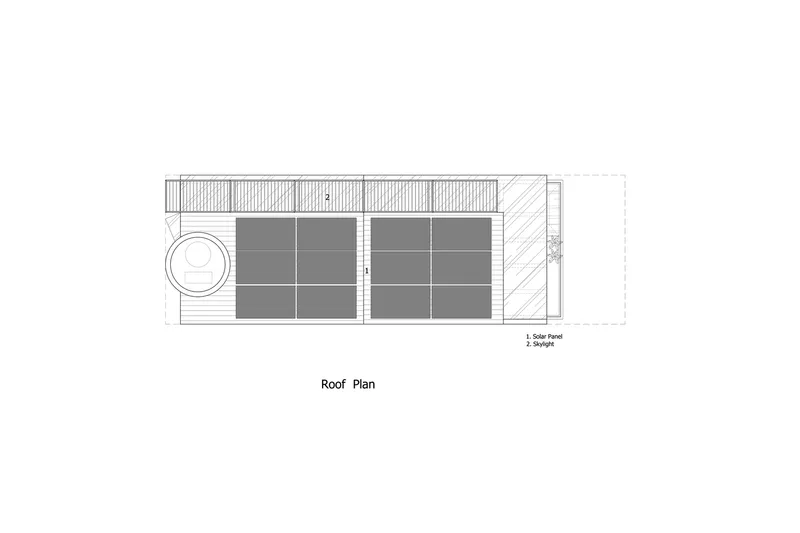
A rooftop photovoltaic system generates around 11,000 kWh of electricity annually. Managed by smart technology, this energy is optimized for efficient day-to-day use. The house also collects and reuses rainwater for irrigation and domestic functions, lowering dependence on municipal resources. Together, these systems contribute to a 60–80% reduction in fossil energy use and prevent over 8.5 tons of CO₂ emissions each year.
Fluid Spatial Layout for Adaptive Use
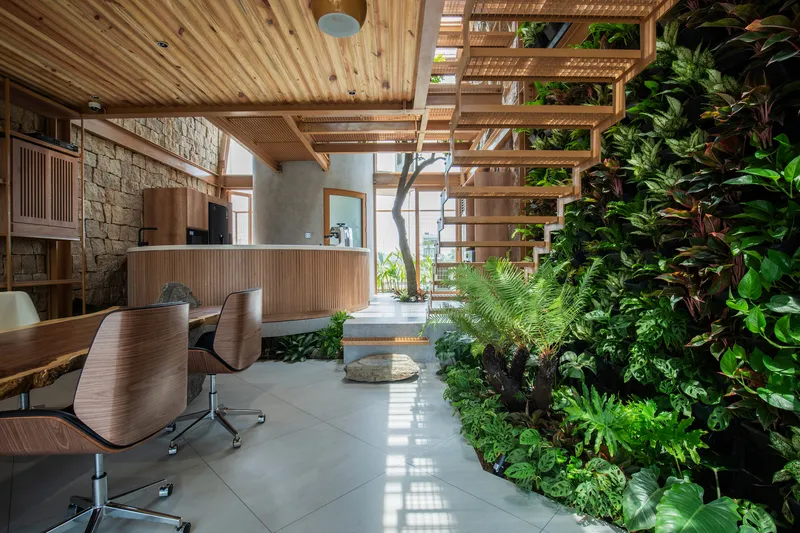
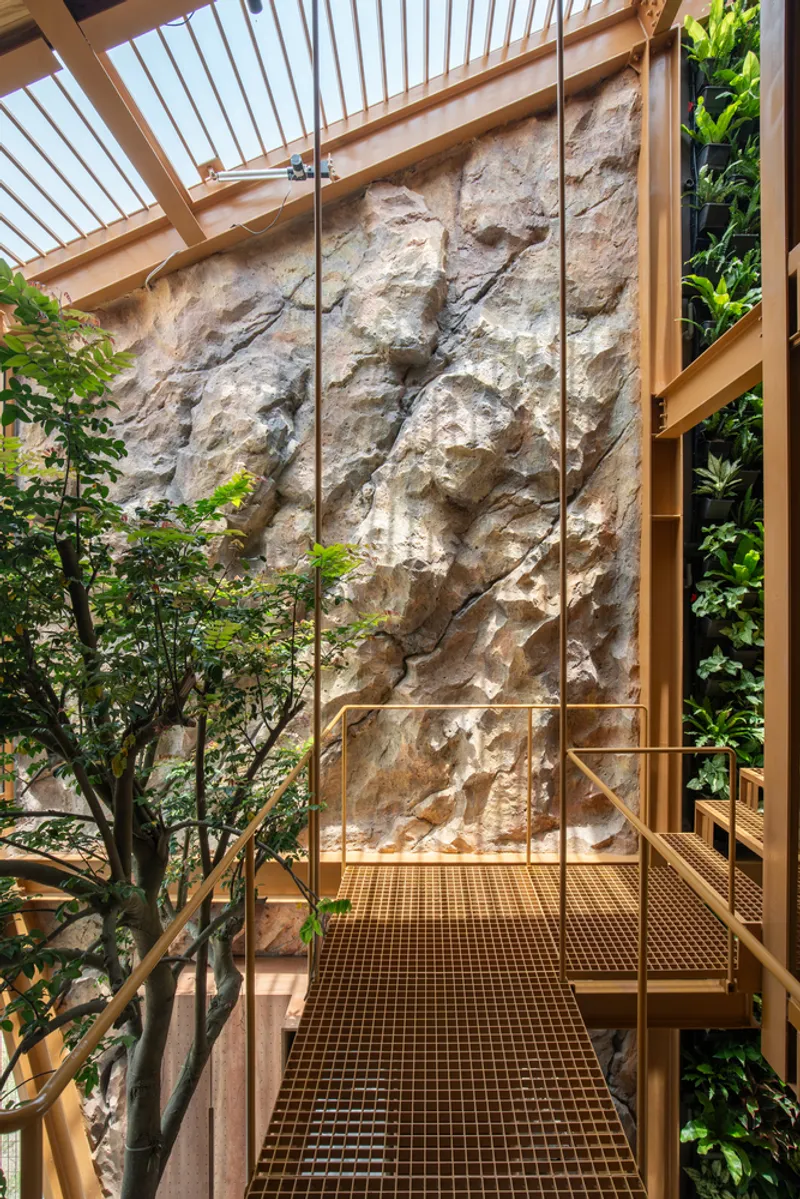
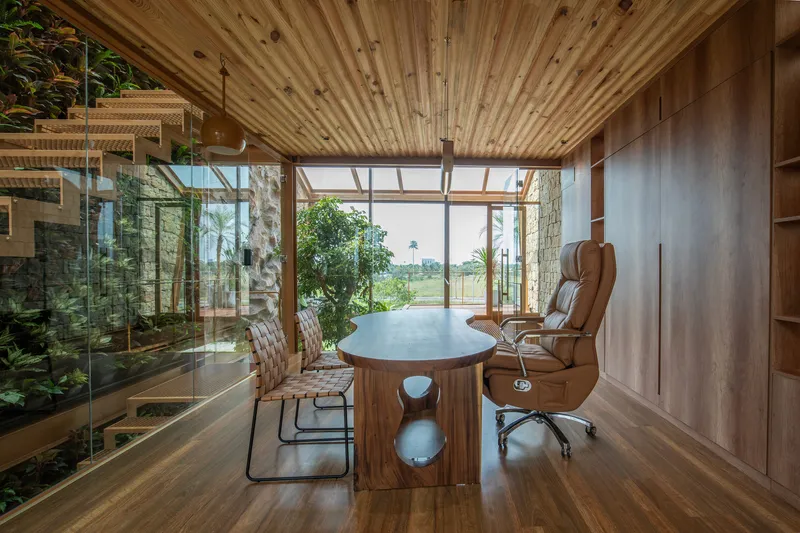
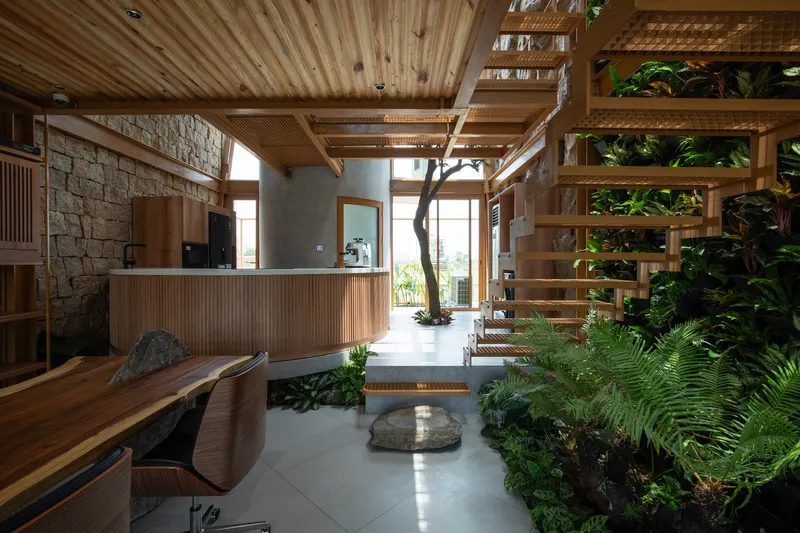
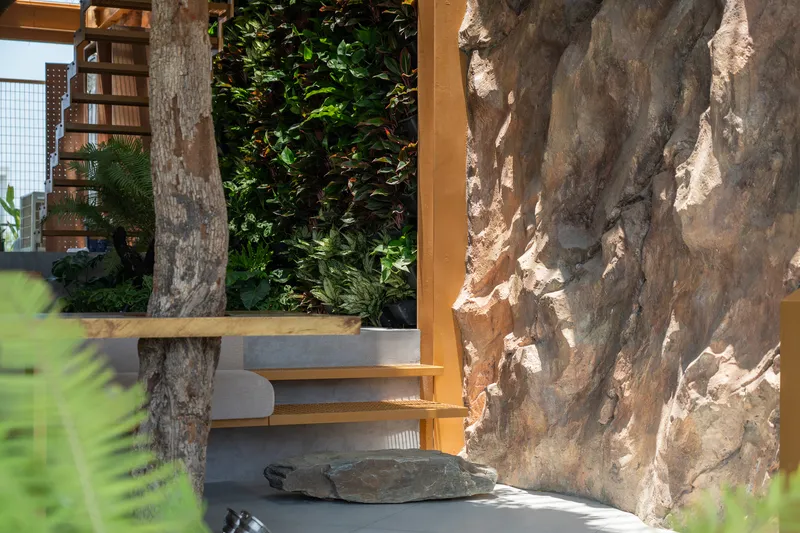
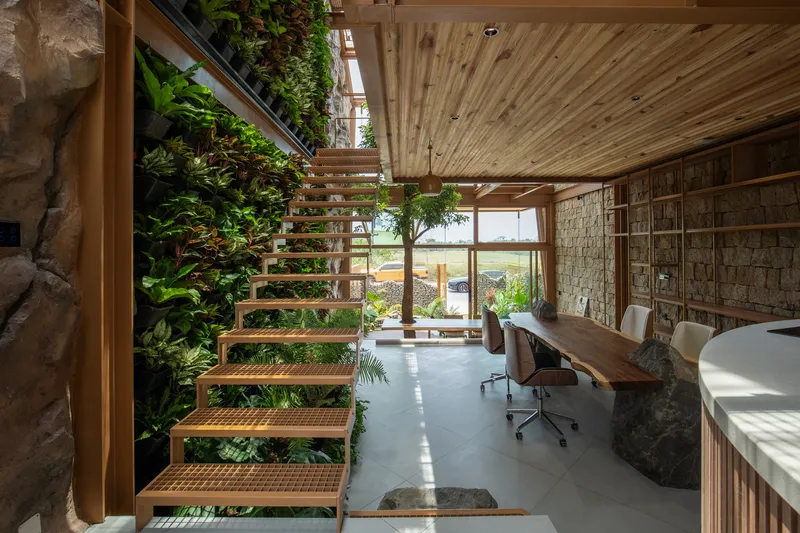
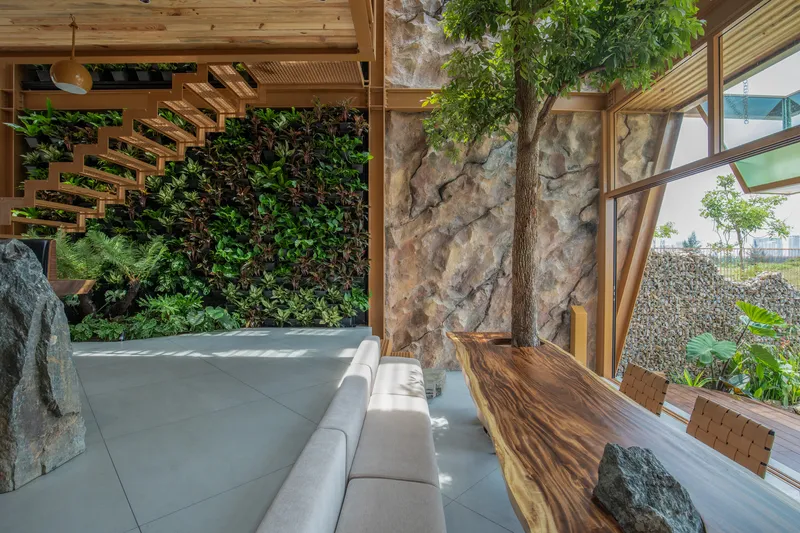
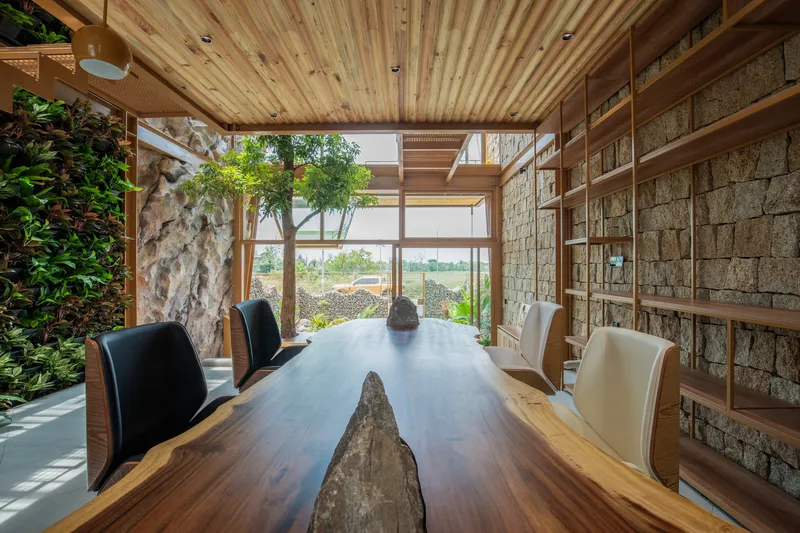
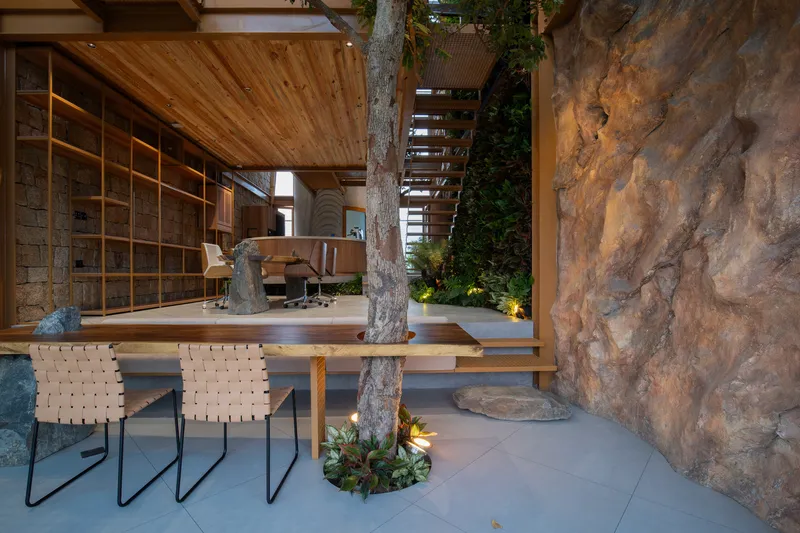
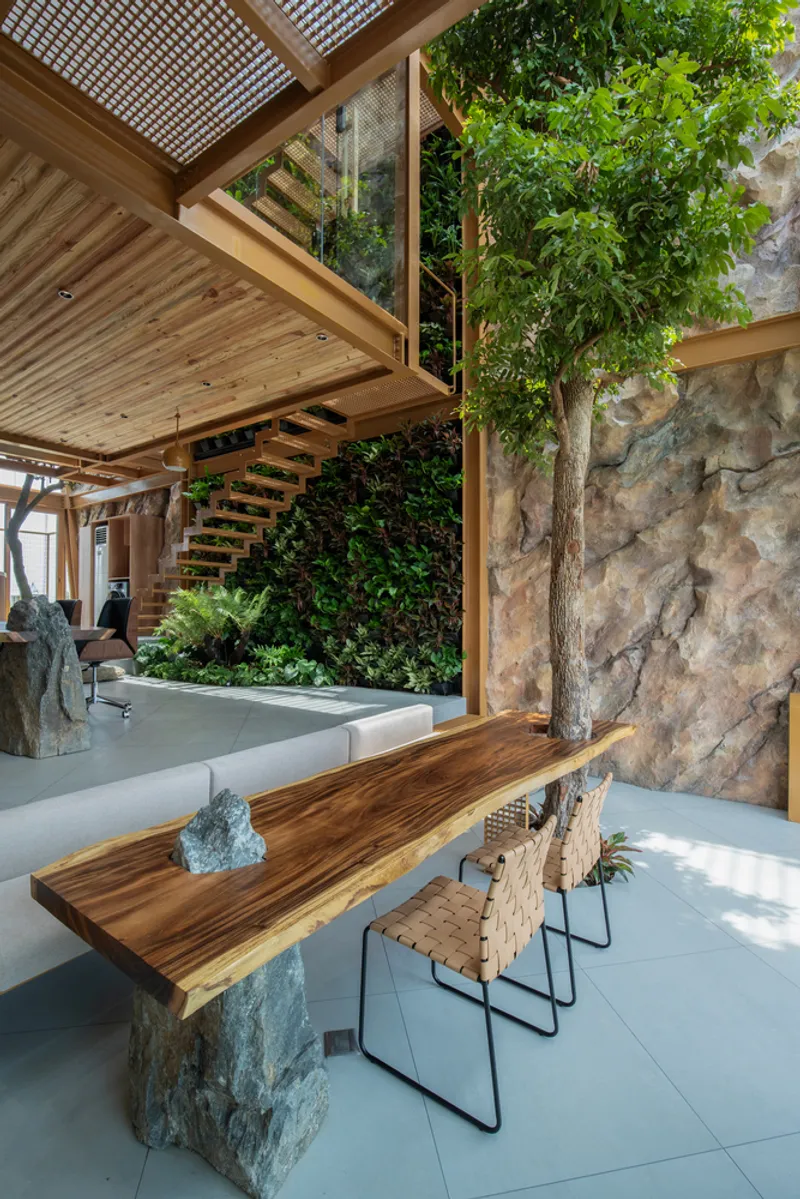
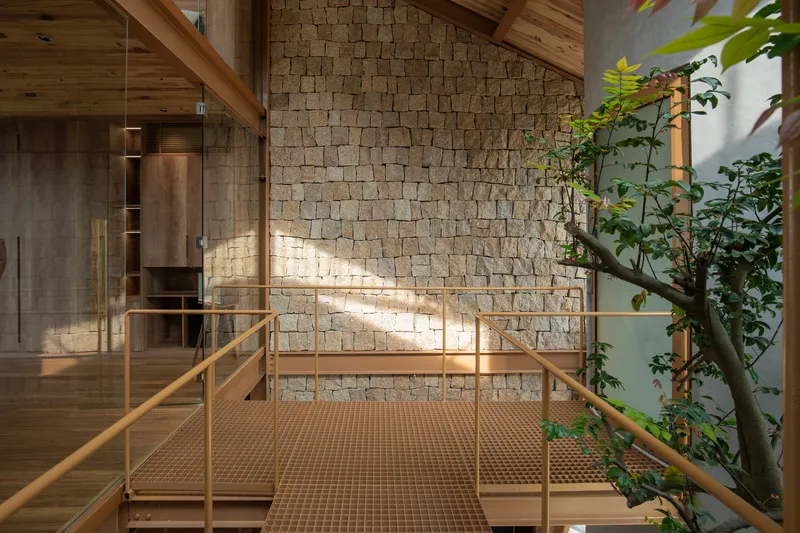
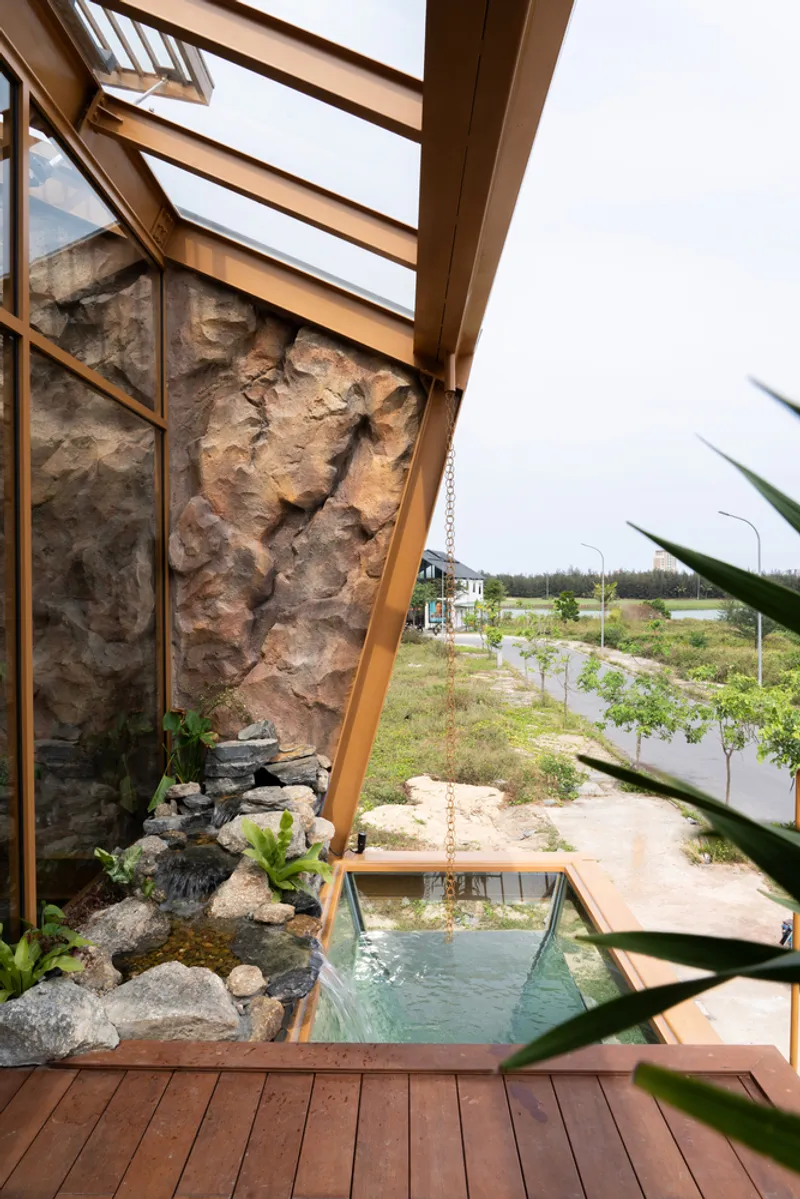
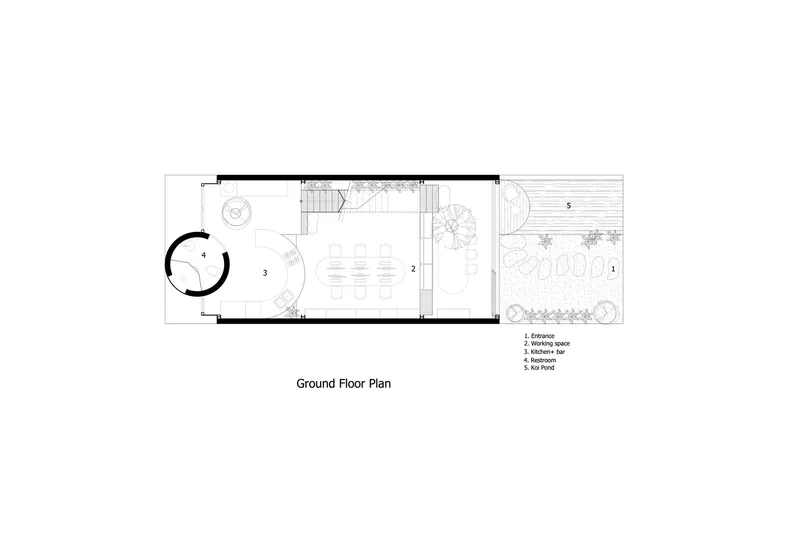
The spatial program of Ga.o House is deliberately flexible. The ground floor features an open-plan office and a compact bar space for employee refreshments. A landscaped front garden integrates multi-level stonework, water elements, and mature trees, blending nature with architecture and inviting active engagement with the outdoors. Salvaged foundation stones are reused throughout the house to enhance the tactile material narrative.
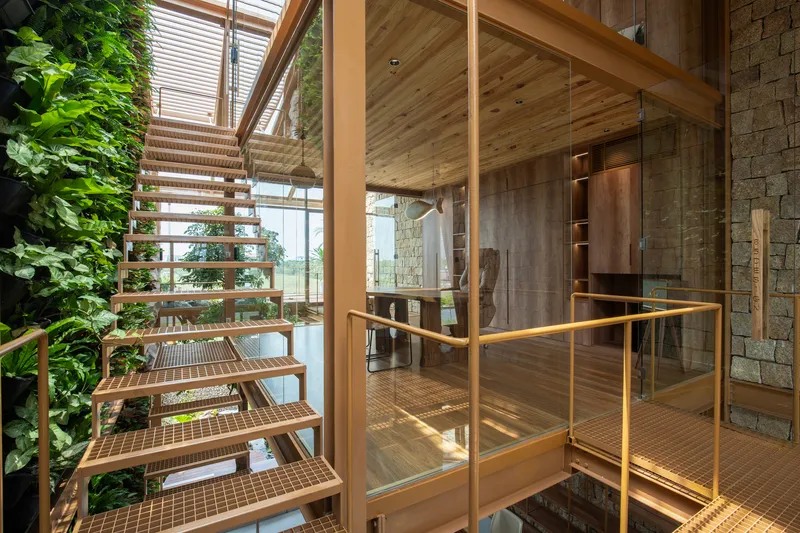
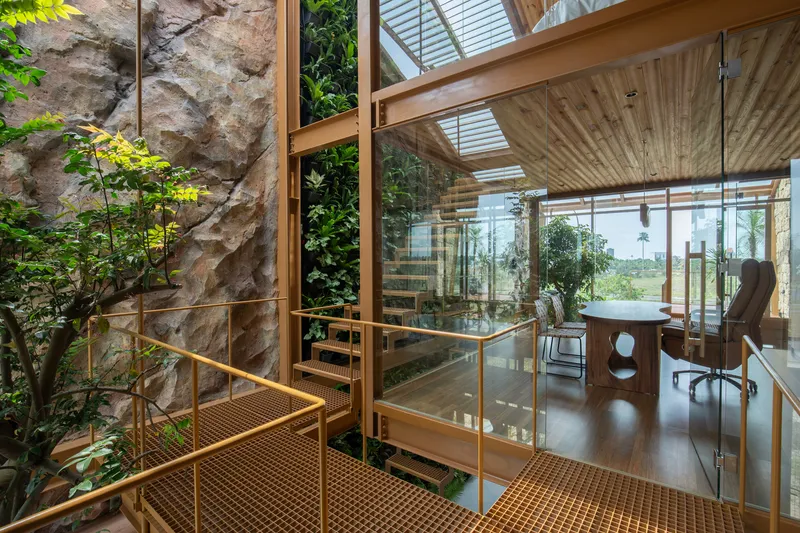
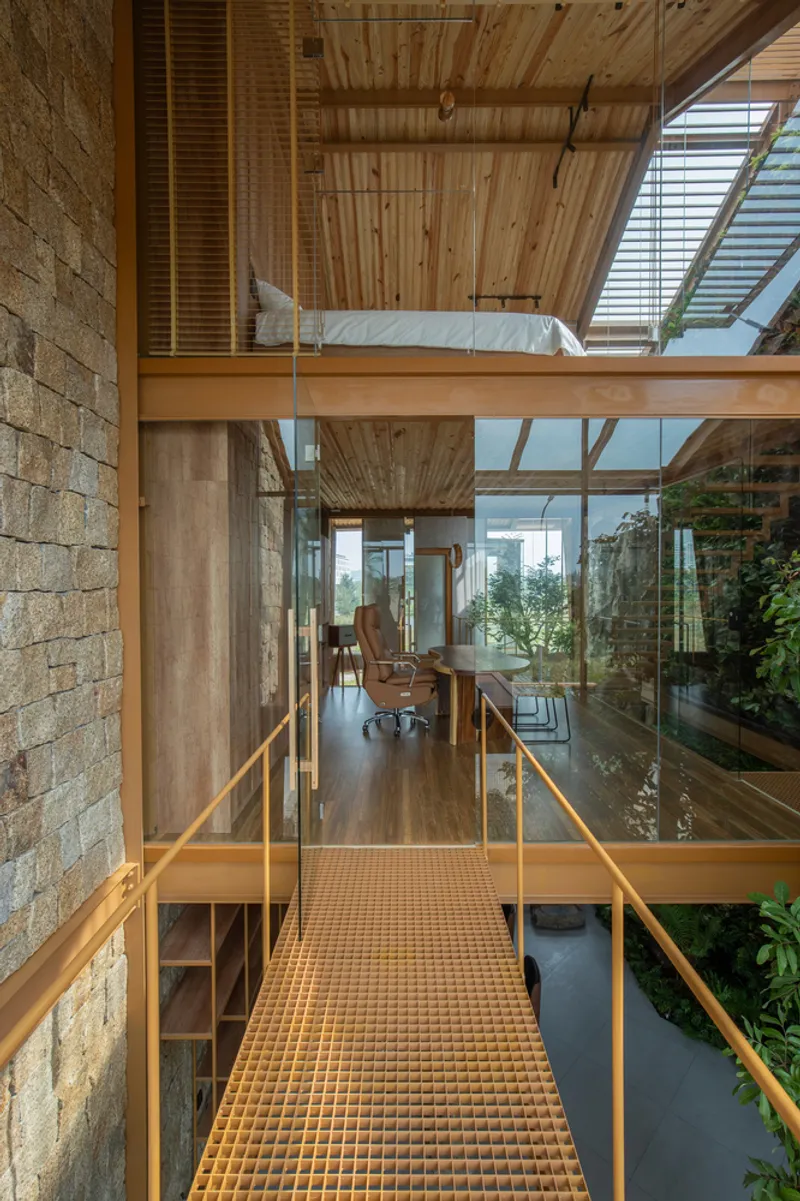
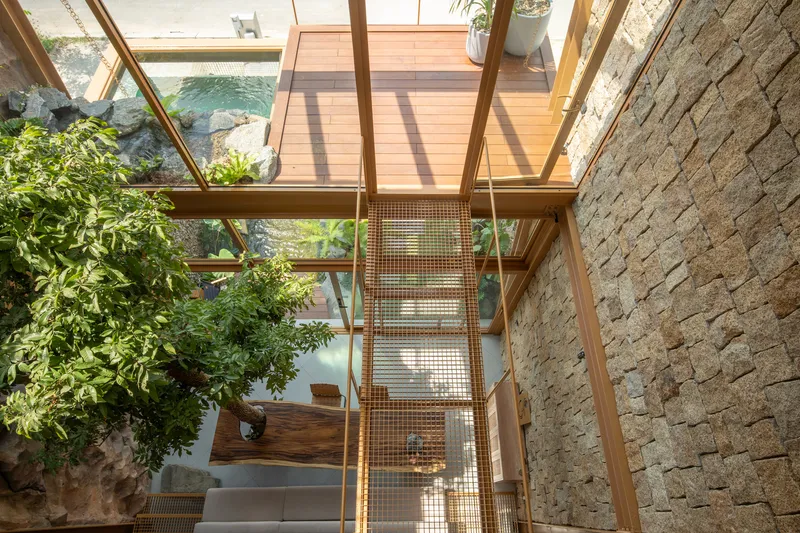
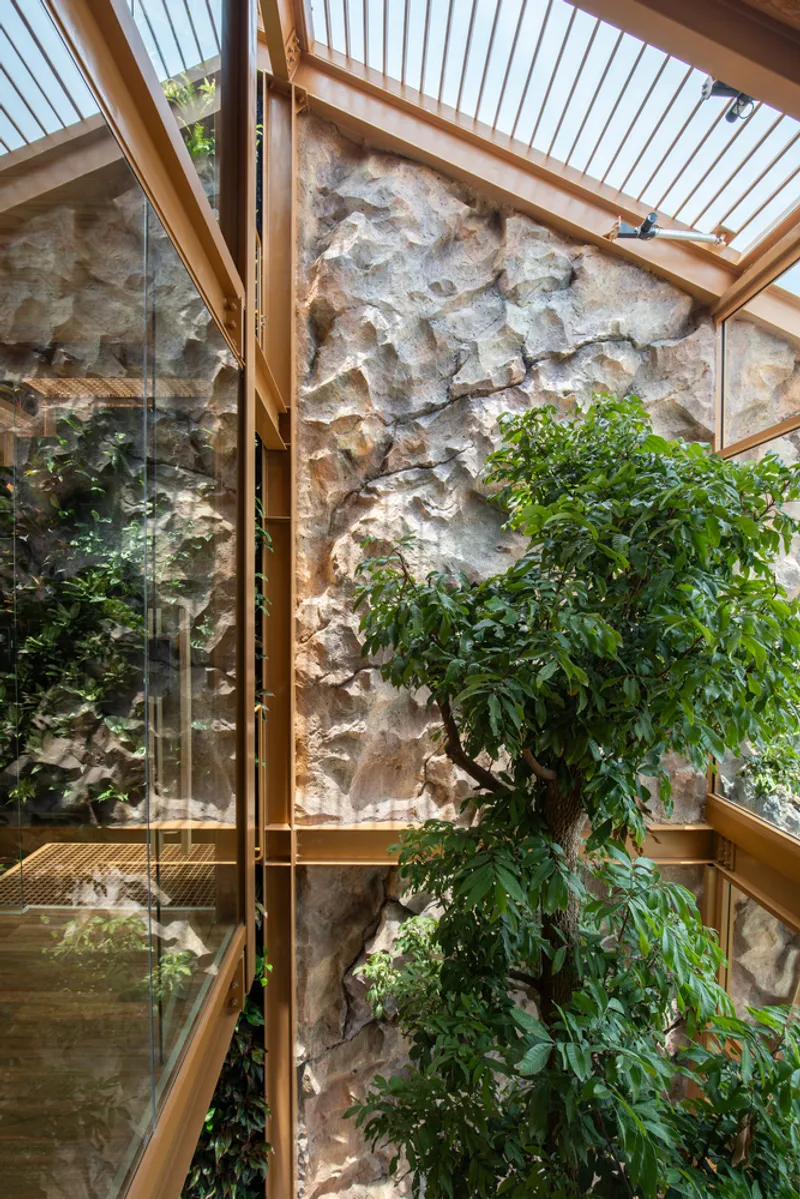
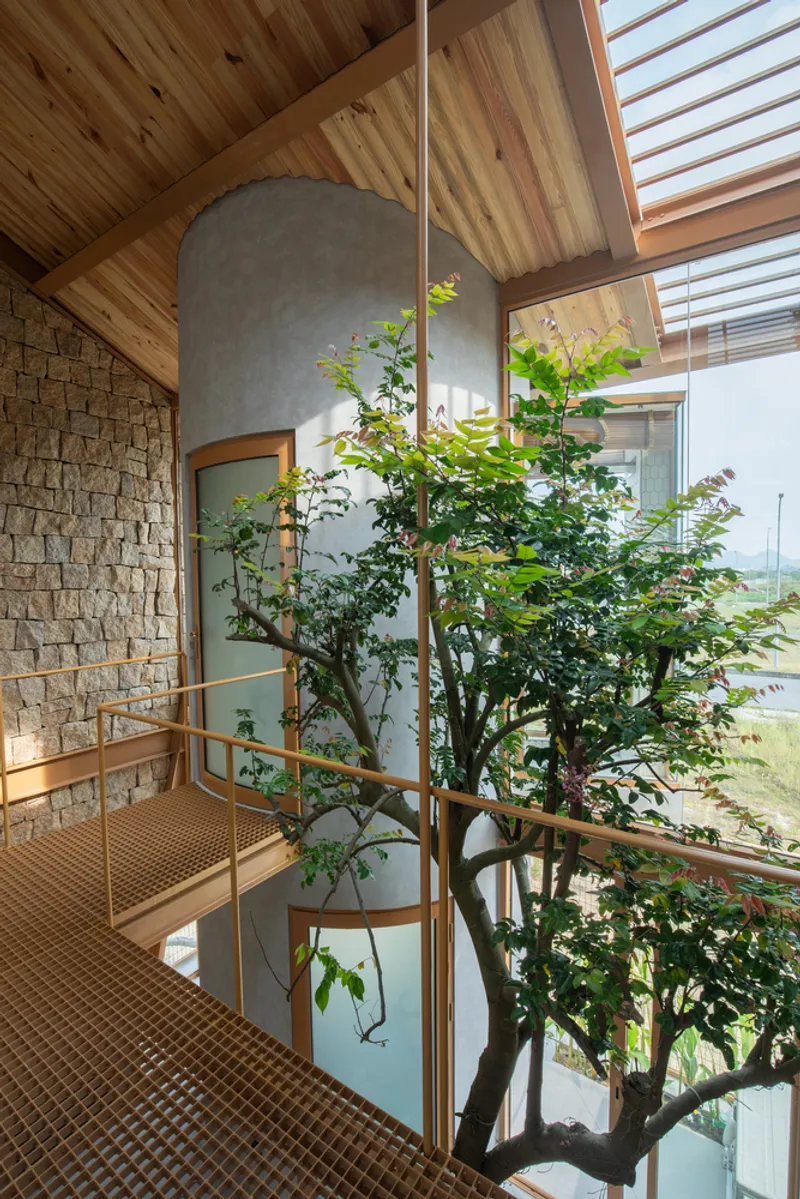
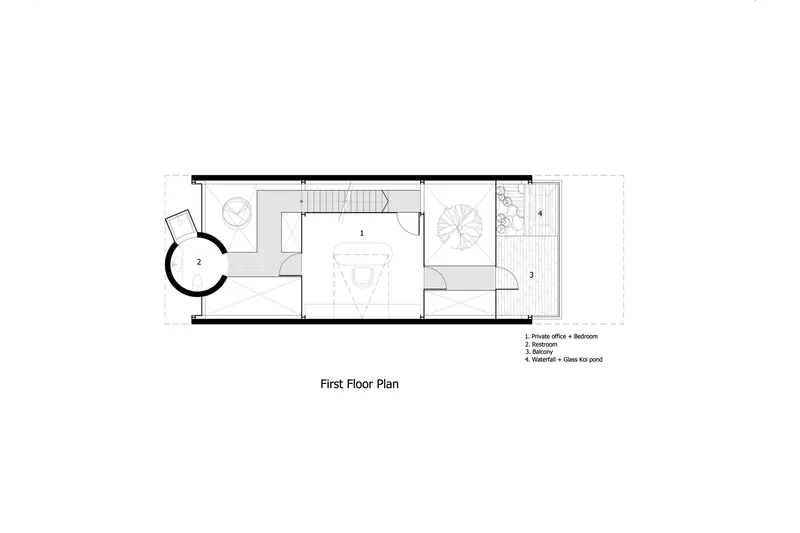
The first floor includes a private office that transforms into a guest bedroom via a concealed foldable bed. A striking double-height atrium enables cross-ventilation and allows natural light to penetrate deep into the structure. A front-facing balcony hosts a waterfall and a fish tank, creating a closed-loop system with the garden pond below. This water feature not only cools the building but also provides a calming ambient soundtrack throughout the space.
Attic Retreat with Panoramic Views and Vertical Greenery
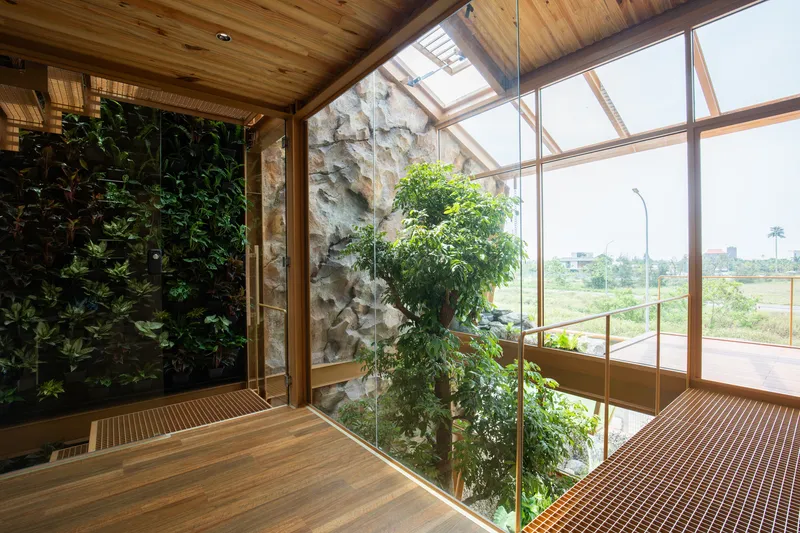
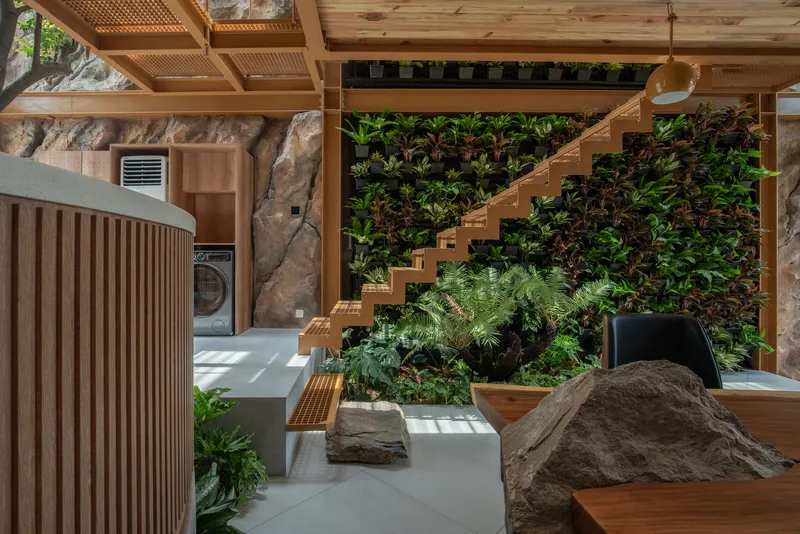
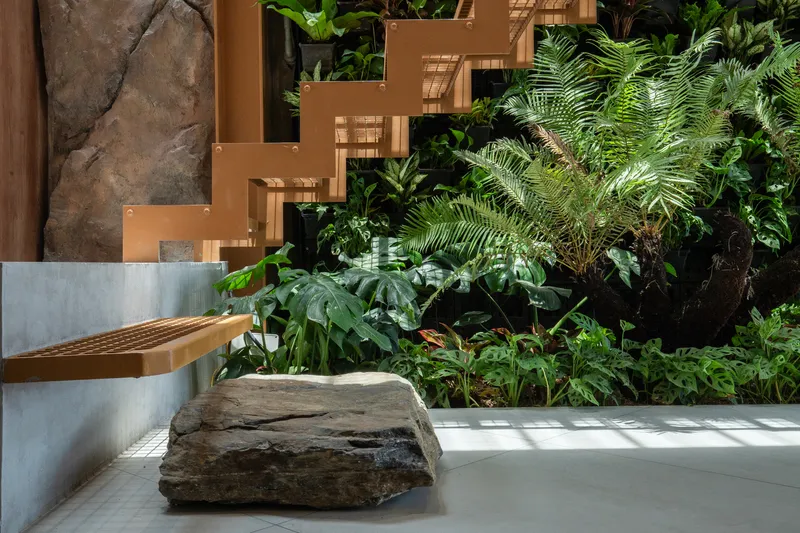
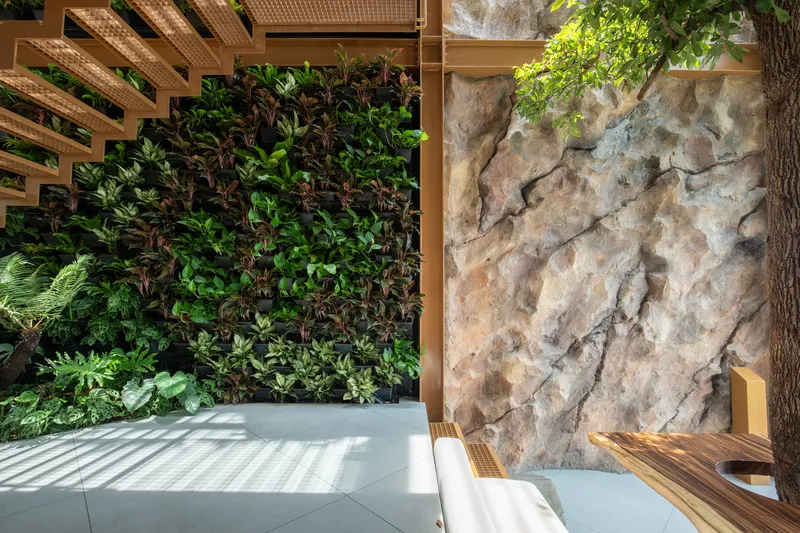
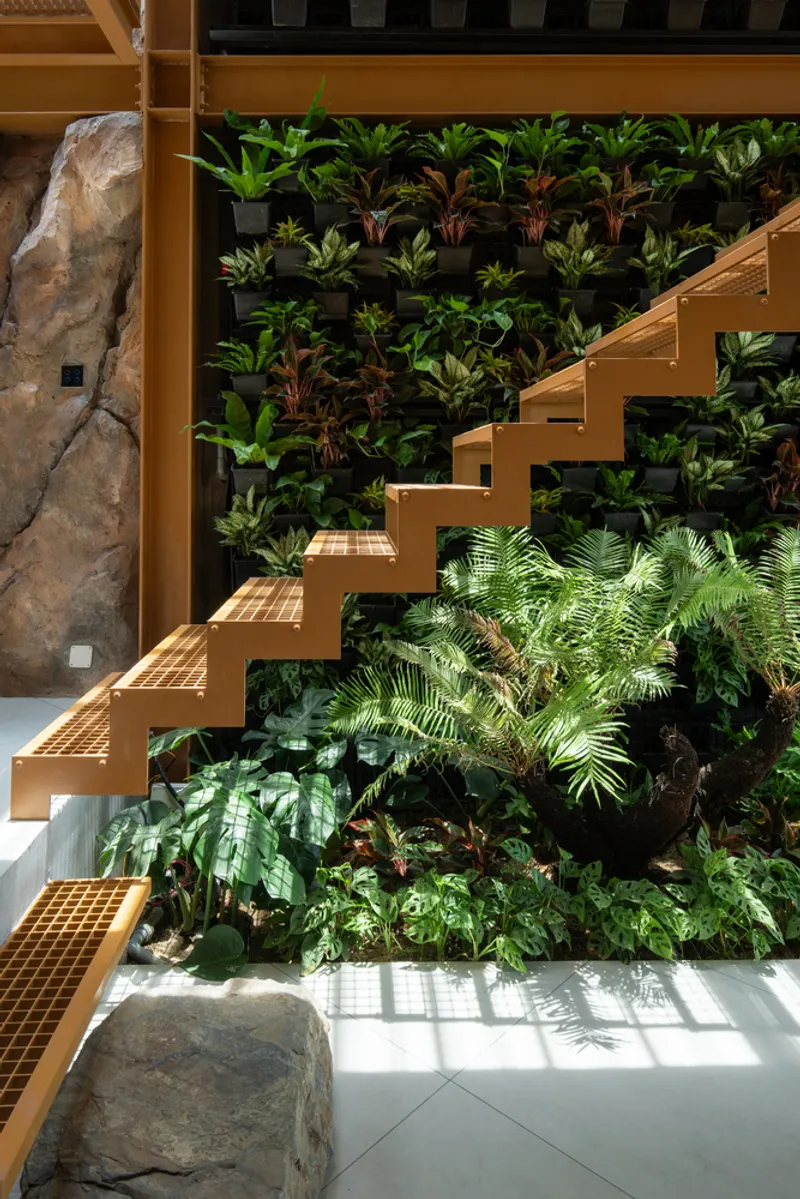
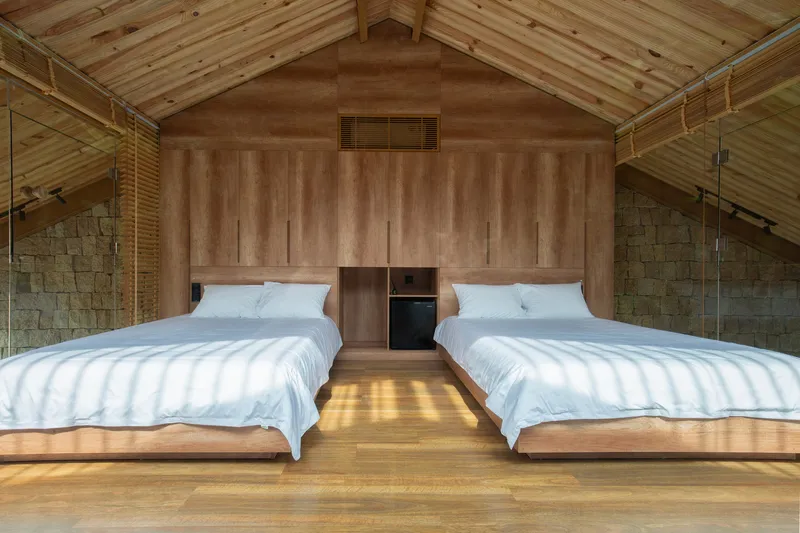
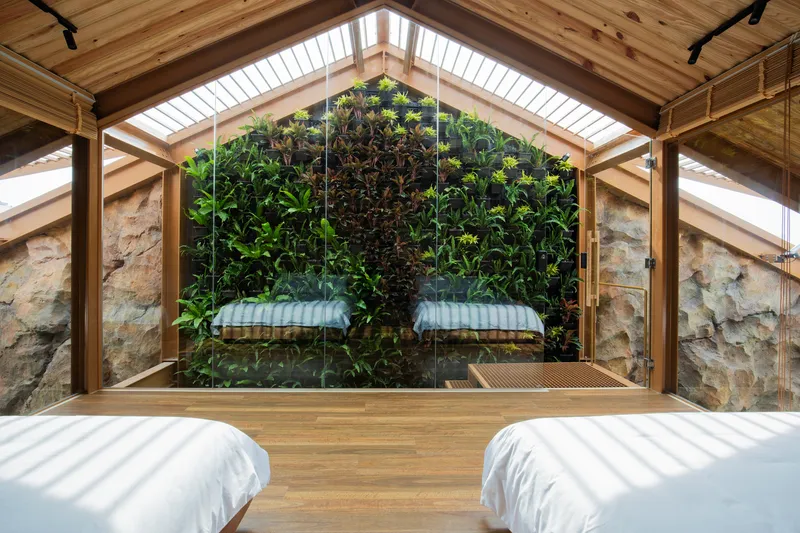
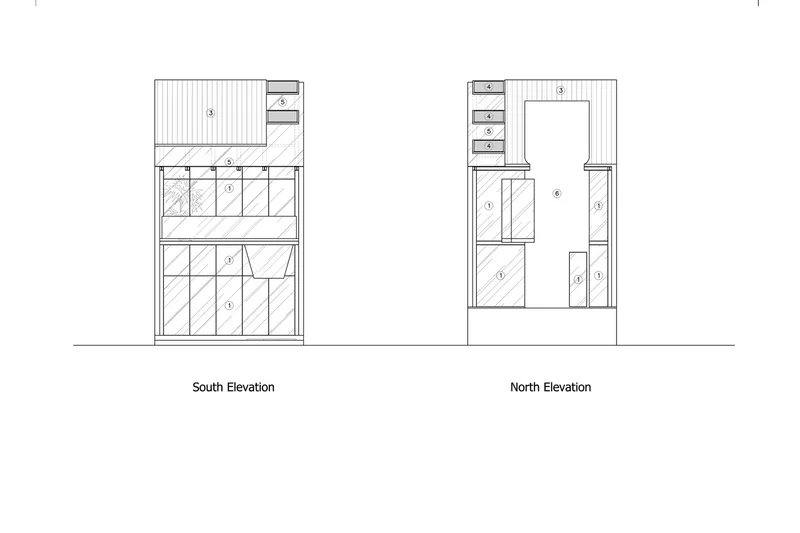
The attic level offers a private retreat with a 180-degree panoramic view. A vertical green wall runs continuously from the ground floor to the roof, promoting better air quality and reinforcing the home’s biophilic design principles. The operable roof components allow the building to breathe, adapting to seasonal and daily weather shifts. Rooftop spaces also house solar panels, air conditioning units, and water tanks—carefully concealed yet crucial components of the house’s sustainable infrastructure.
Environmental Impact and Carbon Offsetting
Over its operational life, Ga.o House is expected to offset more than 200 tons of CO₂, the equivalent of planting approximately 3,500 trees. This achievement positions the project as a leading example of sustainable residential architecture in Vietnam. Every architectural decision, from materials to mechanical systems, serves a dual purpose: optimizing performance while preserving the environment.
A Living Prototype for Net Zero Futures
Ga.o House is more than a structure—it’s a manifesto for environmentally responsible architecture. It showcases how residential and office functions can coexist without compromising sustainability. As Vietnam continues its urban development, this project stands as a meaningful contribution to the global Net Zero movement, offering scalable lessons in adaptive reuse, climate integration, and ecological stewardship.
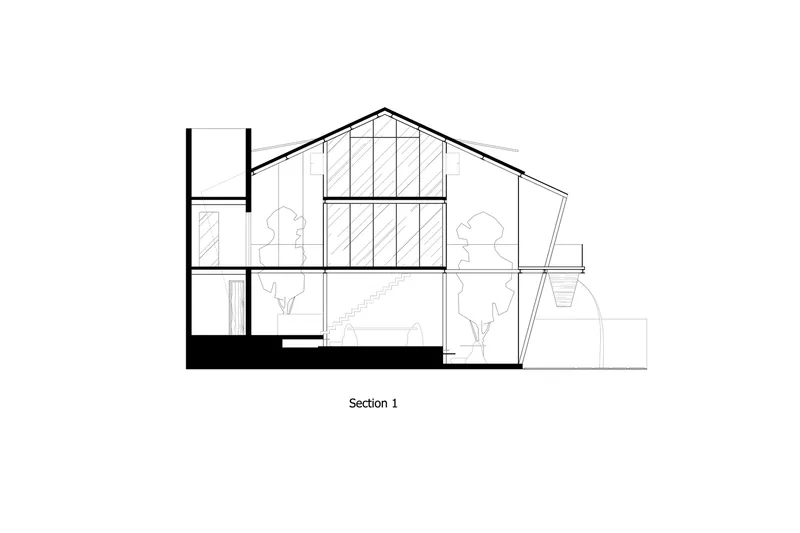
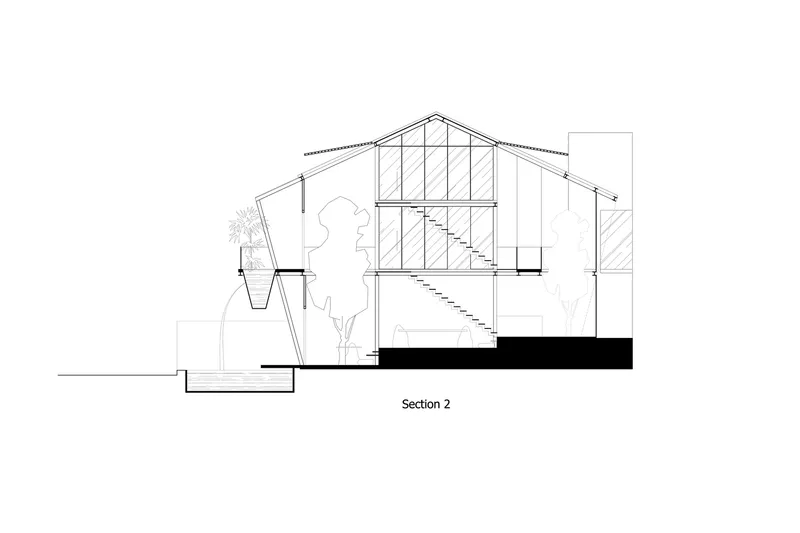
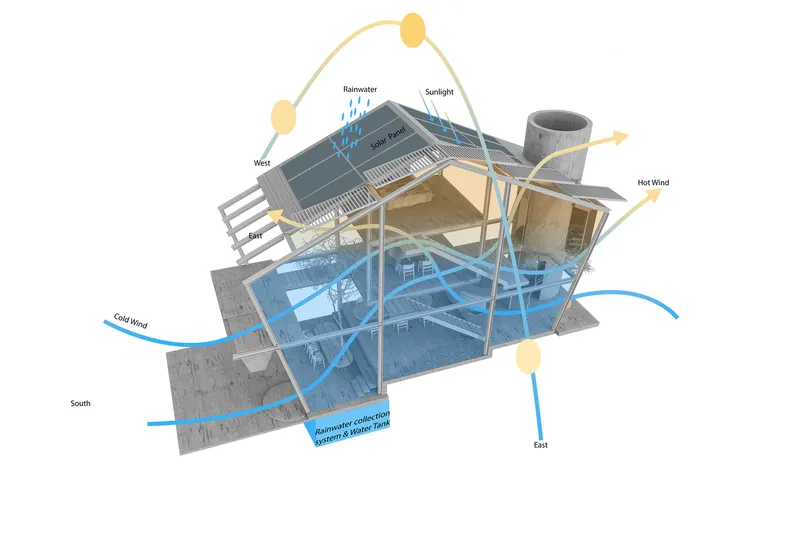
All photographs are works of To Huu Dung



Popular Articles
Popular articles from the community


Co-life: Sustainable Architecture for Age-Friendly Community Living
Co-life reimagines sustainable architecture for seniors through courtyards, rammed earth, shared gardens, and spaces designed for belonging.

Lunar Spiral: Space Architecture Shaped by the Mathematics of the Universe
Lunar Spiral reimagines space architecture through Fibonacci geometry, lunar regolith, levitating habitats, and self-sustaining Moon living.

Riyadh For All: Intergenerational Urban Design for Active Aging in Rabat
Riyadh For All reimagines urban design in Rabat with intergenerational co-living, adaptive courtyards, and Moroccan cultural exchange today.

The Earth Pod: 3D Printed Homes for Resilient Refugee Communities
The Earth Pod reimagines refugee housing through 3D printed homes made from clay, combining resilience, self-sufficiency, and rapid shelter.

Similar Reads
You might also enjoy these articles

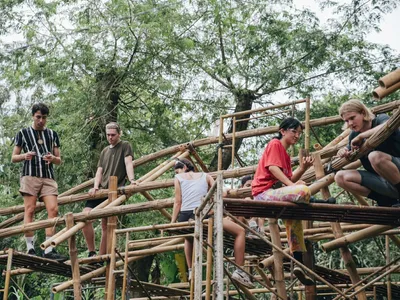
Bamboo Housing Challenge 2026: Design Affordable, Sustainable Homes Using Bamboo
An international design competition by Bamboo U and IBUKU inviting architects and designers to reimagine affordable housing using bamboo — with the winning design built full-scale in Bali.
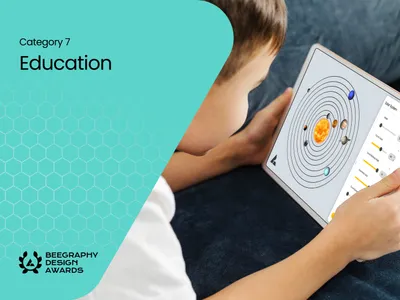
Computational Design & Education: Beegraphy Design Awards Introduces 7th Category (Featuring Jiyun's Innovative Approach)
Dive into Beegraphy’s 7th Design Awards category, where computational design meets education to create immersive, interactive learning tools, inspired by Jiyun’s work.
From Parametric Lighting to Urban Furniture: Join the 2nd Workshop in Beegraphy’s Computational Design Series
Dive into Cutting-Edge Design Techniques and Practical Applications with Industry Experts

Last Call: Unleash Your Architectural Genius in SHAK's Kindergarten Design Competition
Urgent call for architects to join SHAK's kindergarten design competition before the looming deadline

Explore Green Building Competitions
Discover active competitions in this discipline



Challenge to reimagine the Iron Throne


Photograph architecture without architects


Illustrate the lost glory of Angkor Wat - Render Challenge


Design challenge to reuse E-waste
Comments (0)
Please login or sign up to add comments
No comments yet. Be the first to comment!