
GODUNG Office & Apartments Building by Stocker Lee Architetti – Long Form Article
GODUNG Office & Apartments blends functionality and aesthetics with minimalist design, dynamic spaces, and sustainable materials, enhancing Seongnam’s urban landscape.

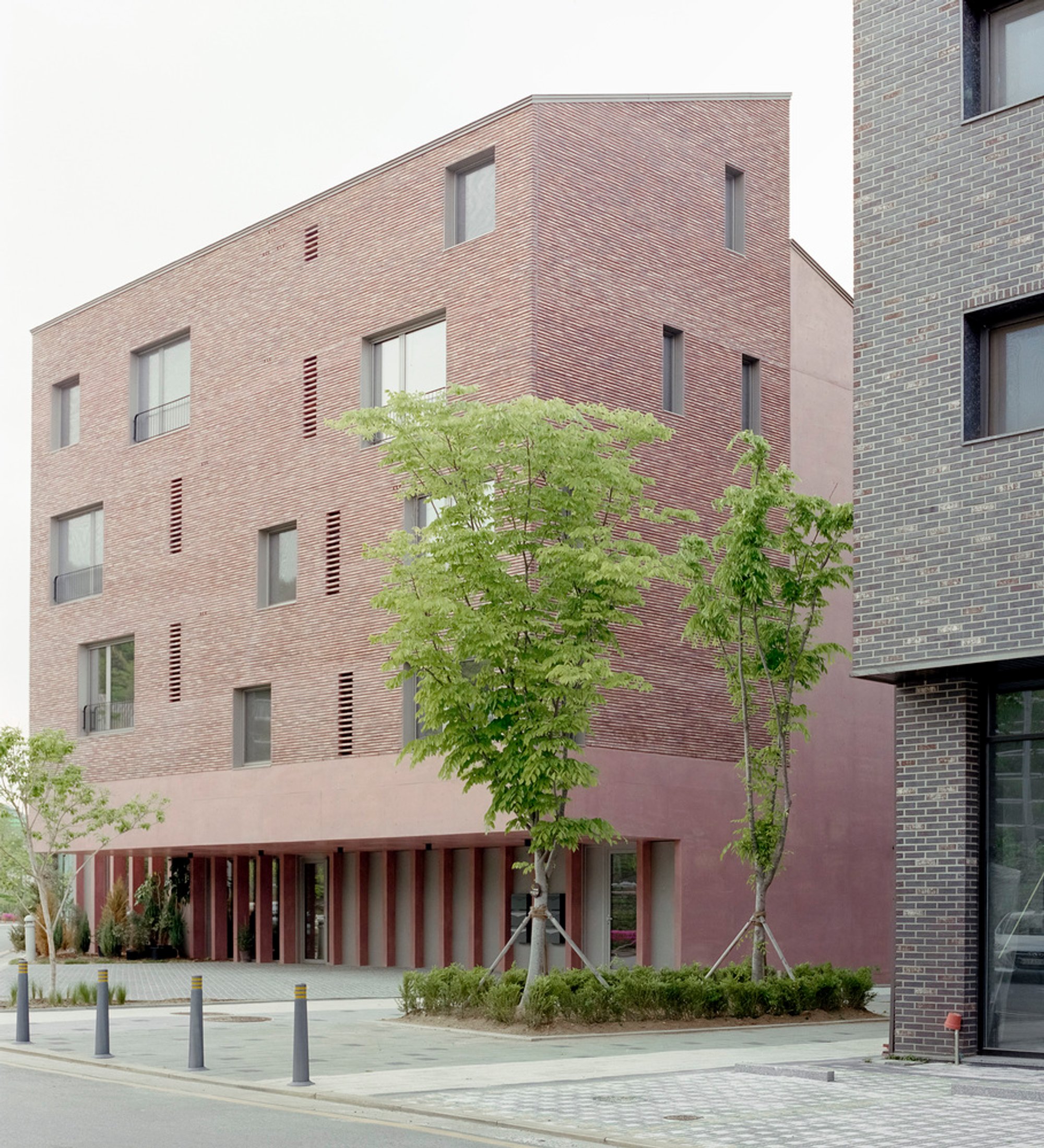
GODUNG Office & Apartments Building, designed by Stocker Lee Architetti, is located in Seongnam, south of Seoul, South Korea. This project sits on an irregular plot situated at the edge of an expanding neighborhood. The plot is bordered by a neighborhood street to the south and adjacent terrain on the north. The rectangular volume aligns itself along the northern perimeter, maintaining a set-back position that creates an urban void, facilitating pedestrian and vehicular access to the building.
Architectural Concept
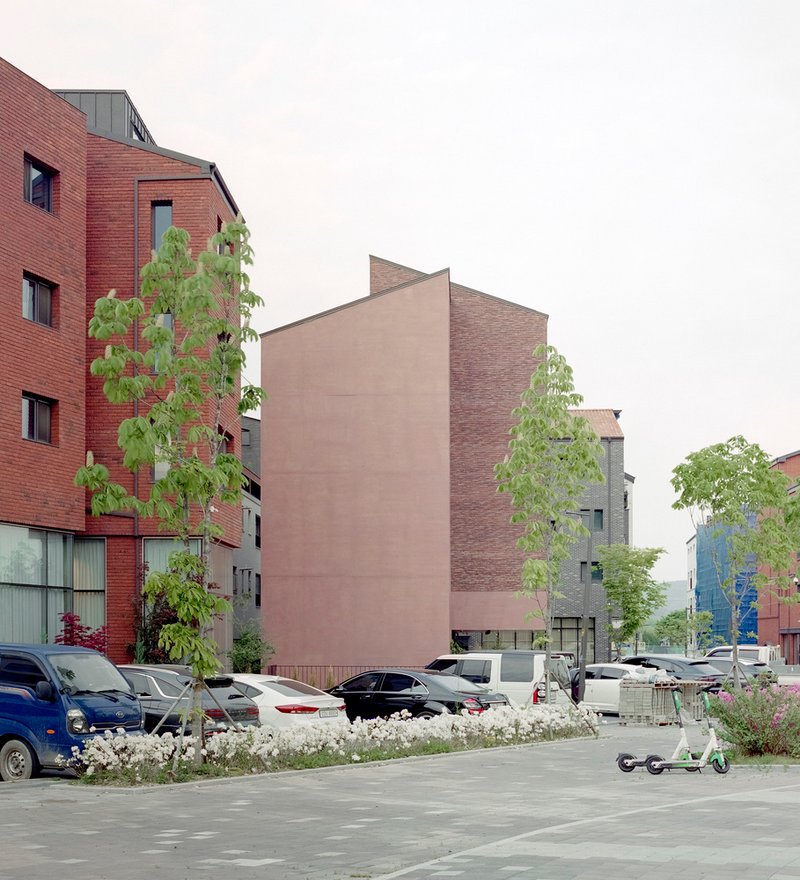
The building’s volumetric composition is a combination of two distinct bodies that seamlessly fit together, creating a pure, clear, and identifiable form. The ground floor and basement are designated for commercial use, welcoming public interaction. In contrast, the upper floors house apartments of varying sizes, catering to different needs. The concept of a skip floor system influences the spatial distribution, resulting in an asymmetrical facade with irregular openings that give the structure a dynamic and non-static appearance.
Materiality and Design Philosophy
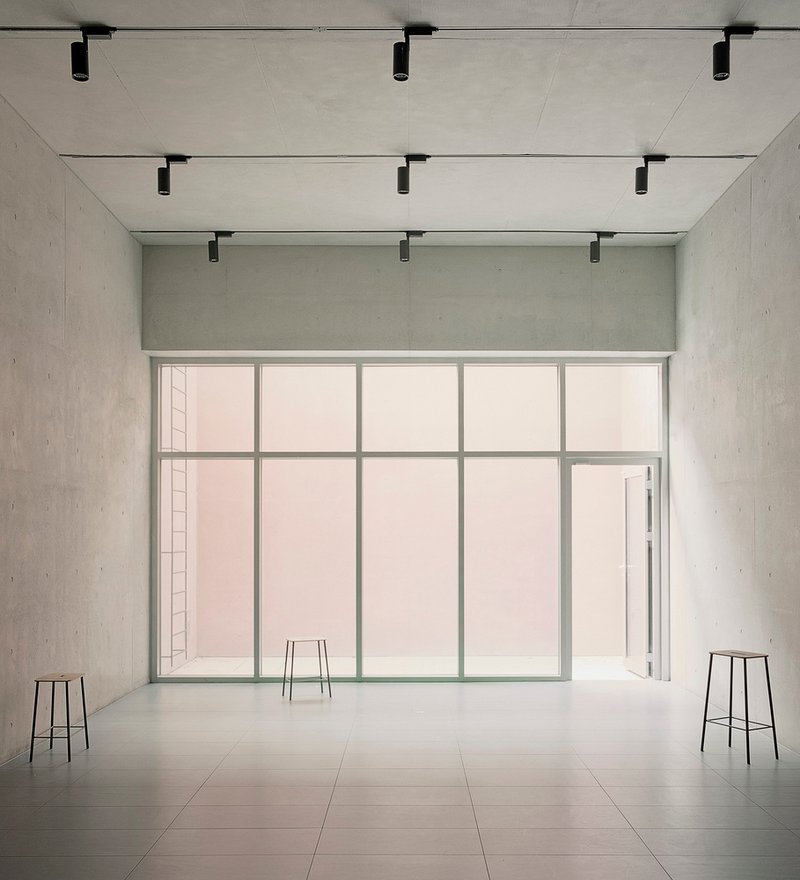
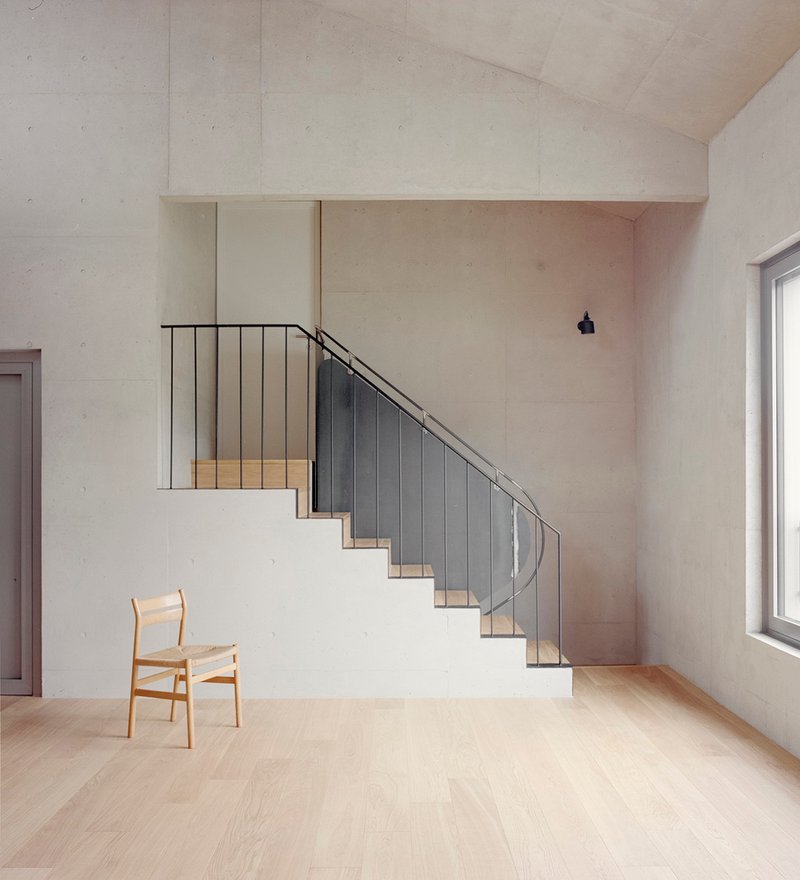
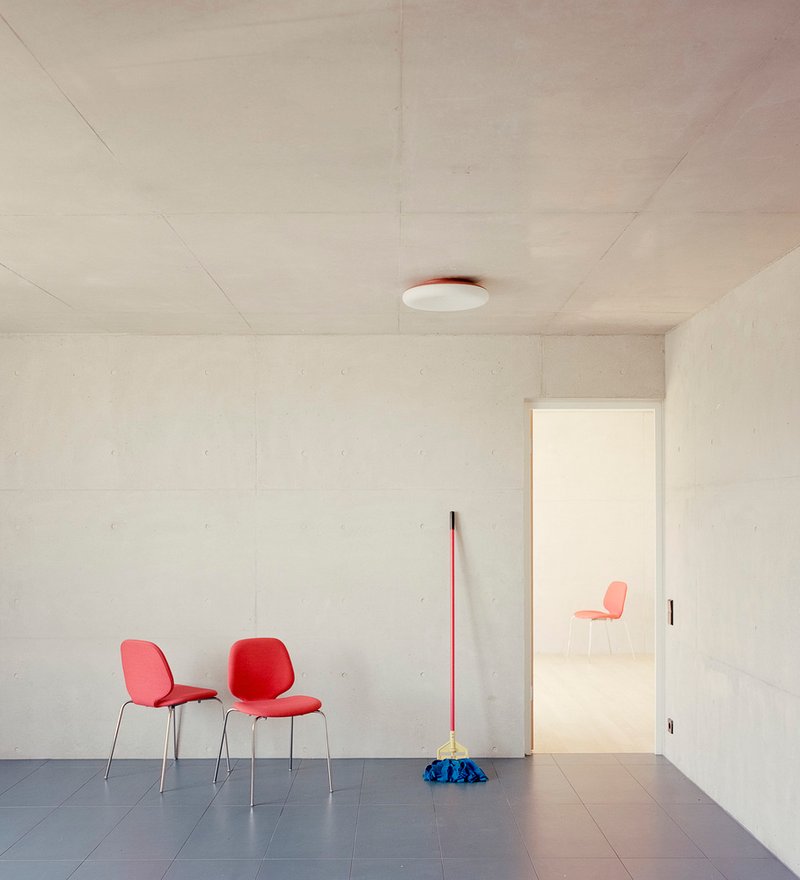
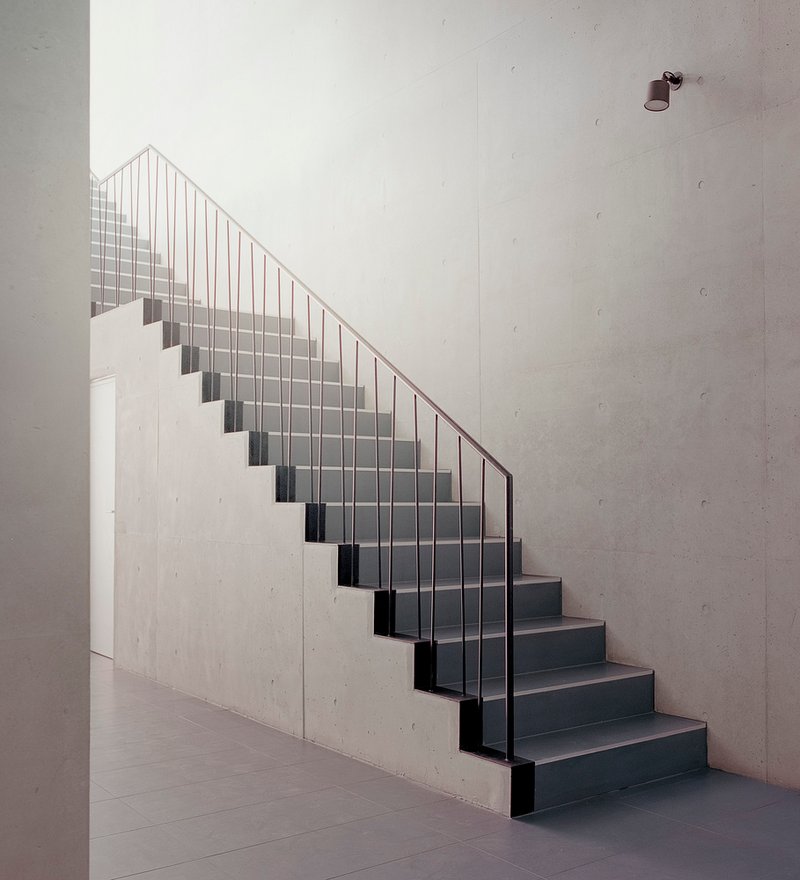
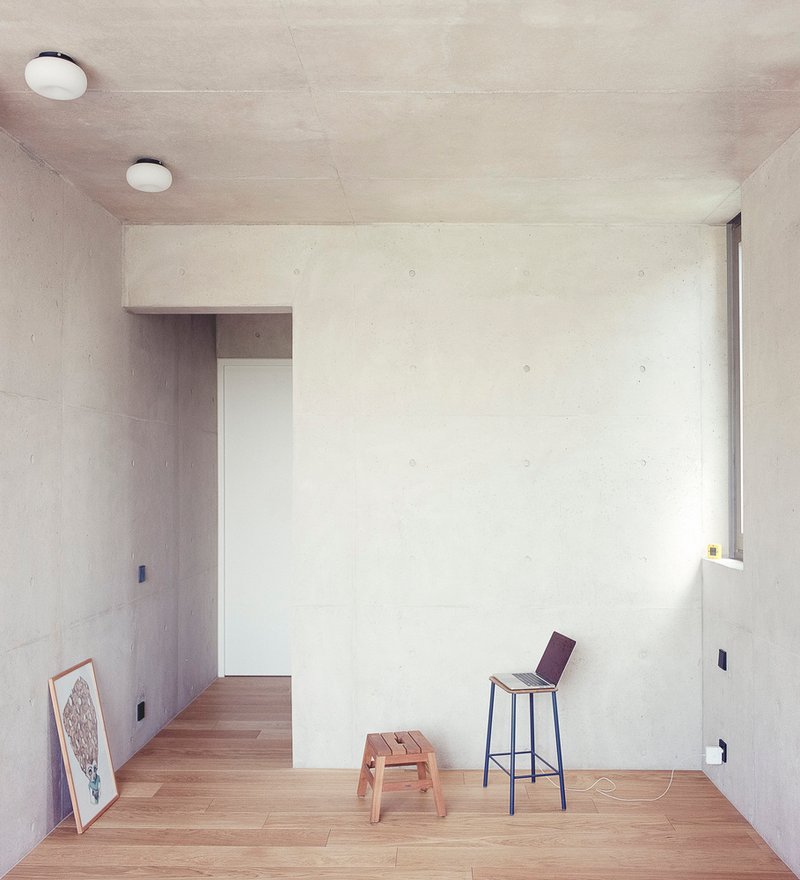
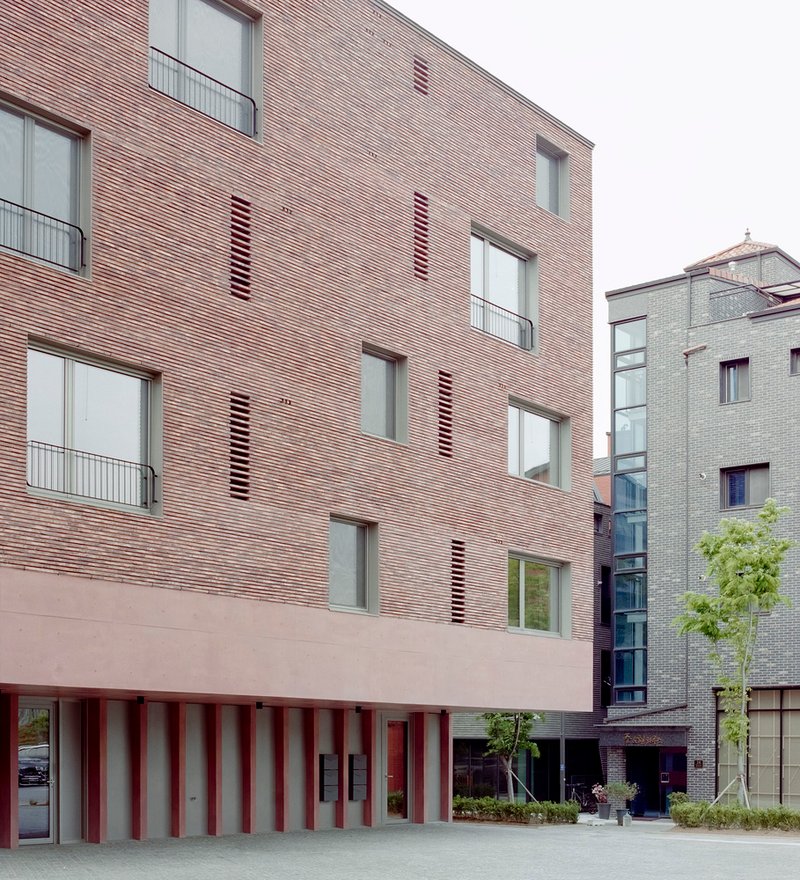
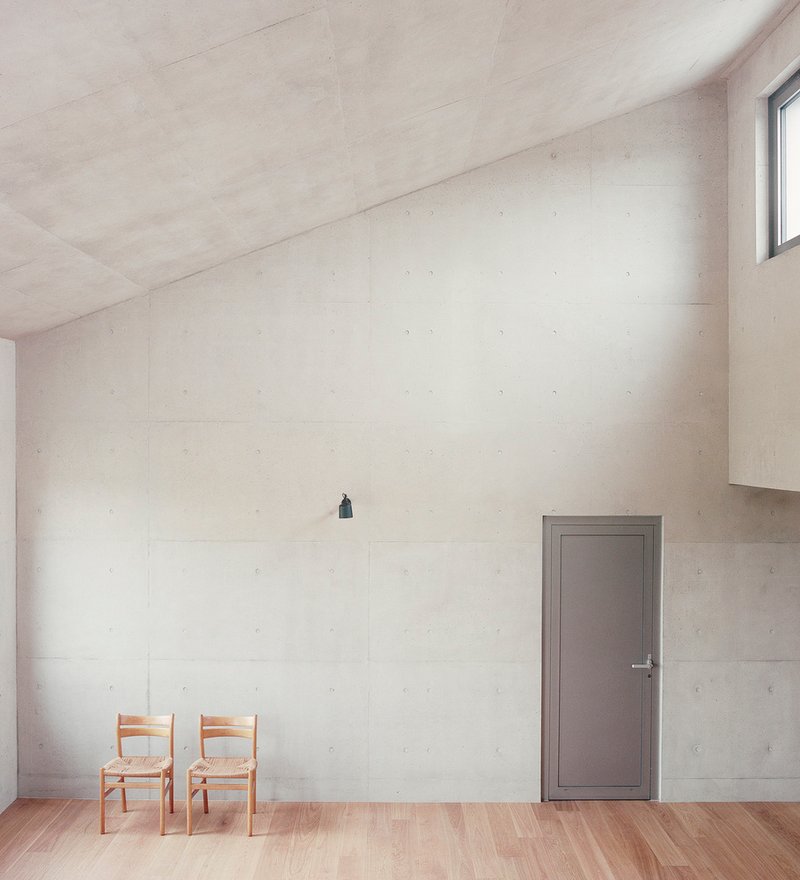
The material palette reflects the design intent, focusing on simplicity and coherence. The building incorporates two primary finishes — exposed concrete and Petersen Kolumba K43 bricks, which create a cohesive and recognizable visual identity. Inside, natural exposed concrete is complemented by two distinct flooring types: wood and tiles. These materials establish a neutral and elegant ambiance that resonates with the essential and minimalist design principles at the core of the project. Matt black iron details further accentuate the refined industrial aesthetic.
Exterior and Facade Design
The building’s external design is characterized by a striking juxtaposition between light and heavy elements. The lighter volume, punctuated by primary openings, is supported by a robust base that overhangs the entrance. This thoughtful configuration ensures a welcoming entrance while contributing to the overall architectural balance. The asymmetrical window placement on the facade reinforces the dynamic nature of the building while allowing optimal natural light penetration into the interior spaces.
Interior Layout and Spatial Arrangement
The interior layout follows the skip floor concept, which enhances spatial fluidity and introduces a sense of movement within the building. The variation in floor levels generates diverse spatial experiences while ensuring functionality across different zones. The apartments on the upper floors are designed with meticulous attention to detail, providing residents with comfortable living environments that blend seamlessly with the building’s overall architectural language.
Integration with Urban Context
The GODUNG Office & Apartments Building integrates harmoniously with its surroundings, standing as a distinct yet complementary landmark in the neighborhood. Positioned at the edge of the urban block, the building establishes a strong visual presence with its bold form and materiality. The conscious decision to create an urban void at the entrance enhances accessibility and fosters community interaction, reinforcing the project’s commitment to integrating public and private spaces.
Sustainability and Environmental Considerations
The design takes environmental considerations into account by incorporating materials and design strategies that promote thermal comfort and energy efficiency. The choice of concrete and brick not only enhances durability but also contributes to the building’s thermal mass, reducing energy consumption. Large openings allow for ample natural ventilation, minimizing the need for artificial cooling systems.
All Photographs are works of Simone Bossi




Popular Articles
Popular articles from the community

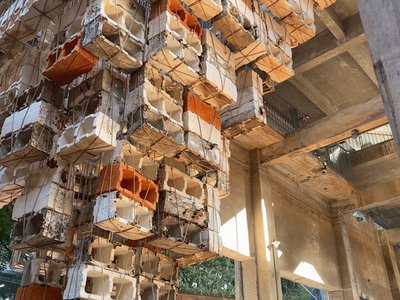
Inverted Architecture Installation by Studio Link-Arc: Exploring the Intersection of Architecture and Living Organisms
Inverted Architecture Installation by Studio Link-Arc blends mycelium, sustainability, inverted design, ecological cycles, and urban adaptive architecture in Shenzhen.
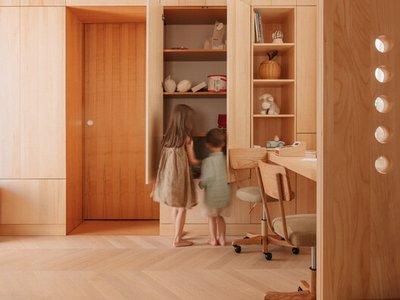
Treehouse Apartment: A Warm Timber Interior Blending Craft, Play, and Contemporary Living
Warm timber apartment with integrated treehouse, combining natural materials, craftsmanship, and playful design to create a flexible, family-oriented living environment.
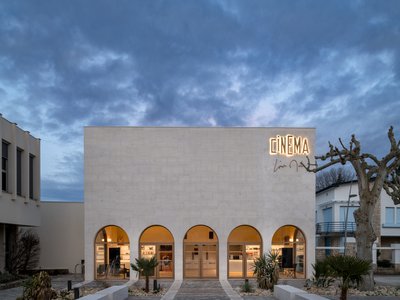
Louis Malle Cinema: A Limestone Cultural Landmark Revitalizing Community Life in Prayssac
Limestone cinema extension with public forecourt, blending heritage and modern design to create flexible cultural spaces and strengthen community interaction.


The Ken Roberts Memorial Delineation Competition (Krob)
As the most senior architectural drawing competition currently in operation anywhere in the world, it draws hundreds of entries each year, awarding the very best submissions in a series of medium-based categories.

Similar Reads
You might also enjoy these articles
The Ken Roberts Memorial Delineation Competition (Krob)
As the most senior architectural drawing competition currently in operation anywhere in the world, it draws hundreds of entries each year, awarding the very best submissions in a series of medium-based categories.


Waterfront Redevelopment and Urban Revitalization in Mumbai: Forging a New Dawn for Darukhana
A transformative waterfront redevelopment project reimagining Darukhana’s shipbreaking heritage into an inclusive urban future.

OUT-OF-MAP: A Call for Postcards on Feminist Narratives of Public Space
Rhizoma Design and Research Lab invites artists, designers, architects, researchers, and students to reflect on how feminist perspectives can reshape public space. Selected works will be exhibited in Barcelona, October 2026. Submissions open until 15 April 2026.


Documentation Work on Buddhist Wooden Temple
Architectural syncretism and cultural hybridity: A comparative study of the Buddhist temples in Chattogram Hill tracks


Explore Architecture Competitions
Discover active competitions in this discipline




The International Standard for Design Portfolios


The Global Benchmark for Architecture Dissertation Awards


The Global Benchmark for Graduation Excellence


Challenge to reimagine the Iron Throne
Comments (0)
Please login or sign up to add comments
No comments yet. Be the first to comment!