
Greenhouse for the Coexistence of Plants and Humans – salazarsequeromedina
A sustainable greenhouse blending plants and human life, using reclaimed bricks and metal, creating adaptable spaces inspired by vernacular Peruvian architecture.

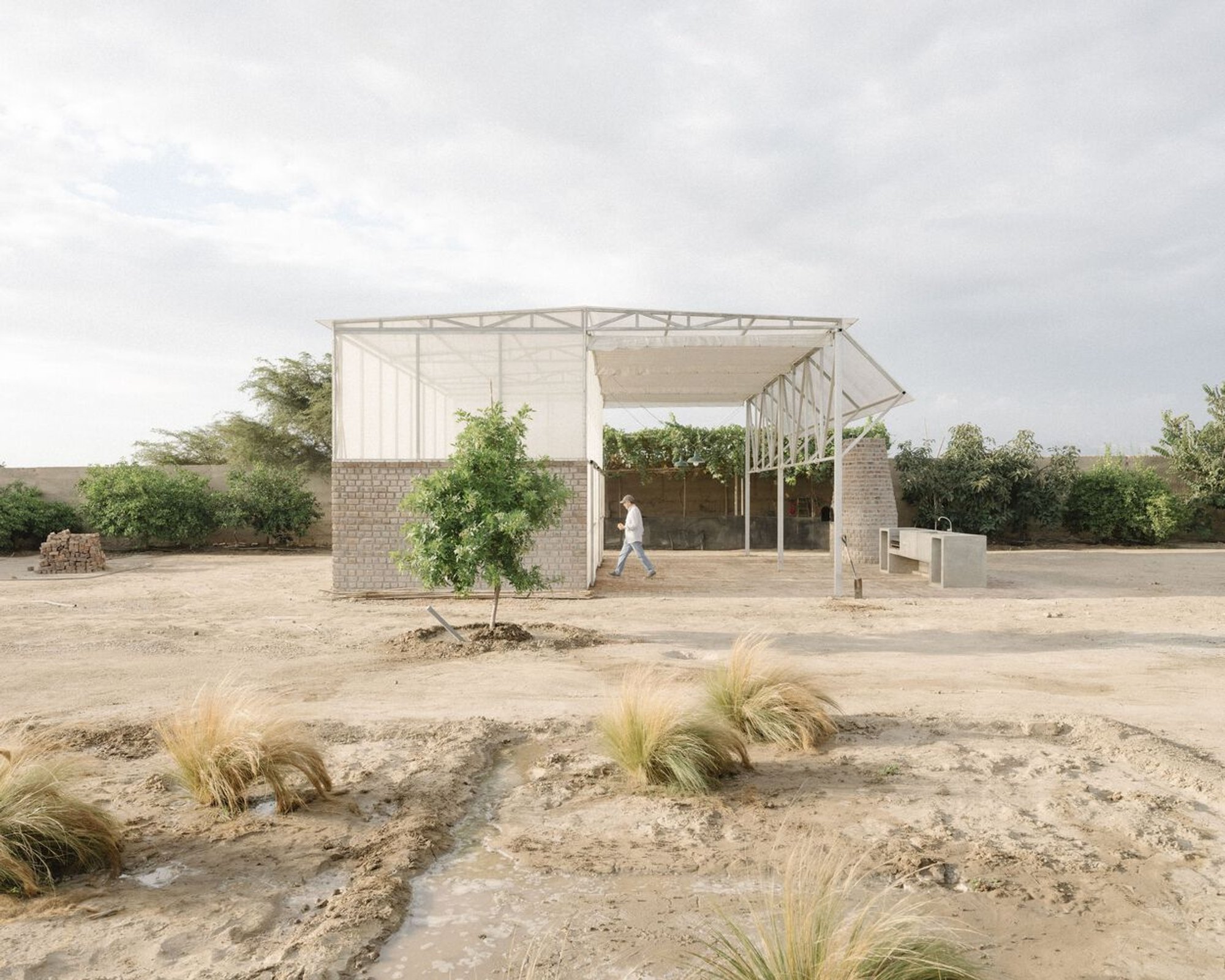
The Greenhouse for the Coexistence of Plants and Humans, designed by salazarsequeromedina in El Carmen, Peru, redefines the relationship between architecture, nature, and domestic life. Built in 2022 with a modest footprint of 110 m², the project blends sustainability, vernacular inspiration, and adaptive reuse to create a space where plants and humans thrive together.
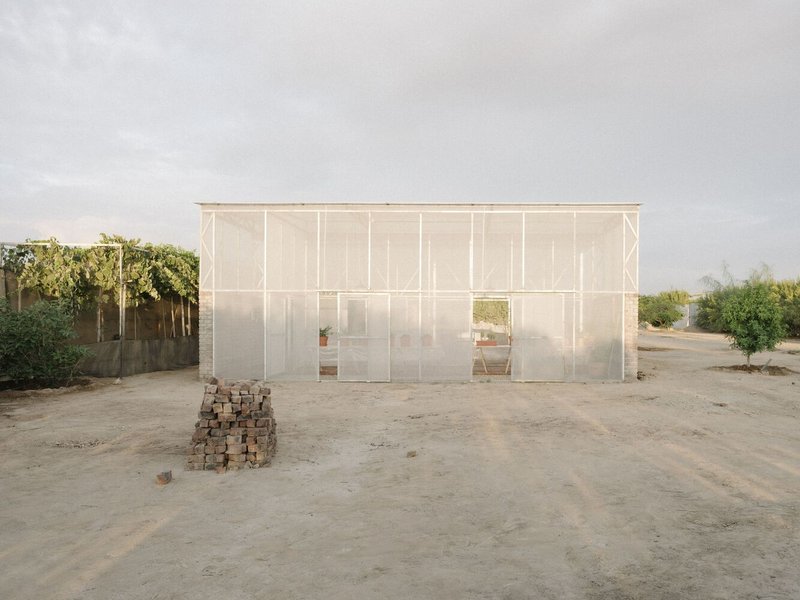
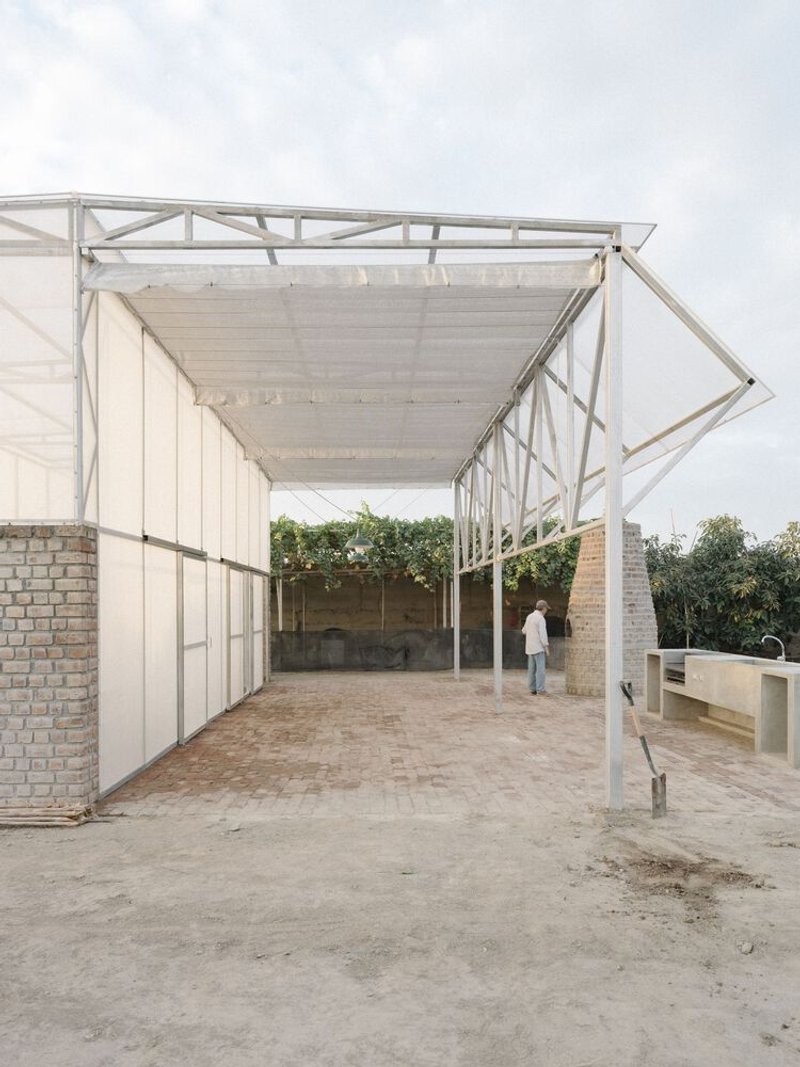
This innovative hybrid structure is conceived as two asymmetrical twins: one half functions as a traditional greenhouse, nurturing plants within a controlled environment, while the other serves as an outdoor living room for people. Their proximity creates a natural symbiosis — the greenhouse conditions the microclimate of the living area, ensuring comfort year-round. It is a place where fruit travels directly to the table, and hands care for the leaves, dissolving the barrier between cultivation and daily life.
Vernacular Inspiration and Sustainable Design
The project draws heavily from the vernacular architecture of rural Peru, where temporary, adaptable structures respond to climate and community needs. Elements like verandas, awnings, and shaded antepatios are reinterpreted into a modern architectural language. The greenhouse is not only functional but also aesthetic and symbolic, embodying the cultural rhythm of agriculture and domestic rituals.
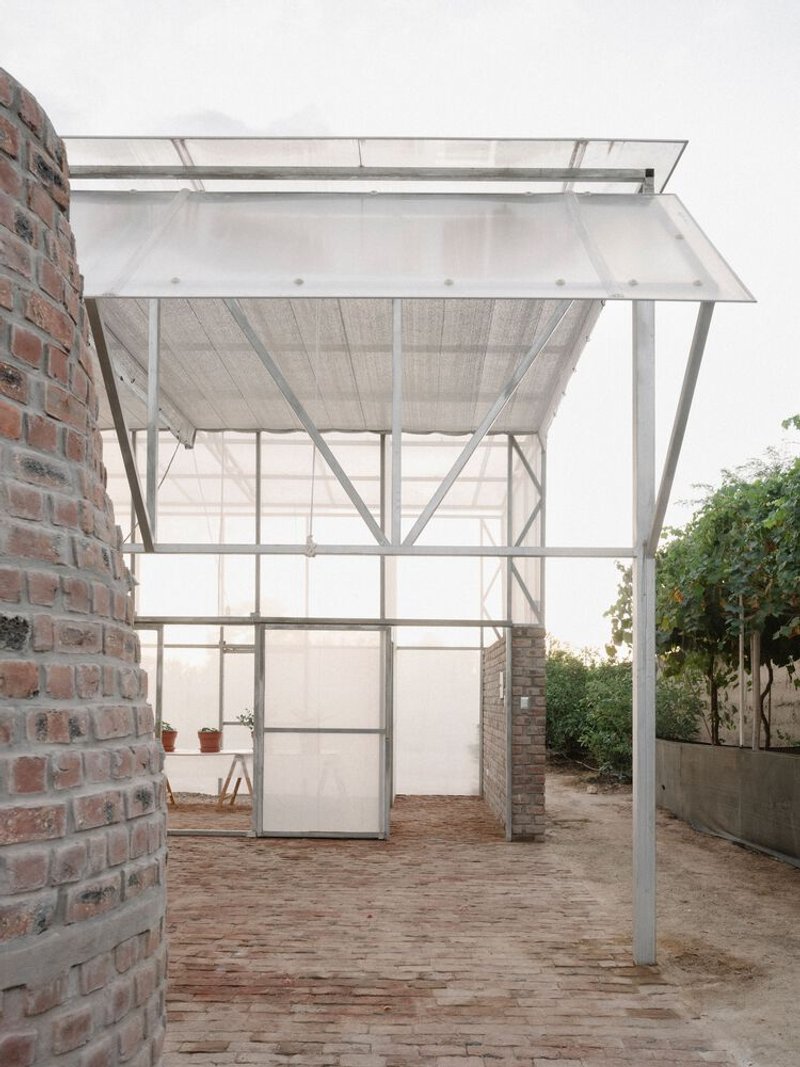
The construction highlights a sustainable material palette. A robust base made from reclaimed “recocho” brick — salvaged from local brickyard waste — rises two meters, providing solidity and permanence. Above this, a lightweight metal framework introduces flexibility and adaptability. The steel elements, sourced from scraps of nearby agricultural infrastructures, make the project affordable, resource-conscious, and environmentally responsible.
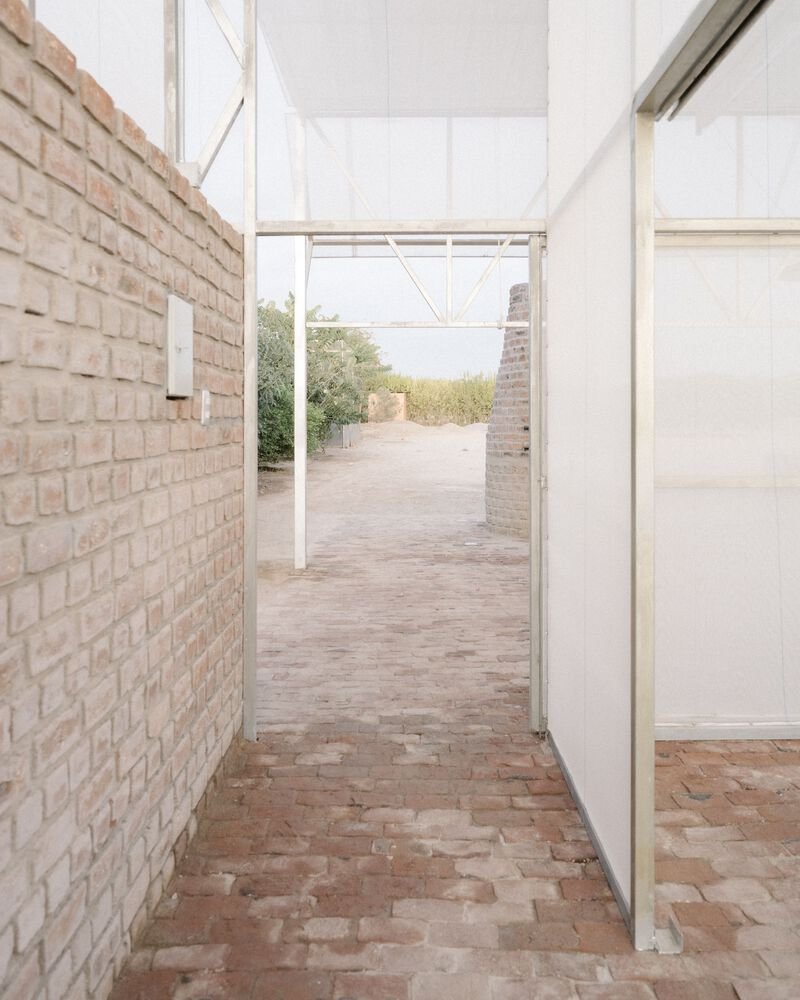
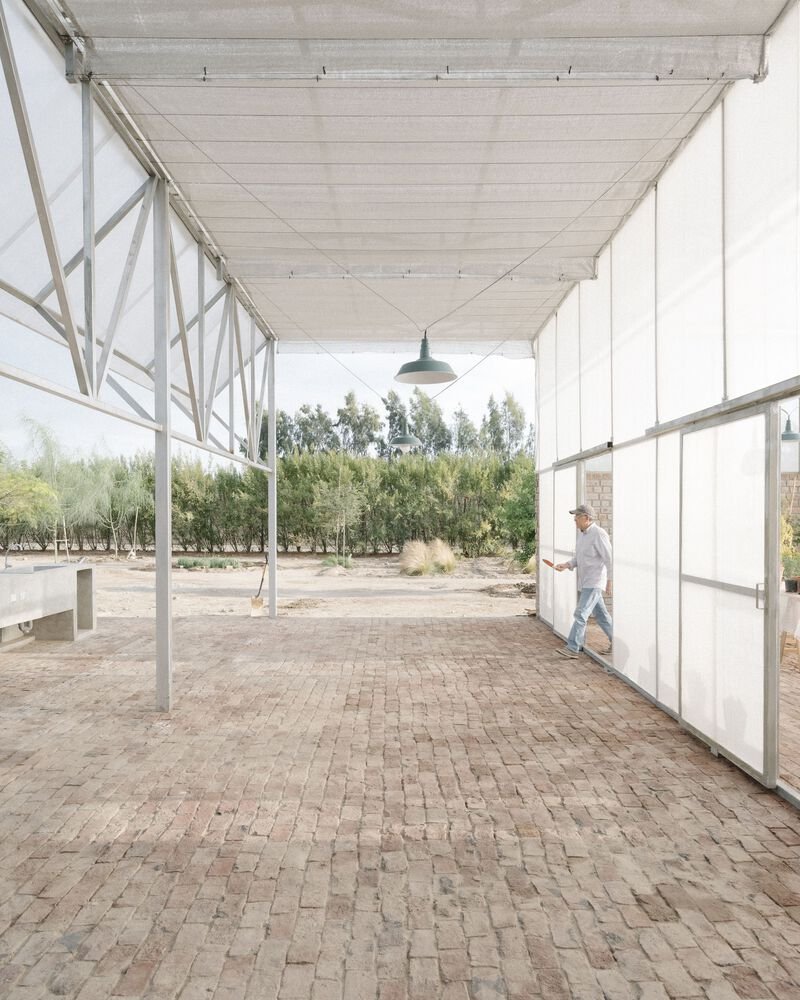
Adaptability and Future Transformation
Although designed as a greenhouse and living space, the structure is not fixed to one identity. Its elemental and diaphanous construction allows for future transformations — it could be dismantled, reassembled, or adapted into entirely different programs. This modular approach ensures resilience and a long lifecycle, aligning with contemporary values of circular architecture and sustainable design.
Ultimately, the Greenhouse for the Coexistence of Plants and Humans is more than just a building — it is an ecosystem of coexistence, a shared habitat where architecture, agriculture, and community intersect. By blurring the boundary between plant cultivation and human habitation, it exemplifies a new paradigm of sustainable living in harmony with nature.
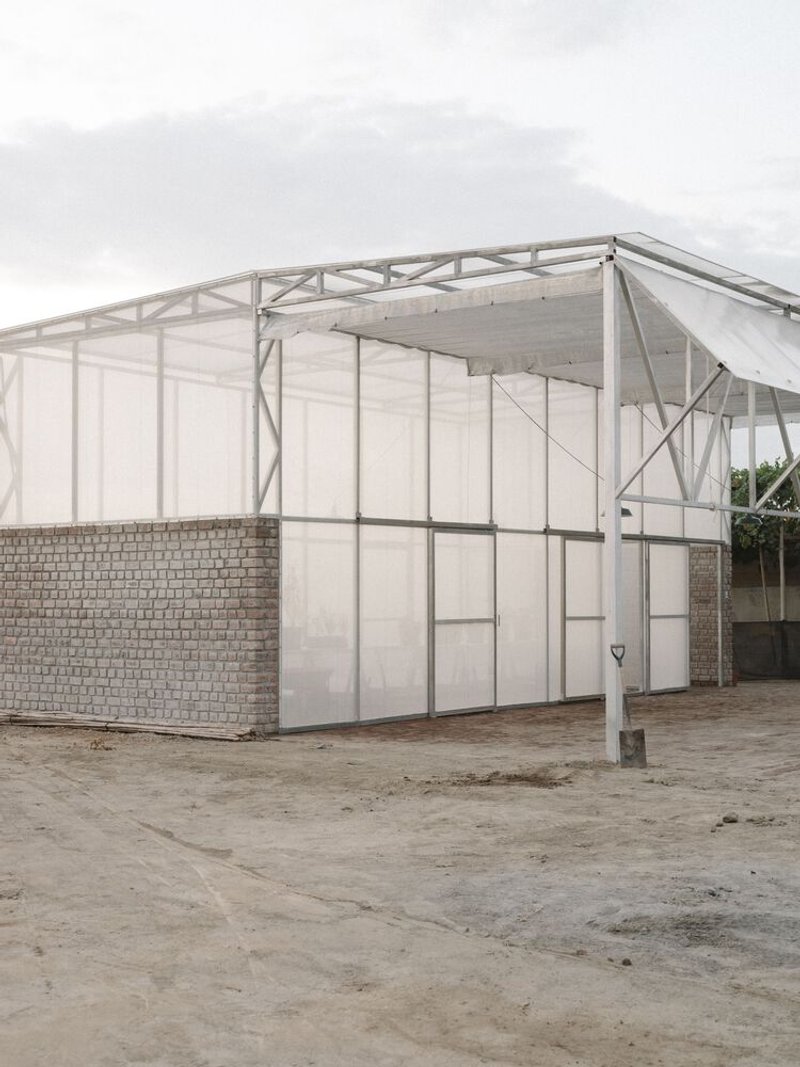
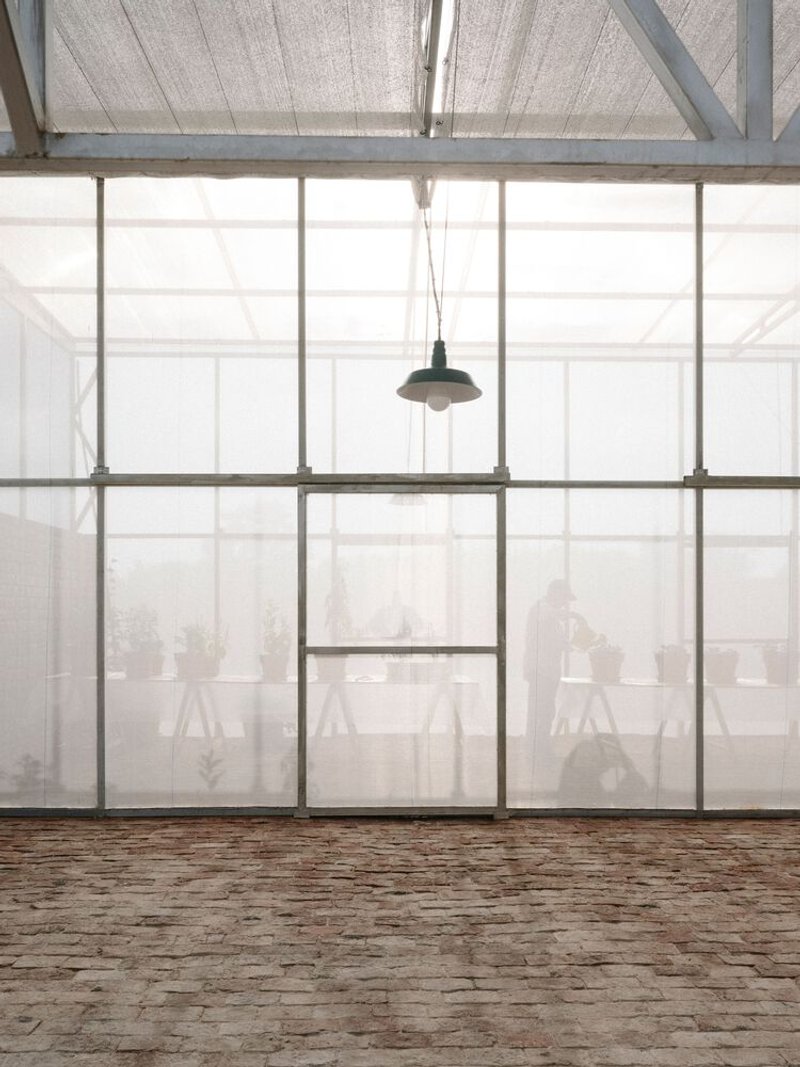
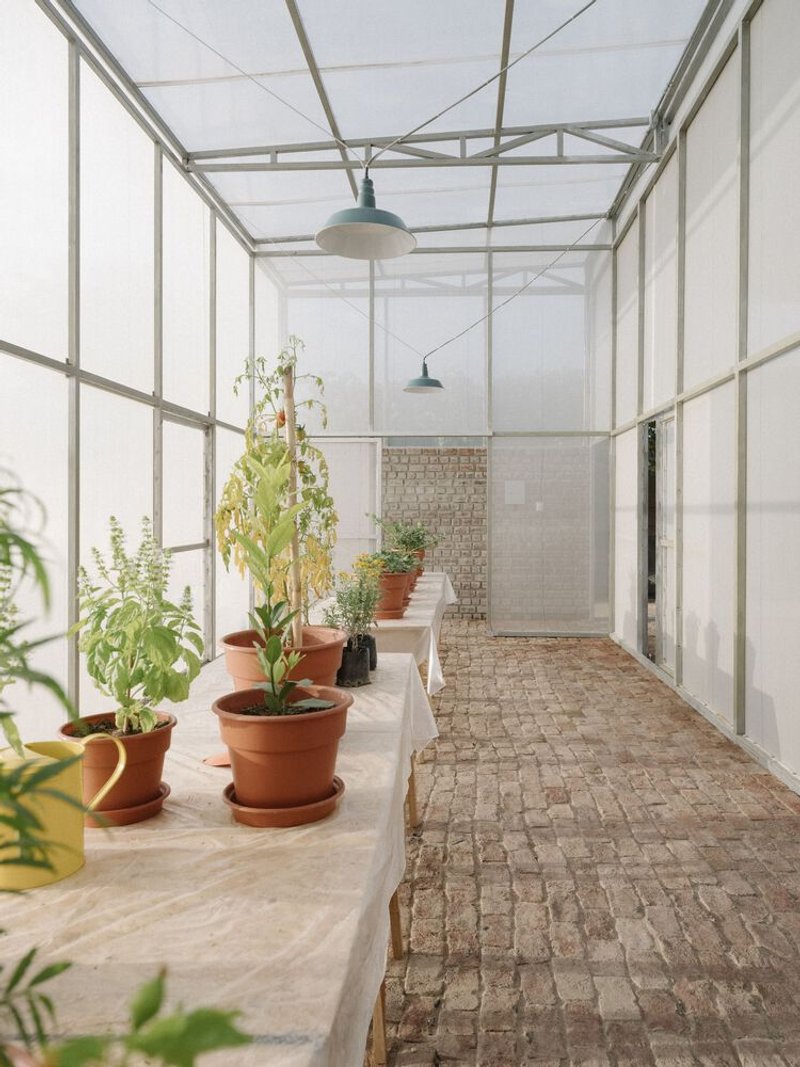
All photographs are works of Ivan Salinero



Popular Articles
Popular articles from the community

Gads Hill Early Learning Center by JGMA: Adaptive Reuse Shaping Community-Focused Educational Architecture
Adaptive reuse transforms fragmented structure into vibrant early learning center with playful façade, natural light, and community-focused sustainable design.
Split House: A Compact Urban Home Blending Privacy, Light, and Flexible Living in Japan
Compact Japanese home featuring DOMA space, flexible café potential, passive lighting, privacy zoning, and sustainable urban living design.
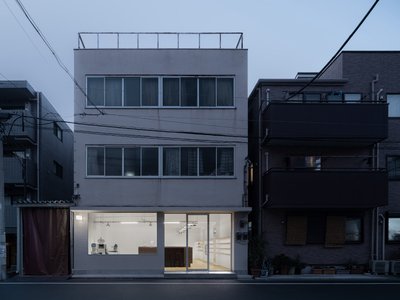
Atelier Macri Concept Store Interior Design by CASE-REAL
Atelier Macri store features a "ko" counter, walnut wood details, cork displays, blending retail, gallery, and seamless customer experiences.

Free Architecture Competitions You Can Enter Right Now
No entry fees, real prizes. Here are the best free architecture competitions open for submissions in 2026.

Similar Reads
You might also enjoy these articles


The Ken Roberts Memorial Delineation Competition (Krob)
As the most senior architectural drawing competition currently in operation anywhere in the world, it draws hundreds of entries each year, awarding the very best submissions in a series of medium-based categories.

Waterfront Redevelopment and Urban Revitalization in Mumbai: Forging a New Dawn for Darukhana
A transformative waterfront redevelopment project reimagining Darukhana’s shipbreaking heritage into an inclusive urban future.

OUT-OF-MAP: A Call for Postcards on Feminist Narratives of Public Space
Rhizoma Design and Research Lab invites artists, designers, architects, researchers, and students to reflect on how feminist perspectives can reshape public space. Selected works will be exhibited in Barcelona, October 2026. Submissions open until 15 April 2026.


Documentation Work on Buddhist Wooden Temple
Architectural syncretism and cultural hybridity: A comparative study of the Buddhist temples in Chattogram Hill tracks

Explore Architecture Competitions
Discover active competitions in this discipline




The International Standard for Design Portfolios


The Global Benchmark for Architecture Dissertation Awards


The Global Benchmark for Graduation Excellence


Challenge to reimagine the Iron Throne
Comments (0)
Please login or sign up to add comments
No comments yet. Be the first to comment!