

Hangzhou Wulin Art Museum: A New Epoch in Cultural Complex Urban Integration
The Hangzhou Wulin Art Museum by CCTN Design exemplifies cultural complex urban integration, blending art with sustainability in Hangzhou’s dynamic cityscape.


Nestled in the heart of Hangzhou’s Gongshu District, the Hangzhou Wulin Art Museum by CCTN Design emerges as a paragon of cultural complex urban integration. Spanning an impressive area of 489054 m² and completed in 2023, this architectural marvel represents a pivotal moment in blending cultural spaces with the pulsating life of the city.


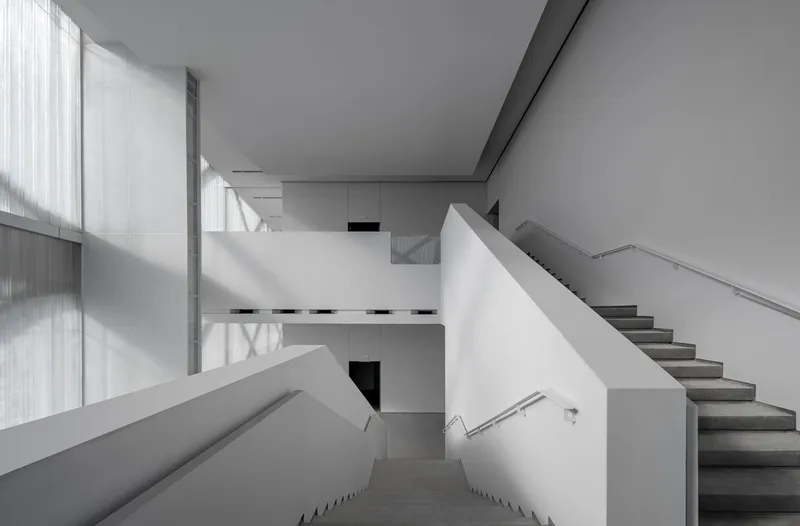
Designing for Urban Synergy
Architectural Dialogue with the City
Surrounded by a vibrant tapestry of offices, commercial spaces, and residences, the museum is strategically situated to enrich Hangzhou's urban landscape. The architects, led by Youfen Wang, envisioned a structure that not only serves as a bastion for art and culture but also actively engages with its metropolitan surroundings to enhance urban vitality.

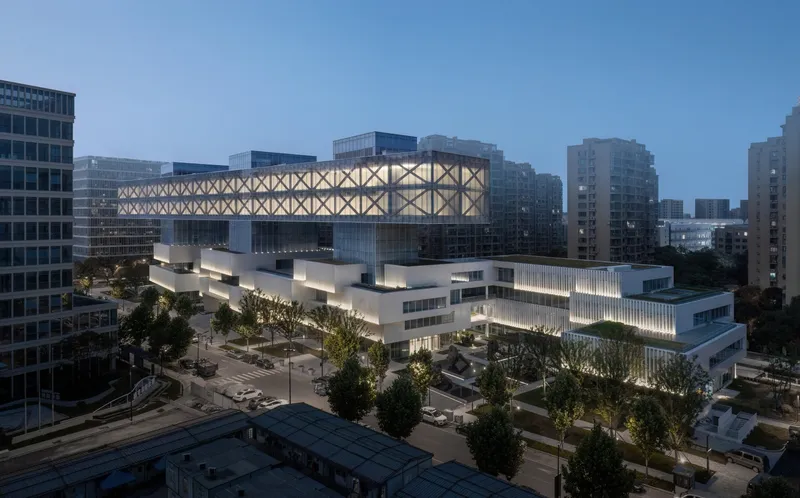


Strategic Layout for Maximum Engagement
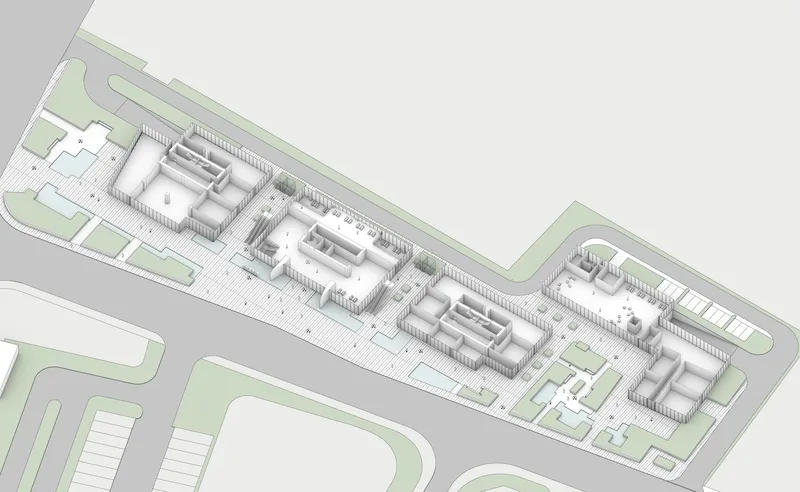
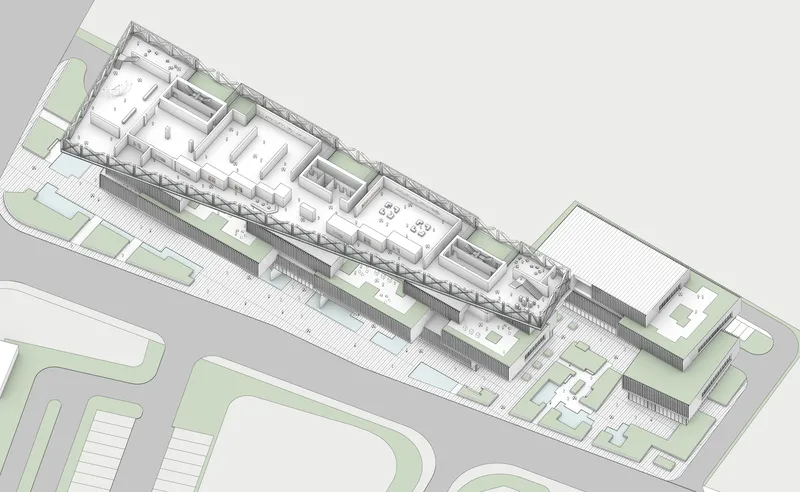
The museum’s design cleverly addresses the challenges posed by its elongated site. By allocating the main building mass towards the north and gradually tapering towards the south, CCTN Design ensures spatial harmony with nearby high-rise structures while fostering an inviting street-level environment. This thoughtful zoning nurtures interactions with local community services and green spaces, promoting a seamless blend of cultural and daily urban activities.


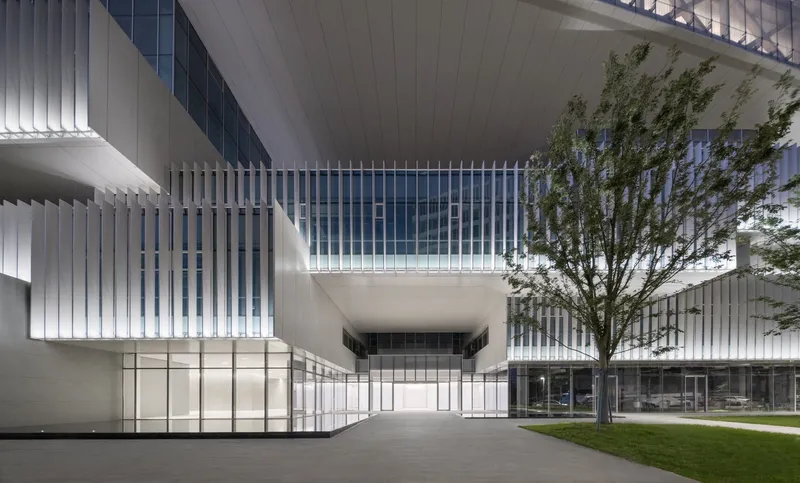
Fostering Public Spaces and Accessibility
Bridging Art with Daily Urban Life
A core objective of the Hangzhou Wulin Art Museum is to make art accessible and integrated with the everyday urban experience. While the art exhibition space is situated in the building’s upper echelons, the lower zones buzz with cultural industry spaces and community services. This distribution not only maximizes the museum’s interaction with the city but also elevates the role of art in public life.


Sky Gardens: A Venue for Urban Connectivity
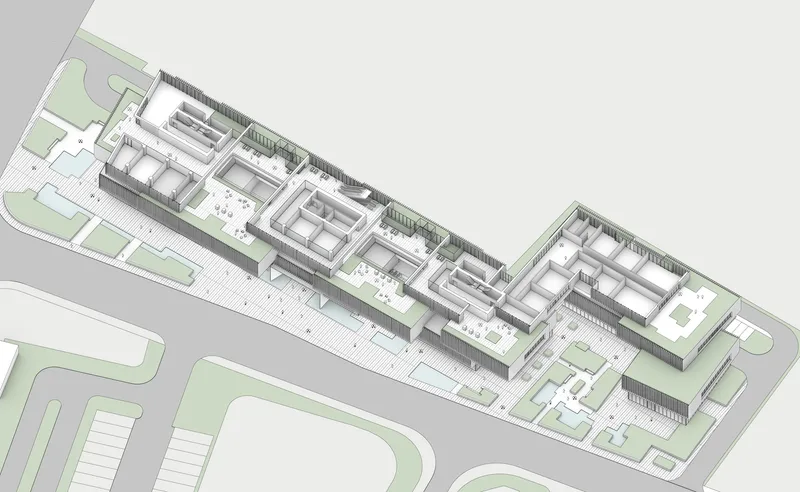
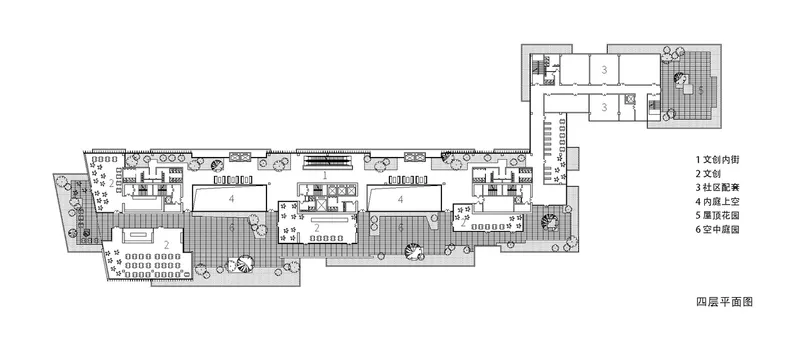
The introduction of sky gardens acts as a verdant link between the museum’s diverse functional areas. Accessible independently, these spaces are designed to invite the public into the museum’s embrace, offering cultural, creative, and dining experiences that draw a wider audience and enrich the urban fabric.

Embracing Green and Energy-Efficient Solutions
Innovative Architectural Solutions for Sustainability
CCTN Design’s commitment to sustainability is evident in the museum’s orientation and construction techniques. Staggered cantilevered blocks, vertical grilles, and a sophisticated double-layered curtain wall system work in concert to mitigate the effects of direct sunlight, significantly reducing energy consumption and enhancing indoor environmental quality.
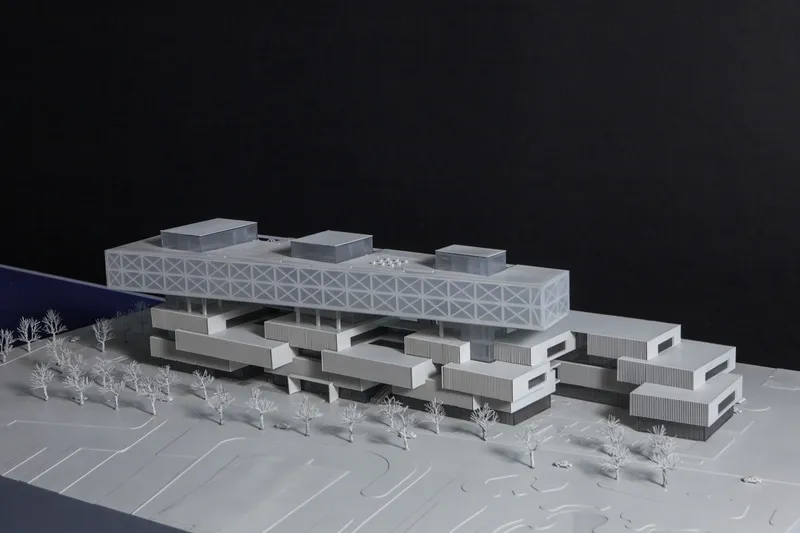


Green Roofs and Energy Efficiency
The museum’s green roofs play a crucial role in its energy strategy, offering thermal insulation and supporting the city’s sponge initiative. These features, coupled with the museum’s efficient use of materials and innovative ventilation systems, underscore the project’s dedication to sustainability and its positive contribution to the urban ecosystem.


The Hangzhou Wulin Art Museum as a Model for the Future
The Hangzhou Wulin Art Museum stands as a testament to the power of cultural complex urban integration, showcasing how architecture can serve as a conduit between art, culture, and urban life. Through its innovative design, commitment to sustainability, and dynamic public spaces, the museum not only enriches the cultural landscape of Hangzhou but also sets a new standard for future developments in the realm of cultural architecture.



All photographs are work of Pei Wen


Popular Articles
Popular articles from the community


Co-life: Sustainable Architecture for Age-Friendly Community Living
Co-life reimagines sustainable architecture for seniors through courtyards, rammed earth, shared gardens, and spaces designed for belonging.

Hill & Cross Opera: Sculptural Opera House Architecture Shaped by Tallinn’s Landscape and Identity
Hill & Cross Opera reimagines opera house architecture in Tallinn through its sculptural hill, civic plaza, glass wave and a luminous cross.
EW PARK: Sustainable Architecture Reimagines the Future of Urban Parking
EW PARK reimagines city parking as a modular wooden tower combining automation, solar energy, electric mobility, and adaptable urban design.

The Ocean Hive: Sustainable Architecture for a Self-Sufficient Civilization at Sea
The Ocean Hive imagines sustainable architecture at sea, where modular habitats, algae, wave power and ocean waste sustain a growing colony.

Similar Reads
You might also enjoy these articles


Hodi-Mandai Geram
Project Function: Preservation and revitalization of the Intangible heritage and socio-spatial identity of the Hodi by Housing, Cultural Memory Center, Sacred Grove, landscape, local tourism economy


Olio Towers: A Mid-Rise for Performers That Fuses Housing, Rehearsal, and Stage
Located blocks from Houston's Theater District, this modular tower stacks living units around a central performance atrium.

Oasis: Modular Green Housing Carved into Dhaka's Urban Fabric
A shortlisted Plugin Housing entry reclaims unauthorized settlements in Dhaka with stepped concrete volumes, green roofs, and ventilation-driven design.

Black Hole: A Floating Megastructure for the Post-Physical Era
Emiliano Mazzarotto envisions a spherical, self-scaling arena where e-sports, digital hotels, and holographic stadiums replace traditional public space.

Explore Architecture Competitions
Discover active competitions in this discipline



Challenge to reimagine the Iron Throne


Photograph architecture without architects


Illustrate the lost glory of Angkor Wat - Render Challenge


Design challenge to reuse E-waste
Comments (0)
Please login or sign up to add comments
No comments yet. Be the first to comment!