
HER Rehabilitation of Tobacco Factory into Leather Manufacture by TRACKS: A Masterpiece of Adaptive Reuse Architecture
This article explores how TRACKS transformed a historic tobacco factory into a sustainable leather manufacture through adaptive reuse architecture.


Revitalizing Industrial Heritage Through Adaptive Reuse Architecture
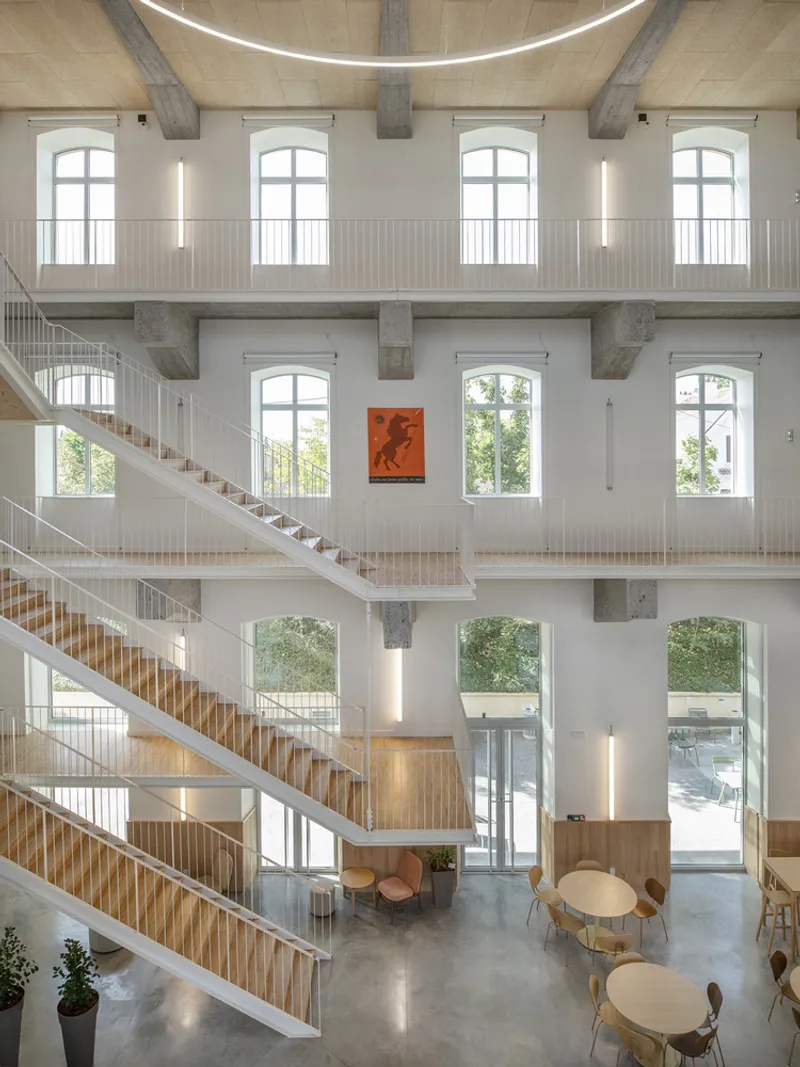
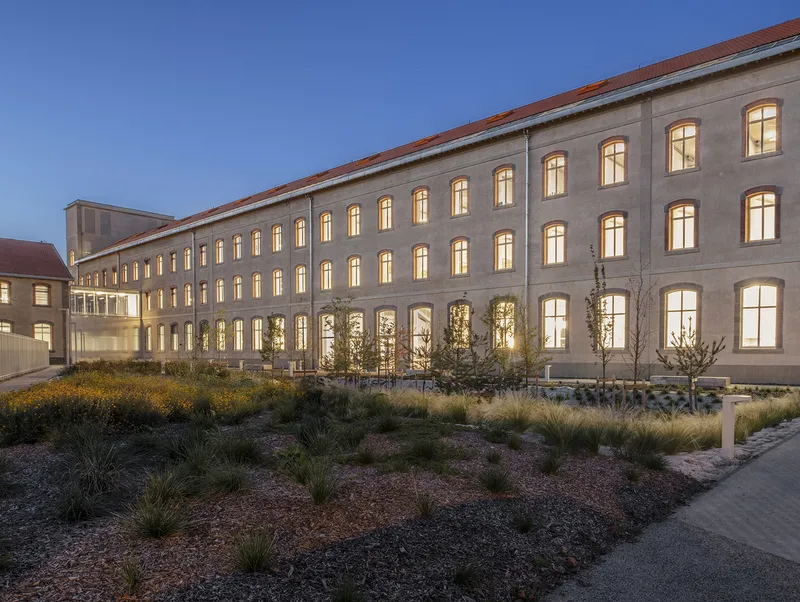
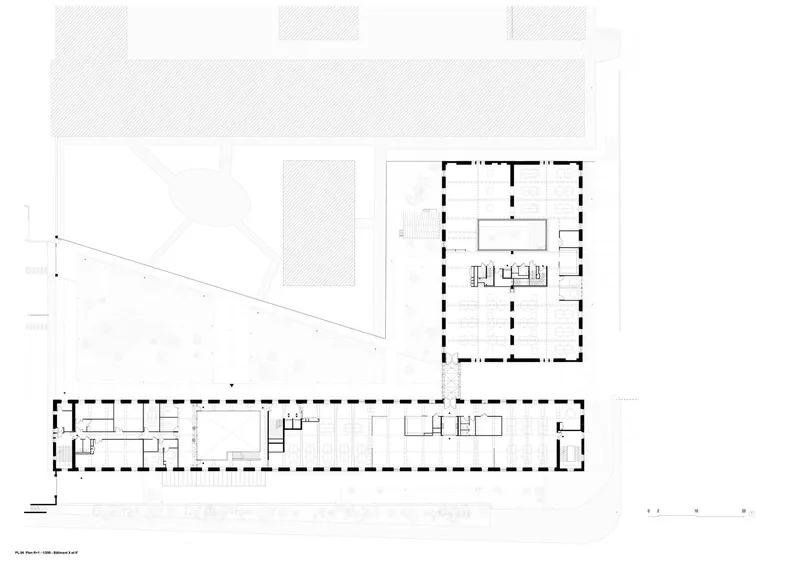
In the heart of Riom, France, the former Tobacco Factory built in 1877 has been transformed into a dynamic leather manufacture facility through a thoughtful adaptive reuse architecture project led by TRACKS. This 7,950 m² project reimagines the industrial site while respecting its historical character and surrounding urban fabric.
Preserving Historical Significance and Industrial Identity
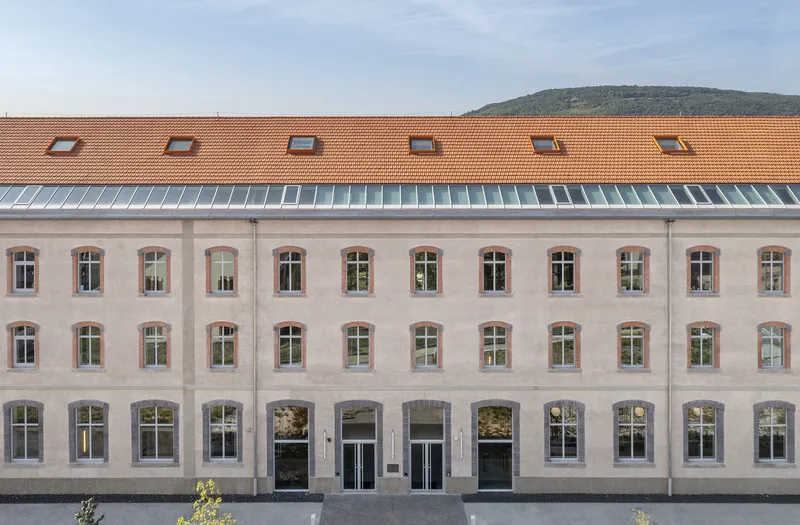
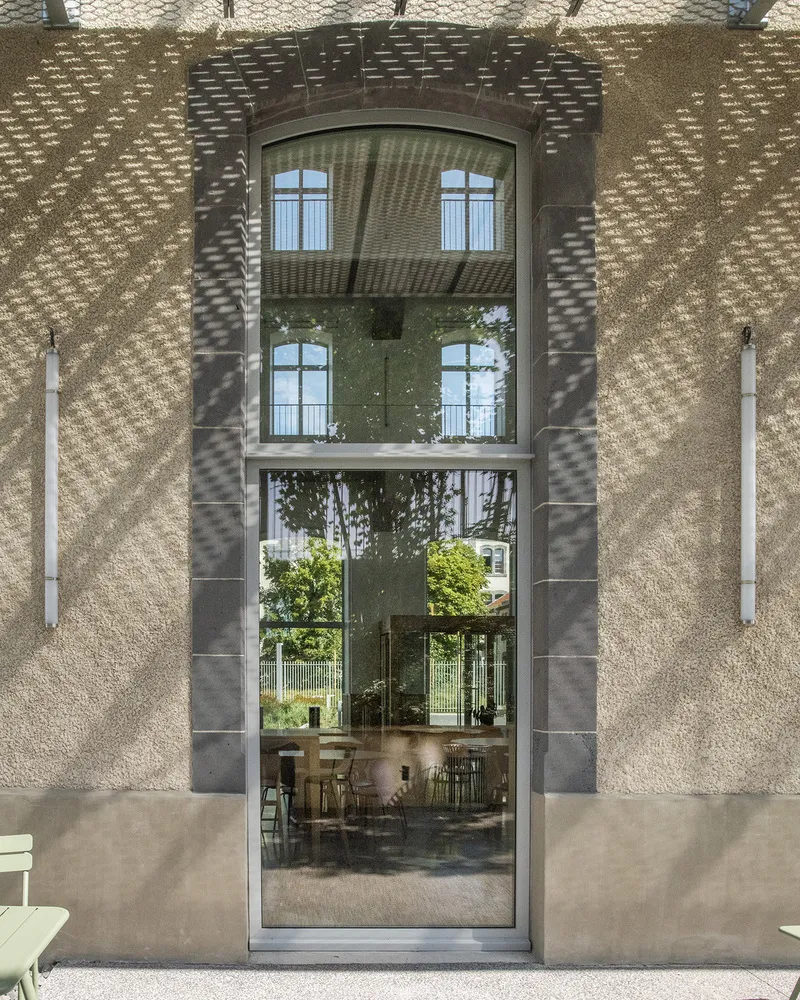
The factory’s envelope and roof, listed in the Inventory of Historic Monuments since 2004, have been meticulously preserved. The intervention honors the site's legacy by retaining its manufacturing vocation, ensuring that exceptional craftsmanship continues within its walls. Rather than extensive demolition or reconstruction, the design follows the philosophy of “destroy as little as possible and build as little as possible,” maintaining authenticity and minimizing waste.
Vertical Design for Contemporary Production Needs
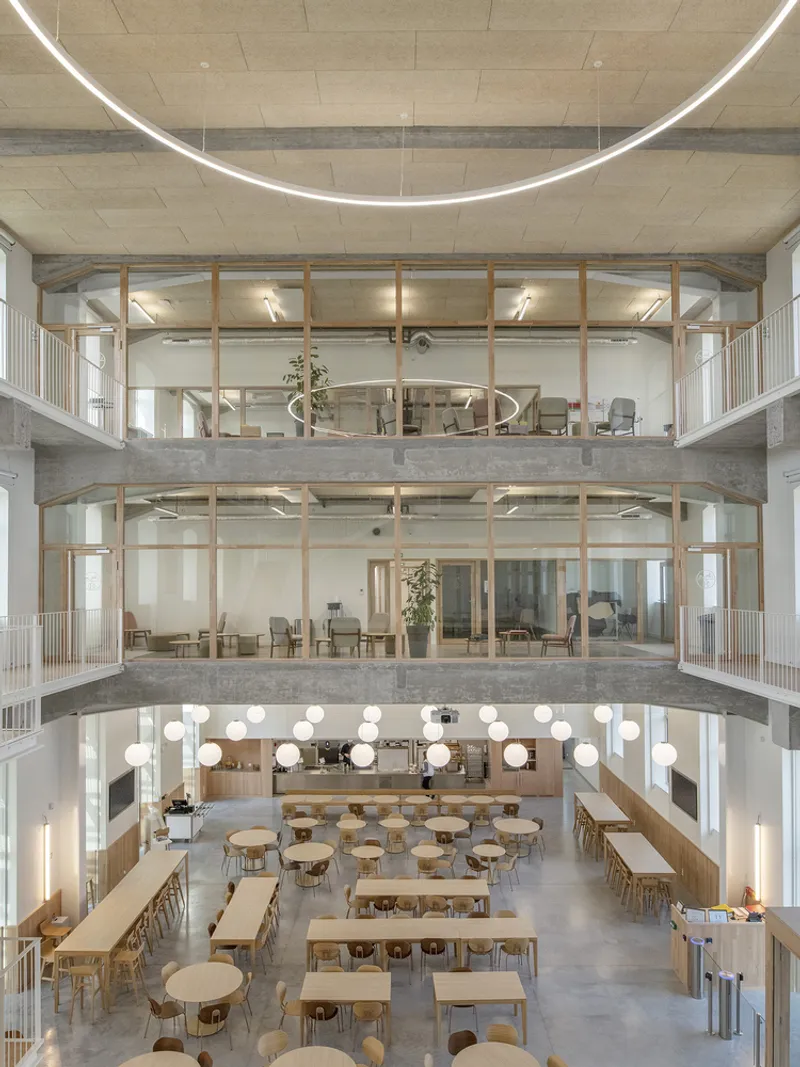
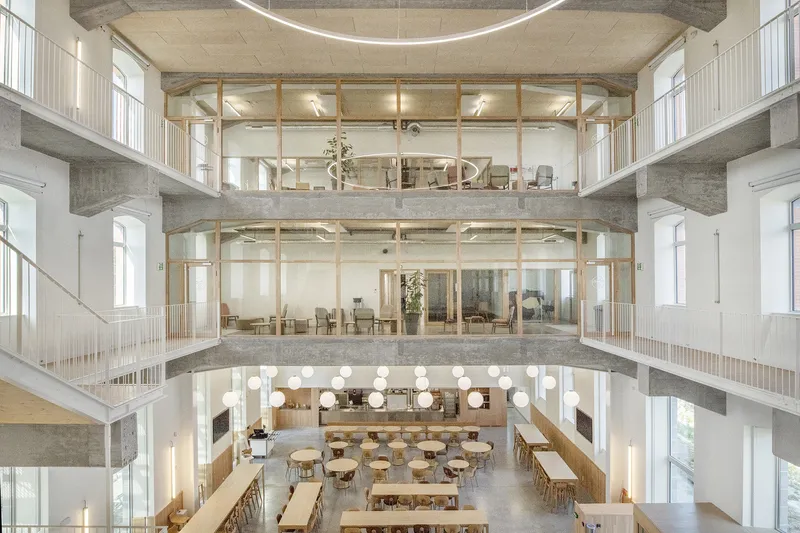
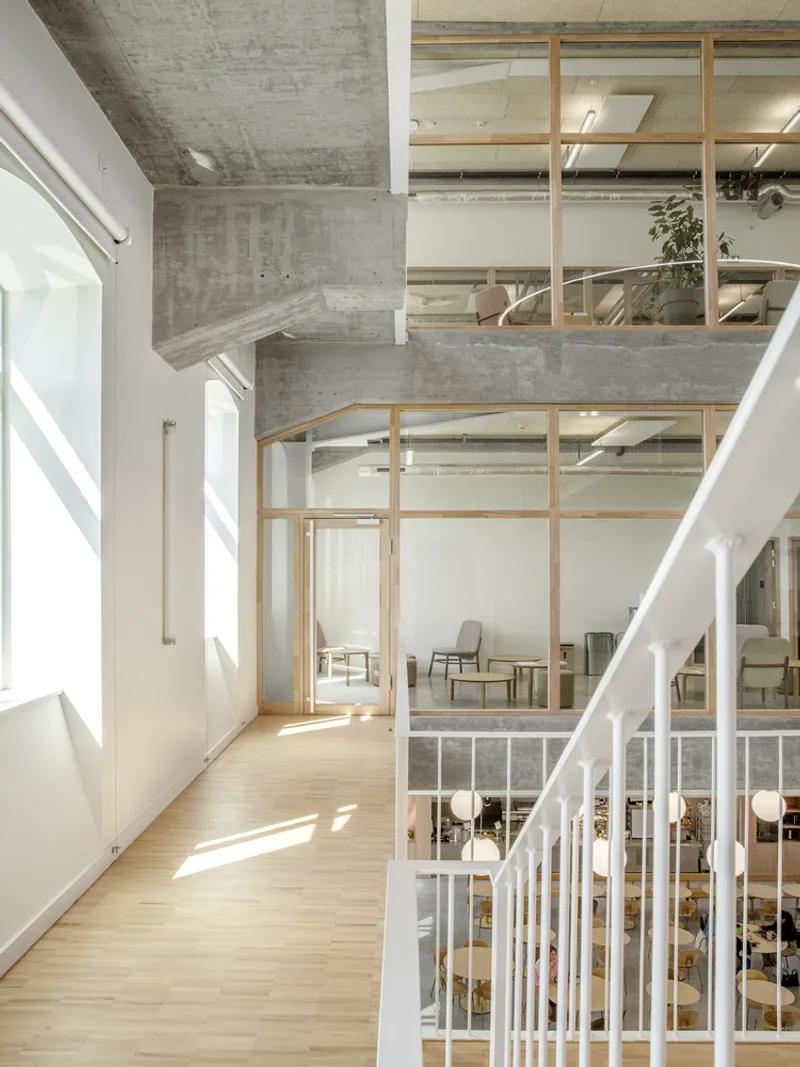
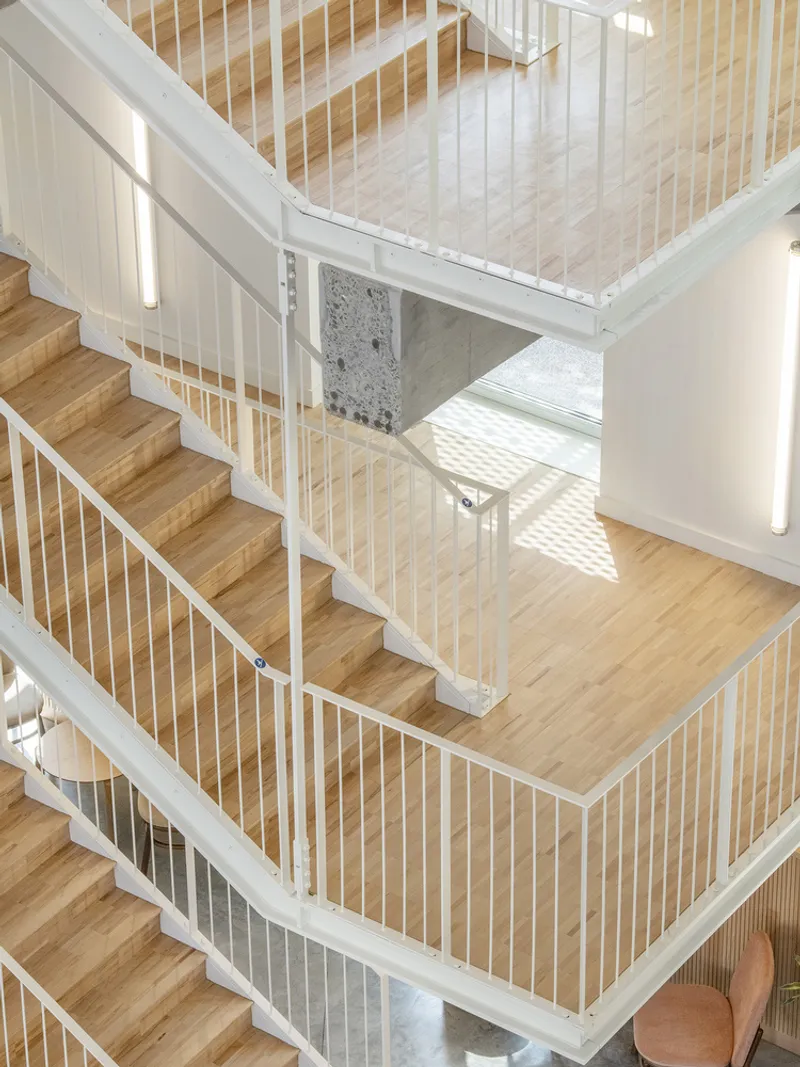
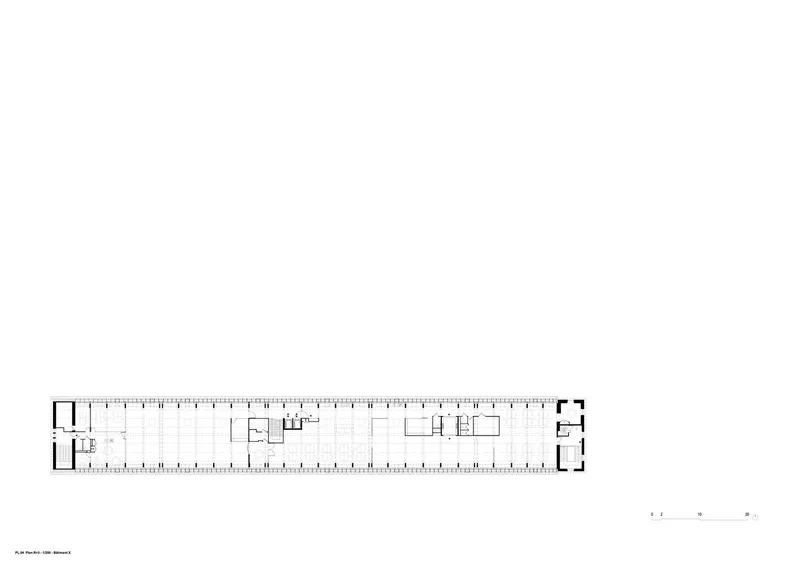
Unlike the typical single-story workshops used by the group, the adaptive reuse architecture here adopts a vertical approach, distributing manufacturing functions across multiple levels. This verticality allows for efficient workflows and seamless connectivity, integrating production, management, and social spaces within the preserved industrial shell.
Enhancing Light and Connectivity
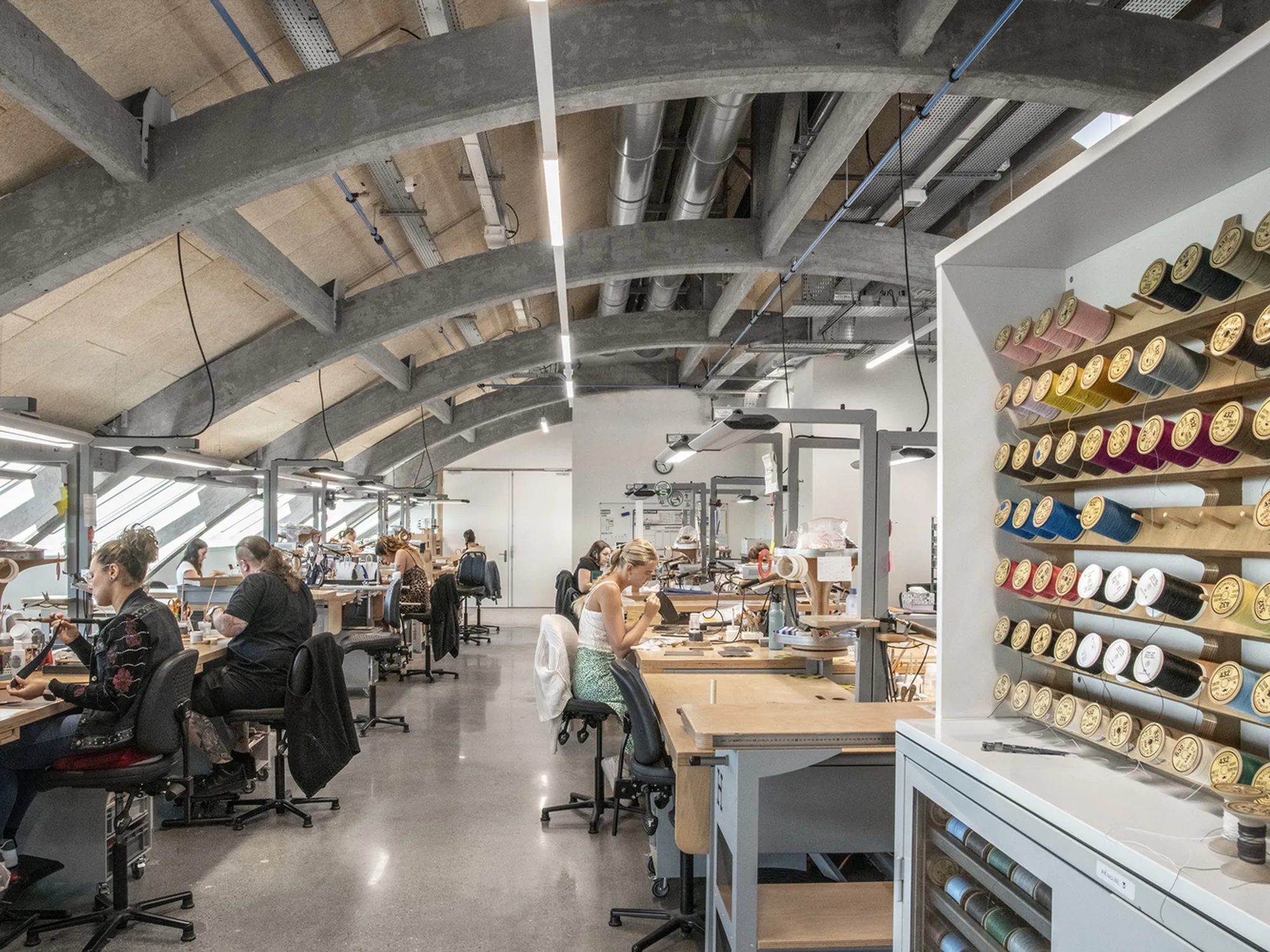
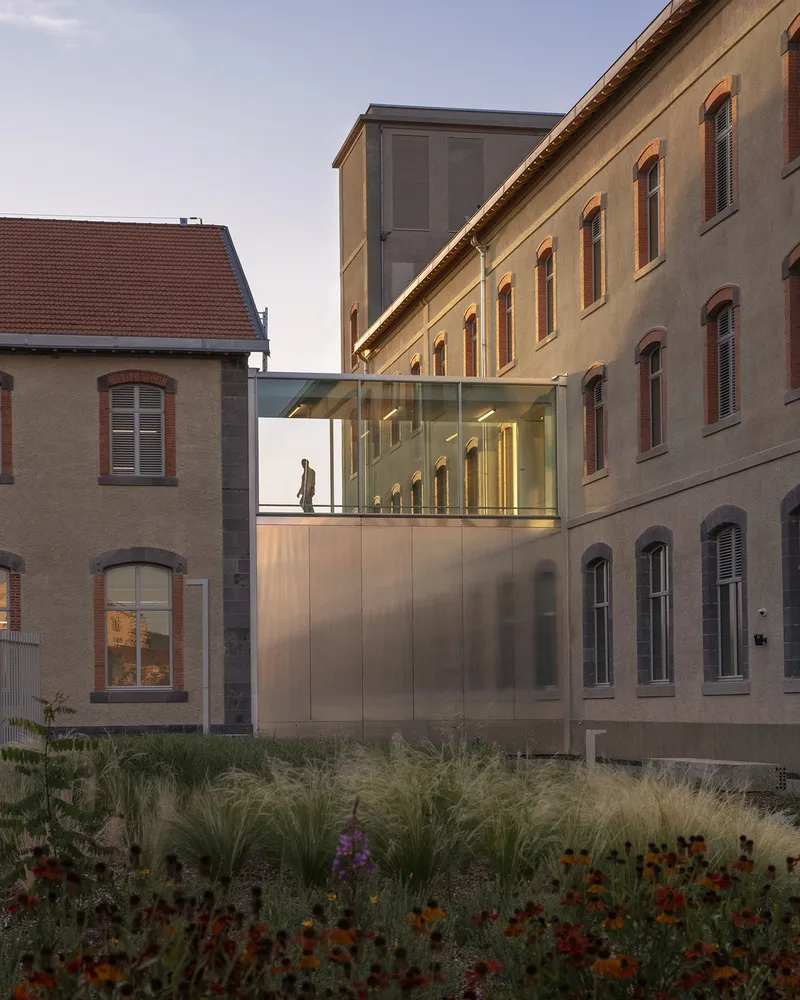
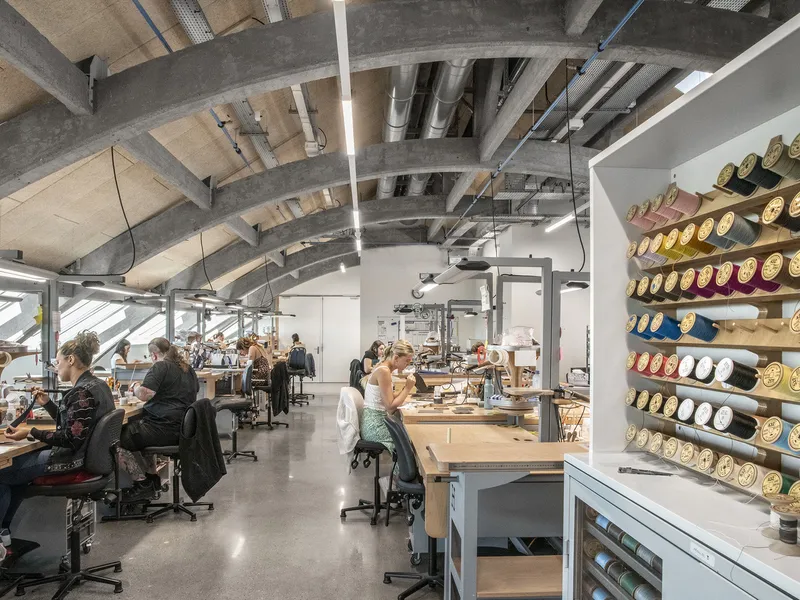
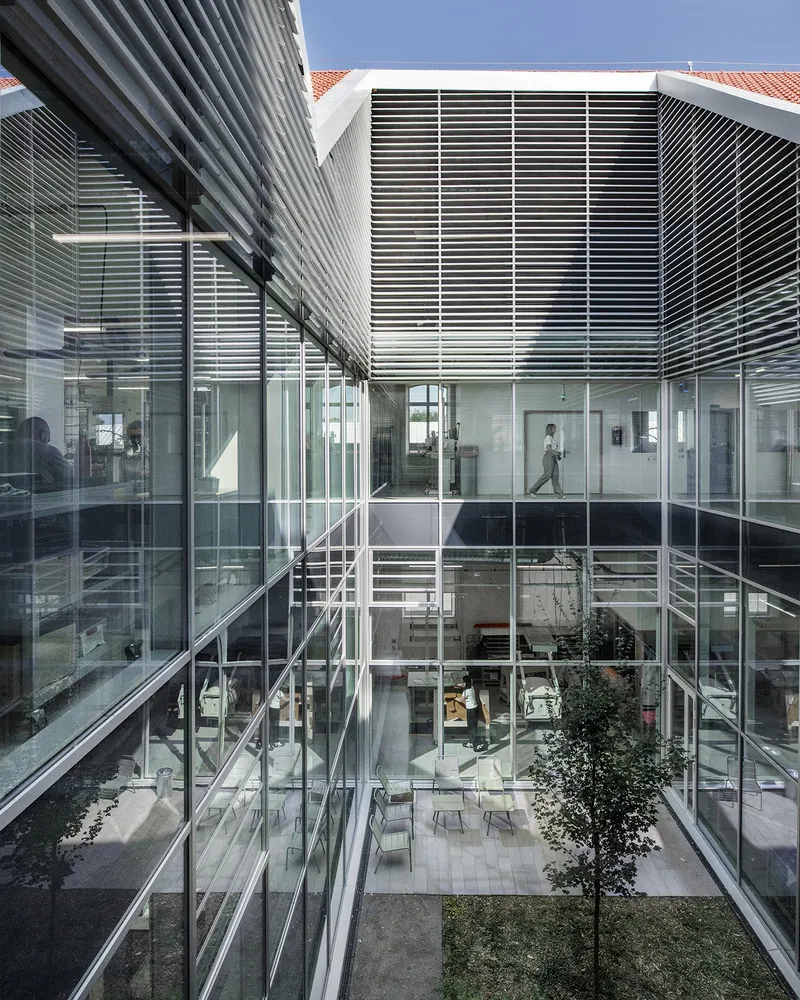
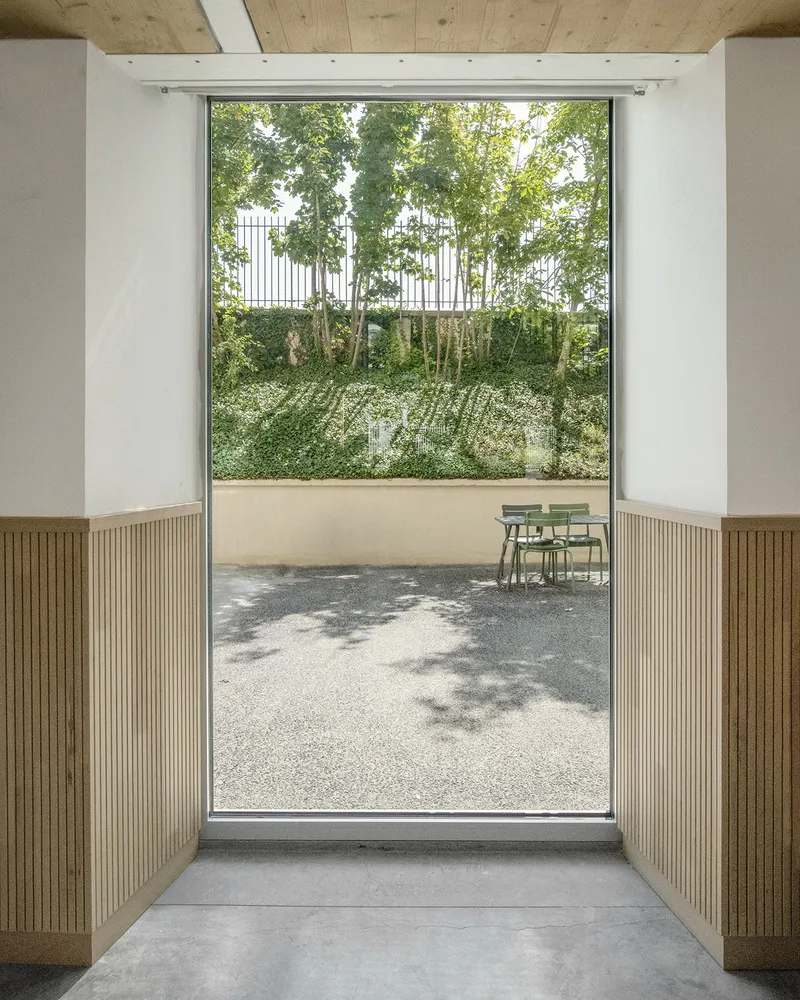
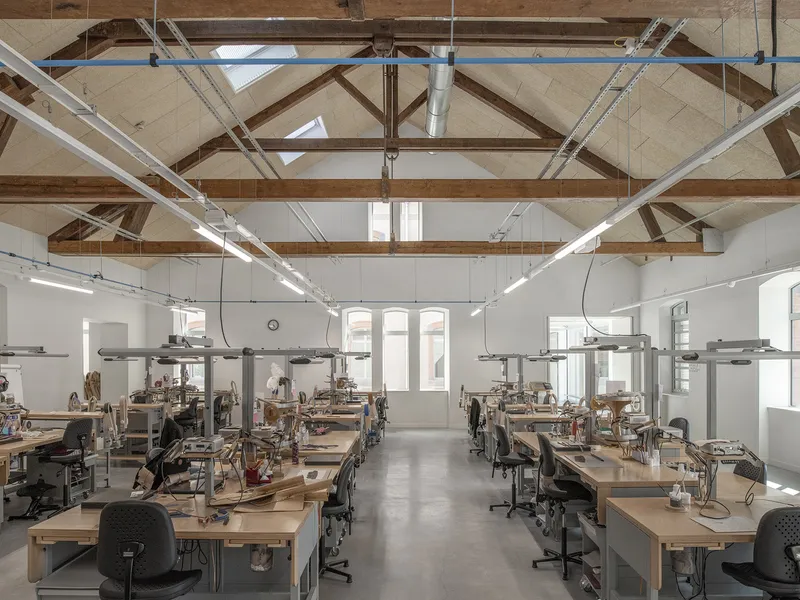
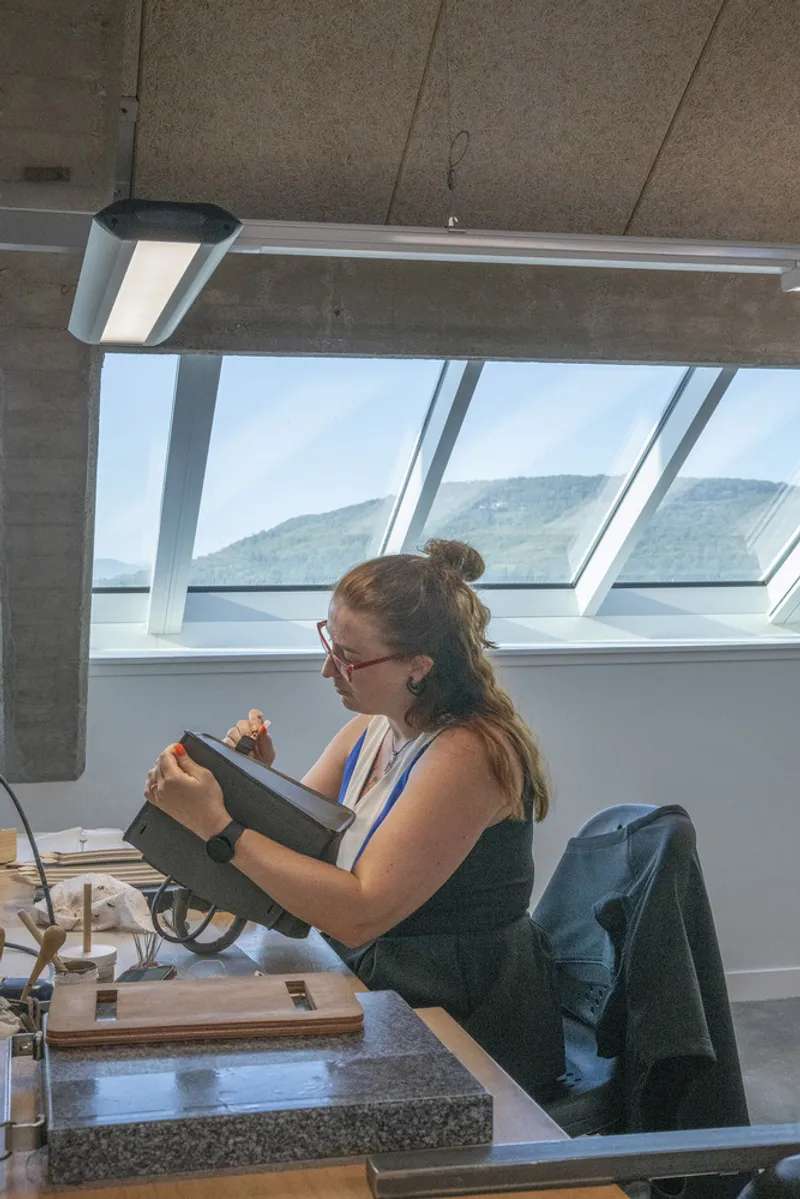
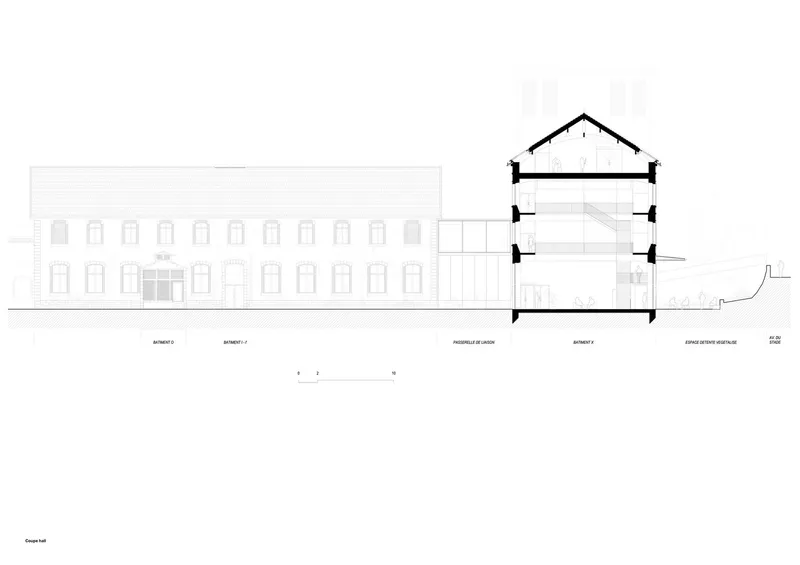
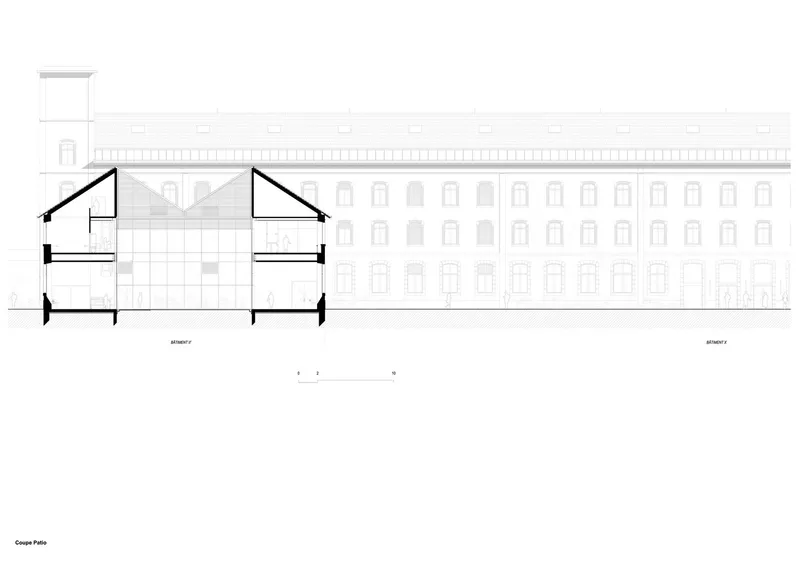
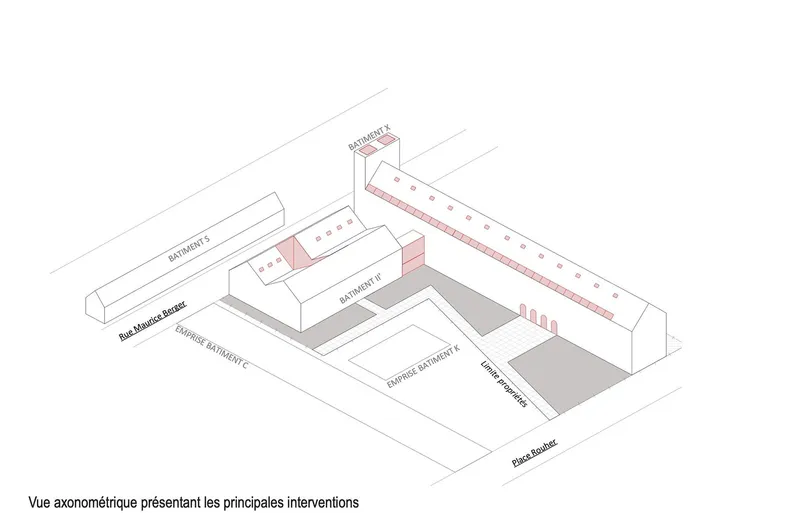
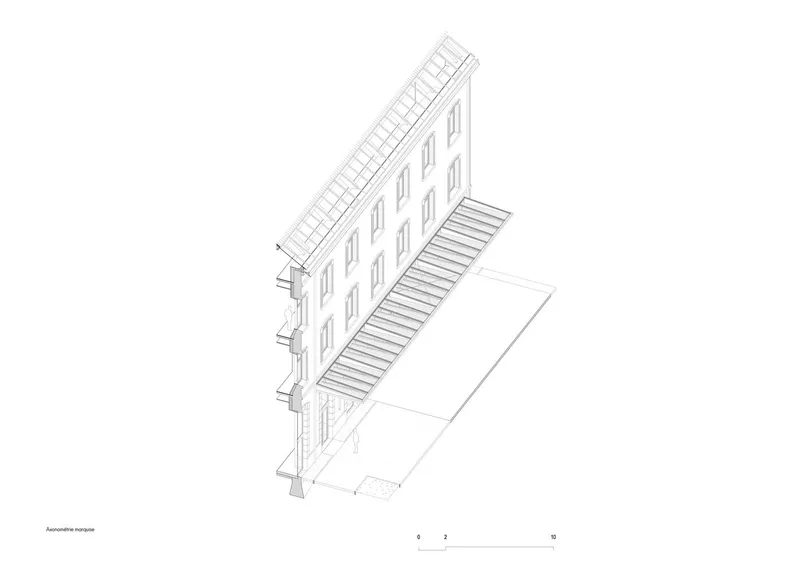
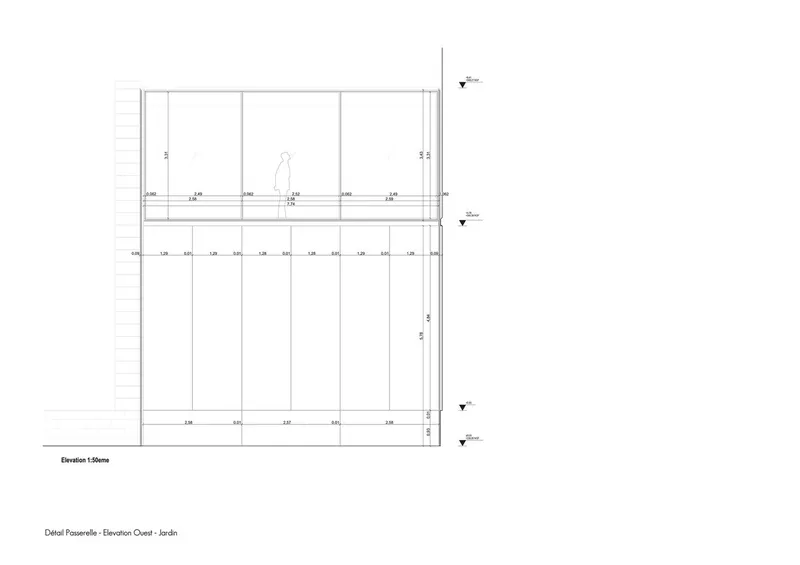
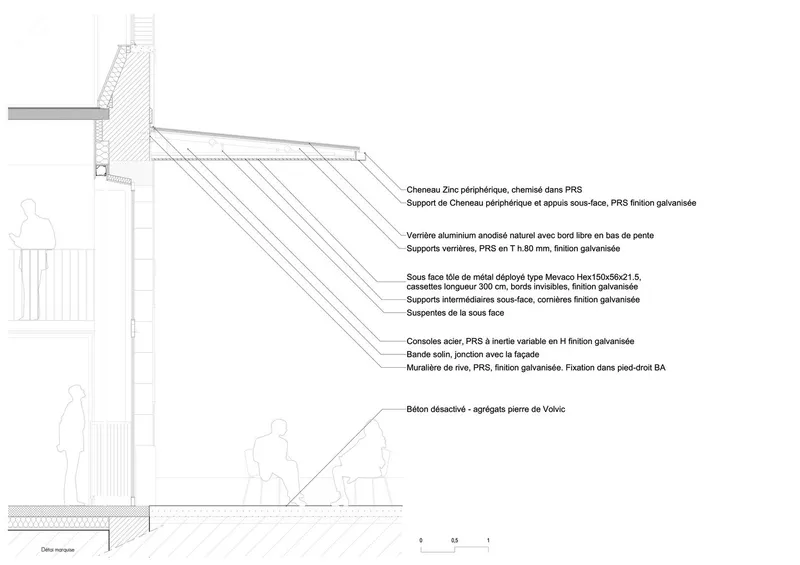
Key interventions include removing unsightly rooftop additions, introducing skylights, and creating an open patio that brings natural light deep into the heart of the workshops. A glazed footbridge elegantly connects the first floors of two main buildings, improving circulation and modernizing the factory’s operations while visually respecting the historic context. The attic space, defined by its striking curved concrete framework, is now a vibrant, skylit workspace that celebrates the building’s original structure.
Sustainability at the Core of Adaptive Reuse
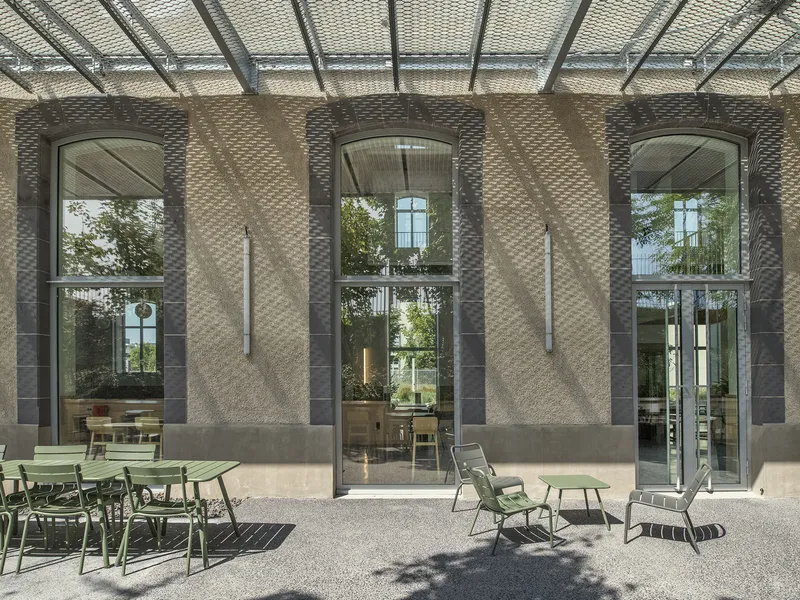
The adaptive reuse architecture of the leather manufacture significantly reduces the carbon footprint compared to new construction. By retaining the existing structure and integrating bio-based materials such as wood and hemp insulation, the project not only preserves historic architecture but also aligns with contemporary sustainability goals. Natural ventilation systems further reduce energy consumption, blending ecological responsibility with industrial functionality.
Integrating Landscape and Ecology
The surrounding landscape design complements the architectural intervention, creating a green setting with local plant species and rainwater retention strategies. This approach strengthens the site’s ecological resilience while offering a pleasant and productive environment for workers. The overall rehabilitation demonstrates how adaptive reuse architecture can harmonize history, craftsmanship, and sustainability, ensuring that industrial heritage continues to thrive in modern contexts.
A Model for Industrial Adaptive Reuse Architecture
HER Rehabilitation of the Tobacco Factory into a leather manufacture facility exemplifies the potential of adaptive reuse architecture to honor the past while meeting present-day needs. By focusing on minimal intervention, sustainability, and preserving historic value, TRACKS has crafted a contemporary industrial space deeply connected to its architectural heritage, offering inspiration for similar projects worldwide.
All Photographs are works of Guillaume Amat



Popular Articles
Popular articles from the community


Co-Life: Senior Housing Design That Reconnects Older Adults With the City
Co-Life reimagines senior housing design through healing gardens, shared streets, workshops, and a sustainable community across generations.

Play: Fragments of Their World
Familiar architecture becomes modular playground design, creating safe spaces where displaced children can learn, connect, imagine and play.

Hill & Cross Opera: Sculptural Opera House Architecture Shaped by Tallinn’s Landscape and Identity
Hill & Cross Opera reimagines opera house architecture in Tallinn through its sculptural hill, civic plaza, glass wave and a luminous cross.

Riyadh For All: Intergenerational Urban Design for Active Aging in Rabat
Riyadh For All reimagines urban design in Rabat with intergenerational co-living, adaptive courtyards, and Moroccan cultural exchange today.

Similar Reads
You might also enjoy these articles


Hodi-Mandai Geram
Project Function: Preservation and revitalization of the Intangible heritage and socio-spatial identity of the Hodi by Housing, Cultural Memory Center, Sacred Grove, landscape, local tourism economy


Olio Towers: A Mid-Rise for Performers That Fuses Housing, Rehearsal, and Stage
Located blocks from Houston's Theater District, this modular tower stacks living units around a central performance atrium.

Oasis: Modular Green Housing Carved into Dhaka's Urban Fabric
A shortlisted Plugin Housing entry reclaims unauthorized settlements in Dhaka with stepped concrete volumes, green roofs, and ventilation-driven design.

Black Hole: A Floating Megastructure for the Post-Physical Era
Emiliano Mazzarotto envisions a spherical, self-scaling arena where e-sports, digital hotels, and holographic stadiums replace traditional public space.


Explore Architecture Competitions
Discover active competitions in this discipline



Challenge to reimagine the Iron Throne


Photograph architecture without architects


Illustrate the lost glory of Angkor Wat - Render Challenge


Design challenge to reuse E-waste
Comments (0)
Please login or sign up to add comments
No comments yet. Be the first to comment!