

Historical Building Restaurant Conversion in Japan: A Case Study of Washoku Itagaki
The article showcases Washoku Itagaki, a project transforming a 1938 house in Japan into a restaurant complex, blending tradition with modernity.


In the heart of Adachi City, Japan, the Washoku Itagaki Restaurant stands as a beacon of architectural ingenuity and culinary excellence. Spearheaded by Buttondesign architects and photographed by Masao Nishikawa, this project is a testament to the transformative power of Historical Building Restaurant Conversion in Japan. Completed in 2020, the restaurant has become a symbol of heritage preservation fused with modern design.
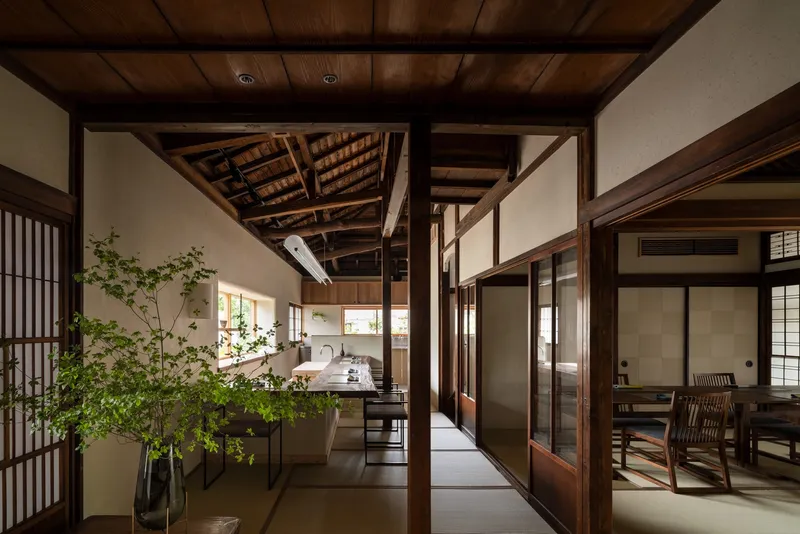
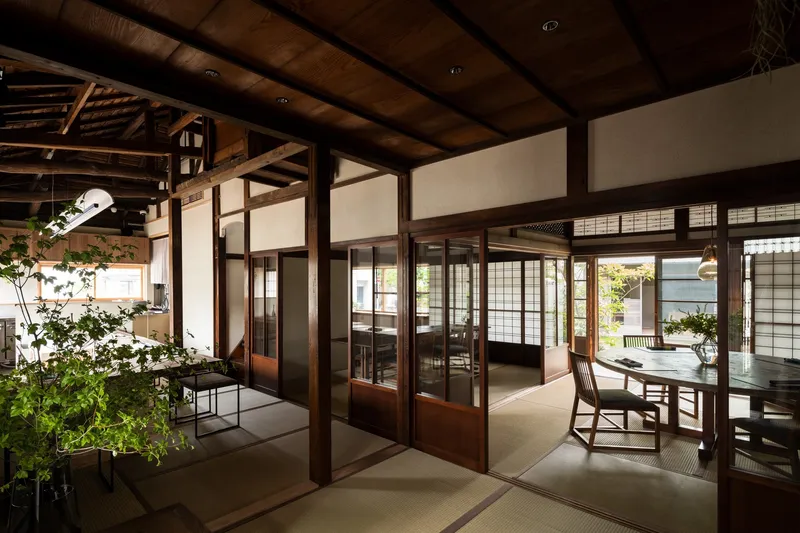
Preserving Cultural Heritage through Design
The Genesis of Washoku Itagaki
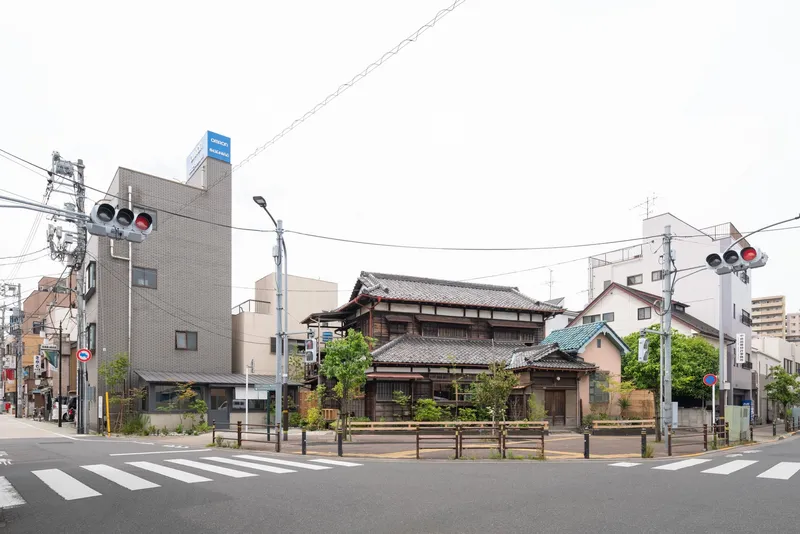
The journey of Washoku Itagaki began with a desire to save the "Former Itagaki Residence," a private house built in 1938, from being converted into an apartment building. This initiative to preserve the townscape's historical essence led to the creation of a unique dining establishment. The project, initiated in the summer of 2019, amidst the looming uncertainty of the coronavirus pandemic, reflects a deep commitment to architectural preservation and cultural sustainability.
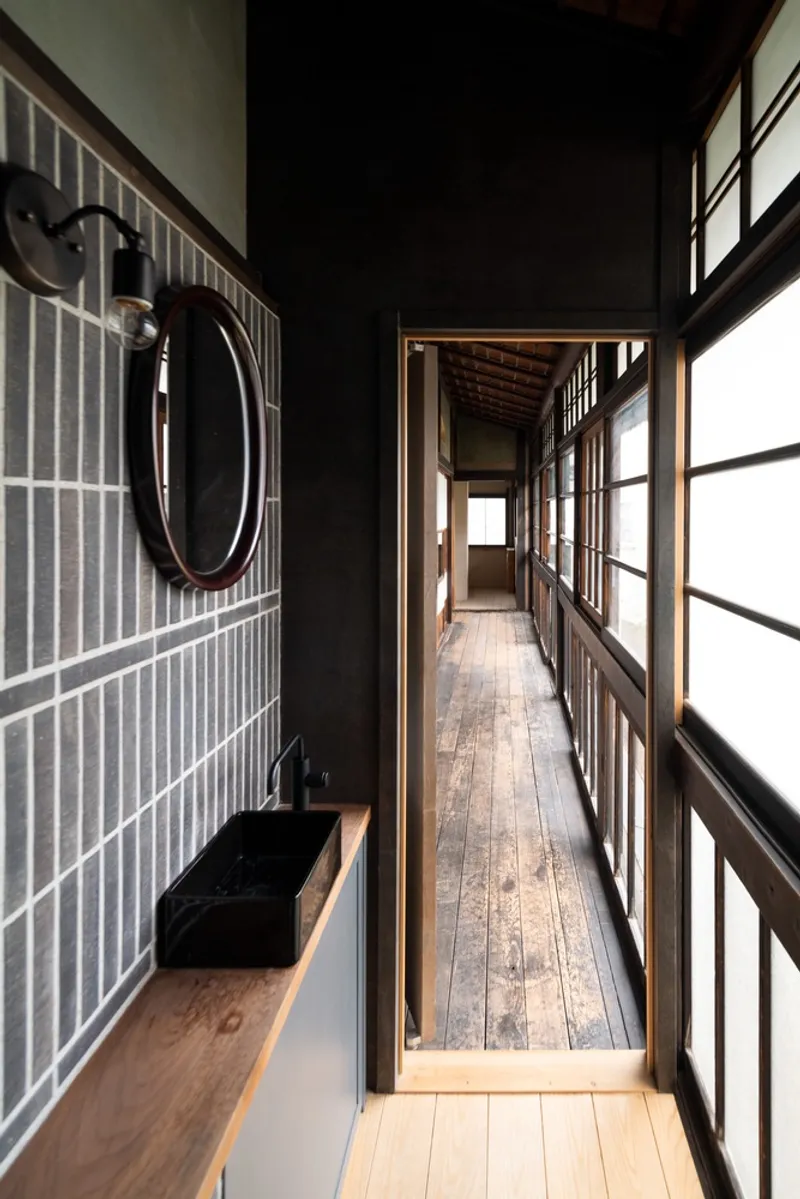
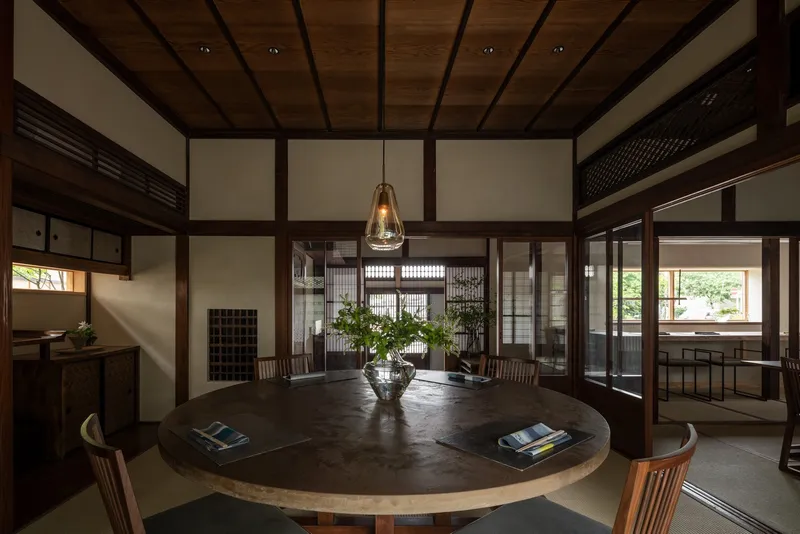
Architectural Design and Vision
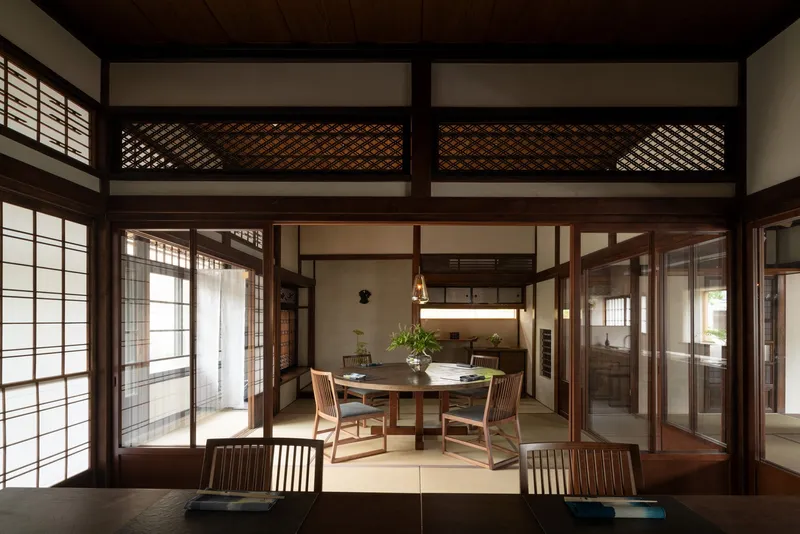
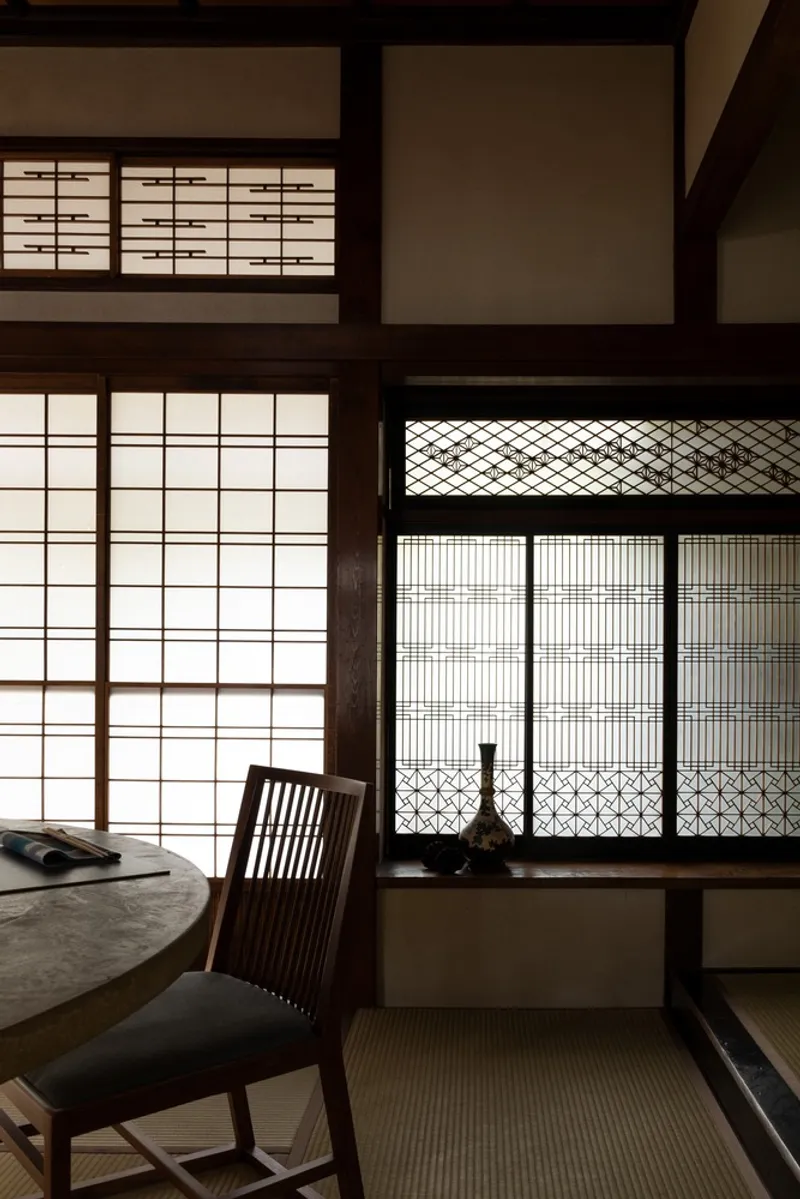
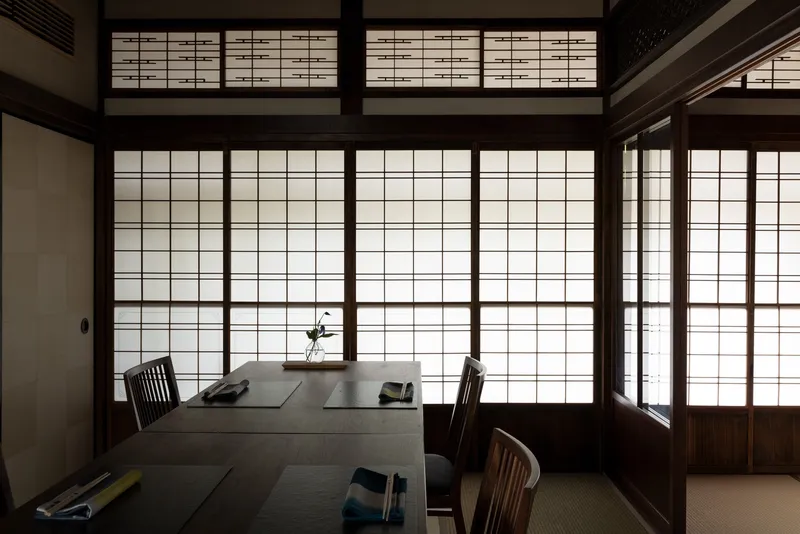
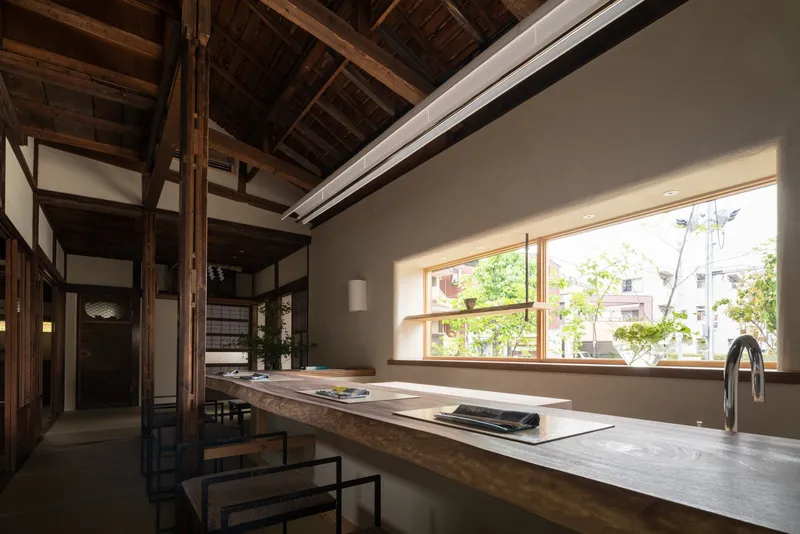
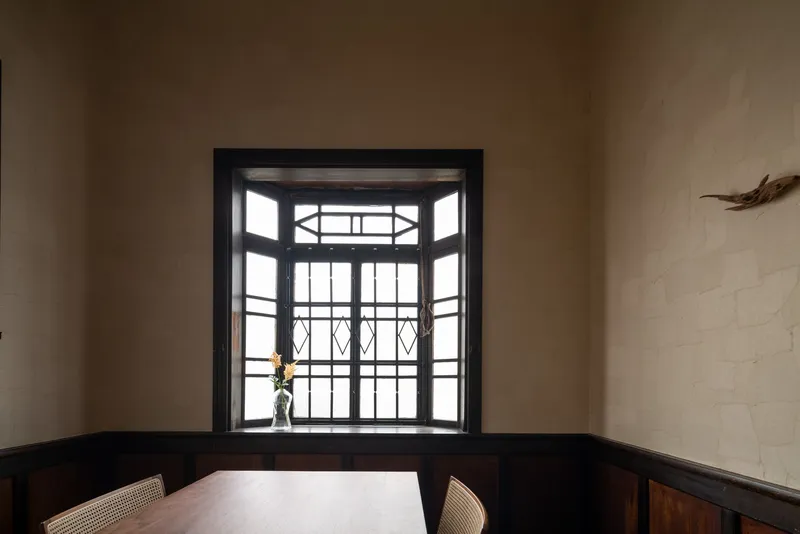
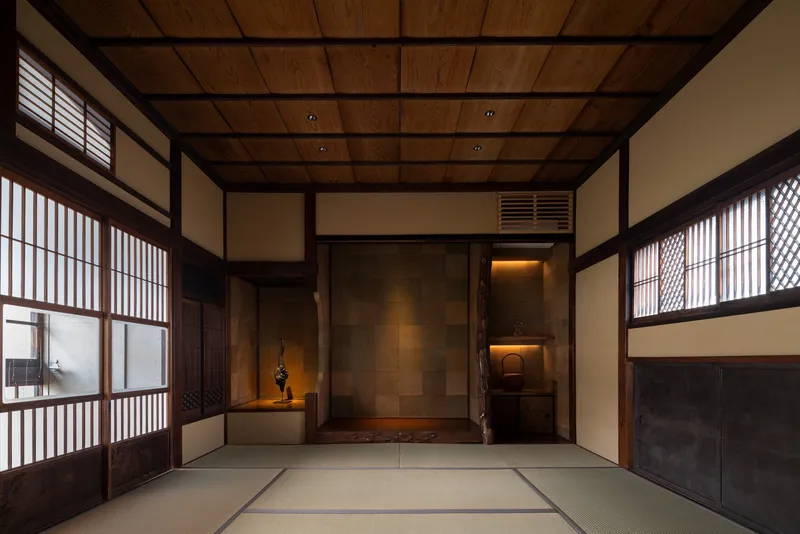
Under the leadership of lead architects Yuzuru Murakami and Kohei Kikuta, and in collaboration with local artisans from Kitasenju, the renovation embraced the building's historical elements while infusing contemporary design principles. The outcome is a harmonious blend of old and new, showcasing the versatility and potential of historical building restaurant conversion in Japan.
A Culinary and Community Hub
The Concept Behind the Conversion
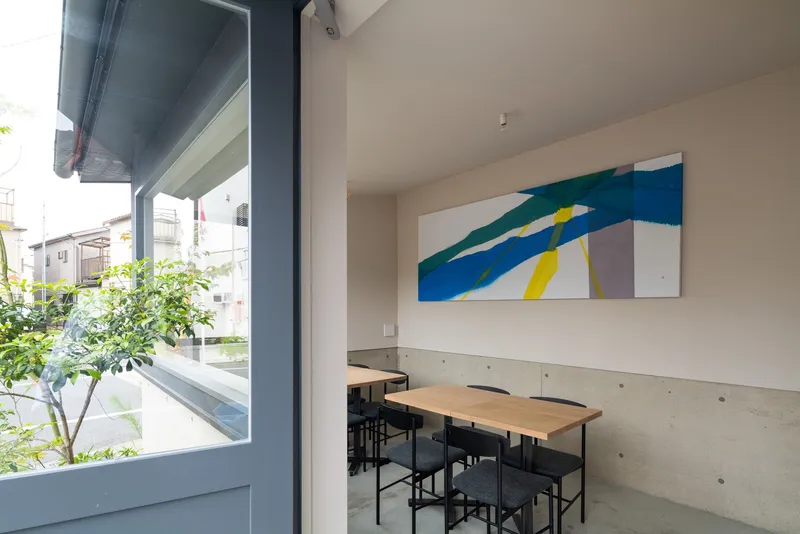
The conversion of the former Itagaki Residence into a cluster of three distinct dining experiences – Washoku Itagaki, TSUJI - Tea and Shaved Ice, and BAR - BA – exemplifies the innovative approach to utilizing historical spaces for modern purposes. This project not only revitalizes a significant architectural landmark but also reinvigorates the local community and its connection to the town's history.
Impact on the Community
The establishment of Washoku Itagaki and its sister outlets has been a catalyst for community engagement and urban renewal. By creating a space where people of all ages can gather, enjoy traditional Japanese cuisine, and partake in cultural activities, the project has restored the vibrancy to an area once bustling in the Edo period. It stands as a model for how historical building restaurant conversion in Japan can foster community ties and economic development.
A Beacon of Heritage and Innovation
Washoku Itagaki Restaurant, through its thoughtful design and community-oriented approach, illustrates the potential of historical buildings to serve as platforms for cultural and economic rejuvenation. As a pioneering example of historical building restaurant conversion in Japan, it sets a precedent for future projects aiming to balance heritage preservation with contemporary need.
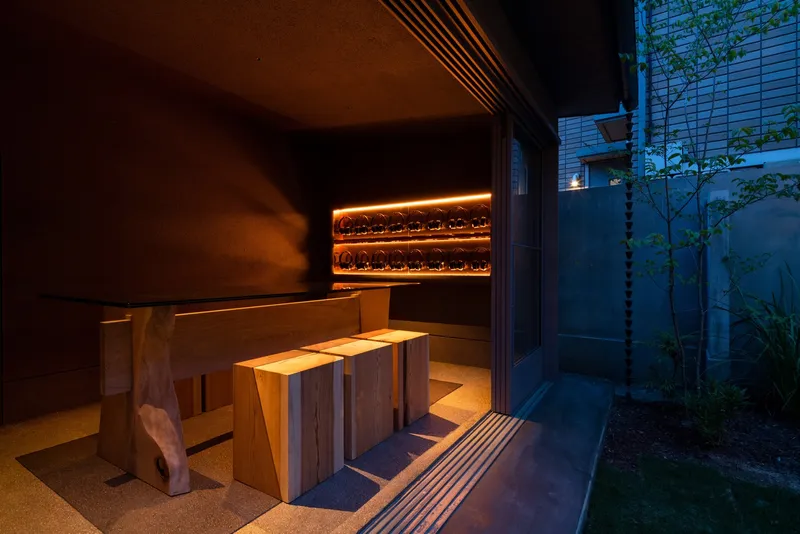
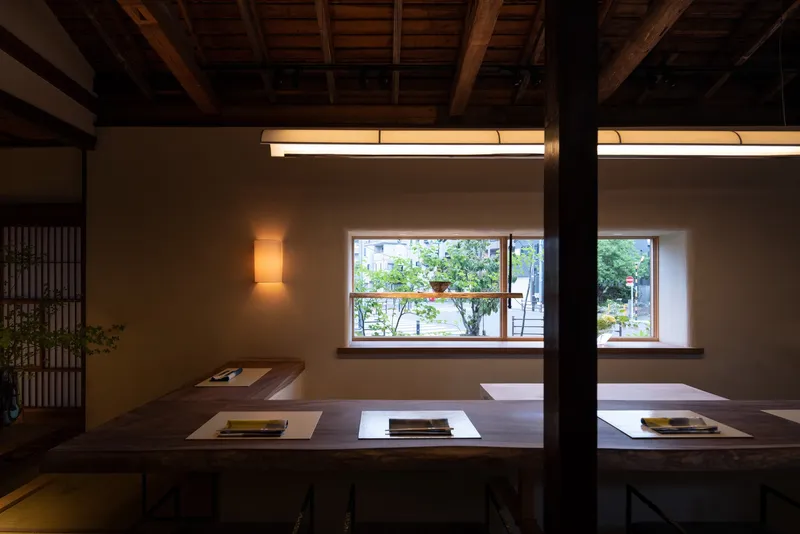
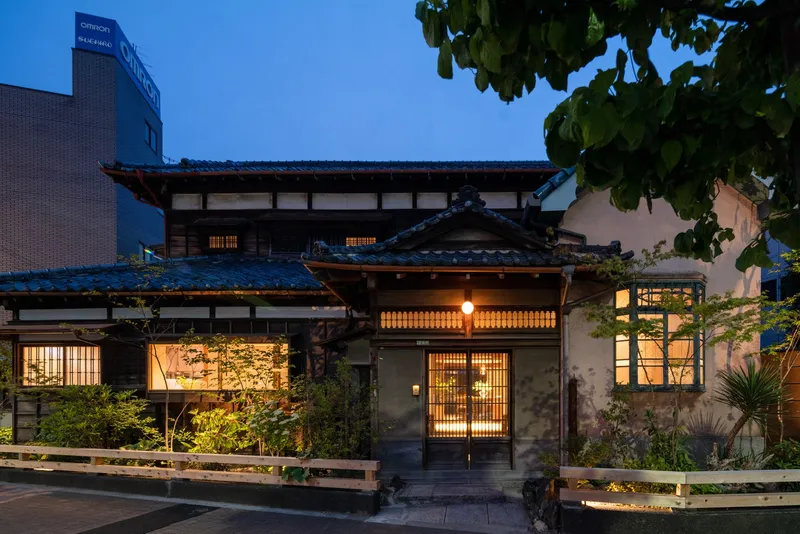
All photographs are work of Masao Nishikawas.


Popular Articles
Popular articles from the community


LT2A and OPEN Architectes Thread a Brick and Glass High School Through a Wooded Belgian Campus
In Braine-l'Alleud, a 3,000 m² wing for Collège Cardinal Mercier pairs pale brick with a glazed colonnade, deferring to a small chapel and a dense wood.

Jaramillo Van Sluys Arquitectura and Urbanismo Turn a Demolished Registry Lot in Quito into an Orchard Plaza
In Quito's Centro Histórico, a 2,800 m² plaza exposes the San Agustín convent wall and redraws its lost Augustinian orchard in volcanic stone.

Architekt Andreas Gruber Scatters 23 Dark Timber Chalets Across a South Tyrolean Forest Edge
In Molini di Tures, Amonti Chalets breaks a resort into a hamlet of gabled timber houses, with parking, storage and services pushed into the slope.

David Ortega Stacks a Two-Story Mexico City Penthouse Around a Steel Stair and a Pergola-Shaded Roof Terrace
In Colonia Roma, a 300 m² penthouse uses oak joinery, a planted steel stair and a slatted roof pergola to make a new-build apartment feel like a house.

Similar Reads
You might also enjoy these articles

Maya Harvest: A Cacao Resort Village Rooted in Mayan Tradition and Local Craft
Situated within a Tabasco cacao plantation, this shortlisted resort proposal merges vernacular materials with hands-on cultural immersion.
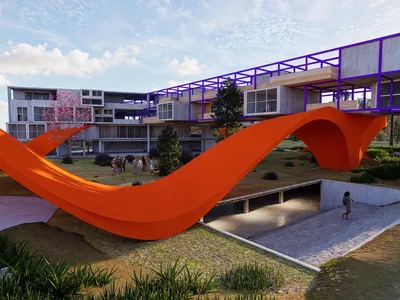
Harmonia: A River-Shaped Community That Grows Over Decades in Boa Vista
Curved pathways and modular grid structures along the Branco River create a phased settlement designed to evolve from 2030 to 2050.
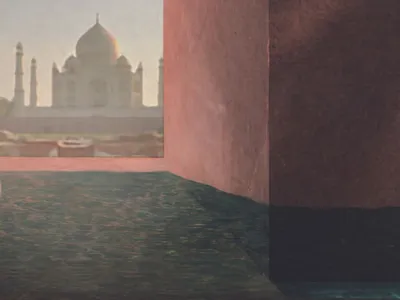
The Architecture of Bathing: A Mughal Hammam Reimagined Across the Yamuna
Charlotte May's honorable mention entry for The Black Taj reinterprets Agra's bathing rituals through red sandstone, water, and framed views of the Taj Mah
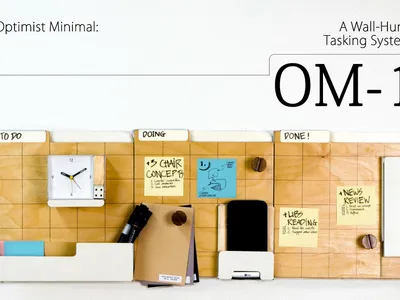
Om-1: A Wall-Hung System That Moves Your Workspace Off the Desk
Modular plywood boards, magnetic pegs, and utility elements migrate clutter from the horizontal surface to the vertical plane.

Explore Japanese Architecture Competitions
Discover active competitions in this discipline

Challenge to reimagine the Iron Throne

Photograph architecture without architects

Illustrate the lost glory of Angkor Wat - Render Challenge

Design challenge to reuse E-waste
Comments (0)
Please login or sign up to add comments
No comments yet. Be the first to comment!