
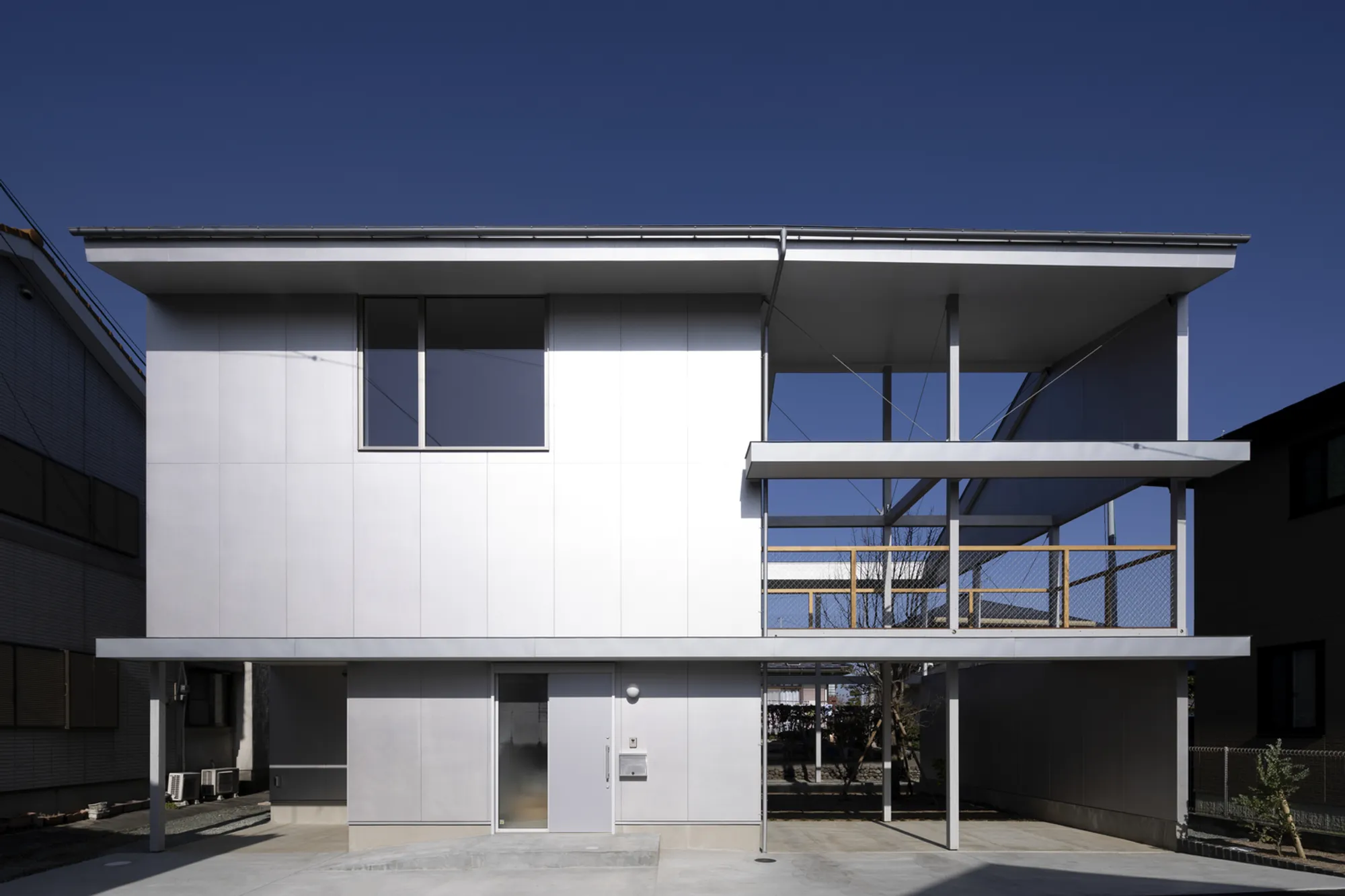
House in Kurume by GOYA SCHRÖDER & Associates
House in Kurume by GOYA SCHRÖDER blends traditional Machiya and Nōka typologies with contemporary wooden design, maximizing privacy, light, and compact urban living.


A Contemporary Japanese Urban Dwelling
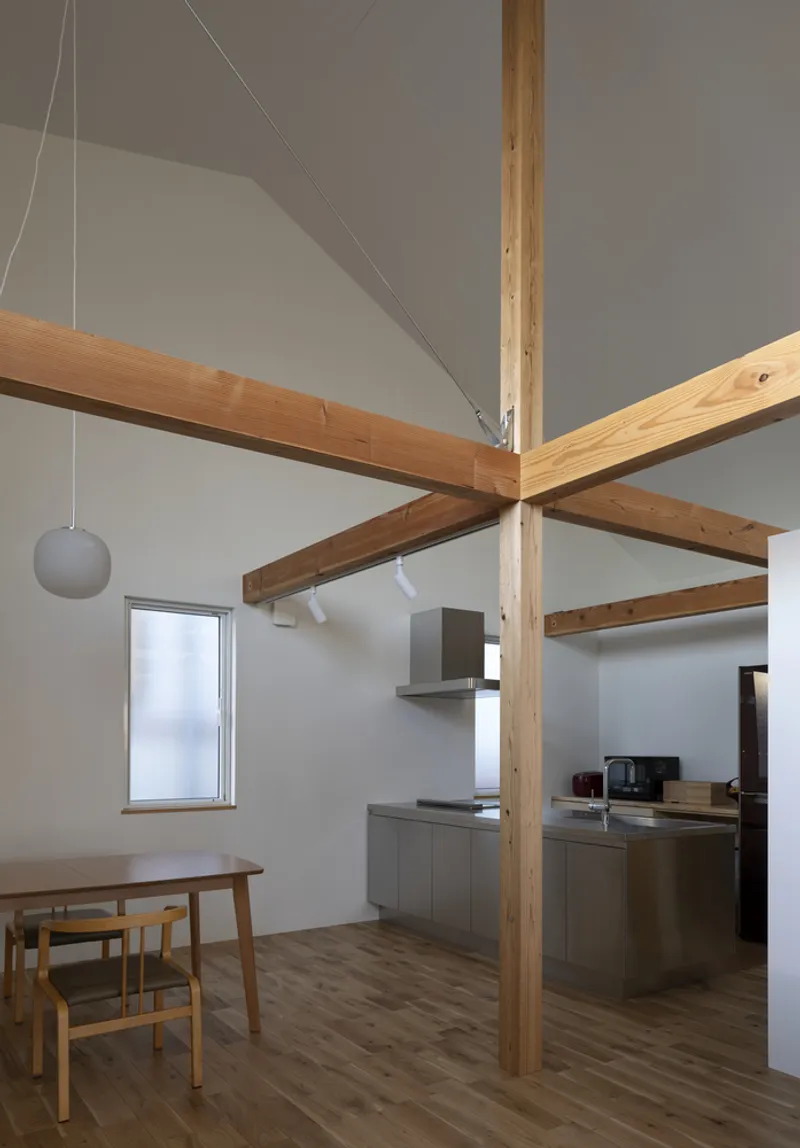
The House in Kurume is a thoughtfully designed detached residence that explores alternative typologies for urban Japanese housing. Rooted in traditional wooden frame construction, it reinterprets the historic Machiya (townhouse) and Nōka (farmhouse) styles to fit modern city life.
Compact Site, Intelligent Design
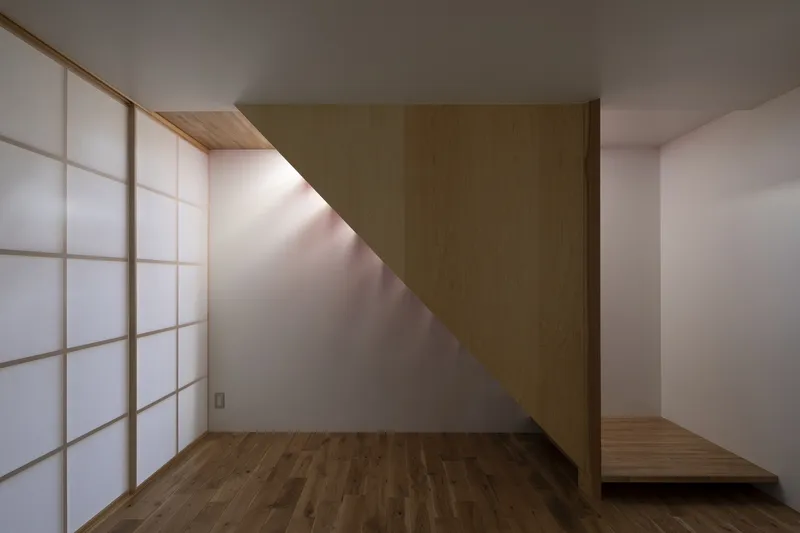
Situated in a residential neighborhood near the center of Kurume City, the site measures less than 200 m² due to land subdivision—an increasingly common urban condition in Japan. Despite the narrow plot, the architects designed a home that balances privacy, light, and connection with nature.
Houses on such compact sites often suffer from overexposure or introverted interiors with minimal windows. In contrast, the House in Kurume achieves discreet openness by carefully positioning and sizing openings, creating a welcoming yet private atmosphere.

Interior and Exterior Harmony
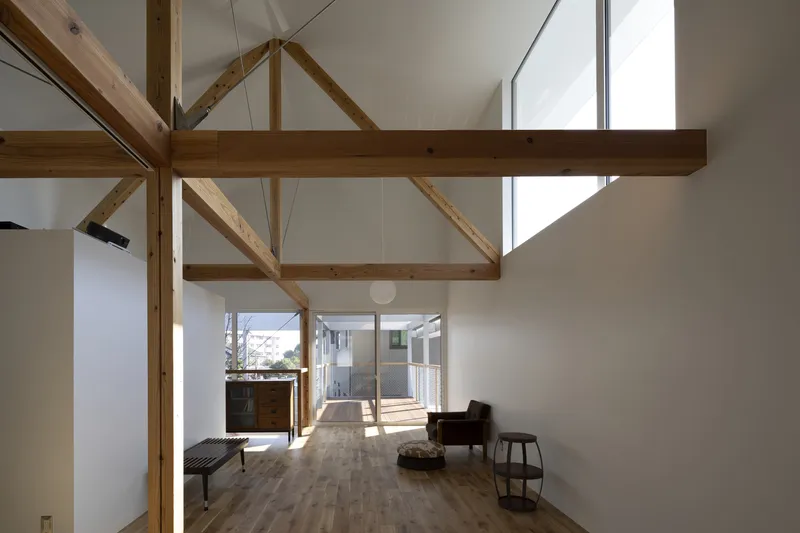
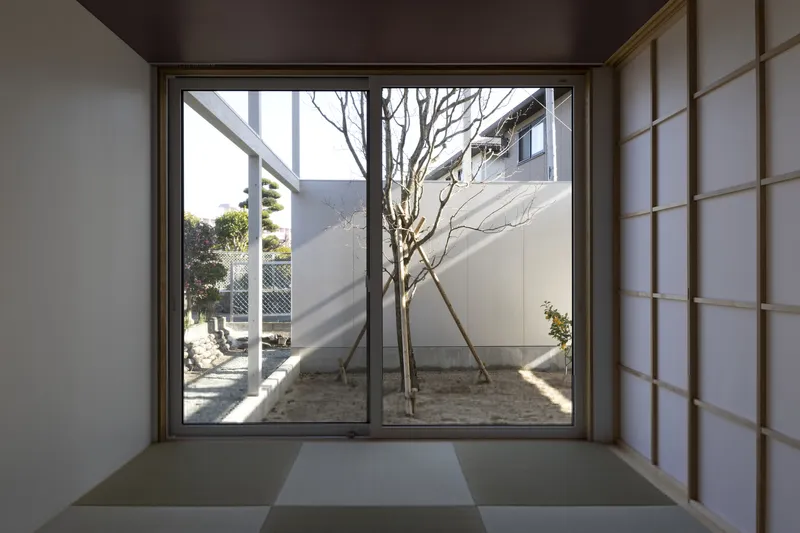
The interior is oriented to the west, while the garden and balcony face east, allowing the garden to enjoy natural light and a sense of openness. A continuous wooden structure wraps both interior and exterior spaces, integrating screens and adjustable openings for light, airflow, and visual connection.
The interior plan follows a traditional Japanese layout, dividing the rectangle into 9-foot squares. By elevating the main living space to the upper floors, the design provides spacious, well-lit rooms with privacy and seamless views of the surrounding landscape. The large southern window welcomes winter sunlight while the deep eave protects the home from summer heat.

Resilient and Contextual Design
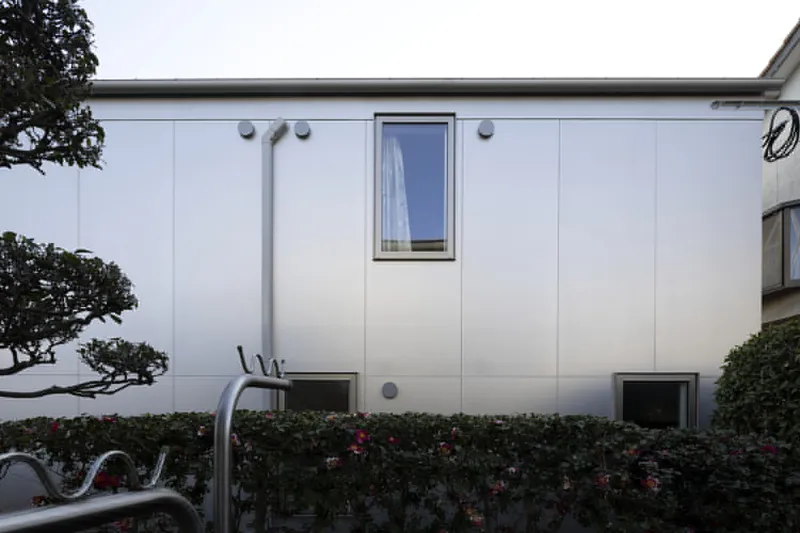
Located just 500 meters from the Chikugo River, the elevated living spaces also reduce flood risk. Externally, silver facade panels reflect garden greenery and the changing sunlight, harmonizing the home with the industrial cityscape of Kurume while adding a sense of lightness and elegance.

All Photographs are works of Mariko Yasaka




Popular Articles
Popular articles from the community


Hill & Cross Opera: Sculptural Opera House Architecture Shaped by Tallinn’s Landscape and Identity
Hill & Cross Opera reimagines opera house architecture in Tallinn through its sculptural hill, civic plaza, glass wave and a luminous cross.

Conexión: Biophilic Design Reimagines High-Rise Living in Hong Kong
Conexión reimagines high-rise living in Hong Kong through biophilic design, green facades, shared spaces, daylight, water and nature within.

Co-life: Sustainable Architecture for Age-Friendly Community Living
Co-life reimagines sustainable architecture for seniors through courtyards, rammed earth, shared gardens, and spaces designed for belonging.
EW PARK: Sustainable Architecture Reimagines the Future of Urban Parking
EW PARK reimagines city parking as a modular wooden tower combining automation, solar energy, electric mobility, and adaptable urban design.


Similar Reads
You might also enjoy these articles


Hodi-Mandai Geram
Project Function: Preservation and revitalization of the Intangible heritage and socio-spatial identity of the Hodi by Housing, Cultural Memory Center, Sacred Grove, landscape, local tourism economy


Olio Towers: A Mid-Rise for Performers That Fuses Housing, Rehearsal, and Stage
Located blocks from Houston's Theater District, this modular tower stacks living units around a central performance atrium.

Oasis: Modular Green Housing Carved into Dhaka's Urban Fabric
A shortlisted Plugin Housing entry reclaims unauthorized settlements in Dhaka with stepped concrete volumes, green roofs, and ventilation-driven design.

Black Hole: A Floating Megastructure for the Post-Physical Era
Emiliano Mazzarotto envisions a spherical, self-scaling arena where e-sports, digital hotels, and holographic stadiums replace traditional public space.

Explore Housing Competitions
Discover active competitions in this discipline



Challenge to reimagine the Iron Throne


Photograph architecture without architects


Illustrate the lost glory of Angkor Wat - Render Challenge


Design challenge to reuse E-waste
Comments (0)
Please login or sign up to add comments
No comments yet. Be the first to comment!