
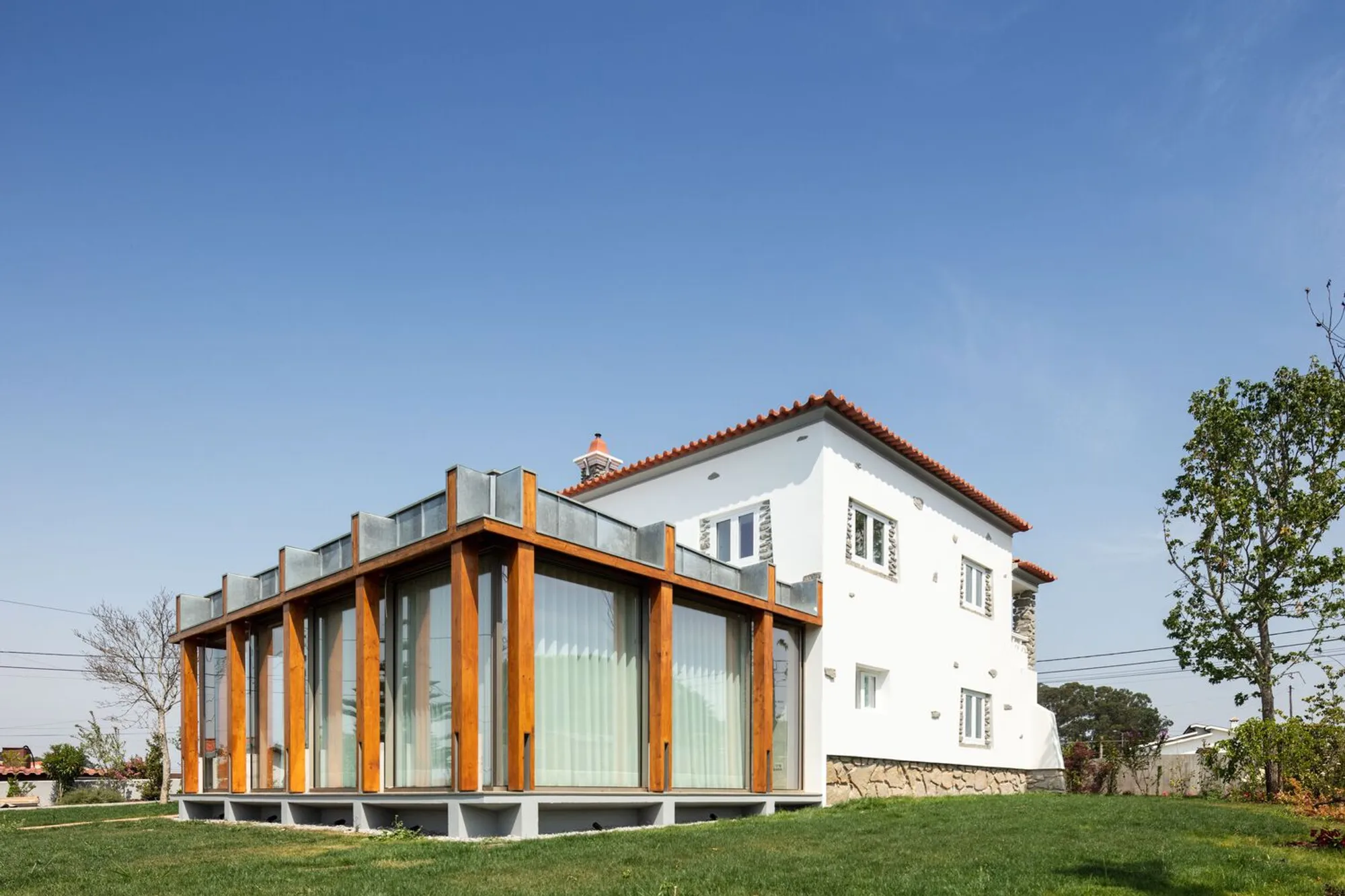
House in Macieira by Nelson Resende Arquitecto: A Sensitive Transformation Rooted in Context and Materiality
Adaptive reuse house blending wood, glass, and landscape, transforming traditional Portuguese architecture into a warm, open, contemporary living environment.


Located in the serene landscape of Portugal, the House in Macieira by Nelson Resende represents a thoughtful architectural transformation that balances preservation with contemporary living. Completed in 2022, this 321 m² residential project exemplifies how adaptive reuse can redefine domestic architecture while maintaining cultural identity.
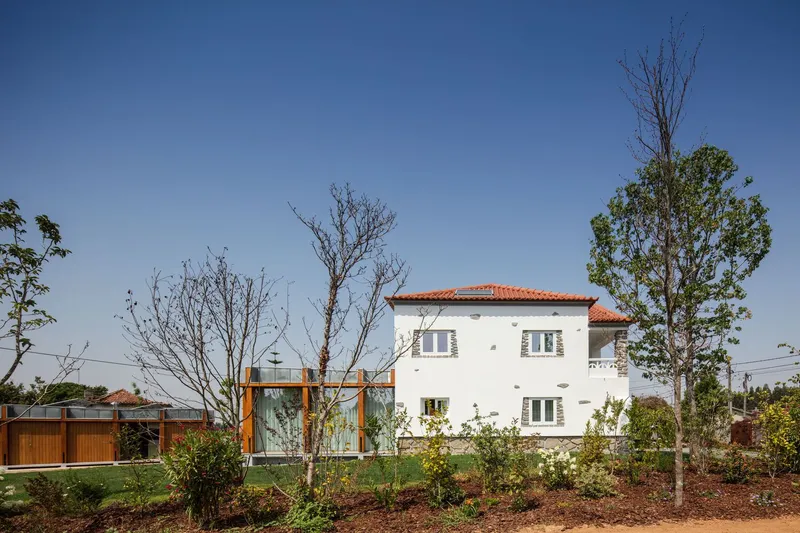
Set on a slightly elevated plot with open exposure to the north and west, the house benefits from abundant natural light and expansive visual connections. The intervention focuses on enhancing these qualities while reinterpreting an existing structure rooted in traditional Portuguese design language.
Context, Site, and Environmental Strategy
The site plays a fundamental role in shaping the architectural narrative. Positioned above adjacent streets, the house enjoys unobstructed views and optimal solar orientation. This elevated condition allows the design to embrace natural light throughout the day while creating a sense of privacy and detachment from the urban surroundings.
Rather than imposing a radical transformation, the architect chose to work with the existing topography and spatial logic. The surrounding garden becomes an extension of the house, reinforcing a strong indoor-outdoor relationship that defines the project’s experiential quality.
This approach reflects a broader trend in contemporary residential architecture, where contextual sensitivity and environmental responsiveness are prioritized over formal expression.
Adaptive Reuse and Preservation of Identity
At the core of the project lies an existing vacant building characterized by what is commonly referred to as “soft Portuguese” architecture. Instead of demolishing or drastically altering this structure, the design strategy focused on preserving its essence.
The intervention is intentionally subtle, respecting the original form while adapting it to meet modern programmatic needs. This careful balance ensures that the house retains its historical identity while evolving into a functional contemporary residence.
By maintaining the architectural DNA of the original structure, the project demonstrates how renovation can serve as a sustainable and culturally responsible alternative to new construction.
Volumetric Expansion and Programmatic Clarity
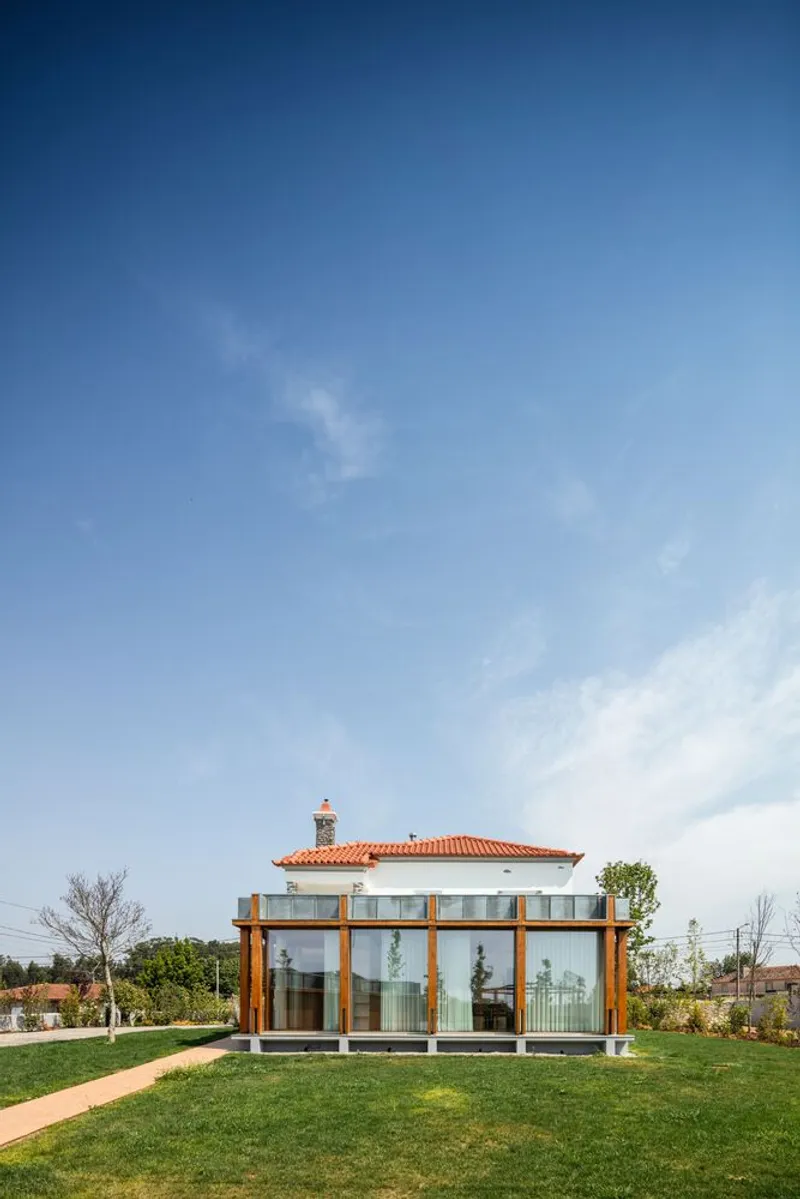
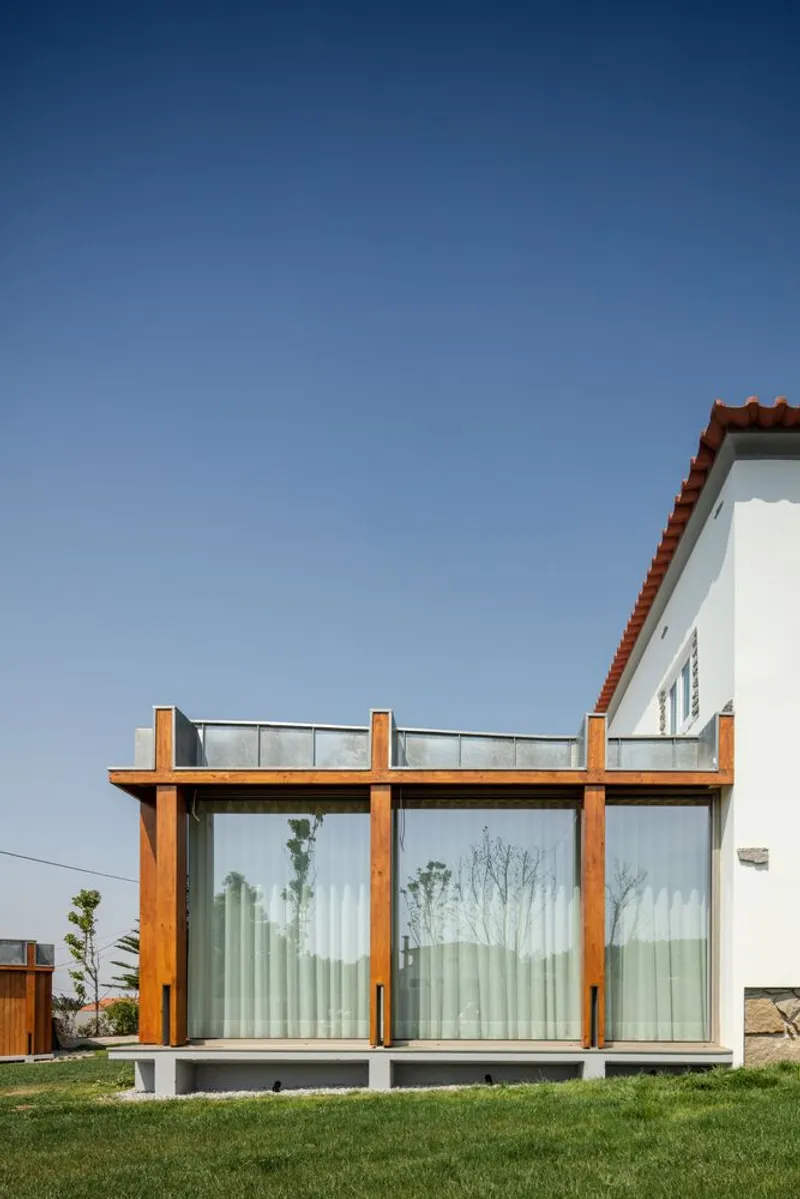
To accommodate the expanded residential program, the house introduces two additional volumes: a garage and a winter garden. These new elements are not merely functional additions but integral components of the spatial composition.
The volumes are strategically positioned to create a dynamic exterior environment. Together, they define a sequence of spaces that mediate between built form and open landscape. This interplay generates a layered architectural experience, where movement between volumes enhances spatial richness.
Despite the expansion, the overall scale remains consistent with the original structure. This restraint ensures that the intervention does not overpower the existing house but instead complements it.
Material Strategy: Wood and Glass as Defining Elements
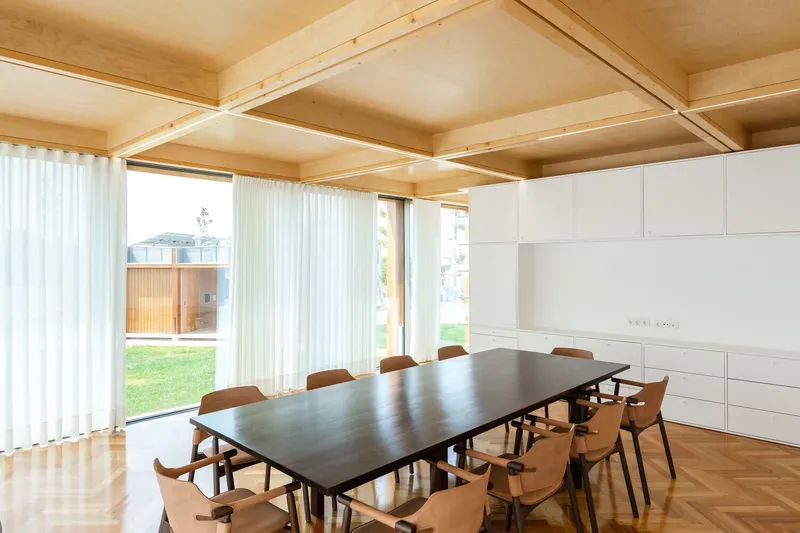
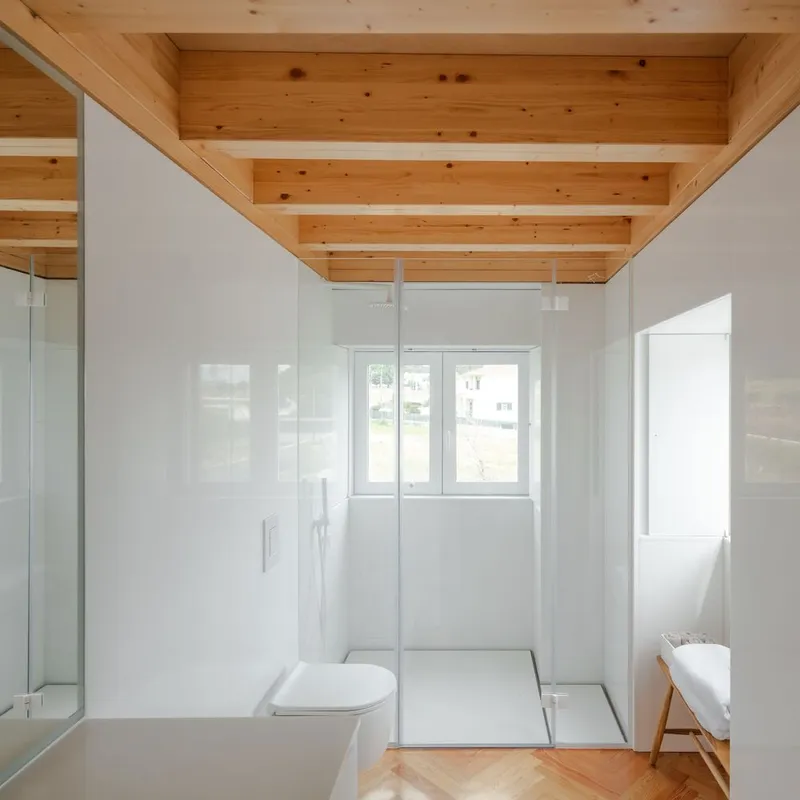
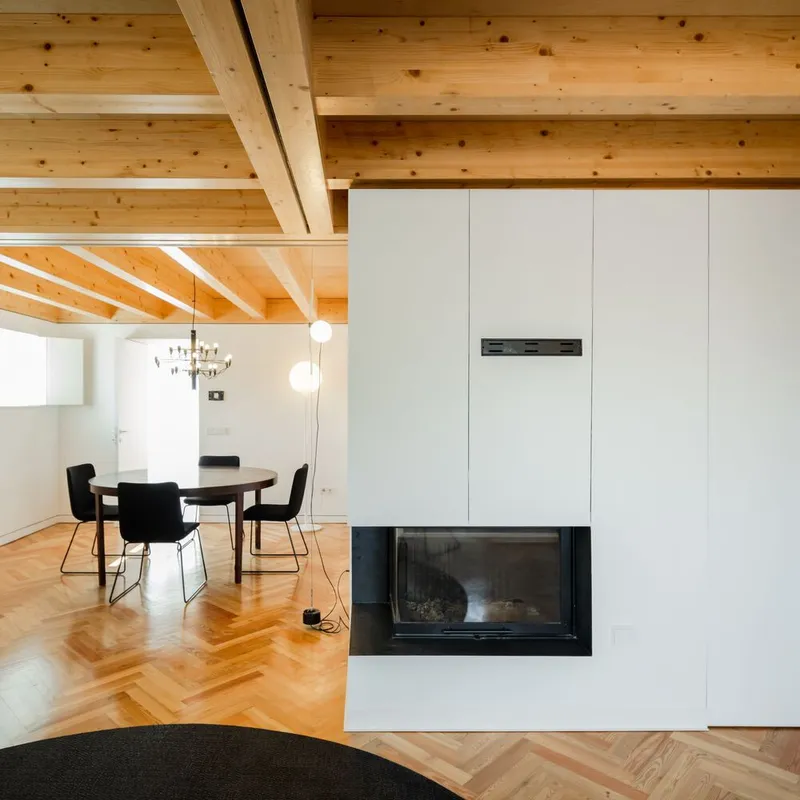
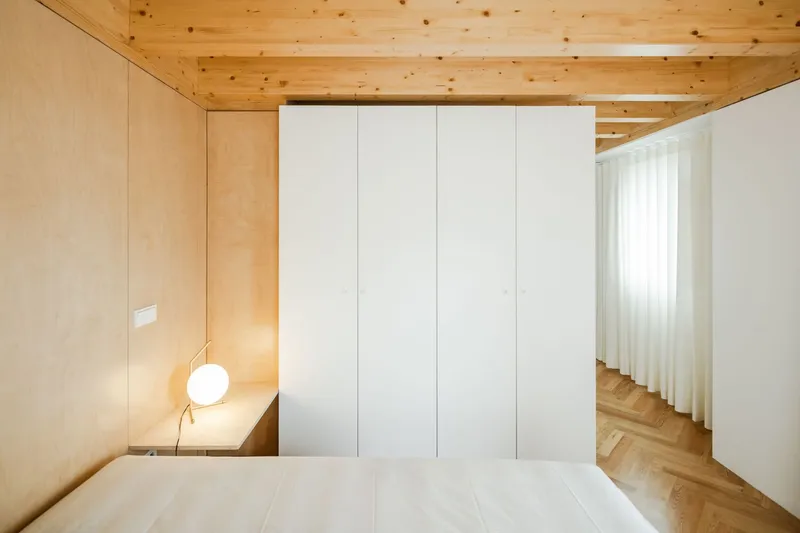
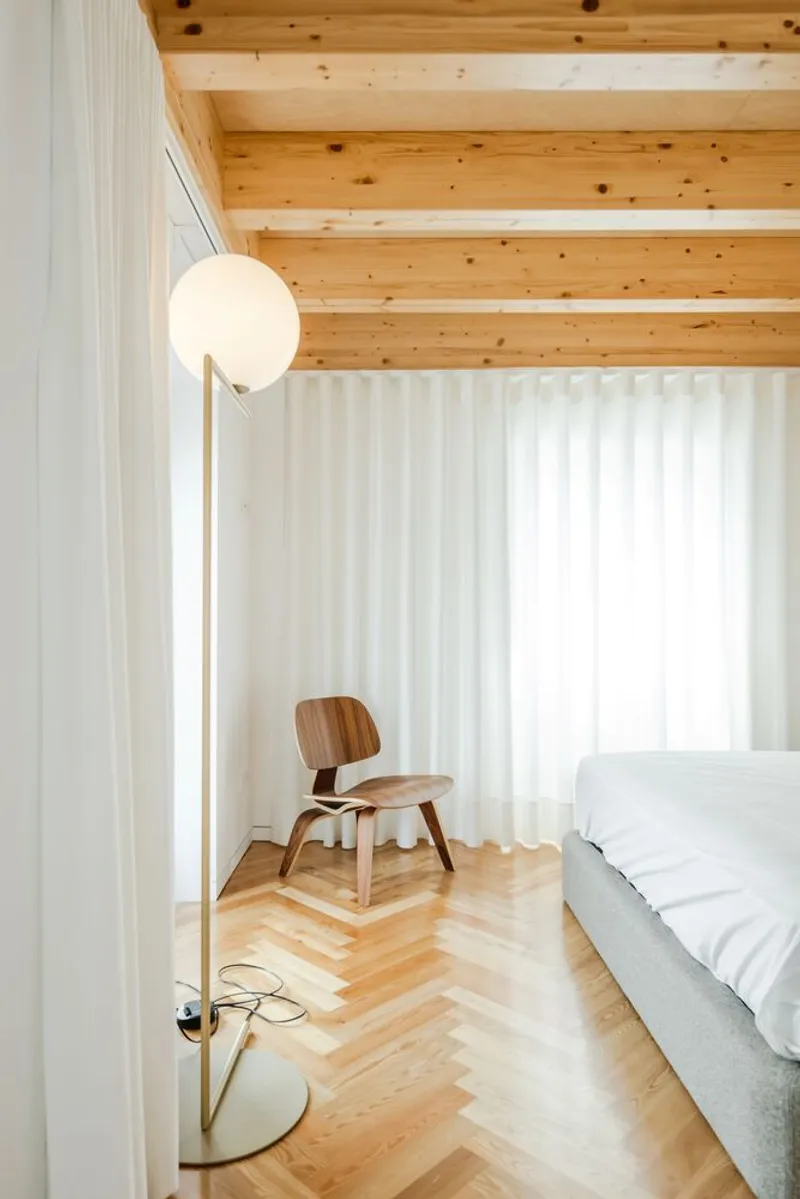
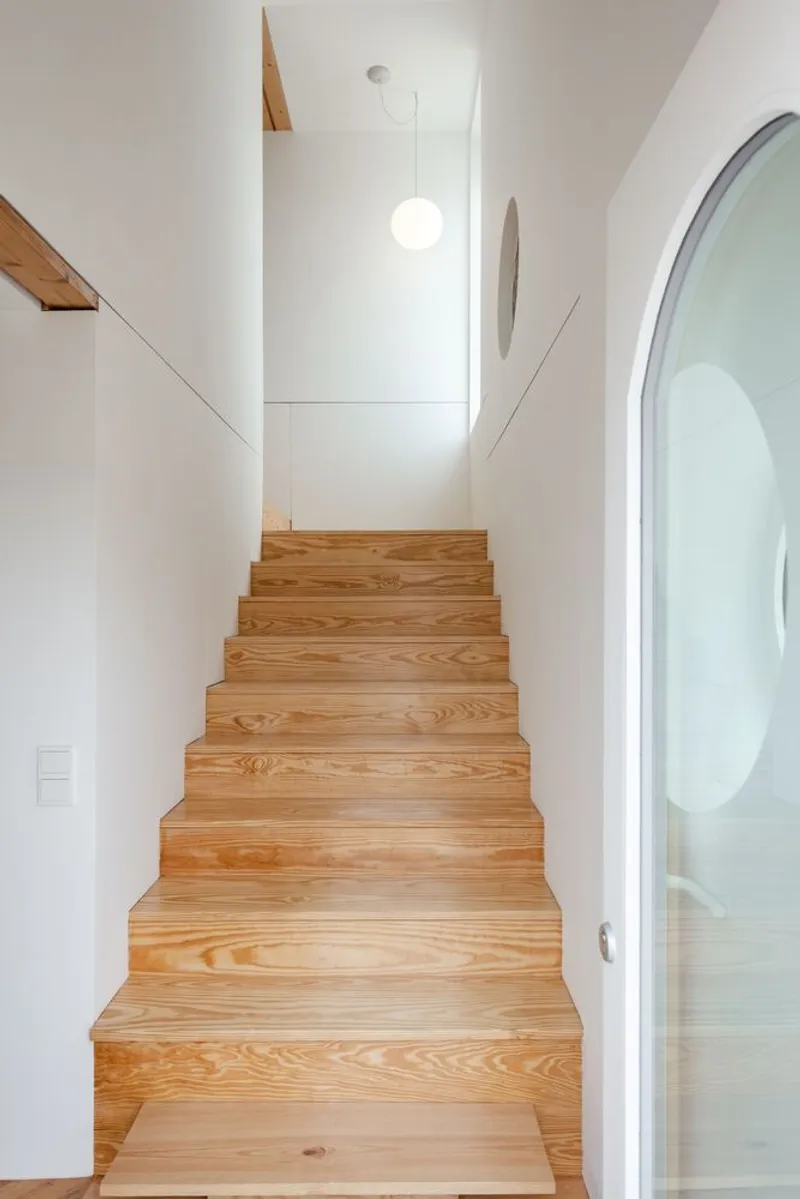
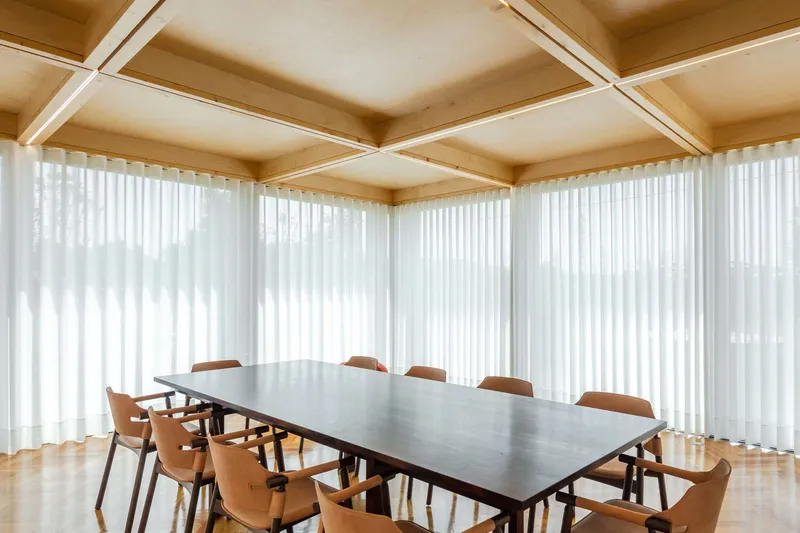
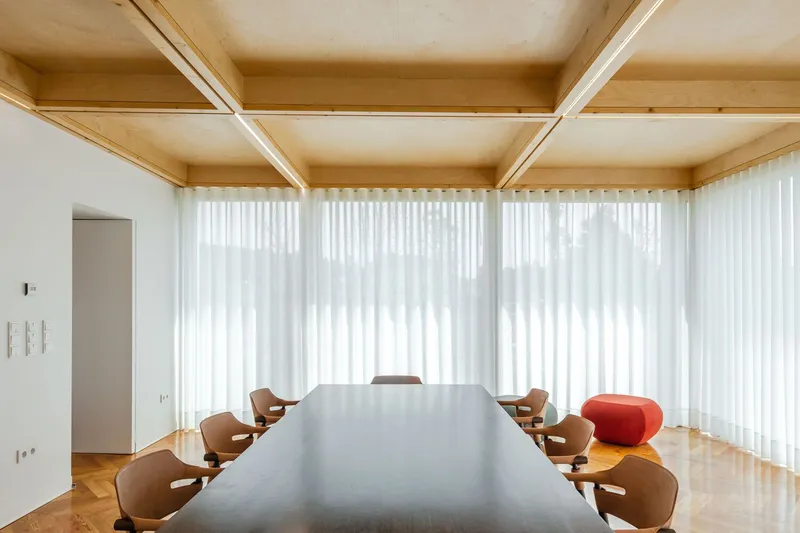
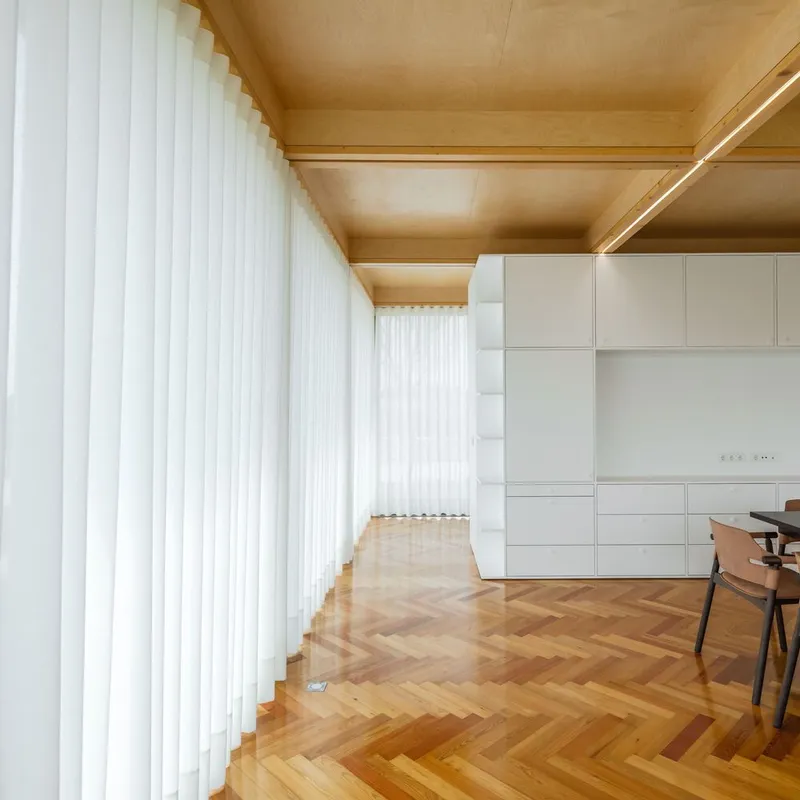
Materiality plays a crucial role in unifying the old and new components of the house. Wood is the dominant material, used for both structural elements and surface finishes. Its application extends across interiors and exteriors, creating continuity and warmth throughout the project.
The use of timber introduces a tactile and natural quality, reinforcing the house’s connection to its surroundings. It also softens the architectural expression, making the spaces feel more intimate and inviting.
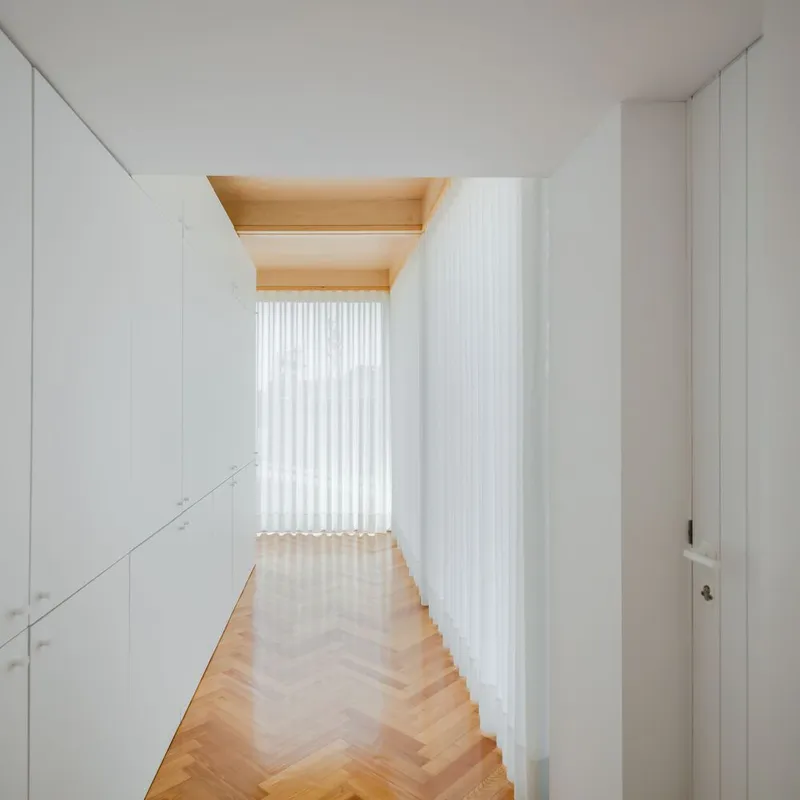
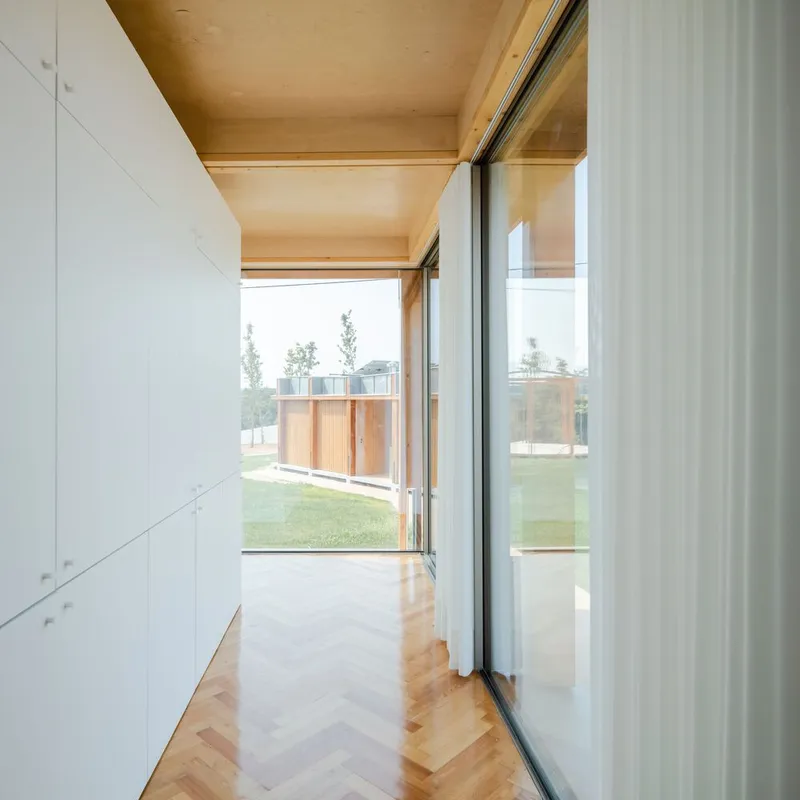
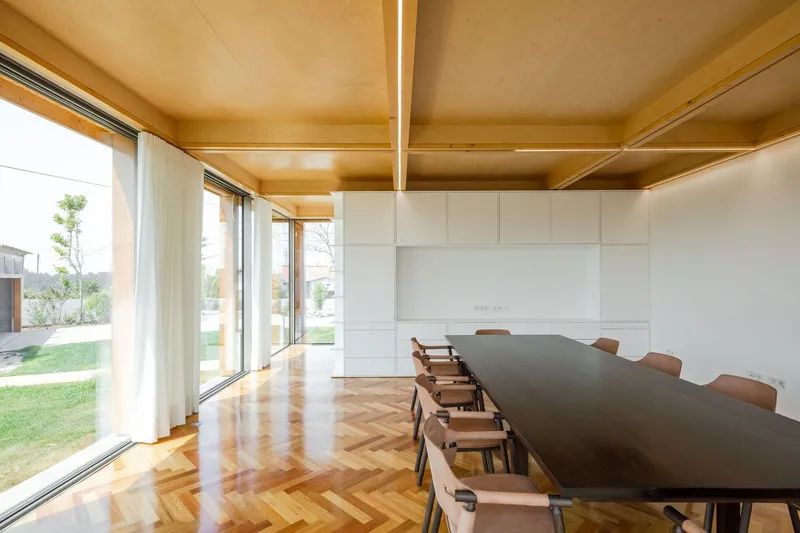
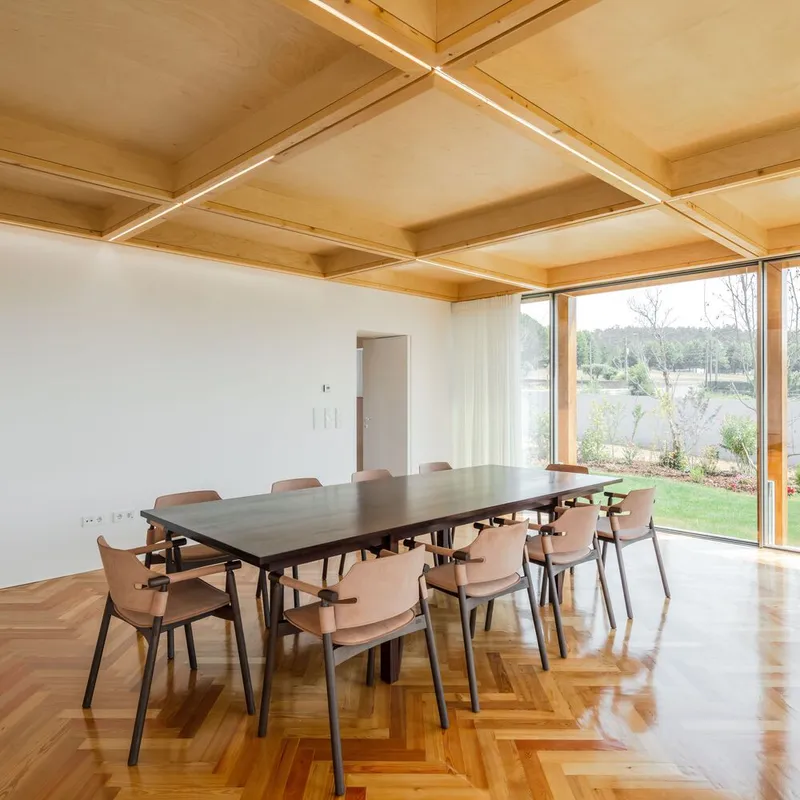
Complementing the wood are expansive glazed surfaces. These openings are carefully modulated according to the rhythm of the wooden structure, ensuring coherence in the design language. The glazing allows natural light to penetrate deep into the interiors while framing views of the garden.
This combination of wood and glass establishes a dialogue between solidity and transparency, tradition and modernity.
Interior Architecture: Fluidity and Warmth
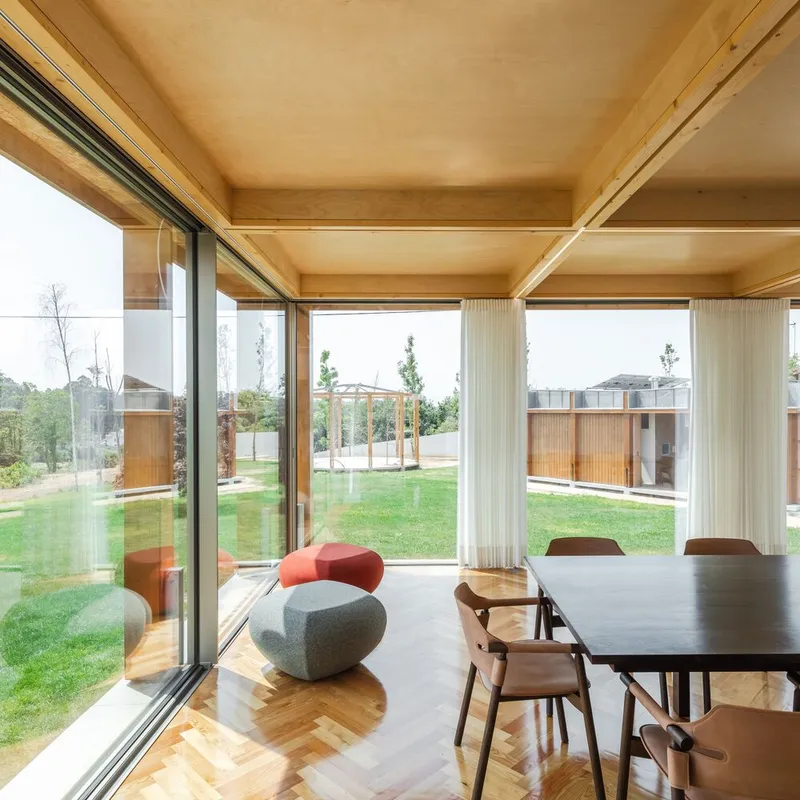
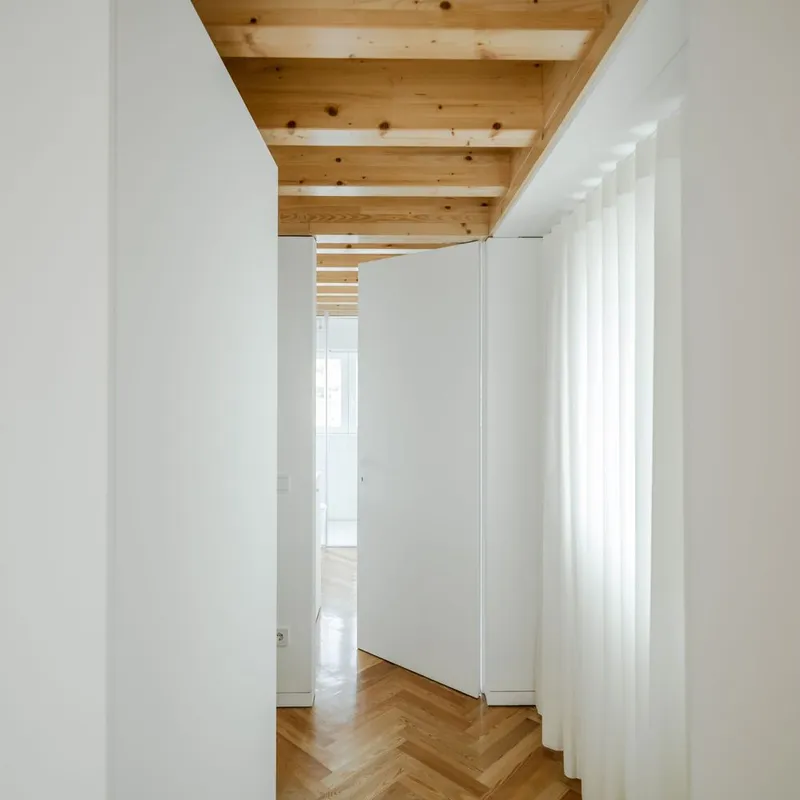
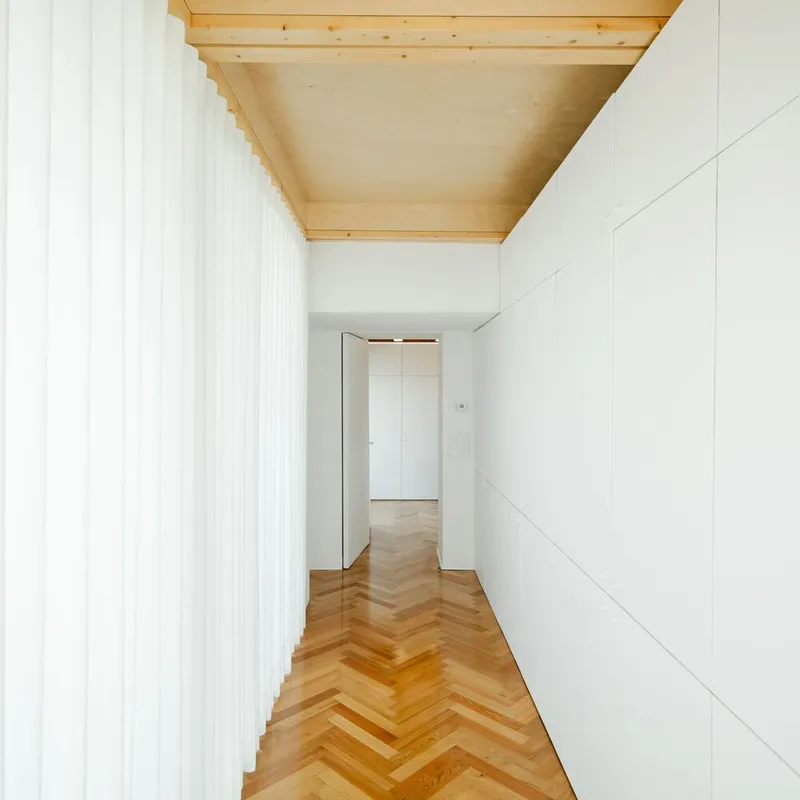
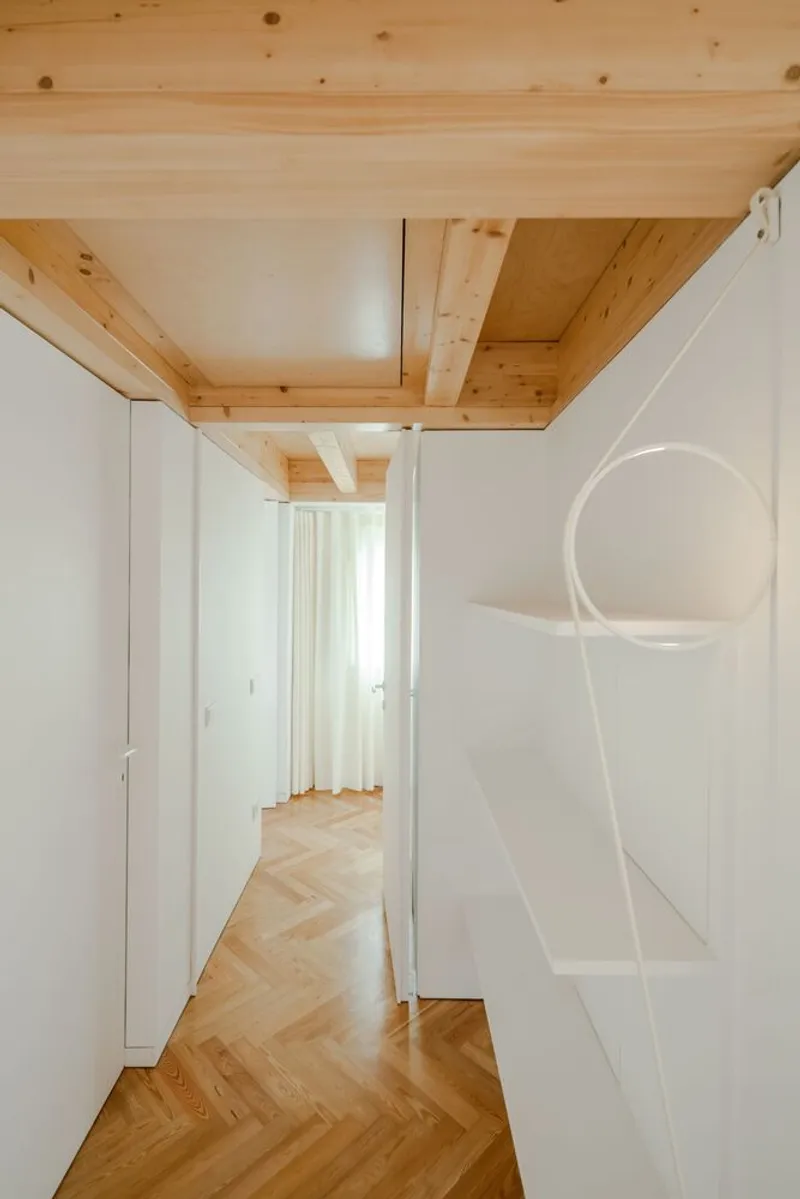
One of the most significant transformations within the house is the shift toward a more open and fluid spatial organization. The original compartmentalized layout has been reconfigured to create interconnected living spaces that promote interaction and flexibility.
This new arrangement enhances the sense of continuity within the house, allowing spaces to flow seamlessly into one another. The result is an interior environment that feels both spacious and cohesive.
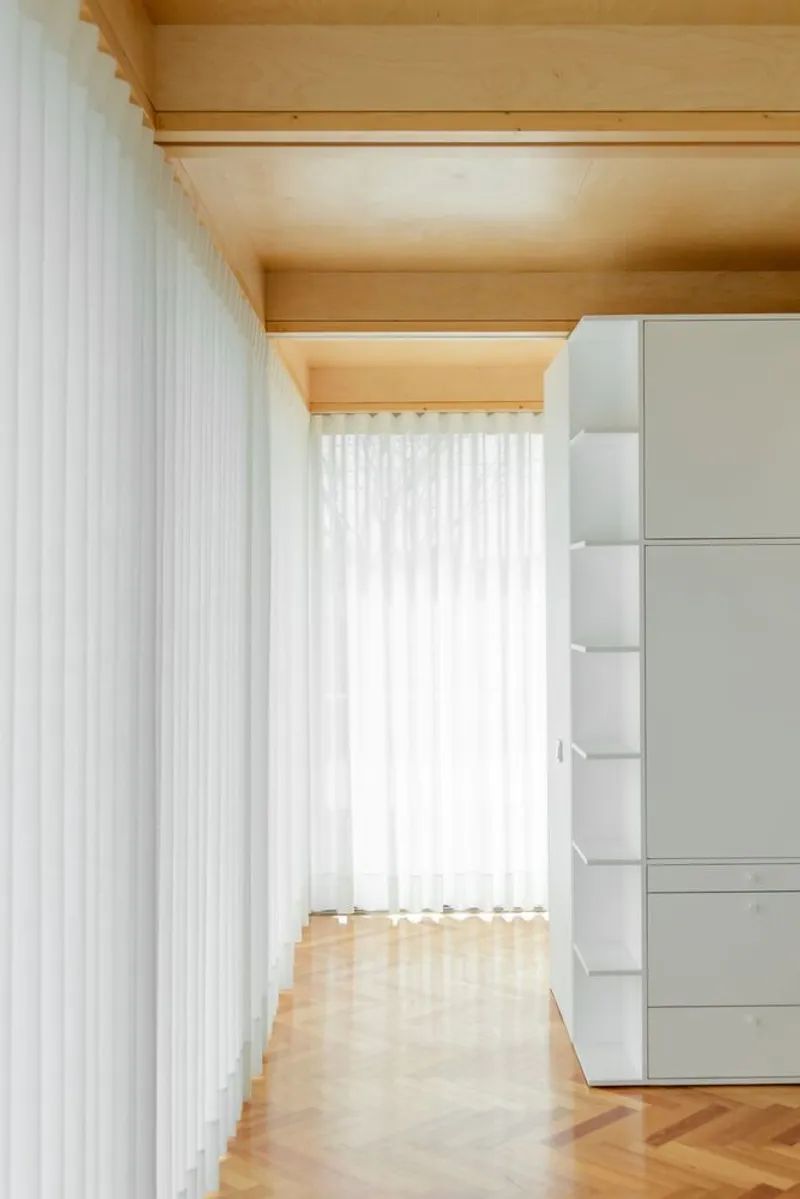
The material palette further contributes to this atmosphere. Warm wooden surfaces, natural light, and carefully framed views create a calming and welcoming domestic setting. The interiors are no longer defined by rigid boundaries but by a sense of openness and adaptability.
Relationship Between Architecture and Landscape
A defining feature of the House in Macieira is its strong connection to the surrounding garden. The design intentionally shifts away from an inward-focused architectural approach, instead embracing the exterior environment as an integral part of the living experience.
Large openings and transitional spaces blur the boundaries between inside and outside. The winter garden, in particular, acts as a mediating space that allows occupants to engage with nature throughout the year.
This integration of landscape and architecture transforms the house into a holistic living environment. It encourages a lifestyle that is closely connected to nature, enhancing both comfort and well-being.
A New Architectural Language
While the original house was guided by a more rigid and formal design logic, the intervention introduces a new architectural language defined by flexibility, material expression, and contextual integration.
The project no longer adheres to a singular theoretical framework. Instead, it evolves into a synthesis of old and new, where formal and material values coexist harmoniously.
This transformation reflects a broader shift in architectural thinking, where buildings are no longer seen as static objects but as dynamic environments shaped by their context and users.
Spatial Experience and Human-Centered Design
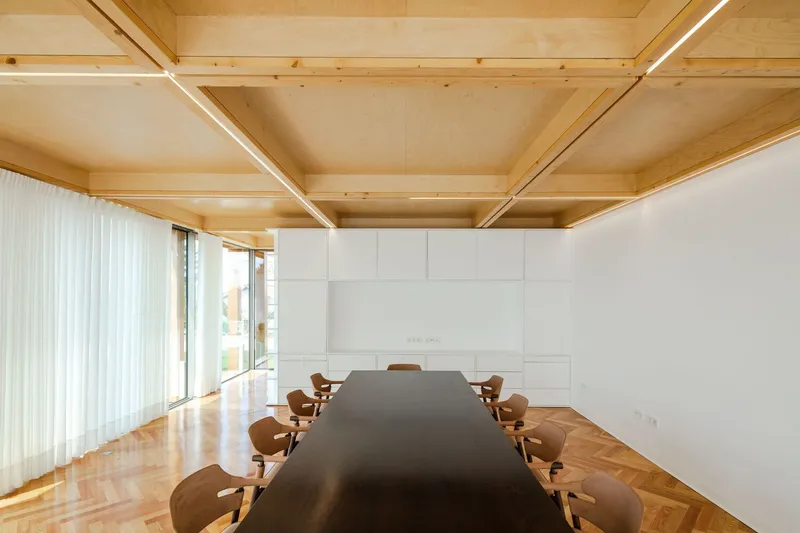
The reimagined house prioritizes human experience over formal aesthetics. Every design decision, from material selection to spatial organization, is guided by the goal of creating a comfortable and engaging living environment.
The reduction of compartmentalization allows for greater flexibility in how spaces are used. At the same time, the emphasis on natural materials and light enhances the sensory quality of the interiors.
This human-centered approach ensures that the house is not only visually appealing but also highly livable. It becomes a space that adapts to the needs of its occupants while fostering a sense of belonging and comfort.
Sustainability and Architectural Responsibility
Although not explicitly defined as a sustainable project, the House in Macieira incorporates several principles of environmentally responsible design. The decision to reuse an existing structure significantly reduces the environmental impact associated with demolition and new construction.
The use of wood as a primary material further supports sustainability, given its renewable nature and low carbon footprint. Additionally, the integration of natural light and ventilation reduces reliance on artificial systems, enhancing energy efficiency.
These strategies demonstrate how sustainability can be seamlessly integrated into architectural design without compromising aesthetics or functionality.
A Harmonious Balance of Past and Present
The House in Macieira stands as a compelling example of how architecture can bridge the gap between tradition and modernity. Through a careful and respectful intervention, Nelson Resende has transformed an abandoned structure into a vibrant and contemporary home.
The project’s success lies in its ability to maintain the essence of the original building while introducing new spatial, material, and experiential qualities. By prioritizing context, materiality, and human experience, the design creates a living environment that is both timeless and relevant.
Ultimately, the House in Macieira is more than a renovation, it is a redefinition of domestic architecture that embraces change while honoring its roots.
All photographs are works of
João Morgado




Popular Articles
Popular articles from the community


Riyadh For All: Intergenerational Urban Design for Active Aging in Rabat
Riyadh For All reimagines urban design in Rabat with intergenerational co-living, adaptive courtyards, and Moroccan cultural exchange today.

Play: Fragments of Their World
Familiar architecture becomes modular playground design, creating safe spaces where displaced children can learn, connect, imagine and play.

The Musturak Paradise: Senior Living Architecture for a Connected Future in Temara, Morocco
The Musturak Paradise reimagines senior living architecture in Temara via private homes, social spaces, culture, community, and shared care.

Co-Life: Senior Housing Design That Reconnects Older Adults With the City
Co-Life reimagines senior housing design through healing gardens, shared streets, workshops, and a sustainable community across generations.

Similar Reads
You might also enjoy these articles

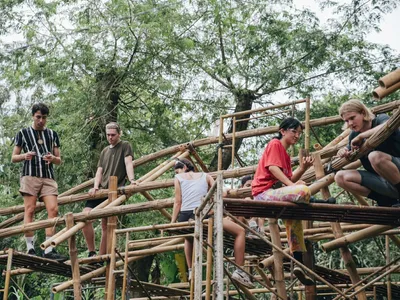
Bamboo Housing Challenge 2026: Design Affordable, Sustainable Homes Using Bamboo
An international design competition by Bamboo U and IBUKU inviting architects and designers to reimagine affordable housing using bamboo — with the winning design built full-scale in Bali.
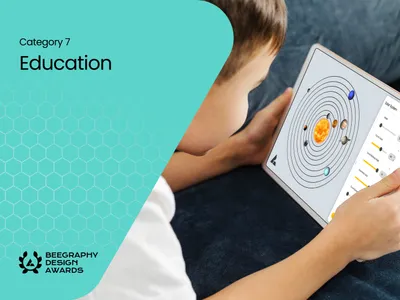
Computational Design & Education: Beegraphy Design Awards Introduces 7th Category (Featuring Jiyun's Innovative Approach)
Dive into Beegraphy’s 7th Design Awards category, where computational design meets education to create immersive, interactive learning tools, inspired by Jiyun’s work.
From Parametric Lighting to Urban Furniture: Join the 2nd Workshop in Beegraphy’s Computational Design Series
Dive into Cutting-Edge Design Techniques and Practical Applications with Industry Experts

Last Call: Unleash Your Architectural Genius in SHAK's Kindergarten Design Competition
Urgent call for architects to join SHAK's kindergarten design competition before the looming deadline

Explore Architecture Competitions
Discover active competitions in this discipline



Challenge to reimagine the Iron Throne


Photograph architecture without architects


Illustrate the lost glory of Angkor Wat - Render Challenge


Design challenge to reuse E-waste
Comments (0)
Please login or sign up to add comments
No comments yet. Be the first to comment!