
House of Boundary: Redefining Residential Living in South Korea Through Boundary-Focused Architecture
A residential project in South Korea redefines spatial boundaries to create a free-spirited, context-driven living environment.


A New Dialogue Between Urbanity and Domesticity
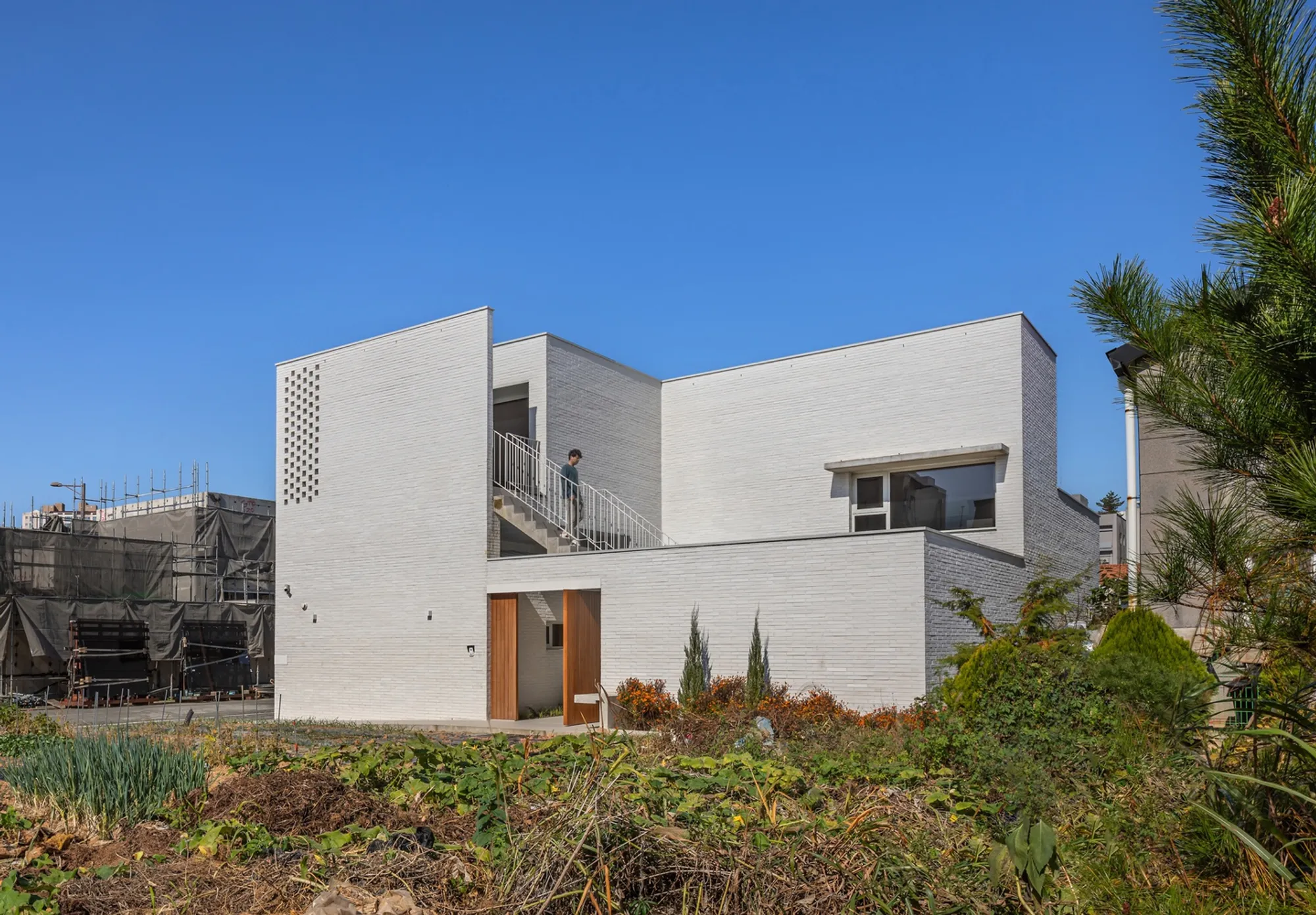
Located in Bitgaram-dong within the Gwangju-Jeonnam Joint Innovation City, the House of Boundary by PLAN Architects office reinterprets residential architecture by challenging traditional spatial hierarchies and engaging with its surroundings through a nuanced understanding of boundary house architecture in South Korea. Set at the edge of an expanding city, the house straddles urban density and rural openness, offering a design language that balances contrast with harmony.

Framing the Edges: A Context-Responsive Site Strategy
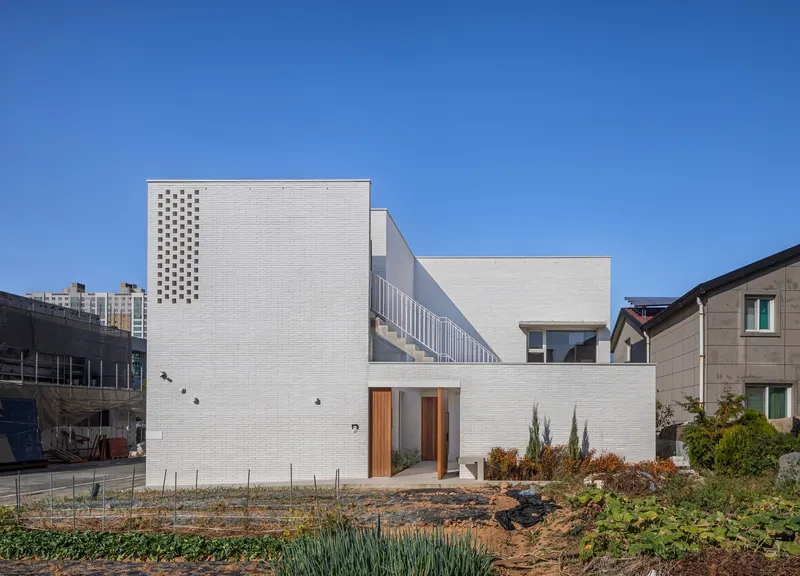
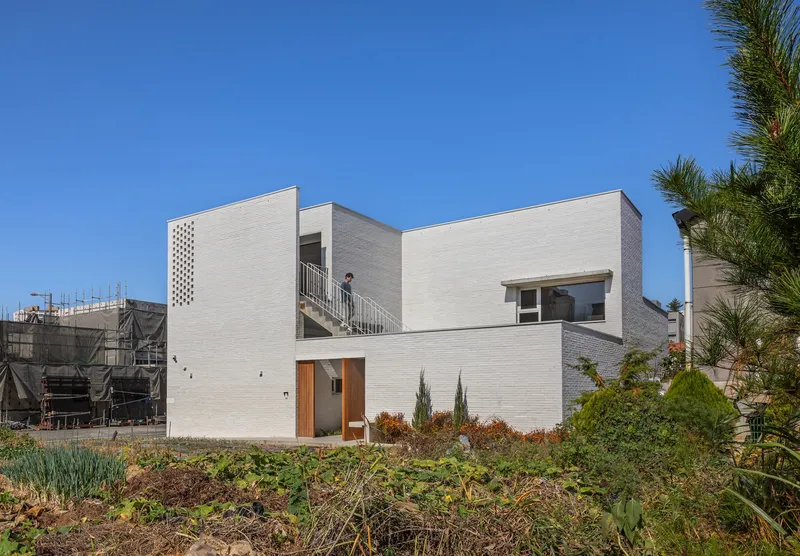
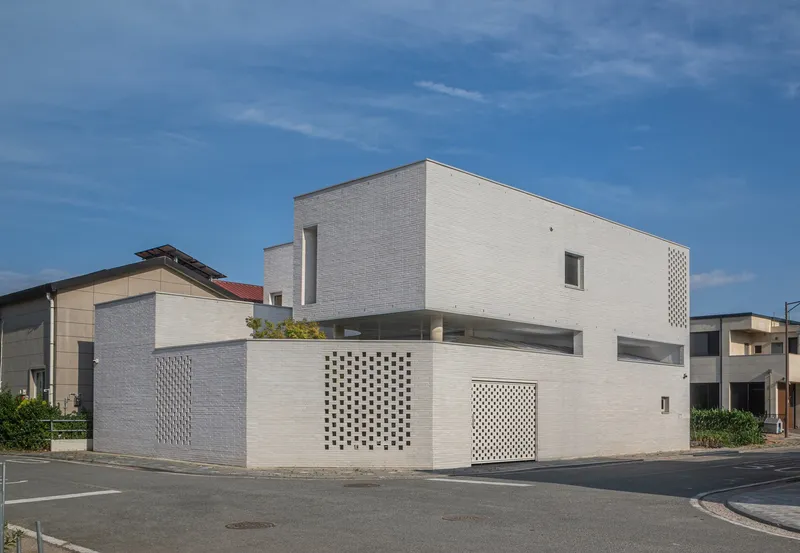
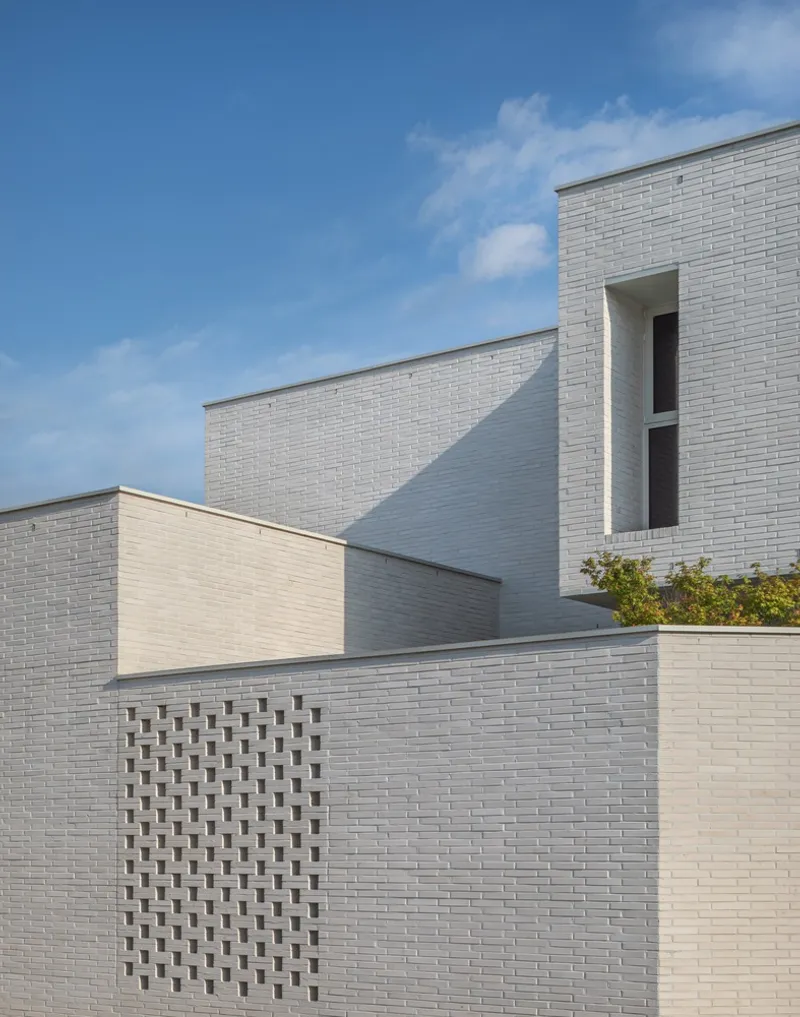
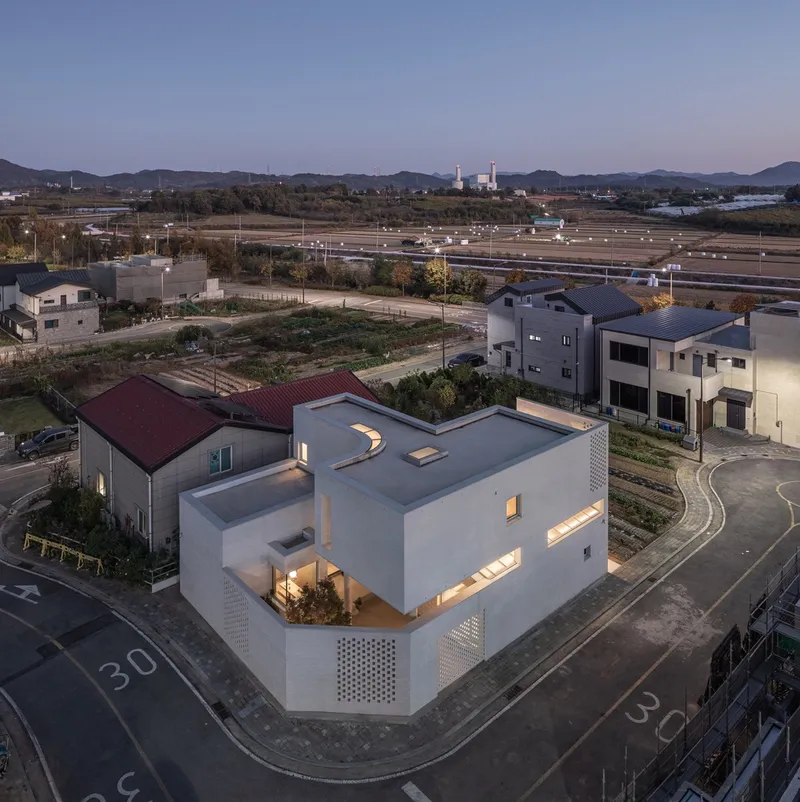
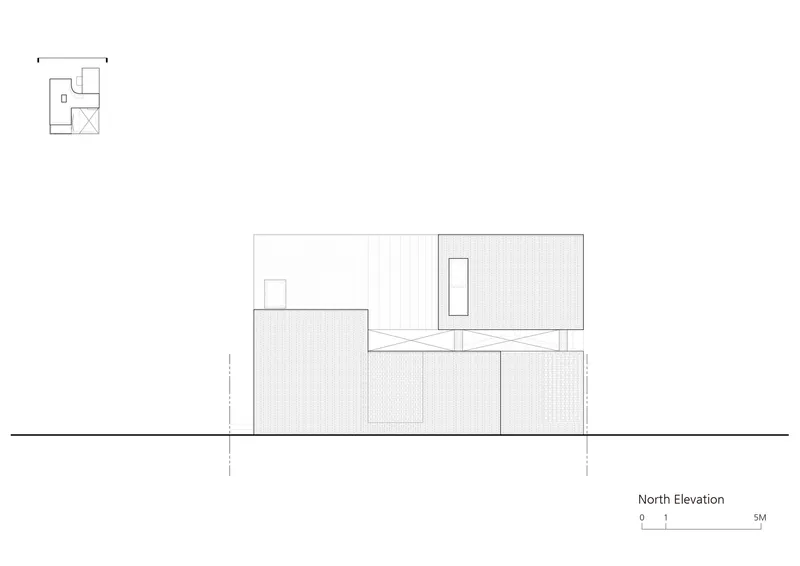
The site opens toward farmlands and mountain ridges while remaining proximate to commercial, institutional, and residential clusters. This physical transition from high-rise urbanity to pastoral serenity becomes the thematic driver of the design. The House of Boundary responds to this shift with a built form that is both simple and rich—brick volumes gently hug the site lines while remaining visually light and open. Bright bricks along the perimeter mimic the natural contour of the land, grounding the house without overwhelming it.

Rethinking Boundaries: Beyond Walls and Doors
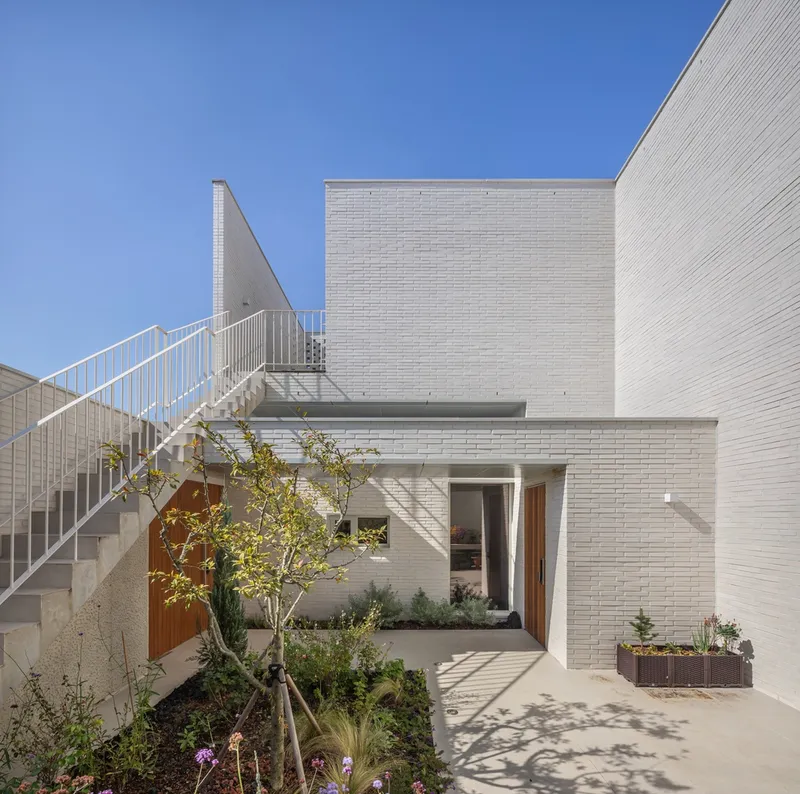
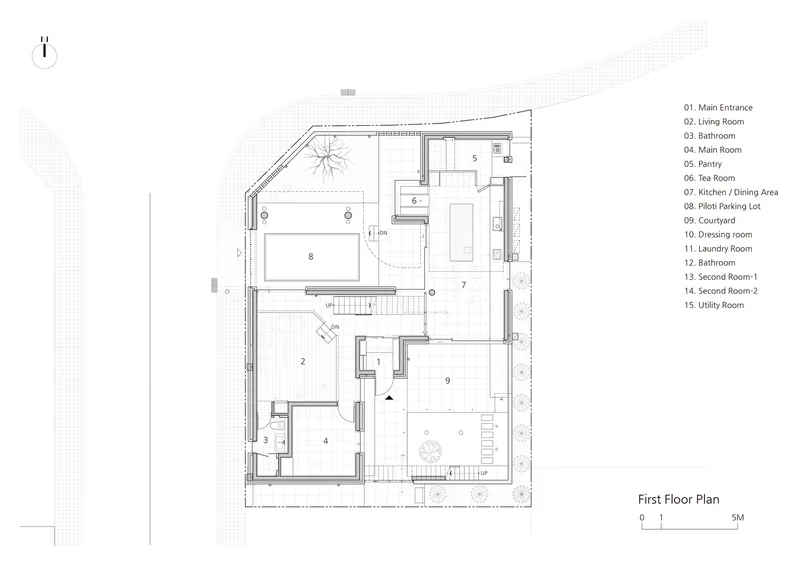
Designed for a middle-aged couple and their two children, the house moves beyond the conventional front-door-centered layout. Entry is through a 2.6-meter-wide wooden door that leads to a courtyard—a threshold space adorned with plants, warm textures, and a translucent roof. This courtyard doesn't merely serve as an entry but as an emotional and architectural buffer, seamlessly transitioning visitors from the chaos of the city to the calm of home.


Interiors that Celebrate Light, Movement, and Freedom
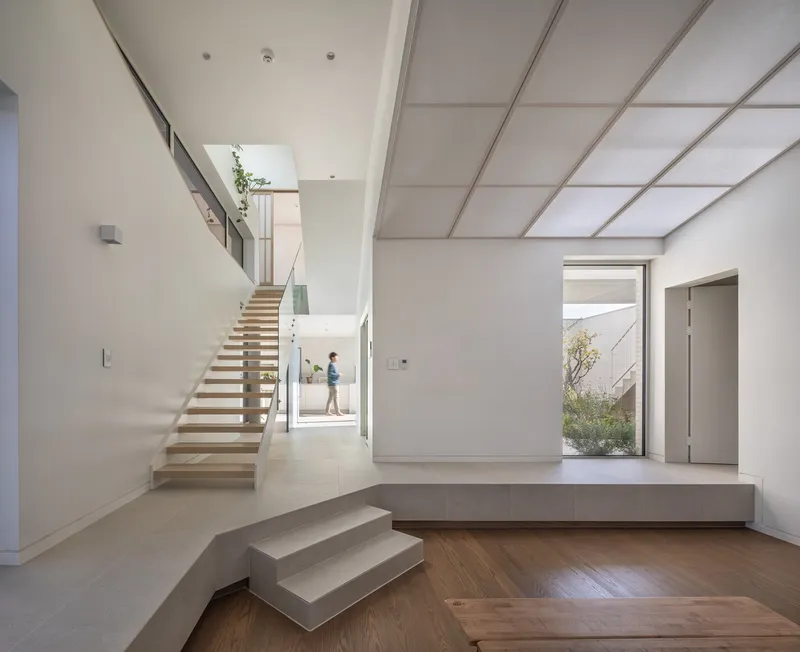
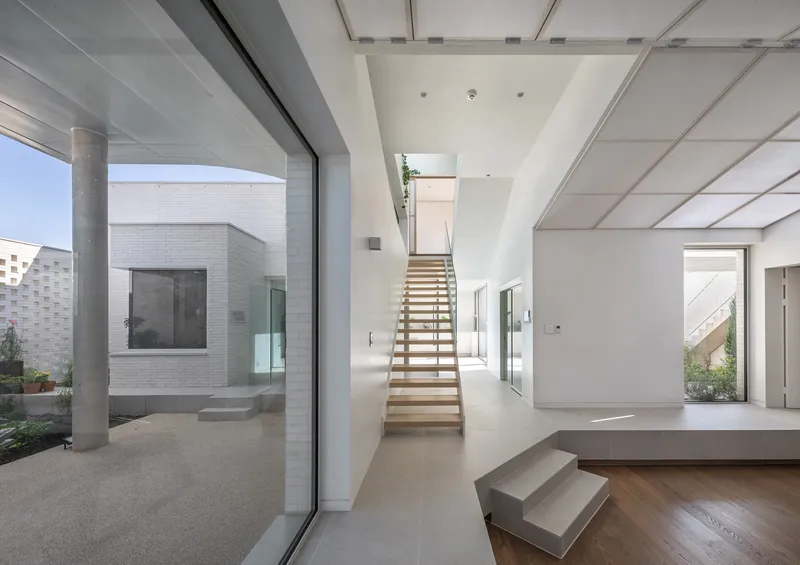
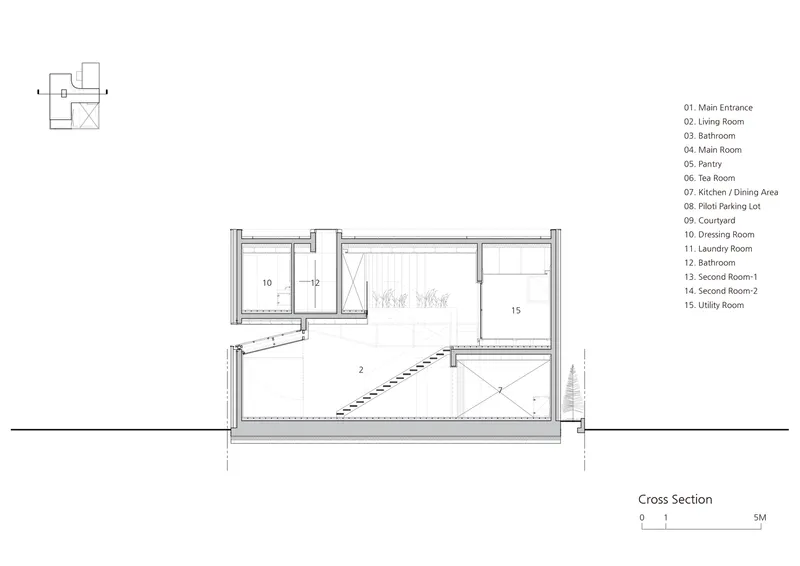
Inside, spatial boundaries dissolve with soft material transitions and layered lighting strategies. In the living room, a double-layered ceiling of translucent polycarbonate and traditional Korean hanji paper diffuses natural light, casting ever-changing shadows across the walls and floor. These shifting patterns lend a poetic rhythm to daily life—an atmospheric quality that continues as one moves through the house.

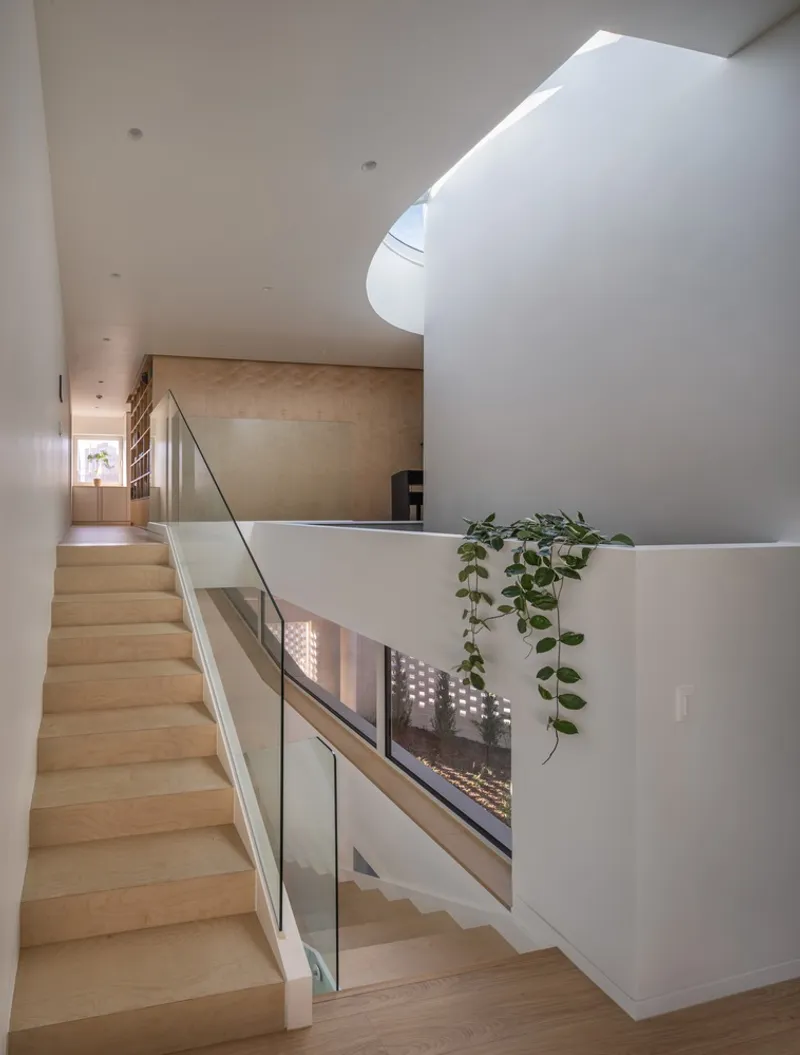
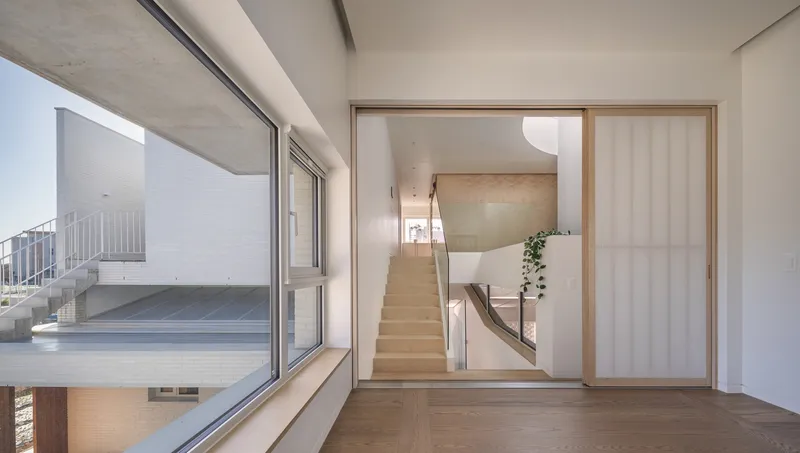
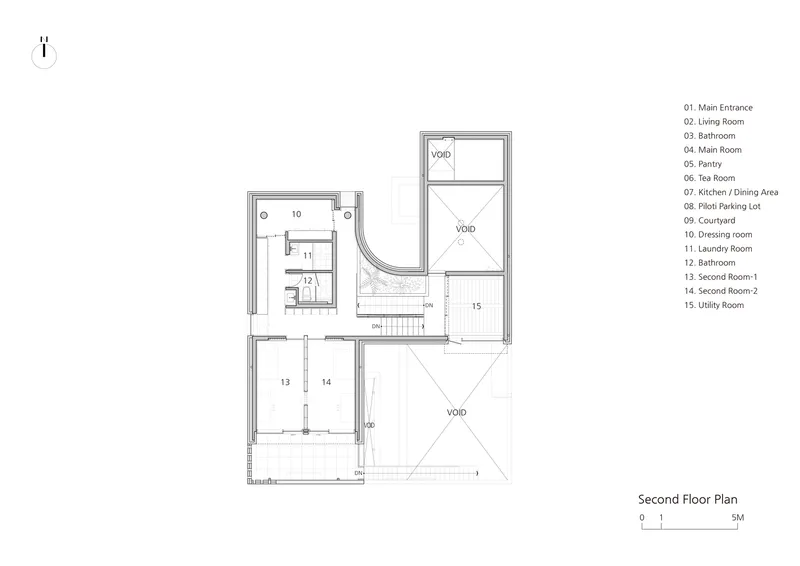
The staircase, positioned centrally, becomes more than circulation—it is an experience. Horizontal windows carved into the stair wall open up views to the backyard and distant landscape, making vertical movement dynamic and connected to the outdoors.


Blurring Vertical and Horizontal Boundaries
Rather than relying on traditional construction hierarchies—where upper levels rest visibly on lower ones—the house offers segmented, interdependent forms. Walls on the second floor appear suspended or offset, allowing both artificial and natural light to filter through cracks and openings, forming varied impressions throughout the day. A curved wall on the upper level features a skylight that diffuses soft daylight, with shadows gently crawling across surfaces, marking time and season.


A Critique of Conventional Living
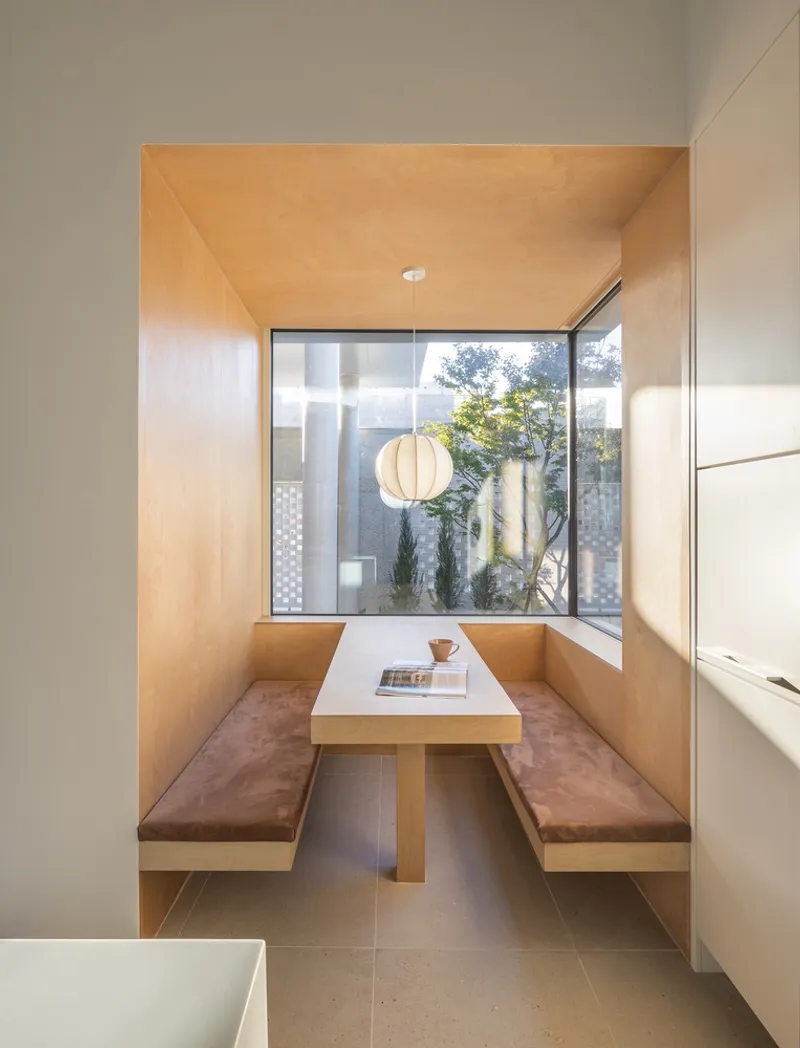
The House of Boundary presents a subtle yet powerful critique of residential norms in South Korea. It questions fixed uses of space, rigid structural hierarchies, and a single-point entry system. Instead, it nurtures fluidity, privacy, and spatial equality—creating a home that mirrors the family’s ethos of non-hierarchical, open-ended living.


Each boundary—whether physical, visual, or emotional—is treated as a design opportunity rather than a limit. This boundary-focused architectural approach not only enhances the daily experience of its residents but also contributes to the evolution of residential design in the country.

Towards a More Sensitive Architecture
Through thoughtful spatial transitions, curated material palettes, and a deep respect for both nature and user experience, PLAN Architects office’s House of Boundary becomes a benchmark in boundary house architecture in South Korea. It signals a movement toward homes that are not isolated objects but active participants in their context—bridging nature, city, and personal life through meaningful design.


All Photographs are works of Yoon, joon hwan




Popular Articles
Popular articles from the community

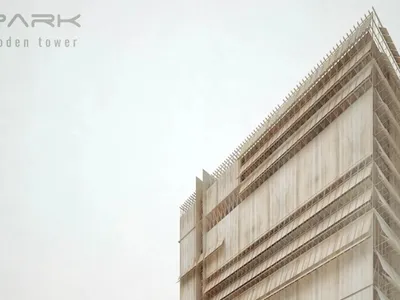
EW PARK: Sustainable Architecture Reimagines the Future of Urban Parking
EW PARK reimagines city parking as a modular wooden tower combining automation, solar energy, electric mobility, and adaptable urban design.

AL-JANNAH: Sustainable Architecture and Permaculture for Afghan Widows
AL-JANNAH uses sustainable architecture and permaculture to create resilient oasis of housing, learning, work and renewal for Afghan widows.

Conexión: Biophilic Design Reimagines High-Rise Living in Hong Kong
Conexión reimagines high-rise living in Hong Kong through biophilic design, green facades, shared spaces, daylight, water and nature within.

The Earth Pod: 3D Printed Homes for Resilient Refugee Communities
The Earth Pod reimagines refugee housing through 3D printed homes made from clay, combining resilience, self-sufficiency, and rapid shelter.

Similar Reads
You might also enjoy these articles

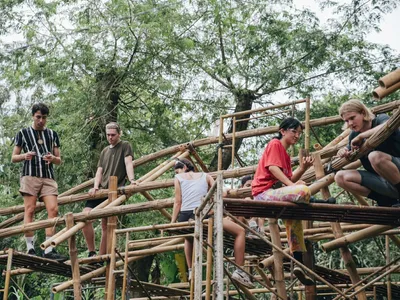
Bamboo Housing Challenge 2026: Design Affordable, Sustainable Homes Using Bamboo
An international design competition by Bamboo U and IBUKU inviting architects and designers to reimagine affordable housing using bamboo — with the winning design built full-scale in Bali.
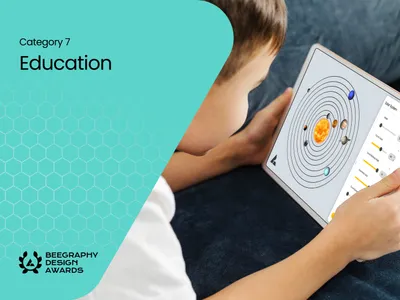
Computational Design & Education: Beegraphy Design Awards Introduces 7th Category (Featuring Jiyun's Innovative Approach)
Dive into Beegraphy’s 7th Design Awards category, where computational design meets education to create immersive, interactive learning tools, inspired by Jiyun’s work.
From Parametric Lighting to Urban Furniture: Join the 2nd Workshop in Beegraphy’s Computational Design Series
Dive into Cutting-Edge Design Techniques and Practical Applications with Industry Experts

Last Call: Unleash Your Architectural Genius in SHAK's Kindergarten Design Competition
Urgent call for architects to join SHAK's kindergarten design competition before the looming deadline


Explore Architecture Competitions
Discover active competitions in this discipline



Challenge to reimagine the Iron Throne


Photograph architecture without architects


Illustrate the lost glory of Angkor Wat - Render Challenge


Design challenge to reuse E-waste
Comments (0)
Please login or sign up to add comments
No comments yet. Be the first to comment!