
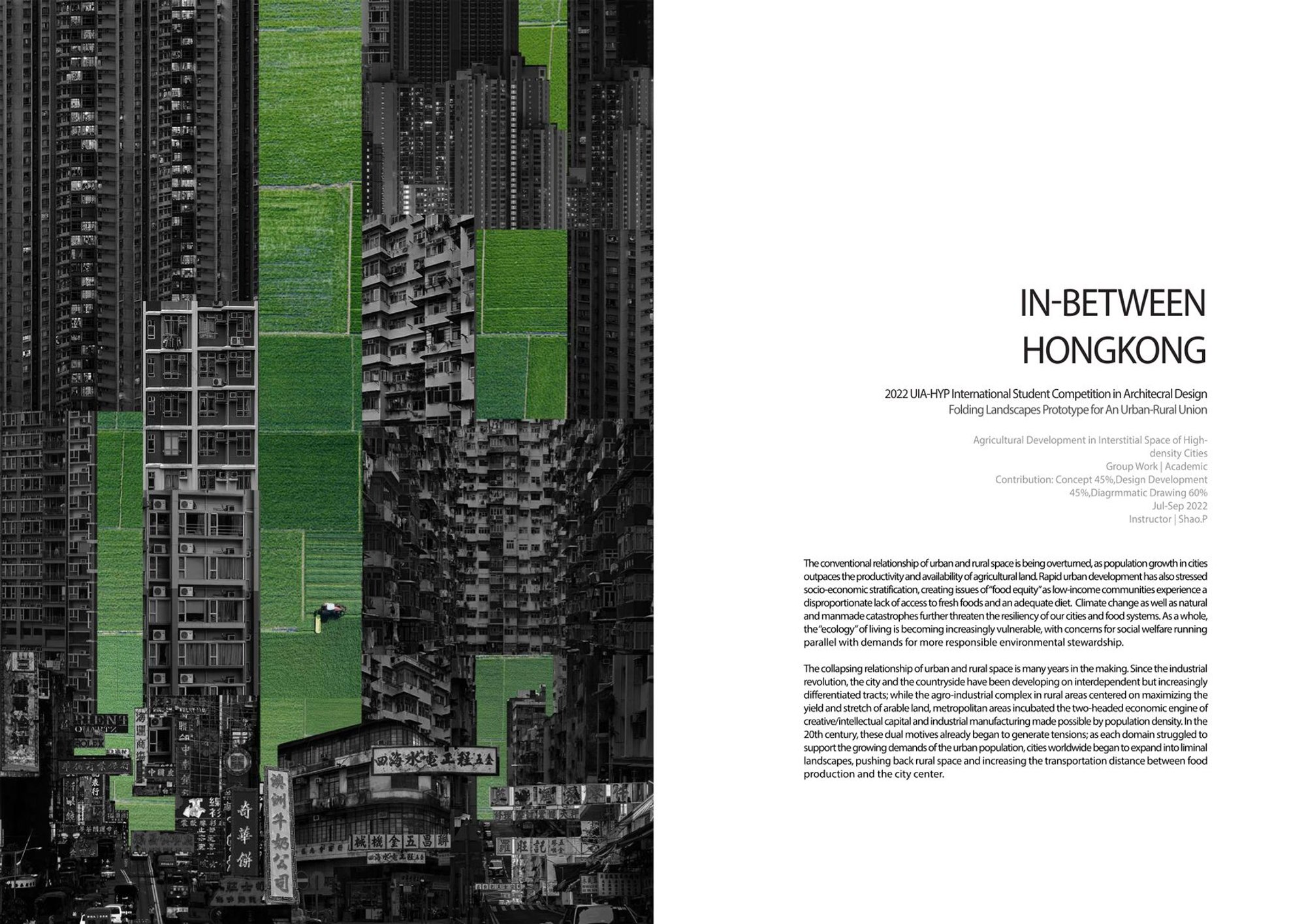
IN-BETWEEN HONGKONG
Creating breathing room in vertical cities through adaptive reuse and vertical farming in dense urban architecture.

Winner entry of Parasitic Architecture by Xu Wang
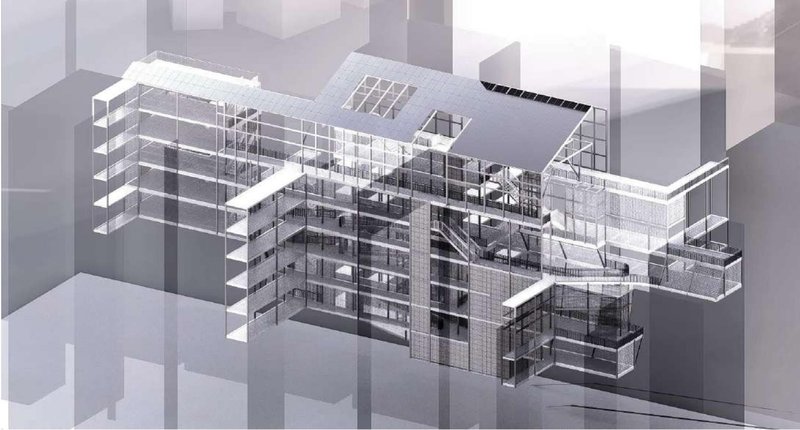
In the face of Hong Kong's extreme urban density, urban vertical architecture emerges as a vital solution to reclaim lost spaces, enhance community interaction, and secure local food systems. "In-Between HongKong" is a visionary urban proposal that reinterprets the underutilized voids between densely built structures, transforming them into lush, vertical public spaces that integrate greenery, mobility, and collective use.
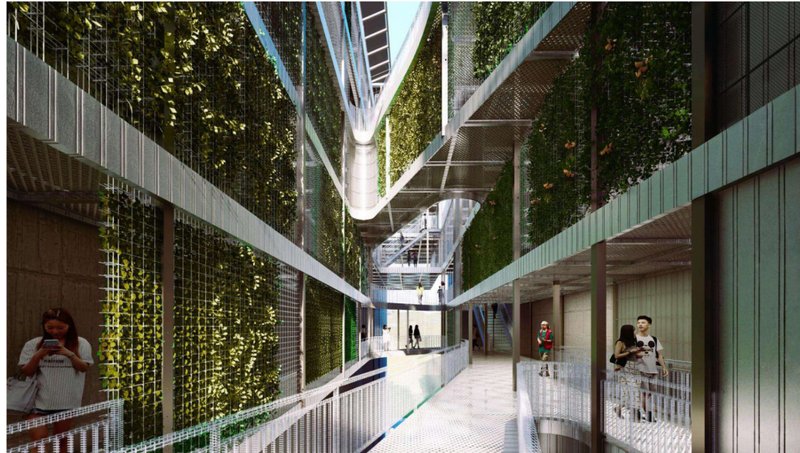
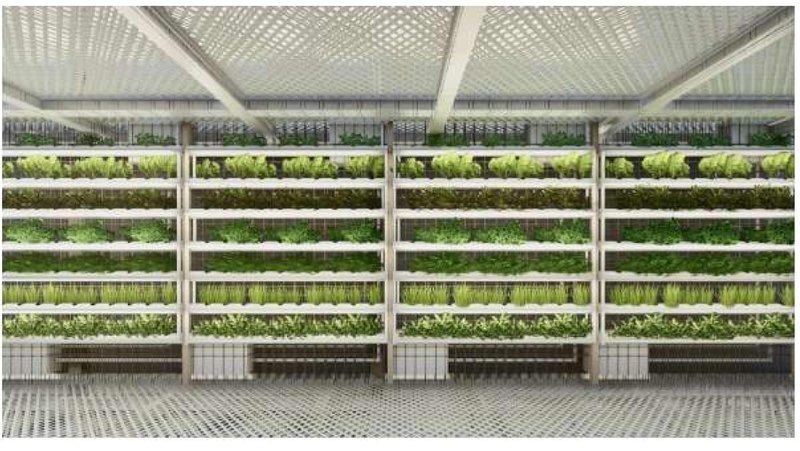
This award-winning entry by Xu Wang addresses some of the most urgent urban challenges: the shortage of open space, the psychological toll of hyper-dense living, the lack of community engagement, and growing reliance on food imports. The project proposes vertical farms, suspended walkways, and interactive platforms that function both as productive ecological systems and as vital urban commons. These new corridors aim to soften the spatial and social isolation found in many of Hong Kong’s aging tenement blocks, offering a vision of what humane, adaptable urban renewal could look like.
Urban Terrain and Spatial Constraints Hong Kong is characterized by a highly uneven terrain. Over 80% of its land is mountainous or reclaimed, leaving very limited space for expansion or low-density development. Flat land is a rare and valuable commodity, and its use is often prioritized for high-rise residential towers. In older districts such as Kowloon City, Sham Shui Po, and Kwun Tong, layers of time have accumulated into dense vertical neighborhoods with limited daylight access, minimal air flow, and little to no open ground space for recreation.
Understanding Residential Realities The project draws on detailed research into the built fabric and living conditions of original residents. Many of Hong Kong’s low-rise buildings mix commercial activity at ground level with several stories of residential units above. These structures, commonly referred to as “Tong Laus,” frequently lack elevators and modern amenities. Tenants often live in subdivided flats, sometimes as small as a few square meters. In the most extreme cases, cage homes—units made of wire mesh—reflect the severity of housing inequality. Shared toilets, poor lighting, and narrow circulation spaces define the everyday realities for thousands of residents.
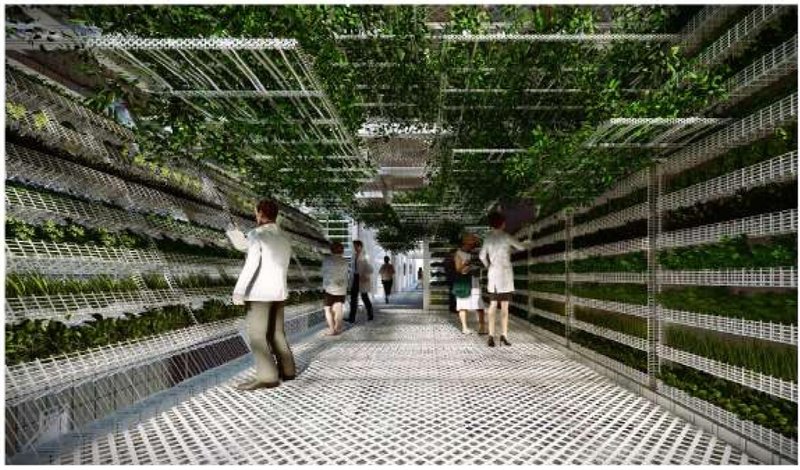
Residents’ Needs and Spatial Gaps The intervention responds to multiple social and environmental needs. It acknowledges the diversity of the urban population, from students and workers to elderly residents and informal laborers. Key functions such as safe walkways, communal gathering zones, passive leisure spaces, and dedicated green areas are integrated into the design. These spaces are structured to support daily routines such as commuting, relaxation, gardening, and casual socialization. By introducing vertical gardens and plant-integrated structures, the project brings psychological comfort, cleaner air, and a stronger sense of ownership over public space.
Ecological Design and Innovation At the core of this proposal is a sustainable architectural system tailored for high-density environments:
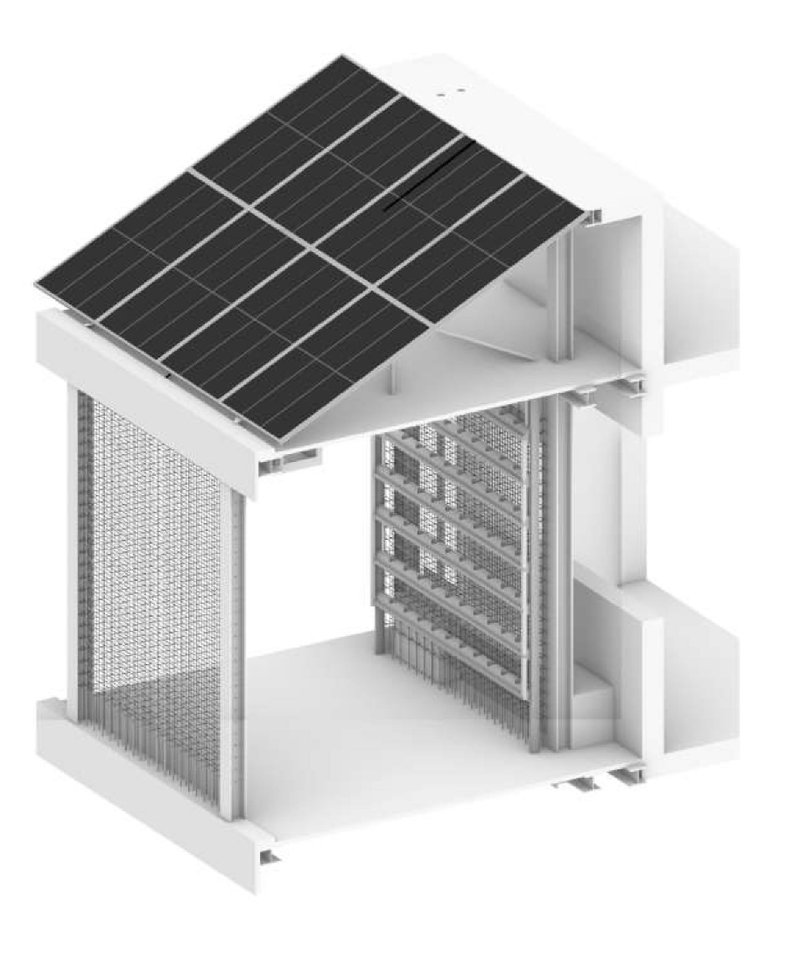
- Modular Planting Walls: Designed using cross-steel mesh frames, the planting walls support soilless cultivation, enabling efficient vertical farming without relying on extensive ground-level infrastructure.
- Solar Energy Integration: Photovoltaic panels installed on rooftops directly power lighting systems and nutrient cycles for the crops.
- Zoned Public Interfaces: A spatial buffer is introduced between the public planting corridor and the residential units, respecting privacy while still encouraging visual and spatial interaction. These zones are designed to enhance daylight access and airflow.
Urban Agriculture for Resilience The crop selection prioritizes plants well-suited to Hong Kong’s climate and culinary culture—ranging from Chinese cabbage and amaranth to water spinach and choy sum. A mapped crop growth cycle informs planting and harvesting strategies to ensure year-round productivity. Residents are encouraged to participate in the farming process, building a shared economy and strengthening food security. This embedded vertical farming system not only supplements nutrition but also fosters environmental literacy and community stewardship.
Rethinking Public Architecture in Dense Cities "In-Between HongKong" redefines urban vertical architecture as a multi-functional tool—one that provides environmental, social, and spatial benefits. Rather than imposing new high-rise towers, the project gently inserts a soft, green infrastructure that reconnects people and places. It advocates for a city that grows within its constraints by making better use of what is already built.
By converting in-between voids into functional, inclusive, and ecological spaces, this proposal promotes adaptive reuse at the urban scale. It champions a holistic vision of city living—one rooted in equity, biodiversity, resilience, and community engagement. As cities worldwide face similar pressures of urban density and environmental decline, this project stands as a scalable, forward-thinking model for revitalizing vertical living.


Popular Articles
Popular articles from the community

A Contemporary Take on Iranian Residential Architecture
A modern interior design in Mashhad that reinterprets brick, light, and spatial flow to create a warm, contemporary residential architecture.
Atelier Macri Concept Store Interior Design by CASE-REAL
Atelier Macri store features a "ko" counter, walnut wood details, cork displays, blending retail, gallery, and seamless customer experiences.


The Ken Roberts Memorial Delineation Competition (Krob)
As the most senior architectural drawing competition currently in operation anywhere in the world, it draws hundreds of entries each year, awarding the very best submissions in a series of medium-based categories.
On the Brooks House by Monsoon Collective – A Contemporary Kerala Home Rooted in Tradition
Kerala home blending tradition and modernity with water-inspired design, brick architecture, courtyard planning, and sustainable rainwater harvesting strategies.
Similar Reads
You might also enjoy these articles
The Ken Roberts Memorial Delineation Competition (Krob)
As the most senior architectural drawing competition currently in operation anywhere in the world, it draws hundreds of entries each year, awarding the very best submissions in a series of medium-based categories.


Waterfront Redevelopment and Urban Revitalization in Mumbai: Forging a New Dawn for Darukhana
A transformative waterfront redevelopment project reimagining Darukhana’s shipbreaking heritage into an inclusive urban future.

OUT-OF-MAP: A Call for Postcards on Feminist Narratives of Public Space
Rhizoma Design and Research Lab invites artists, designers, architects, researchers, and students to reflect on how feminist perspectives can reshape public space. Selected works will be exhibited in Barcelona, October 2026. Submissions open until 15 April 2026.

Documentation Work on Buddhist Wooden Temple
Architectural syncretism and cultural hybridity: A comparative study of the Buddhist temples in Chattogram Hill tracks





Comments (0)
Please login or sign up to add comments
No comments yet. Be the first to comment!