
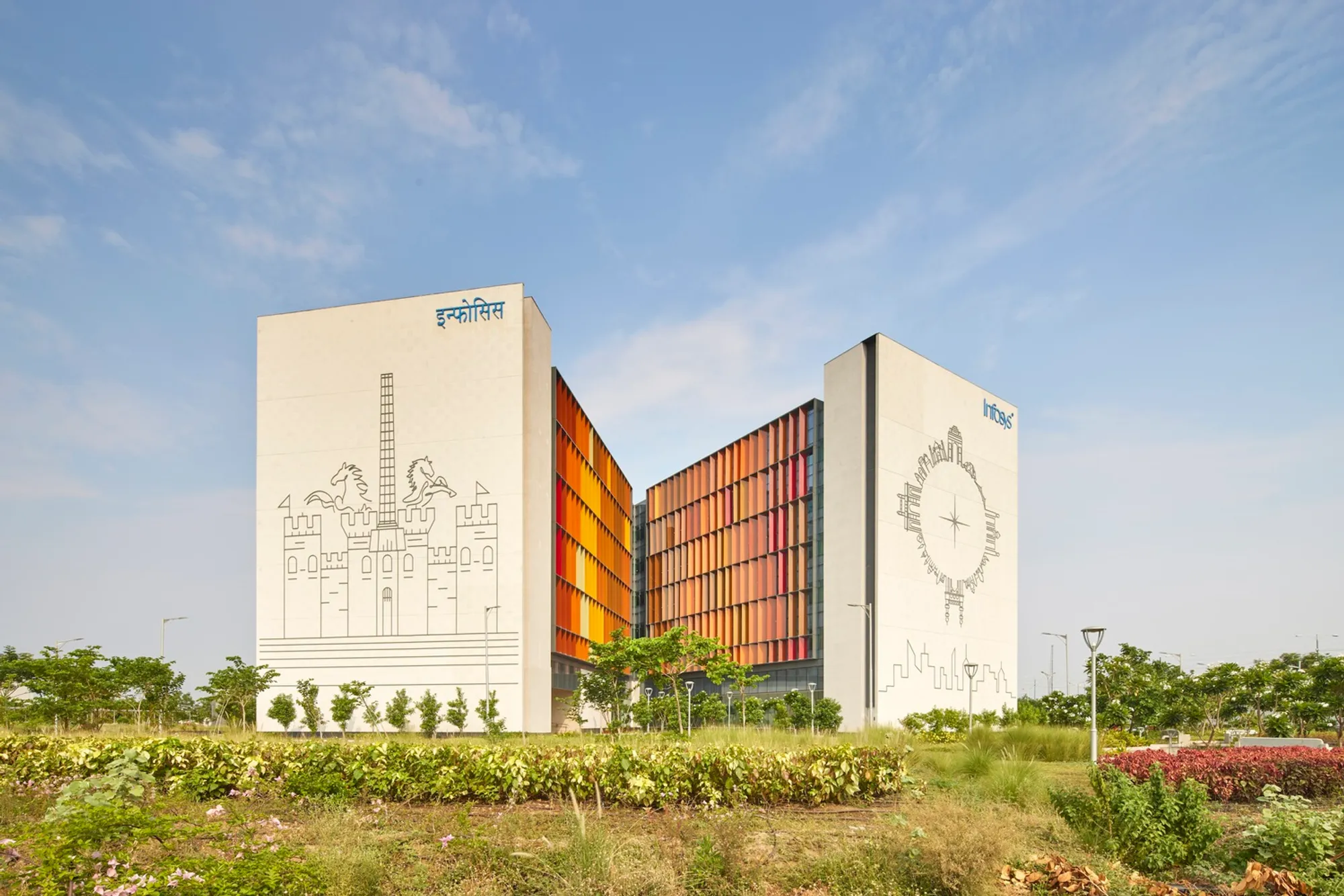
Infosys Campus: A Benchmark in Sustainable Architecture by Morphogenesis
The Infosys Campus by Morphogenesis redefines sustainable workspace architecture, combining innovative energy-efficient design with cultural identity.


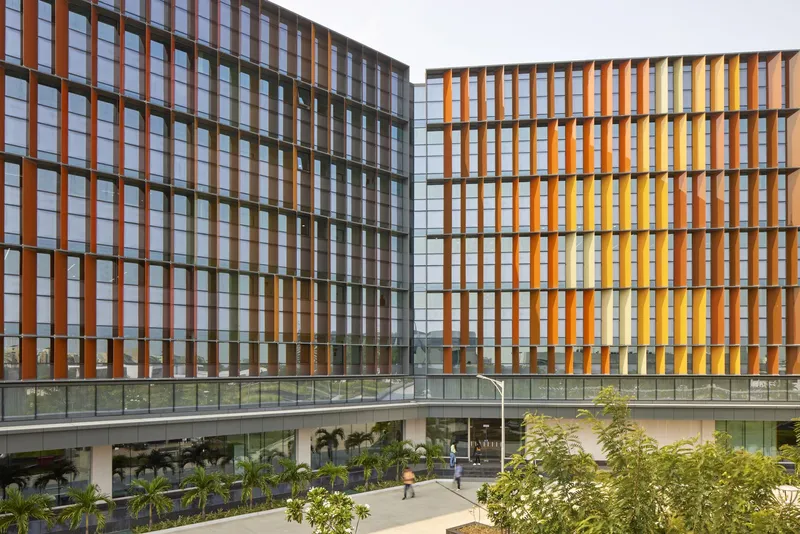
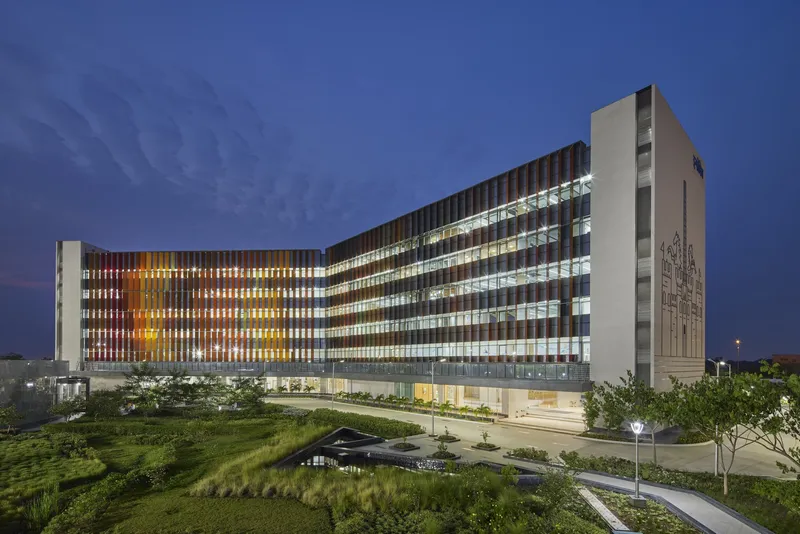
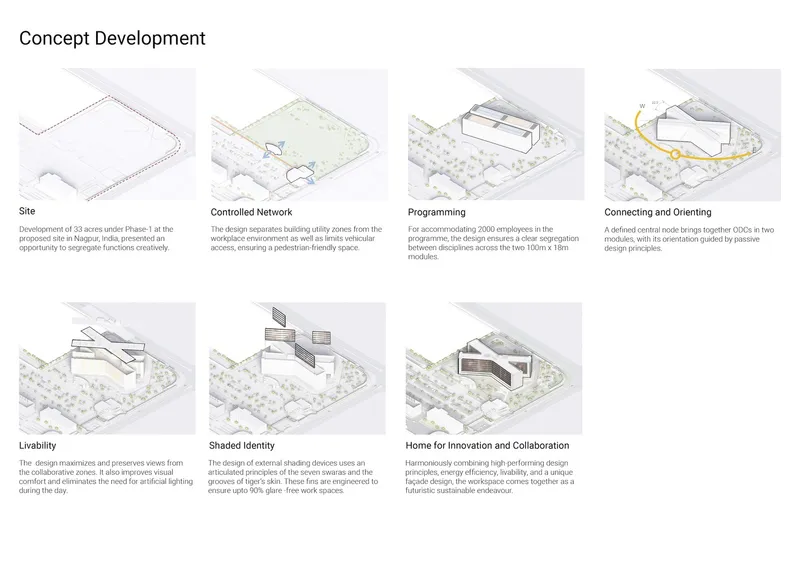
The Infosys Campus in Nagpur, India, designed by Morphogenesis, redefines sustainability and innovation in contemporary workspace architecture. This sprawling 29,500-square-meter facility, completed in 2023, is a beacon of energy efficiency, passive design strategies, and cultural integration. Situated within the Special Economic Zone near the MIHAN commercial hub, the campus is tailored to accommodate over 2,000 employees, embodying the cutting-edge S.O.U.L. (Sustainable, Optimized, Unique, and Liveable) design philosophy.



Architectural Design Inspired by Climate and Context
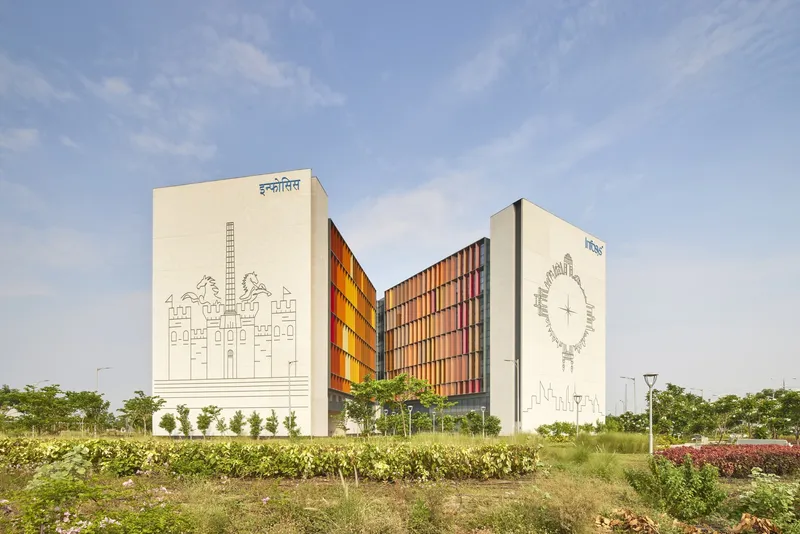
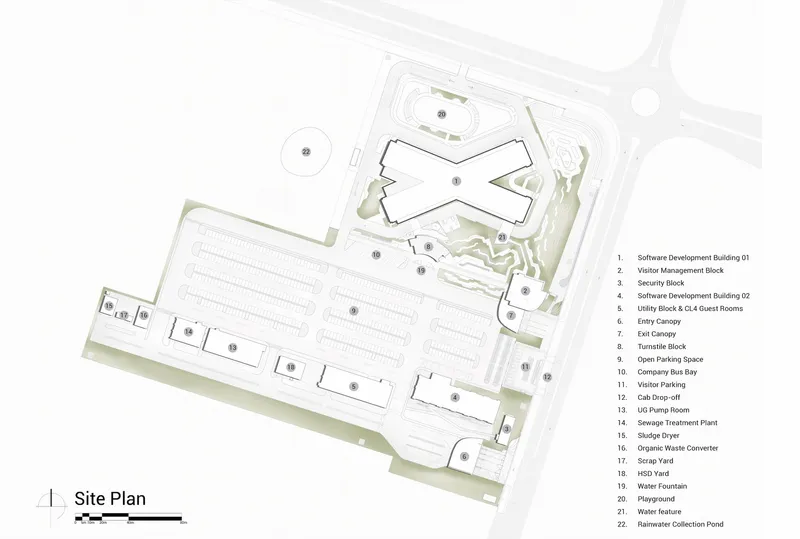
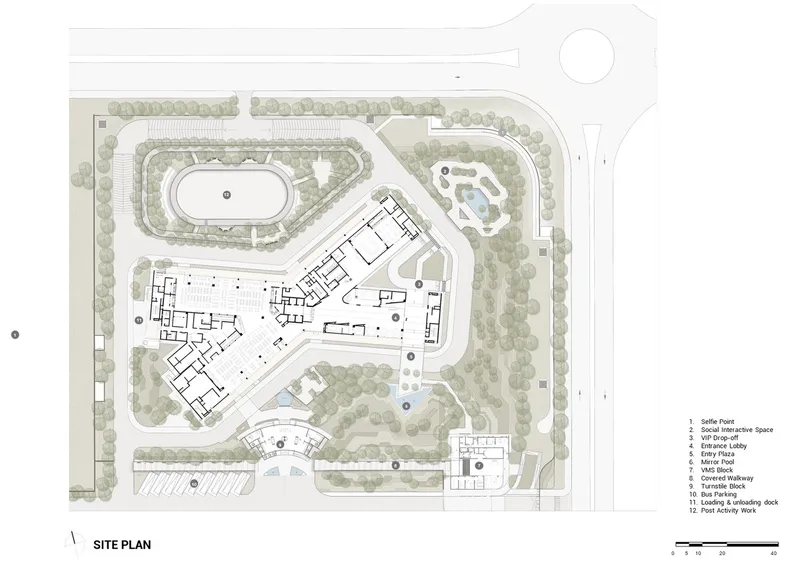
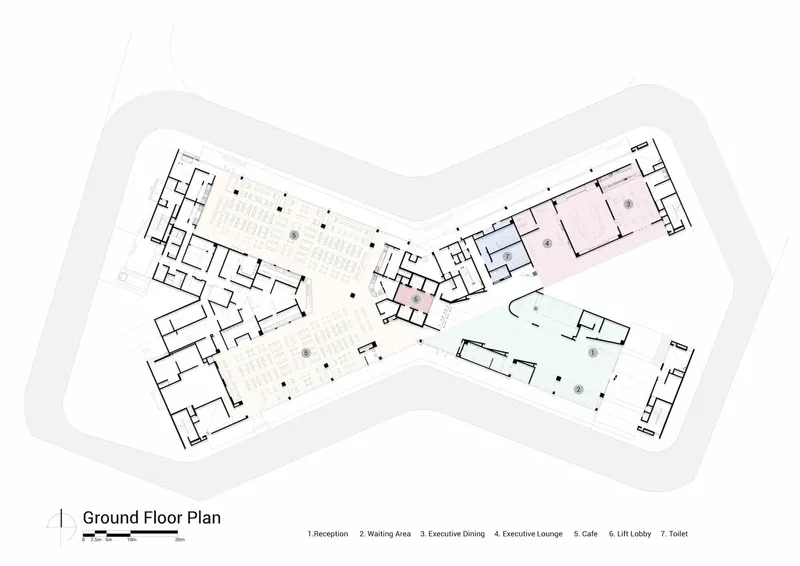
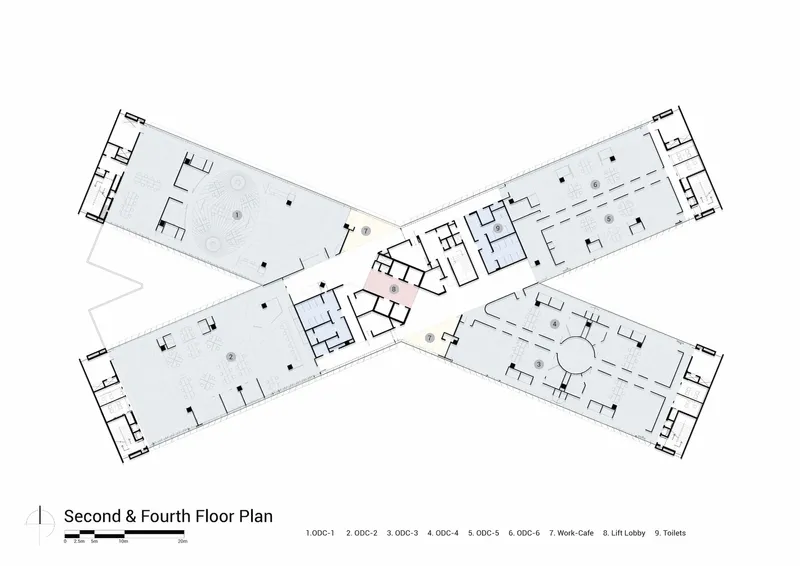
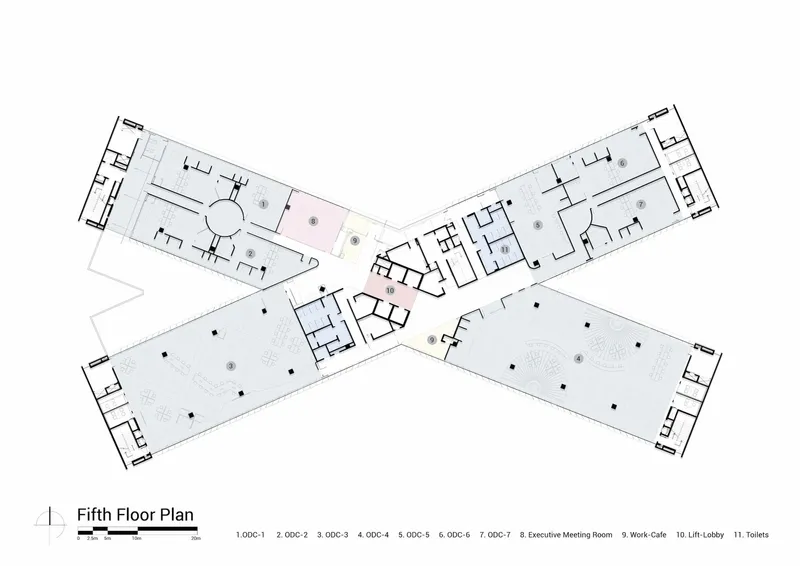
The architectural concept of the Infosys Campus is deeply rooted in Nagpur's composite climate and geographical significance. Morphogenesis adopted an X-shaped building plan oriented 22.5 degrees to the tropic of Cancer. This strategic orientation ensures that 90% of workspaces are bathed in natural light, reducing energy demands and enhancing user comfort. The shallow floor plates, limited to a depth of 18 meters, further optimize natural illumination and ventilation.
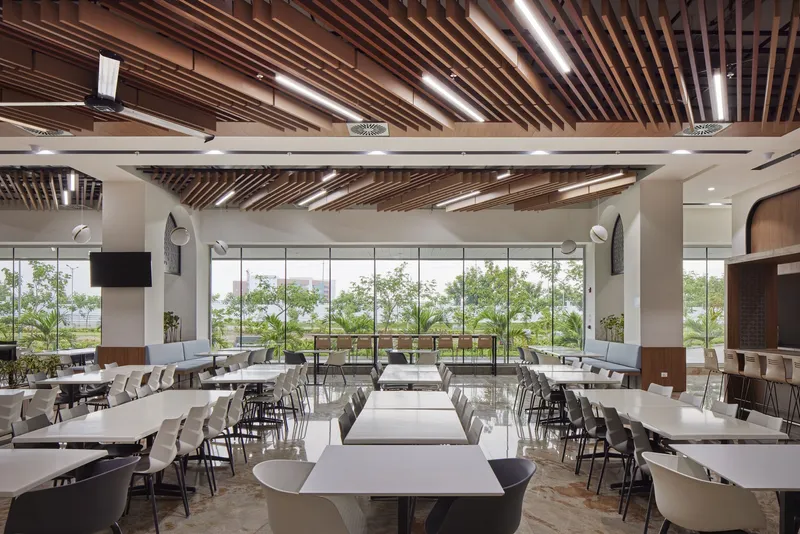
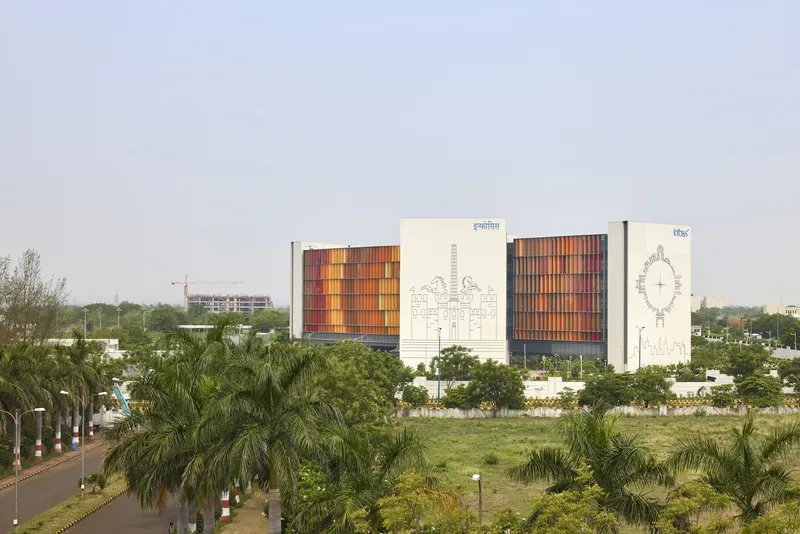
The distinctive design also features a central circulation hub connecting the wings, fostering interaction and collaboration among employees. By harmonizing the building's morphology with programmatic requirements, the campus achieves a seamless blend of functionality and environmental responsiveness.


Efficiency in Space Planning and Functionality
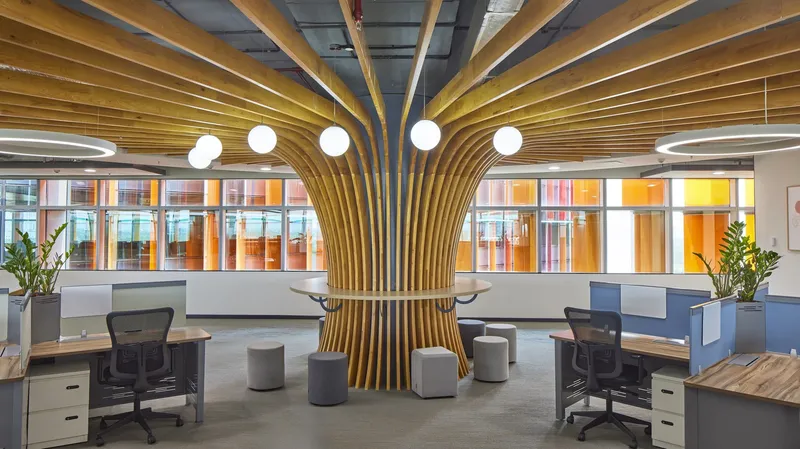
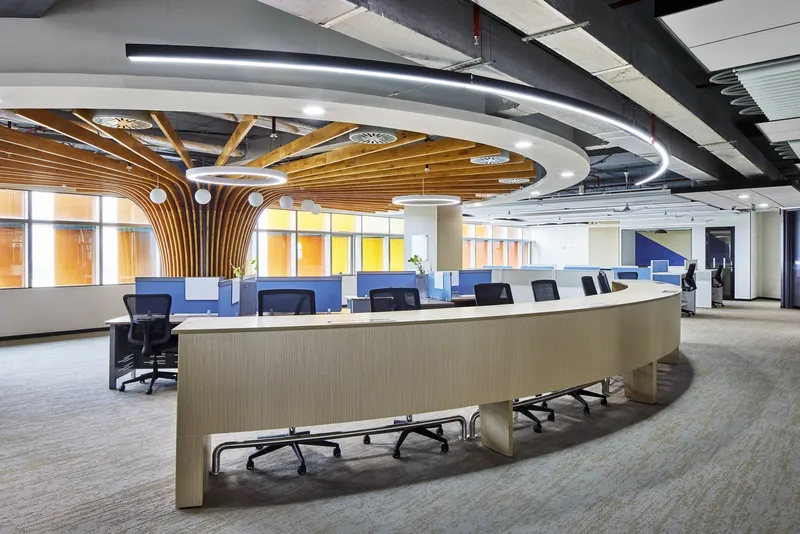
The layout of the Infosys Campus prioritizes efficiency and adaptability. The Offshore Development Centres (ODCs) are designed to optimize space utilization, with 80% allocated to workspaces and 20% to circulation. These spaces are tailored to diverse needs, including collaborative workstations, conference rooms, break-out areas, and office pods.

Adaptable furniture, vibrant color schemes, and distinct flooring patterns create dynamic and user-friendly environments. Amenities such as gyms and relaxation zones promote employee well-being, while pedestrian-friendly pathways and strategically placed utility zones ensure smooth circulation and operational efficiency.
Passive and Sustainable Design Strategies
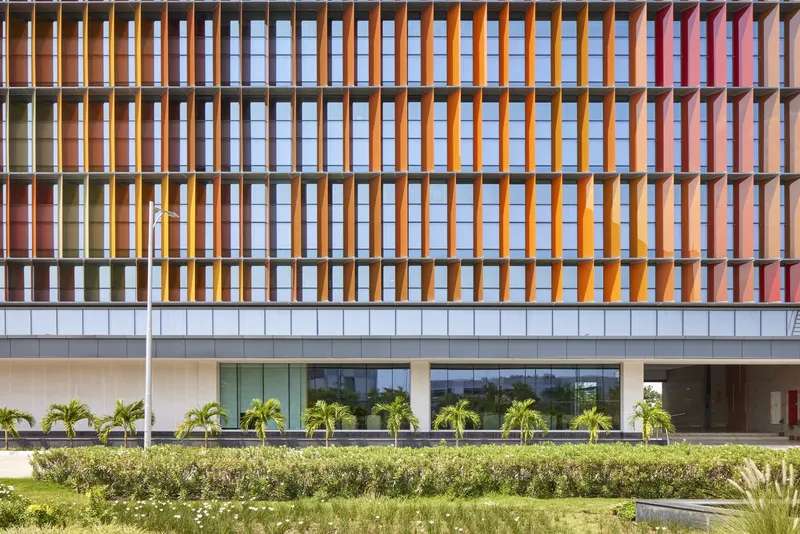
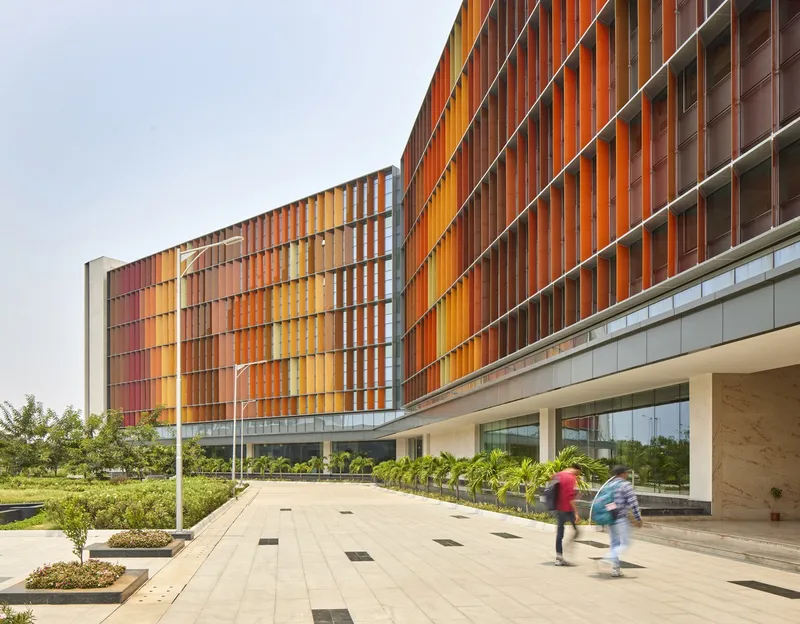
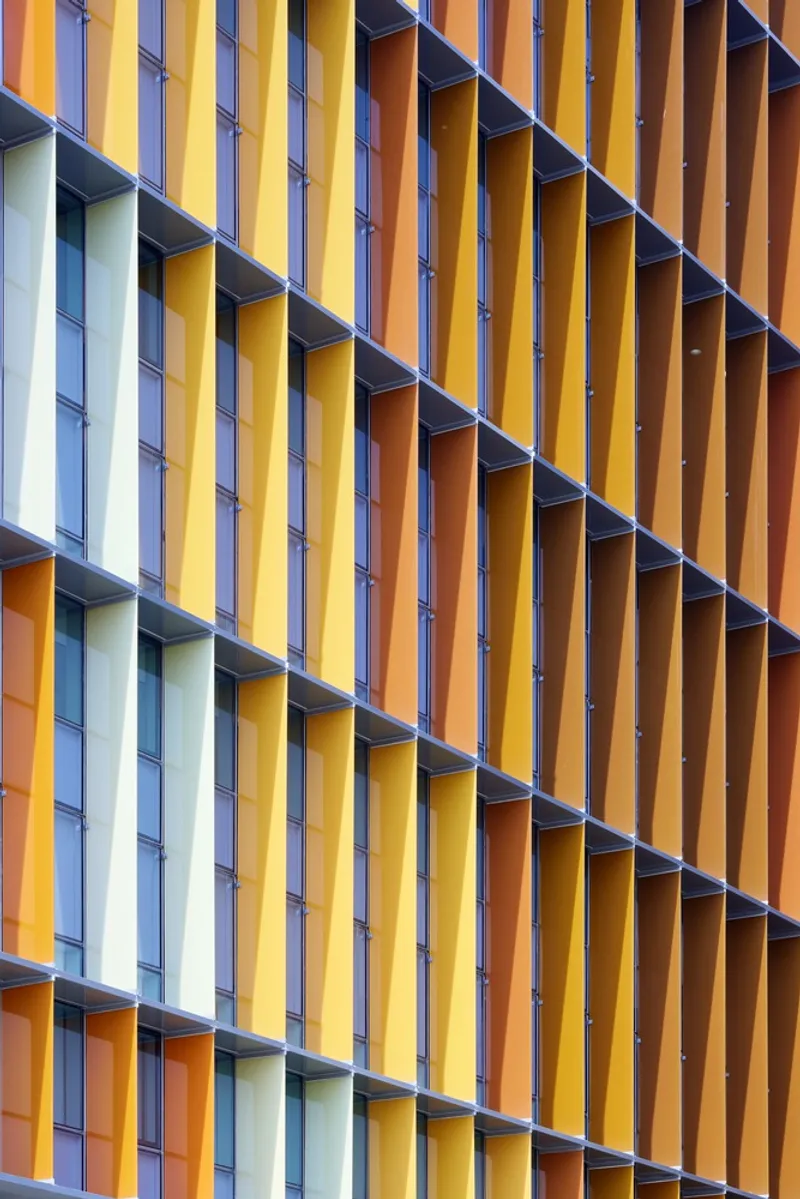
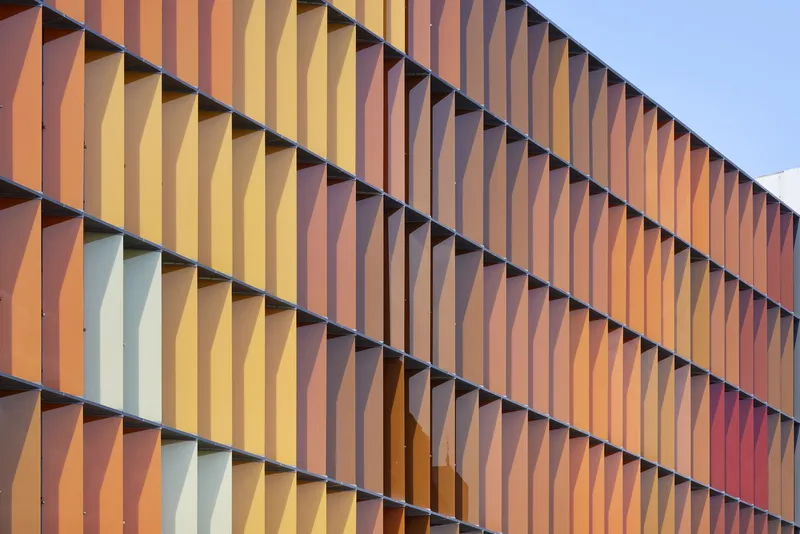
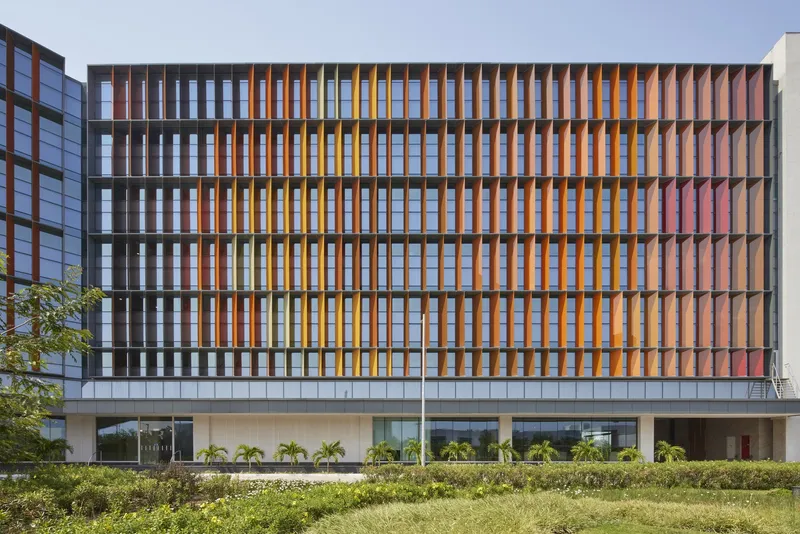
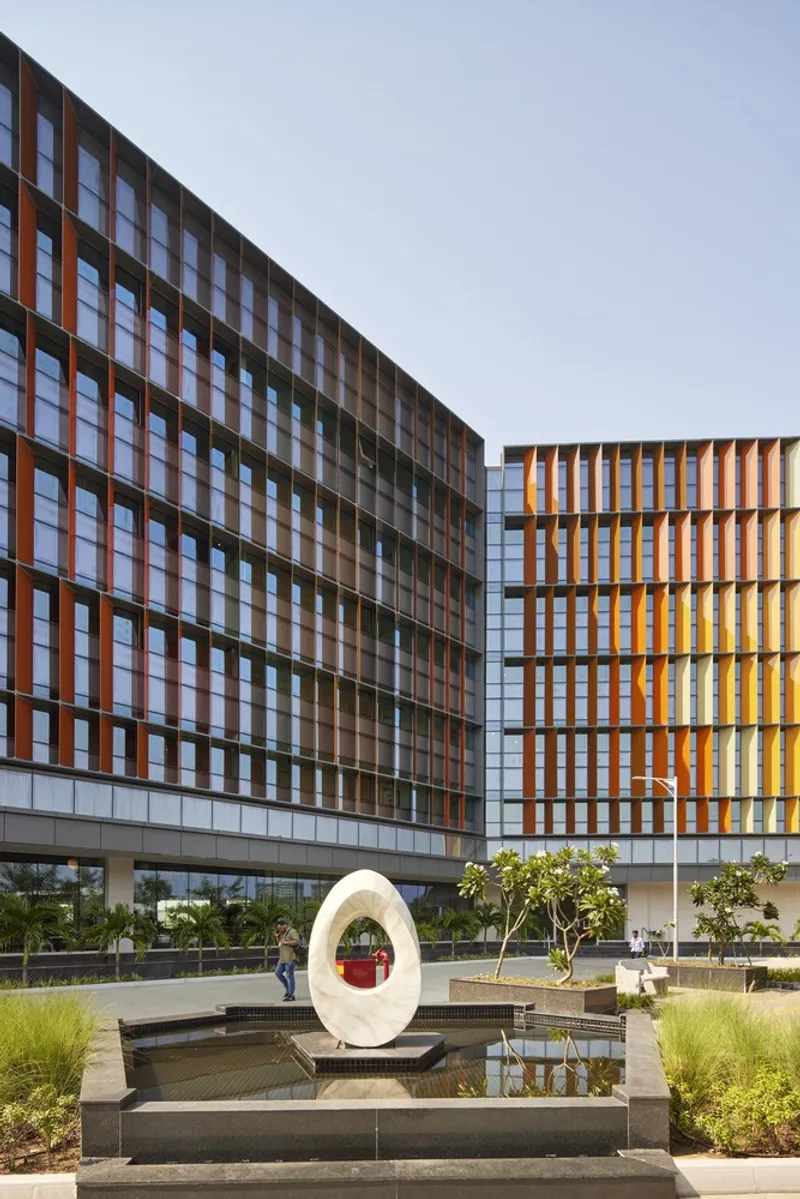
The Infosys Campus is a testament to the integration of traditional architectural principles with modern sustainable practices. Passive cooling techniques, inspired by regional heritage, regulate indoor temperatures through natural ventilation and thermal mass. Vertical fins along the facades are strategically angled to control light ingress, reducing glare and enhancing energy efficiency.
The design incorporates radiant waffle cooling systems, which leverage the thermal mass of concrete slabs to maintain indoor comfort with minimal energy usage. Coupled with smart building controls for real-time environmental monitoring, these strategies achieve a 52% reduction in the Energy Performance Index (EPI) compared to national benchmarks, consuming only one-fifth of the energy used by typical office buildings.


Cultural Heritage Meets Contemporary Design
Morphogenesis has seamlessly woven elements of Nagpur's cultural and historical identity into the architectural narrative of the Infosys Campus. The design celebrates regional craftsmanship and symbolism, with 30-meter-high monolithic concrete walls serving as canvases for contemporary art. These walls depict local landmarks, including a representation of Nagpur Fort and a symbolic "mind tree" reflecting Infosys' work culture.


Thematic artwork and installations throughout the interiors further enhance the campus's connection to its cultural roots, creating an environment that resonates with users on a deeper, more personal level.


A Model for Sustainable Urban Development
As India faces the challenge of urbanization and rapid construction, the Infosys Campus sets a precedent for sustainable architectural practices. By integrating energy-efficient technologies, passive design principles, and cultural sensitivity, the campus exemplifies how modern workspaces can address environmental and societal needs.
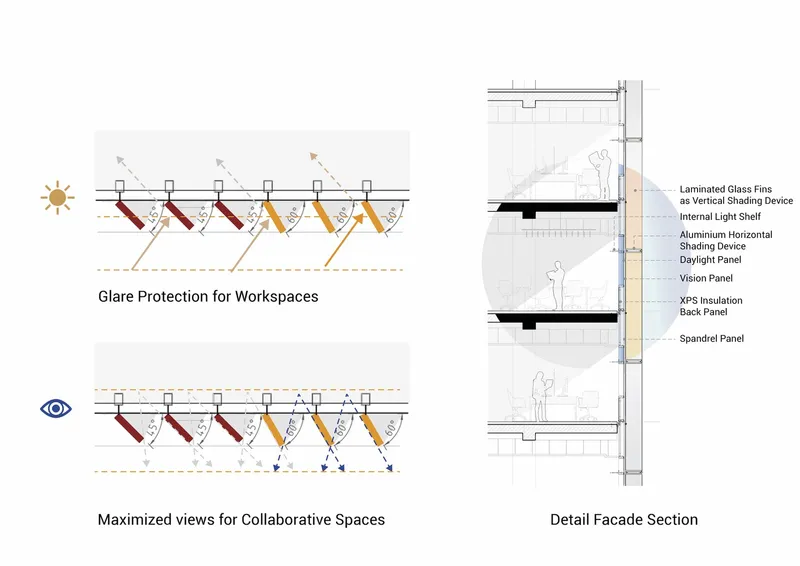

Morphogenesis has not only delivered an office campus that meets the demands of the present but has also established a model for the future of sustainable urban development.


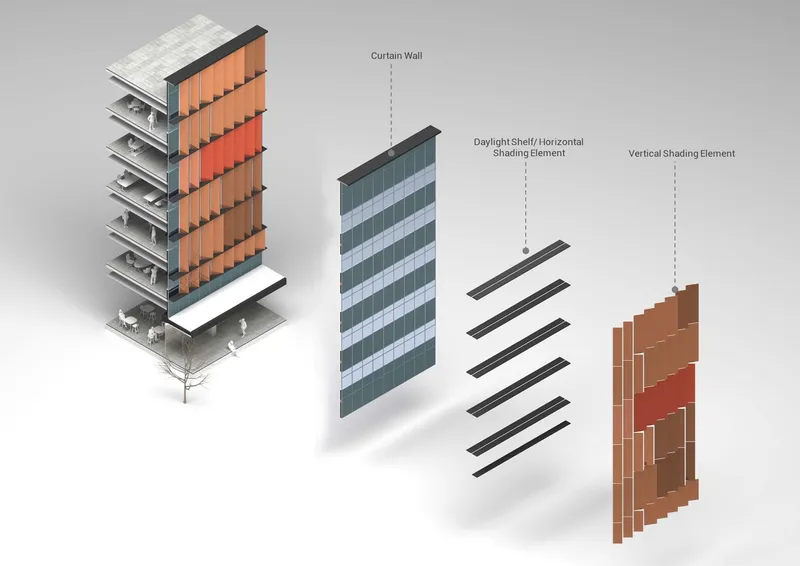
All Photographs are work of Paul Raftery




Popular Articles
Popular articles from the community


Hill & Cross Opera: Sculptural Opera House Architecture Shaped by Tallinn’s Landscape and Identity
Hill & Cross Opera reimagines opera house architecture in Tallinn through its sculptural hill, civic plaza, glass wave and a luminous cross.

Co-Life: Senior Housing Design That Reconnects Older Adults With the City
Co-Life reimagines senior housing design through healing gardens, shared streets, workshops, and a sustainable community across generations.

The Musturak Paradise: Senior Living Architecture for a Connected Future in Temara, Morocco
The Musturak Paradise reimagines senior living architecture in Temara via private homes, social spaces, culture, community, and shared care.

Riyadh For All: Intergenerational Urban Design for Active Aging in Rabat
Riyadh For All reimagines urban design in Rabat with intergenerational co-living, adaptive courtyards, and Moroccan cultural exchange today.


Similar Reads
You might also enjoy these articles


Hodi-Mandai Geram
Project Function: Preservation and revitalization of the Intangible heritage and socio-spatial identity of the Hodi by Housing, Cultural Memory Center, Sacred Grove, landscape, local tourism economy


Olio Towers: A Mid-Rise for Performers That Fuses Housing, Rehearsal, and Stage
Located blocks from Houston's Theater District, this modular tower stacks living units around a central performance atrium.

Oasis: Modular Green Housing Carved into Dhaka's Urban Fabric
A shortlisted Plugin Housing entry reclaims unauthorized settlements in Dhaka with stepped concrete volumes, green roofs, and ventilation-driven design.

Black Hole: A Floating Megastructure for the Post-Physical Era
Emiliano Mazzarotto envisions a spherical, self-scaling arena where e-sports, digital hotels, and holographic stadiums replace traditional public space.

Explore Architecture Competitions
Discover active competitions in this discipline



Challenge to reimagine the Iron Throne


Photograph architecture without architects


Illustrate the lost glory of Angkor Wat - Render Challenge


Design challenge to reuse E-waste
Comments (0)
Please login or sign up to add comments
No comments yet. Be the first to comment!