
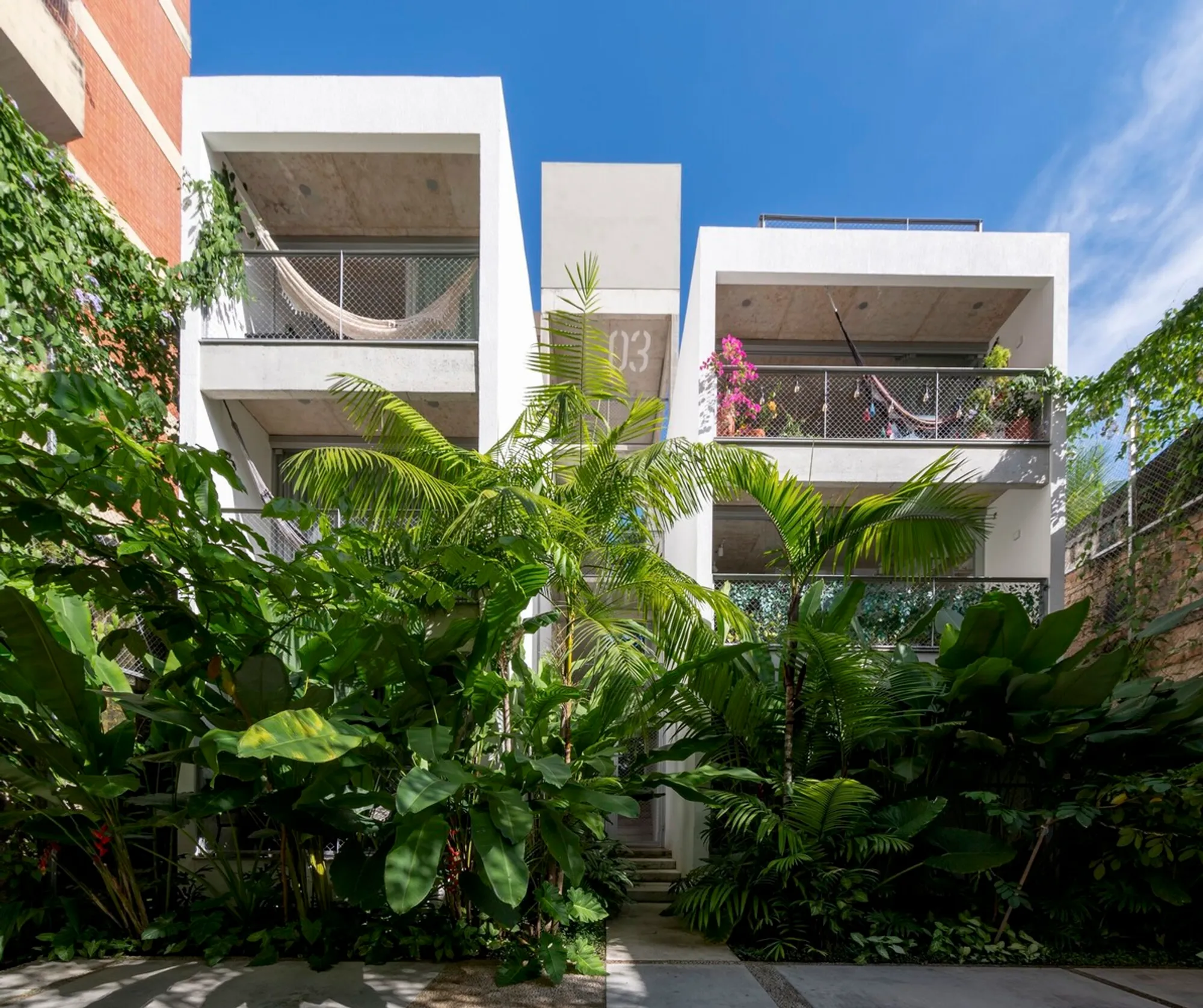
INGÁ Co-living by Laurent Troost Architectures
INGÁ Co-living integrates tropical passive design, native vegetation, and shared amenities, revitalizing Manaus’ historic center through sustainable community living.


Designed by Laurent Troost Architectures, INGÁ Co-living is a forward-thinking residential project located in the historic center of Manaus, just one block from the iconic Teatro Amazonas. Completed in 2022, this 359 m² co-living development redefines compact urban housing in Brazil through climate-responsive design, biophilic architecture, and community-driven spatial strategies.
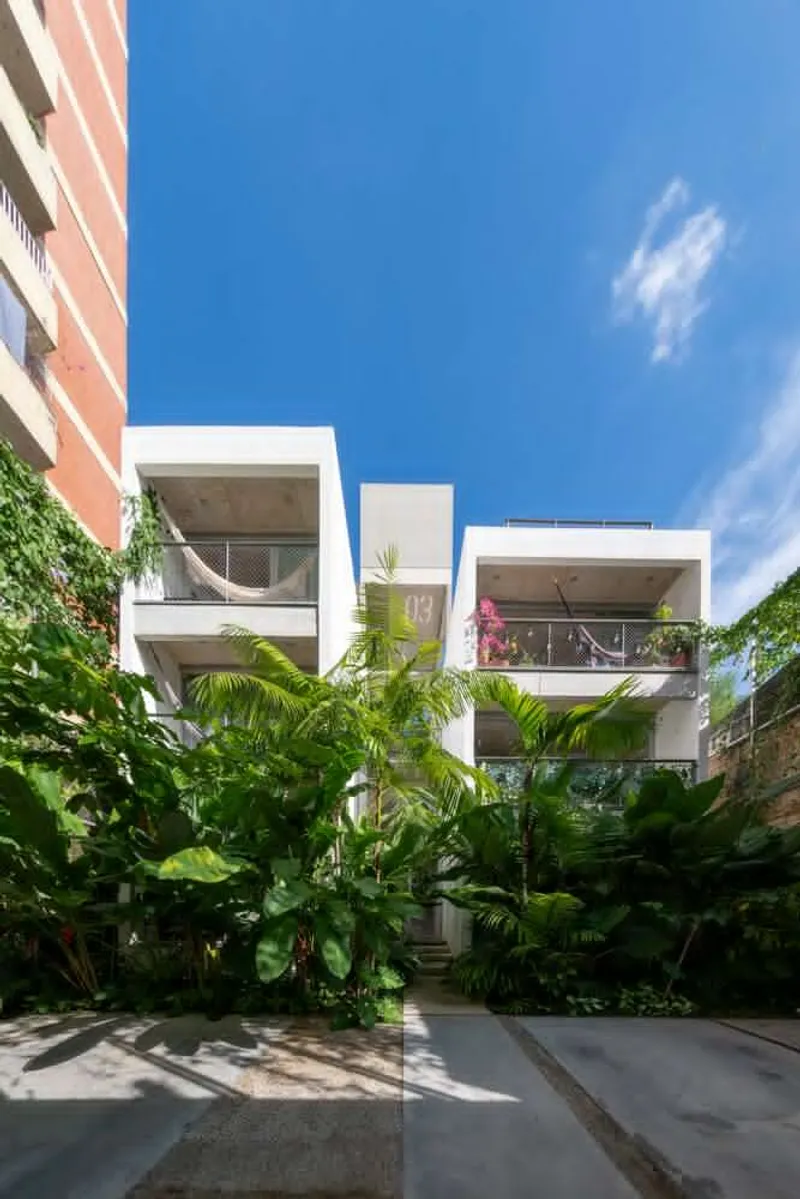
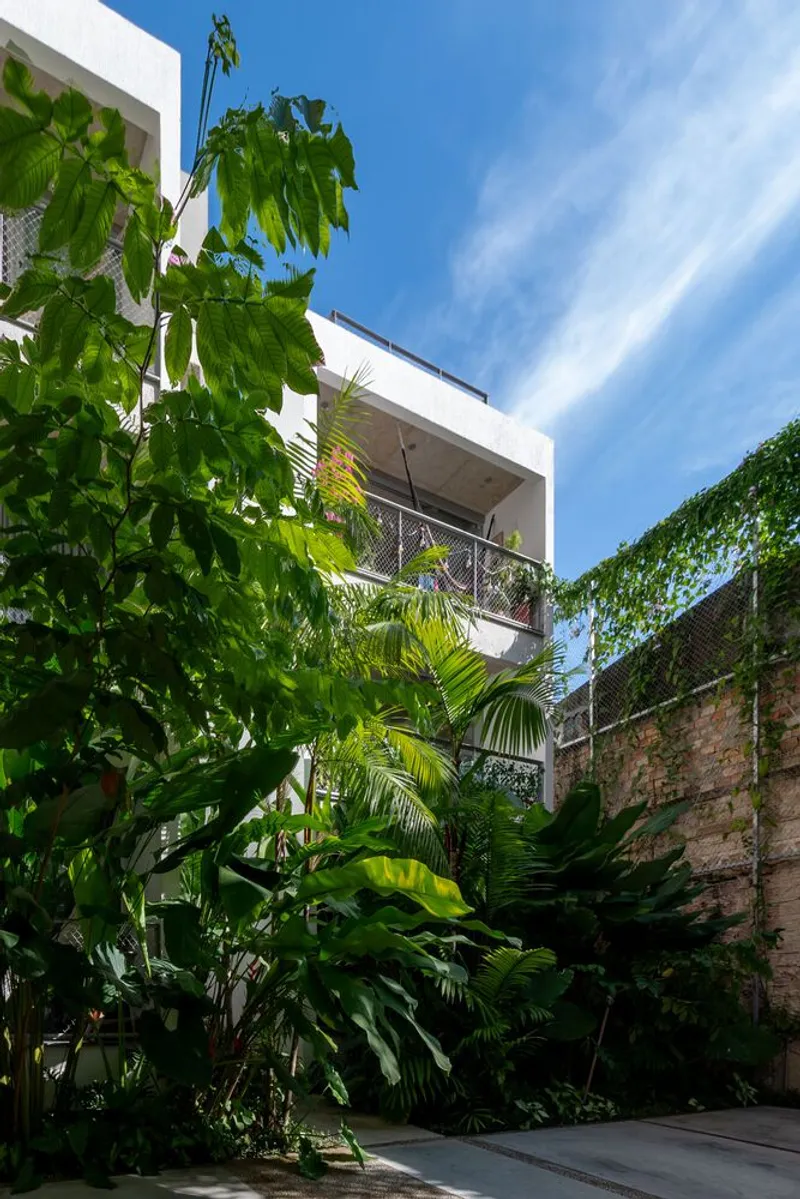
Conceived as a “living building” enveloped in native vegetation and unconventional edible plants (PANCs), INGÁ Co-living introduces a new model of sustainable collective housing that integrates architecture, ecology, and urban regeneration.

Climate-Responsive Architecture and Passive Design Strategies
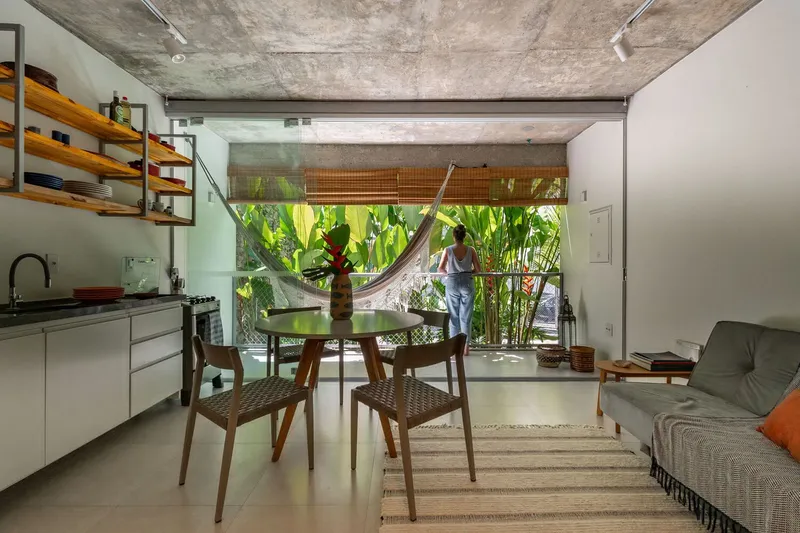
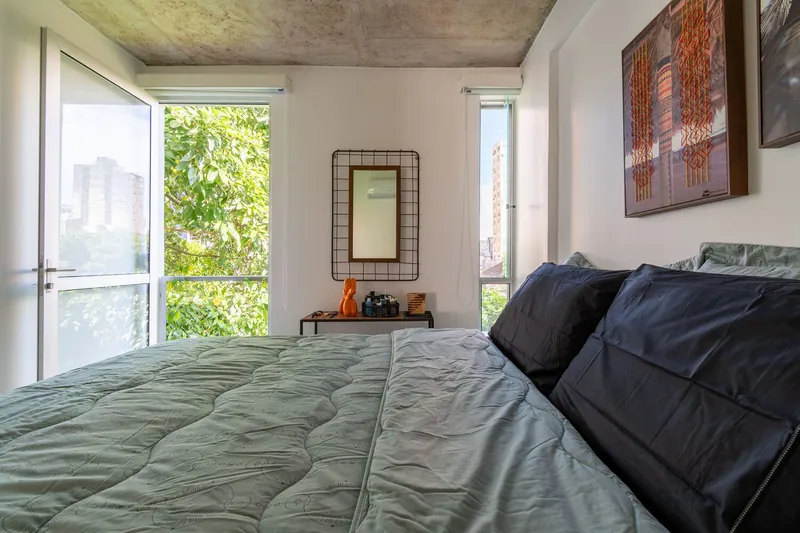
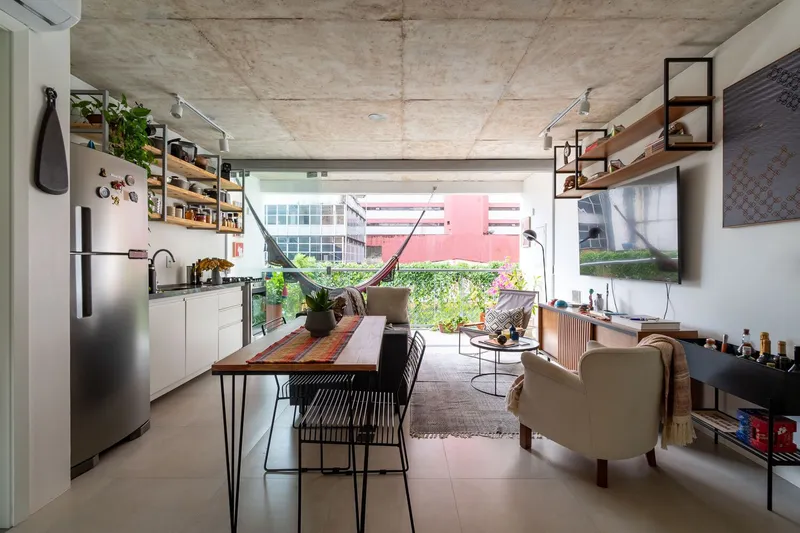
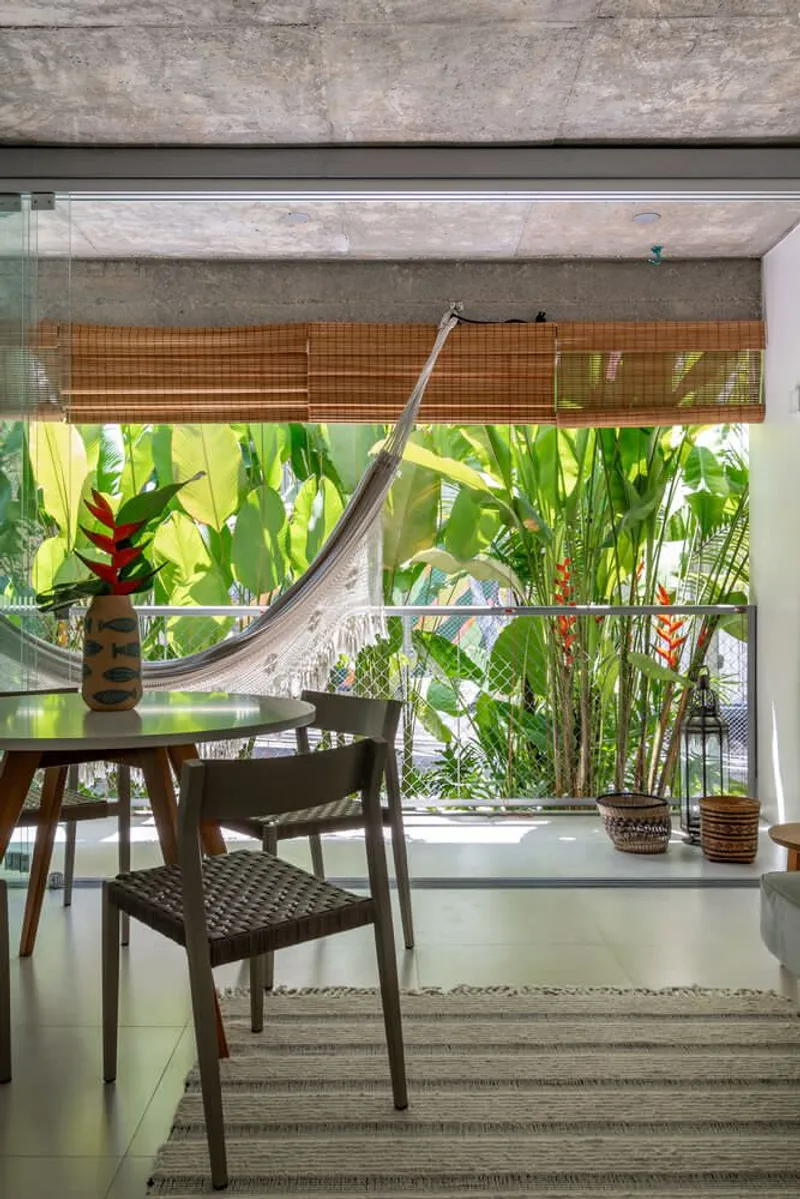
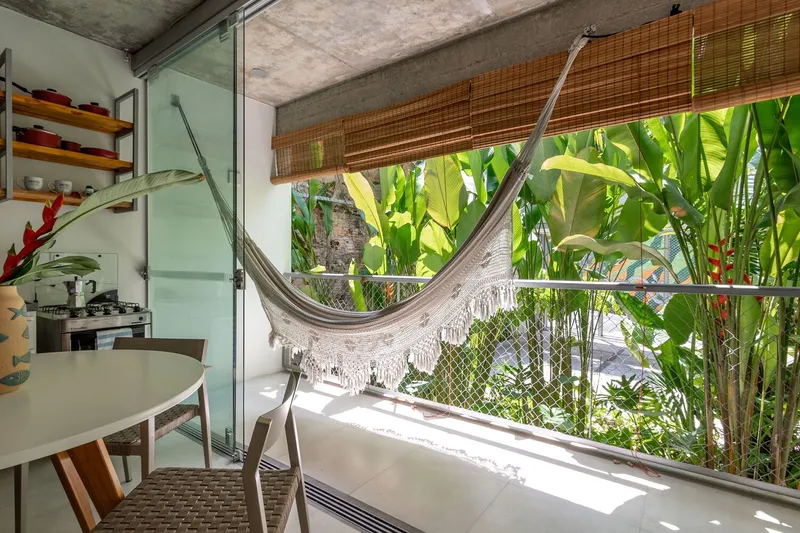
In the hot and humid equatorial climate of Manaus, passive cooling is essential. The project’s architectural layout strategically positions two apartment blocks to cast shade onto each other, significantly reducing solar heat gain. Large sliding glass panels enhance spatial flexibility while maximizing daylight and airflow.
All units benefit from cross-ventilation, a crucial sustainable design feature that improves thermal comfort without heavy reliance on mechanical cooling systems. This passive environmental strategy not only reduces energy consumption but also strengthens the building’s resilience in a tropical urban context.
The transparent ground floor enhances natural airflow and establishes a visual connection with the street, reinforcing urban permeability and public engagement.
Compact Apartments with Optimized Floor Plans
INGÁ Co-living consists of:
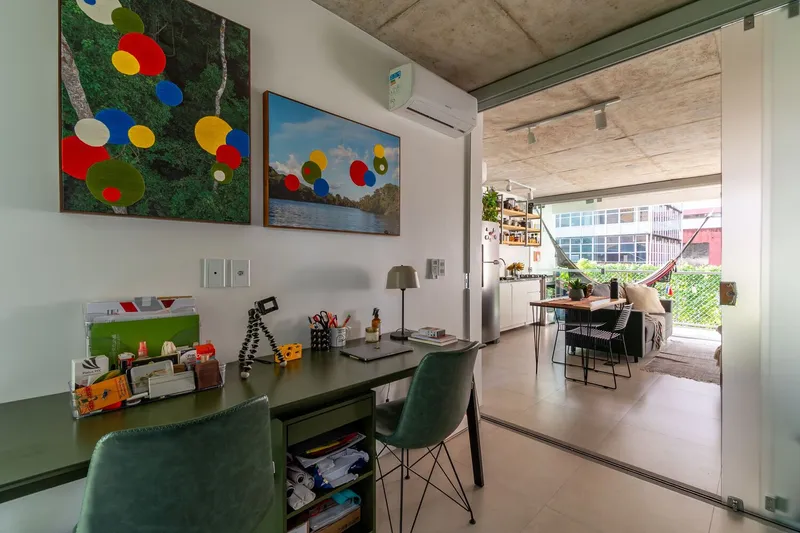
- Three one-bedroom apartments (43 m²)
- Three two-bedroom apartments (52 m²)
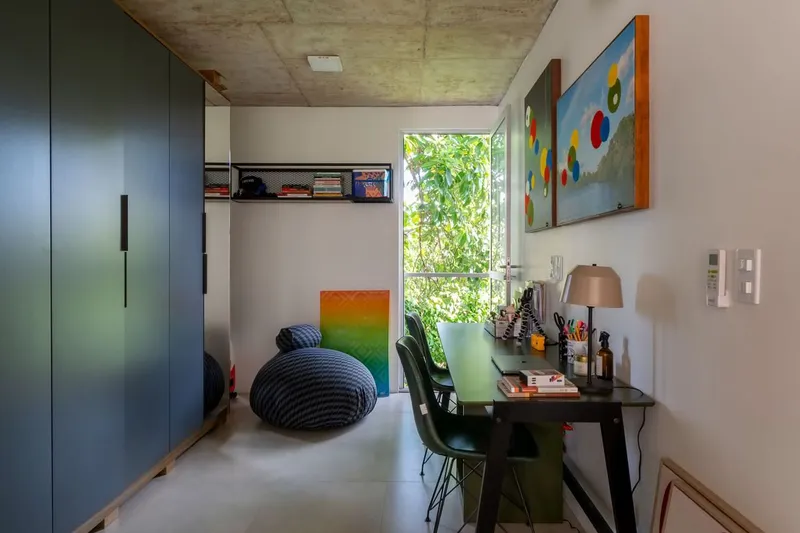
By relocating service areas such as laundry and storage into shared facilities, the architects achieved highly efficient and compact floor plans. This strategy optimizes private living areas while encouraging residents to engage in communal spaces.
The result is a flexible residential typology that accommodates students, young professionals, and urban dwellers seeking affordable, community-oriented housing in Manaus’ historic center.

Shared Amenities and Community-Centered Living
At the heart of INGÁ Co-living is a carefully curated set of shared amenities designed to foster interaction and collective living:
- Communal laundry
- Shared storage
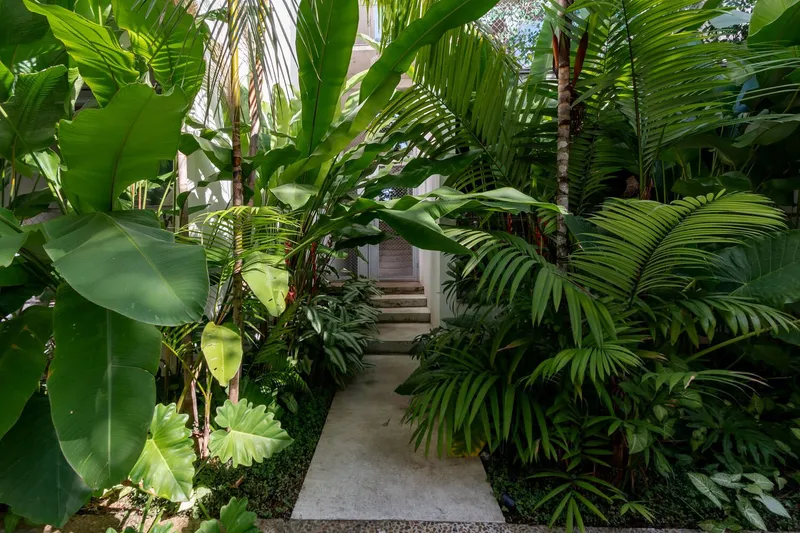
- Community garden featuring native species and edible plants
- Barbecue area
- Rooftop deck with shower and views toward Teatro Amazonas
These shared spaces encourage social exchange while reinforcing sustainable living practices, including urban gardening and resource sharing. The rooftop terrace, overlooking one of Brazil’s most celebrated landmarks, becomes both a social hub and a symbolic bridge between historic architecture and contemporary living.
Biophilic Design and Urban Greening in Historic Centers
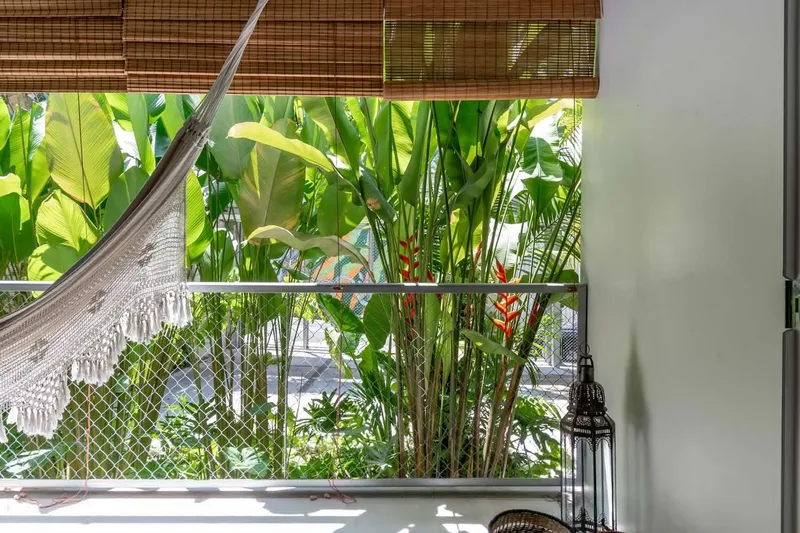
Situated on a street previously devoid of trees, the project stands as a statement advocating for urban greenery within historic environments. Native plants and lush vegetation soften the building’s presence, introducing biodiversity into a dense, under-qualified urban fabric.
This biophilic design approach enhances environmental performance while contributing to psychological well-being and urban microclimate improvement. By integrating landscaping directly into the architectural envelope, INGÁ Co-living blurs the boundaries between building and garden.
Small-Scale Intervention, Large Urban Impact
Beyond its architectural footprint, the project extends its influence into the surrounding neighborhood. Improvements to public lighting and the promotion of urban art, featuring Amazonian artists Curumiz and Wira Tini, amplify the project’s social and cultural impact.
Rather than relying on large-scale redevelopment, INGÁ Co-living demonstrates how small, strategic private investments can catalyze regeneration in historic city centers. The development acts as an urban acupuncture intervention, revitalizing its immediate surroundings through design quality, greenery, and community engagement.

Redefining Sustainable Co-Living in Brazil
INGÁ Co-living represents a new paradigm in Brazilian residential architecture. Through passive cooling strategies, optimized compact layouts, shared amenities, and urban greening, the project balances environmental responsibility with social connectivity.
By merging climate-responsive architecture with collective living principles, Laurent Troost Architectures delivers a model for future co-living developments in tropical cities: one that prioritizes sustainability, efficiency, and community integration within historic urban contexts.
All photographs are works of
Susan Valentim




Popular Articles
Popular articles from the community


Riyadh For All: Intergenerational Urban Design for Active Aging in Rabat
Riyadh For All reimagines urban design in Rabat with intergenerational co-living, adaptive courtyards, and Moroccan cultural exchange today.

The Musturak Paradise: Senior Living Architecture for a Connected Future in Temara, Morocco
The Musturak Paradise reimagines senior living architecture in Temara via private homes, social spaces, culture, community, and shared care.

Play: Fragments of Their World
Familiar architecture becomes modular playground design, creating safe spaces where displaced children can learn, connect, imagine and play.

Hill & Cross Opera: Sculptural Opera House Architecture Shaped by Tallinn’s Landscape and Identity
Hill & Cross Opera reimagines opera house architecture in Tallinn through its sculptural hill, civic plaza, glass wave and a luminous cross.


Similar Reads
You might also enjoy these articles

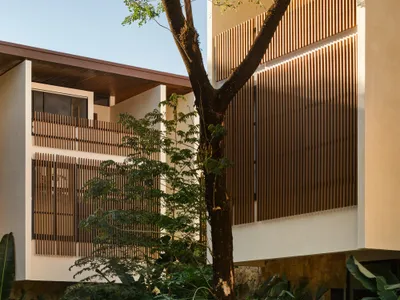
FAMM Arquitectura Organizes Ten Villas Around Courtyards and Jungle in Nosara, Costa Rica
El Molino pairs two elongated volumes with deep overhangs and timber louvers to build a compact coastal community five minutes from the beach.
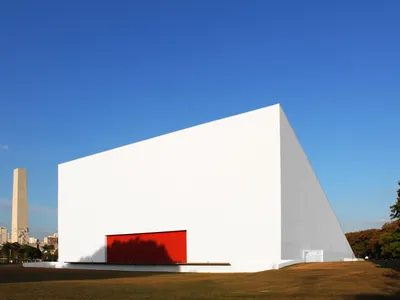
Oscar Niemeyer's Ibirapuera Park Pavilions Define São Paulo's Cultural Identity in Concrete and Curve
A constellation of modernist volumes set within São Paulo's most important urban park, conceived for the city's 400th anniversary in 1954.
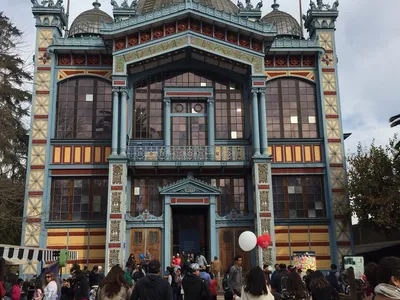
How Henri Picq's 1889 Paris Pavilion Traveled 11,000 Kilometers to Become Santiago's Artequín Museum
A prefabricated iron and glass pavilion built for the Paris Universal Exposition found a second life as a children's art museum in Chile.
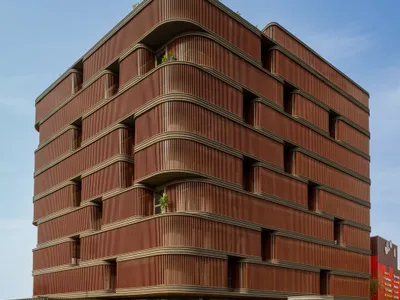
Sanjay Puri Architects Wraps a Jaipur Office Tower in Capsule-Shaped Green Buffers
A nine-level climate-responsive workplace near Jaipur Airport uses stacked planter terraces and aluminium screens to fight 40°C heat.


Explore Co-Living Competitions
Discover active competitions in this discipline



Challenge to reimagine the Iron Throne


Photograph architecture without architects


Illustrate the lost glory of Angkor Wat - Render Challenge


Design challenge to reuse E-waste
Comments (0)
Please login or sign up to add comments
No comments yet. Be the first to comment!